Vang Vieng
🇱🇦 Laos
The Vibe
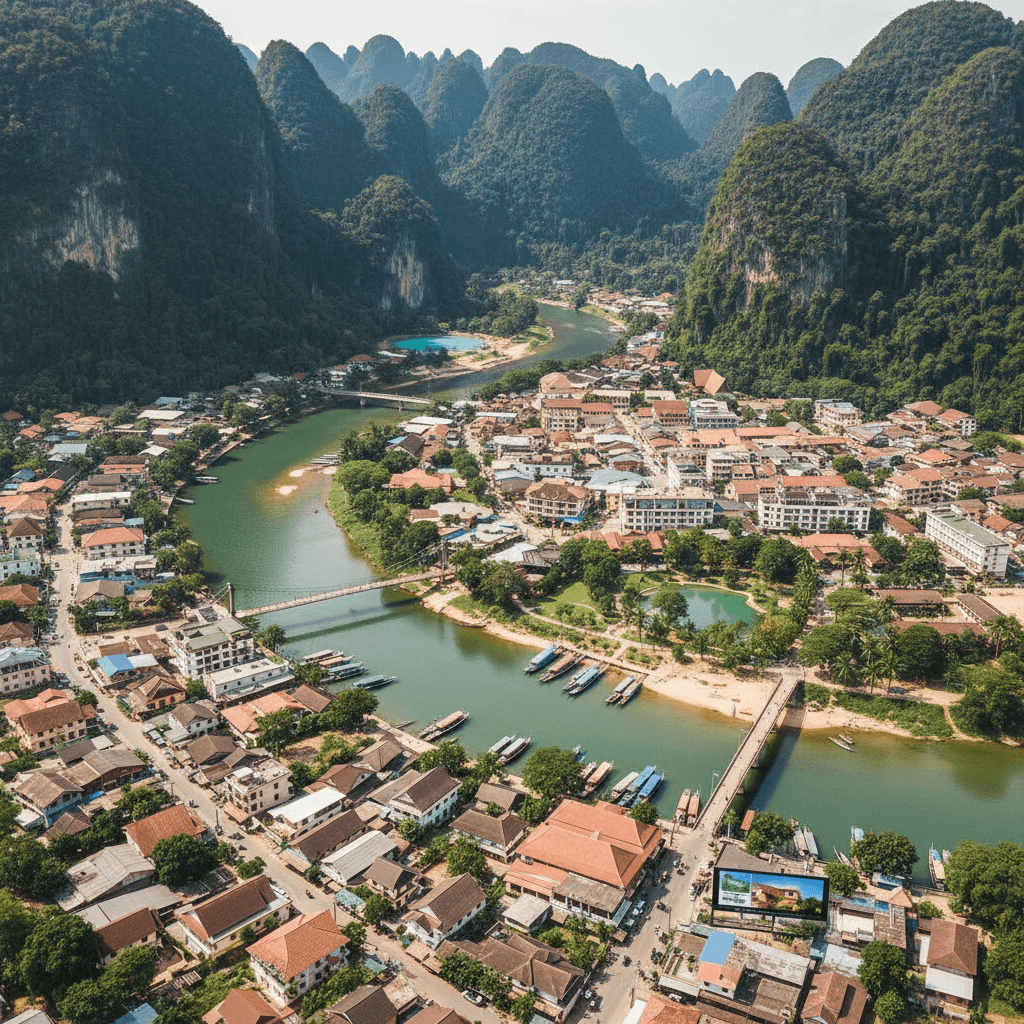
Vang Vieng is a town that has successfully outgrown its messy adolescence. Once the epicenter of Southeast Asia's backpacker party scene, it's matured into a laid back sanctuary for nature lovers and short term nomads. You aren't coming here for high speed infrastructure or a polished tech scene. You're coming for the jagged limestone karsts that glow orange at sunset and the slow, rhythmic pulse of the Nam Song River.
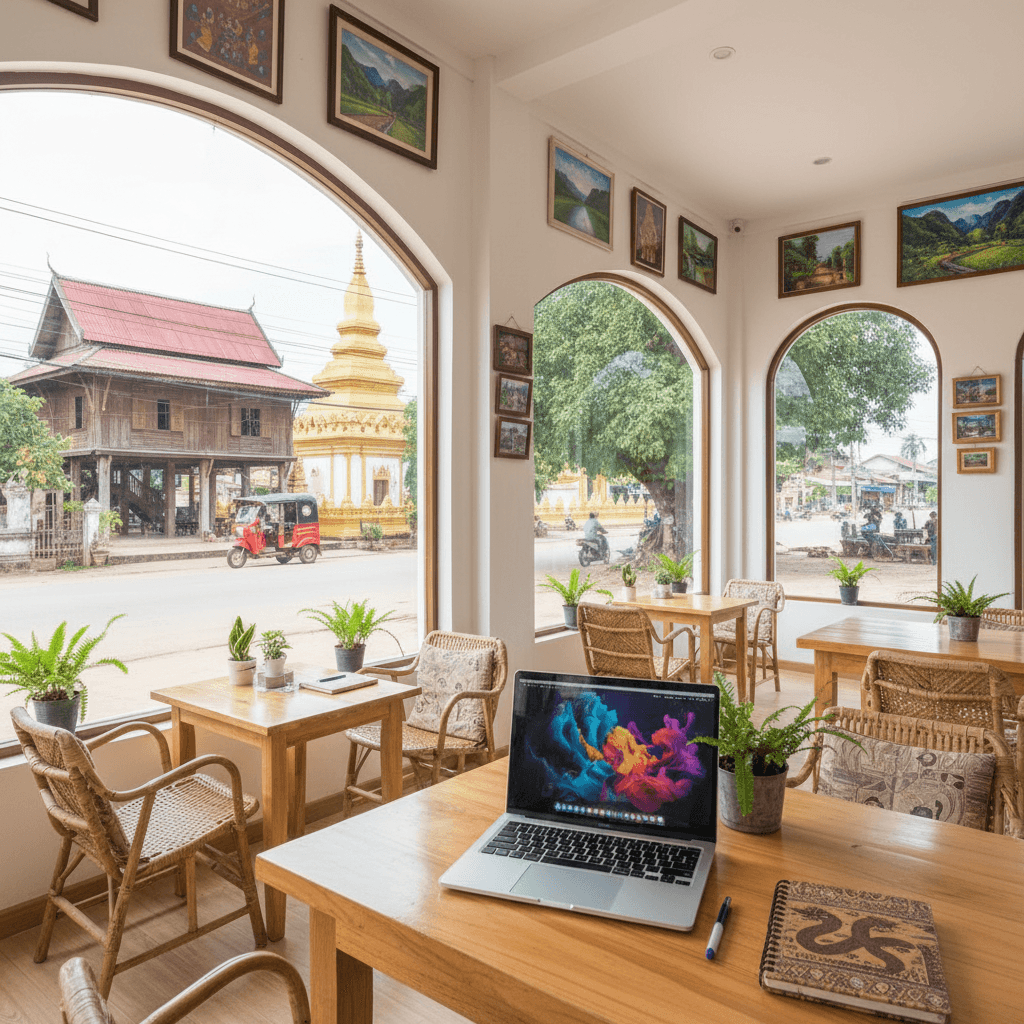
The atmosphere is distinctly "slow travel." Most nomads find themselves staying longer than planned because the cost of living is remarkably low and the scenery is hypnotic. It's the kind of place where your morning "office" is a riverside bungalow and your afternoon break involves a scooter ride to a turquoise lagoon. It feels raw and authentic, though you'll need a healthy dose of patience for the local internet speeds and the occasionally bumpy dirt roads.
Cost of Living
Your dollar goes incredibly far here, making it a top choice for those on a budget or looking to replenish their savings. A comfortable lifestyle usually sits between $1,000 and $1,500 per month, though you can easily survive on $700 if you stick to local guest houses and street food.
- Housing: A central 1BR studio averages $537, while spots on the outskirts drop to $400.
- Food: Street food and pancakes are a steal at $2. A mid range dinner for two costs about $19.
- Transport & Work: Monthly transport averages $39. Coworking costs, where available, hover around $90.
- Daily Life: A local beer or coffee will rarely set you back more than $1 to $2.
Neighborhoods & Where to Stay
Vang Vieng district has around 60,000 residents, so you won't find sprawling districts. The town is effectively split by the river and the main tourist strip.
- The Riverside Core: This is the heart of the action. It's highly walkable and puts you steps away from cafes and rentals. It's the best spot for solo nomads who want to be near the social buzz, though it gets a bit noisy when the tubing crowds return in the late afternoon.
- The Outskirts: If you're staying for a month or more, look toward the quieter guesthouses across the river or on the northern edge of town. It's peaceful and scenic, but you'll absolutely need to rent a scooter to get anything done.
Internet & Productive Spaces
This is the dealbreaker for some: the internet is sluggish. Average WiFi speeds crawl at 6 Mbps, sometimes hitting 20 Mbps in better cafes. It's fine for emails and basic tasks, but heavy video editors or developers will struggle. Most nomads rely on local SIM cards from Lao Telecom or Unitel. A data pack costs between $2.50 and $5 and is generally more reliable than hotel WiFi.
There aren't dedicated coworking spaces yet. Coffee Inn is the unofficial headquarters for remote workers, offering decent signal and $1 brews. If you need to get serious work done, aim for the early morning before the tourist crowds wake up and saturate the bandwidth.
Getting Around
The central grid is perfectly walkable. For everything else, the scooter is king. You can rent a semi automatic for 60,000 to 80,000 LAK (about $3 to $4) per day. If you prefer an automatic, expect to pay up to 100,000 LAK. Always check the brakes before you leave the shop; the roads out to the caves and lagoons can be treacherous.
Tuk tuks are everywhere for quick hops, usually costing around $8 for a short trip. For longer hauls, like getting to the airport in Vientiane, most travelers book a minivan for roughly $60. There are no major ride sharing apps like Uber here, so you'll be hailing drivers the old fashioned way.
Safety & Health
Vang Vieng is generally safe, but it demands common sense. Petty theft happens in crowded bars, and the combination of river activities and alcohol still causes accidents. The local Vang Vieng Hospital is basic. While it's slated for upgrades through 2026, nomads consistently recommend evacuating to Vientiane or Thailand for anything more serious than a scrape or a stomach bug.
When to Go
Timing is everything in Laos. The sweet spot is November to February. The weather is dry and mild, hovering around 22°C to 25°C. From March to May, the heat becomes oppressive, often topping 32°C. The rainy season hits from May to October, with July and August seeing heavy downpours that can turn the dirt roads into mud pits and flood the riverbanks.
Practical Tips
- Cash is King: Carry LAK for everything. ATMs are available but have withdrawal limits around 10 million LAK (roughly $460).
- Language: English proficiency is low. Download an offline translator or a Lao phrasebook app to help with menus and directions.
- Etiquette: Always remove your shoes before entering a home or temple. A simple "wai" (pressing your palms together) goes a long way.
- Social Life: Join the Laos Expats & Digital Nomads Facebook group. For a physical meetup, head to Gary’s Irish Bar, which serves as the town's central hub for expats and travelers alike.
The Bottom Line
Vang Vieng is one of the most affordable spots in Southeast Asia for those who can handle a slower pace of life and even slower internet. While it isn't a polished tech hub, it's a paradise for budget conscious travelers who want their dollar to stretch as far as possible. Most digital nomads find they can live comfortably on about $1,247 per month, while long term expats who know the local hacks often get that number down to $1,040.
If you're on a strict budget, you can survive here on $600 to $800 by sticking to guesthouses and local markets. For those who want a bit more luxury, like a private villa or frequent upscale dinners, $2,000 a month will make you feel like royalty. The town operates mostly on cash, specifically the Lao Kip (LAK), so you'll want to keep your ATM card handy for those 10 million LAK withdrawals.
Housing and Neighborhoods
The town is compact, so you won't find distinct "neighborhoods" in the traditional sense. Most nomads choose between the central riverside core or the quieter outskirts. Rent for a 1BR studio in the center usually hovers around $537, though you can find cheaper spots for $400 if you head away from the river toward the limestone karsts.
- The Riverside Core: This is where the action is. It's walkable and close to cafes like Coffee Inn, but it gets noisy when the tubing crowds return in the late afternoon.
- The Outskirts: Favored by expats and families, these areas offer more peace and better views. You'll need a scooter to get around, but you'll save about 10% to 20% on monthly rent.
Food and Daily Expenses
Eating out is a highlight here because it's incredibly cheap. You can grab a street food pancake or a bowl of noodles for just $2. If you're heading out for a proper sit down dinner for two at a mid range spot, expect to pay around $19 including a few Beerlaos.
- Street Food: $2 per meal
- Local Beer (Beerlao): $1 to $2 at most bars
- Monthly Transport: $39 (including fuel and occasional tuk tuks)
- Utilities and Internet: $50 to $60 per month
Connectivity and Work
This is the trade off for the low cost of living. Average WiFi speeds sit at a sluggish 6 Mbps. You won't find dedicated coworking spaces here, so most nomads set up shop in cafes. Coffee Inn is a popular choice where a brew costs about $1 and the connection is stable enough for emails and basic tasks. If you need to take video calls, you'll want a local SIM card from Lao Telecom or Unitel. A data pack with several gigabytes will cost you between $2.50 and $5.
Getting Around
In the town center, your feet are your best asset. For exploring the Blue Lagoons or Tham Chang Cave, you'll want to rent a scooter. A semi automatic bike goes for about $3 to $4 a day, while a full automatic is closer to $5. If you're staying for a month, always ask for a weekly or monthly discount, which can shave 20% off the daily rate. For longer trips, like a transfer to Vientiane, a private taxi or minivan will run you about $60.
The Solo Traveler and Digital Nomad Core
Because Vang Vieng district has around 60,000 residents, the town center functions as the primary hub for anyone looking to stay connected. Most nomads and solo travelers gravitate toward the main tourist strip running parallel to the Nam Song River. It is the only part of town where you can realistically walk from your guesthouse to a cafe with semi-reliable WiFi in under five minutes.
Living here means you are in the thick of it. You will find the highest concentration of rentals, like 1BR studios that average around $537 per month. The vibe is social, centered around spots like Coffee Inn where a brew costs about $1 and the WiFi is stable enough for basic emails. While the 6 Mbps average internet speed across town is a challenge, being central allows you to quickly pivot to 4G data via a Lao Telecom or Unitel SIM card, which usually costs $2.50 to $5 for a decent data pack.
- Rent: Roughly $500 to $600 for a central studio.
- Pros: High walkability, easy access to the night market, and the best chance of meeting other travelers at Gary's Irish Bar.
- Cons: It gets noisy. Between the evening bar crowds and the morning tuk-tuks heading to the caves, it is rarely quiet.
The Expat and Long-Termer Outskirts
If you are planning to stay for more than a few weeks, look toward the outskirts or the quieter guesthouses on the far side of the river. Expats often prefer these areas because the cost of living drops significantly, with monthly expenses averaging around $1,040 compared to the higher nomad price point. You can find houses or larger bungalows for $400 to $500, often with stunning views of the limestone karsts that the center lacks.
The trade-off is the need for wheels. You will want to rent a scooter, which typically goes for 80,000 to 100,000 LAK per day for an automatic, though you can negotiate 10% to 20% off for weekly or monthly rentals. This area is much more peaceful, letting you avoid the tubing crowds while still being a ten-minute ride from the action.
- Rent: $400 to $500 for a quiet house or scenic bungalow.
- Pros: Incredible nature views, lower rent, and a more authentic Laotian neighborhood feel.
- Cons: Not walkable; you will be reliant on a scooter or paying $8.50 for short tuk-tuk rides.
Family-Friendly Riverside Pockets
Families generally stick to the upscale resorts and larger guesthouses situated directly on the riverbanks, slightly north or south of the main bridge. These pockets offer more space and immediate access to outdoor activities like kayaking or visiting Tham Chang Cave without the rowdiness of the central bar scene. It is a more controlled environment where kids can explore the riverbanks safely.
Dining in these areas is a mix of resort food and local stalls. A mid-range dinner for two in these scenic spots usually hits around $19. While the infrastructure is still basic, the proximity to the Vang Vieng Hospital provides a small safety net, though most expats recommend evacuating to Vientiane or Thailand for anything beyond a minor scrape.
- Rent: $800+ for family-sized villas or high-end resort suites.
- Pros: Immediate river access, quieter nights, and more physical space.
- Cons: Further from the main grocery shops and pharmacies; higher premium for riverfront views.
The Adventurer's Base
For those who are in Vang Vieng specifically for the rock climbing and lagoons, staying near the bamboo bridges on the west side of the river is the move. This is less of a neighborhood and more of a collection of rustic eco-lodges. It appeals to travelers who spend their days at Blue Lagoon or climbing the crags and only head into town for supplies.
Living here is the most affordable way to experience the town, with budget tiers ranging from $600 to $800 total per month. However, the internet is notoriously spotty here, and you will be relying almost entirely on mobile hotspots. It is the best choice if your priority is being the first person at the trailhead rather than having a stable Zoom connection.
- Rent: $300 to $450 for basic bungalows or guesthouses.
- Pros: Closest to the best hiking, climbing, and lagoons.
- Cons: Very limited infrastructure, poor lighting at night, and the weakest WiFi in the area.
The Reality of Remote Work
Working from Vang Vieng is a trade-off. You're swapping high speed fiber for limestone views and a very slow pace of life. Most nomads find the local WiFi averages a sluggish 6 Mbps. While you might see bursts up to 20 Mbps in the better cafes, it's rarely stable enough for heavy video editing or back to back Zoom calls. If your job depends on constant, high bandwidth connectivity, you'll need a backup plan.
Expats here rely heavily on mobile data to bridge the gap. It's affordable and often more reliable than the router in your guesthouse. You can pick up a SIM from Lao Telecom or Unitel at local shops or the bus station for about $2.50 to $5. This usually gets you a few gigabytes of 4G data, which is enough for emails and basic tasks. For those who prefer digital setups, Saily offers eSIM options that save you the hassle of a physical card swap.
Coworking and Work-Friendly Cafes
Don't come here looking for a WeWork. Dedicated coworking spaces are non-existent in Vang Vieng, though you might find occasional hot desk listings on nomad apps for around $90 a month. Most remote workers treat the town's cafe scene as their office. It's a casual setup where a $1 coffee buys you a seat for the afternoon.
- Coffee Inn: This is the go-to spot for anyone trying to get things done. It has a reputation for the most consistent WiFi in town and plenty of power outlets.
- Gary's Irish Bar: While it's a pub first, the central location and decent connection make it a popular afternoon spot for nomads to catch up on admin before the evening crowd arrives.
Connectivity Costs and Specs
Budgeting for your "office" costs is straightforward here because there aren't many premium options. Most nomads spend roughly $50 to $60 a month on a combination of basic home utilities and mobile data packages. Since the infrastructure is still developing, it's smart to have two different SIM cards from different providers just in case one network goes down.
- Average WiFi Speed: 6 Mbps to 20 Mbps
- 4G Data Cost: 50,000 to 100,000 LAK (approx. $2.50 to $5)
- Monthly "Office" Budget: $90 for hot desks (if available) or $30 in cafe spend
The community is small and informal. You won't find scheduled networking events or pitch nights. Instead, you'll meet other nomads through the Laos Expats & Digital Nomads Facebook group or by simply recognizing the same person with a laptop at Coffee Inn three days in a row. It's a "work to live" environment, where the goal is usually to finish your tasks as quickly as possible so you can get out on the river or head to the lagoons.
Stay Safe on the Limestone Karsts
Vang Vieng has done a lot to shed its old reputation as a wild party town, but safety here still requires a bit of common sense. Most nomads find the town generally safe for walking around at any hour, though petty theft can happen in crowded spots like the night market. Keep your phone and wallet secure when you are out and about.
The real risks in Vang Vieng are usually self inflicted or related to the terrain. If you are heading out for a day of tubing or kayaking on the Nam Song River, take it easy on the Beerlao. Submerged rocks and strong currents don't mix well with a buzz. Expats often warn against wandering into isolated riverside areas alone after dark, as lighting is poor and the footing can be treacherous.
Road safety is another big concern. If you rent a scooter to visit the Blue Lagoons, watch out for potholes and wandering livestock. Travelers often say the roads are more dangerous than the local crime. Always wear a helmet, even if the locals don't, and avoid riding at night when visibility drops to near zero on the outskirts.
Healthcare Realities and Emergencies
The healthcare situation in Vang Vieng is basic at best. While there is a local hospital, Vang Vieng Hospital, it is mostly equipped for minor injuries, stitches, or basic infections. There is a major expansion project backed by Vietnamese aid expected to improve facilities through 2025 and 2026, but for now, the quality remains poor by international standards.
For anything serious, nomads and expats recommend heading straight to Vientiane or, better yet, crossing the border into Thailand for treatment in Udon Thani. It is vital to have travel insurance that covers emergency medical evacuation. If you find yourself in a bind, you can reach the police at 191 or call for an ambulance at 195, though response times can be slow.
- Vang Vieng Hospital: +856 23 511 040
- Pharmacies: Widely available in the town center for bandages, antibiotics, and stomach meds.
- Medical Quality: Low; evacuation is recommended for major trauma or surgery.
Practical Safety Tips
Most long term residents suggest keeping a small first aid kit on you when exploring the caves or lagoons. Scrapes and cuts from limestone rocks can get infected quickly in the humidity. Also, be mindful of "happy" menus at some older bars; these items often contain unregulated substances that can lead to a very bad night or a trip to that basic local hospital.
If you are renting a bike, take photos of the vehicle from every angle before you leave the shop. While most rental spots are honest, having proof of existing scratches prevents any awkward disputes over your 80,000 LAK deposit when you return it. Stick to the main paths when hiking near Tham Chang Cave, as unexploded ordnance (UXO) is still a lingering issue in rural Laos, though tourist trails are cleared and safe.
The Walkability Factor
Vang Vieng is remarkably compact. If you’re staying in the tourist core along the Nam Song River, your own two feet are your best assets. Most nomads find they can hit the night market, grab a coffee at Coffee Inn, and reach their guesthouse within a ten minute stroll. It is one of those rare places where you don't actually need a vehicle for your daily routine.
Scooters and Motorbikes
To reach the lagoons or the trailheads for the limestone karsts, you'll want some wheels. Scooter rentals are the standard choice for expats and long term travelers. Expect to pay between 60,000 and 80,000 LAK ($3 to $4) per day for a semi-automatic bike. If you prefer a full automatic, prices usually sit between 80,000 and 100,000 LAK ($4 to $5).
- Weekly Discounts: Many rental shops near the main strip offer 10% to 20% off if you book for seven days or more.
- Road Conditions: Be careful on the unpaved paths leading to the caves. Dust is a major factor in the dry season, and mud makes things slippery during the monsoon.
- Safety: Local traffic is unpredictable. Travelers often recommend wearing a helmet even if the locals don't, as accidents on the way to Blue Lagoon are the most common cause of injury here.
Tuk-Tuks and Local Transport
You won't find Uber or Grab operating here. Instead, you'll rely on the local tuk-tuk fleet. They congregate near the bus station and the central market. A standard 8km trip generally costs around $8.50, though you should always negotiate the price before you climb in. For a more structured experience, some travelers use Terra Lao for private tuk-tuk tours of the surrounding valley, which usually cost about $40 for a full day of sightseeing.
Getting In and Out
Most nomads arrive via Vientiane or Luang Prabang. The new high speed railway has changed the game, making the trip from the capital significantly faster than the old winding bus routes. If you prefer a private transfer from the Vientiane airport, a minivan or taxi will run you approximately $60 for the 106km journey. For local hops, there aren't any public city buses, so it's either the train for long distances or a minivan for regional connections.
Practical Navigation Tips
While the town is small, the lack of English signage can be a hurdle. Most expats recommend downloading Google Maps for offline use since the 6 Mbps average internet speed can make live loading frustrating. For communication with drivers, having a translation app like Simply Learn Lao helps when you're trying to find a specific trailhead or a tucked away guesthouse on the outskirts.
- Fuel: Gas stations are located on the main road heading out of town. Always top up before heading into the mountains.
- Parking: Most cafes and guesthouses offer free parking, but at popular spots like Tham Chang Cave, you might be asked for a small parking fee of a few thousand LAK.
- Night Travel: Stick to the main lit areas after dark. The riverside paths get very dark and can be tricky to navigate if you've had a few Beerlaos at Gary's Irish Bar.
The Communication Gap
Lao is the primary language spoken in Vang Vieng, and while the town has been a tourist staple for decades, English proficiency remains surprisingly low. Most nomads find that while hotel staff and younger tour guides can manage basic interactions, daily life requires a bit of patience. You will likely face some frustration when trying to explain specific dietary needs at local stalls or negotiating long term leases with guesthouses.
Expats recommend keeping your expectations realistic. Outside of the main tourist strip, communication often relies on smiles and gestures. If you are planning to stay for more than a week, downloading an offline translation app is a smart move. Google Translate works reasonably well for basic text, but specialized apps like Simply Learn Lao for essential phrases you will need for markets and transport.
Essential Social Etiquette
Laotian culture is conservative and polite, and your communication style should reflect that. The nop or wai, a gesture where you place your palms together in a prayer like fashion, is the standard greeting. It shows respect and usually clears the air if there is a language barrier. Travelers often say that staying calm and soft spoken gets much better results than raising your voice when things get lost in translation.
- Remove your shoes: This is a non negotiable requirement before entering homes, many guesthouses, and all temples.
- Dress modestly: While the tubing scene is casual, you should cover your shoulders and knees when visiting local villages or official buildings.
- No tipping: It is not a local custom, though rounding up the bill at places like Gary's Irish Bar or Coffee Inn is appreciated.
Staying Connected
Because the local English level is low, you will rely heavily on your phone for navigation and translation. Do not count on the town's average WiFi speed of 6 Mbps to get you through the day. Most digital nomads find the infrastructure unreliable for heavy video calls or large uploads, so a local SIM card is your best communication tool.
You can pick up a starter pack for $5 to $10 at the bus station or small shops in the center. Lao Telecom and Unitel are the most reliable providers. You will need your passport to register the SIM. For about 50,000 to 100,000 LAK, which is roughly $2.50 to $5, you can get several gigabytes of 4G data. If you prefer to have data the moment you cross the border, eSIM providers like Saily are becoming a popular backup for nomads.
Navigating Daily Interactions
For most transactions, cash is the only language that matters. While some upscale spots might take a card, Vang Vieng is a cash first economy. ATMs are available and usually dispense up to 10 million LAK, about $462, per transaction. Having the right amount of cash ready makes interactions at the night market or with Terra Lao drivers much smoother.
If you are looking to meet other English speakers, the social scene is small but welcoming. Most nomads connect through the Laos Expats and Digital Nomads Facebook group. In person, Gary's Irish Bar acts as the unofficial town square for expats and travelers to swap tips on everything from finding a 1BR studio for $537 a month to locating the best pharmacies for minor ailments.
The Tropical Rhythm
Vang Vieng follows a classic tropical cycle that dictates exactly how much adventure you can handle on any given day. Because the town's appeal relies almost entirely on being outdoors, the shift from the dusty dry season to the muddy monsoon will completely change your experience. Most remote workers and long term travelers plan their stay around the humidity levels rather than the calendar dates.
The Peak Season: November to February
This is widely considered the prime window for anyone visiting the karst landscapes. The air is crisp and the temperatures hover between 22°C and 25°C (72°F to 77°F), making it comfortable to hike up to the Nam Xay viewpoint without melting. It is the driest part of the year, so the Nam Song River runs clear and the dirt roads are manageable on a scooter.
- Pros: Perfect weather for rock climbing, cave exploration, and outdoor working at riverside cafes.
- Cons: This is the busiest time for tourism; expect higher prices for short term rentals and more crowds at the Blue Lagoons.
- Nomad Tip: Book your riverside bungalows early during these months, as the best spots with decent WiFi fill up fast.
The Shoulder Season: March to May
As spring hits, the heat cranks up significantly. Temperatures often climb to 30°C or 32°C (86°F to 90°F), and the humidity starts to settle in. This is also the "burning season" across much of Southeast Asia. Farmers clear land with fire, which can lead to hazy skies and poor air quality that obscures those famous mountain views.
- Pros: Accommodation prices start to drop, and you can find great deals on monthly stays.
- Cons: The heat can be oppressive if your guesthouse doesn't have strong air conditioning. The haze can make photography and outdoor exercise difficult.
The Monsoon Season: June to October
The rains arrive in earnest by June, peaking in August and September. While the landscape turns a brilliant, electric green, the weather becomes unpredictable. Heavy downpours are common, often leading to localized flooding and making the rural roads notoriously dangerous for inexperienced scooter riders. Temperatures stay warm, ranging from 26°C to 32°C (79°F to 90°F), but the moisture is constant.
- Pros: The waterfalls are at their most powerful, and the town is incredibly quiet and peaceful.
- Cons: Tubing and kayaking can be restricted if the river levels rise too high. You will deal with frequent power outages, which can be a dealbreaker if you have tight work deadlines.
- Safety Note: Many nomads recommend avoiding the limestone caves during heavy rain due to the risk of flash flooding.
The Best Time for Digital Nomads
If you are balancing a 40 hour work week with a desire to explore, aim for November or December. You get the most stable infrastructure, the best air quality, and the most reliable transport options. While the "cool" season is the most expensive time to be here, your total monthly spend will likely still sit around $1,247, which remains a bargain for the quality of life you get in return.
What to Pack
- Dry bags: Essential if you are here between May and October to keep your laptop and electronics safe during sudden storms.
- Light layers: Evenings in January can actually feel chilly, especially if you are riding a scooter back from a lagoon at sunset.
- Sturdy footwear: Forget the flip flops for anything other than the river; the karst terrain is sharp and gets incredibly slippery when wet.
Connectivity and Workspace
Internet in Vang Vieng is famously sluggish, so manage your expectations before you arrive. Most cafes and guesthouses average around 6 Mbps, which is fine for emails but a nightmare for video calls. To stay connected, grab a local SIM card from Lao Telecom or Unitel at the bus station or a local shop for about $5. If you prefer an eSIM, Saily works well for data.
There aren't any formal coworking spaces in town yet. Most nomads park themselves at Coffee Inn, where the WiFi is relatively stable and a cup of joe costs around $1. For heavy lifting, you'll need to tether to your 4G data, which is more reliable than the local fiber lines. Expect to pay about $90 a month if you manage to find a shared desk setup through local apps.
Cost of Living
Your wallet will love it here. A mid-range nomad lifestyle typically costs about $1,247 per month, though expats who settle in long-term often get that down to $1,040. If you're on a tight budget, you can survive on $600 to $800 by sticking to street food and basic guesthouses.
- Housing: A 1BR studio in the center averages $537. Moving to the outskirts can drop your rent to $400.
- Dining: Street food pancakes or noodle bowls are $2. A nice dinner for two at a mid-range spot runs about $19.
- Transport: Monthly transport costs usually hover around $39, mainly for scooter fuel and occasional tuk-tuks.
Getting Around
The town center is small enough to cover on foot. For exploring the lagoons or caves, you'll want a scooter. Semi-autos rent for 60,000 to 80,000 LAK ($3 to $4) per day, while full autos go for 80,000 to 100,000 LAK ($4 to $5). Always ask for a weekly discount; you can usually shave 10% to 20% off the daily rate.
Tuk-tuks are the main taxi option. A short 8km trip usually costs about $8.50. There's no Uber here, so you'll be hailing rides off the street or using Terra Lao for private tours, which cost around $40. For airport transfers to Vientiane, a minivan or private taxi will set you back roughly $60.
Safety and Health
Vang Vieng is generally safe, but the roads are the biggest hazard. Unpaved paths and loose gravel make scooter accidents common. The river also carries risks; keep an eye on your alcohol intake if you're tubing or kayaking, as the currents and submerged rocks can be unforgiving. Petty theft happens in crowded spots, so don't leave your phone unattended on a bar table.
Healthcare is the town's weak point. Vang Vieng Hospital is basic and currently undergoing upgrades with aid from Vietnam. For anything serious, expats recommend evacuating to Vientiane or across the border to Thailand. For emergencies, dial 191 for police or 195 for an ambulance.
Social Life and Culture
The social scene revolves around the river and the night market. Gary's Irish Bar is the go-to for meeting other travelers over a $1 beer. For local flavors, the night market is where everyone gathers for cheap, fresh dinners. If you want to connect with the long-term crowd, join the Laos Expats & Digital Nomads Facebook group.
Language can be a barrier since English proficiency is low once you step away from the main tourist counters. Download the Simply Learn Lao app or keep Google Translate ready for offline use. When interacting with locals, remember to remove your shoes before entering homes or temples and use the wai (a slight bow with palms together) for greetings.
Weather and Timing
Timing your visit is everything. The peak window is November to February, when it's cool and dry with temperatures around 22 to 25°C (72 to 77°F). Things get sweltering from March to May, often hitting 32°C (90°F). Avoid July and August if you can; the heavy monsoon rains often cause flooding and turn the famous blue lagoons into muddy brown ponds.
Need visa and immigration info for Laos?
🇱🇦 View Laos Country GuideWild Card
Expect the unexpected