Luang Namtha
🇱🇦 Laos
The Vibe
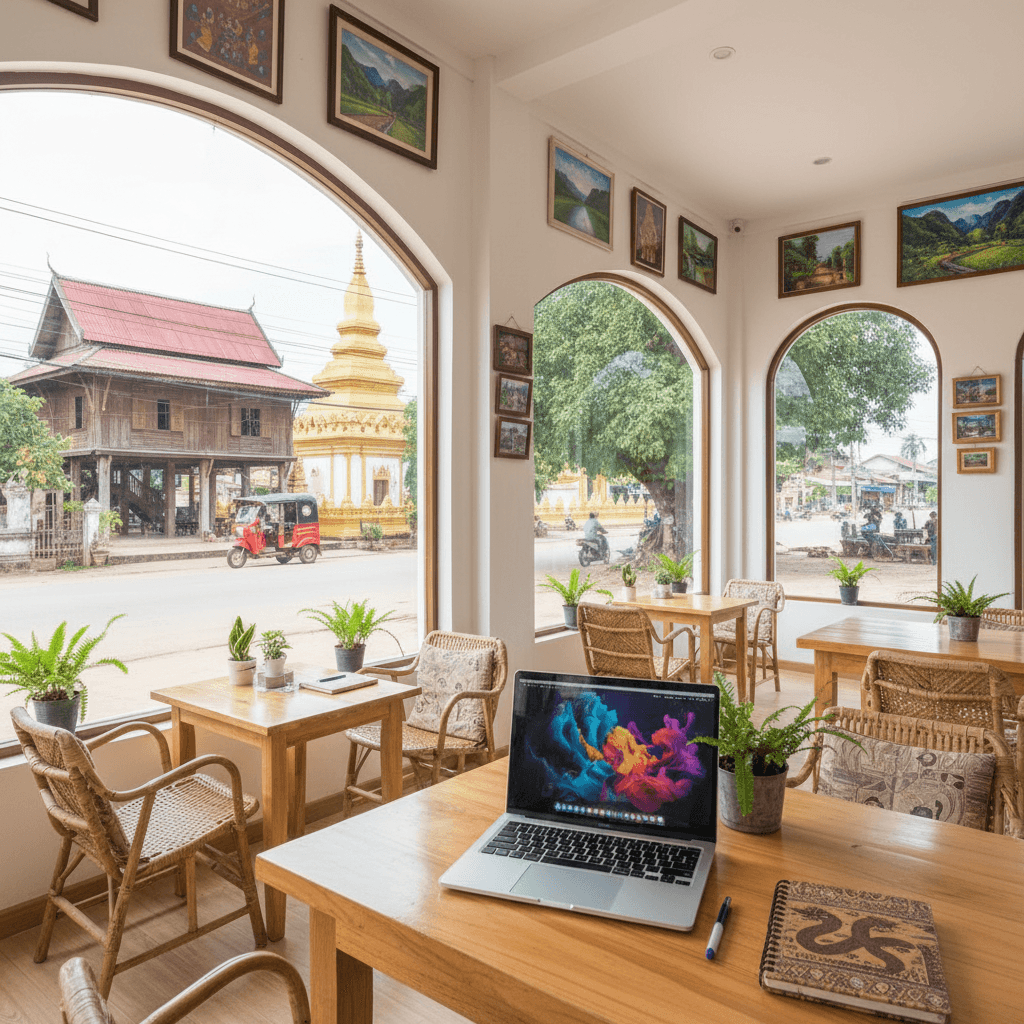
Luang Namtha isn't where you go to grind on a startup or find a high speed coworking community. It is where you go when you need to disappear into the greenery for a while. The town feels more like a sprawling village than a provincial capital, defined by wide, quiet streets and a pace of life that makes Luang Prabang look like a metropolis. Most nomads who land here are looking for a "digital detox" lite; they do enough work in the mornings to keep clients happy, then spend their afternoons trekking through the Nam Ha National Protected Area or cycling to Tai Yuan villages.
The atmosphere is refreshingly unpolished. You will spend your evenings at the night market, sitting at communal wooden tables with a $2 plate of Khao Soi and a large Beerlao, trading trekking stories with backpackers and researchers. It is rugged, dusty, and honest. If you can handle the occasional power flicker and the lack of a proper espresso bar, the reward is a level of peace that is becoming rare in Southeast Asia.
Cost of Living
Your bank account will love it here. Luang Namtha is significantly cheaper than Vientiane or Luang Prabang, mostly because there are fewer ways to spend money. A single person can live comfortably on about $900 a month, though extreme budget travelers can squeeze by on $314 if they stick to basic guesthouses and street food.
- Budget Tier ($314): Basic guesthouses run $60 to $150 a month. You will rely on the night market for $1 meals and use local tuk-tuks for about $30 monthly.
- Mid-range Tier (~$900): A decent 1BR or private bungalow costs $150 to $250. This budget allows for more frequent cafe meals, a dedicated broadband connection for $40, and a monthly scooter rental.
- Comfortable Tier ($1,739): This is the high end for Luang Namtha, involving upscale homestays around $300, dining out at the few "fancy" spots every night, and full health insurance.
Where to Stay
There are no real "neighborhoods" in the western sense, but where you park yourself matters for your workflow.
- The Main Street: This is the hub for solo travelers. It is walkable and puts you right next to the tour agencies, ATMs, and the night market. It is the only area where you will find reliable enough WiFi to actually get work done.
- Ban Nam Dee: Located on the outskirts, this area is home to the Lanten people. It is perfect for cultural immersion and cheap homestays, but it is a "no-go" for serious work. There is almost no WiFi, so only stay here if you are truly off the clock.
Connectivity & Workspace
There are no dedicated coworking spaces in town. Most nomads treat the cafes along the main road as their office. While speeds can reach 29 to 65 Mbps, it is inconsistent. Heavy video editors will struggle, but for emails and basic CMS work, it gets the job done.
Pick up a SIM card from Lao Telecom or Unitel on the main street for about $2. Data plans are cheap, usually $1 to $10 for a month. Many travelers recommend using the YoEsim app for a more reliable backup. If you have a high stakes Zoom call, have a backup hotspot ready; the town's infrastructure is still catching up.
Getting Around
The town center is small enough to navigate on foot, but you will want wheels to see the countryside. Local tuk-tuks cost between 20,000 and 30,000 Kip for short trips. For more freedom, rent a scooter or mountain bike from the shops along the main road to explore the surrounding valley and waterfalls. The Loca app works occasionally for electric rides, but do not count on it being as reliable as it is in the capital.
Health & Safety
Luang Namtha is very safe, even for solo night walks. The biggest risks are related to the outdoors; never go trekking without a local guide, as the jungle is dense and trails are poorly marked. For medical needs, Luang Namtha Hospital handles basic issues. For anything serious, you will need to head to Vientiane or across the border to Thailand. In an emergency, dial 1195.
Practical Realities
English isn't widely spoken once you leave the tour agencies. Use the Simply Learn Lao app to master "Sabaidee" (hello) and "Khop Chai" (thank you). Cash is king here. Use the BCEL or Lao Development Bank ATMs on the main street to withdraw Kip. If you use the LDB Trust app, you can often pay via QR code in larger shops, which is surprisingly high tech for such a rural town. Remember to remove your shoes before entering any home or temple, and use the "nop" (a slight bow with hands pressed together) to show respect.
The Price of Simplicity
Luang Namtha is one of those rare spots where your bank account can finally take a breath. It’s significantly cheaper than Luang Prabang or Vientiane, mostly because there simply isn't much to spend money on besides jungle treks and Beerlao. Most nomads find they can live comfortably here for around $750 to $900 a month, though hardcore budget travelers frequently get by on as little as $314 by sticking to basic guesthouses and street food.
Your biggest expense will be housing, but even that is a bargain. A decent studio or one-bedroom setup in town typically runs between $150 and $300. If you’re looking for a more "comfortable" lifestyle with a higher-end homestay and frequent Western-style meals, you might hit $1,739, but you’d have to try pretty hard to spend that much in a town this small.
Monthly Budget Breakdown
- Budget ($314): This covers a basic guesthouse for $60 to $150, roughly $85 for groceries and night market meals, and $30 to $45 for occasional tuk-tuks.
- Mid-range (~$900): This gets you a private 1BR for $150 to $250, a dedicated $40 broadband connection, a scooter rental for exploring, and a $180 food budget.
- High-end ($1,739): Includes an upscale homestay for $300, dining out daily for $300+, and comprehensive health insurance around $120.
Daily Sustenance
The Night Market is the social and financial heart of the town. You can grab a massive plate of noodles, grilled meats, or papaya salad for under $2. If you prefer sitting in a proper restaurant with a menu, expect to pay between $5 and $10. Upscale dining is almost non-existent here, but the rare "fancy" meal will still only set you back about $15.
Groceries are cheap if you buy local. Stick to the morning markets for fresh produce and the small shops along the main street for basics. Imported goods are pricey and hard to find, so most expats recommend leaning into the local diet of sticky rice and seasonal greens.
Connectivity and Transport
The internet isn't exactly lightning-fast, but it’s manageable for most remote work. A monthly broadband setup costs about $40. For mobile data, grab a SIM from Lao Telecom or Unitel on the main street. A starter SIM is only $1 or $2, and data plans range from $1 to $10 depending on how many gigabytes you need.
Getting around is cheap and low-tech. Tuk-tuks are the primary way to move, usually costing 20,000 to 30,000 Kip (about $1 to $1.50) for a trip from the bus station or airport. Many nomads prefer renting a scooter for the month to reach the more remote ethnic villages like Ban Nam Dee. Within the town center, everything is walkable, so your transport costs might actually be zero most days.
Healthcare and Practicalities
Luang Namtha Hospital handles basic issues, but for anything serious, you'll need to head to Vientiane or across the border to Thailand. Pharmacies are scattered along the main road for minor ailments. For banking, stick to BCEL or Lao Development Bank ATMs, which are reliable for withdrawing local currency. Many local vendors now accept the LDB Trust app for QR payments, which is a lifesaver if you're running low on physical cash.
The Town Center: Best for Solo Travelers and Digital Nomads
If you're coming to Luang Namtha to work, you'll want to stay on or near the main street. This isn't a city of sprawling districts; it's a compact hub where the guesthouses, tour agencies, and ATMs are all within a ten minute walk. Staying here gives you the best shot at decent WiFi, though you should still expect speeds closer to 29 to 65 Mbps, similar to what you'd find in Luang Prabang.
Most nomads set up shop in local cafes along the main strip. Since there aren't any dedicated coworking spaces, these cafes serve as the unofficial offices for the remote work crowd. You'll be close to the night market, which is the primary social spot for meeting other travelers over a $2 Beerlao and some grilled buffalo or sticky rice. It's the most convenient area for walking, and you won't need a scooter just to grab a coffee or a SIM card at the Lao Telecom shop.
- Rent: $150 to $250 for a basic room or studio
- Food: $1 to $3 at the night market; $5 to $10 for mid range sit down meals
- Connectivity: Best access to 4G via Unitel or Lao Telecom; eSIMs like YoEsim are highly recommended
Surrounding Ethnic Villages: Best for Families and Cultural Seekers
For families or those looking for deep cultural immersion, the villages surrounding the town, like Ban Nam Dee, offer a completely different pace. These areas are home to the Hmong, Lisu, and Tai Yuan people. You'll find authentic homestays and a quiet, rural atmosphere that feels worlds away from the main road. It's an incredible environment for kids to see a different way of life, but it comes with a trade off in infrastructure.
The downside here is the lack of reliable internet and modern amenities. You won't find high speed WiFi in a bamboo homestay, and you'll definitely need to rent a scooter or bike to get into town for supplies. It's a great choice for a "digital detox" or a short term educational stay for a family, but it's tough for anyone who needs to be on Zoom calls all day.
- Rent: $60 to $150 for basic guesthouses or homestays
- Food: Mostly home cooked meals or local village stalls; very affordable
- Transport: Scooter rentals for about $5 to $8 per day are necessary
The Outskirts: Best for Expats and Long Term Residents
There isn't a defined expat enclave in Luang Namtha, but long term residents often gravitate toward the quieter streets parallel to the main road or slightly south of the center. This area offers a bit more privacy and larger housing options than the cramped guesthouses in the middle of town. You're still close enough to the Luang Namtha Hospital and the local pharmacies if you need basic medical care, but you escape the noise of the main tourist traffic.
Expats here typically rely on the LDB Trust app for local payments and QR codes, which are widely accepted even in this rural corner of Laos. While there aren't many upscale dining options, the grocery costs are low, averaging around $85 a month if you're cooking at home. For serious medical issues, you'll still need to plan for a transfer to Vientiane, as the local hospital is equipped for general medicine rather than complex emergencies.
- Rent: $250 to $300 for a more comfortable, private house or upscale homestay
- Health: Close to Luang Namtha Hospital; health insurance usually costs around $120 monthly
- Vibe: Very quiet, residential, and focused on the natural landscape
Connectivity Realities
Luang Namtha isn't where you come to run a high stakes webinar or upload 4K video files. It's a place for asynchronous work and clearing your inbox between jungle treks. While you won't find any dedicated coworking spaces here, the town's small scale means you're never more than a few minutes' walk from a cafe with decent enough WiFi to get things done.
Speeds generally hover between 29 Mbps and 65 Mbps for downloads, which is comparable to what you'll find in Luang Prabang. It's usually stable enough for Zoom calls, but the local infrastructure can be temperamental during the rainy season from May to October. If the power flickers, your connection goes with it, so having a solid data backup is non-negotiable.
Mobile Data and SIM Cards
Since you can't rely on guesthouse routers 100% of the time, grab a local SIM as soon as you arrive. You'll find Lao Telecom and Unitel shops right on the main street or the parallel road. They're easy to spot and the staff are used to setting up tourist plans.
- Starter SIMs: Usually cost between $1 and $2.
- Data Packages: Expect to pay $1 to $10 for 1GB to 3GB of daily data, depending on whether you want a 7-day or 30-day plan.
- Reliability: Many nomads recommend YoEsim as a reliable eSIM alternative if you want to skip the physical shop visit, though local SIMs usually offer better speeds in rural pockets.
Work-Friendly Cafes
Without a proper "office" in town, the digital nomad community tends to gravitate toward the guesthouses and cafes clustered around the main road. These spots are the unofficial hubs where you'll see laptops open next to bowls of khao soi.
The atmosphere in these cafes is incredibly relaxed. Nobody is going to shoo you away for sitting with a coffee for two hours, but it's good form to keep the orders coming. Most places don't have air conditioning, so most people try to knock out their deep work in the cooler mornings before the afternoon heat kicks in. If you're staying in one of the ethnic villages like Ban Nam Dee, be prepared for a total digital blackout; these areas are fantastic for cultural immersion but often lack any functional WiFi.
Digital Nomad Survival Tips
To make the most of the spotty infrastructure, local expats suggest a few workarounds. First, download the LDB Trust app. It's the gold standard for mobile banking and QR payments in Laos, which is helpful since hunting down a working ATM can occasionally be a chore. Second, make sure your Google Translate is set to offline mode for the Lao language; while English is fine in the tour agencies, it's sparse everywhere else.
Most importantly, manage your expectations. Luang Namtha is a place to slow down. If you have a massive deadline, finish it before you get here. Once you're on the ground, use the "moderate" internet to stay on top of emails, then close the laptop and head to the night market for a $2 meal and a cold Beerlao.
A Safe Haven for the Outdoorsy
Luang Namtha is one of the safest spots in Laos for digital nomads, largely because it feels more like a collection of villages than a province capital. The crime rate is remarkably low, and violent crime against foreigners is almost unheard of. Most travelers feel perfectly comfortable walking the main street after dark to grab a Beerlao or a late snack at the night market. You won't find the aggressive touts or scams common in larger Southeast Asian hubs; the locals are generally reserved, polite, and helpful.
The real safety risks here aren't people, but the environment. If you're heading into the Nam Ha National Protected Area, don't try to DIY a deep jungle trek. It's easy to lose your bearings in the dense canopy, and unexploded ordnance (UXO) remains a lingering, though rare, risk in remote, unmarked areas of northern Laos. Sticking with a licensed guide from an agency on the main road, like Ethnic Travel Laos or Green Discovery, ensures you stay on safe trails. If you're renting a scooter to explore the valley, watch out for loose gravel and wandering livestock on the roads. Potholes can appear overnight during the monsoon season, so keep your speed down.
Medical Care and Facilities
Healthcare in Luang Namtha is basic. The Luang Namtha Provincial Hospital is located right on the main road and serves as a basic facility for minor ailments, basic diagnostic tests, and general medicine. It has a staff of local doctors, but the facility lacks the high tech equipment found in Vientiane or Thailand. For a stomach bug, a minor cut, or a routine infection, it's perfectly adequate and very affordable.
- Emergency Services: Dial 1195 for emergencies or head directly to the provincial hospital on the main road.
- Pharmacies: You'll find several small pharmacies clustered near the market and the hospital. They stock common antibiotics, painkillers, and rehydration salts, but brands might be unfamiliar.
- Serious Injuries: For anything requiring specialized surgery or intensive care, you'll need to be evacuated. Most expats and long term nomads head to Vientiane or cross the border into Thailand for high quality care.
Health Tips for Nomads
Air quality is a seasonal factor to keep on your radar. During the "burning season" from February to April, smoke from agricultural clearing can make the air quite hazy and uncomfortable for those with asthma or respiratory issues. If you're sensitive to air quality, aim to visit during the lush green season or the cool, dry months of November to January.
Standard tropical precautions apply here. Mosquitoes can be a nuisance, especially near the river and during the rainy season from May to October. While malaria is rare in the town itself, dengue fever pops up occasionally, so a good repellent is your best friend. Stick to bottled water, which is available at every corner shop for a few thousand Kip, and enjoy the street food at the night market; just look for stalls with high turnover to ensure everything is fresh. Most nomads find that a basic travel insurance policy, costing around $120 per month, provides enough peace of mind for local clinic visits or emergency transport.
The Main Drag
Luang Namtha is small enough that you can walk the length of the town center in about 15 to 20 minutes. Most of the action, including the tour agencies, guesthouses, and the essential night market, is clustered along the main road. If you're staying in this central hub, your feet are your best asset. The streets are wide and the pace is slow; you won't be dodging the aggressive traffic found in Vientiane or Luang Prabang.
Tuk-Tuks and Local Transfers
When you arrive at the long distance bus station or the Luang Namtha Airport (LXG), you'll need a lift into town. Shared tuk-tuks are the standard here. Expect to pay between 10,000 and 20,000 Kip for a seat on a shared ride from the airport. If you want a private ride or you're hauling a lot of gear from the bus station, prices usually land between 20,000 and 30,000 Kip, which is roughly $1 to $1.50. It's affordable, but always agree on the price before you hop in the back.
Two-Wheeled Freedom
To see the actual "Namtha" part of Luang Namtha, you'll want some wheels. The surrounding valley is flat and dotted with rice paddies and ethnic villages like Ban Nam Dee, making it perfect for cycling. Most nomads and long term travelers rent gear from the shops lining the main street.
- Bicycles: Basic city bikes go for about $1 to $3 per day. They're fine for the immediate valley but won't handle the muddy trails.
- Mountain Bikes: Better for reaching the waterfalls or slightly rougher terrain; expect to pay $5 to $8.
- Scooters: A semi-automatic or automatic scooter is the best way to explore the Nam Ha National Protected Area on your own. Daily rentals average $8 to $12 plus gas.
Ride-Hailing and Apps
Don't expect the seamless Uber or Grab experience you get in Thailand or Vietnam. The Loca app, which is Laos' answer to ride-sharing, does operate in the country, but its presence in Luang Namtha is spotty at best. You might find a driver during peak hours, but it's not something you should rely on for a time-sensitive flight. For digital payments and local banking, many expats use the LDB Trust app for QR payments, which is becoming more common in shops and cafes.
Getting Out of Town
If you're heading to the Chinese border at Boten or moving south toward Muang Sing, the bus station is your gateway. It's located about 10 kilometers outside the main town center, so factor in a $1.50 tuk-tuk ride to get there. For those heading back to Vientiane, Lao Airlines runs regular flights. It's a massive time-saver compared to the grueling 12 to 15 hour bus rides through the mountains, which can be particularly rough during the rainy season from May to October.
Monthly Transport Costs
For a nomad staying a month, your transport budget will be one of your lowest expenses. Most people find that a mix of walking and the occasional scooter rental keeps costs very manageable.
- Budget: $30 to $45 (Mainly walking and occasional tuk-tuks).
- Mid-range: $100 to $150 (Frequent scooter rentals and gas).
- Comfortable: $200+ (Full-time scooter rental and private transfers).
The Linguistic Landscape
Lao is the primary tongue in Luang Namtha, but the town is a unique melting pot of ethnic dialects. You'll hear Tai Yuan, Hmong, and Lisu spoken in the streets and markets. English proficiency is generally low compared to Luang Prabang or Vientiane. While trekking guides and staff at guesthouses on the main street speak enough to get by, don't expect deep philosophical conversations in English at the local noodle stall.
Most nomads find that a few polite phrases go a long way. Use sabaidee for hello and khop chai for thank you. If you want to impress the locals, adding "lao lao" to the end of your thank you makes it "thank you very much." Download the Simply Learn Lao app before you arrive; it features native audio that helps with the tonal nuances of the language.
Digital Communication and Connectivity
Staying connected in this rural corner of northern Laos requires a bit of planning. Most guesthouses offer WiFi, but it's often better suited for emails and Slack than heavy video calls. Travelers often report speeds between 29 and 65 Mbps, though these can dip during heavy rain or power flickers. If you have a deadline, don't rely solely on your accommodation's router.
Your best bet is a local SIM card. Lao Telecom and Unitel are the two main players. You can find their shops on the main street or the parallel road. A starter SIM usually costs about $1 to $2, and you can load up data plans for $1 to $10 depending on whether you need 1GB or 3GB per day. For those who prefer to hit the ground running, YoEsim is a reliable eSIM option that saves you from hunting down a physical shop on your first day.
Navigating Daily Interactions
Google Translate is your best friend here, specifically the offline Lao pack. Use the camera feature to decipher menus at the night market, though many signs are now hand written in Lao script. For payments, the LDB Trust app is becoming the local standard for QR payments, which can save you a lot of back and forth with cash and change.
Social etiquette is an unspoken part of communication. The nop, a prayer like gesture with your hands, is the traditional way to greet people. Always remove your shoes before entering a home or a temple. If you're visiting the remote Hmong or Lisu villages, remember that communication is often non verbal; a smile and a respectful nod are often more effective than trying to use a translation app in areas with no signal.
Practical Networking
Since there are no dedicated coworking spaces, communication often happens over a Beerlao at the night market or in the cafes lining the main road. Social hubs are thin on the ground, so nomads usually meet through shared trekking tours or by lingering at the communal tables in the market. If you're looking for an expat community, you'll find it's quite small and informal. Most people coordinate through Laos wide Facebook groups rather than city specific ones.
- SIM Card Cost: $1 to $2 for the card, plus $10 for a monthly data plan.
- Primary Apps: Simply Learn Lao for phrases, Google Translate for signs, LDB Trust for payments.
- WiFi Quality: Moderate; fine for light remote work but requires a 4G backup for calls.
- Best Providers: Lao Telecom or Unitel for local coverage; YoEsim for convenience.
When to Pack Your Bags
Luang Namtha follows the classic Southeast Asian rhythm of wet and dry seasons, but its northern latitude and elevation mean you'll experience more temperature variation than in Vientiane or Pakse. Most nomads and trekkers aim for the window between November and February. During these months, the skies stay clear and the humidity drops, making it the prime time for multi day jungle treks or cycling to the Nam Dee waterfall. Expect pleasant highs around 24°C (75°F), though nights can get surprisingly chilly, dipping down to 11°C (52°F). If you're staying in a basic guesthouse without heating, bring a solid hoodie or a light down jacket.
The heat starts cranking up in March and peaks in April and May. Afternoon highs often hit 32°C (90°F), and while that sounds manageable, the humidity makes physical activity feel much more draining. This period also coincides with the slash and burn season across Northern Laos. Travelers often find the air quality drops significantly during these months, with hazy skies obscuring the mountain views. If you have respiratory sensitivities, this is the time to head elsewhere.
The monsoon rains arrive in June and stick around through October. August is usually the wettest month, seeing about 301mm of rain over 25 days. While the landscape turns a brilliant, electric green, the rains bring practical headaches. Jungle trails become slippery mud pits, and flood risks can occasionally wash out rural roads. If you don't mind the occasional tropical downpour and want the town to yourself, the shoulder months of June and October offer lower prices and lush scenery without the peak season crowds.
Seasonal Highlights and Logistics
- Peak Season (November to February): The best weather for outdoor work and play. You'll find the most social activity at the night market and tour agencies.
- The Hot Season (March to May): Expect dusty roads and hazy air. It's the least comfortable time for trekking, but local festivals like Lao New Year in mid-April bring a lot of water-throwing fun to the main street.
- The Rainy Season (June to October): Great for photographers who want those misty mountain shots, but bad for anyone relying on consistent power or road travel to remote villages.
What to Bring
Because Luang Namtha is a hub for eco-adventures, your packing list should lean toward function over fashion. Since the town is fairly conservative, keep your clothing respectful. Local shops on the main street sell basics, but high quality technical gear is hard to find.
- A sturdy rain jacket: Even in the dry season, a sudden mountain shower isn't out of the question.
- Layered clothing: Necessary for those 11°C mornings that turn into 25°C afternoons.
- Good hiking boots: If you're planning on visiting the Hmong or Lisu villages, sneakers won't cut it on the muddy inclines.
- Power bank: Rural infrastructure can be spotty, especially during a storm; a reliable battery pack is a nomad's best friend here.
Most long term visitors find that November is the sweet spot. The rains have just ended, the waterfalls are full, and the temperatures are perfect for working from a cafe porch without needing a fan on full blast. If you're planning a stay longer than a week, aim for this window to get the most out of the surrounding Nam Ha National Protected Area.
The Nomad Reality
Luang Namtha isn't your typical digital nomad hub with sleek glass offices and high speed fiber. It's a rugged, low key base for people who want to swap screen time for jungle treks. Most nomads find the town serves best as a "digital detox lite" destination. You can get work done, but you're really here for the Hmong villages and the Nam Ha National Protected Area.
The vibe is distinctly rural. You'll find wide, dusty streets and a pace of life that forces you to slow down. While the infrastructure is basic, the cost of living is one of the lowest in Southeast Asia, making it a strategic spot for those on a tight budget who don't mind trading a few comforts for mountain views and authentic Tai Yuan culture.
Cost of Living Breakdown
Living here is incredibly cheap, even by Lao standards. A single person can get by on about $746 a month including rent, though hardcore budget travelers often drop that to $314 by staying in basic guesthouses.
- Budget Tier ($314/month): Expect to pay $60 to $150 for a simple guesthouse room. You'll be eating $2 street food and using local tuk tuks for about $30 a month.
- Mid-range Tier ($900/month): This gets you a 1BR apartment or a nicer bungalow for $150 to $250. You'll have a $180 food budget for cafe meals and perhaps a scooter rental for exploring.
- Comfortable Tier ($1,739/month): At this level, you're looking at the best boutique homestays for $300, high end dining (around $15 a meal), and comprehensive health insurance.
Connectivity and Workspace
Don't expect dedicated coworking spaces. You won't find them here. Instead, nomads gravitate toward the cafes along the main street. WiFi speeds usually hover between 29 and 65 Mbps, which is plenty for emails and Zoom calls but might struggle with 4K video uploads.
For a reliable backup, grab a local SIM card from Lao Telecom or Unitel. Their shops are easy to find on the main road. A starter SIM is only $1 or $2, and data plans range from $1 to $10 for up to 30 days. If you want to skip the shop visit, YoEsim is a popular eSIM choice that travelers recommend for better stability in the northern hills.
Neighborhoods and Logistics
Most travelers stick to the Main Street area. It's the most practical choice because the night market, ATMs, and tour agencies are all within walking distance. It's the only place where you'll find a semblance of a social scene.
If you're looking for deep immersion, villages like Ban Nam Dee offer homestays. These are great for cultural experiences, but they're a nightmare for remote work. Expect zero WiFi and very limited cellular signal. For banking, stick to BCEL or Lao Development Bank (LDB) ATMs on the main road. Download the LDB Trust app if you want to use QR payments, which are surprisingly common in local shops.
Getting Around
The town center is small enough to navigate on foot. For anything further, tuk tuks are the standard. A ride from the airport (LXG) or the bus station usually costs between 10,000 and 30,000 Kip, which is roughly $1 to $1.50.
If you want more freedom, rent a scooter from the shops on the main street. It's the best way to see the surrounding rice paddies. The Loca ride hailing app works occasionally, but don't rely on it like you would in Vientiane; it's still very hit or miss here.
Health and Safety
Luang Namtha is very safe, with almost no violent crime against tourists. The biggest risks are road accidents on scooters or getting lost on unguided treks. Luang Namtha Provincial Hospital handles basic emergencies, but for anything serious, you'll be heading to Vientiane or across the border to Thailand. For any immediate emergency, dial 1195.
Timing Your Stay
Weather dictates everything here. You'll want to visit between November and April. This is the dry season when the trails are firm and the air is cool. December and January can actually get chilly, with lows around 11°C, so bring a jacket. Avoid July and August if you can; the heavy rains make the jungle trails messy and increase the risk of flooding.
Need visa and immigration info for Laos?
🇱🇦 View Laos Country GuideHidden Gem
Worth the effort