Labuan
🇲🇾 Malaysia
The Pearl of Borneo Vibe
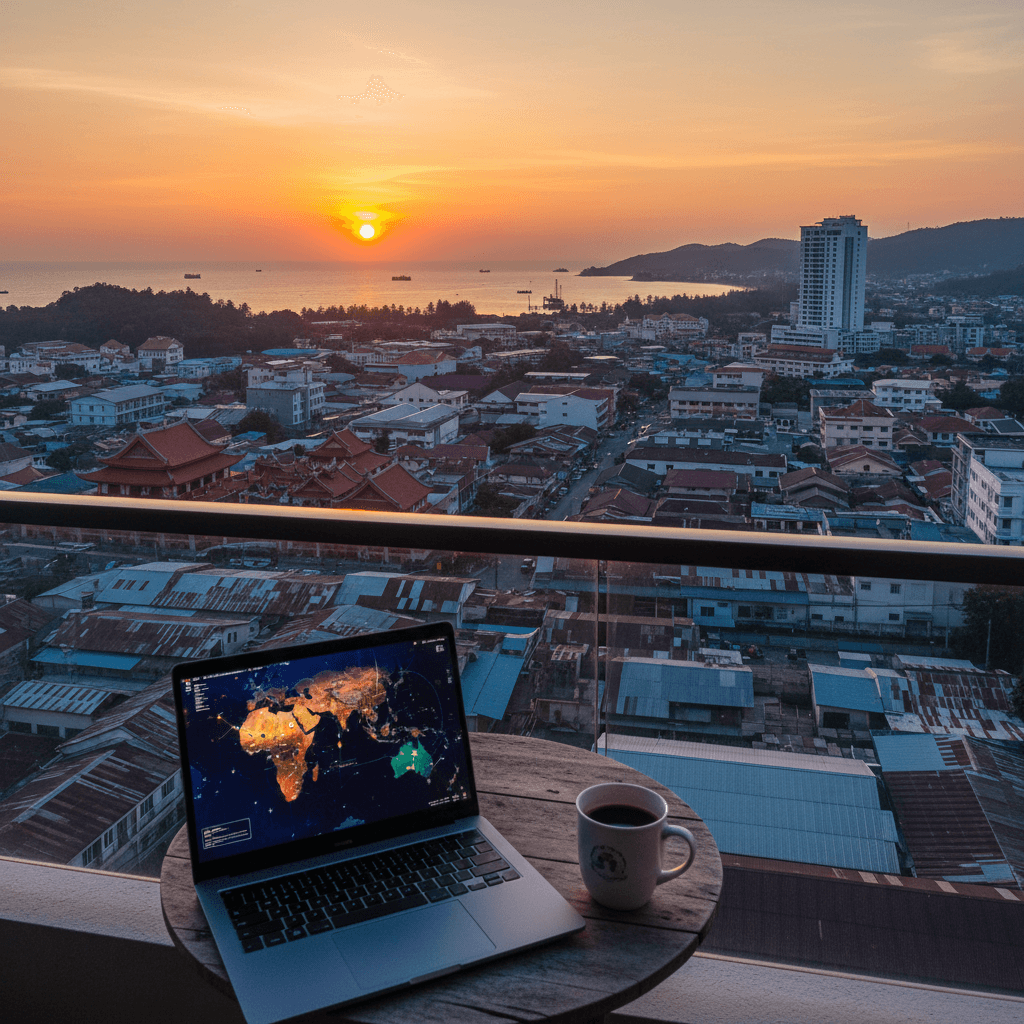
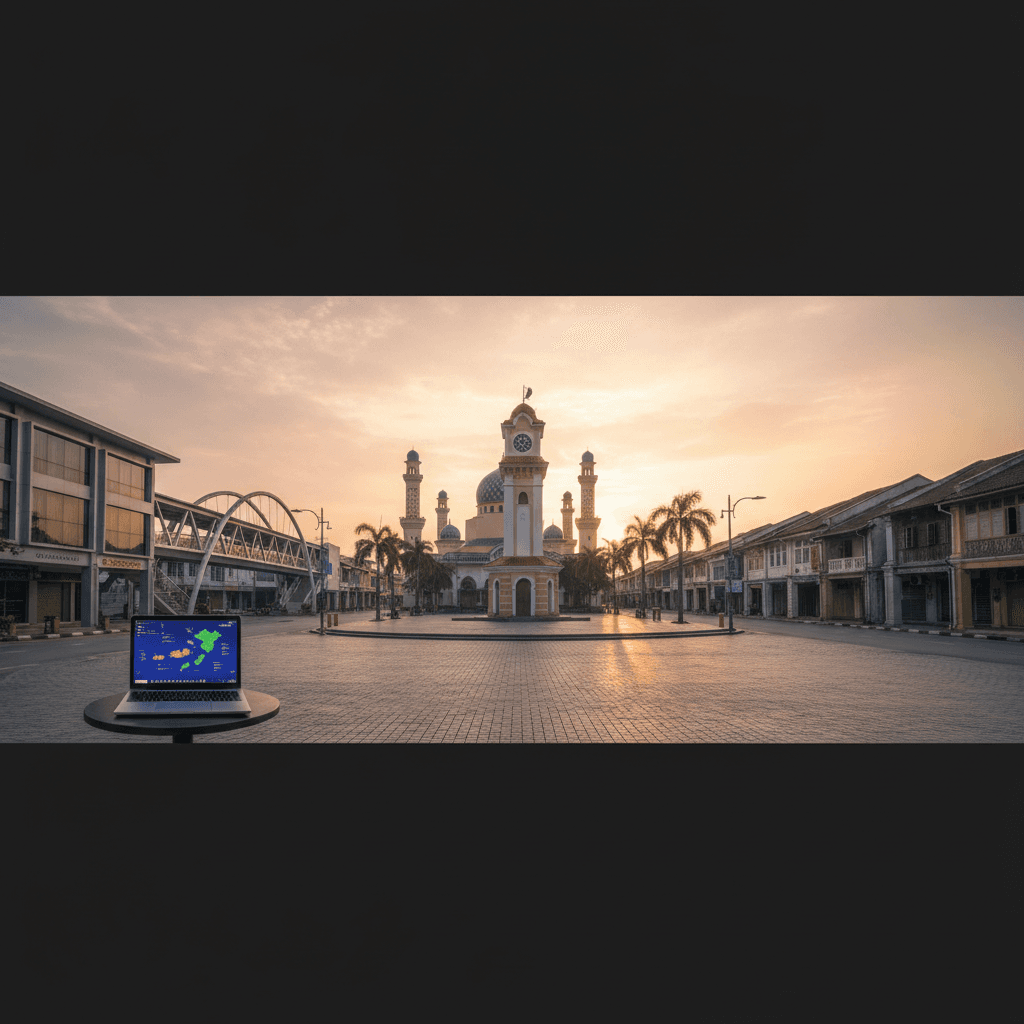
Labuan isn't your typical digital nomad hotspot. While places like Chiang Mai or Bali thrive on high energy and social mixers, Labuan offers a different kind of currency: absolute peace and business efficiency. It is a Federal Territory that feels like a cross between a sleepy tropical outpost and a polished offshore financial hub. You won't find crowds of laptop carrying travelers here, but you will find a remarkably clean, organized island where the locals are genuinely welcoming and the pace of life slows to a crawl once the sun sets.
The island's unique character comes from its status as an international business center. This means the infrastructure is far better than you would expect for an island of 100,000 people. It is a place where you can spend your morning handling corporate filings or deep work in a professional office tower, and your afternoon eating fresh grilled snapper at a beachside shack. It is quiet, safe, and incredibly walkable, especially in the town center. If you are the type of nomad who values deep focus, low tax environments, and a "small town" feel where the baristas eventually know your name, Labuan hits the spot.
What It Really Feels Like
Living here feels like being let in on a well kept secret. Most travelers skip Labuan entirely, heading straight for the rainforests of Sabah or the diving in Mabul. Because of this, the expat community is tight knit and mostly consists of professionals in the oil, gas, and finance sectors. The vibe is "professional tropical." You'll see men in business casual eating at local kopitiams (coffee shops) alongside fishermen. It’s a place of contrasts, where duty free shopping means beer and chocolate are cheaper than almost anywhere else in Malaysia, yet the nightlife remains modest and understated.
- The Draw: It is incredibly affordable. You can live a comfortable, middle class life for under $900 USD a month.
- The Social Scene: It's intimate. You'll likely meet the same group of people at the local waterfront bars or the golf club.
- The Pace: Very slow. If you need a "hustle" culture or a different nightclub for every day of the week, you'll likely get bored within a month.
Cost of Living Breakdown
Labuan is one of the most budget friendly spots in Southeast Asia, particularly because it's a duty free zone. While high end imports can be pricey, everyday life is remarkably cheap. Most nomads find that their money goes significantly further here than in Kuala Lumpur or even nearby Kota Kinabalu.
Mid-Range Monthly Budget
- Total Monthly Spend: Approximately $874 USD
- Rent (1BR Downtown): $350 USD
- Dining Out: Local meals cost around $2 to $5 USD per person.
- Coworking: $95 to $130 USD for a professional desk.
- Internet & Utilities: High speed fiber runs about $20 USD monthly.
The Neighborhood Breakdown
Choosing where to stay depends on whether you want to be in the middle of the action or tucked away by the coast. Since the island is small, nothing is ever more than a 15 minute drive away.
Bandar Labuan (Town Center)
This is the heart of the island. It is one of the most pedestrian friendly town centers in Malaysia, filled with banks, duty free shops, and local eateries. Most nomads choose this area for the convenience of being near the Financial Park and the ferry terminal.
- Pros: Extremely walkable, best internet access, close to all coworking spaces.
- Cons: Can feel a bit "concrete" compared to the coastal areas.
Tanjung Aru & The Waterfront
If you want to wake up to the smell of the sea, this is the spot. It is home to some of the island's best seafood restaurants and offers a more relaxed, vacation like atmosphere.
- Pros: Beautiful views, quieter nights, great for evening walks on the beach.
- Cons: You'll likely need a car or use the Grab app to get into town for business.
Labuan Golf Club Area
This is the upscale choice. It attracts retirees and senior expats who want a bit more greenery and exclusivity. The housing here is more spacious, often consisting of larger villas or high end apartments.
- Pros: Very quiet, prestigious neighborhood, close to good dining like Red Onion House.
- Cons: Higher price point and not walkable to the main business hubs.
The Price of Paradise in Borneo
Labuan is a bit of a financial anomaly in Malaysia. Because it functions as an offshore financial hub and a duty free port, you get this strange mix of high end business infrastructure and surprisingly low daily costs. Most expats find that their dollar stretches significantly further here than in Kuala Lumpur or even neighboring Kota Kinabalu.
For a single person living a standard mid range lifestyle, you can expect to spend around $870 USD per month including rent. If you're particularly frugal and stick to local haunts, that number can drop closer to $620 USD. It's the kind of place where you can live well without constantly checking your bank balance, though your biggest variable will always be how you choose to house yourself.
Monthly Budget Tiers
Depending on your lifestyle, your monthly expenses will generally fall into one of these three brackets:
The Budget Tier
- Total Monthly: $468
- Housing: $150 to $255 for a basic studio or local apartment.
- Food: $160 to $180 mostly eating at local kopitiams and street stalls.
- Transport and Utilities: $60 to $100 for basic phone plans, internet, and occasional transport.
The Mid Range Tier
- Total Monthly: $874
- Housing: $350 for a nice one bedroom apartment in the town center.
- Food: $300 including a mix of local cafes and the occasional sit down restaurant.
- Coworking: $130 for a dedicated desk at a professional space.
The Comfortable Tier
- Total Monthly: $1,650+
- Housing: $425+ for a premium multi bedroom unit or a house near the Golf Club.
- Food: $600+ frequenting upscale seafood spots and western style dining.
- Transport: $150+ usually involving a private car rental or frequent private hire rides.
Housing and Accommodation
Rent is the biggest win for long term residents. You can find a decent apartment in the city center for about $350. If you move just ten minutes outside the main hub, prices for similar units can drop to around $250. Most nomads recommend looking for rentals in Bandar Labuan if you want to be within walking distance of the best coffee shops and grocery stores.
Short term stays are a different story. Airbnb rates are often inflated, sometimes reaching over $2,000 a month for "tourist" units. If you plan to stay longer than a month, it's much smarter to look for local serviced apartments or negotiate a monthly rate with a local landlord rather than booking through an app.
Dining and Groceries
Eating out is a way of life here. A meal at a local eatery or a mid range cafe usually costs around $5.40 (22.50 MYR). If you stick to the local food courts, you can easily find filling meals for $2 to $3. Since Labuan is a duty free island, certain items like alcohol and tobacco are significantly cheaper than on the Malaysian mainland, though specialized imported Western groceries can still carry a premium.
Connectivity and Workspace Costs
Internet is reliable and affordable. A solid home broadband connection with unlimited data will cost you between $7 and $20 a month. Mobile data is equally cheap; you can pick up a local SIM from providers like Celcom or Maxis and get a monthly data plan for under $5.
For those who need a professional environment, Universal Serviced Offices is the go to spot. A hot desk during business hours starts at $95 (398 MYR) per month, while a 24/7 dedicated desk goes for about $130 (539 MYR). If you prefer the cafe culture, you'll only be out the price of a $2 coffee to camp out for a few hours.
Getting Around
The town center is exceptionally walkable, which is a rarity in this part of the world. For longer trips, the Grab app is your best friend. Most short rides across town cost just a few dollars. If you're on a strict budget, local buses are available for about $1 per ride, though they aren't always the most convenient for a tight schedule.
For Digital Nomads: Bandar Labuan (Town Center)
If you're working remotely, you'll want to be in the heart of the action. Bandar Labuan is the island's pulse and, surprisingly for Malaysia, it's incredibly pedestrian friendly. Most nomads choose this area because you can walk from your apartment to a dozen different coffee shops without needing a car or a humid trek.
- The Vibe: Business focused by day, social by night. It feels more like a small coastal hub than a frantic city.
- Work Spots: Most remote workers head to Universal Serviced Offices at Financial Park for a professional setup. If you prefer the laptop-and-latte life, local kopitiams are everywhere, though the WiFi can be hit or miss compared to the 154 Mbps speeds you'll find in dedicated offices.
- Cost Factor: Expect to pay around $350 USD for a decent one bedroom apartment right in the center.
For Expats and Long-Term Residents: Tanjung Aru & The Waterfront
Once you've settled in, the charm of the waterfront usually wins out over the convenience of the town center. This area offers a bit more breathing room and a coastal breeze that makes the tropical heat much more manageable. It's the go-to spot for those who want a view of the water and easy access to the island's famous seafood spots.
- The Vibe: Relaxed, scenic, and slightly more upscale. It’s where you go to unwind after a day of offshore business meetings.
- Lifestyle: You're close to the marina and some of the better dining options on the island. It’s quieter than the town center but still close enough that a quick Grab ride gets you to the shops in minutes.
- Pros and Cons: You get the best sunsets on the island, but you'll likely want a car or a scooter as amenities are more spread out.
For High-Earners and Retirees: Labuan Golf Club Area
For those looking for exclusivity and a quieter pace, the neighborhood surrounding the Labuan Golf Club is the premier choice. It’s a favorite for affluent expats and those who have moved to Labuan for its tax advantages and want a lifestyle to match. The streets are wider, the houses are larger, and the noise levels are significantly lower.
- The Vibe: Quiet, green, and prestigious. It feels a world away from the industrial and business ports.
- Dining: You have high quality options like Red Onion House nearby, which is a staple for the expat community.
- Cost Factor: Rents here are the highest on the island, often exceeding $425 USD for premium units, but you're paying for the peace and the proximity to the greens.
For Families and Budget Travelers: Residential Suburbs
If you're bringing the kids or just trying to keep your monthly burn as low as possible, look toward the inland residential suburbs. These areas are where the local community lives, and the prices reflect that. You won't find many "digital nomad" amenities here, but you will find a genuine slice of Labuan life.
- The Vibe: Suburban, family oriented, and very safe. It’s the kind of place where neighbors actually know each other.
- Cost Factor: This is where you find the $150 to $250 USD studio or small house rentals. It’s the most affordable way to live on the island.
- Practicality: You absolutely need a car or a reliable Grab budget. Public buses exist, but they aren't frequent enough for most people's daily needs.
Digital Infrastructure in the Pearl of Borneo
Labuan might feel like a quiet backwater compared to the frenetic energy of Kuala Lumpur, but its status as an international offshore financial center means the digital infrastructure is surprisingly robust. You aren't going to struggle with dial-up speeds here. Most nomads find the island's connectivity more than adequate for heavy video conferencing or uploading large files, with average speeds hovering around 154 Mbps.
A standard home broadband setup with unlimited data usually costs between $7 and $20 USD per month. If you're staying in a local apartment, check if the landlord has already installed a fiber connection through providers like Unifi or Maxis. If you're working on the move, 5G coverage is reliable across the main town area, and mobile data plans are dirt cheap, often costing less than $5 USD for a monthly package with a generous data allowance.
Top Coworking Spots
Because the nomad scene is still in its infancy here, you won't find a coworking cafe on every corner. However, the spaces that do exist are professional and geared toward the offshore finance crowd, which means they're quiet and reliable. Most remote workers head to the Financial Park area for serious deep-work sessions.
- Universal Serviced Offices: This is the gold standard on the island. It feels more like a corporate suite than a Bali-style bamboo hut. Community Member access starts from MYR 248 per month for hot desk access, with higher tiers available for dedicated desks and 24/7 access.
- Regus Labuan: Located on the 14th floor of the Main Office Tower in Financial Park, this space offers great views and a very polished environment. It's fully air-conditioned with a solid kitchen and lounge area. Expect to pay between $150 and $300 USD monthly for a dedicated desk depending on your contract length.
- SOCOWO: Also situated in Financial Park, this is a more traditional business center. It's better suited for nomads who need a professional mailing address or a quiet place for occasional meetings rather than a daily social hub.
The Cafe Office Culture
If you prefer a more relaxed vibe, Labuan's "kopitiam" culture is a budget-friendly alternative. Local coffee shops are everywhere, and while they don't always have the fastest WiFi, they are incredibly welcoming to people lingering over a drink. You can grab a coffee for $1 to $3 USD and work for a few hours without being hassled.
For more modern cafe vibes with better connectivity, expats often congregate at the newer spots in Bandar Labuan. These places usually have air conditioning and stable connections, though it's always smart to have a local SIM card as a backup. Grab a SIM from Maxis or Celcom at the airport or any mobile shop in town for a few dollars. Most nomads recommend Maxis for the most consistent coverage across the island.
Connectivity Tips for Nomads
- Grab a local SIM immediately: Don't rely on roaming. A local prepaid card is cheap and ensures you have 5G even when the cafe WiFi gets spotty.
- Mind the business hours: Unlike the 24/7 culture of bigger cities, many professional spaces in Labuan close by 6:00 PM unless you have a premium membership with a keycard.
- Financial Park is the hub: If you're choosing an apartment based on work, staying near the town center or Financial Park will save you a lot of commuting time.
Keeping it Safe on the Island
Labuan is remarkably quiet, even by Malaysian standards. Most expats describe the island as one of the safest places in the region, largely due to its small population and the "everyone knows everyone" atmosphere. You won't find the aggressive scams or petty theft common in major tourist hubs like Kuala Lumpur. It is perfectly normal to see locals leaving their car windows cracked to let the heat out or walking alone in the town center after dark.
That said, common sense still applies. The town center is well lit and pedestrian friendly, but it's better to stick to populated areas if you are out late. Most "crime" reported by travelers usually involves minor disputes over taxi fares or lost items rather than anything violent. If you're heading out to the more remote beaches or hiking trails, just let someone know where you're going. The island is small, but some of the coastal areas can get quite isolated once the sun goes down.
- Solo Travelers: It is a very comfortable spot for solo digital nomads. You'll likely feel more like a resident than a target.
- Traffic Safety: Labuan is far less chaotic than Sabah or Sarawak. Drivers are generally patient, and the town center is designed for walking.
- Scams: Almost non-existent. Since it's a business hub rather than a tourist trap, people aren't looking to overcharge you at every turn.
Healthcare and Medical Services
For a small island, Labuan is well equipped to handle routine medical needs. The primary facility is Hospital Nukleus Labuan. It is a public hospital that serves as the main hub for emergencies and specialist consultations. While it doesn't have the "luxury hotel" feel of private hospitals in KL, the staff is professional and the equipment is modern enough for most standard procedures.
Expats and nomads usually head to private clinics for day to day issues like infections, minor injuries, or prescriptions. Klinik Paragon is a popular choice in the town center because the doctors speak excellent English and wait times are usually short. A standard consultation at a private clinic will typically set you back between $15 and $35 USD, depending on the medication prescribed.
If you have a serious or complex medical condition, you should be aware that Labuan has its limits. For major surgeries or specialized oncology and cardiac care, patients are often stabilized and then transferred to larger hospitals in Kota Kinabalu or Kuala Lumpur. It's a quick flight, but it's something to keep in mind if you have chronic health concerns.
Pharmacies and Prescriptions
You won't have any trouble finding a pharmacy in Bandar Labuan. Major Malaysian chains like Watson's and Guardian have a presence here, and there are several independent local chemists. Most pharmacists speak English and can help you find equivalents for Western brand names. Many medications that require a prescription in the US or UK can be bought over the counter here after a quick chat with the pharmacist, though you should always carry your original prescriptions just in case.
Emergency Contacts
- General Emergency (Police/Ambulance): 999
- Hospital Nukleus Labuan: +60 87 423922
- Police Headquarters: +60 87 412222
A final tip for nomads: make sure your travel insurance covers medical evacuation. While the local hospital is reliable, the cost of a private medevac to the mainland can be astronomical if you don't have the right coverage. Most long term expats use local providers like Allianz or AIA for more comprehensive private health plans while living on the island.
Navigating the Pearl of Borneo
Labuan is small enough that you can drive around the entire island in about 45 minutes, but how you choose to move depends on whether you're staying in the walkable town center or exploring the coastal outskirts. Most digital nomads find that while the infrastructure is solid, the pace of transit matches the island's laid back vibe.
Walking in Bandar Labuan
If you've spent time in the sprawling chaos of Kuala Lumpur, you'll find Labuan Town a breath of fresh air. It is widely considered one of the most pedestrian friendly areas in Malaysia. The streets are clean, the sidewalks are well maintained, and the layout is intuitive. If you base yourself near the Financial Park or the main waterfront, you can easily reach your coworking space, grocery stores, and local kopitiams without ever needing a set of wheels.
Ride-Hailing and Taxis
For trips beyond the town center, Grab is the go to app for expats and travelers. It is reliable and much more convenient than traditional taxis. A typical ride from the airport to the center of town usually costs between $2 and $4 USD (8 to 17 MYR). It is the best way to get to dinner spots in Tanjung Aru or to the golf club without breaking a sweat.
Traditional taxis do exist, but they aren't metered. Local drivers usually have fixed rates for common routes, so you'll need to agree on a price before you get in the car. Most people find Grab more transparent and easier to use, especially if you don't speak the local language fluently.
The Local Bus System
Labuan has a modest fleet of mini buses that serve the main residential areas and coastal roads. They are incredibly cheap, with fares usually ranging from $0.25 to $0.75 USD (1 to 3 MYR). However, they don't follow a strict digital schedule. You'll mostly see them waiting at the main terminal near the market until they are full. It is a great way to save money if you aren't in a rush, but most remote workers find them a bit too slow for daily commuting.
Renting Your Own Wheels
If you're planning to stay for a month or more, renting a car or a scooter gives you total freedom to explore the northern beaches like Pancur Hitam.
- Car Rentals: Expect to pay around $20 to $35 USD per day for a compact car. Long term monthly rates can often be negotiated down to $350 or $450 USD.
- Scooters: These are less common for rent than in places like Bali, but they can be found for around $10 to $15 USD per day.
- Fuel: Petrol is heavily subsidized in Malaysia, making it incredibly cheap to keep a tank full.
The Labuan Ferry Terminal
Since Labuan is an island, the ferry terminal is a major transit hub. This is your gateway to Brunei and Kota Kinabalu.
- To Brunei: High speed passenger boats take about 1.5 to 2 hours. It is a popular weekend trip for expats looking for a change of scenery.
- To Menumbok (Sabah): If you want to take a car to the mainland, you'll use the "Ro-Ro" ferry. It is a slower trip but essential if you're planning a Borneo road trip.
- Speedboats: Small, open air speedboats run frequently to Menumbok for around $3.50 USD (15 MYR). It is a bumpy, 20 minute ride that locals prefer for quick mainland access.
Getting to the Island
Most travelers arrive via Labuan Airport (LBU). It is a small, efficient terminal with daily flights from Kuala Lumpur and Kota Kinabalu via Malaysia Airlines and AirAsia. Because the airport is so close to the town center, you can be at your desk or checking into your apartment within 10 minutes of clearing baggage claim.
The Language Landscape
You won't have much trouble getting your point across in Labuan. Since it's a Federal Territory of Malaysia and a global financial hub, the linguistic environment is a mix of Bahasa Malaysia, English, and various Chinese dialects. Most locals are bilingual or even trilingual, making it one of the easier spots in Borneo for expats to settle into without a steep learning curve.
Bahasa Malaysia is the official language and what you'll see on most government signs and official documents. However, Labuan has a distinct flavor because of its proximity to Sabah and Brunei. You might notice locals using "Bah," a versatile suffix used for emphasis, agreement, or just to round out a sentence. It’s the linguistic equivalent of a friendly nod.
English in Daily Life
English is widely spoken, especially in the Bandar Labuan town center. Because the island hosts an international offshore financial center, the business community operates almost entirely in English. You'll find that staff at the Financial Park, upscale hotels, and major clinics speak it fluently.
In casual settings like the local kopitiams or the wet market, "Manglish" (Malaysian English) is the norm. It's a colorful, efficient blend of English grammar with local slang and particles. If you're at a seafood restaurant near the waterfront, don't be surprised if the waiter asks, "Can or not?" instead of "Is this acceptable to you?" Most nomads find that a simple "Can, can" or a polite "Thank you" goes a long way.
Mandarin and Local Dialects
The Chinese community in Labuan is significant, so you'll frequently hear Mandarin, Hokkien, and Cantonese. If you're hanging out in the older parts of town or eating at the Chinese stalls, these dialects are the primary soundtrack. While you don't need to know them to get by, learning a few basic phrases in Mandarin can certainly help you build rapport with shopkeepers.
Staying Connected
Communication infrastructure on the island is surprisingly robust for its size. You won't be hunting for a signal in the main residential or business areas. Most expats recommend picking up a local SIM card immediately to avoid roaming charges and to access 5G speeds in the urban pockets.
- Top Providers: Maxis (Hotlink) and CelcomDigi offer the best coverage across the island. U Mobile is a cheaper alternative but can be spotty if you head toward the more rural northern beaches.
- Cost: A solid prepaid plan with 20GB to 40GB of data typically costs between $7 and $15 USD per month.
- Where to Buy: You can grab a SIM at Labuan Airport upon arrival, but you'll find better deals at the mobile kiosks inside the Financial Park Mall. You'll need your passport for registration.
Digital Communication Customs
Like the rest of Malaysia, WhatsApp is the lifeblood of communication here. Whether you're booking a table at Red Onion House, messaging a landlord about an apartment in Tanjung Aru, or joining a local expat group, it happens on WhatsApp. Emails are reserved for formal business, but for everything else, a quick text is the standard.
If you're using ride-hailing apps, Grab is the essential download. The interface is in English, and it's the most reliable way to get around if you don't have your own wheels. Most drivers will message you through the app's chat feature if they're having trouble finding your pickup point, so keep your data active while out and about.
Pro Tips for Newcomers
- Learn the basics: While English is common, saying "Terima Kasih" (Thank you) or "Sama-sama" (You're welcome) earns you immediate respect from the locals.
- Download an offline map: While data is generally good, having Google Maps data for the whole island downloaded is helpful when exploring the quieter coastal roads.
- Check your hardware: Labuan uses Type G power plugs (the three-pin UK style). If you're coming from the US or Europe, bring a sturdy adapter for your laptop.
Labuan sits in a tropical sweet spot off the coast of Borneo, characterized by high humidity and temperatures that rarely budge from the 27°C to 32°C (80°F to 90°F) range. Because it's an island, you get the benefit of sea breezes that take the edge off the heat, but you should still expect to sweat the moment you step out of an air-conditioned office. Unlike the peninsula, Labuan doesn't have a distinct "dry" season, rain can happen any day of the year, usually in short, intense bursts that clear up within an hour.
The Best Time to Visit
If you're looking for the most reliable weather, aim for January to March. This window typically sees the least amount of rainfall and slightly lower humidity levels. It's the peak time for divers heading to the famous wreck sites nearby, as water visibility is at its clearest. Expats living here year-round often say this is when the island feels most comfortable for midday walks or outdoor dining at the waterfront.
The shoulder months of June through August are also popular. While it's warmer, the sea remains calm, making it a great time for weekend trips to Pulau Papan or the nearby beaches in Sabah. If you're planning to use Labuan as a base for exploring Brunei, this period usually aligns with local festivities and clear travel conditions for the ferry crossing.
The Monsoon Seasons
Labuan experiences two main monsoon transitions, though it's generally protected from the most severe storms that hit the South China Sea. You'll notice a shift in weather patterns during these times:
- Northeast Monsoon (November to March): This brings the "drier" air early in the year, but the initial transition in November and December can be quite wet. Expect choppy seas, which might affect ferry schedules to Kota Kinabalu or Brunei.
- Southwest Monsoon (May to September): This period often brings morning rain showers. While it rarely rains all day, the cloud cover can be a welcome break from the intense tropical sun.
What to Pack for the Climate
The "Pearl of Borneo" is laid back, but the business culture is still quite formal due to the offshore financial sector. Most nomads find that a mix of lightweight linens and professional attire works best. If you're heading to Universal Serviced Offices or meeting clients at Financial Park, you'll want a light blazer or sweater, the air conditioning in Labuan's office buildings is notoriously icy.
For daily life, stick to breathable fabrics. You'll definitely want a high quality umbrella, not just for the sudden downpours, but for shade during the 12 PM to 3 PM sun peaks. If you're exploring the walking trails or the World War II Memorial, bring mosquito repellent; the humidity makes them particularly active around sunset.
Seasonal Events and Crowds
Since Labuan isn't a massive tourist magnet, you don't have to worry about "high season" price hikes for accommodation. However, the island gets lively during the Labuan International Sea Challenge in April or May. This is the biggest event on the local calendar, featuring fishing tournaments and water sports. If you're a fan of social energy, this is the best time to be in town. Conversely, if you prefer total peace, avoid the weeks surrounding Chinese New Year and Hari Raya, when many local businesses close and travel hubs get crowded with families returning home.
Connectivity and Tech Infrastructure
Living the nomad life in Labuan is surprisingly smooth when it comes to the basics. The island boasts average internet speeds around 154 Mbps, which is plenty for video calls and heavy uploads. You can pick up a local SIM card from providers like Maxis or Celcom at the airport or in the town center for as little as $2 to $5 USD per month for a basic data plan.
For a dedicated workspace, Universal Serviced Offices is a popular pick for remote workers. Their Coworking Club package currently starts at 250 MYR (approx. $60 USD) monthly for hot desk access during business hours. If you need 24/7 access and a permanent spot to leave your monitor, the Platinum package is available for 450 MYR (approx. $108 USD). There is also a Regus located at Financial Park, though it tends to attract a more corporate crowd than the typical digital nomad.
If you prefer a more casual vibe, the island's "kopitiams" (local coffee shops) are everywhere. You can grab a coffee for $1 to $3 USD and work for a few hours. While the WiFi in these spots can be hit or miss, your mobile hotspot will usually bridge the gap without a problem.
Healthcare and Safety
Labuan is incredibly safe, even by Malaysian standards. The crime rate is low, and the island is famously clean. You won't find the aggressive scams common in major tourist hubs. Most expats feel perfectly comfortable walking through the town center at night, though it's always smart to keep an eye on your belongings in crowded areas.
For medical needs, Hospital Nukleus Labuan is the main public facility. It handles emergencies and routine care well. For something quicker, private clinics like Kini Paragon in Bandar Labuan are great for minor ailments or prescriptions. If you have a serious or complex medical condition, you might find yourself heading to Kota Kinabalu or Kuala Lumpur, as the island's facilities are somewhat limited for specialized surgery.
Getting Around the Island
The town center, Bandar Labuan, is one of the most pedestrian friendly areas in Malaysia. If you live and work downtown, you can easily get by on foot. For longer trips, the Grab app is your best friend. It is reliable and much easier than negotiating prices with local taxi drivers, who don't always use their meters.
- Grab rides: Usually $2 to $5 USD for most trips around the island.
- Local buses: Very cheap at $1 to $3 USD, but schedules can be unpredictable.
- Car rentals: Best for weekend exploration, costing roughly $25 to $40 USD per day.
Banking and Logistics
Since Labuan is a financial hub, ATMs are plentiful, especially around Financial Park. Most major international cards work without issue. However, Labuan is a "cash is king" kind of place for smaller local eateries and markets. Always keep some Ringgit on you for your morning laksa or afternoon coffee. For larger expenses like rent or coworking, bank transfers and cards are standard.
Many nomads use Labuan as a base because of the specific business visas available through company formation here. It's a more formal process than the typical tourist run, but it offers a stable, long term residency option for those running legitimate offshore businesses.
Need visa and immigration info for Malaysia?
🇲🇾 View Malaysia Country GuideNomad Haven
Your home away from home
Monthly Budget Estimates
More cities in Malaysia
Canggu (Batu Ferringhi/Penang)
🇲🇾 Malaysia