Miri
🇲🇾 Malaysia
The Vibe: Oil, Ocean, and Easy Living
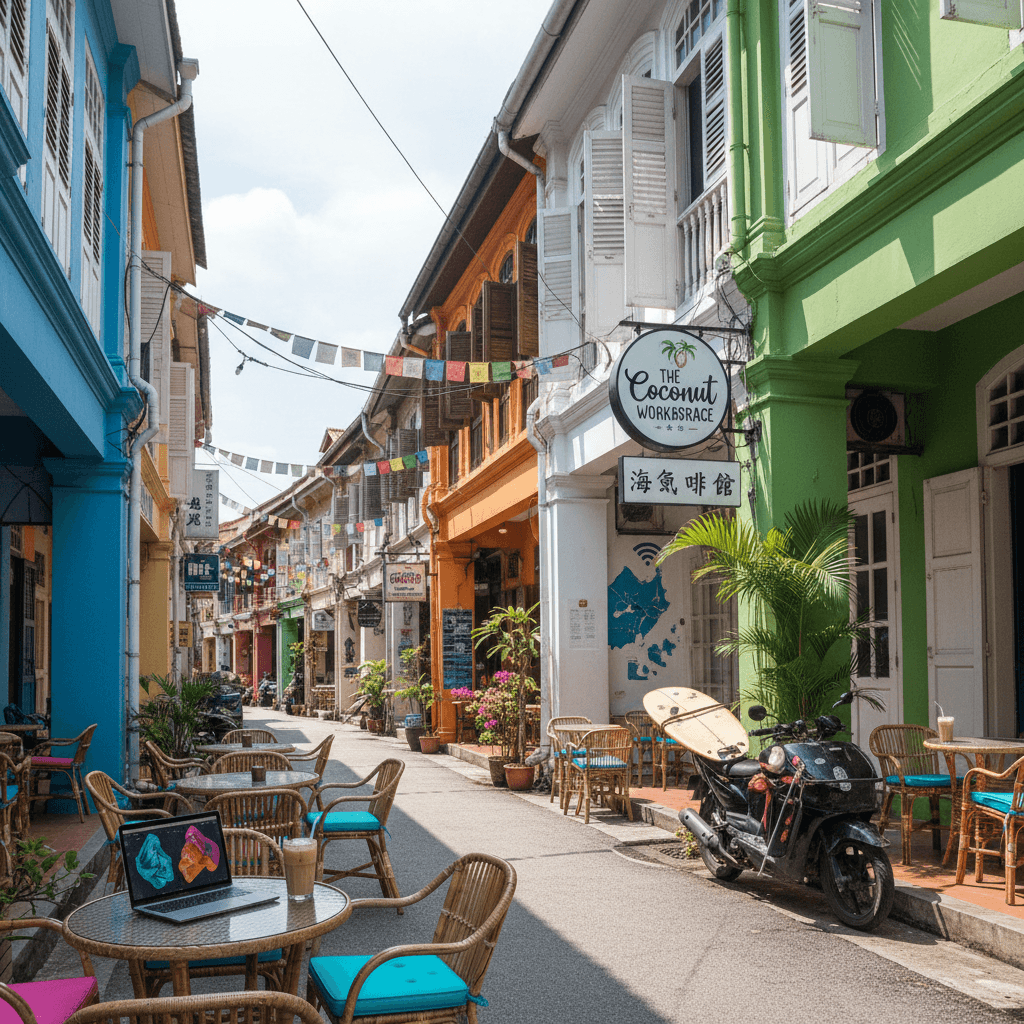
Miri doesn't try too hard, and that's exactly why people love it. Born from the 1910 oil boom, it has evolved from a gritty industrial outpost into a breezy coastal city that feels surprisingly cosmopolitan for its size. Unlike the frantic pace of Kuala Lumpur or the heavy tourist crowds in George Town, Miri moves at a slow, deliberate speed. It’s the kind of place where the person next to you at the coffee shop is just as likely to be a Shell engineer as they are a digital nomad or a local artist.
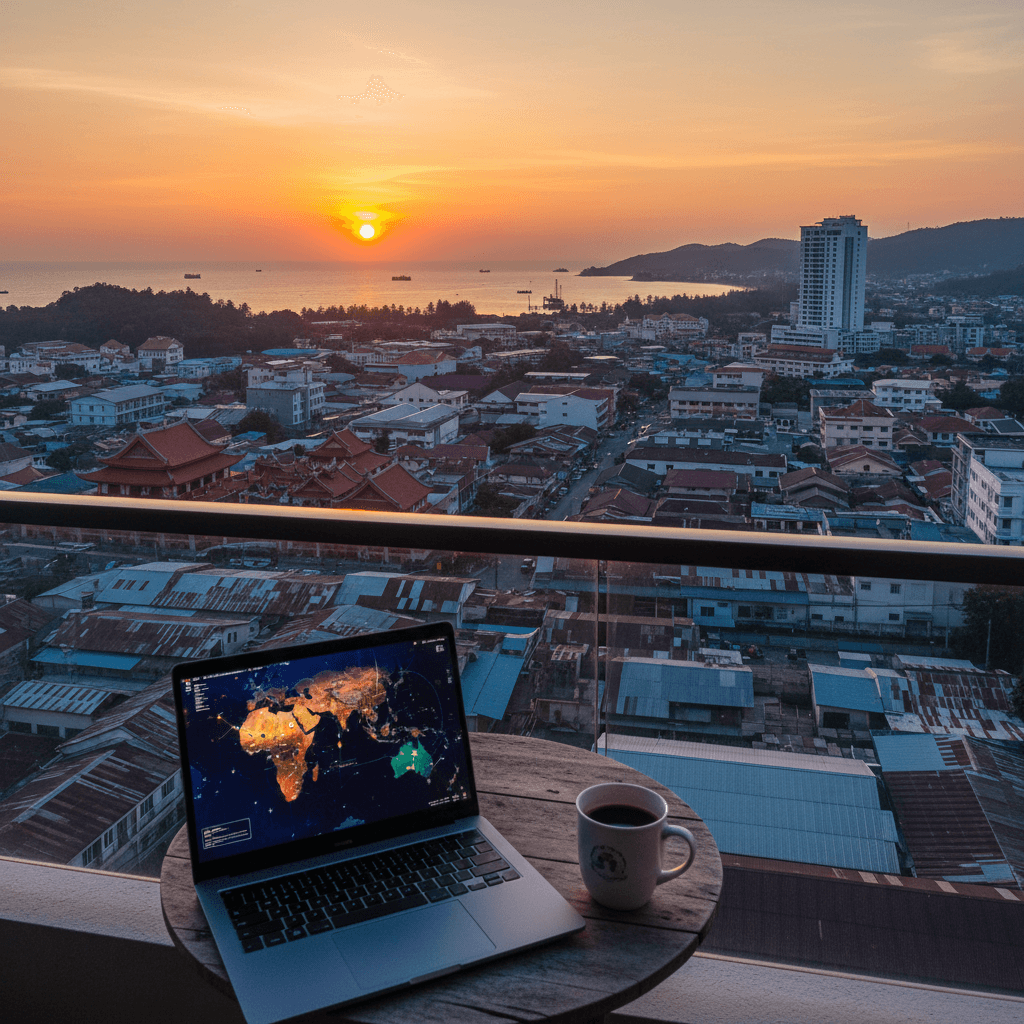
The city has a distinct resort like atmosphere, especially as you move toward the waterfront. Because it’s Sarawak’s second largest city, you get the infrastructure of a modern hub without the soul crushing traffic. There’s a palpable sense of community here; the expat circle is tight knit, and locals are famously welcoming. You’ll find a unique blend of Chinese, Iban, and Malay cultures that creates a social scene where everyone seems to know everyone else by the second week.
The Nomad Experience
Living here feels like a well kept secret. Most nomads find that Miri offers a high quality of life for a fraction of what they’d pay in Western Malaysia. It’s a city of contrasts where you can spend your morning on a high speed Zoom call at a sleek coworking space like V-Suite and your afternoon trekking through the jungle or diving in the Miri-Sibuti Coral Reef National Park.
The emotional payoff of Miri is the lack of stress. You aren't constantly "on" here. Travelers often say the city feels like a base camp for adventure. You’re positioned perfectly between the South China Sea and the world class caves of Mulu National Park. While the international flight connections are limited, usually requiring a quick hop to Kuching or Singapore, the trade off is a quiet, affordable sanctuary that doesn't feel like a tourist trap.
Cost of Living Breakdown
Your ringgit goes incredibly far here. It’s one of the few places in Southeast Asia where you can still live a "luxury" lifestyle on a "mid-range" budget. Most expats recommend budgeting around RM 3,500 to RM 4,500 ($750 to $960 USD) for a very comfortable life that includes a nice apartment, frequent dining out, and weekend trips.
- Housing: A modern one bedroom apartment in the city center typically runs between RM 700 and RM 1,300 ($150 to $280 USD). If you want something upscale in the Marina area, expect to pay closer to RM 2,000 ($430 USD).
- Food & Drink: A meal at a local food court or a spot like Ming Cafe will cost you RM 5 to RM 12 ($1 to $2.50 USD). A nice dinner for two at a mid-range restaurant usually lands around RM 60 ($13 USD).
- Connectivity: High speed home fiber internet averages RM 100 ($21 USD) per month, while a solid mobile data plan with a provider like Maxis or Celcom is about RM 50 ($11 USD).
- Transport: Most people rely on Grab. A typical ride across town costs RM 6 to RM 12 ($1.30 to $2.60 USD).
The Neighborhoods
Choosing where to plant your flag depends on whether you want walkability or quiet suburban comfort. The city is spread out, so your choice of neighborhood defines your daily rhythm.
City Centre & Marina
- The Draw: This is the heartbeat of Miri. You’re within walking distance of Bintang Megamall, dozens of cafes, and the best nightlife.
- The Vibe: Urban, social, and convenient. Perfect for those who don't want to own a car.
Piasau
- The Draw: The traditional expat stronghold. It’s leafy, quiet, and home to the Piasau Nature Reserve where you can spot hornbills.
- The Vibe: Suburban and relaxed. It’s great for long term stays if you prefer a house or a spacious serviced apartment.
Lutong
- The Draw: Located north of the center, this area is tied closely to the oil and gas industry. It’s more affordable and has a local, lived-in feel.
- The Vibe: Industrial meets residential. It’s less "polished" than the Marina but very authentic.
Ultimately, Miri is for the traveler who is tired of the "nomad circuit" and wants a place that feels like a real home. It’s a city that rewards those who stay long enough to find their favorite laksa stall and join the local Friday night crowd at Chapter One Cafe.
One of the biggest draws for nomads landing in Sarawak is how far your money actually goes. Compared to the frantic pace and price tags of Kuala Lumpur, Miri feels like a massive discount without sacrificing the basic comforts of city life. You can live a very comfortable lifestyle here for a fraction of what you would spend in Western Malaysia, let alone Europe or the US.
Monthly Rent and Housing
Housing is where you will see the most significant savings. Rent in Miri is nearly 90 percent cheaper than in KL. If you want to be in the thick of things, a modern studio or one bedroom apartment in the city centre will set you back between RM700 and RM1,333 ($150 to $285 USD). For those traveling in a group or with family, a spacious three bedroom apartment averages around RM2,067 ($440 USD).
Expats often gravitate toward Piasau for its proximity to shopping and dining, while those looking for a resort vibe head to the Marina or Waterfront areas. In these upscale spots, you will pay a premium, but it is still incredibly affordable by international standards. If you are on a tight budget, looking just outside the city centre can land you a solid one bedroom for as little as RM700.
Food and Dining Costs
Eating out is a way of life here, and honestly, it is often cheaper than cooking for yourself. You can grab a local laksa or a plate of chicken rice at a street stall or food court for RM4 to RM12 ($0.85 to $2.55 USD). It is fast, fresh, and usually the best food in town.
- Mid-range restaurant meal: RM20 to RM50 ($4.25 to $10.70 USD)
- Upscale dining (like Zest): RM50+ ($10.70+ USD)
- Fast food combo: RM15 to RM17 ($3.20 to $3.65 USD)
- Local beer (at a bar): RM10 to RM18 ($2.15 to $3.85 USD)
Utilities and Connectivity
Keeping the lights on and the AC running is manageable, though Borneo's humidity means your electricity bill is usually your biggest utility expense. Most nomads budget about RM100 ($21 USD) for electricity and RM30 ($6.40 USD) for water. High speed home internet ranges from RM50 to RM130 ($10.70 to $27.80 USD), while a solid mobile data plan with 10GB or more usually costs around RM40 to RM60 ($8.50 to $12.80 USD).
Transportation
Miri is not the most walkable city once you leave the immediate downtown area, so you will need to factor in transport. Most locals and expats rely on Grab, which is reliable and cheap. A one way local bus ticket is only RM1.90 ($0.40 USD), but the schedules can be a bit unpredictable. If you prefer taxis, the base fare starts at RM5 ($1.07 USD) with an additional RM3.25 ($0.70 USD) per kilometer.
Budget Tiers
To give you a better idea of what to expect, here is how the monthly totals usually shake out:
- The Budget Nomad: RM1,500 to RM2,000 ($320 to $430 USD). This covers a room in a shared house, plenty of street food, and using public transport or a bicycle.
- The Mid-Range Lifestyle: RM2,500 to RM3,500 ($535 to $750 USD). This gets you a private one bedroom apartment, a mix of cafe meals and local food, and regular Grab rides.
- The Comfortable Expat: RM4,000+ ($855+ USD). This allows for a high end apartment in the Marina, frequent dining at upscale restaurants, a coworking membership at V-Suite, and weekend trips to nearby national parks.
For Digital Nomads: Marina & City Centre
If you need to be within walking distance of a decent flat white and a reliable power outlet, the Marina and Waterfront area is your best bet. This is the most modern part of Miri, featuring upscale condos and a resort style atmosphere. It's where you'll find the sunset views and most of the city's nightlife. Most nomads here gravitate towards Ruai Coworking at the Mercure or V-Suite for serious deep work sessions.
The City Centre is the alternative for those who want to be in the thick of things. It's less "resort" and more "urban jungle," but you're steps away from Imperial Mall and Bintang Megamall. Rent for a studio or one bedroom apartment in these central hubs typically ranges from RM700 to RM1,333. While it's louder than the suburbs, the convenience of having Ming Cafe and Chapter One nearby for afternoon laptop sessions makes it a top choice for solo remote workers.
- Rent: RM1,100 to RM1,800 for modern units
- Vibe: Social, walkable, and business focused
- Best for: Networking and nightlife access
For Expats & Professionals: Piasau
Piasau has long been the go to for the international community, particularly those tied to the oil and gas industry. It strikes a balance between suburban quiet and proximity to the Piasau Business Park. Expats recommend this area because it feels established; the trees are taller, the streets are wider, and there's a sense of community you don't always get downtown.
You'll find plenty of serviced apartments and landed houses here. It's a short drive to the city, but far enough away to escape the traffic. For work, Genesis Coworking Space is nearby, which was the first of its kind in Miri and remains a hub for local entrepreneurs. Expect to pay around RM2,000 for a spacious three bedroom apartment, making it great value if you want a dedicated home office.
- Rent: RM1,500 to RM2,500 for larger apartments
- Vibe: Established, green, and professional
- Best for: Long term stays and those with their own transport
For Families: Lutong
Lutong is situated north of the city centre and offers a much slower pace of life. It's historically significant as the heart of Miri's petroleum industry, but today it's a peaceful residential enclave. Families often choose Lutong because you get significantly more square footage for your money. It's common to find large houses with gardens here for the same price as a cramped flat in Kuala Lumpur.
While it isn't walkable, the neighborhood is self contained with its own local markets and schools. It's also closer to the beaches, which is a massive plus for weekend outings. If you're working from home and need total silence, this is where you'll find it. Just keep in mind that you'll definitely need a Grab account or a rental car to get into the city for dinner or shopping.
- Rent: RM1,200 to RM2,200 for family homes
- Vibe: Quiet, residential, and spacious
- Best for: Peace, quiet, and backyard space
For Budget Travelers: Batu Niah & Suburbs
Batu Niah is a developing area that's gaining traction with travelers who want modern facilities without the city centre price tag. You'll find newer condominiums here that offer gyms and pools for a fraction of what you'd pay at the Waterfront. It's a bit of a trek from the main social hubs, but for those staying three to six months, the savings add up quickly.
Local transport like buses costs about RM1.90 for a one way trip, but most budget conscious residents rely on motorbikes or ride hailing. If you don't mind a 15 minute commute, you can find basic one bedroom setups for as low as RM700. It's a practical choice for those who prioritize their bank balance over being able to walk to a bar.
- Rent: RM700 to RM1,100
- Vibe: Developing and local
- Best for: Slow travelers and extreme budgeters
Connectivity and Speed
You won't have much trouble staying connected in Miri. The city's infrastructure is built on the back of the oil and gas industry, which means the digital backbone is surprisingly sturdy for a town of this size. Most modern apartments and hotels come equipped with fiber broadband, typically ranging from RM50 to RM130 per month ($11 to $28 USD). Speeds are generally snappy enough for video calls and heavy uploads, though it's always smart to ask for a speed test before signing a long term lease.
For mobile data, you'll want to grab a local SIM card immediately. Maxis (Hotlink), Celcom, and Digi are the big players here. Coverage is excellent throughout the city center and Piasau, though it can get a bit spotty if you venture deep into the nearby national parks. Expect to pay around RM40 to RM60 ($9 to $13 USD) for a monthly plan with plenty of data. Most nomads use their phone as a hotspot when the cafe WiFi gets sluggish, and it works like a charm.
Top Coworking Spots
Miri's coworking scene is smaller than Kuala Lumpur's, but the quality is high. The spaces here are less about "hustle culture" and more about community and reliable air conditioning.
- V-Suite: This is arguably the most polished option in town. It bills itself as having the fastest WiFi in Miri and backs that up with a very corporate, high end feel. They have ergonomic chairs, IoT enabled meeting rooms, and flexible plans that range from hourly passes to monthly dedicated desks.
- Genesis Coworking Space: Opened in 2018, this was the first real nomad hub in the city. It has a more grassroots, community focused vibe. It's a great place to meet local entrepreneurs and fellow travelers, and the internet is consistently high speed.
- Ruai Coworking: Located on the third floor of the Mercure Miri City Centre, this is a fantastic choice if you like a bit of hotel luxury with your workday. The design is inspired by Bornean longhouses, and it offers private meeting rooms and a well stocked pantry.
- PARC: While it caters heavily to the oil and gas professional crowd, it functions as a solid shared office space. It’s a bit more formal, but the collaborative environment is great if you need to put your head down and get serious work done.
The Cafe Office Culture
If you prefer the background hum of a coffee shop, Miri has a thriving "laptop friendly" cafe scene. You won't be the only one working from a table for three hours, provided you keep the coffee orders flowing. Local favorites include:
- Ming Cafe: A legendary spot in the city. It’s more of a social hub, but during the day, it's a relaxed place to catch up on emails with some local food.
- Chapter One Cafe: This is a favorite for many expats. It has a cozy atmosphere, decent table heights, and reliable power outlets.
- Haus Haust Cafe & Bar: A bit more modern and trendy, this spot offers a great balance of aesthetic surroundings and functional workspace.
Most nomads find that a hybrid approach works best here. Use the dedicated coworking spaces like V-Suite for important client meetings or deep work sessions, and hop between the cafes in the Marina or City Centre for your more casual tasks. Just remember that while Miri is tech forward, the pace of life is slower; don't be surprised if the "high speed" internet takes a breather during a tropical downpour.
Personal Safety and Local Vibes
Miri is a breath of fresh air if you're used to the high-alert energy of larger Southeast Asian hubs. It feels more like a large town than a frantic city, and that reflects in the safety levels. Most expats and nomads find they can walk around the City Centre or Marina areas comfortably. Violent crime is rare; the city has a stable, community-oriented atmosphere where people generally look out for one another.
That said, don't let the relaxed pace make you careless. Common sense still applies. Keep an eye on your phone and bag when you're at Ming Cafe or busy night markets, as opportunistic petty theft can happen anywhere. If you're out late enjoying the nightlife in Piasau, it's smarter to call a Grab rather than walking through dimly lit or isolated backstreets. Female solo travelers usually report feeling secure here, though staying aware of your surroundings in quieter residential pockets at night is just good practice.
Healthcare Infrastructure
The healthcare situation in Miri is surprisingly robust for a city of its size, largely thanks to the long-standing presence of the international oil and gas industry. You'll find a mix of public and private facilities that can handle everything from a routine check-up to more serious emergencies.
- Borneo Medical Centre: This is the gold standard for most nomads and expats. It's a private facility with modern equipment and specialists who almost all speak excellent English. It's located centrally and is the go-to for anything requiring fast service and high-end comfort.
- Selesa Pacific Hospital: Another solid private option. It's smaller but offers specialized services and is often less crowded than the larger hospitals.
- Miri Hospital: This is the primary public referral hospital. While it's significantly cheaper, it can be very busy with long wait times. Most travelers stick to the private clinics for speed and convenience unless it's a major emergency.
Pharmacies and Everyday Care
You won't have to look far for a pharmacy. Chains like Watson's and Guardian are scattered through every major mall, including Bintang Megamall and Imperial Mall. They carry most international brands for over-the-counter meds, sunblock, and basic first aid. For prescription refills, local pharmacists are professional and helpful, though it's always easier if you have your original prescription or the packaging handy.
If you're heading out to the nearby national parks like Gunung Mulu or Niah, stock up on high-quality insect repellent and a basic travel kit in the city first. While Miri itself isn't a high-risk malaria zone, the deep jungle is a different story, and you'll want to be prepared before you leave the urban center.
Emergency Contacts
If things go sideways, the universal emergency number in Malaysia is 999. This connects you to police, ambulance, and fire services. For non-emergencies, most expats recommend keeping the direct number of Borneo Medical Centre saved in your phone, as their private ambulance service can sometimes be faster than the public one in a pinch.
The Ride-Hailing King
In Miri, Grab is the undisputed champion of transport. Most nomads and expats rarely bother with traditional taxis because the app is reliable, transparent, and incredibly cheap. A quick trip across the city center usually costs between RM5 and RM10 ($1.05 to $2.15 USD), while a longer haul out to the Lutong area might run you RM15 to RM20 ($3.20 to $4.30 USD).
If you do opt for a standard taxi, expect a base fare of RM5 and a rate of about RM3.25 per kilometer. Always confirm the price before the driver pulls away, as meters aren't always the default. Most travelers find the ease of Grab far outweighs the effort of flagging down a cab on the street.
Public Buses and Shuttles
Miri has a local bus system, but it's built more for locals on a strict budget than for digital nomads on a schedule. Fares are a flat RM1.90 ($0.40 USD) for a one-way ticket, making it the cheapest way to get around by far. You can even pick up a monthly pass for RM36 ($7.70 USD) if you're staying long-term and living near a main route.
The downside is the frequency. Buses don't always run on a tight timetable, and waiting in the Sarawak heat for a bus that might be twenty minutes late is a tough sell. If you're staying in the city center, you might use them for a novel trip to the outskirts, but don't rely on them for getting to a morning meeting on time.
Walkability and Two-Wheeled Travel
The city center is surprisingly walkable. If you're staying near the Imperial Mall or the Waterfront, you can easily reach dozens of cafes, bars, and grocery stores on foot. However, Miri isn't a "walkable city" in the European sense. Once you leave the central business district, sidewalks become hit-or-miss and the tropical humidity starts to bite.
Bicycles and scooters aren't as common here as they are in places like Bali or Chiang Mai. You won't find scooter rental shops on every corner. If you're determined to ride, check with your guesthouse or look for local rental leads on Facebook groups. The roads are generally in good condition, but the driving style can be assertive, so stay alert.
Getting to and from Miri Airport (MIA)
The airport sits about 8 kilometers south of the city center. It's a modern, efficient hub, though it primarily handles domestic flights. To get to town, a Grab is your best bet and will cost roughly RM12 to RM18 ($2.55 to $3.85 USD) depending on the time of day. The ride takes about 15 to 20 minutes.
Many of the mid-range and upscale hotels, like the Pullman or Marriott, offer shuttle services for guests. It's always worth checking if your accommodation includes a transfer. Just remember that if you're flying in from overseas, you'll likely have to transit through Kuala Lumpur, Kuching, or Kota Kinabalu first, as Miri's international direct connections are limited.
Navigating to the Neighborhoods
- City Center to Piasau: A 10-minute drive. Best handled via Grab if you're heading to the Business Park.
- City Center to Marina/Waterfront: Easy walking distance if you're already staying downtown.
- City Center to Lutong: About 15 to 20 minutes by car. This is where many Shell and Petronas employees live, so traffic can peak during traditional office hours.
Most expats recommend renting a car if you plan on staying for more than six months and want to explore the nearby national parks frequently. For everyone else, the combination of a pair of sneakers for the city center and the Grab app for everything else works perfectly.
Multilingual Miri
In Miri, you'll find a fascinating linguistic mix that reflects its position as a gateway to the Bornean interior and its history as an oil town. While Bahasa Malaysia is the official language, the city operates on a "choose your own adventure" linguistic model. Most locals are at least trilingual, switching effortlessly between Malay, English, and various Chinese dialects or indigenous languages like Iban and Kelabit.
Expats and digital nomads usually find the transition seamless because English is widely spoken in business, hospitality, and healthcare. You won't struggle to order a coffee at Ming Cafe or negotiate a lease in Piasau using English. However, picking up a few phrases of "Bahasa Sarawak" (the local dialect) goes a long way in building rapport with vendors at the central market.
Essential Communication Tips
- The "Lah" Factor: You'll hear the suffix "lah" added to the end of almost every sentence. It doesn't change the meaning but adds emphasis or a friendly tone. "Can, lah!" means "Yes, definitely."
- Manglish: Local English often blends with Malay grammar. It's fast and efficient. If someone asks "Can or not?", they're simply asking if something is possible.
- Language by Venue: In high end spots like the Marriott or Pullman, English is the standard. In local "kopitiams" (coffee shops), Mandarin or Hokkien are common among the older generation, though they'll usually switch to Malay or English for you.
Staying Connected
Reliable internet is the lifeblood of the nomad lifestyle here. Miri has seen significant upgrades recently, and 4G/5G coverage is solid throughout the city center and residential hubs like Lutong. If you're heading out to the Niah Caves or deeper into the rainforest, expect signals to drop off quickly.
For mobile data, travelers usually choose between the "Big Three" providers. You can pick up a SIM card at Miri Airport (MIA) or any major mall like Bintang Megamall for about RM10 to RM15. Data plans are incredibly cheap compared to Western standards.
- CelcomDigi: Generally offers the best coverage if you plan on exploring rural Sarawak outside the city limits.
- Maxis (Hotlink): Known for high speeds within the city. A monthly "unlimited" prepaid plan typically costs around RM35 to RM60.
- U Mobile: Often the cheapest option, though the signal can be spotty inside older concrete buildings.
Digital Tools and Apps
To live like a local, your smartphone needs a specific toolkit. Most communication with landlords, coworking spaces like V-Suite, and even some restaurant bookings happens over WhatsApp. It's the primary way people do business here.
For getting around and eating, Grab is your best friend. It functions as a ride-hailing app, food delivery service, and digital wallet. Many nomads also use Touch 'n Go (TNG), a digital wallet that allows you to pay for everything from street food to groceries by scanning a QR code. It's often easier than carrying stacks of Ringgit notes.
If you're worried about the language barrier when venturing into smaller villages, Google Translate with the Malay offline pack is helpful. While it won't capture the nuances of the local Sarawakian dialect, it's more than enough to get your point across for basic needs.
The Tropical Rhythm
Living in Miri means embracing a classic tropical rainforest climate. You can expect high humidity and warm temperatures year round, usually hovering between 23°C (73°F) and 32°C (90°F). It is rarely "cold," but the rain is a constant character in the city's story. Because Miri sits right on the coast, you get the benefit of evening sea breezes that make sunset drinks at the Marina much more comfortable than the inland heat of central Borneo.
Dry Season: February to August
This is widely considered the best time to base yourself here, especially if you plan on exploring the nearby national parks. The weather is more predictable, with plenty of sunshine and blue skies. Most nomads aim for the window between April and July to ensure their hiking trips to Gunung Mulu or Niah Caves don't get washed out by sudden downpours.
- February and March: These are often the driest months. If you're sensitive to humidity, this is your best window.
- May to July: Expect hot days. It's the perfect time for diving at the Miri-Sibuti Coral Reef National Park, as water visibility is at its peak.
- Outdoor Perks: This season is ideal for those who want to utilize the city's outdoor cafes or spend weekends at Tusan Beach without checking the radar every twenty minutes.
Monsoon Season: October to January
The Northeast Monsoon brings significant rainfall to Sarawak. While it doesn't rain all day every day, the storms are intense and can cause localized flash flooding. Expats usually spend more time in coworking spaces like V-Suite or Genesis during these months to stay dry and productive.
December is typically the wettest month of the year. If you're a digital nomad who relies on stable power, be aware that heavy tropical storms can occasionally cause brief outages, though the infrastructure in Miri is generally resilient. Travelers often find that prices for accommodation can dip during this period, but some trekking trails in the highlands might be closed for safety.
Key Events and Festivals
Timing your visit around the local calendar can significantly change your experience. Miri comes alive during major cultural celebrations, though you should book your flights and "stay" well in advance during these peaks.
- Gawai Dayak (June 1st to 2nd): This is the harvest festival celebrated by the Iban and Bidayuh people. It is a massive cultural event. If you have local friends, you might get invited to a "longhouse" for traditional rice wine and celebrations.
- Borneo Jazz Festival (Usually July): One of the longest running jazz events in the region. It brings an international crowd to the city and creates a fantastic, upscale party atmosphere around the beachfront resorts.
- Chinese New Year (January or February): Given Miri's large Chinese population, the city transforms with red lanterns and lion dances. Many smaller family run shops and stalls close for a few days, so plan your grocery runs accordingly.
The Verdict for Nomads
For the best balance of work and play, aim to arrive in March or April. You'll dodge the heaviest rains, enjoy the best diving conditions, and be settled in just in time for the major mid year festivals. If you're on a tight budget and don't mind working indoors while it pours outside, the "shoulder" months of September and October offer lower prices and fewer crowds before the true monsoon sets in.
Essential Logistics
Miri operates at a slower pace than Kuala Lumpur, but its infrastructure is surprisingly robust for a coastal city. You'll find that most locals speak excellent English, especially in the service and business sectors. The city uses the Type G power plug (the three-pin UK style), so bring an adapter if you're coming from the Americas or Europe.
For staying connected, don't rely solely on hotel WiFi. Grab a local SIM card from Maxis (Hotlink) or Celcom at the airport or in Bintang Megamall. You can usually get a solid monthly data plan for around RM40 to RM60. While 5G is rolling out in the city center, 4G LTE is the standard and it's reliable enough for video calls and heavy uploads.
Money and Budgeting
Cash is still king at the local tamu (markets) and smaller coffee shops, though GrabPay and Sarawak Pay are widely used in modern establishments. ATMs are everywhere in the city center, particularly around the Imperial Mall area. Banks like Maybank and CIMB are your best bet for international card withdrawals.
Your daily budget will go a long way here. A typical day might look like this:
- Breakfast (Kolo Mee and Teh C Peng): RM7 to RM10
- Coworking day pass: RM25 to RM40
- Mid-range dinner at Ming Cafe: RM25 to RM45
- Short Grab ride: RM6 to RM12
Navigation and Transport
The city isn't particularly walkable outside of the immediate Waterfront and Marina areas due to the tropical heat and inconsistent sidewalks. Most expats and nomads rely heavily on Grab. It's affordable, safe, and saves you the headache of finding parking in crowded spots like Piasau.
If you're planning an extended stay, some nomads look into renting a local scooter, though it's less common than in places like Bali. For regional travel, remember that Miri Airport (MIA) mostly handles domestic routes. If you're heading to international destinations, you'll likely need to transit through Kuala Lumpur or Kota Kinabalu.
Health and Wellness
If you get sick, the private healthcare in Miri is excellent and very affordable compared to Western standards. Borneo Medical Centre is the go-to for most expats; it's modern, efficient, and the doctors speak perfect English. A standard consultation usually starts around RM100.
For staying active, the city has a strong gym culture. You'll find well-equipped facilities in the major malls, or you can join the locals for a sunset run at Tanjong Lobang Beach. The air quality is generally good, though it's worth checking the haze index during the dry season between July and September.
Safety and Local Etiquette
Miri is one of the safer cities in Malaysia. Violent crime is rare, and you can generally walk around the well-lit areas of the Marina at night without worry. Just use common sense with your belongings in crowded markets. Travelers often note how welcoming the community is, partly due to the long-standing presence of international oil and gas workers.
Sarawak has its own immigration rules separate from Peninsular Malaysia. Even if you're coming from Kuala Lumpur, you'll go through a passport check. Most nationalities get a 90-day social visit pass on arrival, but always double-check the latest requirements for your specific passport before landing.
Need visa and immigration info for Malaysia?
🇲🇾 View Malaysia Country GuideNomad Haven
Your home away from home