Talca
🇨🇱 Chile
The Down-to-Earth Heart of the Maule
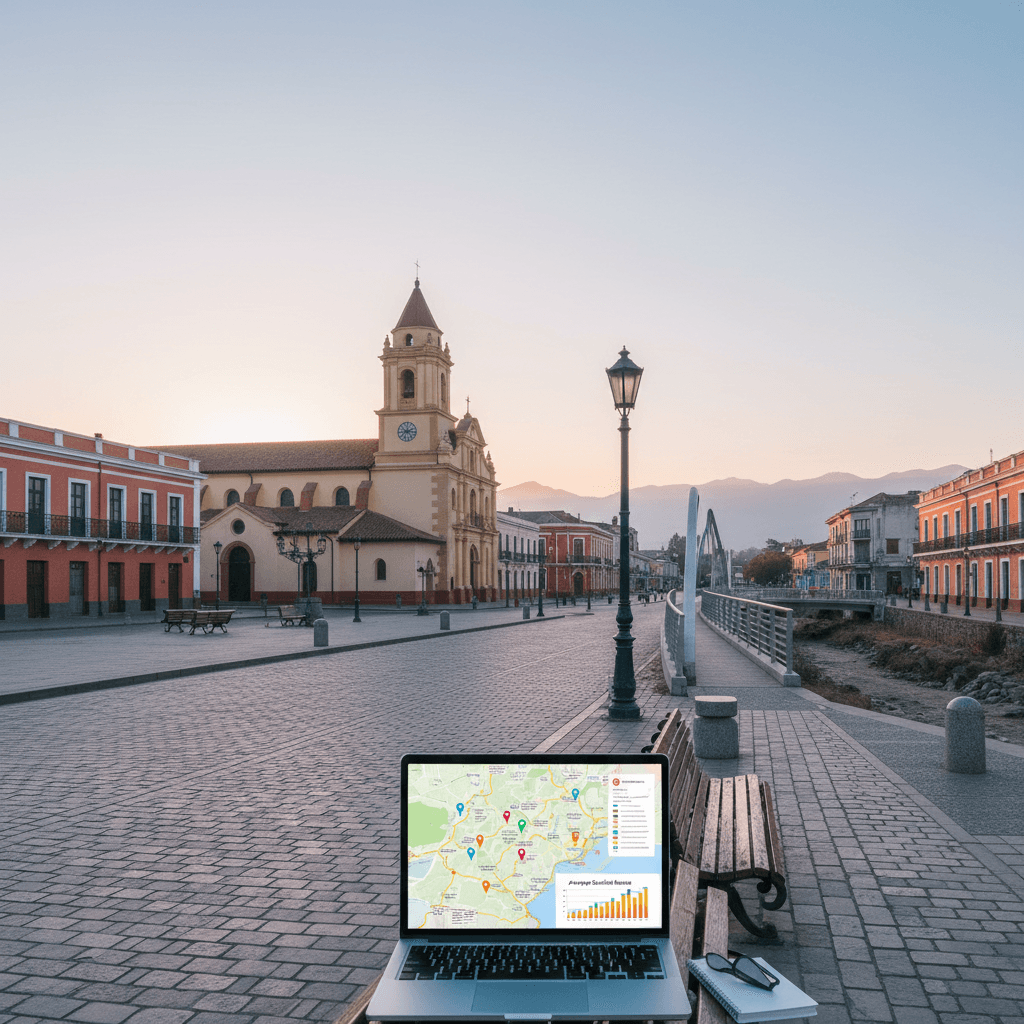
If you're looking for the high-octane energy of Santiago or the bohemian hills of Valparaíso, Talca isn't it. This is a city that doesn't try too hard. Located in the center of the Maule Valley, it feels more like a large provincial town than a frantic metropolis. It is a place of grids, plazas, and a distinctly Chilean pace of life where the midday meal still holds sacred status.
Most nomads arrive in Talca and immediately notice the lack of pretension. There aren't any glass skyscrapers or specialized "nomad cafes" with artisanal avocado toast. Instead, you'll find a functional, industrial-meets-agricultural hub that serves as the gateway to some of the best hiking and wine tasting in South America. It is a practical choice for those who want to disappear into local life, save some cash, and spend their weekends exploring the Andes.
The Vibe: Low Key and Local
The atmosphere here is undeniably relaxed. You won't find a massive expat community or English-language meetups every Tuesday. Instead, you'll be rubbing shoulders with university students and agricultural workers. Life revolves around the central plaza and the long commercial stretches of Calle 1 Norte and Calle 1 Sur. By day, these streets are alive with local commerce; by night, the energy shifts to casual pizza spots and rock bars.
The emotional experience of Talca is one of quiet productivity. It is a fantastic place to put your head down and get work done precisely because there aren't many distractions. When you do step out, the "ridiculously low" prices for a menú del día at places like Raices del Maule make it easy to live well on a modest budget. You’re trading the "cool factor" of bigger cities for a sense of authentic, unpolished Chile.
What Nomads Love and Hate
Every destination has its trade-offs, and Talca is no exception. It appeals to a specific type of remote worker while frustrating others.
- The Pros: The cost of living is significantly lower than in Santiago, with total monthly budgets often landing between $1,200 and $1,500 for a comfortable mid-range lifestyle. The proximity to nature is world-class; you can be at the Cerro La Virgen mirador after a quick walk or heading toward the Sendero Enladrillado for a weekend trek.
- The Cons: Digital infrastructure is basic. While home internet is surprisingly fast, often hitting 200 Mbps, there are no dedicated coworking spaces in the city. You'll be working from your rental or a handful of laptop-friendly spots like Bendito. The dining scene is functional rather than gourmet, and if you don't speak basic Spanish, you'll find daily life a bit of a hurdle.
A Strategic Base for the Outdoors
Think of Talca as your base camp. While the city itself is flat and straightforward, the surrounding geography is stunning. Being in the heart of wine country means you're never far from a world-class vineyard, and the mountain ranges shielding the city provide a dramatic backdrop for your morning coffee. Most travelers find that a stay of two to four weeks is the sweet spot; it's enough time to find your rhythm, tackle the nearby trails, and enjoy the Mediterranean climate before the quietude starts to feel a little too still.
It’s a city for the self-sufficient nomad. If you can create your own social life and don't mind a "no-frills" environment, Talca offers a peaceful, affordable alternative to the typical South American circuit. It’s not a "hidden gem" in the tourist sense; it’s a real, working city that just happens to be a very affordable place to open your laptop.
The Bottom Line on Talca’s Budget
Talca is where your dollars stretch significantly further than in Santiago or Valparaíso. While it lacks the glitz of the capital, it makes up for it with a cost of living that sits comfortably below the national average. Most digital nomads find they can live a high quality life here for between $1,200 and $1,500 per month without feeling like they are pinching pennies.
Local salaries hover around $600, so if you are coming in with a remote income, you will have plenty of buying power. You won't find many opportunities for "splurging" on high end luxury, but you will find that daily essentials, from fresh Maule Valley produce to local transport, are surprisingly affordable.
Monthly Budget Breakdowns
Your total spend depends heavily on how much you prioritize a modern apartment versus local immersion. Here is how the tiers typically shake out:
- The Budget Traveler ($800 to $1,000): This tier works if you stick to street food, cook most meals at home, and find a modest studio outside the immediate city center. You will be using public buses and rely on home WiFi rather than daily cafe visits.
- The Mid-Range Nomad ($1,200 to $1,500): This is the sweet spot. It covers a comfortable 1-bedroom apartment in the Centro, regular meals at spots like Raices del Maule, and plenty of weekend trips to the nearby mountains or vineyards.
- The High-End Expat ($2,000+): At this level, you are looking at the best housing available, frequent Uber rides, and dining out at the city's better establishments like Las Viejas Cochinas every other night.
Housing and Utilities
Rent is your biggest variable. While data for Talca specifically can be hard to pin down, expats usually find that prices are roughly 30% lower than in Santiago. A central, modern 1-bedroom apartment typically runs between $450 and $600. If you are willing to look a bit further out toward the western river edge, you might find even better deals, though you will sacrifice some walkability.
Utilities are generally stable. Expect to pay about $25 to $35 for high speed home internet, which is a necessity since dedicated coworking spaces are almost non-existent here. Heating can add a bit to your bill during the rainy winter months, so keep that in mind if you are visiting between June and August.
Food and Dining
Eating out in Talca is where the savings really start to show. Travelers often describe the prices for local lunches as ridiculously low. A "menú del día" (menu of the day) usually includes a starter, main course, and drink for between $5 and $8.
- Street food and casual lunches: $5 to $8
- Mid-range dinner for two: $25 to $35
- Monthly grocery bill: $200 to $300, depending on how much wine you buy.
If you want a night out, La Barra del Toro is a local favorite for pizza and beer that won't break the bank. For a more traditional experience, Las Viejas Cochinas offers hearty portions at prices that feel very fair for the quality.
Transport and Tech
Getting around the city is cheap. The central grid is very walkable, but when you need to cover more ground, public transport will only cost you about $50 a month. If you prefer the convenience of ride-hailing apps like Uber, budgeting around $100 for the month should cover most of your urban trips.
For your phone, don't overpay for international roaming. You can pick up a local SIM card from providers like Entel, Movistar, or WOM at most pharmacies or kiosks for between $3 and $11. These cards are easy to top up and offer great data packages for staying connected while you are out exploring the Maule Valley.
For Digital Nomads
If you are in town to work, you want to stay in the Centro, specifically near the Calle 1 Norte and Calle 1 Sur corridor. This is the heart of the grid where the city feels most alive. While Talca lacks dedicated coworking spaces, this area puts you within walking distance of Bendito, a reliable cafe where the Wi-Fi holds up and the coffee is strong. You will also be close to La Barra del Toro, a local favorite for a post-work pizza and beer.
- Rent: Expect to pay between $300 and $450 for a central studio.
- Vibe: Practical and functional. It is not glamorous, but everything you need is within a ten block radius.
- Connectivity: Most apartments here offer stable fiber optic lines, often exceeding 100 Mbps.
The main downside is that the city center gets very quiet after dark. Most nomads find that while the days are productive, the social scene is limited compared to Santiago. It is a place to get heads-down work done rather than to network with a massive expat community.
For Expats and Long-Termers
Expats looking for a more residential feel usually head toward the Western River Edge. This area feels less like a concrete grid and more like a proper neighborhood. It is closer to the Cerro La Virgen mirador, which is great for a sunset walk to clear your head after a day of calls. You are also near Las Viejas Cochinas, a legendary local spot that serves massive portions of traditional Chilean food.
- Rent: Larger apartments or small houses run $500 to $700.
- Pros: Quieter streets, better air quality, and more green space.
- Cons: You will likely want a car or a reliable ride-hailing app like Uber to get into the center for shopping.
Living here feels like being part of the "real" Chile. You won't find many English speakers, so your Spanish will improve quickly out of necessity. It is the best choice if you plan to stay for six months or more and want a sense of peace.
For Families
Families generally prefer the quiet outskirts or the newer residential pockets on the western side of the river. These areas offer more security and larger living spaces. While the city center is walkable, the outskirts provide the backyard space that is hard to find in the mid-town apartments. Most families appreciate being a short drive away from the Maule Valley vineyards, which are perfect for weekend outings.
- Safety: These residential pockets are considered very safe, with low traffic and a community feel.
- Amenities: You are further from the Raices del Maule lunch spots, but closer to the larger supermarkets and malls.
- Education: Local schools are available, but most expat families find they need to do a bit of legwork to find bilingual options.
For Solo Travelers
If you are just passing through for a few weeks to explore the Sendero Enladrillado or the nearby wineries, stay as close to the Plaza de Armas as possible. This is the western end of the central grid and serves as the primary hub for public transport. You can easily catch buses to the mountains or the train to surrounding villages from here.
- Daily Costs: You can eat well on a budget by sticking to the menú del día, which usually costs between $5 and $8.
- Social Scene: It is lean. Travelers often say the best way to meet people is at the rock bars in the center or by joining local hiking groups.
- Prepaid SIMs: You can grab a WOM or Entel SIM card at any nearby pharmacy or kiosk for under $10 to stay connected while exploring.
Avoid staying too far east near the industrial and railway zones. While the rent might be tempting, these areas lack the charm and safety of the central and western districts, and they don't offer much in the way of cafes or services for someone on their own.
Connectivity in the Maule Valley
Chile consistently punches above its weight for internet speeds in Latin America, and Talca is no exception. While it lacks the glitzy tech hubs of Santiago, you can expect reliable fiber optic connections in most central apartments. Fixed broadband speeds often hit a median of 235 Mbps, making video calls and heavy uploads a non issue for those working from home.
Mobile data is equally robust. You'll find 4G and 5G coverage throughout the city center. Local providers like Entel, Movistar, Claro, and WOM offer prepaid SIM cards that you can pick up for $3 to $10 at pharmacies or small kiosks. If you prefer to hit the ground running, an eSIM from a provider like Holafly works well here, providing unlimited data so you don't have to hunt for a physical shop on your first day.
The Coworking Reality
If your workflow requires a dedicated coworking space with ergonomic chairs and networking events, Talca might feel a bit thin. There aren't any formal, international brand coworking spaces like WeWork or Regus in the city yet. Most long term nomads here treat their own rentals as their primary office or commute to Santiago for major meetings, which is about a three hour trip north.
However, the local "office culture" is shifting toward cafes. You won't find a community of digital nomads to network with, but you will find quiet corners and decent WiFi. Just keep in mind that many local spots expect you to order a full meal if you're staying for more than an hour during the busy lunch rush.
Best Cafes for Remote Work
Since dedicated desks are scarce, you'll likely spend your afternoons at one of these local favorites:
- Bendito: Located in the heart of the city, this is the go to spot for a working lunch. It's popular with locals, has a relaxed atmosphere, and the WiFi is generally stable enough for emails and light browsing.
- Raices del Maule: While primarily a lunch spot known for its affordable daily menus, it's a quiet place to catch up on tasks during the mid morning lull before the 1:00 PM rush.
- La Barra del Toro: If you're a night owl who works better with a pizza and a beer, this rock bar offers a more casual environment. It's better for creative brainstorming than serious focus, given the music and energy.
Practical Work Stats
Budgeting for your "office" costs in Talca is straightforward since you won't be paying for a monthly desk membership. Most nomads find their costs break down like this:
- Home Fiber Internet: Expect to pay between $25 and $35 per month if it's not already included in your rent.
- Mobile Data: A solid prepaid plan with plenty of gigabytes will run you about $10 to $15.
- Cafe Spend: A coffee and a snack will cost around $5 to $8, while a full "menú del día" lunch is typically under $10.
The lack of a formal nomad scene means you'll have fewer distractions. It's a "get your head down and work" kind of city. If you need to troubleshoot your tech, head to the shops along Calle 1 Norte, where most of the electronics and repair services are clustered. For anything specialized, you'll likely need to order online or make a supply run to the capital.
Staying Safe in the Maule Valley
Talca is widely considered a safe, low-key city, especially when compared to the grit of Valparaíso or the sheer scale of Santiago. Most nomads find the atmosphere here remarkably relaxed. It lacks the tourist-heavy crowds that often attract pickpockets, meaning you can generally walk around the central grid during the day without looking over your shoulder.
That said, common sense still applies after dark. Expats generally recommend staying within the Centro area near Calle 1 Norte and 1 Sur if you are out late. The eastern industrial section near the railway tracks and the quieter outskirts can feel a bit desolate at night, so it is better to call an Uber rather than wandering through poorly lit streets. There are no specific "no-go" zones flagged by locals, but keeping a low profile with expensive electronics in public parks is always a smart move.
- Police (Carabineros): Dial 133 for emergencies.
- Ambulance (SAMU): Dial 131.
- Fire Department (Bomberos): Dial 132.
Healthcare and Medical Services
Chilean healthcare is among the best in Latin America, and while Talca isn't a medical hub like the capital, it is well-equipped for standard needs. You will find a mix of public hospitals and private clinics (clínicas). Most expats opt for private care because the wait times are shorter and the facilities are more modern. If you have a minor ailment, pharmacies like Cruz Verde, Ahumada, or Salcobrand are ubiquitous throughout the city center and often have a pharmacist on hand who can help with basic consultations.
For anything serious, you will likely be heading to the Hospital Regional de Talca. It is a major facility that serves the entire Maule region. While the medical staff are highly skilled, English proficiency is not guaranteed. It is helpful to have a translation app ready or a basic grasp of Spanish medical terms. If you require specialized surgery or complex treatments, many travelers choose to take the three-hour bus or train ride to Santiago, where international-standard private hospitals are the norm.
Practical Health Tips for Nomads
The food and water quality in Talca is high. Unlike in some other South American countries, the tap water in Chile is generally safe to drink, though many nomads prefer bottled water for the taste due to the high mineral content in the region. The Maule Valley has excellent air quality, though it can get a bit smoky in the winter months when locals use wood-burning stoves for heat.
Before you arrive, make sure your routine vaccinations are up to date. Most travelers don't need anything specialized for middle Chile, but it's good to have coverage for Hepatitis A and B. If you plan on spending your weekends hiking the Sendero Enladrillado or exploring the Radal Siete Tazas, ensure your health insurance includes search and rescue or backcountry medical evacuation, as the terrain in the nearby Andes is rugged and remote.
- Private Clinics: Look for "Clínica" in your search for faster, more personalized service.
- Prescriptions: Bring your physical prescriptions from home; many pharmacies will honor them if they are clearly written.
- Insurance: Ensure your policy covers private facilities to avoid the long queues of the public system.
The Layout and Walkability
Talca is laid out on a classic Spanish colonial grid, which makes it incredibly easy to navigate once you get your bearings. Most of your daily life will happen in the Centro, specifically around Calle 1 Norte and Calle 1 Sur. This central core is highly walkable, and you'll find most of the shops, cafes, and banks clustered here. While the city isn't particularly known for its bike lanes, the flat terrain makes cycling a viable option if you're staying for a few months and can snag a cheap second hand bike.
If you're heading toward the western edge near the river to visit spots like Las Viejas Cochinas, the walk from the plaza takes about 20 to 30 minutes. It's a pleasant stroll during the day, but you might want to grab a ride back if it's late. For a bit of a workout, the hike up to the Cerro La Virgen viewpoint takes about an hour from the center and rewards you with the best panoramic view of the Maule Valley.
Public Transit and Regional Hubs
For a mid sized city, Talca punches above its weight as a regional transit hub. The central bus terminal and the train station are the lifelines for nomads looking to explore the surrounding vineyards and mountains. You'll find frequent "micros" (local buses) that crisscross the city for less than $1 USD. They aren't fancy, but they're reliable and get the job done.
The train station is a standout feature. Talca is a major stop on the line connecting Santiago to the south. It's a nostalgic and comfortable way to travel, often preferred by expats over the long distance buses. If you're planning a weekend trip to the coast or the Sendero Enladrillado hiking trails, the bus terminal will be your starting point. Expect to pay between $5 and $10 USD for regional trips that take you deep into the heart of Chile's wine country.
Ride-Hailing and Taxis
Uber is the primary ride-hailing app in town and works well within the city limits. It's affordable, with most cross town trips costing between $3 and $6 USD. It’s a great fallback when the micros stop running frequently in the evening or when you're carrying groceries back to your apartment. You'll also see plenty of traditional taxis and "colectivos" (shared taxis that run fixed routes). Colectivos are a very Chilean experience; they look like taxis but have signs on the roof indicating their destination. They're slightly more expensive than the bus but much faster.
Getting to Talca
Since Talca doesn't have its own commercial airport, you'll likely arrive via Santiago (SCL) or Concepción (CCP). Most travelers opt for the three hour bus or train ride from Santiago.
- Long distance bus: High quality "semi cama" or "salon cama" seats cost roughly $10 to $20 USD.
- Train: The Estación Central in Santiago offers regular departures to Talca, with tickets usually ranging from $12 to $25 USD depending on the class.
- Private Transfer: If you're hauling a lot of gear, a private car from the airport can be arranged, though it will set you back $150 USD or more.
Monthly Transport Budgeting
Your transport costs in Talca will likely be one of your lowest expenses. Most nomads who stick to the city center spend very little on a daily basis.
- Budget Tier: $50 USD per month. This covers daily walking and the occasional micro or colectivo.
- Mid-Range: $100 USD per month. This includes a few Uber rides per week and a couple of regional bus trips to nearby wineries.
- Comfortable: $150+ USD per month. This allows for frequent ride-hailing and regular weekend excursions to the mountains or the coast using premium bus services.
The Local Linguistic Landscape
In Talca, Spanish isn't just the official language, it's the only one you'll hear in daily circulation. While Chile ranks reasonably well for English proficiency on a national level, that data is heavily skewed by the business districts of Santiago and the tourist trails of Patagonia. In the heart of the Maule Valley, English is rare. You might find a few bilingual staff at the larger hotels or younger students at the local universities, but your cashier at the supermarket or the server at Raices del Maule will almost certainly speak only Spanish.
Most nomads find that a basic grasp of Spanish moves from being helpful to being a daily requirement here. You'll need enough to handle the "menú del día" ritual and negotiate local transport. If your Spanish is rusty, download the offline Spanish pack on Google Translate. It's a lifesaver when you're trying to explain a specific dietary preference or asking for directions near the Plaza de Armas.
Cracking the Chilean Code
Even if you've studied Spanish in Spain or Mexico, "Chileno" is a different beast entirely. Locals in Talca speak fast and have a habit of dropping the "s" at the end of words. They also use a massive amount of "Chilenismos," which are local slang terms that can leave even fluent speakers scratching their heads. Travelers often say that the first week is the hardest while your ears adjust to the rhythm of the Maule region.
Essential Local Slang:
- Bacán: Cool or awesome. You'll hear this constantly when people describe the nearby hikes or a good bottle of Carmenere.
- Po: A filler word added to the end of almost every sentence. It doesn't mean anything specific, but "Sí, po" sounds much more local than just "Sí."
- Luca: Slang for 1,000 Chilean Pesos. If someone says a snack costs "dos lucas," they mean 2,000 pesos.
- Fome: Boring or lame. Use this to describe the lack of nightlife on a Tuesday evening.
- Cachai?: The Chilean version of "You know?" or "Do you understand?"
Communication Tools and Connectivity
Since you can't rely on English to get by, staying connected to translation apps is vital. Most expats recommend picking up a local SIM card immediately. You can find them for 2.50 to 10 USD at pharmacies or small kiosks in the city center. Entel and Movistar generally offer the most reliable coverage in this part of the country, though WOM often has aggressive data deals for nomads who need to tether their laptops in a pinch.
For those who prefer a digital first approach, Holafly or Airalo eSIMs work perfectly well in Talca, providing instant high speed data the moment you arrive. This is especially useful if you're taking the train down from Santiago and want to be able to call an Uber as soon as you hit the station. Just keep in mind that while data is cheap and fast, the human element still requires a bit of "habla." A friendly "Hola" and a smile go a long way when the grammar fails you.
Practical Phrases for the Maule Valley
Focus on these functional phrases to make your first few days smoother:
- ¿Cuánto cuesta el menú?: How much is the fixed price lunch? (Expect to pay around 5,000 to 8,000 pesos).
- ¿Tiene WiFi?: Do you have WiFi? (A staple question at cafes like Bendito).
- La cuenta, por favor: The bill, please.
- ¿A qué hora sale el bus para el Enladrillado?: What time does the bus leave for the hike?
The Mediterranean Sweet Spot
Talca sits right in the heart of the Maule Valley, which means it enjoys a classic Mediterranean climate that is a dream for wine lovers and hikers alike. You can expect distinct seasons here, with bone-dry, sun-drenched summers and cool, rainy winters that turn the surrounding Andean foothills a brilliant shade of green.
The city is shielded by mountain ranges on both sides, creating a microclimate that is perfect for the region's famous vineyards. While it doesn't get the coastal fog of Valparaíso or the extreme smog traps of Santiago, the weather does dictate exactly when you should plan your stay if you want to get the most out of the outdoors.
When to Go: The High Season
The sweet spot for visiting Talca is between December and February. This is the Chilean summer, and it's when the city truly comes alive for anyone working remotely. Daytime temperatures usually hover between 25°C and 30°C, though it can occasionally spike higher during heatwaves.
- The Draw: This is the prime window for tackling the Sendero Enladrillado or hiking up to the Cerro La Virgen mirador. The trails are dry, the skies are almost always clear, and the evenings are perfect for sitting outside at a spot like La Barra del Toro with a cold beer.
- The Trade-off: While Talca doesn't get the massive tourist crowds seen in the Lake District further south, local prices for short-term rentals can tick upward and the sun is intense. You'll definitely want a place with reliable air conditioning if you plan on working through the afternoon heat.
Shoulder Seasons: Harvest and Hiking
If you prefer milder weather, aim for March through May (Autumn) or September through November (Spring). These months are arguably the best time for nomads who want to focus on the wine scene without the mid-summer sweat.
March and April are particularly special because of the Vendimia, or grape harvest. The valley smells like fermenting grapes, and the landscape turns into a palette of deep reds and golds. Temperatures are comfortable, usually sitting around 18°C to 22°C, making it much easier to walk the city grid without needing a shower every two hours. Spring brings a similar temperature profile but with the added bonus of wildflowers in the nearby national reserves.
The Winter Lows
Winter in Talca runs from June to August. This is the "off" season for a reason. Temperatures drop to a range of 10°C to 15°C, and this is when the Maule region gets the bulk of its rainfall. It's not freezing, but it is damp and grey.
- Indoor Life: Since Talca lacks a robust indoor nomad infrastructure or high-end coworking spaces, a rainy winter can feel a bit isolating. You'll likely spend most of your time in cafes like Bendito to escape the chill.
- The Silver Lining: If you're on a tight budget, this is when you'll find the absolute lowest rates on housing. It's also the best time for "deep work" phases where you don't want the distraction of beautiful hiking weather calling you away from your laptop.
What to Pack
Layers are your best friend in Middle Chile. Even in the height of summer, the desert-like influence means temperatures can drop significantly once the sun goes down. A light jacket is a must for evening walks to Calle 1 Norte. If you're coming in the winter, prioritize waterproof gear and a solid pair of boots, as the city's drainage isn't always up to the task of a heavy Maule downpour.
Connectivity and Tech Setup
Chile boasts some of the fastest internet speeds in South America, and Talca is no exception. While you won't find a dedicated WeWork here yet, the fixed-line fiber is incredibly stable, often hitting speeds north of 200 Mbps. Most nomads set up shop in local cafes like Bendito on Calle 1 Norte, which has a solid work-from-cafe culture and reliable WiFi.
For mobile data, don't rely on roaming. Pick up a local SIM card from Entel, Movistar, or WOM at any pharmacy or corner kiosk for about $3 to $10 USD. If you want to hit the ground running, an eSIM from a provider like Holafly works well, though local physical SIMs are generally cheaper for long-term stays. Coverage is excellent in the city center but can drop off quickly once you head into the deeper parts of the Maule Valley for wine tours.
Budgeting for the Maule Valley
Talca is significantly more affordable than Santiago, making it a strategic choice if you're looking to stretch your dollars. A comfortable monthly budget for a solo nomad sits around $1,200 to $1,500 USD. If you're living frugally and sticking to local markets, you can get by on closer to $900 USD.
- Housing: A central one bedroom apartment typically runs between $450 and $600 USD per month.
- Dining: A "menú del día" (fixed-price lunch) at spots like Raices del Maule will cost you $5 to $8 USD.
- Groceries: Monthly costs average around $250 USD if you shop at local ferias for produce.
- Transport: Local bus fares and occasional Ubers usually total under $100 USD monthly.
Navigation and Safety
The city follows a classic Spanish grid system, which makes it nearly impossible to get lost. The center is highly walkable, especially around the main plaza and the shopping hubs on Calle 1 Norte and Calle 1 Sur. For longer distances or trips to the outskirts like the popular Las Viejas Cochinas restaurant, Uber is the most reliable app-based option.
Safety is rarely a major concern here, though it's a quiet city that gets very dark and still at night. Stick to well-lit areas in the Centro after 10:00 PM. If you need medical help, the city has several pharmacies and clinics, but for anything serious, expats usually recommend the private facilities in the larger hubs. Keep the national emergency numbers handy: 133 for police and 131 for an ambulance.
Language and Local Etiquette
Don't expect much English here. While younger people in Santiago might be fluent, Talca is a traditional agricultural and industrial hub where Spanish is the only currency. You'll need at least a basic grasp of the language to navigate menus or talk to landlords. Download the offline version of Google Translate before you arrive.
The pace of life is noticeably slower. Businesses often close for a few hours in the afternoon, and the "siesta" vibe is real. If you're trying to get administrative tasks done, aim for the morning. People are generally down-to-earth and friendly, but the social scene for foreigners is small. You won't find the massive expat meetups common in Valparaíso; instead, you'll likely make friends over a craft beer at La Barra del Toro or through local hiking groups heading to Sendero Enladrillado.
When to Visit
The Mediterranean climate makes the summer months of December through February the prime time to visit. This is when the hiking trails are clear and the wine harvest season begins. Winters from June to August are chilly and rainy, with temperatures hovering around 10 to 15°C, which can feel damp in older buildings without central heating. If you're coming for the nature and the vineyards, aim for the shoulder seasons of October or April for the best balance of weather and price.
Need visa and immigration info for Chile?
🇨🇱 View Chile Country GuideHidden Gem
Worth the effort