Suchitoto
🇸🇻 El Salvador
The Vibe: Art, Cobblestones, and Still Waters
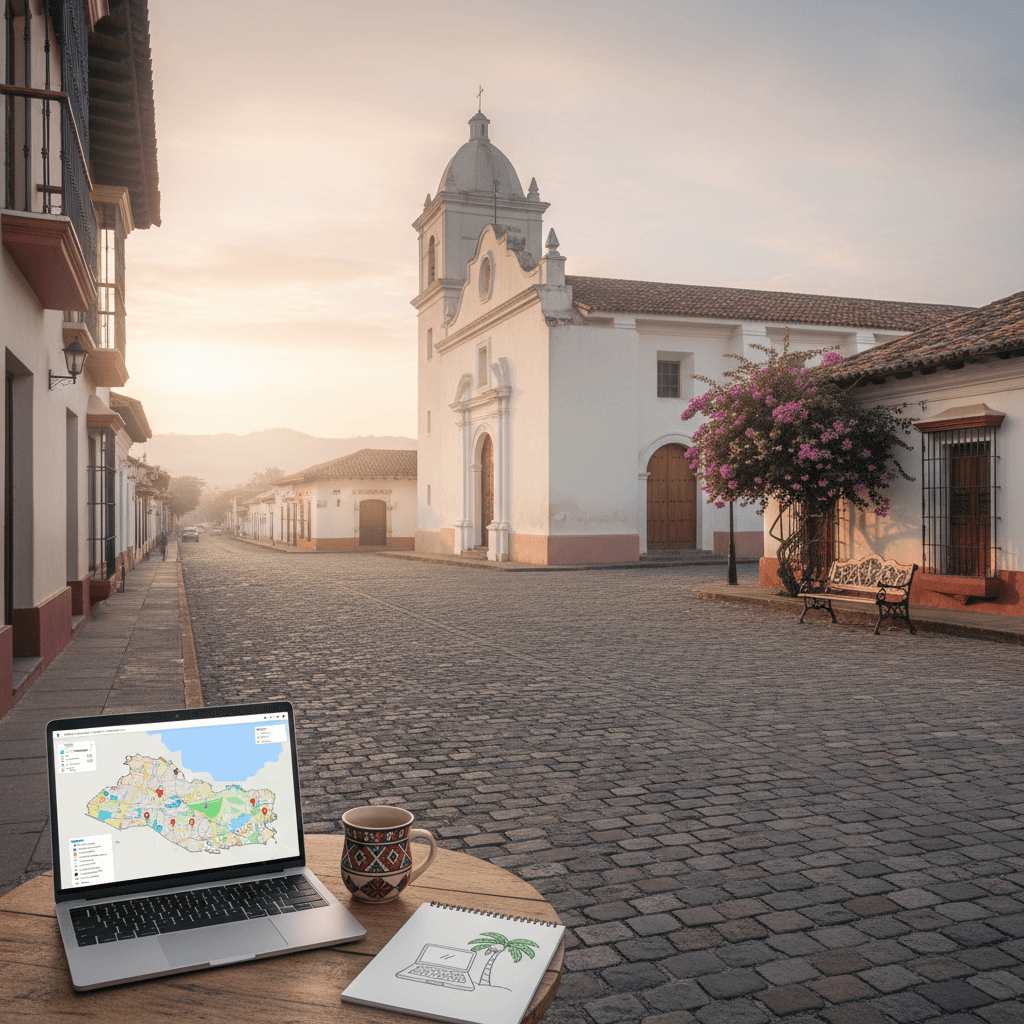
Suchitoto feels like El Salvador's deep breath. While the surf crowds swarm El Tunco and the tech scene pulses in San Salvador, this colonial town sits quietly on the edge of Lake Suchitlán, draped in indigo dye and history. It's a place where the morning soundtrack is the sweep of a broom on stone and the evening is defined by the glow of lanterns against whitewashed walls. For nomads, it's less of a "hustle culture" hub and more of a sanctuary for deep work and creative resets.
The personality here is decidedly artistic. You'll find a community of expats and locals who value slow living, often gathering at the central plaza to watch the world go by. It isn't the place for high-energy nightlife or 24/7 convenience, but if you want to swap neon signs for mountain views and trade a frantic commute for a five minute stroll to a pupusería, you'll fit right in. Most travelers find the peace addictive, though the lack of dedicated coworking spaces means you have to be comfortable working from breezy balconies or lakeview cafés.
The Cost of Living
Your dollars go significantly further here than in the capital. While El Salvador uses the US Dollar and Bitcoin, Suchitoto remains one of the more affordable cultural hubs in Central America. A solo nomad can live comfortably on $1,500 to $2,000 a month without much effort, while those on a budget can keep it closer to $1,000 by sticking to local markets.
- Housing: A private 1BR or studio in the colonial center typically runs between $400 and $600. If you look toward the outskirts, prices can drop as low as $250, though you'll sacrifice walkability.
- Food: Street food like pupusas will only set you back $2 to $4. A mid-range dinner at a spot like Los Almendros de San Lorenzo costs about $12, while upscale meals with lake views peak at $25.
- Connectivity: Expect to pay $15 to $20 for a solid prepaid data plan from Tigo or Claro.
The Neighborhood Breakdown
Suchitoto is small enough that you can walk across it in twenty minutes, but where you plant your laptop matters for your daily rhythm.
Central Suchitoto
This is the heartbeat of the town. You're steps away from the main plaza, the best cafés, and the Santa Lucía Church. It's the best spot for nomads who want to be in the middle of the artistic energy. Expect to pay $400 to $600 for rent. The only downside is the weekend noise when day-trippers from San Salvador arrive.
Lakeside Outskirts
If you want total silence and a view of the water, head toward the edges of town overlooking Lake Suchitlán. It's scenic and peaceful, with rents ranging from $300 to $500. It’s perfect for families or writers, though you’ll want to double check the WiFi signal before signing anything, as infrastructure can get spotty the further you move from the plaza.
Connectivity and Logistics
You won't find a dedicated coworking space like Impact Hub here yet. Most nomads rely on their guesthouse WiFi or set up shop in cafés. Speeds generally hover between 10 and 50 Mbps. If you have a high stakes meeting, many expats recommend taking the 1.5 hour bus ride into San Salvador for the day to use professional facilities.
Getting around is simple. The town is built for walking, though the cobblestones are notoriously uneven, so leave the heels at home. For longer trips, use the Pancho app or local taxis, which usually cost between $5 and $10 for short hops. If you're heading to the airport, expect a 1.5 hour drive and a fare of around $50.
The Social Scene and Safety
Safety has improved drastically across El Salvador, and Suchitoto has always been one of the safer pockets of the country. Petty theft is rare, and the town feels like a tight knit community where everyone knows their neighbor. That said, it's always smart to avoid unlit rural paths after dark.
Socializing happens organically. Join the "El Salvador Expats and Nomads" Facebook group to find meetups, though most connections in Suchitoto happen over a coffee at the plaza or during a weekend workshop at one of the local art galleries. The vibe is friendly but quiet; if you're looking for a party, you're in the wrong town. If you're looking for a place where the locals greet you by name after three days, you've found it.
The Price of Colonial Charm
Living in Suchitoto feels like stepping into a slower era, and your bank account will certainly feel the relief. While San Salvador carries the premium of a capital city, Suchitoto remains remarkably affordable. It's the kind of place where your biggest monthly expense is likely a colonial style home with a view of the lake rather than the daily cost of living.
Most solo nomads find they can live comfortably here on USD 1,500 to 2,000 per month. This mid range budget covers a private studio or small house, plenty of meals out at local cafes, and weekend trips. If you are on a tighter budget, USD 800 to 1,200 is doable if you opt for shared housing and stick to the local markets and pupuserias.
Monthly Budget Breakdown
- Housing: A central 1BR apartment or colonial studio typically runs between USD 400 and 600. If you look toward the outskirts or the lakeside, prices drop toward USD 300, though you may sacrifice some internet reliability.
- Food and Dining: Street food like pupusas will cost you USD 2 to 4. A mid range dinner in the colonial center costs around USD 10, while an upscale meal at a lakeview spot like Casa 1800 averages USD 15 to 25.
- Connectivity: A prepaid SIM from Tigo or Claro with a 30GB to 50GB data plan costs about USD 15 to 20.
- Transportation: The town is incredibly walkable, so you will rarely spend on transport locally. Occasional rides via local apps like Pancho or taxis cost USD 5 to 10.
Where to Plant Your Roots
Since Suchitoto is compact, your choice of neighborhood depends entirely on your need for quiet versus convenience. There are no massive expat enclaves here; instead, you'll find a small, tight knit community of artists and writers scattered throughout the cobblestone streets.
Central Suchitoto
- Best for: Nomads who want to be steps away from cafes and the main plaza.
- Rent: USD 400 to 600 for a 1BR.
- Pros: Excellent walkability, close to the best WiFi spots, and a lively artistic atmosphere.
- Cons: Can get noisy on weekends when tourists visit from the capital.
Lakeside Outskirts
- Best for: Expats seeking peace and scenic views of Suchitlán Lake.
- Rent: USD 300 to 500 for a small house.
- Pros: Stunning views, quiet nights, and proximity to nature trails.
- Cons: Requires a bike or scooter for errands; internet can be patchier than in the center.
Connectivity and Remote Work
Suchitoto doesn't have dedicated coworking spaces yet. Most remote workers set up shop in cafes or hotels with lake views. Fiber optic internet is slowly rolling out, with speeds between 10 and 50 Mbps in the center, but it is wise to have a backup. Many nomads use a Tigo or Claro SIM for hotspots when the local WiFi fluctuates.
For those days when you absolutely need a high speed, professional environment, many residents make the 1.5 hour trek to San Salvador. Spaces like Impact Hub or The Office provide reliable 100 Mbps connections for about USD 10 to 15 per day. Within Suchitoto, the culture is very welcoming of laptop users, especially during quiet weekday mornings at spots overlooking the water.
Practical Spending Tips
- Banking: Use the Chivo Wallet for Bitcoin payments, which are widely accepted in tourist areas. For cash, carry USD as it is the official currency.
- Groceries: Shop at the local markets for fresh produce to keep costs low. Imported goods are expensive and usually require a trip to larger supermarkets in San Salvador.
- Healthcare: Basic needs are met by local pharmacies around the plaza. For anything serious, expats recommend international insurance and a trip to the private hospitals in the capital.
- Transport: Use the local bus to San Salvador for just USD 1 to 2 if you aren't in a rush. For airport runs, expect to pay USD 40 to 60 for a private taxi.
For Digital Nomads: Central Suchitoto
If you're coming to Suchitoto to work, you'll want to stay as close to the Parque Central as possible. This is the heart of the town's colonial charm, where the cobblestone streets are most concentrated and the WiFi is most reliable. Most nomads gravitate here because it's the only area where you can walk to a cafe, grab a pupusa, and find a stable signal without needing a car.
The vibe is decidedly artistic and slow. You won't find dedicated coworking spaces like you would in San Salvador, so you'll likely be setting up shop at spots like Casa de la Abuela or one of the lakeview cafes. While the internet usually sits between 10 and 50 Mbps, it can be temperamental during the rainy season. Most remote workers recommend having a Tigo or Claro SIM card as a backup, which costs about $10 to $20 for a decent data pack.
- Rent: Expect to pay between $400 and $600 for a private colonial style studio or a well kept room in a guesthouse.
- Vibe: Walkable, social, and filled with galleries.
- Cons: Weekends can get loud with day trippers from the capital, and the cobblestones are a workout for your ankles.
For Expats and Creatives: The Lakeside Outskirts
Expats who have settled here long term often move slightly away from the plaza toward the edges of Lake Suchitlán. This area is much quieter and offers incredible views of the water and the surrounding mountains. It's the go to choice for those who want a garden and a bit of breathing room rather than being right on the sidewalk.
Living here feels more like being in a rural retreat. You'll trade the convenience of being next door to the market for peace and nature. Travelers often say the air feels cooler by the water, which is a blessing during the March and April heat. You'll likely want a local taxi contact or the Pancho app to get into town, as the uphill walk back from the lake can be brutal in the midday sun.
- Rent: Prices for small houses or apartments range from $300 to $500.
- Vibe: Scenic, quiet, and private.
- Cons: Infrastructure like trash pickup and internet can be less consistent than in the center.
For Budget Solo Travelers: The Rural Fringes
If you're watching every dollar, the neighborhoods on the very edge of the town limits offer the lowest prices in the region. These areas aren't "neighborhoods" in the traditional sense but rather clusters of local housing that spill out toward the countryside. It's a very authentic experience, though you'll be living alongside local families rather than a traveler community.
Staying out here means you're relying on the local buses, which are cheap at about $0.50 a ride, but they don't run late. You'll find the most affordable food here too, with local pupuserías selling dinner for $2 or $3. It's a great way to save money, but the lack of English speakers and spotty connectivity makes it a challenge if you have a 9 to 5 remote job.
- Rent: You can find basic rooms or small units for $250 to $400.
- Vibe: Very local, humble, and quiet.
- Cons: Poor walkability at night and limited access to high speed fiber internet.
For Families: Colonial Estates
Families usually look for the larger, renovated colonial homes located a few blocks north or south of the main square. These properties often feature internal courtyards and thick adobe walls that keep the interior cool without needing constant air conditioning. It's a safe environment where kids can walk to the plaza to get an ice cream while parents enjoy the local art scene.
While there aren't specific expat enclaves like Escalón in San Salvador, the community here is tight knit. Most families find that the safety level is very high, and the local pharmacies and clinics around the plaza cover basic needs. For anything serious, you're looking at a one hour drive to the capital, so having a rental car or a reliable driver is a must.
- Rent: Larger 2 or 3 bedroom colonial homes can go for $700 to $1,000 depending on the level of renovation.
- Vibe: Secure, spacious, and family oriented.
- Cons: Limited schooling options for English speakers, most families commute or homeschool.
Connectivity Reality Check
Suchitoto isn't your typical high speed tech hub. It's a place where the colonial charm often outweighs the bandwidth. While fiber optic lines are slowly creeping into the central cobblestone streets, expect speeds to hover between 10 and 50 Mbps. Most guesthouses and hotels in the center offer decent WiFi, but it can be temperamental during the afternoon tropical storms. If your job requires heavy video editing or constant high stakes calls, you'll need a solid backup plan.
Expats here swear by a dual SIM strategy. Tigo and Claro are the two main players. You can grab a prepaid SIM at almost any small shop around the main plaza for about $10 to $20, which usually nets you 20GB to 50GB of data. If you want to hit the ground running, Airalo offers eSIMs that work reasonably well, though they're pricier than local options. For those who get paid in crypto, the Chivo Wallet is widely used, and you can pay for your data or coffee using Bitcoin in most tourist-friendly spots.
Where to Work
There are currently no dedicated coworking spaces in Suchitoto. If you need a professional office environment with ergonomic chairs and guaranteed 100 Mbps speeds, you'll likely find yourself commuting to San Salvador once or twice a week. Impact Hub and The Office in the capital are the go-to spots, costing about $10 to $15 for a day pass. The bus ride takes about 90 minutes and costs less than $2, making it a viable option for "deep work" days.
For daily tasks, the local café culture is your best bet. Most nomads migrate toward the lakeview restaurants in the mornings when it's quiet and the lakeside breeze keeps things cool. Just remember the unspoken rule: buy a coffee or a meal every couple of hours to keep the staff happy. Some reliable spots for a few hours of laptop time include:
- Lakeview Cafés: Several spots overlooking Suchitlán Lake offer the best views in town. The WiFi is usually stable enough for emails and Slack, but the scenery can be a major distraction.
- Central Plaza Cafés: These are better for people watching and quick tasks. They tend to get noisy on weekends when the day trippers arrive from the capital.
- Artisan Hotels: Many of the boutique hotels in the colonial center have quiet courtyards with better than average routers. If you aren't staying there, buying a breakfast or a few drinks usually gets you the password.
Digital Nomad Essentials
Since the infrastructure can be inconsistent, seasoned remote workers in Suchitoto recommend a few specific tools to stay productive. A reliable VPN is a must for security on public networks. Because power outages can happen during the rainy season from May to October, a high capacity power bank and a local hotspot device are worth the investment.
- Local SIM Cost: $15 for a 30 day data pack.
- Typical WiFi Speed: 20 Mbps average in town center.
- Best Apps: Pancho for local rides and Chivo Wallet for Bitcoin transactions.
Most creative nomads find that the trade off is worth it. You might lose your connection for ten minutes during a downpour, but you're working from a 500 year old colonial town with some of the lowest living costs in Central America. Just schedule your most important meetings for the morning and keep your hotspot charged.
A Safe Haven in the Highlands
Suchitoto feels worlds away from the gritty reputation El Salvador once held. While the country has seen a massive national shift in security due to recent government initiatives, this colonial town has always been a bit of an outlier. It's a peaceful, artistic community where the biggest safety concern is usually tripping on a loose cobblestone rather than anything more serious. Street crime is rare here, and you'll often see locals and nomads alike sitting in the central plaza well after the sun goes down.
Most travelers feel comfortable walking the central streets solo. The vibe is small-town and neighborly; people know each other, and there's a collective pride in keeping the town welcoming for visitors. That said, it's smart to keep your wits about you after dark if you're heading toward the unlit outskirts or more rural edges of town. Stick to the well-lit areas around the Parroquia Santa Lucía and the main square, and you'll likely have a trouble-free stay.
If you're worried about digital security or financial safety, the town is quite modern. Bitcoin is accepted at many tourist spots via the Chivo Wallet, which reduces the need to carry large amounts of cash. For everything else, standard precautions apply: keep your phone tucked away while walking and don't leave your laptop unattended at a lakeside café.
Healthcare and Medical Logistics
Healthcare in Suchitoto is best described as "basic but accessible." For minor ailments, headaches, or stomach bugs, you'll find plenty of farmacias stocked with over-the-counter essentials right around the central plaza. The pharmacists are generally very helpful, though you'll want your Google Translate app handy if your Spanish is rusty.
For anything more serious than a flu or a scraped knee, you're going to need to head to San Salvador. The capital is about a one-hour drive away and houses the country's best private hospitals, which offer high-quality care that meets international standards. Expats in the region consistently recommend having a solid international health insurance policy that covers private facilities in the capital.
In the event of an emergency, here are the numbers you need to know:
- 132: National medical emergency and ambulance service.
- 125: Red Cross (Cruz Roja) for emergency transport.
- 911: National Police (PNC) for safety emergencies.
Practical Tips for Staying Healthy
The tropical climate means you need to stay on top of hydration. While the tap water in El Salvador is generally not recommended for drinking, bottled water is cheap and sold everywhere. Most long-term rentals will provide those large five-gallon jugs (garrafones) for a few dollars. If you're sensitive to heat, keep in mind that the humidity can peak between May and October, so pacing yourself during afternoon hikes to the lake is a good move.
Mosquitoes can be a nuisance, especially near Suchitlán Lake during the rainy season. While major outbreaks of tropical diseases aren't a daily headline, it's worth using repellent if you're dining outdoors in the evening. Most nomads find that a combination of common sense, a good insurance policy, and a quick trip to the capital for check-ups keeps them perfectly healthy while enjoying the slow life in Suchitoto.
Foot Traffic and Cobblestones
Suchitoto is one of those rare places where your own two feet are your best assets. The town center is incredibly compact, and most of the daily action happens within a five to ten block radius of the main plaza. You'll find that walking is the default mode of transport for nomads staying in the colonial heart. It's the best way to soak in the architecture, though you should definitely pack sturdy shoes. Those historic cobblestones are beautiful, but they're notoriously uneven and can be a literal headache for your ankles after a few hours.
When the sun gets too intense or you're carrying groceries, look for the local tuk-tuks. These small, three-wheeled taxis are perfect for short hops across town or getting from the plaza down to the shores of Suchitlán Lake. A typical ride within the town limits usually costs between $2 and $5, depending on your haggling skills and the distance. It's a quick, breezy way to get around when you don't feel like trekking uphill in the midday heat.
Regional Connections and Buses
If you're planning a day trip or need to head into San Salvador for a more robust coworking setup, the local bus system is your cheapest bet. Buses to the capital depart frequently from the main terminal and cost roughly $1 to $2. The journey takes about 90 minutes, though traffic entering the city can easily stretch that time. It's a classic chicken bus experience, loud, colorful, and very local, but it gets the job done for budget travelers.
For more comfort, private shuttles are available through many of the guesthouses near the plaza. These are popular with expats who aren't ready to brave the public bus system with a laptop bag. Expect to pay significantly more for the privacy, usually around $40 to $60 for a direct trip to the airport or the capital.
Ride-Hailing and Apps
Don't expect the same level of app-based convenience you'd find in San Salvador. Uber is technically available but extremely limited in Suchitoto; you might wait a long time for a driver to appear on the map. Instead, savvy nomads use local taxis or tuk-tuks, which tend to have better coverage in smaller Salvadoran towns. If the apps fail, the traditional taxi stand near the central plaza is your most reliable fallback. A short taxi trip will usually run you $5 to $10.
Exploring the Outskirts
If you want to explore the rural edges or the lakeside paths at your own pace, renting a bike or a scooter is a solid move. Several guesthouses and shops near the water offer daily rentals for $5 to $10. It's a great way to reach the quieter trailheads or find a secluded spot by the lake without relying on a schedule. Just be mindful that once you leave the paved town center, the roads can turn into dusty or muddy tracks quickly, especially during the rainy season between May and October.
Getting to Suchitoto
Most travelers arrive via San Salvador International Airport (SAL). From there, you have three main options:
- Private Taxi: The most seamless way to arrive, costing about $50 to $60 for the 90-minute drive.
- Car Rental: Available at the airport, but only recommended if you're comfortable with narrow, hilly roads and limited parking in the town center.
- Public Bus: Requires a transfer in San Salvador, which can be a bit of a mission if you have heavy luggage. It's the ultimate budget move at under $5 total.
Once you've settled in, you'll likely find that you rarely need a motor. The charm of Suchitoto is its slow pace, and most nomads find that a morning walk to a lakeview café is all the commuting they really want to do.
The Spanish Reality
In Suchitoto, Spanish isn't just the official language; it's the heartbeat of daily life. Unlike the surf camps in El Tunco where English is practically a second language, this colonial town remains authentically Salvadoran. You'll find that English proficiency is quite low once you step away from the front desks of boutique hotels or the more popular lakeview restaurants.
Most nomads find that while you can get by with "Spanglish" and frantic gesturing, your experience improves tenfold with even a basic grasp of the local tongue. Locals are incredibly patient and appreciative when you try, but don't expect the person selling pupusas at the central market to understand your coffee order in English. If you're planning to stay for more than a week, downloading an offline Spanish pack on Google Translate is a non-negotiable move for your phone.
Essential Phrases for Your Toolkit
Salvadorans are big on formal greetings. Tossing out a quick "Buenos días" or "Buenas tardes" as you walk into a shop or pass someone on a cobblestone street goes a long way. It’s the local social lubricant. Here are the basics you'll use daily:
- ¿Cuánto cuesta? (How much does it cost?): Use this at the markets where prices aren't always labeled.
- La cuenta, por favor (The check, please): Essential for the mid-range cafés in the colonial center.
- ¿Tienen WiFi? (Do you have WiFi?): Usually followed immediately by "¿Cuál es la contraseña?" (What is the password?).
- ¿Aceptan Bitcoin? (Do you accept Bitcoin?): Since El Salvador's move to make BTC legal tender, many tourist spots in town will say yes.
Digital Communication and Connectivity
Staying connected is relatively straightforward, provided you don't rely on your home country's roaming plan. Expats recommend grabbing a local SIM card immediately. You can find Tigo or Claro kiosks easily. A prepaid plan usually runs between $5-15 for 3-10GB data plans, which is plenty for navigating and staying on top of Slack pings while you're out and about.
For those who prefer a digital-first approach, Airalo offers eSIMs that work well for arrival, though they are generally pricier than local physical SIMs.
The Social Language of Nomads
Since Suchitoto doesn't have a massive, dedicated coworking space yet, the "language" of the local nomad community happens in the WhatsApp groups and Facebook circles. Most networking occurs in groups like Digital Nomads El Salvador or El Salvador Expats and Nomads. While most of the meetups are centered in San Salvador, a 1.5-hour bus ride away, you'll find a smaller, tighter-knit group of artistic expats right in town.
In the evenings, the social scene shifts to the central plaza or the quiet bars near the lake. This is where the language barrier thins out. You'll find a mix of Spanish, English, and occasionally French or German among the creative crowd that calls this place home. If you're struggling with a translation or a local logistics issue, the expat community here is famously helpful, often coordinating via private message to share tips on the best spots for a quiet "work-from-café" morning.
Practical Tech Tips
- Duolingo is great for prep, but SpanishDict is often better for regional Salvadoran slang.
- Use WhatsApp for everything. It's the primary way to contact landlords, book lake tours, or even order food from local spots.
- Keep a screenshot of your housing address in Spanish. Street signs in the colonial center can be confusing, and showing a map or written address to a taxi driver is much easier than pronouncing old colonial street names.
Seasonal Rhythm
Suchitoto follows a classic tropical cycle, but its position near Suchitlán Lake adds a unique layer to the local climate. You'll find two distinct seasons here: the dry season, locally called summer, and the rainy season, or winter. Most nomads find the sweet spot for a long term stay falls between November and April. During these months, the humidity drops and the skies stay a crisp, clear blue.
Temperatures typically hover between 25°C and 32°C (77°F to 90°F) during the day. While the afternoons can feel a bit intense if you're walking the cobblestone streets, the evenings bring a welcome coastal breeze. It's the ideal time for working from a lakeside café or exploring the central plaza without worrying about a sudden downpour ruining your laptop.
The Best Months for Nomads
If you're looking for the absolute best window to visit, aim for December through March. The weather is at its most stable, and the town's artistic community is most active. You'll get plenty of sunshine for weekend boat tours on the lake or day trips to the Cinquera ruins. Because this is the peak season, expect the central colonial area to be a bit livelier on weekends, as travelers from San Salvador head up for the cooler mountain air.
March and November act as transitional months. You might see a few afternoon thunderstorms, but they're usually short lived. Temperatures during these months can peak around 31°C (88°F), so you'll want to ensure your rental has decent ventilation or a ceiling fan.
Navigating the Rainy Season
The rainy season runs from May to October. Don't let the "rainy" label scare you off entirely; it usually doesn't rain all day. Instead, you'll experience bright, sunny mornings followed by heavy, dramatic tropical showers in the late afternoon or evening. These storms are great for focus time, but they can occasionally mess with the town's power grid or internet stability.
Expats recommend being cautious during September and October. These are the wettest months of the year, and the region can face flooding risks or road delays. If you're a digital nomad who relies on a 100% stable connection for video calls, this is the time of year when you might want to base yourself in San Salvador and just visit Suchitoto for the day.
Weather by the Numbers
- Dry Season (Nov-Apr): Highs of 30°C to 32°C. Low rainfall. Best for outdoor activities and consistent travel.
- Rainy Season (May-Oct): Highs of 28°C. High humidity and frequent afternoon storms.
- Peak Rain (Sep-Oct): Highest risk of infrastructure disruptions. Most travelers avoid these months for long stays.
Practical Packing Tips
Regardless of when you arrive, the attire in Suchitoto is casual and artistic. However, the cobblestones are unforgiving. Pack sturdy walking shoes rather than flimsy flip-flops. If you're visiting during the dry season, bring a light sweater for the evenings, as the temperature can dip once the sun goes down. For those brave enough for the rainy season, a high quality waterproof laptop sleeve is a mandatory investment. You'll also want to keep your Tigo or Claro SIM card topped up with data, as local WiFi can occasionally flicker during heavy thunderstorms.
Getting Settled and Staying Connected
Suchitoto is the kind of place where you come for a weekend and end up staying a month. It’s significantly more affordable than San Salvador, but you’ll need to be intentional about your setup. Most nomads find that while fiber internet is rolling out, it can still be temperamental during heavy afternoon rainstorms. Aim for a rental in the colonial center to stay within reach of the best signal.
There aren't any formal coworking spaces in town yet. If you need a professional environment for a big presentation, the Impact Hub in San Salvador is about an hour away and costs $10 to $15 for a day pass. Locally, you'll be working from your patio or lakeview cafés. Tigo and Claro are the reliable choices for backup data. You can grab a SIM card for about $10 and load it with 20GB to 50GB of data for another $15. If you have an unlocked phone, Airalo eSIMs work well for immediate connectivity when you land.
Budgeting for the Slow Life
Your dollars go far here, especially if you step away from the immediate vicinity of the Santa Lucia Church. While the country uses the US Dollar, Bitcoin is also legal tender. You'll see the Chivo Wallet logo at many shops, though cash is still king for small purchases.
- Budget Nomad ($800–$1,200/month): Stick to shared housing or basic rooms on the outskirts, eat $2 pupusas at the market, and use the local buses.
- Mid-Range ($1,500–$2,000/month): This covers a private colonial-style studio, regular dinners at mid-range spots like La Fonda El Suchi, and a few weekend lake excursions.
- Comfortable ($2,500+/month): You’ll have a premium lakeside rental, frequent taxi rides, and high-end meals at spots like Los Almendros de San Lorenzo.
Where to Base Yourself
Since the town is compact, your choice of neighborhood depends entirely on your tolerance for noise and your need for amenities.
Central Suchitoto
- Rent: $400–$600 for a studio or 1BR.
- Best For: First-timers and solo nomads who want to be near the action.
- The Vibe: Beautiful but lively. You’re steps from the best cafés and galleries, but weekends can get loud with visitors from the capital.
Lakeside Outskirts
- Rent: $300–$500 for a small house.
- Best For: Creative types and families looking for quiet.
- The Vibe: Incredible views of Suchitlán Lake and a much slower pace. You’ll likely want a bike or an arrangement with a local driver, as it’s a long trek to the grocery stores.
Navigating the Town
The cobblestone streets are meant for walking, so bring sturdy shoes. For longer trips, Uber is hit or miss in this area. Locals recommend using Pancho or simply chatting with a taxi driver at the main plaza to get their WhatsApp number for future rides. A short trip across town usually runs between $5 and $10.
When you need to head back to San Salvador or the airport, the buses are incredibly cheap at $1 to $2, but they take a while. A private transfer to the airport (SAL) typically costs between $40 and $60 and takes about 90 minutes.
Health and Safety
Suchitoto is widely considered one of the safest spots in El Salvador. Petty crime is rare, and the community is tight knit. That said, the outskirts aren't well lit at night, so stay in the central zones after dark. For medical needs, there are plenty of pharmacies for the basics. For anything serious, you’ll need to head to the private hospitals in San Salvador. Expats usually recommend carrying international insurance that covers medical evacuation just in case.
The Social Scene
Don't expect high-octane nightlife. Socializing here happens over coffee or a few beers at a plaza bar. The expat community is small and largely made up of artists and NGO workers. To meet people, check out the El Salvador Expats and Nomads Facebook group. Most networking happens in the capital, so many nomads choose to spend Tuesday or Wednesday in San Salvador to hit up meetups before retreating back to the peace of Suchitoto for the weekend.
Need visa and immigration info for El Salvador?
🇸🇻 View El Salvador Country GuideOff the Radar
Pioneer territory