Subic Bay
🇵🇭 Philippines
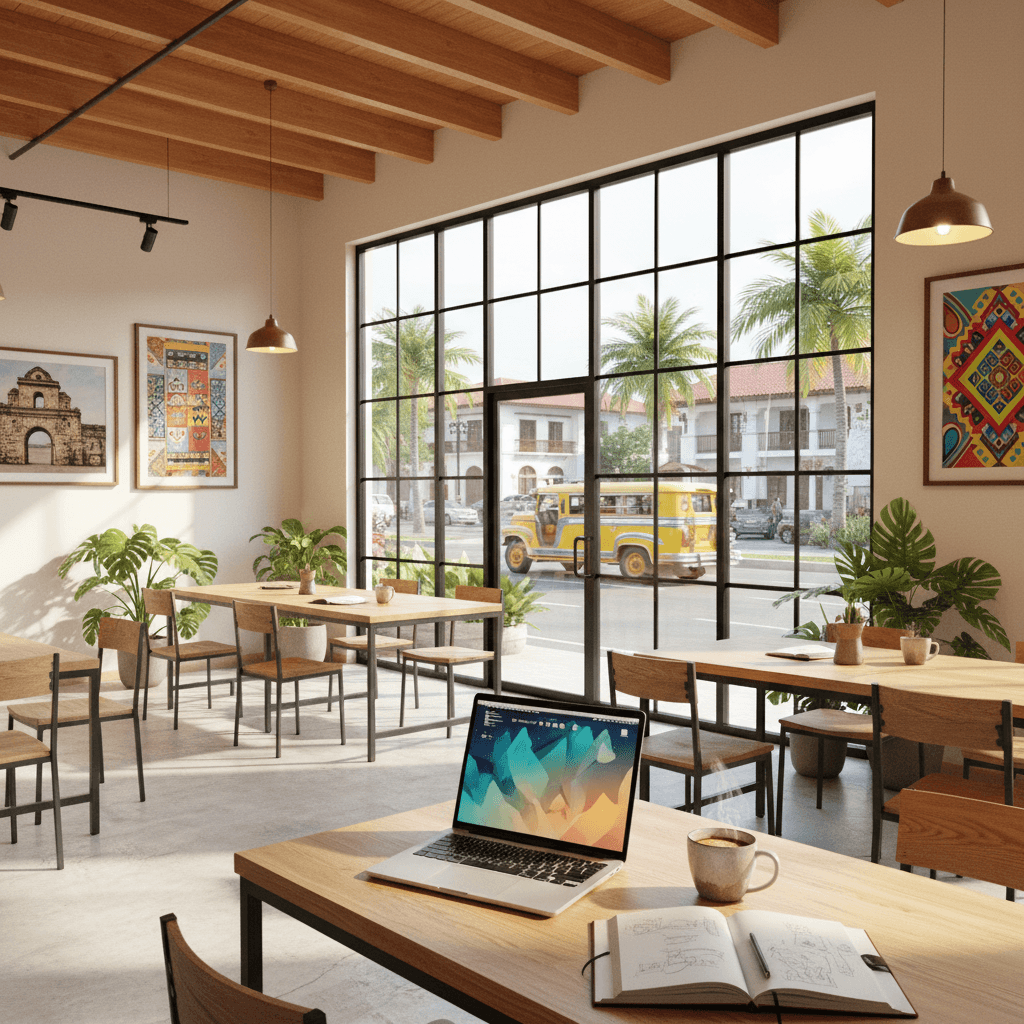
Subic Bay is a strange, beautiful hybrid that doesn't quite fit the typical Philippine mold. It feels like a coastal California town dropped into the middle of a tropical rainforest, a byproduct of its history as a massive U.S. naval base. Today, it’s a Special Economic Zone where the streets are wide, traffic rules are actually enforced, and monkeys might watch you work from the trees outside your window. It lacks the chaotic energy of Manila and the tourist-heavy polish of Boracay, opting instead for a relaxed, nature-oriented vibe that appeals to nomads who want to actually get work done.
The Local Vibe
Living here feels safe and remarkably orderly. You’ll notice the difference the moment you pass through the security checkpoints into the Freeport. The pace is slow, the air is cleaner than in the capital, and there’s a distinct sense of community among the mix of Filipino locals and long-term expats. Most nomads find that the "Subic bubble" offers a psychological ease you won't find elsewhere in the country. You can spend your morning on a 400 Mbps connection and your afternoon hiking Mount Pinatubo or diving in the bay. Just be prepared for the weekend shift; when the Manila crowds arrive for duty-free shopping and beach trips, the quiet cafes get packed and the bandwidth can take a minor hit.
The Cost of Comfort
Your pesos go a long way here, though it’s slightly pricier than rural provinces due to its Freeport status. A solo nomad can live well on $1,200 to $2,000 per month, depending on how much they value a view of the jungle or the sea.
- Budget ($800 to $1,200): You'll likely stay in a studio near Olongapo or a modest Airbnb for $300 to $500. You’ll eat at local markets like the one in Olongapo for $1 to $3 per meal and use jeepneys to get around.
- Mid-range ($1,200 to $2,000): This gets you a nice 1-bedroom in a gated community for $500 to $800. You can eat out at mid-range cafes like those near Harbor Point for $4 to $9 and rely on Grab for transport.
- High-end ($2,000+): You can rent a private villa for $800 or more, frequent upscale restaurants in the Gateway District, and perhaps rent your own scooter for $5 a day to explore the coastline.
Where to Set Up Base
Choosing a neighborhood in Subic depends entirely on whether you want convenience or quiet.
Gateway District & Central Business Area: This is the heart of the action. It’s best for those who want to be steps away from Harbor Point Mall and SM City Olongapo. You’ll have the best access to duty-free shops and the highest concentration of cafes. It’s walkable, but it gets the most crowded on Saturdays.
Gated Communities: If you're staying for a month or more, look for rentals in the residential hills or near the beaches. These areas are incredibly secure and offer the best internet stability, often reaching 400 Mbps. It’s where you’ll find those "jungle nests" with garden views, though you'll likely need a scooter or the Grab app to get to the grocery store.
Internet and Productivity
Reliable internet is the biggest draw for the remote work crowd. While the Philippines has a reputation for spotty WiFi, Subic is an outlier. Many modern rentals are equipped with high-speed fiber. For backup, grab SIM cards from both Globe and Smart. Data plans are cheap, usually around $10 to $20 a month for heavy usage. If you prefer a cafe culture, the areas around Rizal and Sampson Roads have plenty of spots where you can park with a laptop for the price of a latte.
Getting Around and Staying Safe
The transport system is a mix of old school and modern. Tricycles and jeepneys are the standard for short hops, costing roughly $0.40 to $0.90. For longer trips or rainy days, Grab is the go-to app. The roads are some of the most bike-friendly in the country, and many expats choose to rent a scooter to navigate the coastal roads. Safety is rarely a concern here; the Freeport is heavily patrolled, and the gated nature of the residential zones makes it one of the most secure spots in Southeast Asia for solo travelers and families alike.
Practical Realities
English is the primary language for business and social life, so you won't struggle to communicate. When you aren't working, the social scene revolves around the Boardwalk, beach bars, or day trips to Zoobic Safari and Inflatable Island. The best time to visit is the dry season from December to April. Avoid the peak typhoon months of July to October if you don't want your beach days washed out by heavy tropical rain.
The Price of Paradise in a Former Naval Base
Subic Bay occupies a unique middle ground in the Philippines. It isn't as dirt-cheap as rural provinces, but it’s significantly more affordable than the glass-and-steel jungle of Makati or BGC. Because it’s a freeport zone, you get a weirdly wonderful mix of duty-free shopping, paved roads, and organized traffic that feels more like a sleepy California coastal town than a typical Filipino city. Most nomads find they can live a high-quality life here for about $1,200 to $2,000 USD per month without ever feeling like they're pinching pennies.
The cost of living is heavily influenced by your choice of neighborhood. If you stay in the Gateway District or near Harbor Point, you'll pay a premium for convenience. However, if you head toward the gated communities tucked into the jungle or the residential areas of Olongapo, your pesos stretch much further. Expats often recommend looking for "modern nests" or garden villas where long-term Airbnb rates hover between PHP 20,000 and 40,000 ($350 to $700 USD).
Monthly Budget Tiers
- The Budget Nomad ($800 to $1,200): You'll be staying in a modest studio or a shared Airbnb in Olongapo. You're eating primarily at local markets like the one in Olongapo where meals cost PHP 50 to 150. You'll rely on tricycles and jeepneys, which only cost about $0.35 to $0.90 per ride.
- The Mid-Range Professional ($1,200 to $2,000): This is the sweet spot. You can afford a nice one-bedroom in a secure gated community with high-speed internet. You’ll mix street food with dinner at mid-range cafes like those on Argonaut Highway, spending PHP 200 to 500 per meal. You'll probably use Grab for most of your transport.
- The Comfortable Expat ($2,000+): At this level, you're looking at private villas with views of the bay or the forest. You’re frequenting upscale dining in the duty-free areas, renting a dedicated scooter for $5 a day to explore, and perhaps keeping a membership at a local yacht club or gym.
Daily Expenses and Lifestyle Costs
Groceries are a mixed bag. Local produce at the wet markets is incredibly cheap, but if you have a craving for imported cheeses or American snacks, the duty-free shops in the Gateway District will be your go-to. While the prices are "duty-free," they're still higher than local goods. Most nomads spend about $250 to $400 a month on food depending on how often they cook.
Internet is surprisingly robust here for the Philippines. In many gated communities, you can get speeds up to 400 Mbps, which is plenty for video calls. Just be aware that on weekends, when the Manila crowds flock to the Boardwalk or Inflatable Island, the local bandwidth can take a slight dip. Most remote workers pay around PHP 500 to 1,000 a month for a solid mobile data plan from Globe or Smart as a backup.
Practical Spending Tips
- Download GCash or Maya immediately. These fintech apps are used for everything from paying for a tricycle ride to settling your bill at a cafe.
- If you're staying long-term, skip the hotel and use sites like Lamudi or Dot Property. Local agents can often find better deals than what you see on global platforms.
- Stick to the dry season from December to May to get the most out of your money. During the rainy season from June to November, typhoons can occasionally cause power outages, though Subic's infrastructure is better than most.
- For the best value on fresh fruit and local staples, head to the Olongapo public market early in the morning before the heat and the crowds set in.
For Digital Nomads: Gateway District
If you need to be within walking distance of a flat white and a reliable power outlet, the Gateway District is your base camp. Situated around Argonaut and Palm Streets, this area feels less like a tropical jungle and more like a manicured business hub. It's the primary zone for duty-free shopping and upscale cafes where the WiFi is stable enough for Zoom calls.
- The Vibe: Modern, convenient, and slightly westernized.
- Internet: Most cafes here handle basic tasks well, but for heavy lifting, look for rentals wired with fiber. Speeds can hit 400 Mbps on weekdays.
- Cost: Mid-range. Expect to pay $500 to $800 for a decent 1BR or serviced apartment.
- Nomad Tip: Weekends get loud. Local tourists flood the duty-free shops, and the bandwidth tends to dip when the crowds arrive. Schedule your deep work for Tuesday through Thursday.
For Expats and Long-Termers: Gated Communities
Expats who prioritize peace and quiet usually head for the gated residential zones tucked into the hills and near the jungle fringes. These neighborhoods offer a level of security you won't find in the city center, often featuring 24/7 checkpoints and gate pass systems. It's where you'll find those "modern nests" and garden villas that make Subic feel like a retreat rather than a transit point.
- The Vibe: Quiet, green, and very private. You'll likely wake up to monkeys or tropical birds rather than tricycle engines.
- Rent: Prices vary wildly, but a comfortable private villa starts around $800 per month.
- Transport: You'll want a scooter or a car here. These areas aren't particularly walkable, and while Grab works, having your own wheels for $5 a day makes life easier.
- Healthcare: You're close to the main medical facilities in Olongapo, making it a practical choice for those staying long-term.
For Families: Beach Zones and Jungles
Subic is a rare breed in the Philippines because it's actually kid-friendly without the chaos of Manila. Families gravitate toward the areas near Ocean Adventure and Zoobic Safari. These neighborhoods offer sprawling layouts and easy access to the water. The safety profile is the biggest draw; parents often feel comfortable letting kids play outside in these controlled environments.
- Activities: Proximity to the Inflatable Island and the Yacht Club keeps weekends busy.
- Living Costs: A family of four can live comfortably on $2,500+ a month, covering a large home, a helper, and frequent dining at mid-range spots like the restaurants around Harbor Point.
- Education: Most expats in this bracket use the international school options nearby or lean on the high-speed home internet for homeschooling.
For Solo Travelers and Budget Seekers: Central Business Area
If you're flying solo and want to keep your overhead low, look at the Central Business Area around Rizal and Sampson Roads. This is the heart of the action, sitting right on the edge of the Olongapo city line. It's grittier than the Gateway District but puts you within walking distance of the Olongapo public market and the main jeepney terminals.
- The Vibe: Authentic, fast-paced, and social. You'll meet more locals and fellow travelers here than anywhere else.
- Food: This is the land of $1 to $3 meals. You can grab fresh fruit at the market or hit a local carinderia for a cheap lunch.
- Budget: You can scrape by on $800 to $1,200 a month if you're staying in a studio or a shared Airbnb.
- Proximity: You're a short tricycle ride from SM City Olongapo and the Harbor Point Mall, giving you easy access to cinemas, pharmacies, and ATMs.
Connectivity Expectations
Subic Bay is a bit of a sleeper hit for remote work in the Philippines. Unlike the patchy speeds you might find on the islands, the infrastructure here benefits from its history as a former naval base. In the gated communities and modern rentals near the jungle or the beaches, fiber optic connections are the standard. You can easily find Airbnbs clocking in at 400 Mbps, which is more than enough for heavy video calls or large file uploads.
The main catch is the weekend surge. Subic is a favorite getaway for Manila residents, and when the crowds arrive on Friday nights, the local bandwidth can take a hit. Most nomads find the connection rock solid from Monday to Thursday, but you should expect some dips when the tourists flock to the Duty Free shops and beach resorts. If your work depends on a stable connection, it is smart to have a backup plan ready.
Mobile Data and Hotspots
Never rely on a single network here. The two main players are Globe and Smart. Expats generally recommend carrying a SIM for both or using a dual-SIM phone. If the local WiFi stutters during a weekend rush, you can usually toggle over to a mobile hotspot to finish your shift. Data plans are cheap, usually running between PHP 500 and PHP 1,000 for a month of heavy usage. You can top up easily using the GCash or Maya apps, which are the local versions of Venmo or PayPal and are used for almost everything in the zone.
Where to Work
While Subic lacks the massive, dedicated coworking franchises you see in Makati or Cebu, the cafe culture more than makes up for it. The Gateway District and the area around Harbor Point Mall are the primary hubs. You will find plenty of nomads tucked into corners with their laptops, especially in spots along Argonaut Highway or near Rizal Road. Most cafes expect a spend of about PHP 200 to PHP 500 for a day of working, which covers your coffee and a meal.
- Gated Communities: Best for those who need a private office setup. These areas offer the most consistent high-speed fiber and a quiet environment away from the mall noise.
- Harbor Point & SM City Olongapo: Ideal for a few hours of work between errands. The malls have reliable air conditioning and several coffee shops with decent speeds, though they get loud during lunch hours.
- Beachfront Cafes: Great for low-intensity tasks. The views are better, but the WiFi can be more temperamental than the inland options.
Productivity Tips for Nomads
If you are planning to stay long term, look for rentals in the residential zones rather than the tourist hotels. Landlords in gated areas are used to expats and often highlight their internet speeds in their listings. Always ask for a current speed test screenshot before booking. Since the Philippines is prone to occasional power outages during typhoon season, investing in a small power station or a laptop power bank is a wise move to stay online when the grid blips.
For those who need a professional atmosphere, the community is quite active on forums like Expat Exchange. You can often find informal meetups at the Boardwalk or local yacht clubs where people swap tips on the latest cafes with the best desks and fewest distractions. It is a small, welcoming scene where a little networking goes a long way in finding the best quiet corners to get things done.
A Bubble of Security
Subic Bay is often described by the expat community as a "bubble," and for good reason. Because it functions as a former naval base turned freeport zone, the security standards here are noticeably stricter than in Manila or Cebu. You'll find that gated communities and even many commercial districts require gate passes or checkpoint clearances. This creates a peaceful, low-stress environment where you can walk around comfortably even after the sun goes down.
Most nomads choose to stay in the Gateway District or the residential areas tucked into the jungle. These spots are remarkably safe, with local law enforcement maintaining a visible presence. While petty crime is rare, common sense still applies in crowded areas like the Olongapo City public market or the Harbor Point vicinity during busy weekends. Expats generally report feeling very welcome by the locals, and the high level of English proficiency means misunderstandings are few and far between.
Healthcare Facilities and Access
If you need medical attention, you aren't stranded. The infrastructure here is reliable, with several reputable facilities located within the freeport and in the adjacent Olongapo area. Baypointe Hospital and Medical Center, located right inside the Subic Bay Freeport Zone, is the primary choice for most foreigners. It's a modern facility equipped to handle emergencies and specialized consultations.
For more routine needs, you'll find plenty of options:
- James L. Gordon Memorial Hospital: A large facility in nearby Olongapo that handles a high volume of cases.
- Mercury Drug and Watsons: These are the two major pharmacy chains you'll see everywhere. They are well stocked with Western brand names and affordable generics.
- Specialist Clinics: You can find dental and optical clinics easily inside Harbor Point Mall or SM City Olongapo.
In the event of an emergency, the national emergency number is 911. However, many residents keep the direct number for the Subic Bay Metropolitan Authority (SBMA) law enforcement and fire departments saved in their phones, as they are often faster to respond within the zone boundaries.
Practical Health Tips for Nomads
The tropical heat is the most common health hurdle you'll face. Temperatures regularly hit 32°C (90°F) during the dry season from March to May, so staying hydrated is a full time job. Most nomads rely on 1-gallon or 5-gallon purified water deliveries for their rentals, which usually cost around PHP 35 to PHP 50 per refill. Don't drink the tap water; it's fine for showering, but stick to the bottled stuff for consumption.
Mosquitoes can be a nuisance, especially if you're staying in one of the lush, "jungle nest" style Airbnbs near the treeline. While malaria isn't a concern in Subic, Dengue can pop up during the rainy season from June to November. A good repellent with DEET and keeping your screens closed at dusk will save you a lot of trouble. If you're heading out for a hike at Mount Pinatubo or exploring the local waterfalls, always pack a basic first aid kit and plenty of sunblock, as the Philippine sun is famously intense.
Insurance and Costs
Medical costs in Subic are significantly lower than in the US or Europe, but they can still add up if you require hospitalization. A standard GP consultation might cost you between PHP 500 and PHP 1,000 ($9 to $18). Most expats recommend carrying international health insurance like SafetyWing or Genki, though many local clinics also accept major Philippine providers like Maxicare if you're staying long term. Cash is still king for smaller clinics, so always keep a few thousand pesos on hand for unexpected doctor visits.
Getting Around Subic Bay
Subic Bay feels different from the rest of the Philippines. Because it was a former U.S. Naval Base, the roads are wider, the traffic rules are actually enforced, and the layout is much more organized than the chaotic streets of Manila or Cebu. It is a place where you can actually enjoy a coastal drive without losing your mind in a gridlock.
Public Transport Options
For short hops within Olongapo or the fringes of the Freeport Zone, tricycles (the local version of a tuk-tuk) are the go-to. Expect to pay between PHP 20 and PHP 50 for a short ride. Just be sure to agree on the price before you hop in if you are heading outside standard routes.
Jeepneys are the most affordable way to move between the Central Business Area and the surrounding neighborhoods. They follow set routes and usually cost less than $1 USD. While they are a classic Filipino experience, they can get cramped during the humid afternoon peaks.
Ride-Hailing and Taxis
If you prefer air conditioning and a fixed price, Grab is fully operational here. It is the most reliable way to get from your gated community to Harbor Point Mall or the duty-free shops on Argonaut Highway. Most nomads find that having the app is a lifesaver for late-night grocery runs or getting home after a few drinks at the Boardwalk beach bars.
Driving Yourself
To really explore the lush jungles and coastal roads, many expats recommend renting a scooter or motorbike. You can usually find rentals for around $5 to $10 USD per day. It is the best way to reach spots like Zoobic Safari or the more secluded beaches without relying on a driver.
If you are staying long-term in one of the gated communities near the forest, you might eventually want a car. Walking is great within the malls or the immediate Gateway District, but the distance between the residential "nests" and the main hubs makes wheels a necessity. Parking is generally easy to find, which is a rare luxury in Philippine cities.
Arrival and Airport Transfers
Most travelers arrive via Manila’s Ninoy Aquino International Airport. To get to Subic, you have three main choices:
- Private Car/Grab: The most comfortable way to travel the 2 to 3 hour journey. It usually costs between PHP 3,000 and PHP 5,000.
- Victory Liner Bus: A very reliable and cheap option. These buses run regularly from Manila to Olongapo.
- Point-to-Point (P2P) Bus: These are premium buses with fewer stops, often departing from Clark or specific Manila hubs directly to Subic.
Navigation Tips
While Google Maps works well for the main roads, the gated communities can sometimes be tricky for delivery drivers to find. Expats often use GCash or Maya to pay for transport or fuel, so keep those apps loaded. If you are heading into the Freeport Zone, remember that traffic enforcers are strict about "No Right Turn on Red" and pedestrian crossings, things that are often ignored elsewhere in the country. Stick to the rules and you will have a smooth experience.
A Legacy of Language
One of the biggest draws for nomads in Subic Bay is the lack of a language barrier. Because of its history as a major U.S. naval base, English isn't just a secondary language here; it's the primary medium for business, signage, and daily life. You'll find that locals, from tricycle drivers in Olongapo to shopkeepers in the Gateway District, speak English with a high level of proficiency. This makes settling in much smoother than in other Southeast Asian hubs where you might struggle to explain a dietary restriction or a technical issue with your WiFi.
While English gets you everywhere, the local language is Tagalog. You'll also hear some Kapampangan and Ilocano due to the region's geography. Expats often find that learning a few basic phrases goes a long way in building rapport with the community. It shows respect for the culture and usually earns you a wider smile at the local markets.
Key Phrases to Know
- Salamat: Thank you. (Use "Salamat po" to show extra respect to elders).
- Magkano?: How much? (Useful at the Olongapo public market).
- Para po: "Stop here" (The essential phrase for getting off a jeepney).
- Ingat: Take care.
- Sandali lang: Just a moment.
Digital Communication and Connectivity
Staying connected is generally straightforward, but it requires a bit of strategy. Most nomads recommend getting a local SIM card immediately upon arrival. The two heavy hitters are Globe and Smart. It's a common "nomad hack" to carry one of each or use a dual-SIM phone. If one network dips in a specific jungle-adjacent neighborhood, the other usually picks up the slack.
Expect to pay around PHP 500 to PHP 1,000 per month for a solid data plan. You can "load" your phone at almost any convenience store or via apps like GCash or Maya. These fintech apps are also the standard for local payments, so it's smart to set them up early.
The Weekend WiFi Dip
While you can find speeds up to 400 Mbps in modern rentals and gated communities, there's a local quirk to keep in mind. Subic is a popular weekend getaway for Manila residents. When the Friday evening crowds arrive, the local bandwidth can take a hit. If you have a high-stakes Zoom call on a Saturday morning, travelers often suggest heading to a dedicated cafe in the Central Business Area or using your phone's hotspot as a backup.
Social Etiquette and Communication Style
Communication in the Philippines is generally polite and indirect. Locals value "Hiya" (shame or saving face), so you'll rarely encounter blunt confrontations. If you're negotiating a price or asking for a service, a friendly, patient tone works much better than being demanding. Expats often join Facebook groups or check Expat Exchange forums to stay updated on local events and meetups. Most of the social coordination happens on Messenger or WhatsApp, so make sure you have those installed to stay in the loop with the local nomad community.
Subic Bay doesn't follow the typical tropical script of "sunny all the time." Because it's tucked into a coastal nook backed by dense jungle and mountains, the weather patterns here are distinct. You'll experience a classic tropical divide between the dry and wet seasons, but the local microclimate means the "green season" hits a bit harder than it might in Manila.
The Golden Window: December to April
If you're planning a stint in Subic, aim for the months between December and April. This is the sweet spot where the humidity drops to manageable levels and the breeze off the bay actually feels cooling rather than like a warm hairdryer. Temperatures usually hover between 25°C and 32°C (77°F to 90°F).
January and February are the fan favorites for digital nomads. The air is crisp by Philippine standards, making it the perfect time to hike Mount Pinatubo or spend the afternoon working from a cafe deck without melting. It's also the peak season for the Yacht Club and beach hangouts, so expect a lively social scene.
The Heat Kick: March to May
As March rolls in, the thermostat climbs. This is the Philippine "summer," where highs can frequently hit 32°C (90°F) or more. While it's great for hitting the Inflatable Island or diving the shipwrecks in the bay, you'll want to ensure your Airbnb has a solid air conditioning unit. Nomads often shift their schedules during these months, getting outdoor tasks done before 10:00 AM and retreating to the air-conditioned comfort of Harbor Point Mall or duty-free cafes during the midday peak.
The Monsoon Reality: June to November
The rainy season isn't just a few light showers; it involves serious downpours, especially from July through October. Subic is prone to heavy monsoon rains that can last for days. While the jungle turns an incredible, deep green, the humidity spikes and the outdoor lifestyle takes a hit.
- July and August: These are historically the wettest months. Expect potential travel delays and occasional power flickers if a typhoon passes nearby.
- November: This is the transition month. You'll still get rain, but the frequency drops, and the "cool" air starts to return.
- Traveler Tip: If you visit during the wet season, prices for long-term rentals in gated communities often become more negotiable, but you'll trade beach days for cozy indoor work sessions.
Strategic Timing for Your Visit
Beyond the thermometer, you need to time your visit based on the "weekend rush." Subic is a massive draw for Manila residents looking for a quick escape. From Friday night to Sunday afternoon, the quiet, relaxed vibe disappears.
- Avoid Holy Week: Unless you love crowds and surged prices, stay away during the week leading up to Easter. The city hits maximum capacity.
- Weekdays are King: For the best experience, plan your arrival on a Tuesday or Wednesday. You'll have your pick of the best cafe seats and the internet speeds will be more stable before the weekenders clog the bandwidth.
- The Festive Season: December is beautiful but busy. The duty-free shops on Argonaut Highway get packed with holiday shoppers, but the festive atmosphere at the Boardwalk makes up for the traffic.
Most long-term expats recommend arriving in late October or November. You'll catch the tail end of the rains, secure a good rental before the December rush, and enjoy the most comfortable weather of the year just as you're settling in.
The Daily Budget
Living in Subic Bay is notably more affordable than in Manila or Cebu, but your costs depend heavily on whether you're staying inside the Freeport Zone or in neighboring Olongapo. Most nomads find that a monthly budget of $1,200 to $2,000 allows for a very comfortable lifestyle with a private apartment and frequent dining out.
- Budget ($800 to $1,200): Stick to shared studios or local apartments for $300 to $500, eat at local markets like Olongapo for $1 to $3 per meal, and use tricycles for transport.
- Mid-range ($1,200 to $2,000): A nice 1BR in a gated community runs $500 to $800. You'll spend about $250 on mid-range cafes and $100 on Grab rides.
- Comfortable ($2,000+): High-end villas or jungle nests start around $800. This tier covers upscale dining at the duty-free area and private scooter rentals at $5 per day.
Where to Set Up Base
The neighborhood you choose dictates your daily pace. If you want convenience and shopping, stay central. If you want peace, head toward the treeline.
Gateway District
Expats love this area for its proximity to Argonaut and Palm Streets. It's the heart of duty-free shopping and has the highest concentration of restaurants. It gets crowded on weekends, but it's the most walkable part of the zone.
Gated Communities (Binictican & Kalayaan)
These are the go-to for families and long-term nomads. You'll find modern homes tucked into the jungle with high-speed internet reaching 400 Mbps. It's incredibly safe, though you'll definitely need a car or scooter to get around.
Central Business Area
Located near Rizal and Sampson Roads, this area is better for solo travelers looking for cheaper stays. It's close to the main transport hubs and local markets, giving you a more authentic feel of the city.
Connectivity and Remote Work
Internet reliability is surprisingly good on weekdays. Many Airbnbs in the gated zones offer dedicated fiber lines. However, be prepared for a dip in speeds on Saturdays and Sundays when tourists flood the area and strain the local towers.
Most nomads use Globe or Smart SIM cards as a backup. It's smart to have both; you can load them with $10 to $20 of data per month using the GCash app, which is also the primary way to pay for everything from coffee to tricycles. While dedicated coworking spaces are still popping up, the cafe culture near Harbor Point Mall is very welcoming to laptop users.
Getting Around
Public transport is dominated by blue tricycles and jeepneys, with fares usually between 20 and 50 PHP. For a more seamless experience, the Grab app works well here for both cars and food delivery. If you plan on staying longer than a week, renting a scooter for about $150 a month is the best way to explore the coastal roads and hidden beach spots.
Health and Safety
Subic is widely considered one of the safest spots in the Philippines. The Freeport Zone has its own law enforcement and strict checkpoints, which keeps traffic orderly and crime low. For healthcare, there are reliable clinics and hospitals near SM City Olongapo, and pharmacies are easy to find in any shopping center. In any emergency, dial 911.
Best Time to Visit
The weather is typical for the tropics. The dry season from December to May is the sweet spot, with temperatures hovering between 25°C and 32°C. Try to avoid July through October if you can; this is peak typhoon season, and the heavy rains can lead to power flickers and limited outdoor activity. December to February offers the most pleasant breeze for hiking Mount Pinatubo or lounging at the Yacht Club.
Quick Tips for New Arrivals
- Rentals: Use sites like Lamudi or Dot Property, but local Facebook groups are often where the best deals are posted.
- Banking: Keep some cash for local markets, but most malls and duty-free shops take cards or GCash.
- Social: Head to the Boardwalk or the Inflatable Island on a Friday evening to meet other expats and locals.
- Language: Almost everyone speaks excellent English, but a quick "Salamat" (thank you) goes a long way.
Need visa and immigration info for Philippines?
🇵🇭 View Philippines Country GuideEasy Landing
Settle in, no stress