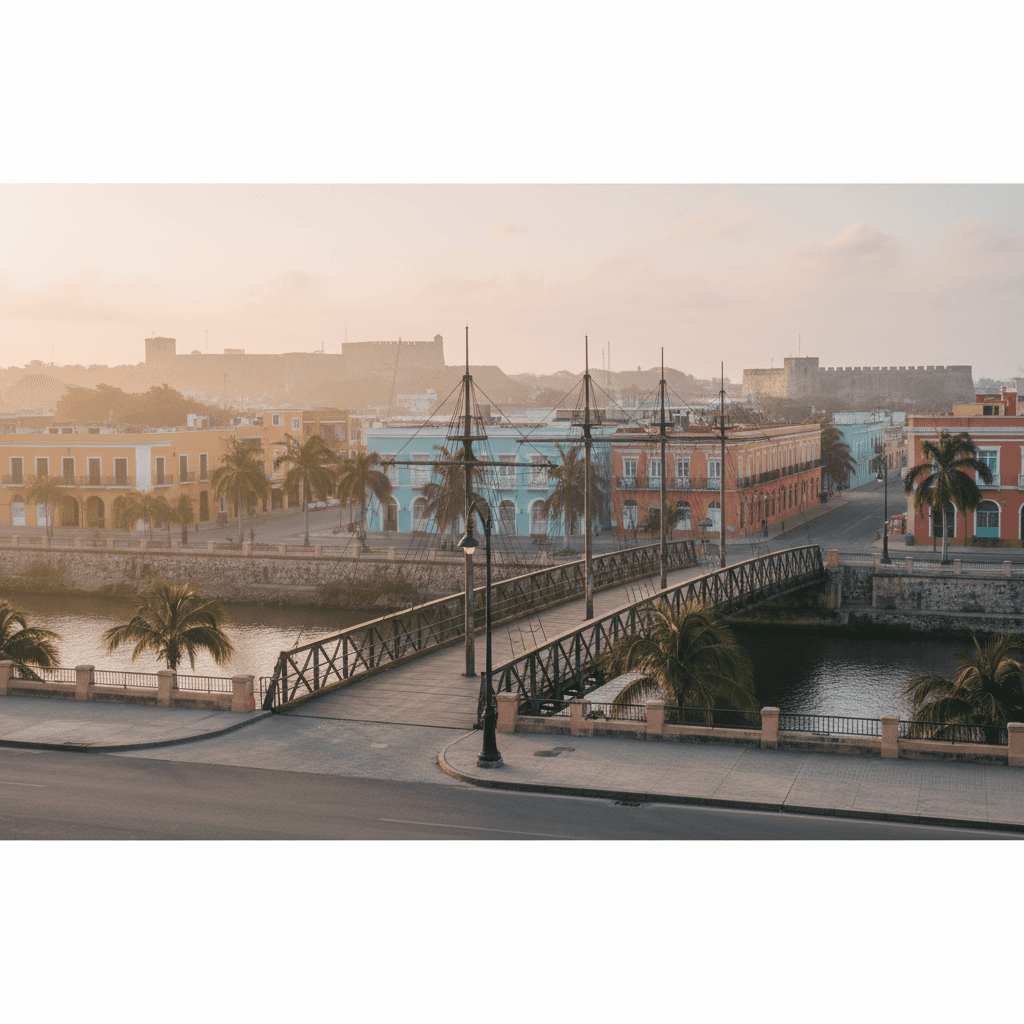
Santo Domingo
🇩🇴 Dominican Republic
The Oldest City with a New Energy
Santo Domingo isn't your typical Caribbean postcard. While most travelers head straight for the all-inclusive resorts of Punta Cana, nomads are increasingly setting up shop in the capital. It's the oldest city in the Americas, and you feel that weight of history the moment you step into the Zona Colonial. But don't let the 500 year old cobblestones fool you; underneath the Spanish colonial facades is a high speed fiber optic network and a relentless, percussive energy that keeps the city moving 24/7.
The vibe here is a frantic, beautiful mess. It's louder and more chaotic than the beach towns, yet it possesses a sophistication you won't find on the coast. You'll hear merengue and bachata spilling out of open car windows and corner colmados, mixing with the sound of construction and street vendors. It's a place where 16th century cathedrals sit blocks away from gleaming glass skyscrapers and high end shopping malls. For those who need a city that feels alive, Santo Domingo delivers.
Where to Plant Your Flag
Most nomads gravitate toward two very different poles of the city. Your choice depends entirely on whether you want "soul" or "seamlessness."
- Zona Colonial: This is the heart of the social scene. It's incredibly walkable, packed with cafes, and feels like a European village dropped into the Caribbean. It's the best spot for solo travelers and those who want to be steps away from the nightlife. Expect to pay $400 to $600 for a studio, though prices can spike for historic lofts. Just bring earplugs; the party doesn't always respect your 9:00 AM Zoom call.
- Piantini and Naco: If you want the "Miami of the Caribbean," this is it. These neighborhoods are the business engines of the city. You'll find luxury high rises, high end gyms, and the most reliable infrastructure. Rents here run higher, typically $800 to $1,500 for modern apartments. It's safer and quieter than the Colonial Zone, but you'll lose that historic charm in exchange for convenience and networking opportunities.
The Cost of Living
Living here is remarkably affordable compared to North American or European hubs, though inflation has nudged food prices up recently. A monthly budget of $1,200 to $2,000 allows for a very comfortable mid range lifestyle. You can grab a quick empanada on the street for $2 to $5, or sit down for a massive plate of mofongo for around $15. If you're feeling fancy, dinner at an upscale spot in the Zona Colonial will run you $50 or more.
Public transport is cheap, with OMSA buses costing less than a dollar, but most expats rely on Uber. It's the safest and most efficient way to navigate the city's notorious traffic, with most cross city rides costing between $5 and $10.
Work, Connectivity, and Community
Internet reliability has taken a massive leap forward. Fiber optic connections are standard in most modern rentals, and coworking spaces like Chez Space provide a professional fallback with speeds hitting 100 Mbps. They also host mixers, which are the easiest way to plug into the local entrepreneurial scene. For your phone, grab a Claro or Altice SIM card at the airport for about $20, or use an eSIM like Airalo for an instant backup.
The social scene is built on hospitality. Locals are generally warm and eager to chat, though having at least basic Spanish will transform your experience. Without it, you'll stay in the expat bubble; with it, you'll find yourself invited to Sunday "sancocho" stews and late night dance floors. It's an entrepreneurial city where people are constantly hustling, making it a natural fit for the nomad mindset.
Practical Realities
It's not all tropical sun and easy living. The humidity can be punishing from May through November, and the traffic is some of the most aggressive in the region. Safety requires a bit of common sense; stick to the well lit areas of the Zona Colonial or Piantini at night, and keep your phone tucked away while walking on busy streets. Power outages still happen, though they're much less frequent in the major nomad hubs than they used to be. Most high end buildings have "plantas" (back up generators) that kick in automatically, which is a feature you should always confirm before signing a lease.
The Price of Paradise
Living in the oldest city in the Americas doesn't have to break the bank, but your budget will largely depend on which side of the 27 de Febrero highway you call home. While the average nomad spends around $650 on basics, a more realistic monthly budget for a comfortable life ranges from $1,200 to $2,000.
Local salaries hover around $450, so if you're earning in USD or Euros, your purchasing power is significant. You'll find that credit cards are standard in the malls of Piantini and the cafes of the Zona Colonial, though keeping some pesos on hand for street empanadas and smaller shops is a smart move.
Breaking Down the Monthly Spend
Your biggest variable is housing. If you want the historic charm of the Zona Colonial, expect to pay between $400 and $700 for a studio with character. If you prefer the high-rise luxury and reliable backup generators of Piantini or Naco, prices jump to $800 or $1,500 for a modern one-bedroom apartment.
Daily costs are manageable if you mix local flavors with high-end dining:
- Street food: $2 to $5 for quick bites like empanadas or yaniqueques.
- Mid-range meals: $12 to $20 for a hearty plate of mofongo and a beer.
- Upscale dining: $30 to $50+ for a three-course dinner in a restored colonial courtyard.
- Transportation: $5 to $10 per Uber ride, or $0.50 for the local OMSA bus if you're feeling adventurous.
- Connectivity: $10 to $20 for a monthly data plan via Claro or Altice.
The Neighborhood Trade-off
Most nomads gravitate toward two very different hubs. The Zona Colonial is the social heart of the city. It's walkable, packed with history, and home to the best coworking spots. The downside is the noise from late-night bars and the slightly inflated tourist prices for groceries and laundry.
On the other hand, Piantini and Naco offer a more polished, corporate experience. It's where you'll find the luxury malls, high-speed fiber internet as a standard, and better security. It lacks the "soul" of the historic center, but it's the preferred choice for families and those who need a quiet environment for deep work.
Remote Work Infrastructure
Fiber-optic internet has become the norm in major neighborhoods, with speeds reaching 50 to 100 Mbps in dedicated workspaces. Chez Space is the gold standard for coworking here, offering networking events and reliable desks for $100 to $200 a month. If you prefer the cafe crawl, the Zona Colonial is dotted with laptop-friendly spots that won't mind you lingering over a cafe santo domingo for a few hours.
For your phone, skip the roaming charges. Grab a local SIM at the airport or use an eSIM like Airalo. Most travelers find that Claro provides the most consistent coverage across the island, especially if you plan on taking weekend trips to the Samaná Peninsula.
Practical Savings and Tips
To keep costs down, shop at local markets rather than the high-end supermarkets in the malls. Public transport is affordable, but Uber is the safest and most efficient way to get around at night. While there is no specific digital nomad visa yet, many visitors use the standard tourist entry or explore rentier options for longer stays. Expect a 10% price increase on meals and services through 2025 and 2026 due to steady inflation, but overall, the city remains one of the most affordable Caribbean capitals for the quality of life it provides.
Digital Nomads and Remote Workers
If you want to be where the action is, head straight for the Zona Colonial. This is the oldest permanent European settlement in the Americas, and it feels like it. You'll be working from 16th century buildings with fiber optic internet that hits 50 to 100 Mbps. Most nomads gravitate here because it's the only truly walkable part of the city. You can ditch the car and spend your days hopping between cafes and Chez Space, which is the go-to hub for networking and mixers.
Living here means balancing charm with noise. The nightlife is legendary, but those cobblestone streets echo until the early hours. Expect to pay between $400 and $600 for a studio. It's safe during the day, but keep your wits about you at night if you wander off the main squares. Travelers often say the community vibe here is the best in the country, making it easy to find a lunch partner or a weekend trip buddy for the Samaná Peninsula.
Expats and Long-Term Residents
For those planning to stay six months or longer, Piantini and Naco are the gold standard. This is the modern heart of the city, dominated by sleek glass high-rises and high-end shopping centers. It feels more like Miami than the Caribbean. Expats recommend these neighborhoods because they offer the most reliable infrastructure, including fewer power outages and proximity to international hospitals.
The trade-off is the cost and the soul. You'll pay $800 to $1,500 for a luxury apartment, and you'll likely need to use Uber to get around since the area isn't designed for pedestrians. However, you'll have access to the best gyms, specialty grocery stores, and fine dining where a meal might run you $30 to $50. It's the place to be if you're looking to network with the local business elite or other professional expats.
Families
Families usually find their rhythm in Piantini. It's arguably the safest pocket of the city and sits close to the best private schools. The quiet, residential feel of certain blocks in Naco also makes it a strong contender. You won't find many playgrounds on the street, but the luxury apartment buildings often come with private play areas and pools.
Budgeting for a family here requires a jump in expectations. A comfortable lifestyle with a three-bedroom apartment and private transport will likely put your monthly spend over $2,500. Most families hire local help for childcare or cleaning, which is culturally common and relatively affordable. For weekend outings, the Zona Colonial is just a 15-minute drive away for a dose of history and culture without the daily chaos of living there.
Solo Travelers
The Zona Colonial is the undisputed winner for solo travelers. Since the area is compact, you'll naturally run into the same people at the empanada stands or the local bars. It's much easier to break the ice here than in the more insulated high-rises of the business district. If you're on a budget, you can find local meals for $2 to $5, and the social scene is built around public plazas where people gather to drink beer and play dominoes.
Safety is the main concern for solo residents. While the tourist police (POLITUR) are very active in the Zona Colonial, solo travelers should avoid the outer edges of the neighborhood after dark. Stick to well-lit streets and use Uber for any trips across town, which usually costs between $5 and $10. Learning basic Spanish phrases like "¿Cuánto cuesta?" will go a long way in making your daily interactions smoother and more affordable.
Neighborhood Comparison at a Glance
- Zona Colonial Rent: $400 to $600 for a 1BR
- Piantini/Naco Rent: $800 to $1,500 for a 1BR
- Daily Transport: $5 to $10 for Uber rides
- Coworking: $100 to $200 per month at Chez Space
- Local Meals: $5 to $12 for mid-range dining
Reliability and Speed
Santo Domingo is the connectivity hub of the Dominican Republic. While beach towns like Las Terrenas can be hit or miss, the capital is wired with fiber-optic infrastructure that keeps most nomads happy. You can expect average city speeds around 8 Mbps, but dedicated workspaces and modern apartments in Naco or Piantini regularly clock in between 50 and 100+ Mbps.
Power outages do happen occasionally. Most high-end apartment buildings and coworking spaces have backup generators, known locally as "plantas," but it is always smart to check this before signing a lease. If you are handling high-stakes video calls or large uploads, a backup data plan is your best friend.
Top Coworking Spaces
The coworking scene is concentrated where the action is: the historic Zona Colonial and the upscale business district of Piantini. These spots are more than just desks; they are where you will find the city's entrepreneurial pulse.
- Chez Space: This is the gold standard for nomads in the city. They have locations in both Zona Colonial and Piantini. It is a professional environment with ergonomic seating and frequent networking mixers. Expect to pay between $100 and $200 per month depending on your needs.
- Zona Colonial Hubs: Several smaller, boutique spaces dot the historic center. They lean into the colonial aesthetic with high ceilings and courtyard breaks. These are perfect if you want to walk from your apartment to your desk in under five minutes.
The Cafe Culture
If you prefer a laptop-and-latte lifestyle, Santo Domingo delivers. The Zona Colonial is packed with cafes that are used to seeing digital nomads. Most have reliable WiFi, though it is polite to order something every couple of hours. You will find plenty of expats and locals working side-by-side in places like Mamey Librería or various specialty coffee shops near Parque Colón.
Mobile Data and SIM Cards
Do not rely solely on your home roaming plan. Local data is cheap and fast. You have two main choices for staying connected on the move.
- Local SIMs: Visit a Claro or Altice store. You can find them at the airport, though prices are slightly better at official stores in the city. A month of solid data usually runs between $10 and $20.
- eSIMs: For immediate connectivity the second you land, Airalo or GigSky are the go-to recommendations. They are slightly pricier than local SIMs but save you the hassle of finding a physical store.
Practical Setup Tips
When hunting for an apartment on platforms like FinalRentals.do or Airbnb, do not take "high-speed internet" at face value. Ask the host for a screenshot of a speed test. Most nomads find that landlords are happy to provide this. If you are staying in the Zona Colonial, thick stone walls in older buildings can sometimes kill WiFi signals, so check if the router is in the same room where you plan to work.
For payments and transfers, Wise is widely used by the expat community to manage funds without getting hit by heavy bank fees. Credit cards are accepted at almost all coworking spaces and modern cafes, but keep some pesos on hand for the smaller "colmados" or street food stops between deep work sessions.
Staying Safe in the Capital
Santo Domingo is a city where street smarts go a long way. Most nomads feel perfectly comfortable in neighborhoods like Zona Colonial and Piantini during the day. These areas have a heavy police presence and a social atmosphere that keeps things relatively secure. However, petty theft like phone snatching can happen if you're distracted. Keep your phone tucked away while walking and avoid wearing flashy jewelry that draws unnecessary attention.
When the sun goes down, stick to well lit streets and populated areas. While the Zona Colonial is great for a late night drink, avoid walking alone into the quieter outskirts of the district. For getting home after dark, skip the casual street hail and use Uber. It's the gold standard for safety here because the rides are tracked and the drivers are rated. Most expats avoid the "guaguas" or local buses at night entirely.
If you find yourself in an emergency, the number to dial is 911. The city has worked hard to modernize its response systems, and the service is generally reliable. For day to day peace of mind, travelers often recommend staying in buildings with 24 hour "seguridad" or doormen, which is standard for most mid range and luxury apartments in Naco and Piantini.
Healthcare and Hospitals
You'll find that healthcare in Santo Domingo is some of the best in the Caribbean, provided you have the right insurance and head to private facilities. Public hospitals can be overcrowded and underfunded, so most nomads stick to international grade clinics. Hospiten Santo Domingo and CEDIMAT are top tier choices located near the central business districts. They have modern equipment and many specialists who speak fluent English.
Pharmacies, known locally as "farmacias," are on almost every corner. Many stay open 24 hours and can deliver right to your door via apps like PedidosYa. You can get most basic medications over the counter, but it's always better to bring a supply of your specific prescriptions from home to avoid brand name confusion.
- Emergency Number: 911
- Top Hospital: Hospiten Santo Domingo (near Piantini)
- Pharmacy App: PedidosYa for delivery
- Water Safety: Do not drink tap water; stick to bottled or "botellones" (5 gallon jugs)
Health Tips for the Tropics
The Caribbean sun is no joke, and the humidity can sneak up on you. Dehydration is the most common ailment for newcomers. Since the tap water isn't potable, you'll need to rely on bottled water for everything from drinking to brushing your teeth if you have a sensitive stomach. Most apartments provide large 5 gallon water dispensers for a few dollars per refill.
Mosquito borne illnesses like Dengue or Zika occasionally pop up, especially during the rainy season from May to November. Using a good repellent and staying in places with screens or air conditioning usually keeps the risk low. Food safety is generally high in established restaurants, and the local street food, like empanadas for $2, is typically safe if you see a high turnover of customers.
Insurance and Costs
Don't skip out on travel or nomad insurance. While a standard doctor's visit might only cost you $40 to $60 out of pocket, a major emergency or medical evacuation can be devastatingly expensive. Most private clinics expect payment upfront or a guarantee from your insurance provider before starting treatment. Keep a digital and physical copy of your insurance card on you at all times.
Air quality in the city is generally good thanks to the coastal breezes, though traffic congestion in the center can lead to some localized smog during rush hour. If you have respiratory issues, living in the Zona Colonial near the water or in a high rise in Piantini will give you the best access to fresh air.
Getting Around the Capital
Santo Domingo is a city of contrasts, where 16th-century cobblestone streets meet modern metropolitan chaos. While it lacks the high-speed rail systems of Europe, the city is surprisingly manageable once you understand the local rhythm. Most nomads find that their transportation strategy depends entirely on which neighborhood they call home.
The Ride-Hailing Gold Standard
For most expats and nomads, Uber is the undisputed king of the road. It is reliable, transparent, and significantly safer than flagging down a random car on the street. Expect to pay between $5 and $10 for most trips within the city center. It’s the best way to avoid the "tourist tax" often applied by traditional taxis, though official airport taxis are still the standard for arriving at SDQ, costing about $20 to $30 to reach the city center.
Walking and Micromobility
If you base yourself in the Zona Colonial, you’ll rarely need a car. It is the most walkable pocket of the city, designed long before engines existed. Outside of the historic center, the upscale streets of Piantini and Naco are also quite pedestrian-friendly, featuring wider sidewalks and better lighting. Some long-term travelers opt for scooter rentals, which run about $100 per month, though you’ll need nerves of steel to handle the local traffic flow.
Public Transit Options
The city’s public transport is functional and incredibly cheap, even if it feels a bit daunting at first.
- OMSA Buses: These large green government buses are the most formal option, costing roughly $0.25 per trip. They follow set routes and are generally the most comfortable way to use public transit.
- Guaguas: These are privately owned mini-buses. They’re crowded, loud, and run on informal schedules, but they go everywhere. Most trips are under $1.
- The Metro: Santo Domingo actually has a clean, modern subway system. While it doesn't cover the Zona Colonial yet, it’s a great way to skip the surface-level traffic if you’re heading toward the northern or eastern parts of the city.
Traffic and Timing
Traffic in Santo Domingo is no joke. The city moves to a fast-paced Caribbean beat, and rush hour can turn a ten-minute trip into a forty-minute ordeal. Most nomads recommend avoiding major transit between 8:00 AM and 9:30 AM and again from 5:00 PM to 7:00 PM. If it starts raining, double your expected travel time; the city’s drainage systems often struggle, leading to localized flooding that brings cars to a standstill.
Staying Connected on the Move
Navigating is much easier with a local SIM card. You can pick up a Claro or Altice card at the airport or at various kiosks around town for about $10 to $20 a month. If you prefer to hit the ground running, Airalo or GigSky eSIMs work well for data, though they are slightly pricier than local physical cards. Most Uber drivers rely heavily on WhatsApp, so having active data is a must for coordinating pickups in busy areas.
While Spanish is the beating heart of Santo Domingo, your experience with communication will shift depending on which pocket of the city you call home. In the Zona Colonial and the high end business towers of Piantini or Naco, you will find a decent amount of English spoken by staff at boutique hotels, upscale restaurants, and coworking hubs. However, once you step into a local colmado or hop into a guagua, English largely disappears.
The Local Dialect
Dominican Spanish is famous for its speed and distinct rhythm. Locals often drop the "s" at the end of words and use a unique set of slang that might confuse even fluent Spanish speakers from elsewhere. You will hear "Qué lo qué?" constantly; it is the unofficial national greeting, roughly translating to "What is up?" Mastery of a few local phrases goes a long way in building rapport with neighbors and vendors.
- Qué lo qué: What is up? / What is happening?
- Nítido: Cool or great.
- Vaina: A catch-all word for "thing" or "stuff."
- Concho: A shared taxi or transport.
Digital Communication and Connectivity
Staying connected is relatively straightforward, but you should handle your SIM card setup as soon as you land. Most nomads recommend heading to a Claro or Altice storefront. Prepaid data plans are affordable, usually running between $10 and $20 per month for a solid data allowance. If you prefer a digital approach, Airalo or GigSky eSIMs work well for immediate data, though they are typically more expensive than local physical SIMs.
For remote work, fiber optic internet is the standard in modern apartments and dedicated workspaces. While home connections are generally reliable, Chez Space provides a professional backup with speeds reaching 50 to 100 Mbps, which is plenty for video calls and heavy uploads. Most nomads find that while power outages can happen, the better coworking spaces and upscale buildings in Piantini have backup generators to keep the WiFi humming.
Practical Language Tips
You do not need to be fluent to survive, but you do need to be prepared. Relying solely on English will limit your social circle and likely increase the "tourist tax" you pay at local markets. Expats recommend a few specific tools to bridge the gap:
- Download Google Translate with the Spanish offline pack for moments when signal is spotty.
- Use WhatsApp for everything. It is the primary way to communicate with landlords, book water deliveries, and message local businesses.
- Learn the numbers 1 to 100 immediately. It makes navigating the $5 to $10 Uber rides and $2 to $5 street food stalls much smoother.
If you are staying long term, consider a few weeks of classes at a local language school in the Zona Colonial. It is one of the fastest ways to transition from a temporary visitor to a resident who understands the city's fast paced, Caribbean energy. Most locals are incredibly patient and will appreciate the effort, even if you are just stumbling through "Cuánto cuesta?" at the fruit stand.
The Tropical Rhythm
Santo Domingo doesn't really have a "winter" in the traditional sense. You're looking at a consistent tropical climate where temperatures hover between 25°C and 32°C (77°F to 90°F) year-round. The heat is heavy and humid, especially when you're walking the sun-drenched cobblestones of the Zona Colonial. While the warmth is constant, the rainfall is what actually dictates the rhythm of the city.
The dry season runs from December through April, and this is widely considered the prime window for nomads. The humidity drops just enough to make long afternoons at a sidewalk cafe in Piantini pleasant rather than sweltering. Because this is the peak season, expect slightly higher prices for short-term rentals and a livelier social scene at hubs like Chez Space.
The Rainy Season and Hurricane Risks
The wet season spans from May to November. During these months, the Caribbean sun often shares the sky with sudden, intense downpours. Most of the time, these are quick afternoon bursts that clear up within an hour, but they can be heavy enough to turn the city's traffic into a standstill. If you're planning to rely on scooters or walking, keep a high-quality rain jacket in your bag.
August and September are the hottest months, frequently hitting that 32°C (90°F) mark with high humidity. October is statistically the peak for hurricane potential. While direct hits on the capital are relatively rare compared to the northern coast, the city often experiences tropical storms that can lead to temporary power flickers or internet lags. Most modern apartment buildings in Naco or Piantini have backup generators (plantas) to handle this, but it's a detail you should always confirm with your host before booking.
Month-by-Month Breakdown
- December to February: The sweet spot. Daytime highs stay around 28°C to 30°C and the evenings are actually cool enough for a light sweater. This is the best time for outdoor networking and exploring the city's historic sites.
- March and April: Still dry and very pleasant. This is a great time to use the city as a base for weekend trips to the Samaná Peninsula before the spring heat really kicks in.
- May to July: The humidity starts to climb. You'll see more rain, but it's usually predictable. This is a good time to find better deals on monthly apartment rentals as the winter crowds head home.
- August to October: The "low" season. It's hot, sticky, and wet. October is the rainiest month of the year. If you don't mind spending more time in air-conditioned coworking spaces and want the lowest possible living costs, this is your window.
- November: A transition month. The rain starts to taper off, and the city begins to gear up for the festive holiday season.
When to Book Your Stay
If you're a first-timer, aim for a January arrival. You'll get the best weather and the most active social calendar. Expats often suggest avoiding October if you're sensitive to humidity or if you're worried about storm disruptions. Regardless of when you visit, make sure your accommodation has reliable air conditioning in the bedroom; trying to sleep through a 26°C tropical night without a breeze is a challenge most nomads only try once.
For those looking to balance cost and comfort, late April or early May is a savvy choice. You beat the hurricane peak, the prices start to dip from their winter highs, and the city's lush, green parks like the Parque Mirador Sur are at their most vibrant.
Getting Settled and Staying Connected
Most nomads land at SDQ and head straight for a Claro or Altice kiosk. Grab a local SIM for about $10 to $20 a month to avoid roaming headaches. If your phone supports it, Airalo or GigSky eSIMs are great backups, but a local physical SIM usually offers the best speeds for hotspotting in a pinch.
Fiber optic internet is the standard in modern rentals, though speeds vary wildly. You will want to confirm with your host that they have a dedicated fiber line before booking. Expect averages around 8 Mbps in older buildings, while coworking spaces like Chez Space offer 50 to 100+ Mbps. This is where the community gathers, so it is a solid spot to network if you are looking for business connections or just a reliable desk for $100 to $200 per month.
The Cost of Living Breakdown
Your budget depends heavily on whether you want colonial charm or high rise luxury. A typical nomad budget sits around $650 for basics, but lifestyle creep is real here.
Budget Nomad ($800 to $1,200/mo)
- Rent: $400 to $600 for a studio in Zona Colonial.
- Meals: $2 to $5 for street empanadas; $8 to $12 for local "Plato del Día."
- Transport: $0.50 to $1 for OMSA buses or local guaguas.
Mid-Range Nomad ($1,200 to $2,000/mo)
- Rent: $600 to $800 for a nicer 1BR with reliable AC.
- Meals: $12 to $20 for mid-range spots serving Mofongo.
- Transport: $5 to $10 per ride using Uber, which is the safest and most reliable way to get around.
Comfortable Living ($2,000+/mo)
- Rent: $800 to $1,500 for a luxury high rise in Piantini or Naco.
- Meals: $30 to $50+ for upscale dining and cocktails.
- Transport: $100 monthly scooter rentals or frequent Uber Black rides.
Navigation and Safety
Santo Domingo is a tale of two cities. Zona Colonial is where you will find the soul of the city, walkable streets, and historic cafes. Piantini and Naco feel like Miami, with glass towers, high end malls, and better infrastructure. Families and corporate expats usually stick to Piantini for the safety and proximity to international schools, while solo travelers prefer the social vibe of the "Zona."
Safety is a common conversation topic among expats. While the main tourist and business districts are safe during the day, petty theft happens. Avoid walking alone at night in poorly lit areas and keep your phone tucked away on busy street corners. If you need medical care, the private hospitals near Piantini are excellent and often have English speaking staff. For everything else, 911 is the emergency number to remember.
Lifestyle and Language
Spanish is the heartbeat of the city. While you can get by with English in Piantini or at major hotels, knowing basic phrases will change your experience. Use Google Translate offline for menus and quick chats with Uber drivers. Locals are generally warm and entrepreneurial, and you will find it easy to integrate if you show up to nomad meetups or local bars in the Zona Colonial.
The weather is tropical and humid year round, usually hovering between 25 and 32°C. The best time to visit is the dry season from December to April. Try to avoid October if you can, as it is the peak of the hurricane season and the rain can be relentless. When the sun is out, take a 2 to 3 hour bus ride to the Samaná Peninsula for a weekend beach break, it is the perfect antidote to the city's hectic pace.
Practical Logistics
- Banking: Credit cards are widely used in shops and restaurants. For transfers and local payments, many nomads use Wise.
- Visas: There is no specific digital nomad visa yet. Most people enter on a tourist card or look into rentier options for longer stays.
- Tipping: A 10% tip is standard in restaurants, often added to the bill automatically.
- Apartments: Check Airbnb, local Facebook groups, or sites like Inmobiliario.do, but always verify the internet speed in person if possible.
Need visa and immigration info for Dominican Republic?
🇩🇴 View Dominican Republic Country GuideHidden Gem
Worth the effort