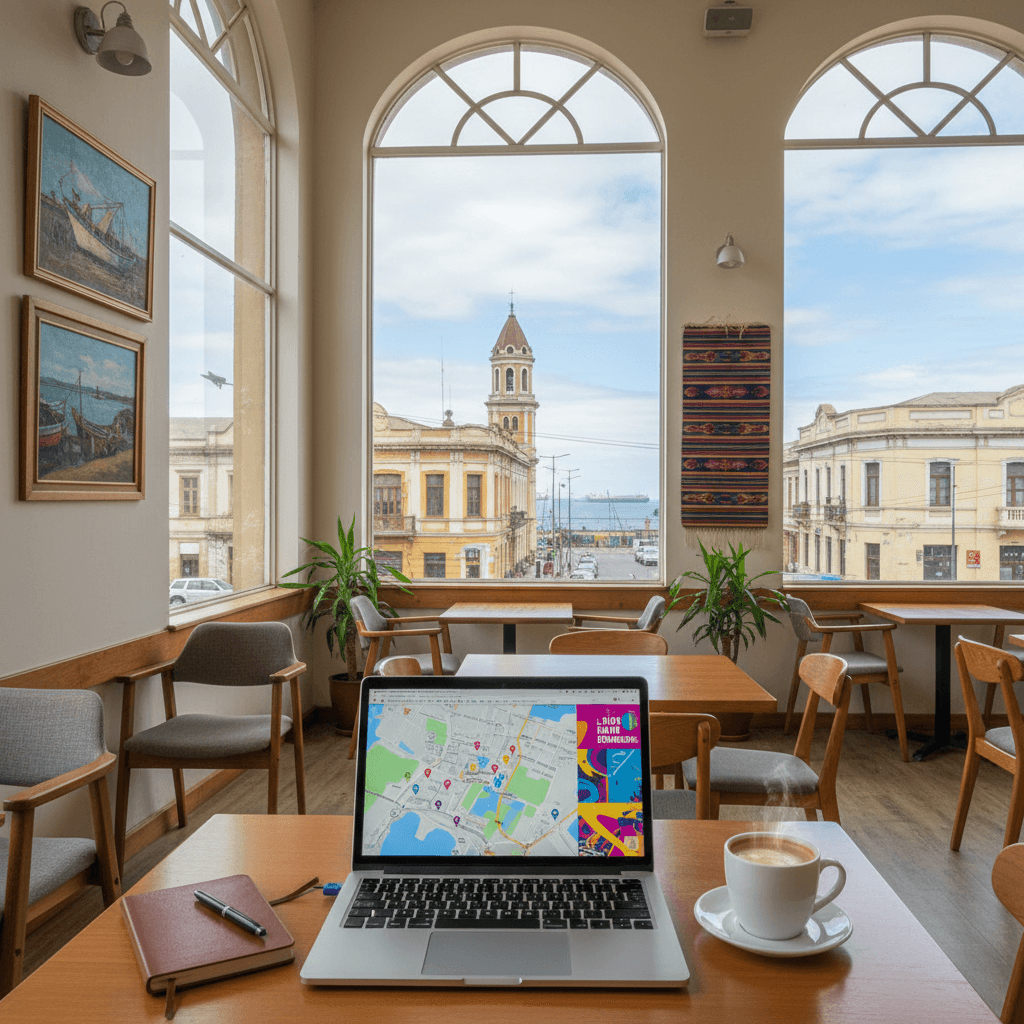
San Antonio
🇨🇱 Chile
San Antonio is not your typical postcard-perfect Chilean town. While most nomads flock to the bohemian hills of Valparaiso or the polished streets of Santiago, this city offers a gritty, honest look at life in one of South America's most important port hubs. It is a place of massive cargo ships, the smell of salt air, and a working-class energy that feels refreshingly unpretentious. If you are looking for a curated tourist experience, you won't find it here. Instead, you get a front-row seat to the industrial heartbeat of the coast.
The vibe is undeniably blue-collar, but there is a rugged charm to the way the city hugs the Pacific. You will spend your mornings watching sea lions lounge near the Paseo Bellamar and your afternoons watching the heavy machinery move containers in the distance. It is loud, functional, and deeply authentic. Travelers who stay here usually do so because they want a base that is significantly cheaper than the capital but still provides the infrastructure needed to get work done.
The Local Rhythm
- Morning: Grab a coffee near the port and watch the fishermen bring in the daily catch at the Pescaderia.
- Afternoon: Head to the quieter residential hills for a more peaceful work environment away from the port noise.
- Evening: Enjoy incredibly fresh seafood at local spots near the waterfront, where the portions are large and the prices are fair.
Living here feels like being part of a community that actually functions without the influence of mass tourism. You will find that people are straightforward and helpful, though Spanish is definitely the primary currency of communication. While Chile as a whole has moderate English proficiency, San Antonio is a place where knowing your basic verbs will go a long way in making connections at the local ferias or corner shops.
The emotional experience of San Antonio is one of groundedness. There is something meditative about the scale of the ocean meeting the scale of global trade. It is a city that doesn't try to impress you, which makes the moments of beauty, like a sunset over the cranes or a perfectly prepared paila marina, feel much more earned. It is a strategic choice for the nomad who wants to save money, eat well, and see the "real" Chile without the filters.
What to Expect
- Connectivity: Reliable fiber optic internet is standard in most modern apartments, and 5G coverage is strong throughout the city center.
- Cost of Living: You can expect to live comfortably on about $1,200 per month, with local rentals costing significantly less than in Santiago or Viña del Mar.
- Accessibility: It is only a 90-minute bus ride to Santiago, making it easy to head into the city for networking events or a change of pace.
- Safety: Like any major port, it pays to stay aware of your surroundings, especially around the docks at night, but the residential areas are generally calm and welcoming.
Most nomads find that the best way to enjoy San Antonio is to embrace its industrial identity. It is a gateway to the Litoral de los Poetas, the stretch of coast famous for being the home of Pablo Neruda. You can work from your apartment during the week and take a quick 20-minute trip to Isla Negra or Cartagena on the weekends to soak up the literary history and more traditional beach vibes. It is the perfect middle ground for someone who wants the utility of a city with the soul of the coast.
Understanding the Local Economy
San Antonio is a gritty, functional port city that offers a much lower price point than Santiago or nearby Valparaíso. It doesn't have the polished tourism infrastructure of its neighbors, which means you aren't paying a "nomad tax" on your daily expenses. Most digital nomads find they can live comfortably here for around $1,100 to $1,300 USD per month, depending on how much they prioritize a sea view.
The local economy revolves around the harbor, so prices for fresh seafood and produce at the markets are some of the best in central Chile. While you won't find many luxury boutiques, the cost of essentials like utilities and transport is very manageable for anyone earning in dollars or euros.
Monthly Budget Estimates
- Housing (One-bedroom apartment): $450 to $700
- Groceries and Local Markets: $250 to $300
- Dining Out and Entertainment: $200 to $350
- Transportation: $40 to $60
- High-Speed Fiber Internet: $30 to $45
Housing and Neighborhoods
Rent is your biggest variable in San Antonio. If you stay in the city center or near the port, prices are lower, but it can be noisy and industrial. Many expats and remote workers look toward the northern edge of the city or the neighboring community of Llolleo for a quieter vibe.
Llolleo
- Estimated Rent: $550 to $750 for a modern apartment
- Vibe: Residential, safer, and slightly more upscale than the port area
- Food: Home to several decent cafes and traditional Chilean restaurants
San Antonio Centro
- Estimated Rent: $400 to $550 for a standard flat
- Vibe: Busy, loud, and very close to the fish markets and bus terminal
- Food: Cheap "picadas" where you can get a massive lunch for under $8
Connectivity and Coworking
Chile has some of the fastest internet in South America, and San Antonio is no exception. Most modern apartments come with fiber optic connections reaching 200 Mbps to 500 Mbps. You won't find the trendy, neon-lit coworking spaces of Santiago here. Most nomads work from home or set up in local spots like Cafe Aroma or the various coffee shops near the Mall Arauco San Antonio.
If you need a dedicated office environment, some locals use the business centers within the larger hotels. Expect to pay about $15 to $20 for a day pass if you can find a formal desk space, though a $4 cup of coffee at a quiet cafe is the more common "office" for travelers passing through.
Food and Daily Expenses
Eating like a local is the best way to keep your budget down. The Mercado del Esfuerzo is the place to go for fresh ingredients. You can get a kilo of seasonal fruit for under $2 and enough fresh fish to feed two people for about $6.
If you prefer dining out, look for the "Menú del Día" during lunch hours. For roughly $7 to $10, you will usually get a starter, a main dish like cazuela or reineta frita, and a drink. A local beer at a bar will set you back about $3 to $4, while a bottle of decent Chilean wine from the supermarket is often less than $6.
Transportation
The city is well connected by "micros" (small buses) and "colectivos" (shared taxis that run set routes). A ride usually costs less than $1. Since the city is somewhat spread out along the coast, you will likely use these daily. If you need to head into Santiago for a weekend, a bus ticket from the main terminal costs around $7 to $10 and takes about 90 minutes.
Most shops and restaurants in San Antonio accept credit cards and contactless payments, but keep some Chilean Pesos on hand for the street markets and smaller buses. ATMs are easy to find in the mall and near the main plaza, though some charge a withdrawal fee of about $7 for foreign cards.
For Digital Nomads: Llolleo
If you are working remotely, Llolleo is the place you want to be. It functions almost like a separate town within San Antonio and has a much more relaxed, residential feel than the industrial port center. The area around Plaza de Llolleo is packed with cafes that have decent enough WiFi for a few hours of deep work, and the noise levels are significantly lower than the city center.
Most nomads aim for apartments near Avenida Chile. While San Antonio doesn't have a dedicated "big brand" coworking space yet, the local library and several modern cafes like Cafe del Pacifico serve as unofficial hubs. You can expect to pay around $600 to $850 for a decent one bedroom apartment here. The vibe is local and authentic, so you will need to brush up on your Spanish to get the most out of the neighborhood.
- Average Rent: $700 per month
- Vibe: Chill, walkable, and leafy
- Best for: Reliable internet and proximity to local coffee shops
For Expats and Long-Termers: Santo Domingo
Technically just across the Maipo River bridge, Santo Domingo is where most expats and high earners choose to settle. It is often called the "Garden City" because of its manicured lawns and quiet streets. It is significantly more expensive than San Antonio proper, but the trade-off is a high level of safety and much better infrastructure. If you want a house with a yard and a view of the ocean, this is your spot.
Living here feels like being in a coastal resort year round. You will find the Club de Golf Santo Domingo at the heart of the community, which acts as a social hub for the international crowd. Groceries and services are a bit pricier here, with a typical monthly budget for a couple hovering around $2,200 including a premium rental. It is a quiet life, so if you crave nightlife, you might find it a bit too sleepy.
- Average Rent: $1,200 to $1,800 per month
- Vibe: Upscale, secure, and quiet
- Best for: High quality of life and coastal views
For Solo Travelers: El Centro and the Port Area
If you are only staying for a few weeks and want to be in the thick of it, the area near the Paseo Bellamar is the move. This is the heart of the city where the fishing boats come in and the sea lions hang out by the docks. It is gritty, loud, and full of character. You will have immediate access to the Mercado del Esfuerzo for the freshest ceviche you have ever eaten, usually for under $8.
Solo travelers usually opt for small studios or guesthouses near Avenida Barros Luco. This puts you within walking distance of the main bus terminal, making it easy to hop on a 90 minute bus to Santiago or a quick 20 minute ride to the surf spots in Cartagena. Just keep your wits about you at night, as the port area can get a bit sketchy after dark once the main shops close up.
- Average Rent: $450 to $600 per month
- Vibe: Energetic, salty, and very busy
- Best for: Budget living and easy transport links
For Families: San Juan and Lo Gallardo
Families looking for more space and a connection to nature often head inland towards Lo Gallardo or San Juan. These neighborhoods sit along the banks of the river and offer a more rural, "campo" lifestyle while still being ten minutes from the city services. It is common to see people riding horses or tending to small orchards here.
Rent is very affordable in these parts, often under $550 for a full house. The air is cleaner than the port area, and there is plenty of room for kids to run around. You will definitely need a car if you live out here, as public transport is less frequent than in the city center. It is the best choice for families who want a slow pace of life and a tight knit community feel.
- Average Rent: $500 per month
- Vibe: Rural, family oriented, and peaceful
- Best for: Large homes and outdoor space
Connectivity and Speed
San Antonio is first and foremost a working port city, which means its infrastructure is built for business. You aren't going to find the same density of trendy cafes you'd see in Santiago, but the backbone of the internet here is surprisingly solid. Most apartments and Airbnbs in the Llolleo or Santo Domingo areas come equipped with fiber optic connections. You can generally expect download speeds between 100 Mbps and 300 Mbps, which is plenty for video calls or uploading large files.
Mobile data is your best friend here. Chile has some of the cheapest and fastest mobile internet in South America. Pick up a WOM or Entel SIM card at any local Sencillito or pharmacy. A plan with 50GB of data usually costs around $10 to $15 USD. Coverage is excellent throughout the city center and the port area, though it can get a bit spotty if you head south toward the more remote coastal cliffs.
Coworking Spaces and Work-Friendly Cafes
If you are looking for a traditional, glass walled coworking space with free kombucha and networking events, you might be disappointed. San Antonio doesn't have a dedicated "nomad" hub yet. Most professionals here work from home or commute to Valparaiso.
For a more casual vibe, head to Llolleo. This neighborhood is the cultural heart of the area and feels much more relaxed than the industrial port. You can find several local spots with reliable Wi-Fi and power outlets where you can work for a few hours. Just remember to order something every 90 minutes to stay in the staff's good graces.
The Reality of Working Remotely
Working from San Antonio requires a bit of a DIY mindset. Power outages aren't common, but they do happen during heavy winter storms in June or July. It's smart to keep a charged power bank and a mobile hotspot ready just in case. Most nomads find that the cost of living here, which averages about $1,200 USD per month for a comfortable lifestyle, makes up for the lack of high end amenities.
If you find yourself needing a "big city" office day, the bus to Santiago or Valparaiso takes about 90 minutes and costs around $5 to $8 USD. Many expats living in the quieter outskirts of San Antonio make this trip once a week to stock up on supplies and get their fix of a more traditional coworking environment.
- Average Fiber Speed: 150 Mbps
- Monthly SIM Card (50GB): $12 USD
- Daily Coworking Rate: $15 to $20 USD
- Cup of Coffee: $3 USD
Best Neighborhoods for Reliable Wi-Fi
Where you stay in San Antonio dictates your internet experience. Stick to these areas if you have a job that requires you to be online during North American business hours.
Llolleo
- Vibe: Residential, leafy, and more upscale.
- Internet: Best availability of high speed fiber.
- Noise Level: Low, perfect for calls.
San Antonio Centro
- Vibe: Busy, industrial, and close to the action.
- Internet: Reliable but can be prone to congestion during peak hours.
- Noise Level: High, expect port sounds and traffic.
Santo Domingo
- Vibe: Luxury coastal resort feel just across the river.
- Internet: Generally excellent, though some older rentals might still use DSL.
- Noise Level: Very quiet, mostly vacation homes.
Staying Safe in a Port City
San Antonio is a gritty, working port city, which gives it a different character than the polished neighborhoods of Santiago. Most nomads feel comfortable here during the day, especially around the Paseo Bellamar waterfront. However, you should stay alert. Like any major maritime hub, petty crime like bag snatching or pickpocketing happens, particularly near the bus terminal and crowded market areas.
Locals generally advise against walking alone late at night in the hills or the areas immediately surrounding the shipping docks. Stick to well lit main streets and use Uber or Cabify rather than hailing random taxis after dark. If you are carrying expensive tech like a MacBook or a high end camera, keep it tucked away in a non descript bag. Don't be "flashy" and you'll likely avoid becoming a target.
The city's geography also requires a bit of environmental awareness. San Antonio is in a high seismic zone. You will see Vía de Evacuación signs everywhere; these are tsunami evacuation routes. It is a good idea to familiarize yourself with the closest high ground to your apartment. It is just part of daily life for residents, so there is no need for alarm, but knowing the drill is smart.
Healthcare Infrastructure
For a city of its size, San Antonio has decent medical facilities, though for anything highly specialized, many expats head to Valparaíso or Santiago, which are about 90 minutes away. The local public hospital is Hospital Claudio Vicuña. It handles emergencies, but expect long wait times if your issue isn't life threatening.
Most digital nomads opt for private clinics to save time and get access to English speaking staff. Out of pocket costs for a standard GP visit usually run between $40 and $60 USD. Even if you are healthy, having a private insurance policy like SafetyWing or World Nomads is a standard move here because it allows you to use the more efficient private system.
Pharmacy and Supplies
You won't have any trouble finding medication. Large pharmacy chains like Cruz Verde, Farmacias Ahumada, and Salcobrand are all over the city center. Many common medications that require a prescription in the US or Europe can be bought over the counter here, though it is always better to have your paperwork ready just in case.
- Emergency Number: Dial 131 for an ambulance or 133 for the police (Carabineros).
- Water Safety: While tap water in Chile is technically potable and safe for brushing teeth, the high mineral content can upset some stomachs. Most long term travelers stick to 5 liter jugs of bottled water for drinking.
- Air Quality: During winter months, some neighborhoods use wood burning stoves for heat, which can lead to occasional smog. If you have asthma, keep your inhaler handy during the colder season.
Practical Health Tips
Sun protection is non negotiable. The hole in the ozone layer means the UV index in coastal Chile is often extreme, even on cloudy days. A high quality SPF 50+ sunscreen will cost you about $15 USD at a local pharmacy, so you might want to pack a few bottles from home to save some cash. If you plan on eating at the local fish markets, which are fantastic, just ensure the seafood is cooked through to avoid any "traveler's tummy" issues during your first few weeks.
The Pulse of the Port
San Antonio isn't a city that relies on a flashy subway system like its neighbor Santiago. Instead, life here moves to the rhythm of the Pacific coast. It is a working port city, which means the layout is functional and centered around the waterfront. You will find that most of your daily transit involves walking the coastal promenade or hopping into the shared taxis that define Chilean urban travel.
The city is divided into several sectors, primarily the downtown port area, the hills of Barrancas, and the more residential Llo Lleo. For most nomads, the distance between these hubs is short enough that you won't need a rental car. Expect to spend a lot of time on foot if you are staying near the Paseo Bellamar, as the sea breeze makes walking much more pleasant than sitting in traffic.
Colectivos and Micros
The backbone of local transport is the colectivo. These look like ordinary sedans but have signs on their roofs indicating their routes. They operate like a hybrid between a bus and a taxi; they follow fixed paths but will drop you off anywhere along that line. They are incredibly efficient and usually cost between $600 and $900 CLP depending on the distance and the time of day.
If you prefer a larger vehicle, the local buses, known as micros, are a cheap way to get around. They serve the wider San Antonio area, including the climb up to the higher neighborhoods. They are less frequent than colectivos but offer a better view of the coastline. Most rides within the city limits stay under $500 CLP. Keep small change on you, as drivers rarely have the patience for large bills.
Connecting to the Coast
One of the best parts about being based in San Antonio is the proximity to smaller beach towns. You can easily escape the industrial grit of the port for the more relaxed vibes of Cartagena or Santo Domingo. Local buses run these routes constantly throughout the day.
- San Antonio to Cartagena: A quick 15 minute ride, costing roughly $600 CLP.
- San Antonio to Santo Domingo: About 20 minutes south, perfect for a quieter afternoon by the ocean.
- San Antonio to Valparaiso: Larger Pullman or TurBus coaches run this route for about $4,000 to $6,000 CLP, taking roughly 90 minutes.
Ride Sharing and Taxis
Uber does operate in the area, though it is less ubiquitous than in the capital. You might wait 10 to 15 minutes for a ride during off peak hours. Traditional taxis are available at the mall and near the port entrance, but they are significantly more expensive than colectivos. Always agree on the price before you get in if the meter isn't running, though a standard cross town trip shouldn't exceed $5,000 CLP.
Travel to Santiago
Most nomads arrive via Santiago, and the connection is very straightforward. The bus terminal in San Antonio has frequent departures to Santiago's Pajaritos or Estacion Central stations. The trip takes about 1 hour and 45 minutes and tickets generally range from $5,000 to $8,000 CLP. It is a comfortable ride on modern buses with reclining seats, making it easy to head into the big city for a weekend if you need a dose of high speed urban life.
Walking remains the preferred method for exploring the local markets and the fish stalls. Just be aware that the city has plenty of hills. If you are staying in the upper parts of Barrancas, your legs will get a serious workout. Most expats recommend using the colectivos for the uphill trek and walking back down to enjoy the ocean views.
The Local Linguistic Landscape
In San Antonio, you are stepping into a working port city where the language reflects the grit and honesty of the seafaring industry. While Chile generally ranks well for English proficiency in South America, that statistic applies mostly to the business districts of Santiago. In San Antonio, Spanish is the undisputed king. You will find that younger professionals and staff at higher end hotels near the Paseo Bellamar speak some English, but your daily interactions at the fish market or local panaderias will require at least a functional grasp of Spanish.
The local dialect, often called Chileno, is notoriously fast. People here tend to drop the "s" at the end of words and use a significant amount of "modismos" or slang. You will hear the word "cachai" (meaning "you get it?") at the end of almost every sentence. If you are struggling, locals are generally patient and appreciate the effort. Carrying a translation app like DeepL or Google Translate with an offline Spanish pack is a smart move for navigating complex conversations at the port or with landlords.
Staying Connected
Reliable internet is one of the perks of being in a major industrial hub like San Antonio. Most apartments and cafes in the Llolleo area offer stable fiber optic connections. You can expect average download speeds of 200-300 Mbps or higher, which is more than enough for video calls and heavy uploads. If you are working from a rental, always ask for a speed test screenshot before committing, as older buildings in the city center can sometimes have outdated wiring.
For mobile data, you have three main choices: Entel, WOM, and Movistar. Entel is widely considered to have the best coverage along the coast and inside the industrial zones. You can pick up a SIM card (chip) at any Sencillito or Servipag kiosk. To register it, you might need a local to help you with their RUT (ID number), though many shops are used to helping foreigners bypass this. Prepaid plans are available and offer various data buckets depending on your needs.
Digital Nomad Workspots
San Antonio does not have a traditional "big city" coworking scene with neon signs and craft beer on tap. Instead, the nomad community here tends to congregate in quiet cafes or the library. Cafe del Mar is a favorite for its views and reliable power outlets. If you need a more formal environment, many nomads take the short bus ride to nearby Santo Domingo or even Valparaiso for dedicated coworking spaces, though the local Biblioteca Pública 'Vicente Huidobro' de San Antonio offers a quiet atmosphere for deep work.
Essential Communication Tips
- WhatsApp is everything. From booking a dentist appointment to ordering local "reineta" for delivery, every business operates through WhatsApp. Make sure you have a local number linked to your account.
- Standard 90-day visas are the norm for most travelers. Keep a digital copy of your PDI (Investigative Police) entry slip on your phone, as you will need it to prove your tax-exempt status at hotels.
- Digital payments are the standard. You can pay with a card or phone (Apple Pay/Google Pay) at almost every shop in the Mall Arauco San Antonio. However, keep some cash for the smaller "colectivo" taxis that run specific routes through the hills.
- Emergency numbers are easy to remember: 131 for Ambulance, 132 for Fire, and 133 for Carabineros (Police).
Navigating San Antonio is a lesson in immersion. While the language barrier exists, the city's infrastructure is modern enough that you won't feel cut off from your work or your life back home. Most nomads find that after a week of hearing the local cadence, the "Chileno" accent becomes a charming part of the coastal experience rather than a hurdle.
Understanding the Coastal Climate
San Antonio sits right on the Pacific, so the weather here is a different beast than the dry heat you find inland in Santiago. It follows a Mediterranean pattern but stays significantly cooler thanks to the Humboldt Current. You can expect a lot of morning coastal fog, locally known as camanchaca, which usually burns off by midday to reveal clear skies.
Summer runs from December to February, and this is when the city feels most alive. Temperatures rarely climb above 25°C (77°F), making it a perfect escape if you find the capital's summer heat too intense. The ocean breeze is constant, so you will want to keep a light jacket handy even in the peak of January. Most nomads prefer this window because the days are long and the rain is practically non-existent.
The Winter Reality
From June to August, San Antonio gets quiet and damp. Temperatures hover between 8°C and 15°C (46°F to 59°F). While it does not get freezing, the humidity makes the cold feel much sharper. Since many older buildings in the port area lack central heating, you will likely rely on space heaters or wood stoves, which can drive up your monthly utility costs.
Rainfall is concentrated in these months. If you are someone who needs bright sun to stay productive, the grey winter skies might be a dealbreaker. However, rent prices often drop during the off-season, and the local cafes are much less crowded, which some long-term travelers appreciate for deep work sessions.
When to Plan Your Stay
- Peak Season (December to February): Best for outdoor activities and social vibes. Expect higher prices for short-term rentals and more domestic tourists.
- Shoulder Season (March to May and October to November): Many expats consider this the sweet spot. The weather is mild, the "camanchaca" fog is less frequent, and the city feels more authentic without the summer crowds.
- Low Season (June to September): Best for budget-conscious digital nomads who do not mind the mist and cooler temps.
Key Dates and Local Events
If you are timing your arrival, keep September 18th in mind. This is the Fiestas Patrias, or "Dieciocho." The entire country shuts down for several days of celebration. In San Antonio, you will find fondas (party tents) serving empanadas and chicha. It is a fantastic time to be in the city, but do not expect to get much work done as most businesses and services close completely.
Another date to watch for is June 29th, the Feast of Saint Peter. As a major fishing port, San Antonio takes this seriously. You will see decorated boats in the harbor and local processions. It is a great day for photography and seeing the local culture up close, though the weather can be hit or miss during this time of year.
Packing Essentials for the Coast
Layers are your best friend here. Even on a sunny day, the temperature drops the moment the sun goes down or the wind picks up from the harbor. Most travelers recommend a windbreaker and a solid pair of walking shoes for the hilly streets around the port. If you are visiting in the winter, waterproof gear is a necessity, not a suggestion. You will also want a good power bank; while the infrastructure is generally solid, heavy winter storms can occasionally cause brief power flickers in the older neighborhoods.
Getting Around and Staying Connected
San Antonio is a working port city, so the layout is more functional than your typical tourist town. Most nomads find that the easiest way to get around is by using Colectivos. These are shared taxis that follow fixed routes and are much faster than the local buses. You can usually flag one down for about $1.00 USD. For longer trips up the coast to places like Cartagena or Santo Domingo, the local buses are frequent and cost less than $2.00 USD.
Internet reliability is surprisingly high here. While you might not find a dedicated "nomad cafe" on every corner, the fiber optic infrastructure is solid. Most apartments and Airbnbs offer speeds between 100 Mbps and 300 Mbps. If you need a backup, grab a SIM card from WOM or Entel. You can get a 100GB data plan for roughly $15 USD, and the 4G coverage holds up well even near the shipping docks.
Visas and Paperwork
Chile is one of the most straightforward countries in South America for paperwork. If you are from the US, Canada, or the UK, you will get a 90 day tourist stamp on arrival. There is no fee for this anymore, but you must keep the small thermal paper slip they give you at customs. It is called the PDI card. You will need it to check into hotels and to leave the country without a headache.
If you decide you want to stay longer, you can usually do a "visa run" across the border to Mendoza, Argentina, or apply for a 90 day extension online. The extension costs about $100 USD. Chile also recently launched a Digital Nomad Visa which allows you to stay for a year if you can prove a monthly income of at least $1,500 USD, though most short term visitors stick to the tourist stamp.
Cost of Living Breakdown
Living in San Antonio is significantly cheaper than staying in Santiago or the upscale parts of Viña del Mar. You should budget roughly $1,200 to $1,400 USD per month for a comfortable lifestyle. Here is what a typical monthly budget looks like:
- One bedroom apartment: $500 to $700 USD
- Monthly groceries: $250 to $300 USD
- Dining out (Menu del Dia): $8 to $12 USD per meal
- Local transport: $40 to $60 USD
Expats recommend doing your shopping at the local Ferias (open air markets) for produce. You will save about 40 percent compared to the Líder or Unimarc supermarkets, and the seafood coming straight off the boats at the Pescaderia is incredibly cheap. A kilo of fresh reineta usually costs around $6 USD.
Health and Safety
San Antonio is generally safe, but it has a gritty, industrial edge. The area around the port and the main plaza is fine during the day, but it gets quiet and a bit sketchy after dark. Stick to the residential hills or the nearby Santo Domingo neighborhood if you want a quieter, safer environment. For healthcare, the Hospital Claudio Vicuña handles emergencies, but for anything serious, most travelers take the 90 minute bus ride to the private clinics in Santiago.
Tap water is technically safe to drink here, but it has a very high mineral content that can upset your stomach if you are not used to it. Most long term residents buy 20 liter water jugs for about $3 USD. It is a small price to pay to avoid a week of downtime.
Daily Logistics
Card payments are accepted almost everywhere, from the pharmacy to the grocery store. However, you should always keep some Chilean Pesos (CLP) on you for the colectivos and small market stalls. Most ATMs charge a withdrawal fee of about $7 USD, so it is smart to withdraw the maximum amount allowed, which is usually 200,000 CLP, to minimize those extra costs.
Need visa and immigration info for Chile?
🇨🇱 View Chile Country GuideHidden Gem
Worth the effort