Gurugram
🇮🇳 India
The Millennium City Grind
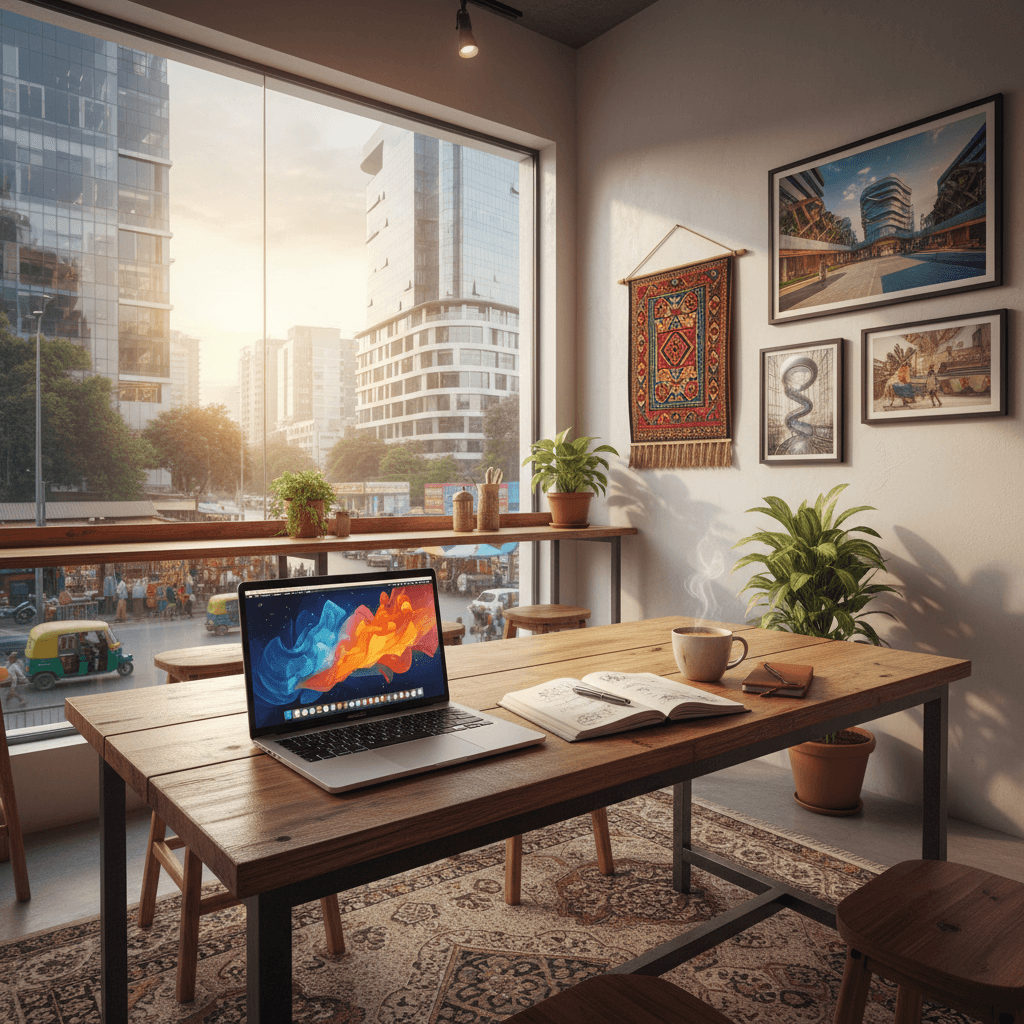
Gurugram is less of a traditional city and more of a high speed corporate experiment. Often called the Millennium City, it rose from farmland into a skyline of glass and steel in just a few decades. For a nomad, the vibe is unapologetically intense. It’s where India’s tech ambitions meet a flashy, cosmopolitan lifestyle. You aren't coming here for spiritual retreats or ancient ruins; you’re here for the networking, the high end malls, and a level of modern convenience that rivals Singapore or Dubai, albeit with a chaotic Indian twist.
The energy is palpable but can be draining. You’ll spend your days in air conditioned coworking spaces or sleek cafes in CyberHub, then likely spend your evenings stuck in some of the world’s most notorious traffic. Most travelers find it a productive pitstop rather than a long term home. It lacks the soul of Delhi or the serenity of Goa, but it makes up for it with sheer efficiency in the business districts. If you thrive on professional buzz and craft beer, you’ll find your tribe here.
Cost of Living Breakdown
Gurugram is one of India's most expensive hubs, driven by its status as a corporate headquarters for Fortune 500 companies. Expect to spend around $1,258 USD per month for a comfortable solo lifestyle.
- Budget Tier ($800 to $1,200): Living in a shared apartment in Sushant Lok, eating mostly street food or local dhabas, and using the metro or buses.
- Mid Range Tier ($1,200 to $1,800): A private 1BR apartment in Sector 14, regular meals at mid range eateries like Social, and frequent Uber or Ola rides.
- Comfortable Tier ($2,000+): A luxury flat on Golf Course Road, fine dining at One Horizon Center, and private drivers.
Where to Set Up Your Base
Neighborhood choice defines your experience here. If you pick the wrong spot, you’ll be isolated by gridlock. Most nomads gravitate toward the pockets of infrastructure that allow for a "live, work, play" lifestyle.
Cyber City & Golf Course Road
- Rent: ₹30,000 to ₹60,000 ($360 to $720 USD)
- The Vibe: Pure corporate luxury. It’s walkable, packed with high speed WiFi, and home to the best bars.
- Downside: High prices and significant noise and air pollution.
DLF Phase 1 to 5
- Rent: ₹35,000 to ₹70,000 ($420 to $840 USD)
- The Vibe: Upscale residential living with better greenery and established expat communities.
- Downside: Requires a vehicle or constant rideshares to get anywhere.
Sector 14 & Sushant Lok
- Rent: ₹20,000 to ₹40,000 ($240 to $480 USD)
- The Vibe: More "real" India. It’s affordable, has great local markets, and a quieter pace.
- Downside: Patchy infrastructure and fewer high end coworking options.
Work Culture and Connectivity
Fixed broadband averages around 89 Mbps, faster in business areas. In these hubs, fiber connections from Jio or Airtel are lightning fast and reliable. Coworking is the standard here. WeWork Cyber City is the gold's standard for networking, costing between ₹8,000 and ₹15,000 monthly. For a more local feel, 91springboard on Golf Course Road offers a great community for ₹6,000 to ₹12,000.
The cafe culture is dominated by massive malls. Ambience Mall and DLF Cyberhub are filled with spots where you can camp out with a laptop for the price of a latte. For mobile data, grab a local SIM at the airport; a Jio prepaid plan with 2GB of daily data will only set you back about ₹299 to ₹999 per month.
The Reality Check: Weather and Safety
The biggest hurdle for nomads is the climate. From March to June, temperatures can soar to a brutal 45°C (113°F). Winters from October to February are pleasant, usually 10°C to 25°C, but this is also when air quality hits hazardous levels due to crop burning in neighboring states. Most seasoned travelers suggest visiting during the shoulder months to avoid the worst of the smog.
Safety is generally moderate. While it’s safer than parts of Delhi, it’s wise to stay in well lit, populated areas like Cyber City after dark. Avoid wandering alone in isolated spots like Sohna Road late at night. For healthcare, you’re in good hands; Medanta Medicity and Fortis are world class facilities that cater specifically to expats and international standards.
The Bottom Line
Gurugram is undeniably the most expensive corner of India for the remote work crowd. While you can live on a shoestring in places like Goa or Rishikesh, this is a corporate powerhouse where prices reflect its "Millennium City" status. Expect to spend an average of $1,258 USD per month for a comfortable solo nomad lifestyle. It is a city of extremes; you can grab a spicy plate of Pav Bhaji on a street corner for $1 or drop $50 on a high end dinner at Cyberhub without trying very hard.
Most nomads find that their budget is heavily dictated by their choice of neighborhood. If you want to be where the action is, near the glass skyscrapers and air conditioned malls, you will pay a premium. If you are willing to commute or live in slightly older sectors, your money stretches much further.
Monthly Budget Tiers
- Budget ($800 to $1,200): You will likely be looking at shared housing or a small studio in Sector 14 or Sushant Lok. You will rely on local buses, the metro, and plenty of delicious street food to keep costs down.
- Mid Range ($1,200 to $1,800): This is the sweet spot for most. It covers a private 1BR apartment, frequent Uber rides, a dedicated desk at a coworking space like 91springboard, and eating at mid range cafes several times a week.
- Comfortable ($2,000+): This buys you a luxury apartment on Golf Course Road, upscale dining at One Horizon Center, private taxis, and a premium membership at WeWork.
Housing and Neighborhoods
Rent is your biggest hurdle. In the glitzy hubs like Cyber City or along Golf Course Road, a modern studio or 1BR usually fluctuates between ₹30,000 and ₹60,000 ($360 to $720 USD). These areas are favorites for expats because they are walkable and close to the best internet infrastructure, though the noise and pollution can be intense.
For those looking to save, Sector 14 and Sushant Lok offer a more local feel with prices ranging from ₹20,000 to ₹40,000 ($240 to $480 USD). The infrastructure here is a bit patchier, but the markets are cheaper and the vibe is significantly quieter than the corporate core.
Food and Dining
Eating out is a hobby here. If you are sticking to local spots and street food in Sector 14, you can eat well for ₹50 to ₹150 ($0.60 to $1.80) per meal. Mid range restaurants in DLF Cyberhub, like the popular Social eatery, will run you ₹300 to ₹600 ($3.60 to $7.20) for a solid meal.
If you prefer cooking at home, use apps like Blinkit or Zepto. They deliver groceries in under 15 minutes for a nominal fee. A weekly grocery run for one person usually totals around ₹2,500 ($30 USD), depending on how many imported items you toss in the cart.
Coworking and Connectivity
While the city average for WiFi is a modest 12 Mbps, business districts offer much faster speeds via fiber. Coworking is a standard expense for nomads here since home internet can be temperamental during power cuts. Expats recommend these spots:
- WeWork Cyber City: The gold standard with high speeds and great networking. Prices range from ₹8,000 to ₹15,000 ($96 to $180) per month.
- 91springboard Golf Course Road: A bit more community focused and affordable at ₹6,000 to ₹12,000 ($72 to $144).
- BHIVE Workspace: A solid budget option in DLF Phase areas for ₹5,000 to ₹10,000 ($60 to $120).
Transport and Utilities
Walking is rarely an option due to the heat and lack of sidewalks. Most nomads rely on Uber or Ola, which cost between ₹200 and ₹500 ($2.40 to $6) for most cross city trips. For a cheaper alternative, use the Rapido app for bike taxis or hop on the Delhi Metro for ₹20 to ₹60 to head into the capital.
Utilities, including electricity, water, and a high speed Jio Fiber or Airtel connection, typically add another ₹4,000 to ₹7,000 ($48 to $84) to your monthly bill. Be prepared for higher electricity costs in the summer when the AC stays on 24/7 to combat the 45°C heat.
The Professional Nomad: Cyber City and Golf Course Road
If you're in Gurugram to network or work for a high growth startup, this is where you need to be. Cyber City and Golf Course Road are the city's glittering heart, packed with glass skyscrapers and the best infrastructure in the region. Most nomads gravitate here because it's the only part of the city that's genuinely walkable, provided you stay within the DLF Cyberhub ecosystem.
You'll find the most reliable high speed internet here, often exceeding the city average of 12 Mbps. WeWork Cyber City is the gold standard for workspace, though it'll cost you between ₹8,000 and ₹15,000 a month. When the laptop closes, the social scene at Cyberhub is unbeatable. You can grab a craft beer at BrewDog or a meal at Social for about ₹600 to ₹1,000.
- Rent: ₹30,000 to ₹60,000 ($360 to $720 USD) for a modern studio.
- Vibe: High energy, corporate, and polished.
- Top Perk: Proximity to the Rapid Metro and world class dining.
- The Catch: It's the most expensive and congested area in the city.
The Long Term Expat: DLF Phase 1 to 5
Expats moving for a year or more usually settle in the DLF Phases. These neighborhoods offer a slightly more suburban feel with actual trees and gated communities. It's the most "livable" part of Gurugram if you want to escape the constant noise of construction and traffic. You'll be close to premium healthcare like Fortis Memorial and high end grocery stores stocking international brands.
The community here is tight knit. You'll find plenty of expat groups meeting at the DLF clubs or local cafes. It's a great spot if you're balancing a corporate job with a need for a quiet home office. 91springboard on Golf Course Road is a popular coworking choice for residents here, offering desks for around ₹6,000 to ₹12,000.
- Rent: ₹40,000 to ₹70,000+ for luxury apartments.
- Vibe: Upscale, residential, and green.
- Top Perk: Better air quality (relatively) and secure gated living.
- The Catch: You'll definitely need Uber or Ola to get anywhere; walking isn't an option.
The Budget Solo Traveler: Sector 14 and Sushant Lok
For those who want to keep monthly costs closer to $800 or $1,000, Sector 14 and Sushant Lok are the best bets. These areas feel more like "real" India compared to the sterile glass of Cyber City. You'll find bustling local markets where street food like chaat costs just ₹100, and you can get a decent 1BR for roughly half the price of the corporate hubs.
Infrastructure can be a bit patchy here, so you'll want a solid backup for your internet. Most solo travelers use a Jio or Airtel prepaid SIM for about ₹299 a month as a hotspot. It's a noisier, more chaotic experience, but it's much friendlier on the wallet and puts you closer to the local culture and authentic North Indian food.
- Rent: ₹20,000 to ₹40,000 ($240 to $480 USD).
- Vibe: Local, busy, and affordable.
- Top Perk: Incredible street food and lower cost of living.
- The Catch: Frequent power cuts (ensure your building has a generator) and older buildings.
The Growing Family: Sohna Road
Sohna Road is the emerging choice for families who need more space for their money. It's further south from the main business districts, which means the traffic can be a nightmare during rush hour, but the residential complexes are massive and often come with pools, gyms, and play areas for kids. It's also close to Artemis Hospital, which is one of the top healthcare facilities in the city.
While it's still developing, there are plenty of new malls and schools popping up. It's not the first choice for a solo nomad because it can feel a bit isolated, but for a family unit, the value for money is hard to beat. Just make sure you have the Zomato and Blinkit apps downloaded for grocery and food deliveries, as the area isn't very walkable.
- Rent: ₹25,000 to ₹50,000 for large 2BR or 3BR apartments.
- Vibe: Developing, family oriented, and spacious.
- Top Perk: Modern amenities at a fraction of the DLF price.
- The Catch: A long, painful commute to the city center and less "soul" than older sectors.
Success in Gurugram depends entirely on your proximity to the right infrastructure. While the city is a tech powerhouse, the internet quality can be a bit of a rollercoaster. You'll find lightning fast speeds in the glass skyscrapers of Cyber City, but venture into the older residential sectors and the connection might drop exactly when you have an important Zoom call. Most professionals here rely on a Jio Fiber or Airtel home setup as their primary line, supplemented by a mobile hotspot for emergencies.
Connectivity and SIM Cards
Don't rely on public WiFi. Even in high end malls like Ambience or DLF Cyberhub, the connection is often throttled or requires an Indian phone number to receive an OTP. Your first move should be grabbing a local SIM. Jio and Airtel are the two big players. You can pick these up at the airport or any small mobile shop for ₹300-₹1,000 depending on location (higher at airport for tourists), though you'll need your passport and a couple of photos.
- Prepaid Plans: Prepaid plans offering 1.5-2GB/day start at ₹349 for 28 days (about ₹450/month equivalent).
- Speeds: While the city average sits around 12 Mbps, private fiber connections in modern apartments easily hit 100 Mbps or more.
- Reliability: Power cuts happen, especially during the monsoon months from July to September. If you're working from an Airbnb, always ask if they have a power backup or "inverter" that keeps the router running.
Top Coworking Spaces
If you need a professional environment to escape the isolation of an apartment, Gurugram has some of the best coworking infrastructure in India. These spaces aren't just offices; they're networking hubs where you'll meet venture capitalists, tech founders, and other nomads. Prices generally range from $60 to $180 per month depending on how much "prestige" you want your address to have.
- WeWork Cyber City: This is the gold standard for expats and corporate nomads. It's right in the heart of the action and costs between ₹8,000 and ₹15,000 for a hot desk. The community events here are top notch.
- 91springboard (Golf Course Road): A bit more laid back than WeWork but still very professional. It's a favorite for startups and costs roughly ₹6,000 to ₹12,000 monthly.
- BHIVE Workspace: Located near DLF Phase, this is a budget friendly option that doesn't skimp on the basics. You can find seats for ₹5,000 to ₹10,000.
Cafe Culture for Deep Work
When you don't want to commit to a monthly desk, the cafe scene in Gurugram is surprisingly work friendly. Unlike many European cities where laptops are discouraged, Gurugram's cafes are often filled with people on MacBooks. Social in Cyberhub is a classic choice; it's a bar and restaurant that transforms into a workspace during the day. You can pay a daily fee that's fully redeemable against food and drinks, which usually run ₹400 to ₹800 for a solid lunch and coffee.
For a quieter vibe, head to the cafes in One Horizon Center or 32nd Avenue. These spots are a bit more upscale and offer more reliable WiFi than your average neighborhood coffee shop. Just keep in mind that the noise levels can spike during the lunch rush around 1:00 PM, so bring noise canceling headphones.
Practical Considerations
Most nomads find that living in Cyber City or along Golf Course Road is worth the extra rent because of the walkability to work hubs. If you stay further out in Sohna Road, you'll save money on rent (think ₹20,000 instead of ₹50,000), but you'll spend two hours a day fighting notorious traffic in an Uber or Ola. Digital nomads usually prefer the convenience of the central business districts to avoid the burnout of the daily commute.
Safety in the Millennium City
Gurugram is generally considered safer than neighboring Delhi, but it carries the typical safety profile of a rapidly growing corporate hub. Most expats and nomads feel comfortable in the highly developed corridors of Cyber City and Golf Course Road. These areas are well lit, heavily patrolled by private security, and populated by young professionals around the clock.
Personal safety becomes more of a concern in isolated patches or older parts of the city after dark. Travelers often suggest avoiding solo walks late at night in Sohna Road or the outskirts of Old Gurgaon. Petty crimes like phone snatching can happen in crowded markets, so keep your belongings tucked away when you're navigating the chaos of Sector 14.
The most immediate safety risk isn't crime, but the traffic. Gurugram is notorious for its aggressive driving and lack of pedestrian infrastructure. If you're crossing the road, do so with extreme caution, or better yet, use ride hailing apps like Uber or Ola to move between neighborhoods. If you find yourself in an emergency, dial 100 for the police or 108 for an ambulance.
World Class Healthcare
One of the biggest perks of living in Gurugram is the access to top tier medical facilities. The city is a major destination for medical tourism, meaning the private hospitals here are often better than what you'll find in parts of Europe or North America. Most doctors speak fluent English and are used to treating international patients.
For emergencies or specialized care, these are the go to institutions:
- Medanta The Medicity (Cyber City): A massive, world class facility that handles everything from routine checkups to complex surgeries.
- Fortis Memorial Research Institute (Sector 44): Highly recommended by the expat community for its modern equipment and efficient service.
- Artemis Hospital (Sector 51): Another excellent option with a solid reputation for emergency care and diagnostics.
For minor issues like a cold or stomach bug, pharmacies are everywhere. Look for chains like Apollo Pharmacy or Jan Aushadhi. You can even get most medications delivered to your door within 30 to 60 minutes using apps like Tata 1mg or Apollo 24/7.
Environmental Health Concerns
While the hospitals are great, the air quality is a serious health consideration. From November to February, pollution levels often skyrocket due to seasonal crop burning and stagnant air. Many nomads invest in a high quality air purifier for their apartment during these months. If you have asthma or respiratory issues, you might want to plan your stay for the spring or late summer instead.
Water safety is another standard precaution. Never drink the tap water. Most modern apartments come with an RO (Reverse Osmosis) filter, but when you're out, stick to bottled water or "Himalayan" brands. For food, the high end spots in DLF Cyberhub are very reliable, but if you're trying street food in Sushant Lok, choose vendors with high turnover to avoid the dreaded "Delhi Belly."
Practical Health & Safety Checklist
- Emergency Numbers: Police (100), Ambulance (108).
- Travel Insurance: Ensure your policy covers private hospitals like Medanta or Fortis, as they can be expensive for out of pocket payers.
- Vaccinations: Common recommendations include Hepatitis A, Typhoid, and Tetanus boosters.
- App Essentials: Download Zomato or Swiggy for grocery and medicine deliveries.
The Mobility Reality
Getting around Gurugram is a lesson in patience and strategy. The city wasn't originally built for its current density, so the infrastructure often feels like it's playing a desperate game of catch-up. Traffic is notorious, especially during the 9:00 AM and 6:00 PM corporate rushes. If you're planning to cross the city during these windows, expect to spend double or triple the usual time in a vehicle.
Most nomads quickly learn that walkability is a luxury reserved for specific pockets like DLF Cyberhub or Ambience Mall. Outside these bubbles, broken sidewalks and heavy dust make walking a chore rather than a pleasure. To stay sane, you'll need to master the art of the app-based commute.
Ride-Hailing and Taxis
In Gurugram, your smartphone is your best friend. Uber and Ola are the dominant forces here, and they're incredibly reliable. You'll rarely wait more than five or ten minutes for a ride in central areas like Sector 44 or Golf Course Road.
- Uber/Ola Cabs: Expect to pay between ₹200 and ₹500 for most mid-range trips across the city.
- Uber Auto: This is often the fastest way to weave through gridlocked traffic. It's cheaper, usually costing ₹60 to ₹150, but be prepared for the noise and heat.
- Bike Taxis: Apps like Rapido or the bike options on Uber are popular for solo travelers who need to beat the traffic. A quick hop usually costs under ₹50.
The Metro System
The metro is the only way to bypass the surface-level chaos entirely. Gurugram is served by two different systems: the Delhi Metro (Yellow Line) and the Rapid Metro. They connect at Sikanderpur, allowing you to move from the corporate towers of Cyber City all the way into the heart of Delhi.
- Pricing: Fares are budget-friendly, ranging from ₹20 to ₹60 depending on the distance.
- The Rapid Metro: This elevated loop serves the modern business districts. It's clean, air-conditioned, and runs frequently.
- The Yellow Line: This is your gateway to Delhi's cultural spots. It gets extremely crowded during peak hours, so try to travel mid-day if you value your personal space.
Airport Transfers
Indira Gandhi International Airport (DEL) is technically in Delhi but sits right on the border of Gurugram. Depending on where you're staying, the drive can take anywhere from 30 to 60 minutes. If you arrive during a monsoon downpour or Friday evening rush, that time can easily double.
A pre-paid taxi or an Uber from the airport to Cyber City typically costs between ₹800 and ₹1,500. Many expats recommend using the official "Pre-paid Taxi" booths outside the terminal if you don't have a local SIM card working yet, though Uber is generally the more comfortable and transparent option.
Short-Term Rentals and Micro-Mobility
For those who want more independence, bike and scooter rentals are gaining some traction. Platforms like Bounce or Velocify offer rentals for around ₹50 per hour. However, most nomads find the aggressive driving culture in Gurugram a bit too intense for two-wheeled self-driving. It's usually wiser to let a local professional handle the steering while you catch up on emails in the backseat.
Practical Transit Tips
- UPI is King: While cash is still accepted, almost every auto-rickshaw and taxi driver prefers Google Pay or PhonePe. Setting up a local payment app makes life much smoother.
- The Monsoon Factor: Between July and September, heavy rains can lead to sudden waterlogging. Traffic often grinds to a complete halt, and ride-hailing prices will surge significantly.
- Safety: While ride-hailing is generally safe, it's best to share your live location with a friend if you're traveling late at night, especially when heading toward more isolated areas like Sohna Road.
Language Breakdown
You won't have much trouble getting by in Gurugram if you speak English. As India's corporate headquarters, the city operates almost entirely in English within the glass skyscrapers of Cyber City and the luxury high-rises along Golf Course Road. In these professional circles, English proficiency is well above 80 percent. Most people you'll interact with, from coworking space managers at WeWork to baristas at Blue Tokai, speak it fluently.
Hindi is the primary language of the street and the soul of the city. While you can survive without it, knowing a few phrases goes a long way when you're haggling with an auto-rickshaw driver or ordering street food in Sector 14. You might also hear Punjabi, thanks to the large local diaspora, or Haryanvi if you venture toward the city's outskirts where the rural roots of the state are more visible. Don't worry about the technicalities; the urban crowd mostly speaks "Hinglish," a seamless blend of both languages that's easy to pick up through immersion.
Communication & Connectivity
For a city that brands itself as a tech hub, the internet infrastructure is robust. Average fixed broadband speeds exceed 80 Mbps, with providers like Airtel and Excitel offering 100+ Mbps in modern areas. Most nomads recommend sticking to neighborhoods like DLF Phase 1 through 5 where infrastructure is more modern. If you're staying in an Airbnb, always ask for a Speedtest screenshot before booking; fiber connections from Jio or Airtel are the gold standard here.
Getting a local SIM card is your first order of business. Don't rely on international roaming; it's expensive and often throttled. Head to a branded Jio or Airtel store in a mall like Ambience Mall rather than a small street kiosk. You'll need your passport and a passport-sized photo to get activated. Prepaid plans with 1.5-2GB data per day start around ₹349 for 28 days. It's affordable enough that most expats keep a backup SIM from a different provider just in case one network goes down.
The Digital Toolkit
Life in Gurugram runs on apps. To communicate and transact like a local, you'll need a specific set of tools on your phone. Most businesses, from high-end restaurants in Cyberhub to tiny fruit stalls, prefer UPI payments. While setting up UPI as a foreigner can sometimes be tricky without a local bank account, apps like Wise or Revolut are great for transfers, and many nomads find that Google Pay or PhonePe work once they have their local SIM and bank link sorted.
- WhatsApp: This is the primary way everyone communicates. You'll use it to talk to your landlord, join nomad meetup groups, and even order water delivery.
- Google Translate: Download the Hindi offline pack. The camera feature is a lifesaver for reading local signs or menus in older parts of the city.
- Uber and Ola: These are non-negotiable for getting around without getting overcharged. They also have built-in chat features that translate your messages to the driver.
- Zomato and Swiggy: Essential for food delivery when the heat or the traffic makes leaving your apartment feel impossible.
Key Phrases to Know
While English is the lingua franca of the office, these Hindi basics will earn you respect and perhaps a better price at the local market. Pronunciation is generally phonetic.
- Namaste: The standard greeting. Use it for everyone from your CEO to your delivery driver.
- Kitna rupaya?: "How much money?" Use this when the price isn't listed.
- Theek hai: "Okay" or "It's fine." You'll hear this constantly; it's the universal filler word.
- Nahi chahiye: "I don't want it." Very useful for politely but firmly turning down persistent street vendors.
- Dhanyavaad: "Thank you." While many locals just say "thanks," using the Hindi version is a nice touch.
- Bhaiya: "Brother." This is how you address male taxi drivers, shopkeepers, or waiters. It’s friendly and culturally appropriate.
Social Nuances
Communication in Gurugram is often indirect. If someone says "it might be difficult" or "I will try," they are often politely saying no. It takes a bit of time to calibrate your ears to these subtleties. In corporate settings, the vibe is fast-paced and assertive, but in social settings, people are generally warm and curious about travelers. If you're looking to meet other English speakers, check out the "Gurgaon Digital Nomads" Facebook groups or head to a craft brewery like BrewDog in Cyberhub, where the crowd is almost entirely international and tech-focused.
The Sweet Spot: October to March
If you want to experience Gurugram without feeling like you're living inside a hair dryer, aim for the window between October and March. This is when the city actually becomes walkable, especially around manicured areas like DLF Cyberhub or Golf Course Road. Daytime temperatures hover between 15°C and 25°C (59°F to 77°F), making it the perfect time to work from outdoor cafe terraces like Social or Blue Tokai.
Expats and long term nomads usually plan their social calendars around these months. It's the peak season for outdoor events, food festivals, and weekend trips to nearby spots like the Sultanpur Bird Sanctuary. You'll find the air is crisp, and the general mood of the city shifts from survival mode to high energy cosmopolitanism.
The Winter Reality Check
While the temperature is pleasant, there's a major caveat for the winter months: air quality. From late October through December, the National Capital Region often struggles with heavy smog. Most modern coworking spaces like WeWork Cyber City and high end apartments in DLF Phase 1 to 5 have heavy duty air purifiers, but you'll definitely notice the haze when you're outside. If you have respiratory sensitivities, pack a few N95 masks or plan to stay indoors during the early morning hours when the AQI is usually at its worst.
January can also get surprisingly chilly, with nights dropping to 8°C (46°F). Since many Indian apartments aren't built with central heating, you might want to pick up a small space heater from a local market in Sector 14 for about ₹4,000 to ₹5,000.
Survival Guide: The Summer Heat
From April to June, Gurugram transforms into a furnace. Temperatures regularly spike to 40°C or 45°C (104°F to 113°F). During this stretch, the city's pulse moves entirely indoors. You'll find yourself hopping from air conditioned Ubers to climate controlled malls like Ambience.
Most nomads who stay through the summer adopt a nocturnal schedule. They work from home or coworking spaces during the day and only head out after 8:00 PM when the heat starts to radiate off the concrete. If you're on a budget, this is when you'll find the best deals on Airbnb or short term rentals, but your electricity bill will likely double because the AC will be running 24/7.
The Monsoon Shift
The rains arrive in July and stay through September. While the 25°C to 35°C (77°F to 95°F) temperatures are a relief after the summer heat, the city's infrastructure often struggles with the downpours. Drainage issues are common, and the notorious Gurugram traffic becomes even more chaotic.
- Traveler Tip: If it's raining heavily, don't rely on Ola or Uber for urgent meetings. Prices surge and wait times can exceed 40 minutes.
- Internet Reliability: Heavy storms can occasionally cause flickers in fiber connections. If you're a heavy user, ensure your Jio or Airtel SIM has a solid data plan for hotspot backup.
- Health Note: This is the season to be extra cautious with street food to avoid waterborne issues. Stick to busy, high turnover spots or established cafes.
Seasonal Summary for Planning
- Peak Season (Oct to Mar): Best weather, high social activity, but watch the AQI levels.
- Shoulder Season (July to Sept): Humid and rainy. Good for those who like the "monsoon vibe" and don't mind traffic delays.
- Off Peak (April to June): Intense heat. Only recommended if you plan to stay strictly in climate controlled environments.
Making the Move: Budget and Neighborhoods
Living in Gurugram isn't cheap by Indian standards, but it's manageable if you're earning in USD or Euros. A single nomad should budget around $1,250 to $1,300 per month for a comfortable lifestyle. If you're looking for the heart of the action, Cyber City and Golf Course Road are the prime spots. You'll pay between ₹30,000 and ₹60,000 for a decent studio or one bedroom apartment here. These areas are walkable to high end malls and offices, but they can feel like a concrete jungle during rush hour.
For a more residential feel with a bit of green, check out DLF Phases 1 through 5. It's popular with expats and families, though the rents remain on the higher side. If you're on a tighter budget, Sector 14 or Sushant Lok offers a more local experience for ₹20,000 to ₹40,000. You'll sacrifice some modern infrastructure, but you'll be closer to authentic markets and cheaper street food.
Getting Online and Finding a Desk
Internet speeds in Gurugram hover around 12 Mbps on average, but you can get much faster fiber connections in modern apartment complexes and business hubs. Most nomads rely on a mix of home WiFi and a local SIM. Grab a prepaid card from Jio or Airtel for about ₹299 to ₹999 per month; you'll need your passport and a bit of patience for the ₹300-₹1,000 activation fee depending on provider and location.
The coworking scene is one of the city's biggest draws. You aren't just paying for a desk; you're paying for air conditioning and reliable power. Top picks include:
- WeWork Cyber City: The gold standard for networking, costing ₹8,000 to ₹15,000 a month.
- 91springboard Golf Course Road: A bit more community focused with plans starting around ₹6,000.
- BHIVE Workspace: A solid mid range option in DLF Phase areas for ₹5,000 to ₹10,000.
Transport and Safety
Don't plan on walking much. Between the heat and the lack of sidewalks, you'll spend most of your time in cars. Uber and Ola are the lifeblood of the city, with most cross town trips costing between ₹200 and ₹500. If you're heading into Delhi, the DMRC Metro is your best friend to avoid the legendary traffic jams on the highway. A ride usually costs between ₹20 and ₹60.
Safety is generally moderate, but it's best to stay alert. Stick to well lit, populated areas like Cyber Hub or the major malls after dark. Expats generally suggest avoiding isolated stretches of Sohna Road or the deeper parts of Old Gurgaon late at night. For healthcare, the city is world class. If you have an emergency, Medanta Medicity and Fortis Memorial are the top tier choices that most international travelers prefer.
The Social Scene and Daily Life
Socializing in Gurugram revolves around food and drink. Cyber Hub is the default hangout spot where you'll find spots like BrewDog for craft beer or Social for a casual work lunch. You can grab a quick meal for ₹300, while a high end dinner at places like One Horizon Lounge will run you ₹1,500 or more. If you want to meet people, join the Gurgaon Digital Nomads group on Facebook or check out events at the DLF clubs.
Timing your visit is everything. The weather is best from October to March. Avoid the summer months of May and June unless you enjoy 45°C heat, and be prepared for poor air quality during the winter months of November and December. When you're out and about, keep some cash for small vendors, but use UPI apps like Google Pay or PhonePe for almost everything else. It's the standard way to pay in India now, and it makes life much easier.
Need visa and immigration info for India?
🇮🇳 View India Country GuideEasy Landing
Settle in, no stress