Chandigarh
🇮🇳 India
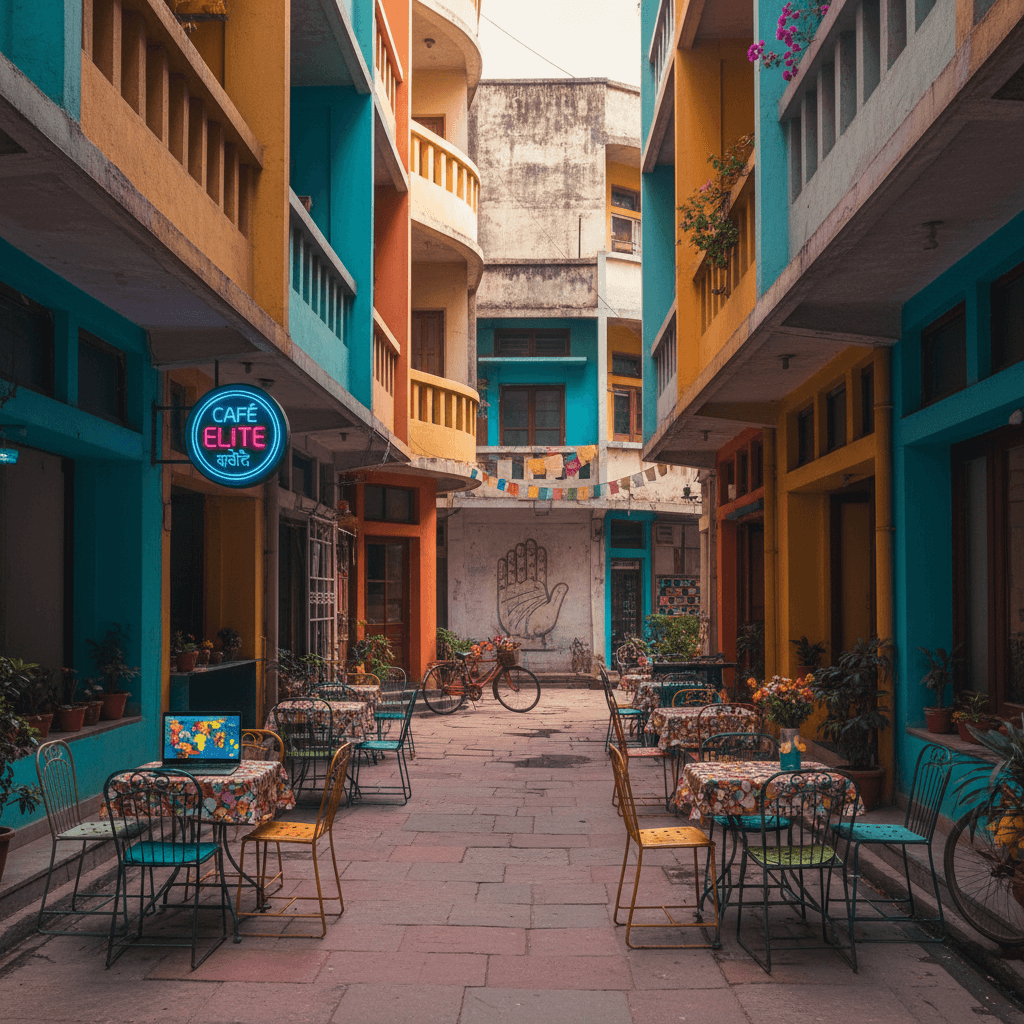
Chandigarh feels less like the chaotic urban India you might expect and more like a modernist experiment that actually worked. Designed by the French architect Le Corbusier, the city is laid out in a rigid grid of sectors, separated by wide, tree lined boulevards and massive green belts. It lacks the frantic energy of Delhi or Mumbai, replacing it with a quiet, orderly rhythm that appeals to those who need a breather from the typical intensity of the subcontinent.
The vibe here is distinctly Punjabi but filtered through a lens of 1950s utopianism. You'll spend your mornings walking through the manicured Rose Garden or watching the sunset at Sukhna Lake, where the city comes to gather. It is clean, safe, and incredibly organized. However, for a digital nomad, that peace comes with a trade off. The infrastructure for remote work is still catching up. You won't find the massive coworking hubs of Bangalore or the high speed fiber common in Goa. It is a place for the self reliant worker who values nature and space over a networking heavy social scene.
The Cost of Living
Living here is more affordable than India's major tech hubs, though it remains pricier than rural mountain towns. A comfortable monthly budget for a solo nomad sits around $1,208 (INR 100,000), but you can live well on much less if you lean into the local lifestyle.
- Housing: A studio in the central Sector 17 costs between INR 15,000 and 25,000 ($180 to $300). If you want something more upscale in the lush Sector 8 or 9, expect to pay INR 30,000 to 50,000 ($360 to $600).
- Food: You can grab a massive plate of chole bhature or a thick lassi for INR 50 to 150 ($0.60 to $1.80). A dinner at a stylish spot like Virgin Courtyard will run you about INR 900-1,300 per person.
- Connectivity: A local SIM from Jio or Airtel with unlimited data costs roughly INR 500 ($6) per month.
Where to Set Up Base
The city is divided into numbered sectors, and where you land changes your experience entirely. Most nomads gravitate toward Sector 17 because it is the heart of the city’s commercial life. It is walkable, packed with cafes, and has the most "city" feel, though it can get noisy during the day. If you prefer a quieter, more residential atmosphere with easy access to high end malls and parks, look at Sectors 8, 9, or 22. These areas are favorites for expats and families because they are exceptionally green and safe. For those on a tighter budget, Sector 35 offers cheaper housing and a more local, gritty market vibe, though it is significantly more crowded.
The Reality of Remote Work
If your job requires constant, high definition video calls, Chandigarh is generally reliable. You can expect average WiFi speeds around 40-90 Mbps, which is sufficient for most professional needs. Most nomads rely on their phone hotspots as a backup. There aren't many dedicated coworking spaces, so you'll likely find yourself working from cafes in Sector 17 like Costa Coffee. The community is small, and you won't find the organized nomad meetups common in other hubs. Instead, social life happens organically at the lake or in the bars along Sector 26.
Getting Around and Staying Safe
Chandigarh is one of the safest cities in India. You can walk through most sectors comfortably, though it's best to avoid the outer fringes and overcrowded markets like Sector 22 late at night. For transport, Uber and Ola are the gold standard here, with most trips across the city costing between INR 100 and 300 ($1.20 to $3.60). If you're feeling adventurous, the local bus system is efficient and costs pennies, while the Bounce app allows you to rent scooters for quick hops. For medical needs, the city is home to PGIMER, a top tier hospital where English is widely spoken.
When to Go
Timing is everything in Northern India. The window from October to March is perfect, with crisp air and temperatures between 20°C and 30°C (68°F to 86°F). Avoid the peak of summer in June, when the heat hits a brutal 45°C (113°F), making it nearly impossible to enjoy the city's famous outdoor spaces. The monsoon season from July to September brings heavy rains that can turn those beautiful green belts into muddy marshes, though the cooling effect is a welcome relief from the heat.
The Bottom Line
Living in Chandigarh is a study in balance. While it's more expensive than rural India or backpacker hubs like Rishikesh, it remains significantly cheaper than Bangalore or Mumbai. Most digital nomads find they can live a high quality life here for around $1,200 (INR 100,000) per month, though budget travelers can easily hack that down to $480 by sticking to local sectors and street food.
The city's grid system means your costs are often tied to which "Sector" you call home. You're paying for the order, the greenery, and the lack of chaos that defines much of urban India. It's a trade off: you might spend more on rent here than in other Tier-2 cities, but you'll save on the mental tax of navigating congested streets.
Monthly Budget Tiers
- The Budget Nomad (INR 40,000 / $480): You're likely sharing a flat in Sector 35, eating primarily at local dhabas like Pal Dhaba, and using the local bus system or your own two feet to get around.
- Mid-Range Comfort (INR 70,000 / $840): This covers a private one bedroom apartment, frequent meals at cafes like Virgin Courtyard, and relying on Uber or Ola for most trips.
- The Upscale Resident (INR 100,000+ / $1,200): You're looking at a premium apartment in Sector 8 or 9, dining at high end spots like Viridian, and perhaps maintaining a dedicated desk at a local coworking hub.
Housing and Neighborhoods
Rent is your biggest variable. Sector 17 is the heart of the action and highly walkable, but the noise and price tag reflect that. Expats often gravitate toward Sectors 8 and 9 for their quiet, tree lined streets and proximity to modern malls, while those on a tighter leash prefer Sector 35.
Sector 17 (Central Hub)
- Vibe: Walkable, commercial, and lively.
- Rent: INR 15,000 to 25,000 ($180 to $300) for a studio or small apartment.
- Pros: You're steps away from the best coffee shops and markets.
Sectors 8 & 9 (Upscale Residential)
- Vibe: Quiet, green, and affluent.
- Rent: INR 30,000 to 50,000 ($360 to $600) for modern, spacious units.
- Pros: Very safe and close to high end dining, though further from the nightlife.
Food and Drink
Chandigarh's food scene is a mix of heavy Punjabi staples and a growing third wave coffee culture. Street food is incredibly affordable; a plate of chole bhature or a thick lassi will set you back about INR 50 to 150 ($0.60 to $1.80).
If you're working from a cafe, expect to pay INR 300 to 600 ($3.60 to $7.20) for a meal and a coffee. Upscale dinner dates usually start around INR 1,200-1,500 ($14 to $18) per person. For groceries, most locals use apps like BigBasket or visit the local sector markets, which are remarkably consistent in pricing.
Connectivity and Transport
Internet isn't the city's strongest suit. While most cafes offer WiFi, speeds often hover around 40-90 Mbps. Most nomads recommend picking up a Jio or Airtel SIM card for about INR 500 ($6) a month. Using your phone as a mobile hotspot is often more reliable than relying on public connections.
Getting around is simple and cheap. Local buses cost INR 10 to 20 per ride, while an Uber across the city typically costs between INR 100 and 300 ($1.20 to $3.60). If you want more freedom, bike rental apps like Bounce offer scooters for roughly INR 50 ($0.60) per hour, which is perfect for exploring the city's wide, paved boulevards.
For Nomads and Solo Travelers: Sector 17
If you want to be where the action is, Sector 17 is your best bet. It is the city's central heart, designed as a massive pedestrian zone filled with shops, fountains, and a steady stream of people. Unlike the quieter residential blocks, this area feels alive and walkable, which is a massive plus if you are trying to avoid the constant hum of traffic.
Most nomads gravitate here for the cafe culture. You will find familiar spots like Costa Coffee and local favorites like Pal Dhaba for a proper Punjabi meal. While the rent is higher here, ranging from INR 20,000 to 25,000 for a decent studio, the proximity to everything saves you on transport costs. The downside is the noise, as it is a major commercial hub, and while internet speeds in local cafes have improved significantly to support remote work, it is still wise to keep your Jio or Airtel hotspot handy for those video calls.
For Expats and Long-Termers: Sectors 8 and 9
These sectors represent the upscale, leafy side of Le Corbusier's vision. If you have a higher budget and prefer wide, quiet streets lined with trees, this is where you should look. It is a favorite for expats who want a modern lifestyle that feels more like a European suburb than a typical Indian city. You are close to high-end dining like Virgin Courtyard and the trendy boutiques of the inner markets.
- Rent: Expect to pay between INR 30,000 and 50,000 for a premium 1BR or 2BR apartment.
- Atmosphere: Very safe, extremely green, and perfect for morning jogs or evening strolls.
- Amenities: Easy access to Sukhna Lake for weekend downtime and the best private gyms in the city.
While these areas are tranquil, they are a bit removed from the nightlife. You will likely rely on Uber or Ola to get to the bars in Sector 26, with rides usually costing between INR 150 and 300.
For Families: Sector 22
Sector 22 is one of the most established residential areas in Chandigarh. It strikes a balance between convenience and community. It is home to some of the city's best schools and is within easy reach of top-tier healthcare facilities like PGIMER and Fortis. Families often choose this area because it feels like a self-contained village with its own parks and bustling markets.
The local markets here are legendary for daily shopping, though they can get a bit crowded after dark. It is a very safe environment for kids, with plenty of open spaces. You will find a mix of older government housing and newer private rentals, making it easier to find a larger home for a family than in the more commercial sectors.
For Budget Travelers: Sector 35
If you are watching your wallet, Sector 35 is the place to be. It is a student-heavy area with a younger, more energetic vibe. This translates to some of the best cheap eats in the city, with street food stalls selling chole bhature and lassi for as little as INR 50 to 150. It is also a great spot for nightlife, with several local bars and pubs that don't charge the premium prices you find in Sector 8.
- Rent: You can find modest rooms or shared apartments for INR 15,000 or less.
- Transport: Well-connected by the local bus network, with fares starting at INR 10.
- Vibe: Crowded and a bit more chaotic than the northern sectors, but very social.
Travelers on a budget often find that Sector 35 offers the most authentic local experience. While it is less walkable than the central hub, the sheer density of markets means you never have to go far for what you need.
Connectivity Realities
Chandigarh is a bit of a paradox for the remote worker. While the city's infrastructure is some of the best in India, the internet speeds haven't quite caught up to the tech hubs like Bangalore. You can expect average WiFi speeds around 90 Mbps. This works fine for Slack, emails, and light browsing, but you might struggle during high definition video calls or when uploading large files.
Most nomads here skip the hotel WiFi and rely on mobile hotspots. Grab a Jio or Airtel SIM card as soon as you land. For about INR 500 a month, you get nearly unlimited data that is often more stable than the fiber lines in local guesthouses. It's the standard workaround for staying productive while enjoying the city's slower pace.
Coworking Spaces and Cafe Culture
You won't find the massive coworking chains like WeWork or Indaqube here yet. The scene is much more localized and intimate. If you need a dedicated desk, expect to pay between INR 500 and INR 2,500 for a day pass. Most of these hubs are tucked away in Sector 17, the city's central business district. While they provide the basics like ergonomic chairs and backup power, they lack the high energy networking events found in Southern India.
The real work happens in the cafes. Sector 17 is the go to spot for laptop users. Costa Coffee is a reliable standby where the staff won't hover if you stay for a few hours. For a more local vibe, nomads head to the cafes in Sector 8 and 9. These areas are greener and quieter, making them perfect for deep work sessions. Just keep in mind that power outlets can be a gamble, so show up with a full charge.
The Digital Nomad Lifestyle
Working from Chandigarh feels different than working from a typical Indian metro. The grid layout means you aren't fighting traffic for hours to get to a desk. You can spend your morning answering emails by Sukhna Lake and be at a cafe in Sector 35 in ten minutes. However, the nomad community is small. You won't find weekly meetups or digital nomad "villages" here. Instead, social life revolves around meeting people at the lake or joining expat groups on Facebook and InterNations.
Budgeting for Your Stay
Living and working here is relatively affordable compared to global standards, though it's pricier than the surrounding rural towns. A comfortable monthly budget sits around $1,208 (INR 100,000). Here is how that typically breaks down for a nomad:
- Daily Coworking Pass: INR 500 to 2,500 ($6 to $30)
- Monthly SIM Card/Data: INR 500 ($6)
- Mid-range Studio Rent: INR 15,000 to 25,000 ($180 to $300)
- Cafe Coffee/Lunch: INR 300 to 600 ($3.60 to $7.20)
- Short Uber/Ola Trip: INR 100 to 300 ($1.20 to $3.60)
Practical Workflow Tips
The best time to visit for work is between October and March. The weather is crisp and pleasant, which is vital because many cafes have outdoor seating that becomes unusable during the 45°C (113°F) heat of June or the heavy rains in August. If you're planning to stay long term, look for apartments in Sector 8 or 9. They are upscale and offer the quietest environments for those who take calls from home. For those on a tighter budget, Sector 35 has cheaper eats and more affordable guesthouses, though it's significantly more crowded and noisy.
A High Standard of Safety
Chandigarh is widely considered one of the safest urban environments in India. Because it was built on a strict grid system with wide, well lit boulevards, it lacks the chaotic, cramped alleyways that can make other Indian metros feel overwhelming at night. Most nomads feel comfortable walking through central areas like Sector 17 or the residential lanes of Sector 8 well after sunset.
While violent crime is rare, you should still keep your wits about you in crowded transit hubs. The local police are known for being more disciplined and approachable than in other regions, which adds to the city's orderly reputation. If you're out late, stick to the main sectors. It's best to avoid the outer fringes of the city or the more congested markets in Sector 22 after the shops close, as these areas can get deserted and poorly lit.
For solo travelers, the general vibe is respectful. You won't deal with the same level of persistent touting found in Delhi or Jaipur. If you ever find yourself in a pinch, the emergency number for police is 100, and the response times within the city limits are generally quick.
Healthcare and Medical Facilities
One of the biggest perks of basing yourself in Chandigarh is the access to top tier medical care. The city serves as a healthcare hub for the entire northern region of India. You'll find that most doctors speak fluent English and many have trained abroad, making it easy to communicate your symptoms without a translator.
If you need serious medical attention, PGIMER (Postgraduate Institute of Medical Education and Research) is a prestigious institution known for high quality care, though it can be very crowded. For a more "concierge" experience that nomads often prefer, private hospitals like Fortis offer modern facilities, private rooms, and streamlined service that feels more like a Western hospital. You can expect to pay around INR 800 to 1,500 for a standard consultation at a private clinic.
Pharmacies are located on almost every corner, particularly in the shopping blocks of each sector. Apollo Pharmacy in Sector 17 is a reliable spot for picking up prescriptions or basic first aid supplies. Most common medications are available over the counter, but it's always smart to have your prescription handy for anything specialized.
Health Tips for Your Stay
- Water Safety: Never drink the tap water. Stick to filtered water provided by your Airbnb (usually an RO system) or buy branded bottled water.
- Air Quality: While much greener than Delhi, the air can get hazy during the crop burning season in late autumn. If you have asthma, keep an eye on the AQI levels during October and November.
- Emergency Contacts: Dial 108 for an ambulance. For minor issues, apps like Practo are great for booking a quick appointment with a local GP or specialist.
- Vaccinations: Ensure you're up to date on Hepatitis A and Typhoid, as foodborne illnesses are the most common health hurdle for visitors.
Overall, the combination of a low crime rate and world class hospitals makes Chandigarh one of the most "soft landing" cities in India for digital nomads. You get the benefits of Indian culture without the high stress safety concerns often associated with the larger megacities.
The Grid and the Green
Chandigarh is a rare breed in India. It was built on a grid designed by Le Corbusier, which means you won't find the chaotic, winding alleys typical of Delhi or Mumbai. The city is divided into numbered sectors, and the wide, tree lined boulevards make it one of the most organized places to get around in the country. It's a breath of fresh air for nomads who are used to the sensory overload of other Indian metros.
Ride Hailing and Apps
For most of your daily hops, Uber and Ola are the gold standard. They're reliable, widely available, and save you the hassle of haggling over prices. A typical trip across a few sectors will usually set you back between INR 100 and INR 300. If you're in a hurry and traveling solo, both apps offer bike taxi options which are significantly cheaper and faster for cutting through peak hour traffic.
For a more local experience, auto rickshaws are everywhere. While they don't always use the meter, they're great for short distances between markets. Just be sure to agree on the price before you hop in. Most nomads find that having these apps installed is the easiest way to manage a budget while staying mobile.
Public Transit and Two Wheelers
The local bus network is surprisingly efficient and very affordable. Rides generally cost between INR 10 and INR 20, making it the best choice if you're keeping a tight lid on your expenses. The buses connect the major hubs like the Sector 17 market and the various residential blocks quite well.
If you prefer to be in the driver's seat, look into scooter rentals. Apps like Bounce allow you to pick up a scooter for around INR 50 per hour. It's a fantastic way to explore the outskirts or head over to Sukhna Lake without waiting for a ride. Just keep in mind that traffic rules are strictly enforced here compared to the rest of India; always wear a helmet and stick to the speed limits.
Walkability
Chandigarh is one of the few Indian cities where walking is actually a pleasant way to get around. The sectors were designed to be self contained, meaning you'll often find grocery stores, pharmacies, and small cafes within a 10 to 15 minute walk of your apartment. Sector 17, the city's central heart, is largely pedestrianized and perfect for a slow afternoon of window shopping and cafe hopping.
Airport and Long Distance
When you first land at Chandigarh International Airport (IXC), the simplest way to reach the city center is via a prepaid taxi. You'll find the booth inside the arrivals hall. Expect to pay between INR 600 and INR 1,000 for the 30 minute drive into the main sectors. It's a fixed price, so you don't have to worry about being overcharged as a newcomer.
If you're planning a weekend escape to the mountains, the city is a major transit hub. You can catch a bus to Shimla from the Sector 43 Inter State Bus Terminus. The trip takes about 3 hours and is a favorite getaway for nomads looking to trade the city heat for Himalayan air. For those heading back toward Delhi, the Shatabdi Express train is the most comfortable and reliable way to travel, with several departures daily.
Transport Quick Guide
- Uber/Ola Trip: INR 100 to INR 300
- Local Bus Fare: INR 10 to INR 20
- Scooter Rental (Bounce): INR 50 per hour
- Prepaid Airport Taxi: INR 600 to INR 1,000
- Key Apps: Uber, Ola, Google Maps, Bounce
The Linguistic Landscape
You'll find that getting by in Chandigarh is significantly easier than in many other Indian hubs. Because it's a planned administrative capital, English proficiency is high among the locals you'll interact with most. Shopkeepers in Sector 17, doctors at PGIMER, and staff at upscale spots like Virgin Courtyard speak fluent English. It's the primary language for business and official signage, so you won't feel lost while wandering the grid system.
The city's soul, however, speaks Punjabi and Hindi. While English gets the work done, Punjabi is what you'll hear in the lively markets and local dhabas. Most nomads find that locals are incredibly warm and appreciate even a clumsy attempt at a greeting. It's a city where a little effort goes a long way in building rapport with your neighborhood grocer or your favorite auto-rickshaw driver.
Key Phrases for Your Pocket
While you can survive on English alone, tossing out a few local words changes the vibe of your interactions. Use these to break the ice or negotiate a better price at the Sector 22 markets:
- Sat Sri Akal: The standard Punjabi greeting. It's respectful and will almost always earn you a wide smile.
- Namaste: The universal Hindi greeting, perfectly acceptable everywhere.
- Kitna rupaya?: How much? Use this when the price isn't listed.
- Dhanyavaad: Thank you in Hindi.
- Shukriya: Another way to say thanks, very common in the north.
- Theek hai: Okay or alright. You'll hear this constantly; it's the ultimate filler word.
Digital Communication and Apps
Communication isn't just about what you say, but how you stay connected. Most nomads recommend grabbing a Jio or Airtel SIM card immediately. You can pick one up at the IXC airport for around 500 INR. You'll need your passport and a couple of photos. Since the average home and cafe WiFi often hovers around 40-90 Mbps, having a reliable 4G or 5G mobile hotspot is the best way to ensure your Zoom calls don't drop.
For daily logistics, WhatsApp is the undisputed king. You'll use it for everything from chatting with your landlord to ordering water delivery. For language barriers in more traditional areas, Google Translate handles Hindi and Punjabi voice-to-text surprisingly well. It's also handy for reading menus in smaller, local eateries where English translations might be missing.
Social Etiquette and Customs
Chandigarh has a polished, modern feel, but traditional customs still carry weight. When you're invited into a local home or entering a temple, always remove your shoes. It's a small gesture that shows deep respect. If you're eating with your hands at a place like Pal Dhaba, try to use your right hand, as the left is traditionally considered less clean.
Expats often mention that the city feels more reserved than Mumbai or Goa. People value their space and the city's quiet order. However, the cafe culture in Sector 17 is slowly changing this, making it easier to strike up a conversation with fellow remote workers over a coffee at Costa. While the nomad community isn't as dense as Bangalore's, the people here are generally more approachable once the initial introductions are out of the way.
The Sweet Spot: October to March
If you want to experience the "City Beautiful" at its peak, aim for the window between October and March. During these months, the subtropical climate settles into a comfortable range of 20°C to 30°C (68°F to 86°F). The air is dry, the sky is usually a crisp blue, and the city’s famous green belts are in full bloom. This is the prime time for working from the outdoor patios in Sector 17 or taking sunset walks around Sukhna Lake without breaking a sweat.
Expats and nomads generally prefer the shoulder months of October and November. The evenings get cool enough for a light jacket, but it’s not yet the bone-chilling damp cold that can sometimes settle over the plains in late December. If you’re here in January, expect lows around 7°C (45°F). Most local apartments don’t have central heating, so you’ll want to ensure your Airbnb host provides a space heater or "blower" to keep your workspace cozy.
The Summer Scorcher: April to June
Brace yourself if you plan to stay through the pre-monsoon summer. From April to June, temperatures frequently rocket up to 45°C (113°F). The heat is intense and dry, making midday travel almost impossible. Most nomads find this the worst time for productivity; unless you’re tucked away in a heavily air-conditioned cafe like Costa Coffee or a high-end coworking space, the heat can be draining.
Travelers often use this period to escape to the Himalayas. Since Chandigarh is the gateway to the mountains, a three-hour bus ride to Shimla or a quick trip to Kasauli offers a much-needed reprieve from the 38°C (100°F) averages seen in April. If you stay in the city, plan your errands for before 10:00 AM or after 7:00 PM.
Monsoon Season: July to September
The rains arrive in July, bringing a dramatic shift. While the city looks stunningly lush and the dust finally settles, the humidity levels spike. You can expect heavy downpours for 20 or more days a month during the peak of the monsoon. While it’s cooler than June, with highs around 32°C (90°F), the moisture can make the air feel heavy and stagnant.
Digital nomads should be wary of power fluctuations during heavy storms. While the grid in Chandigarh is better than in many Indian cities, it’s smart to have a Jio or Airtel mobile hotspot ready as a backup. The "rainy season vibe" is great for hunkering down and getting deep work done, provided you don't mind the occasional damp commute via Uber.
Climate by the Numbers
- Peak Season (Oct to Mar): Best for outdoor living. Highs of 20°C to 30°C, very low rainfall, and clear skies.
- The Heat (Apr to Jun): Intense dry heat. Highs of 38°C to 45°C. Expect high electricity bills for AC and limited daytime mobility.
- The Rains (Jul to Sep): High humidity and heavy showers. Highs of 32°C. Great for nature lovers, but check your tech for moisture protection.
Most long-term travelers recommend skipping June entirely. It is the peak of the heatwave and generally the least pleasant time to be in the city. If you’re looking for that perfect balance of crisp morning air and productive afternoons, November is the gold standard for a Chandigarh stay.
The Nomad Setup: Cost and Connectivity
Living in Chandigarh is a study in balance. You get a much higher quality of life for your money than in Mumbai, but the tech infrastructure isn't as polished as Bangalore. A comfortable monthly budget for a nomad sits around $1,208 (INR 100,000). This covers a private apartment, frequent cafe visits, and plenty of Uber rides. If you are watching your wallet, you can get by on $480 (INR 40,000) by sticking to local markets and shared housing.
The internet situation requires a bit of strategy. Average speeds hover around 40-90 Mbps, which is reliable for heavy video calls and remote work. Most experienced travelers here skip the hotel WiFi and rely on a mobile hotspot. Grab a Jio or Airtel SIM at the airport for about INR 500. It gives you unlimited data and usually provides a more stable connection than local guesthouses.
Coworking spaces aren't on every corner yet. You won't find the massive international chains here, but local hubs in Sector 17 offer daily desks between INR 500 and 2,500. Many nomads prefer the cafe culture; Costa Coffee in the city center is a popular fallback, though the "work-from-anywhere" vibe is still catching on with the locals.
Where to Plant Your Roots
Chandigarh is designed on a grid, so choosing the right sector defines your entire experience. Each area has a distinct personality and price point.
Sector 17 (The Central Hub)
- Best for: Solo travelers and those who want to be in the heart of the action.
- Rent: INR 15,000 to 25,000 ($180 to 300) for a studio.
- The Vibe: It is walkable, packed with shops, and has the most consistent energy. It can get noisy, so pick a spot a few blocks off the main plaza.
Sector 8 and 9 (Upscale Living)
- Best for: Expats and anyone looking for quiet, leafy streets.
- Rent: INR 30,000 to 50,000 ($360 to 600) for modern apartments.
- The Vibe: Very safe and polished. You are close to high end dining like Virgin Courtyard, but you will need an Uber to get to the nightlife spots.
Sector 35 (Budget Friendly)
- Best for: Long term stays on a tight budget.
- Rent: Often under INR 15,000 ($180).
- The Vibe: It is crowded and local. You will find the best cheap eats here, though it lacks the manicured feel of the northern sectors.
Navigation and Safety
Getting around is surprisingly stress free. The city was built for cars and wide paths, making it one of the few places in India where walking is actually pleasant. For longer distances, Uber and Ola are the standard, with most trips across the city costing between INR 100 and 300. If you want more freedom, use the Bounce app to rent a scooter for about INR 50 an hour.
Safety is one of Chandigarh's biggest selling points. It consistently ranks as one of the safest cities in the country. You should still use common sense and avoid the crowded markets in Sector 22 after late night hours, but generally, solo travelers feel very comfortable here. If you need medical help, PGIMER and Fortis are top tier hospitals with English speaking staff. For quick needs, Apollo Pharmacy in Sector 17 is open late and well stocked.
Timing and Weather
The weather dictates the social calendar here. Aim for October to March, when the air is crisp and temperatures stay between 20 and 30°C. This is prime time for picnics at Sukhna Lake. Avoid June at all costs; the heat can spike to 45°C (113°F), making it impossible to do anything but sit under an air conditioner. The monsoon season from July to September brings heavy rain that can disrupt travel plans, though the city looks incredibly green during this time.
Local Etiquette and Tips
- Greetings: While "Namaste" works everywhere, using the Punjabi "Sat Sri Akal" earns immediate respect from locals.
- Payments: Digital payments are king. Set up Paytm or PhonePe as soon as you have a local number; even the smallest street food stalls prefer it over cash.
- Dining: For a legendary Punjabi meal, head to Pal Dhaba. For something more refined, Nek Chand in Sector 8 is a nomad favorite.
- Socializing: The nightlife is mellow. Most social connections happen in cafes or through Facebook and InterNations groups, as there aren't many formal nomad meetups yet.
Need visa and immigration info for India?
🇮🇳 View India Country GuideHidden Gem
Worth the effort