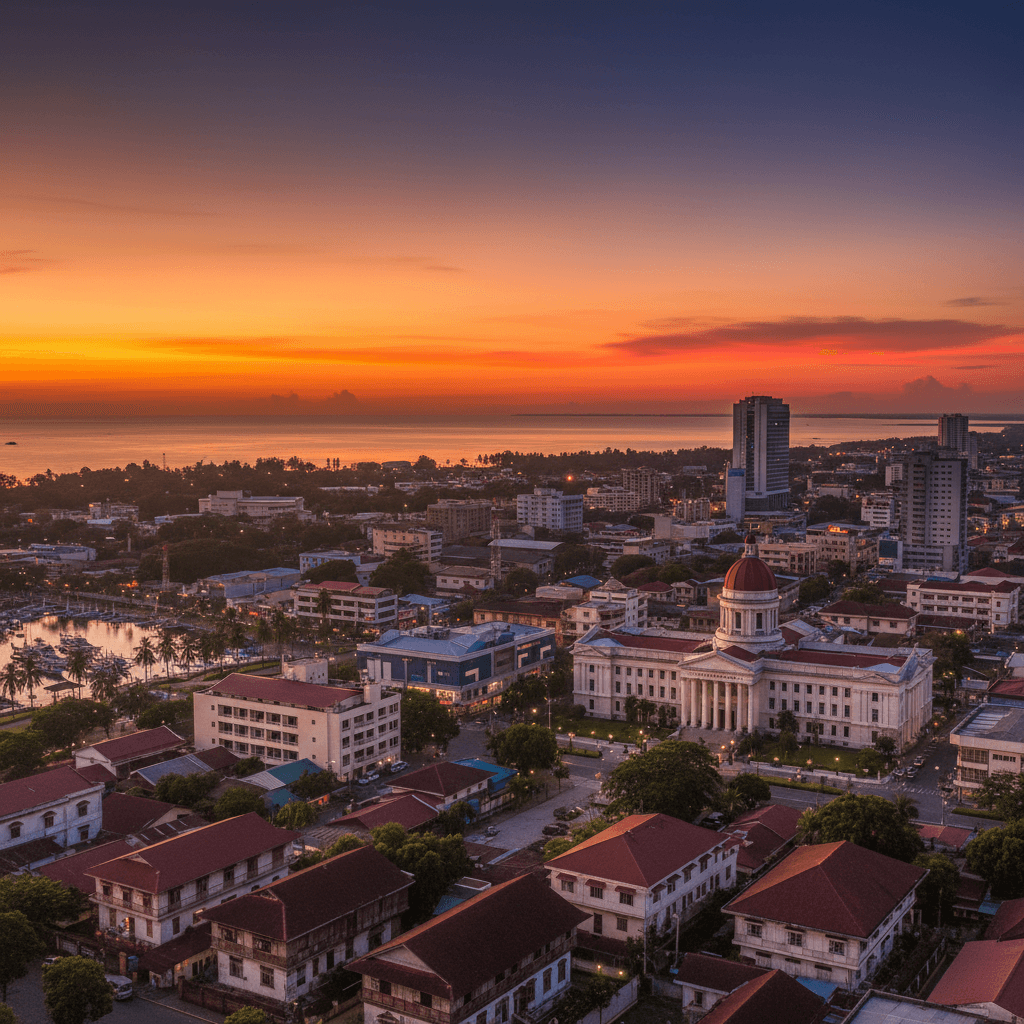
Bacolod
🇵🇭 Philippines
The Sugar Capital Soul
Bacolod doesn't try to impress you with high rises or a frantic pace. Instead, it wins you over with a genuine, slow burn sweetness that matches its reputation as the Sugar Capital. While Manila feels like a sprint and Cebu a marathon, Bacolod feels like a long, lazy Sunday lunch. It is a city defined by the Ilonggo concept of "lambing," a certain affectionate gentleness in the way people speak and carry themselves. You'll feel it the moment you step off the plane; the air is a bit softer, and the smiles are famously wide.
For nomads, the vibe is experimental and unpretentious. It is not a polished digital nomad hub with a co-working space on every corner, but that is exactly why people are starting to flock here. You get to experience an authentic Philippine city that hasn't been sanitized for tourists. It is affordable, the food is arguably the best in the archipelago, and the community is tightly knit. You aren't just an anonymous face with a laptop; you're a guest in a city that takes pride in its hospitality.
The Daily Rhythm
Life here revolves around the table. Your morning likely starts with a piece of piaya (muscovado-filled flatbread) and a coffee at a local cafe on Lacson Street, the city’s main artery. By midday, the humidity kicks in, and you'll find locals retreating to air-conditioned malls or shaded heritage houses. The city hits its peak energy in October during the MassKara Festival, when the streets explode with neon masks and rhythmic dancing, but for the rest of the year, it is blissfully quiet.
Expats and long-stay travelers tend to congregate around the City Center or the quieter outskirts near Silay. The infrastructure is catching up, but it still requires some patience. You'll need to be comfortable with the occasional "brownout" or a dip in internet speeds, making a backup Smart or Globe SIM card a mandatory part of your kit. Most nomads find that the trade-off, a significantly lower cost of living and a higher quality of life, is well worth the occasional technical hiccup.
Living Costs & Neighborhoods
Bacolod is remarkably kind to your wallet. You can live a comfortable, mid-range lifestyle here for $700 to $1,200 USD per month, which would barely cover rent in many Western cities. Most of your budget will go toward eating out, simply because the food scene is too good to ignore.
City Center (Lacson Street Area)
- Best for: First-timers and those who want to be near the action.
- Rent: 15,000 to 25,000 pesos for a decent apartment or condo.
- Pros: Walkable to Calea for cake and Manokan Country for the legendary chicken inasal. Easy to hail a Grab or a jeepney.
- Cons: Can get noisy with traffic and festival crowds.
Silay & Outskirts
- Best for: Budget-conscious travelers and heritage lovers.
- Rent: 10,000 to 15,000 pesos for simpler local housing.
- Pros: Close to the airport and beautiful ancestral homes; very quiet and peaceful.
- Cons: Requires a scooter or frequent Grab rides to get into the city for social events.
The Practical Reality
Safety is rarely a concern in the central districts. You can walk around Lacson Street at night with basic common sense. Healthcare is solid for routine issues, with several provincial hospitals located near the center, though you'll want to head to Manila for anything specialized. For getting around, Grab is your best friend, typically costing between 250 and 500 pesos for an airport run, while local jeepneys are a steal at 10 to 20 pesos per ride.
The new Digital Nomad Visa introduced in 2025 has made staying here long-term much easier. If you can show proof of remote income and insurance, you can secure a one-year stay through the evisa.gov.ph portal. It is a game changer for those who want to move beyond the typical 30-day tourist stint and actually embed themselves in the local culture. Bacolod isn't just a place to work; it's a place to breathe, eat exceptionally well, and remember that life doesn't always have to be lived at full throttle.
The Bottom Line
Bacolod is one of the most wallet-friendly hubs in the Philippines, especially when compared to the skyrocketing prices in Manila or the tourist premium of Cebu. Most budget-conscious nomads can get by comfortably on ₱20,000 to ₱40,000 ($350 to $700 USD) per month. If you want a modern condo and frequent dinners at nicer spots, you'll likely land in the ₱40,000 to ₱70,000 ($700 to $1,200 USD) range.
The city's sugar heritage means life moves a bit slower here, and the costs reflect that provincial pace. You aren't paying for "nomad infrastructure" because it doesn't really exist yet; you're paying local prices for a local lifestyle.
Monthly Budget Breakdown
- Housing: A basic studio on the city outskirts starts around ₱10,000 to ₱15,000. For something central near Lacson Street, expect ₱15,000 to ₱25,000. Modern condos with amenities are available but rarer, usually topping out over ₱25,000.
- Food: This is where Bacolod shines. A famous chicken inasal meal at Manokan Country costs between ₱50 and ₱100. Mid-range cafes like Calea or 21 Restaurant will run you ₱200 to ₱500 per person. Most travelers find a daily food budget of ₱300 to ₱600 is plenty.
- Transportation: Jeepneys are the cheapest way to get around at ₱10 to ₱20 per ride. Grab is reliable and affordable; a ride from the Bacolod-Silay Airport to the city center usually costs between ₱250 and ₱500 ($5 to $10 USD).
- Connectivity: Since dedicated coworking spaces are sparse, most work happens in cafes. Budget ₱200 to ₱300 per day for coffee and a seat. A solid mobile data plan from Globe or Smart costs roughly ₱1,000 to ₱2,000 per month for heavy usage.
Where to Stay
City Center (Lacson Street Area)
This is the heart of the action. It's the most walkable part of town and puts you within reach of the best food and transport links.
- Pros: Best access to Grab, restaurants, and shopping.
- Cons: Can be noisy and prone to traffic during peak hours.
Negros Museum & Provincial Areas
A bit more refined and quieter than the main drag, this area is popular with long-term expats and families.
- Pros: Cultural atmosphere, lower rents, and a more "neighborhood" feel.
- Cons: Fewer nightlife options and a bit further from the main transport hubs.
The Outskirts (Towards Silay)
Ideal for those who want to be near the famous bakeries or the airport, though you'll feel the distance from the city.
- Pros: Very affordable and close to nature and heritage sites.
- Cons: Poor walkability; you'll likely need to rent a scooter for ₱300 to ₱500 per day.
Practical Spending Tips
Cash is still king in many local markets, but apps like GCash and Maya are widely accepted in malls and established restaurants. Most expats recommend keeping a dual-SIM phone with both Globe and Smart. Since internet can be spotty, having two networks ensures you're never fully offline when a deadline hits.
If you're planning a longer stay, look into the new Digital Nomad Visa. It allows for a one-year stay provided you have proof of remote income and health insurance. You can apply through the official government portal, evisa.gov.ph, which simplifies the old "visa run" routine many used to follow.
Finally, time your visit wisely. Prices for accommodation can double or triple during the MassKara Festival in October. If you aren't here for the party, aim for the dry months between December and March to get the best value and the best weather.
For Nomads and Solo Travelers: The City Center (Lacson Street)
If you're landing in Bacolod for a few weeks of remote work, you'll want to stay as close to Lacson Street as possible. This is the city's main artery, where the relaxed pace of Negros meets a bit of urban energy. It's the most walkable part of town, packed with the cafes and eateries that make this city famous.
Most nomads aim for the area around L'Fisher Hotel or newer condo developments nearby. You'll be within a short walk of Calea, a legendary cake shop where the WiFi is decent enough for emails, and several "cartel-style" coffee shops that serve as makeshift coworking spaces. While dedicated coworking hubs are still sparse compared to Cebu, the cafe culture here is welcoming to laptop users.
- Rent: Expect to pay ₱15,000 to ₱25,000 for a decent studio or one-bedroom condo in this central strip.
- Vibe: Social and convenient. You're near Manokan Country for your chicken inasal fix and the Negros Museum for a quick afternoon break.
- The Trade-off: It's the busiest part of the city. You'll deal with more traffic noise and higher prices for Western-style amenities, but the ease of using Grab for ₱100 to ₱200 per ride makes it worth the premium.
For Long-term Expats: Negros Museum and Provincial Areas
Expats who have settled into the "Sugarlandia" lifestyle often migrate toward the quieter pockets near the Provincial Capitol and the Negros Museum. This area feels more residential and established, offering a bit more shade and a slower rhythm than the commercial center. It's perfect if you want to be close to the action without living right on top of it.
Living here gives you a front-row seat to the MassKara Festival in October, as many of the parades pass through the nearby plaza. You'll find older, more spacious houses for rent here, often through local Facebook groups rather than Airbnb. It's a community-centric neighborhood where people actually know their neighbors.
- Rent: Prices are slightly lower, ranging from ₱12,000 to ₱20,000 for older apartments or small houses.
- Vibe: Cultural and calm. It’s where the city's heritage is most visible, with easy access to local markets and quieter side streets.
- The Trade-off: Nightlife is minimal here. If you want to grab a drink or meet other travelers, you'll likely need to head back toward Lacson Street.
For Budget Travelers: The Outskirts and Silay Border
If your priority is stretching your budget while soaking up local culture, look toward the northern outskirts, moving toward Silay City. This is where you'll find the best deals on long-term stays. You aren't in the middle of the city, but you're closer to the Pala-Pala Market, where the seafood is fresh and incredibly cheap.
Budget travelers often stay in guesthouses or smaller local apartments. You'll rely heavily on jeepneys, which cost only ₱10 to ₱20 per ride, to get into the city center. It’s a great spot if you plan on doing frequent day trips to the heritage houses in Silay or heading out to the nature trails on the weekends.
- Rent: You can find basic units for ₱10,000 or less if you're willing to live like a local.
- Vibe: Authentic and provincial. You'll be surrounded by bakeries like El Ideal Bakery and local markets.
- The Trade-off: Internet reliability can be a major headache here. Most experienced nomads in these areas suggest using a Globe or Smart prepaid SIM with a ₱1,000 monthly data plan as a backup because the landline WiFi frequently cuts out.
For Families: Subdivisions and Gated Communities
Families usually skip the city center entirely in favor of the gated subdivisions on the eastern side of the city. These areas offer more security, playgrounds, and a sense of suburban quiet that's hard to find in the dense downtown core. These neighborhoods are close to larger supermarkets and private schools, making daily logistics much easier.
- Rent: Modern houses in these communities typically start at ₱25,000 and go up based on amenities.
- Vibe: Secure and family-friendly. It’s the best option if you have kids and want a yard or a community pool.
- The Trade-off: You are effectively tethered to a vehicle or Grab. Walkability is zero, and you'll spend a fair amount of time in traffic if you need to go to the city center during peak hours.
Connectivity Realities
Bacolod isn't Cebu or Manila, and your workflow needs to reflect that. While the city is modernizing, internet reliability can vary depending on your location. You'll find fiber connections in newer condos and hotels that offer high-speed performance, though the province-wide infrastructure is still prone to sudden dips. Many nomads find the local Wi-Fi inconsistent enough that they rely almost exclusively on mobile data backups, which typically clock in between 10 and 50 Mbps.
The smartest move is to set up a dual-SIM system immediately. Grab both Globe and Smart prepaid SIMs at the airport or a mall like SM City Bacolod. If one network throttles or drops, the other usually holds steady. Look for monthly unlimited data promos on apps like GCash or Maya, which typically run between ₱1,000 and ₱2,000. When the cafe Wi-Fi gets "crappy," most experienced remote workers just switch to a phone hotspot and keep moving.
The Coworking Scene
Bacolod lacks the massive, dedicated coworking hubs you'll find in Makati or IT Park. Instead, the "office" culture here is built around cafes and hotel lobbies, particularly along Lacson Street. You can expect to spend about ₱200 to ₱300 per day on coffee and snacks to secure a seat for a few hours. While a few small shared offices exist, they often cater more to local BPO startups than international nomads.
- Lacson Street Cafes: This is the city's main artery. You'll find plenty of air-conditioned spots with decent table space. It's the most reliable area for finding a corner to tuck into for an afternoon.
- Hotel Lobbies: Larger hotels near the city center often have quiet lounge areas. They're usually happy to let you work if you're ordering from the bar or restaurant.
- Malls: SM City and Robinsons Place have pockets of connectivity, but they get loud. Save these for tasks that don't require deep focus or video calls.
Digital Nomad Logistics
If you're planning a longer stay, the 2025 Digital Nomad Visa is a game changer. It allows for a one-year stay provided you can show proof of remote income and health insurance. You can apply through the evisa.gov.ph portal. For most, however, the standard tourist visa remains the easiest path for a two or three-month stint.
For payments and subscriptions, GCash is the local king. You'll see QR codes for it everywhere from high-end boutiques to small stalls. It's much easier than carrying stacks of ₱1,000 bills, which smaller shops often struggle to change. Most nomads use it to pay for Grab rides and food deliveries, keeping their physical cash for jeepney fares and market trips.
Practical Work Style
Bacolod operates at a slower pace. Don't expect blazing fast service or 24/7 tech support if your router goes down. The local culture is focused on family and food, so the "hustle" vibe is noticeably absent. This makes it a great spot for "deep work" phases where you don't need constant external stimulation. If you have a high-stakes Zoom call, always test your connection thirty minutes early and have your Smart or Globe hotspot standing by as a fail-safe.
Most travelers find that the best way to stay productive is to work early in the morning before the tropical heat and the afternoon MassKara-style energy pick up. By the time the cafes get crowded in the late afternoon, you'll be ready to close the laptop and head out for some chicken inasal.
A Safe Haven in the Sugar Capital
Bacolod is widely considered one of the friendliest cities in the Philippines. It earns its nickname, the City of Smiles, through a genuine local warmth that makes solo travelers and nomads feel welcome almost immediately. Unlike the high-pressure environment of Manila, the pace here is slow, and the crime rate is relatively low. You can comfortably walk around the Laxon Street area or the city center during the day without worry.
Most nomads find the city safe for evening strolls, especially in well-lit areas near major food hubs and hotels. However, use common sense once you head toward the unlit outskirts or less developed provincial areas. Stick to Grab for late-night transport rather than trying to hail a jeepney in unfamiliar territory. It's affordable, tracked via the app, and significantly safer for those new to the city.
Healthcare Standards and Facilities
For a provincial capital, Bacolod has a solid healthcare infrastructure that can handle most routine medical needs and emergencies. The city is home to several reputable private and public hospitals, mostly concentrated near the center. Expats generally prefer private facilities for faster service and more modern equipment.
- Bacolod Adventist Medical Center: A top choice for many expats, known for professional staff and clean facilities.
- The Doctors' Hospital: Centrally located and capable of handling various specialties.
- Riverside Medical Center: Another reliable option with a long-standing reputation in the region.
Pharmacies are everywhere. You'll find a Mercury Drug or Watsons on almost every major corner, and they are well-stocked with international brands. For specialized surgeries or complex long-term treatments, travelers often head to Manila, but for day-to-day health concerns, you're in good hands here.
Emergency Contacts and Practicalities
If you find yourself in a pinch, the national emergency number is 911. It's a good idea to keep your insurance details handy, as private hospitals usually require proof of coverage or a deposit for admission. If you're applying for the new Digital Nomad Visa, having valid health insurance is a mandatory requirement anyway, so make sure your policy covers medical evacuation just in case.
Water safety is a standard concern in the Philippines. Don't drink the tap water. Most locals and long-term residents rely on purified water delivery services or five-gallon jugs. You'll see these blue containers everywhere; they usually cost around ₱35 to ₱50 for a refill. Restaurants use purified ice, so your iced coffee at Calea is perfectly fine.
Staying Healthy on the Go
The biggest health "risk" in Bacolod is often the heat. Between April and June, temperatures frequently hit 34°C with high humidity. Dehydration and heat exhaustion can sneak up on you if you're out exploring heritage sites like the Negros Museum all afternoon. Carry water, wear sunscreen, and plan your outdoor walks for the early morning or after 4:00 PM.
Regarding local regulations, Bacolod follows standard national health protocols. While the strict mandates of previous years have eased, it's smart to keep a digital copy of your vaccination records on your phone. Most establishments no longer require them, but some government buildings or specific clinics might still ask for a quick look.
Getting Around the Sugar Capital
Bacolod is a city that moves at its own speed. It lacks the frantic, bumper to bumper gridlock of Manila, but it still has enough urban energy to keep you on your toes. For most digital nomads and travelers, the city center around Lacson Street is the home base because it is the only area where walking is actually a viable option between cafes and restaurants.
Public Transport: Jeepneys and Tricycles
The iconic Philippine jeepney is the backbone of Bacolod transit. You can get almost anywhere in the city for ₱10 to ₱20 per ride. If you are heading from the Bacolod Silay Airport north terminal to the city center, jeepneys are the most budget friendly way to make the trip, though they can be a squeeze if you have large suitcases.
- Routes: Most jeepneys follow set routes along major roads like Lacson Street and Libertad.
- Payment: Pass your change forward to the driver and say "bayad palihug" (payment, please).
- Tricycles: These are better for short distances or reaching specific addresses in residential neighborhoods where jeepneys don't go. Expect to pay ₱20 to ₱50 depending on the distance and your haggling skills.
Ride Hailing and Taxis
If you value air conditioning and a direct route, Grab is your best friend here. It is widely available and significantly more reliable than trying to hail a white taxi on the street. Most nomads find that using Grab is the most efficient way to stay productive, as it eliminates the stress of navigating unfamiliar jeepney routes.
- GrabCar/GrabTaxi: A ride from the airport to the city center typically costs between ₱250 and ₱500 ($5 to $10).
- Local Taxis: They are available, but always ensure the driver turns on the meter before you pull away.
- Ride Hailing Apps: Stick to Grab for the most consistent pricing and safety tracking.
Walking and Micromobility
Bacolod is not a particularly walkable city once you leave the main commercial strips. Sidewalks can be uneven or nonexistent in the outskirts. However, if you stay near Lacson Street, you'll find it easy to hop between the famous Calea cake shop and various coffee spots on foot. For those looking for more independence, scooter rentals are sometimes available through local Facebook groups or small shops for around ₱300 to ₱500 per day, though these aren't as formalized as the rental markets in places like Siargao or Cebu.
Navigation Tips for Nomads
While the city is relatively small, the heat and sudden tropical downpours can make a ten minute walk feel like a marathon. Most expats recommend planning your movements around the weather. Between April and June, the heat can be intense, making air conditioned Grab rides a necessity rather than a luxury. During the MassKara Festival in October, many streets in the center are closed for parades, so expect to do a lot more walking and leave twice as much time to get anywhere.
For those staying longer, consider the following transport budget estimates:
- Budget Traveler: ₱1,500 to ₱2,500 per month using mostly jeepneys and occasional trikes.
- Mid Range Nomad: ₱4,000 to ₱7,000 per month relying on Grab for daily commutes and airport transfers.
- Comfort Seeking Expat: ₱10,000+ per month for frequent Grab use or maintaining a private scooter/car.
If you are heading out for a day trip to the The Negros Museum or the ruins in nearby Talisay, hiring a Grab for the outbound leg and finding a local tricycle for the return trip is the standard move. Always keep some small change in pesos, as jeepney drivers and trike operators rarely have change for ₱500 or ₱1,000 bills.
The Local Linguistic Landscape
In Bacolod, you’ll find a linguistic environment that is incredibly welcoming but distinct from the Tagalog-heavy streets of Manila. While Filipino (Tagalog) and English are official languages across the country, the heart of the city beats to the rhythm of Hiligaynon, often referred to as Ilonggo. It’s a melodic, gentle dialect known for its "malambing" (sweet and affectionate) tone, which perfectly matches the city’s reputation for hospitality.
Most nomads find that English proficiency is exceptionally high here. Whether you’re ordering chicken inasal at Manokan Country or negotiating a ride with a Grab driver, you won't hit a language barrier for daily tasks. Business is conducted in English, and almost all signage, menus, and official documents are in English as well. If you’ve spent time in Cebu or Manila, you’ll notice the local accent in Bacolod is softer and more rhythmic.
Mastering the Basics
While you can easily get by with zero Hiligaynon, learning a few local words goes a long way with the locals. It shows respect for the culture and usually earns you a bigger smile at the neighborhood bakery. Expats recommend focusing on these high-frequency terms:
- Salamat: Thank you. (Used across the Philippines, but universal here).
- Palihug: Please. Use this when asking for a favor or ordering food.
- Tagpila? How much? Useful for market stalls where prices aren't listed.
- Diin? Where? Good for directions if you're wandering the city center.
- Namit! Delicious! You’ll be saying this constantly after eating piaya or napoleones from Calea.
Digital Communication and Connectivity
Staying connected in Bacolod requires a bit more strategy than in larger hubs. Since fixed-line internet can be inconsistent, most travelers suggest a "belt and braces" approach. Grab a local SIM card immediately upon arrival at the airport or a local mall like SM City Bacolod. Globe and Smart are the two main providers, and it’s smart to have one of each if you’re doing serious remote work.
For data plans, look for prepaid monthly options via the GlobeOne or Smart GigaLife apps. You can get unlimited or high-data packages for roughly ₱1,000 to ₱2,000 per month. Because some cafes on Lacson Street have "crappy" WiFi as some nomads report, your phone’s hotspot will often be your most reliable tool for Zoom calls or uploading files. Just remember to turn off your phone's background WiFi search to save battery and maintain a stable connection.
Apps for Your Toolkit
Communication isn't just about talking; it's about the tools that keep you moving. To navigate Bacolod like a pro, make sure these apps are on your phone:
- Grab: This is the gold standard for ride-hailing and food delivery. It eliminates the need to haggle over prices and ensures you have a digital record of your route.
- GCash or Maya: These mobile wallets are used everywhere from high-end restaurants to smaller shops. They make payments seamless and reduce your reliance on finding an ATM that works.
- Google Translate: While English is common, the app’s camera feature is great for translating local flyers or specific Hiligaynon terms you might see in markets.
- Facebook: In Bacolod, Facebook is the internet. Most restaurants, coworking spots, and apartment listings are found on Facebook Pages or Marketplace rather than dedicated websites.
The city’s communication style is indirect and polite. If you need help, a soft approach works better than being assertive. Whether you're chatting with a barista on Lacson Street or joining a local festival crowd, you'll find that as long as you're patient, the people of Bacolod will go out of their way to make sure you're understood.
The Tropical Rhythm
Bacolod follows a classic tropical cycle, but the city’s vibe shifts dramatically depending on the clouds. You’ll experience two primary seasons here: the dry season from December to May and the rainy season from June to November. Temperatures stay fairly consistent, hovering between 25°C and 32°C, though the humidity can make those peak afternoons feel significantly heavier.
Most nomads find the sweet spot falls between December and March. The air is slightly cooler, the rains have subsided, and the city is at its most walkable. It’s the ideal window for setting up your "office" at a cafe on Lacson Street without worrying about a sudden downpour ruining your commute or your gear.
The Peak Season: MassKara Magic
If you want to see Bacolod at its most electric, you have to be here in October. This is when the city hosts the MassKara Festival, a weeks-long celebration featuring iconic smiling masks, street dancing, and massive food fairs. While it’s technically the rainy season, the energy of the festival usually outweighs the inconvenience of a few afternoon showers.
- Pros: Unbeatable atmosphere, endless street food pop-ups, and the best cultural photography opportunities in the Philippines.
- Cons: Accommodation prices spike, the city center becomes incredibly crowded, and internet bandwidth can take a hit as thousands of people flood the local towers.
- Traveler Tip: Book your stay at least three months in advance if you plan to be here for the festival highlights in late October.
Seasonal Breakdown
Understanding the nuances of the weather can help you plan your work sprints and your weekend escapes to the nearby sugar plantations or Silay heritage houses.
April to June (The Heat)
- Temperature: Often climbs to 34°C.
- Vibe: This is the height of the Philippine summer. It’s dry and dusty, but it’s the best time for beach trips to nearby islands.
- Practicality: You’ll want a rental with strong air conditioning. Working from non-AC cafes during midday is a recipe for a sluggish afternoon.
July to September (The Rainy Stretch)
- Weather: Frequent heavy rain and occasional typhoons.
- Vibe: Very quiet. This is the "low season" where you can find the best deals on long-term rentals.
- Nomad Perspective: Expats recommend having a solid backup power bank and a reliable Smart or Globe SIM card. Power outages can happen during storms, and "crappy connections" become even more common when the weather turns sour.
December to March (The Golden Window)
- Weather: Pleasant, dry, and breezy.
- Vibe: The post-holiday period is relaxed. It’s the most productive time for digital nomads who enjoy exploring the city on foot.
- Activities: Perfect for outdoor dining at Manokan Country or taking the ferry over to Iloilo for a day trip.
If you’re coming for the New Digital Nomad Visa, which allows for a one-year stay, starting your journey in January is a smart move. You’ll get several months of perfect weather to settle into the local rhythm before the heat of summer or the rains of July arrive. Just remember to keep your GCash loaded and your Grab app ready, as the weather can still surprise you with a quick ten-minute shower even in the dry months.
Connectivity and Power
Internet in Bacolod is famously inconsistent. While cafes in the city center might offer speeds between 10 and 50 Mbps, local nomads often joke about "crappy connections" that drop without warning. Your best bet is to maintain a dual-SIM setup with Globe and Smart. You can pick these up at the airport or any SM Mall for about ₱1,000 to ₱2,000 for a month of unlimited data. If the hotel WiFi fails, switching to a mobile hotspot is usually the only way to stay productive.
Power outages can happen, especially during the rainy season from June to October. If you have deadlines, scout out hotel lobbies or larger cafes along Laxon Street that have backup generators. Most nomads find that working from spots like Calea or the cafes near Manokan Country works well for a few hours, provided you have a fully charged power bank.
Money and Budgeting
Bacolod is significantly cheaper than Manila or Cebu. A budget of ₱40,000 to ₱70,000 ($700 to $1,200 USD) covers a very comfortable mid-range lifestyle. Cash is still king in local markets like Pala-Pala, but digital wallets like GCash and Maya are now accepted at most modern restaurants and pharmacies.
- Studio Rent: ₱15,000 to ₱25,000 in the city center; higher for modern condos.
- Daily Food: ₱300 to ₱600 for a mix of street food and mid-range cafes.
- Coworking: ₱200 to ₱300 for a day pass at a local cafe or shared space.
Getting Around
For short hops, the iconic jeepney is the cheapest way to travel, costing only ₱10 to ₱20 per ride. However, for reliability and air conditioning, download the Grab app. A GrabCar from the Bacolod-Silay Airport to the city center typically runs between ₱250 and ₱500. The city center is relatively walkable, especially around the Negros Museum area, but you'll want a vehicle for trips out to the sugar plantations or Silay heritage houses.
Visas and Paperwork
The Digital Nomad Visa, launched in June 2025, allows for a one-year stay. You'll need to show proof of remote income and health insurance. You can apply through evisa.gov.ph. For shorter stays, most travelers enter on a standard tourist visa and extend it at the local Bureau of Immigration office. Make sure your passport is valid for at least six months beyond your stay.
Health and Safety
Bacolod is generally safer and more relaxed than the bigger metros. It's perfectly fine to walk around the city center during the day, though it's smart to stick to well-lit areas at night. For medical needs, the city has several solid provincial hospitals that handle basics well. If you have a complex condition, you'll likely need to head to Manila for specialized care. Dial 911 for any emergencies.
Language and Local Etiquette
The locals speak Hiligaynon (often called Ilonggo), but almost everyone is fluent in English and Tagalog. Learning a few words goes a long way. Use "Salamat" for thank you and "Palihug" for please. People here are known for being exceptionally soft-spoken and friendly, so a polite, patient attitude will get you much further than being pushy. Remember to remove your shoes when entering someone's home, and while tipping isn't mandatory, leaving a small amount is always appreciated.
When to Visit
The absolute best weather is from December to March when it's dry and pleasant. If you want to experience the MassKara Festival, you must be here in October, but be prepared for crowds and higher accommodation prices. Avoid April to June if you dislike intense heat, as temperatures frequently climb to 34°C.
Need visa and immigration info for Philippines?
🇵🇭 View Philippines Country GuideEasy Landing
Settle in, no stress