DHS funding is running thin

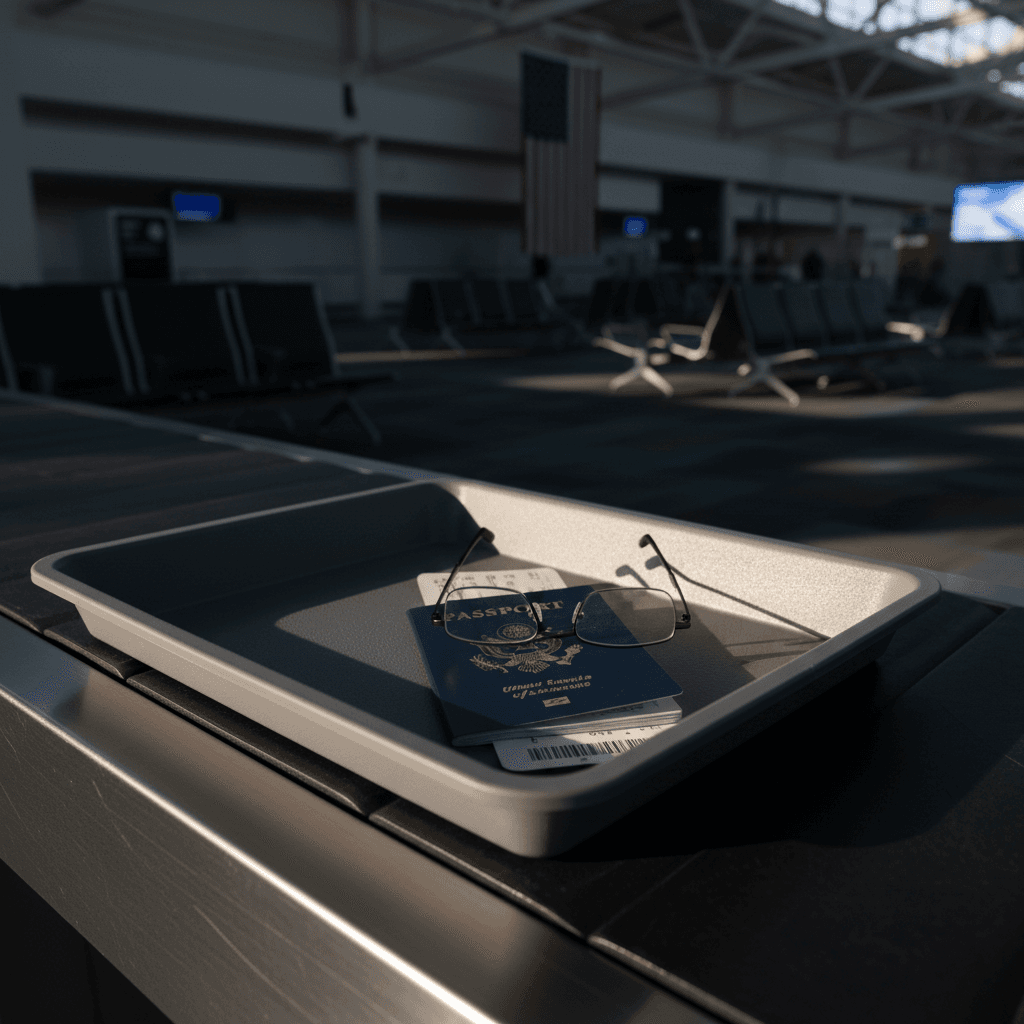
The partial Department of Homeland Security shutdown is now at day 69, the longest funding lapse in the agency’s history and the timing is ugly. TSA and CBP payroll funds are expected to run out in early May, which means airport bottlenecks, slower processing and a real chance of missed paychecks for front-line staff, honestly a bad setup for the summer travel rush.
The Senate already passed a bipartisan stopgap for TSA, CBP and most of DHS, but the House still hasn’t moved. Weirdly, Global Entry is still suspended, while TSA PreCheck keeps working, so the pain is uneven but very real.
Who feels it first
Travelers passing through U.S. hubs are the first to get squeezed and the people most likely to feel it are tourists, business flyers, expats and anyone with a tight connection. Historical shutdown data says unscheduled absences can rise 7%, then wait times can double at major airports, which, surprisingly, is exactly the kind of slowdown that turns one delayed flight into three.
Digital nomads and employers have their own headache. USCIS fee-funded filings still move, but consular interviews, background checks, E-Verify, SAVE and inter-agency verifications are slowing down, so work visas, status changes and green-card steps can all drag even when the core application is still alive.
What to do before you fly
Build in at least 30 extra minutes at U.S. airports, more if you’re connecting through a major hub and check MyTSA before you leave for the airport. That’s the safest move, not a nice-to-have.
If you’ve got visa interviews, assignment start dates or immigration filings tied to early May, plan for delays now, route critical travel through lower-volume airports if you can and budget for an overnight layover if the schedule is tight. Read our full United States guide for the complete picture and keep an eye on visa updates because this one can still get worse fast.
Frequently asked questions
How is the DHS shutdown affecting travelers entering the United States?
Is Global Entry working during the DHS shutdown?
Are USCIS applications still moving during the shutdown?
What should I do if I'm flying through a U.S. airport during the shutdown?
What airport staff shortages are expected during the DHS funding lapse?
Stay updated on United States
Visa changes, travel alerts, and destination news — delivered when they actually matter.