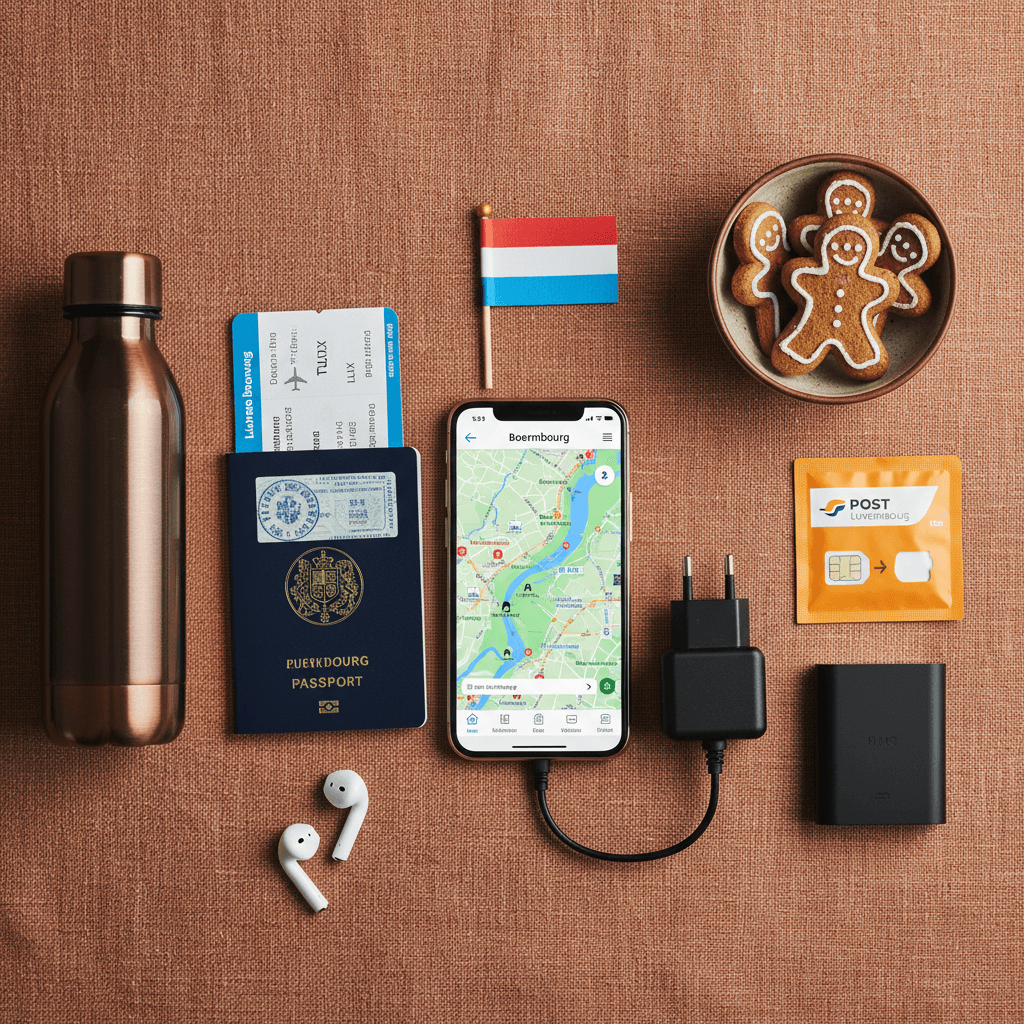
Luxembourg
Complete Digital Nomad Guide

Policy Stability
Stamped Nomad ExclusiveHow likely visa and immigration policies are to remain unchanged
Quick Facts
Nomad Visa Cost
N/A
Max Stay
3 months
Renewable
No
Cost of Living
$2,800/mo
Avg Internet
75 Mbps
Safety Score
7/10
Healthcare
High
Coworking
High
English Friendly
High
Time Zones
CET, CEST
Entry Methods Available
Best For
The Basics of Entry
Luxembourg sits at the heart of the Schengen Area, which means its entry rules are largely synchronized with its neighbors. If you are coming from within the EU or a visa-exempt country, you can usually breeze through. However, for those originating from third countries, the process requires a bit more paperwork. Luxembourg does not offer e-visas or visas-on-arrival, so you will need to handle your application through a consulate before you pack your bags.
Most digital nomads will find themselves looking at the Type C Short-Stay Visa. This is the standard Schengen visa that allows you to stay for up to 90 days within any 180-day period. It covers tourism, family visits, and most importantly for nomads, business meetings and conferences. The standard application fee is €90, though children and certain specific categories might see a reduced rate of €35 or €45.
Visa-Free Travel
A significant number of travelers can enter Luxembourg without a visa for short stays. There are roughly 60 countries on the exemption list, including the United States, Canada, Australia, Japan, the UK, and the UAE. If you hold a biometric passport from Albania, Bosnia-Herzegovina, North Macedonia, Montenegro, or Serbia, you are also exempt from the short-stay visa requirement.
Residents of the EU, EEA, or Switzerland who already hold a valid residence permit do not need an additional visa to enter. While the current system is straightforward, keep an eye on the calendar for late 2026. That is when ETIAS is scheduled to launch. It isn't a visa, but rather a digital authorization that visa-exempt travelers will need to apply for online before arriving in the Schengen zone.
Working and Long-Term Stays
If you plan to settle in the Grand Duchy for more than three months, the Type D Long-Stay Visa is your primary path. This national visa is designed for those coming to work, study, or live in the country long-term. The fee for this application is €50. You will typically apply through a Luxembourgish consulate, or a Belgian one if Luxembourg doesn't have a diplomatic presence in your region.
For those strictly doing business, the Type C visa covers things like negotiations and scouting locations. You generally cannot take up paid employment on a tourist or business visa without a specific permit. However, Luxembourg is making moves to modernize. By May 2026, new reforms aim to slash work permit processing times down to 90 days and make it easier for international talent to switch jobs once they are on the ground.
Key Visa Categories
- Type A (Airport Transit): For those just passing through the international zone of the airport without entering the country. Fee: €90.
- Type C (Short-Stay): The "Schengen Visa" for stays up to 90 days. Ideal for scouting the city or short-term projects. Fee: €90.
- Type D (Long-Stay): The national visa for stays exceeding 90 days. Required for those seeking residency or long-term employment. Fee: €50.
Extensions and Changes
Luxembourg is quite strict about visa extensions. You can't simply decide to stay longer because you like the local wine. Extensions are generally reserved for force majeure or humanitarian reasons, such as a sudden illness or a major flight strike. If you find yourself in this situation, you must contact the Passport, Visa and Legalisation Office before your current visa expires.
One major change to keep in mind involves the "Golden Visa" program. Luxembourg is repealing its investment-based residency path in late 2025. If you were planning to gain residency through significant financial investment, you should look into alternative work or professional permits sooner rather than later.
The Real Deal on Luxembourg
If you were hoping to find a flashy "Digital Nomad Visa" with a streamlined online application and a cool sticker for your passport, Luxembourg might disappoint you. Unlike many of its European neighbors, the Grand Duchy hasn't jumped on the nomad visa bandwagon yet. There is no specific category designed for remote workers who just want to hang out in a cafe for six months while working for a company in New York or London.
However, that doesn't mean the door is closed. It just means you have to play by the traditional rules. Depending on how long you plan to stay and where your passport is from, you have two main pathways to call this tiny, wealthy nation home for a while.
Short Stays: The Type C Visa
For non-EU citizens looking to test the waters for less than 90 days, the Short-Stay (Type C) visa is your primary option. This is essentially a Schengen visa. It allows you to stay for up to 90 days within any 180-day period. While it is perfect for scouting locations or enjoying the local culture, keep in mind that it technically does not grant the right to engage in local paid activities.
The application process is standard for the Schengen area. You will need to apply at least 15 days before your trip at a Luxembourg consulate. The fee is €90. You will need to bring two identity photos, a valid passport, proof of health insurance, and evidence that you have enough money to support yourself during your stay.
Long-Term Residency: The Self-Employed Route
If you want to stay longer than three months, things get significantly more serious. You will need to apply for a Self-Employed Worker Residence Permit. This is the closest alternative to a nomad visa, but it comes with a heavier administrative load. This permit is usually valid for a maximum of 3 years and can be renewed if your business is still viable.
The process is a two-step dance. First, you must apply for a temporary authorization to stay from your home country. This requires a deep dive into your professional life. You will need to provide a business plan, a financing plan, and proof that you have the economic resources to make it work. Once that is approved, you apply for the Type D long-stay visa to actually enter the country.
After you arrive in Luxembourg, the clock starts ticking. You must declare your arrival at your local commune within 3 days and undergo a medical check. Finally, you submit your formal residence permit application via the government's portal, MyGuichet.lu, along with a fee of €80. You must do this within 3 months of arriving.
Requirements at a Glance
- Income: You must prove you have sufficient economic resources to support your project and yourself.
- Documentation: A criminal record extract, a full CV, and professional qualifications are mandatory for the long-term permit.
- Deadlines: For renewals, you must submit your application 2 months before your current permit expires.
- Processing: Decisions for short-stay visas usually take about 15 days, but long-term authorizations can take much longer.
A Word on Taxes
Luxembourg is famous for its financial sector, but its tax laws are precise. Since there is no specific nomad visa, there are no "nomad-specific" tax breaks. If you spend more than 183 days in the country, you will likely be considered a tax resident. Because this is a complex area, you should definitely talk to a local tax professional before you sign a long-term lease. The government's General Department of Immigration can handle your paperwork, but they won't give you financial advice.
Understanding the Schengen Entry Rules
Luxembourg sits at the heart of the Schengen Area, which means your entry requirements depend entirely on your passport. If you hold a passport from a country on the EU exempt list, such as the United States, Canada, Australia, or the UK, you can breeze through the border without a prior visa. You are allowed to stay for up to 90 days within any 180-day period for tourism or scouting out your next nomad base.
For everyone else, you will need to apply for a Type C Schengen Visa before you arrive. Luxembourg does not offer a visa-on-arrival or an e-visa for tourists. You have to go through the traditional route of visiting a consulate or an authorized service provider like VFS Global in your home country. This process should start at least 15 days before you plan to fly, though you can apply as early as six months out.
Application Requirements and Costs
When applying for the Type C visa, the paperwork is standard but strict. You will need a passport valid for at least three months beyond your planned departure, proof of travel insurance, and a clear itinerary. The authorities also want to see that you can support yourself financially while living in one of Europe’s most expensive capitals.
The costs for these visas are fixed across the Schengen zone. Here is the breakdown of what you can expect to pay at the consulate:
- Short-Stay Tourist Visa (Type C): €90 for adults
- Children aged 6 to 12: €45
- Children under 6: Free
- Long-Stay Visa (Type D, over 90 days): €50
Some nationalities, including those with specific visa facilitation agreements like Ukraine, may qualify for a reduced fee of €35. Keep in mind these fees are non-refundable, even if your application is denied.
The 90/180 Rule and Border Runs
The 90/180 rule is the golden rule of nomadic life in Luxembourg. It means that in any rolling 180-day window, you cannot spend more than 90 days inside the Schengen Area. Since Luxembourg is surrounded by France, Germany, and Belgium, crossing the border into a neighboring country does not reset your clock. All those days count toward the same 90-day limit.
If you were hoping to perform a "border run" by popping over to a non-Schengen country like Montenegro or the UK for a weekend to reset your stay, don't. It doesn't work that way here. The system tracks your cumulative days across the entire zone. Attempting to circumvent these rules can lead to a refusal of entry at the border, as guards are trained to spot patterns of overstaying.
Extensions and Overstays
Extending a tourist visa in Luxembourg is notoriously difficult. It is generally only granted for force majeure situations, such as a sudden serious illness that makes travel impossible or major humanitarian crises. You cannot extend your stay simply because you haven't finished your tour of the Ardennes or because you found a great coworking space you aren't ready to leave. If you do find yourself in a legitimate emergency, you must contact the Directorate of Immigration before your current visa expires.
Overstaying is a gamble that rarely pays off. Luxembourgish authorities take immigration law seriously, and the penalties reflect that. If you are caught overstaying, you face:
- Fines: Ranging from €500 to over €5,000 depending on how long you stayed past your welcome.
- Entry Bans: You could be barred from the entire Schengen Area for one to five years or more.
- Deportation: Being sent home at your own expense with a permanent mark on your travel record.
For nomads looking to stay longer than three months, it is better to look into the specific Type D visas or residence permits rather than trying to stretch a tourist stay. The digital systems at the borders are efficient, and an overstay flag will follow you to every other European country you try to visit in the future.
Choosing Your Path to the Grand Duchy
Luxembourg isn't just a place for banking and cross-border commuters. For digital nomads and expats looking to plant roots, the country offers several structured paths to residency. While it lacks a specific "digital nomad visa," the government provides clear frameworks for freelancers and investors. You should expect a two-step process: you first apply for a temporary authorization to stay from your home country, then finalize your residence permit once you land in the Grand Duchy.
Every application goes through the Ministry of Home Affairs. You will need to budget €80 for the permit fee and prepare a stack of standard documents, including a valid passport, a criminal record extract, and proof that you have a place to live. Once you arrive, you have 3 days to declare your arrival at the local commune and undergo a mandatory medical check before your permit is issued.
The Freelancer Route (Self-Employed)
If you are running your own business or working as a specialized freelancer, this is your primary entry point. Luxembourg doesn't just hand these out; they want to see that your business adds value to the local economy. This could mean creating jobs or bringing innovative skills to the market. You will need to submit a detailed business plan and proof of financing to show you can support yourself without relying on the state.
- Validity: Up to 3 years, with the option to renew.
- Requirements: Proof of professional qualifications and sufficient financial resources.
- Post-arrival: A medical exam and a TB screening are mandatory before the final permit is granted.
- Note: If you work in a regulated profession like law or medicine, you will need extra approvals from the Ministry of Economy.
The Investor Visa (Golden Visa)
For those with significant capital, the investor visa offers a more direct route. This isn't just about buying a house; the government expects you to invest in the local business ecosystem. You can choose between investing in an existing company or putting money into a specialized investment structure. The Ministry of Economy or Ministry of Finance must approve your investment before you start the immigration process.
- Standard Investment: At least €500,000 in an existing or new Luxembourgish company, held for 5 years.
- Investment Structure: A minimum of €3 million in an existing or new investment vehicle.
- Bank Deposit: A minimum of €20 million deposited in a Luxembourgish financial institution.
- Review: The permit is valid for 3 years, but the government reviews your investment status after 12 months to ensure you are meeting the requirements.
Living on Private Resources
Luxembourg does not offer a specific retirement visa for non-EU citizens. However, you can apply for residency based on "private reasons" if you can prove you don't need to work. This is the common path for retirees or those with significant passive income. You must demonstrate stable, regular income that covers your living expenses and health insurance without needing social assistance. The authorities look for proof of accommodation and a clean legal record as part of the approval process.
The Road to Permanent Residency
If you fall in love with the high quality of life and decide to stay, you can apply for long-term resident status after 5 years of continuous legal residence. This status gives you more stability and rights similar to EU citizens. The requirements are strict but fair. You must show you have stable financial resources, suitable housing, and valid health insurance. You also need to prove you have integrated into Luxembourgish society, which often involves taking language courses or passing an integration exam. The application fee remains €80, and you apply directly through the Directorate of Immigration.
Contact Information for Applications
- General Immigration: Ministry of Home Affairs, 26 route d’Arlon, L-1140 Luxembourg.
- Business Investment Approval: Ministry of Economy, Foreign Trade department.
- Financial Investment Approval: Ministry of Finance, Immigration department.
The Price of Prestige
Luxembourg remains one of the most expensive hubs in Europe for 2025 and 2026, but it offers a unique trade-off. While your rent check might sting, the country offsets costs with world-class infrastructure and a rare perk: a total absence of transit fees. You are paying for safety, high-speed connectivity, and a central location that puts Paris, Brussels, and Cologne just a short train ride away.
Most nomads find that a monthly budget of €3,200 to €4,500 is the sweet spot for a comfortable life here. If you are looking to bootstrap, you will need to look south of the capital or consider shared housing to keep costs under €2,500.
Monthly Rent by Hub
Housing is your biggest hurdle. The market is tight, and prices reflect the high concentration of EU officials and finance professionals. Luxembourg City is the heart of the action, while southern cities offer a bit more breathing room for your wallet.
Luxembourg City (The Central Hub)
- Budget: €1,400–€1,800. This usually gets you a studio on the outskirts or a room in a high-end coliving space in districts like Gare.
- Comfortable: €1,800–€2,300. Expect a modern 1BR apartment in residential areas like Belair or the business district of Kirchberg.
- Premium: €2,300–€2,700. Luxury builds in the city center with top-tier amenities and views.
Esch-sur-Alzette (The Creative South)
- Budget: €1,300–€1,500. Basic apartments in the city center near the university campus.
- Comfortable: €1,500–€1,700. Modern 1BR units in the Belval area, which is a favorite for tech-focused nomads.
- Premium: €1,700–€1,800. High-end lofts in renovated industrial buildings.
Dudelange (The Quiet Alternative)
- Budget: €1,250–€1,400. Standard 1BR apartments in a quieter, suburban setting.
- Comfortable: €1,400–€1,500. Newer builds with better energy ratings and more space.
- Premium: €1,500–€1,600. Large, well-appointed flats close to the train station for easy commuting.
Food and Dining
Groceries are surprisingly manageable if you shop smart. Supermarkets like Cactus and Auchan carry premium goods, while Lidl and Aldi are great for staples. Many locals actually drive across the border to France or Germany for massive monthly hauls to save cash.
- Budget: €300. Mostly home cooking with basics sourced from discount supermarkets.
- Comfortable: €400–€500. A mix of quality home meals and dining out once or twice a week at mid-range bistros.
- Premium: €600+. Frequent dinners at upscale restaurants and a preference for organic or specialty grocers.
Transport: The Great Equalizer
This is where Luxembourg shines for the remote worker. Since 2020, all standard public transport including buses, trams, and trains is free of charge nationwide. You do not need a ticket; you just hop on and go. If you prefer the quiet of first class on trains, expect to pay around €60–€75 for a monthly pass. Taxis and Ubers remain pricey, often costing €20–€35 for a short 10km trip, so the tram is usually your best friend.
Coworking and Office Space
The coworking scene is sophisticated, concentrated mostly in Luxembourg City and the Belval tech district. High-speed fiber internet is the standard here, so connectivity is rarely an issue.
- Budget: €250. A hot desk in a shared space with standard amenities.
- Comfortable: €300–€400. A dedicated desk in a more central location with 24/7 access.
- Premium: €500+. A private office or a desk in a luxury hub with networking events and gym access.
Health Insurance
While residents contribute to the state CNS system, nomads typically rely on private international insurance. Costs vary wildly based on your age and the level of coverage you choose.
- Budget: €50–€100. Basic emergency-only coverage.
- Comfortable: €100–€250. Standard international plans covering routine visits and dental.
- Premium: €250–€500. Full-tier coverage with low deductibles and global access.
Luxembourg City: The Cosmopolitan Hub
Luxembourg City is the undisputed heart of the country's nomad scene. It functions as a massive expat melting pot where networking happens naturally over coffee in Clausen or craft beers at Konrad Cafe. If you want to be where the action is, this is your base.
The infrastructure here is world-class. You will find a high density of coworking spaces like Regus in the Kirchberg district and the Gare area, alongside trendy spots like Cohabs. Internet speeds are incredibly reliable, typically averaging around 200 Mbps for fixed broadband connections.
- Monthly Cost Estimate: $6,095
- Internet Speed: 200 Mbps
- Safety Index: 71-96
- The Vibe: High-energy, international, and polished.
- Pros: Unbeatable networking opportunities and the best selection of amenities in the country.
- Cons: The price tag is the highest in the region, which can eat into your budget quickly.
Esch-sur-Alzette: The High-Speed Alternative
Located just south of the capital, Esch-sur-Alzette is Luxembourg’s second city and offers a slightly more grounded experience. It has transitioned from an industrial past into a modern tech and student hub, making it perfect for nomads who want a city feel without the capital's price premiums.
The internet here is some of the fastest in the country, with nearby areas often clocking in at 269 Mbps. Coworking options like Bluedesk and Bureau 3000 provide professional environments for a fraction of what you would pay in the city center. The community is growing rapidly, fueled by local meetups and a younger demographic.
- Monthly Cost Estimate: $5,090 (roughly 20% less than the capital)
- Internet Speed: 269 Mbps
- Safety Index: 93
- The Vibe: Up-and-coming, academic, and efficient.
- Pros: Superior internet speeds and significantly more affordable housing.
- Cons: The nightlife is quieter than Luxembourg City, so you might find yourself commuting for weekend fun.
Differdange: The Creative Retreat
Differdange is becoming a favorite for nomads who prioritize quality of life and a creative atmosphere. It is home to the 1535° Creative Hub, a massive space dedicated to innovation and entrepreneurship. This gives the city a unique, artsy energy that differs from the banking-heavy feel of the capital.
Living here means you get access to modern coliving setups like Gravity, which are designed specifically for the remote work lifestyle. While the nightlife is more about cozy, WiFi-enabled cafes than thumping clubs, the sense of community is often tighter and more welcoming to newcomers.
- Monthly Cost Estimate: $5,190
- Internet Speed: High-tier fixed broadband
- Safety Index: High (comparable to national averages)
- The Vibe: Artistic, relaxed, and community-focused.
- Pros: Excellent coliving infrastructure and a strong focus on creative industries.
- Cons: It can feel a bit too quiet if you are used to a 24/7 metropolitan pace.
Choosing between these three usually comes down to your budget and how much "hustle" you want in your daily life. Luxembourg City is for the ambitious networker; Esch is for the data-hungry professional; and Differdange is for the nomad looking for a balanced, creative environment.
Digital Infrastructure and Connectivity
Luxembourg might be small, but its internet infrastructure is a powerhouse. The country consistently ranks as one of the most connected nations in Europe, boasting fiber-optic coverage for over 80% of households. If you are moving large files or jumping on high-stakes video calls, you can expect median download speeds between 120 Mbps and 170 Mbps. Major providers like Orange often push those numbers even higher, sometimes exceeding 200 Mbps in urban centers.
Whether you are staying in a historic Grund apartment or a modern Kirchberg studio, the connection is rarely an issue. Most fixed broadband setups are incredibly stable, though it is always smart to verify fiber eligibility for your specific street address before signing a lease. For the nomad on the move, the public WiFi in Luxembourg City is reliable for basic tasks once you have completed the initial registration.
Top Coworking Hubs
The coworking scene here is sophisticated and caters to a mix of tech professionals, creatives, and international freelancers. These spaces are more than just desks; they are the primary social hubs for the local nomad community.
- Silversquare: Located right in the heart of the city, this spot is known for its high-energy community and frequent networking events. It is the go-to for those who want to be in the center of the action.
- The Office Charlotte: Set in a converted industrial building, this space features an on-site cafe and a very "Brooklyn" aesthetic. It is popular with the creative crowd and those who prefer a less corporate feel.
- Bamhaus: Located in Dommeldange, this creative agency and coworking hybrid is perfect for artists, designers, and media producers who need a vibe that is more inspired than a standard office.
- Paladium Gare Centrale: A practical and well-located option near the main train station, offering a straightforward professional environment for serious deep work.
- Mama Shelter: While primarily a hotel in the Kirchberg district, their stylish common areas and dedicated workspaces are favorites for nomads who enjoy a lively, high-end atmosphere.
Membership Costs and Options
Luxembourg is not a budget destination, and coworking prices reflect the local cost of living. However, the flexibility of these spaces means you do not have to commit to long-term contracts. Keep in mind that most prices quoted locally exclude VAT.
- Hot Desks: Expect to pay between €190 and €300 per month for flexible seating.
- Dedicated Desks: If you need a permanent setup, prices generally range from €300 to €500.
- Day Passes: Perfect for short stays, these typically cost between €15 and €30.
- Private Offices: Small teams or those needing total privacy can expect to start at €500 and up.
For those on a tighter budget, Regus offers entry-level memberships starting around €119, while Urban Office provides "all-in" packages for approximately €277 per month.
Cafe Culture and Remote Work
If you prefer the hum of a coffee shop over a structured office, Luxembourg City has several nomad-friendly spots. Most urban cafes offer free, password-protected WiFi, though it is polite to limit your stay to a few hours and keep the coffee orders flowing. Konrad Café and Café des Capucins are local favorites for their cozy interiors and reliable connections. For a more modern vibe with excellent espresso, try Golden Bean or Intense Coffee. While these spots are great for emails and light browsing, they might not be the best choice for heavy streaming or private calls.
Mobile Data and eSIMs
Staying connected while wandering the cobblestone streets is easy and affordable. The national networks, including POST, Orange, and Tango, provide nearly 100% 4G and 5G coverage across the country. For short-term visitors, an eSIM is the most efficient route to avoid roaming fees.
- Budget eSIM: Plans from providers like Nomad or Ubigi start as low as $4.50 for 1GB (valid for 7 days).
- Mid-Range Data: You can find 3GB packages for roughly $10 to $12.
- Heavy Users: Large data buckets up to 60GB are available for around $49, usually valid for 30 days.
Most of these plans include EU roaming, which is a massive perk if you plan on taking the train to nearby Paris, Brussels, or Trier for a weekend getaway.
Public vs. Private: Choosing Your Coverage
Luxembourg’s healthcare system is consistently ranked among the best in Europe, and for good reason. The backbone of the system is the Caisse Nationale de Santé (CNS), a mandatory public scheme that covers almost everything from your local GP to specialized hospital care. Most residents are automatically enrolled through their employers, but as a digital nomad or self-employed professional, you will need to register manually to get your social security card.
The public system is incredibly generous, typically reimbursing between 80% and 100% of your medical costs. While the quality of care is high across the board, some nomads opt for private "top-up" insurance. This doesn't necessarily get you better doctors, but it does get you faster access to specialists, private hospital rooms, and better coverage for things like high-end dental work or designer glasses. Most medical staff are impressively multilingual, switching easily between English, French, and German.
Key Hospitals for Expats
If you need specialized care or emergency services, Luxembourg City and its surroundings host several world-class facilities. These hospitals are modern, tech-forward, and well-accustomed to international patients.
- Centre Hospitalier de Luxembourg (CHL): The main hub for emergencies, cardiology, and oncology.
- Hôpital Kirchberg: Located in the business district, this is the go-to for orthopedics and neurology.
- ZithaKlinik: A top choice for specialized surgery and oncology.
- Clinique Bohler: Specifically focused on gynecology and pediatrics.
- Centre Hospitalier Emile Mayrisch: A major provider serving the southern region of the country.
Insurance Costs and Options
Your monthly premium depends on whether you are sticking to the public system, adding a supplement, or going fully private. If you are working locally, contributions are deducted from your salary. If you want extra peace of mind, here is how the monthly costs generally break down:
- Complementary Top-up (DKV or AXA): Expect to pay between €75 and €87 per month. This covers the "gap" the CNS doesn't pay for, like private hospital rooms.
- Full Private Insurance (Foyer): Starts around €120 per month for local coverage.
- International Private Insurance (Allianz): Around €195 per month. This is the best bet for nomads who move between countries frequently and want global repatriation included.
- Total Monthly Range: Most nomads spend between €50 and €350 depending on age and family size. These payments are usually tax-deductible in Luxembourg.
What You Will Pay Out-of-Pocket
Even with the CNS public insurance, you usually pay the provider upfront and then submit your receipt for reimbursement. Here is a look at the typical costs and what you actually end up paying after the CNS refund:
- GP Consultation: Total cost is €59.50. After an 88% reimbursement, you pay about €7.50.
- Specialist Visit: Typically costs €49.70 to €66.40. Your final cost is usually €10 to €20.
- Dental Cleaning: Costs €40.70. You pay about €5, though kids are covered 100%.
- Physiotherapy: Sessions are €44. You pay roughly €10 out of pocket.
- Dental Crown: These are expensive at roughly €1,000. The CNS only covers about €326, so private insurance is a lifesaver here.
- Hospital Stay: There is a daily co-pay of roughly €22, capped at 30 days per year.
Pharmacies and Prescriptions
Pharmacies are easy to spot by their bright green cross signs. They generally follow standard retail hours, but there is always a "Pharmacie de Garde" open 24/7 for emergencies. You can find the rotating schedule online or posted on any pharmacy door. If you have a prescription and show your CNS card, you will only pay a fraction of the cost, as the system covers 40% to 100% of the price. Keep in mind that pharmacists here rarely accept foreign prescriptions; you will likely need to visit a local doctor to get a Luxembourgish version.
Emergency Situations
In a serious medical emergency, dial 112. The service is free, available 24/7, and operators speak multiple languages. Ambulances are efficient and will take you to the nearest hospital on duty. If the situation is urgent, the CNS typically covers the entire cost of the intervention and transport.
Managing Your Money in the Grand Duchy
Luxembourg is a global financial powerhouse, which is great news for your peace of mind but can be a bit intimidating when you first land. While the country is famous for its private banking, digital nomads will find a surprisingly modern infrastructure that caters well to international lifestyles. Most locals use cards for everything, though keeping a bit of cash for small village cafes is still a smart move.
Opening an Account as an Expat
You can definitely open a bank account here as a foreigner, but the experience depends on your residency status. Most traditional banks accept non-resident applications, but they might ask for a Luxembourg tax residency certificate if you want a full-service account. If you are just passing through, you might find the process a bit bureaucratic compared to back home.
To get started with a local bank, you will typically need to present these documents:
- A valid passport or national ID card.
- Proof of address, such as a utility bill or rental agreement dated within the last 3 months.
- An employment contract or proof of steady income.
- Your Tax Identification Number (TIN) from your home country or Luxembourg.
- Documentation proving the source of your funds if you are a non-resident.
Digital Banking: Wise vs. Revolut
For most nomads, digital banks are the path of least resistance. Both Wise and Revolut are widely used here, but they handle residency differently. Revolut is fantastic for EU-based nomads, but they will likely cancel your account if you move your legal residence outside of the EU. It is a great tool for daily spending because of the low fees, but keep that residency requirement in mind.
Wise is often the better "forever" account for global travelers. They maintain accounts for non-EU residents, though there is a catch: if you are registered outside certain regions, you might not get a physical card for ATM withdrawals. If you already have your Wise card from home, it works perfectly at any Luxembourgish terminal.
Cash, ATMs, and Currency
Luxembourg uses the Euro (EUR). ATMs are everywhere, but the fees can sneak up on you if you aren't careful. Traditional local banks often charge around €2.50 per withdrawal if you use a "non-network" machine. Revolut users should watch out for the 2% fee on withdrawals once they hit their monthly limit.
A golden rule at the ATM: always choose to be charged in Euros. If the machine offers to do the conversion for you into your home currency, say no. Those "convenience" conversions usually come with massive markups that benefit the bank, not you.
Moving Money Across Borders
When you need to move larger sums of money, bank transfers are usually your cheapest bet. For smaller, faster bursts of cash, using a debit or credit card through a provider works well. Here is how the top services stack up:
- Wise: Best for transparent, mid-market exchange rates and getting local bank details in multiple currencies.
- Revolut: Great for multi-currency holding, though you might want a premium plan to get better exchange limits.
- Traditional Services: MoneyGram and Western Union are available for cash pickups, but they are rarely the most cost-effective.
The Lowdown on Crypto
Luxembourg has a very clear set of rules for crypto, so there is no guesswork involved. They follow the EU's MiCAR framework, meaning everything is regulated and above board. If you are trading, keep meticulous records. The authorities expect you to document dates, quantities, fiat values, and even wallet addresses for every transaction.
Starting January 1, 2026, mandatory reporting rules kick in with heavy penalties reaching €250,000 for non-compliance. Any transaction over €1,000 triggers enhanced due diligence. If you are mining crypto, you can do so legally, but you will need to register as a business and pay taxes on your earnings. For individual investors, just make sure you report your crypto income on your annual tax return to stay in the clear.
Bringing the Family Along
Luxembourg is one of the most stable environments for families in Europe, making it a top-tier choice for nomads who aren't traveling solo. If you are moving here as a third-country national, you'll generally need to reside in the country for one year before applying for family reunification. However, this waiting period is often waived for researchers or EU Blue Card holders. You must prove you have a stable income meeting at least the minimum wage for unskilled workers, suitable housing for your brood, and health insurance for everyone.
The process starts with a temporary authorization before you even enter the country. Once you arrive, you'll handle a medical check and a €80 fee for the residence permit. A major perk for partners is that they gain full work rights as soon as their permit is issued, allowing your spouse to seek local employment or launch their own freelance venture without extra red tape.
Schooling Options
The local public school system is free and high-quality, but it is intensely multilingual. Your kids will be toggling between Luxembourgish, French, and German. For many nomad families, international schools are the preferred route to keep education in English or follow the IB curriculum.
- International School of Luxembourg (ISL): Annual fees range from €14,750 to €22,500. Expect a one-time registration fee between €1,500 and €3,000.
- St. George’s International School: Similar pricing to ISL, offering a British-style curriculum in a premium setting.
- Lycée Vauban: A more affordable French-curriculum option with fees between €5,500 and €7,500 per year.
Healthcare for the Little Ones
Luxembourg’s healthcare system ranks 12th globally, so you are in good hands. Children under 18 (or up to 27 if they remain students) are covered under your public CNS insurance. Most pediatric visits, hospital stays, and vaccinations are reimbursed at 80% to 100%. You just need to register the family through the CCSS once you are settled.
Childcare and Support
Childcare is professional but can be pricey if you don't utilize state subsidies. Private nurseries, known as crèches, typically charge between €7 and €9 per hour. This can add up to €2,000 monthly for full-time care.
The good news is the Chèque-Service Accueil (CSA) system. This state aid can reimburse up to €6 per hour based on your household income. After subsidies, most parents find themselves paying between €40 and €360 per week. If you have school-aged children, they might even qualify for 10 free hours of care per week.
Top Neighborhoods for Families
Where you park your bags matters. While the whole country is incredibly safe with a homicide rate of just 0.4 per 100,000, certain areas are better geared toward kids.
- Merl (Luxembourg City): This is the expat favorite. It is home to the massive Parc de Merl and sits within walking distance of several international schools.
- Dudelange: Great for active families. It features the Parc Le'h playgrounds and several kid-friendly museums.
- Remich: Located on the Moselle River, this town is perfect if you want a resort feel with public pools and riverfront activities.
- Grevenmacher: Famous for its Butterfly Garden and extensive park systems, offering a quieter pace of life.
Safety and Quality of Life
You can breathe easy here. Luxembourg is famously secure, and it is common to see children walking to school or playing in parks unsupervised. While local schools do monitor for bullying, physical crime is remarkably low. The streets are safe at all hours, allowing for a level of freedom that is hard to find in larger European capitals or North American cities.
Safety in the Grand Duchy
Luxembourg remains one of the safest hubs in the world for remote workers. With a homicide rate of only 0.4 per 100,000 and a 0.1 risk rating on the Global Residence Index, your biggest concern will likely be forgetting your umbrella rather than personal safety. The local police are efficient and well-funded, maintaining a environment where the crime rate sits comfortably below the U.S. national average.
While violent crime is rare, petty theft and scams do exist. Digital nomads should stay alert in crowded markets and transit hubs where pickpockets occasionally operate. Be wary of "phone spoofing" where callers pretend to be from your bank or Luxtrust; remember that no legitimate local institution will ever ask for your tokens or credit card details over the phone. In the streets, watch out for fake police officers or taxi drivers claiming their meter is broken to overcharge you.
LGBTQ+ Life and Inclusion
The country is a pioneer for LGBTQ+ rights, having legalized same-sex marriage in 2015. You will find that queer culture is seamlessly integrated into the social fabric. Luxembourg City and Esch-Sur-Alzette are particularly welcoming, and public displays of affection are generally met with indifference or acceptance. While rural villages are more traditional, the overall atmosphere is one of respect.
For socializing, check out spots like WOOF Luxembourg or Letz Boys. The Rainbow Center in the capital serves as a dedicated safe space for exhibitions and concerts. If you are visiting in June, the annual Pride festival is a major highlight, featuring parades and panel discussions that draw crowds from across the border.
Mastering Local Etiquette
Luxembourgish culture leans toward formality and privacy. When meeting someone for the first time, a firm handshake and direct eye contact are expected. Address people by their title and surname until they explicitly invite you to use their first name. If you are lucky enough to be invited to a local's home, always bring a small gift like wine or high-quality chocolates.
Social habits to keep in mind:
- Punctuality: Being late is considered disrespectful. Arrive exactly on time for both business and social coffee dates.
- Dining: Keep your hands visible on the table (wrists resting on the edge) and wait for the host to say "Gudden Appetit" before eating.
- The Three Kisses: Among close friends, the standard greeting is three kisses on the cheeks, starting with the right.
- Tipping: A service charge is usually included, but it is customary to leave a 5-10% tip for good service.
Language and Integration
You can easily get by with English in the tech and finance sectors, but Luxembourg is officially trilingual (French, German, and Luxembourgish). You will notice that locals are direct and rarely "beat around the bush." This can feel cold at first, but it is actually a sign of authenticity; they value honesty over performative friendliness.
With nearly 50% of the population being non-nationals, you are in good company. Integration is a slow burn but rewarding. To build a social circle, look beyond the screen and join local associations or "clubs." Whether it is a hiking group or a language exchange, participating in organized activities is the fastest way to turn a reserved neighbor into a loyal friend.
Expat Networks
If you need a break from the local reserve, the expat community is massive and highly active. You can find your footing through several established groups:
- InterNations: Great for formal networking events and professional circles.
- Luxembourg Expats: A digital marketplace and social hub for finding housing or local advice.
- Meetup: Popular groups include "Luxembourg Language Exchange" and various "Professional Singles" circles.
- The Rainbow Center: The primary hub for queer culture and community support.
Understanding Tax Residency
Luxembourg doesn't let you fly under the radar for long. You become a tax resident here if you maintain a permanent home, establish your center of vital interests in the country, or stay for 183 days or more in a single calendar year. Even if you are just passing through for a few days at a time, those dates add up toward the total.
The 183-day rule is strict. Authorities count every part of a day, including arrival and departure days, weekends, and public holidays. If you're planning to split your time between Luxembourg and another country, keep a meticulous log or use a tracking app. If you can't prove you were elsewhere, the tax office assumes you were in the Grand Duchy, which could trigger taxation on your worldwide income.
Income Tax Brackets
Luxembourg uses a progressive tax system with rates that can feel steep if you're a high earner. For the 2026 tax year, the rates are broken down into several tiers:
- 0%: Income up to €13,230
- 8% to 22%: Income between €13,230 and €31,590
- 32% to 39%: Income between €31,590 and €100,000
- 42%: Any income exceeding €100,000
On top of these rates, there is a mandatory contribution to the employment fund, which adds another 7% to 9% to your tax bill. For a nomad earning €70,000, the effective income tax rate usually lands around 17.8%, but you also need to factor in social security contributions of approximately 12.5%.
Double Taxation and Treaties
One of the biggest perks of basing yourself in Luxembourg is its massive network of 94 double taxation treaties. These agreements with countries like the US, UK, France, and Germany ensure you aren't paying twice on the same Euro. If you're working remotely for a company in your home country, these treaties help determine which government gets a slice of your paycheck and allow you to claim credits for taxes already paid abroad.
Special Incentives for Expats
While there isn't a specific "digital nomad visa" with its own tax perks, the impatriate regime is a hidden gem for highly skilled professionals. If you move to Luxembourg for a specialized role and meet the salary requirements, you can get a 50% tax exemption on your gross salary up to €400,000. This relief can last for up to 8 years. It is a complex application process through the tax authorities (ACD), but for high-earning tech nomads or consultants, it is the most efficient way to reduce a tax bill.
Crypto Gains and Trading
Luxembourg is surprisingly friendly toward crypto holders. If you hold your digital assets for more than 6 months before selling, your capital gains are generally tax-free. This only applies to "non-speculative" holdings for individuals. If you sell in less than six months and make a profit of €500 or more, you'll be taxed at your progressive income rate. Be careful with frequent trading, staking, or mining; the authorities may classify this as professional business income, which is fully taxable and subject to social security.
Filing Your Returns
If you meet the residency requirements, you need to file Form 100 by March 31 each year. This is mandatory if your income exceeds €100,000 or if you have multiple income sources where tax isn't withheld at the source. Most nomads can handle this digitally through the MyGuichet.lu portal. Make sure to report all worldwide income, foreign bank accounts, and any crypto transactions to avoid heavy penalties during an audit.
Connectivity and Communication
Staying connected in Luxembourg is straightforward, but you need to handle the paperwork immediately. Major providers like POST Luxembourg, Orange, and Tango offer prepaid physical SIM cards starting around €10. You can find these at kiosks in Luxembourg Airport, electronics stores like Media Markt, or major supermarkets like Cactus and Delhaize. Keep your passport handy, as local law requires ID registration for all SIM purchases.
If your phone supports it, skip the physical stores and use an eSIM. Providers like Nomad or Holafly offer 4G/5G data plans starting at €4.50. This is the fastest way to get online the moment you land, avoiding the queues and providing instant access to maps and translation tools. Just be careful with roaming if you travel across the border to neighboring countries; while EU roaming is generally included, check your specific data limits to avoid surprise charges.
Getting Around for Free
One of the best perks of living here is that public transport is 100% free nationwide. You don't need a ticket for buses, trains, or the tram. To make sense of the network, download the Mobiliteit.lu app. It provides real-time updates, multimodal route planning, and alerts if there are any delays on your line.
For late nights or specific door-to-door trips, Uber operates in the city through local partnerships. Bolt is also an emerging option for affordable rides. If you prefer navigating on foot or finding specific bus stops offline, Moovit is a solid backup app that works well when your data signal is spotty.
Where to Set Up Base
Choosing the right neighborhood changes your entire experience. Clausen is the heartbeat of the city's social scene, filled with bars and restaurants that make networking easy. If you need to be near the main transport hub, Gare is the most central choice, though it can feel a bit gritty in certain spots. Tech-focused nomads often gravitate toward Kirchberg, where the big firms and modern coworking spaces are located.
- Belair: A quiet, upscale residential area for those who prefer a calm environment.
- Hollerich: An artsy, more affordable district with creative studios and a younger vibe.
- Grund: Picturesque and historic, though often more expensive and harder to find rentals.
Housing and Coliving
The rental market is notoriously expensive, with standard apartments often exceeding €1,200 per month. For digital nomads, coliving is usually the smarter move. Platforms like ManyMany.lu offer furnished rooms in shared houses starting around €800. These leases are flexible and typically include utilities, high-speed WiFi, and cleaning services in the monthly price.
For shorter stays, check Airbnb or Booking.com, but expect to pay a premium. NomadStays and Coliving.com are also useful for finding vetted, remote-work-friendly accommodations. It is generally wise to book a short-term spot for your first week so you can tour neighborhoods in person before committing to a longer lease.
Food and Essentials
When you aren't exploring the local bistro scene, food delivery is reliable. Takeaway.com and Uber Eats are the dominant players, covering everything from local Luxembourgish dishes to international staples. Delivery usually takes between 30 and 45 minutes. For groceries and quick household items, apps like Foodpanda or Swiggy can save you a trip to the supermarket during a busy work day.
Navigating the Language Gap
Luxembourg is a linguistic powerhouse where residents switch between Luxembourgish, French, German, and English effortlessly. While you can get by with English, learning some basics goes a long way. Use Languagesofluxembourg.lu for free audio lessons or LLO.LU for structured grammar and vocabulary courses from the national institute. For a more interactive experience, Aurelux offers lessons from certified teachers that focus on practical conversation.
Safety and Common Pitfalls
The country is incredibly safe, but you should still keep 112 saved in your phone for any emergency involving police, fire, or medical services. For non-urgent police matters, use 113.
The most common mistake for newcomers is underestimating the cost of living. Budgeting for an emergency fund is vital because deposits and initial setup costs can be high. Also, remember that Luxembourg does not currently offer a specific digital nomad visa. You will need to ensure your paperwork is in order based on your nationality and length of stay. Finally, always use a VPN when working from public cafes to keep your client data secure while you enjoy the city's free public WiFi.
More Guides from Europe
Stay Updated on Luxembourg
Get notified about visa changes, policy updates, and new information for digital nomads in Luxembourg.