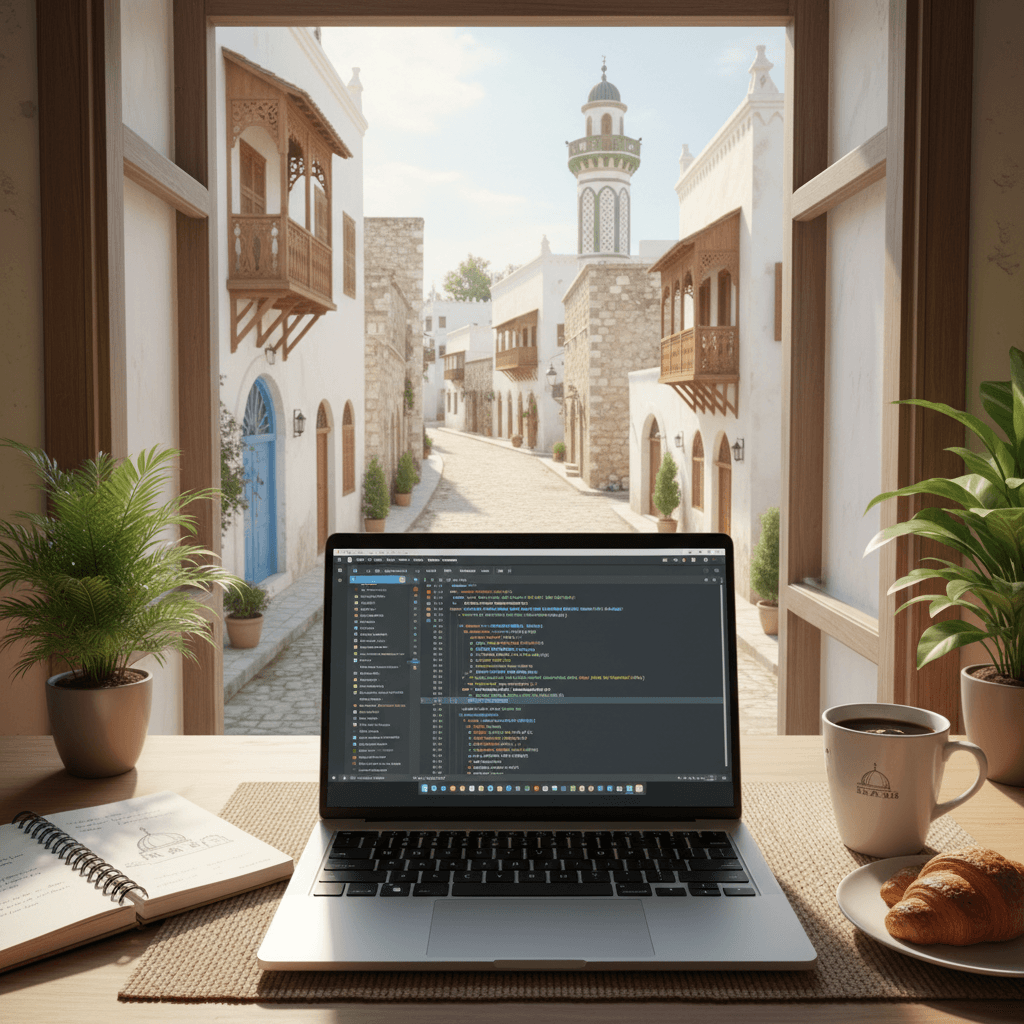
Comoros
Complete Digital Nomad Guide

Policy Stability
Stamped Nomad ExclusiveHow likely visa and immigration policies are to remain unchanged
Quick Facts
Nomad Visa Cost
N/A
Max Stay
1.5 months
Renewable
No
Cost of Living
$1,375/mo
Avg Internet
24 Mbps
Safety Score
6/10
Healthcare
Low
Coworking
Low
English Friendly
Low
Time Zones
EAT
Entry Methods Available
Best For
The Lowdown on Getting In
Comoros is one of the few places left that keeps entry surprisingly simple for almost everyone. There is no need to stress over complex pre-travel paperwork or embassy visits months in advance. The country operates on a universal visa on arrival policy, meaning if you have a valid passport and a ticket out, you are generally good to go.
While the process is straightforward, you need to be prepared for the manual nature of the system. You will likely be filling out paper forms at the airport in Moroni and paying your fees in cash. It is a slow, old-school process that fits the island's relaxed pace of life.
The Tourist Visa
Most nomads start with the standard tourist visa. This is issued right at the airport or seaport upon your arrival. It gives you a maximum stay of 45 days, which is plenty of time to hop between Grande Comore, Mohéli, and Anjouan.
- Cost: Approximately €30 (you can often pay in USD or Comorian Francs).
- Validity: Up to 45 days.
- Requirements: A passport with at least 6 months of validity and proof of an onward or return flight.
- Entry Type: Single entry only.
Extensions for this specific visa are not a standard "pay and stay" affair. Authorities usually only grant more time for serious reasons like medical emergencies or security issues. If you plan to stay longer than six weeks, you should look into the short-stay or long-stay options from the start.
Business and Short-Stay Visas
If you are heading to the islands for more than just a beach scouting mission, the short-stay visa is your best bet. This covers business travelers and those who need a bit more than the standard 45 days. It allows for a stay of up to 3 months and can be renewed once if you play your cards right.
To grab a business visa, you will need a formal invitation letter or a document detailing your itinerary and proof that you have the funds to support yourself. Expect to pay between €30 and €50 for this stamp. Keep in mind that while this allows you to conduct meetings or scout locations, it does not permit you to take a local job or engage in paid work for a Comorian company.
Long-Term Stays and Residency
For the nomads who truly fall in love with the archipelago and want to stay beyond six months, you will need to transition to a long-stay visa. This is a more formal process handled through the Interior Ministry or the government’s eGov portal. This path eventually leads to a residence card.
The requirements for residency are more stringent. You will need to provide police clearance from your home country, health certificates, and proof of a consistent income. Since there is no specific "Digital Nomad Visa" yet, most remote workers apply under the general residency rules for foreigners.
Transit and Entry Logistics
If you are just passing through on your way to another destination in East Africa or the Indian Ocean, there is a 5-day transit visa. This is often free or carries a very small fee. It is perfect if you have a long layover and want to see Moroni for a few days without committing to the full tourist fee.
While some third-party sites might mention e-visas, the primary and most reliable method remains the arrival desk at Prince Said Ibrahim International Airport. The laws governing entry have been stable for decades, so while prices might fluctuate slightly with inflation, the general "everyone is welcome" spirit remains the same for 2025 and 2026.
Quick Checklist for Arrival
- Cash: Carry crisp Euro or USD notes for your visa fee.
- Documentation: Keep a printed copy of your return flight and hotel booking.
- Patience: The immigration lines can move slowly, especially when a large flight arrives.
- Passport Space: Ensure you have at least one completely blank page for the entry stamp and visa sticker.
Current Visa Situation
Comoros hasn't joined the growing list of countries offering a dedicated digital nomad visa. If you are planning to work from the "Perfume Isles," you will be following the traditional path used by most travelers: the Visa on Arrival. It is a straightforward process, but it requires a bit of preparation since the country's digital infrastructure for immigration is still catching up with the rest of the world.
The standard entry permit is a single-entry visa that allows you to stay for up to 45 days. While it is technically a tourist visa, remote workers generally use this to test the waters in Moroni or the beaches of Mohéli. Since there is no official remote work framework, you are essentially a visitor who happens to have a laptop.
The Entry Process
Most nomads fly into Prince Said Ibrahim International Airport. You won't find a fancy eVisa portal or a pre-approval website here. Instead, you will handle everything at the immigration counter when you land. The process is manual and relies on having your documents ready in physical form.
- Passport: Must be valid for at least 6 months from your date of entry.
- Proof of Onward Travel: You need a printed copy of your return flight or a ticket to your next destination.
- Accommodation: A hotel booking or an invitation letter from a local host is required.
- Financial Proof: You may be asked to show that you have sufficient funds for your stay, though specific bank statement amounts aren't strictly defined.
The visa fee is approximately 30 euros or 15,000 Comorian francs. It is best to carry this in cash, specifically in Euros or US Dollars. Do not rely on credit card machines at the airport, as they are frequently offline or simply non-existent at the immigration desk. Once you pay and hand over your form, you will get a stamp in your passport immediately.
Extending Your Stay
If 45 days isn't enough to soak in the volcanic landscapes, you can seek an extension. You will need to visit the local immigration office in Moroni. Extensions for short stays can often push your total time in the country to 3 months.
For anything longer than 90 days, you are moving out of the visitor category and into residency territory. This requires a formal application for a residence permit through the Ministry of Interior. This process is significantly more bureaucratic and usually requires a specific reason for staying, such as local investment or family ties, so most nomads choose to do a "visa run" or move on to their next destination after a couple of months.
Working and Taxes
Remote work occupies a grey area here. While you are not permitted to take up local employment with a Comorian company on a tourist visa, working for clients back home or a foreign employer is tolerated. There is no specific tax regime for digital nomads, meaning you likely won't trigger local tax liabilities for a short 45-day stint.
If you do manage to secure a long-term residence permit, the tax situation changes. Staying in the country for more than half the year generally makes you a tax resident. Because the local tax laws are not designed with remote work in mind, it is wise to keep your stay under the 183-day mark to avoid complicated conversations with local authorities.
Important Considerations
- Overstays: Immigration takes expiry dates seriously. Overstaying your visa will result in fines and potential delays when you try to leave the country.
- Connectivity: Since you are working on a tourist visa, you won't have access to special "nomad" perks. Ensure your accommodation has reliable Wi-Fi before you commit to a long-term rental, as internet speeds vary wildly across the islands.
- Cash is King: From the visa fee to your daily coffee, Comoros runs on cash. Always keep enough Euros or Francs on hand for administrative fees.
The Universal Visa on Arrival
Comoros keeps things refreshingly simple compared to its neighbors. There are no "visa-free" countries, but the good news is that every nationality on the planet is eligible for a Visa on Arrival. You don't need to visit an embassy or fill out digital forms weeks in advance. When you land at Prince Said Ibrahim International Airport in Moroni, you simply head to the immigration counter, fill out a small arrival card, and pay the fee.
The standard tourist visa costs €30, which is roughly $30 to $50 USD depending on the current exchange rate. While they sometimes accept US Dollars, the local authorities strongly prefer Euros in cash. Make sure your bills are crisp and newer; many African immigration offices reject older, torn, or heavily creased currency. The entire process usually takes less than ten minutes if you aren't stuck at the back of a long flight queue.
Duration and Limitations
This entry permit is valid for a maximum of 45 days. This is a single-entry visa, which is a major point for nomads to remember. If you decide to take a quick weekend trip to Reunion or Madagascar, your visa becomes void the moment you clear customs to leave. You will have to pay the full fee again to get back into the country. There is currently no official multiple-entry tourist visa available for short-term visitors.
While the government occasionally mentions launching an e-visa portal, those plans haven't materialized. For now, the physical stamp at the airport or seaport is your only path forward. Don't go looking for a website to apply in advance; if you find one, it is likely a third-party service charging unnecessary convenience fees.
The Reality of Extensions
Extending your stay in the Comoros is notoriously difficult. The immigration office in Moroni generally only grants extensions for "force majeure" situations. This includes medical emergencies that prevent travel or significant political unrest. If you show up at the immigration office asking for another month just because you like the beaches on Mohéli, you will likely be politely turned down. If you plan to stay longer than 45 days, you should consult with a Comorian embassy in your home country before departure to discuss long-term residency options.
Border Runs and Overstays
Because extensions are rare, some nomads consider a "border run" by flying to a nearby island nation and returning the same day. While this is technically legal since you are purchasing a fresh visa each time, it can be an expensive way to live. You are on the hook for the €30 fee plus the cost of regional flights, which are rarely cheap in the Indian Ocean.
Avoid overstaying at all costs. Comorian authorities take visa dates seriously. Even an overstay of a day or two can lead to significant fines and uncomfortable questioning at the airport. In extreme cases, you could be detained until your departure is finalized. Always aim to leave at least 48 hours before your 45-day limit expires to account for flight cancellations or delays.
Entry Requirements Checklist
To ensure your Visa on Arrival goes smoothly, have these items ready in your carry-on:
- A passport with at least six months of validity remaining.
- Proof of a return or onward flight ticket. Immigration officers almost always ask to see this.
- A printed accommodation booking for at least your first few nights.
- Recent bank statements or a credit card as proof of sufficient funds, though this is rarely checked if you look like a standard traveler.
Official Contacts
If you have specific questions about long-term stays or business visas, you can reach out to the following offices:
- The Ministry of Interior: Located in Moroni, this department handles all immigration and police matters.
- Comoros UN Mission (New York): A helpful point of contact for North American travelers.
- Comoros Embassy in Paris: The primary diplomatic hub for European travelers.
The Reality of Staying Long-Term
Comoros doesn't have a flashy digital nomad visa or a "golden visa" program for investors. If you want to stay here beyond a standard vacation, you'll be dealing with traditional bureaucracy that hasn't quite caught up to the remote work revolution. Everything runs through the Direction Générale de la Documentation et de l'Immigration (DGDI) in Moroni. Since there isn't a functional online portal for these applications, you'll need to get comfortable with in-person visits and paper forms.
Most travelers arrive on a 45-day visa on arrival, which costs between €30 and €50. While this is fine for a quick scouting trip, it won't suffice for a long-term base. If you plan to stay longer than 90 days, you have to transition into the formal residency system, which is overseen directly by the Ministry of Interior.
The Long-Stay Visa and Residence Card
For stays exceeding three months, the process starts before you even land. You are required to apply for a long-stay visa through a Comorian diplomatic mission. This isn't a rubber-stamp process; your application actually goes before the Council of Ministers for approval. Once you enter the country on this visa, you have a 10-day window to report to the DGDI to secure your "carte de séjour" (residence card).
- Validity: One year, renewable annually.
- Restrictions: This card specifically prohibits "lucrative activities." It is designed for those living on passive income or savings.
- Requirements: A valid passport, proof of financial means, and a clean criminal record.
- Fees: Costs are determined by the annual Finance Law and vary, though you should expect to pay significantly more than the standard tourist visa fee.
The 10-Year Resident Card for Workers and Business
If you intend to run a local business, open a physical office, or work for a Comorian entity, the standard residence card won't cut it. You'll need the "carte de résident." This is a much more robust permit that grants you a 10-year stay and is renewable. It is the primary pathway for serious investors and entrepreneurs.
The application path depends on your status. Salaried workers need a contract approved by the Ministry of Labor. If you are an independent professional or an investor, you need authorization from the Ministry of Economy and Finance showing you've created a legitimate enterprise. Be aware that if you plan to buy real estate as part of your business setup, you need prior government approval before the sale can be finalized.
The Path to Permanent Residency
Permanent residency in Comoros is a long game. There is no shortcut through property investment or large bank deposits. Generally, you need to show at least 5 years of continuous, legal residence on the islands. You also need to demonstrate stable finances and a level of integration into the local community.
The government reviews these applications on a case-by-case basis. If you manage to maintain legal status for 10 years, you may become eligible for naturalization, though this is rare for non-citizens without family ties to the islands. For most nomads, the annual renewable residence card remains the most practical way to call Grande Comore or Mohéli home.
Key Logistics to Remember
- Location: All major immigration business happens at the DGDI office in Moroni. If you are staying on Anjouan or Mohéli, factor in travel time to the capital.
- Timing: Start your renewal process at least one month before your current card expires. Overstaying can lead to heavy fines or immediate expulsion.
- Payments: Fees are usually paid in person at the time of application. Keep every receipt, as paper trails are vital here.
- Documentation: Always carry a certified copy of your passport and your residence card. Local authorities may ask for these during routine checks.
The Cost of Being a Nomad in the Perfume Isles
Comoros is still very much an emerging frontier for the remote work crowd. Because it hasn't been "discovered" by the masses yet, the cost of living sits in a unique middle ground. You aren't going to find the rock-bottom prices of Southeast Asia, but you won't be paying European capital rates either. Expect to spend anywhere from $1,000 to $2,000 per month depending on how much you value air conditioning and imported snacks.
Moroni, the capital on Grande Comore, is where most nomads land because it has the most reliable infrastructure. It is the priciest spot in the archipelago, with a comfortable lifestyle averaging around $1,600 a month. If you head to Mutsamudu on Anjouan or Fomboni on Moheli, your costs will drop by about 20% to 25%, though you will be trading away high-speed fiber and coworking spaces for a much slower, off-grid pace of life.
Breaking Down the Monthly Spend: Moroni
Living in the capital gives you access to the best amenities, but you pay a premium for the convenience. Rent is your biggest variable here, especially since the short-term rental market for Western-style apartments is relatively small.
- Rent: A basic one-bedroom on the outskirts starts around $300. For a central, modern apartment with better reliability for water and power, expect to pay between $600 and $700. High-end, fully furnished spots can easily clear $800.
- Food and Dining: Local markets are a steal if you cook at home. If you prefer eating out, a standard meal costs between $5 and $8. Budget $350 to $450 for a mix of groceries and several dinners out per week.
- Transport: Shared taxis are the heartbeat of the island. A monthly pass or regular daily use typically costs between $30 and $80. Private car hires or frequent fuel purchases for a scooter will push you toward the $100 mark.
- Workspace: Moroni is the only spot with dedicated coworking hubs like Comor'Lab. A monthly desk will run you $100 to $200, which is often worth it for the backup generators and stable 15 Mbps internet.
- Utilities and Health: Basic electricity and water add about $70 to $100 to your overhead. For health insurance, most nomads use global plans like SafetyWing, which cost between $50 and $150 depending on your age and coverage level.
The Budget Alternative: Mutsamudu and Fomboni
If you are looking to stretch your dollars further and don't mind a more "unplugged" experience, these secondary hubs offer a significantly lower burn rate. You will find fewer expats and almost no formal coworking spaces, but the local hospitality is unmatched.
- Rent: You can find decent local housing for $250 to $400. Even "premium" options rarely exceed $650.
- Food: There are fewer fancy restaurants here, so you will likely eat more local fare. Budget $200 to $400 for all your meals.
- Connectivity: Since coworking is scarce, your main expense will be mobile data and home WiFi setups, which are generally more affordable but less consistent than in Moroni.
Lifestyle Tiers
Your total monthly budget depends heavily on your tolerance for "roughing it." Here is how the numbers usually shake out for different styles of travel.
The Budget Nomad ($1,000–$1,300): This lifestyle involves living in a modest 1BR on the outskirts of town, eating primarily from local markets, and using shared transport. You rely on home WiFi and basic insurance. It is a frugal way to see the islands while keeping your bank account healthy.
The Comfortable Nomad ($1,500–$1,800): This is the sweet spot for most. You get a central apartment, a dedicated desk at a coworking space, and plenty of meals out at nice cafes. You are living a Western-standard life with all the necessary comforts to stay productive.
The Premium Nomad ($2,000+): If you want the best possible experience in Comoros, this budget covers upscale short-term rentals, private transport, and the most comprehensive insurance plans. While luxury options are limited compared to places like Mauritius, this budget ensures you have the best of everything available.
Moroni (Grande Comore)
As the capital and largest hub, Moroni is the most realistic starting point for any nomad touching down in Comoros. It offers a blend of chaotic charm, volcanic landscapes, and the country's only real attempt at modern work infrastructure. You will find a small but welcoming expat community here, though the nomad scene is still very much in its infancy.
The city's secret weapon is COMOR’LAB. It is the only dedicated coworking space in the country, providing high-speed Wi-Fi and actual meeting rooms. If you prefer a change of scenery, hotel business centers are available for about $15 a day, and spots like Café de Comores offer a decent environment for light admin work over a coffee.
- Monthly Budget: Approximately $1,200
- Rent: $500 to $700 for a decent apartment
- Internet Speed: Averages 15–20 Mbps; Telma is your best bet for a SIM card
- Vibe: Cultural and busy, with a mix of Arabic and French influences
- After Hours: Head to C La Vie or Kampai Lounge for a drink and social interaction
The Trade-off: You get the best amenities in the country and a relatively low cost of living compared to hubs like Nairobi. However, you have to deal with occasional protests and a medium risk of petty theft. Keep your wits about you and your electronics out of sight while walking.
Mutsamudu (Anjouan)
If Moroni feels too "metropolitan," Mutsamudu offers a denser, more historic atmosphere. It is the second-largest city and feels like stepping back in time with its narrow winding alleys and 17th-century citadel. It is a place for the nomad who prioritizes immersion over high-speed connectivity.
Do not expect to find a coworking desk here. You will be relying on your own mobile hotspot or the Wi-Fi at local hotels. The internet is serviceable for emails and basic tasks, but trying to host a heavy video conference might result in some awkward lag. It is a quiet, rural-leaning city where the locals are friendly but unaccustomed to the "laptop lifestyle."
- Monthly Budget: Approximately $1,180
- Safety: Generally peaceful, though opportunity theft exists
- Infrastructure: Very basic; no dedicated workspaces
- Atmosphere: Traditional, less commercialized, and visually stunning
The Trade-off: You will enjoy a lower cost of living and a truly authentic Comorian experience. The downside is the total lack of a nomad community and the challenge of finding a quiet cafe with a reliable power outlet.
Fomboni (Mohéli)
Fomboni is the choice for the digital nomad who actually wants to disappear. Located on the smallest and least developed island, it is incredibly safe and quiet. Most people come here for the nature, specifically the marine park and the chance to see sea turtles, rather than for the productivity tools.
Living here is cheap, often coming in under $1,100 a month if you live like a local. However, the infrastructure is the most fragile in the country. Power cuts can happen, and the internet speeds frequently dip below 10 Mbps. This is the place to go when you have a project that requires deep focus and zero distractions from the outside world.
- Monthly Budget: $1,000 to $1,100
- Internet Speed: 5–17 Mbps; very unreliable for heavy data
- Social Scene: Virtually non-existent; focus is on beaches and nature
- Safety: Very high; crime is rarely an issue here
The Trade-off: It is the safest and most pristine location in the archipelago. The catch is that you are almost entirely isolated. If your work depends on high-bandwidth video calls or constant collaboration, Fomboni will likely be a struggle rather than a sanctuary.
The Connectivity Reality Check
If your job involves heavy video rendering or constant 4K streaming, the Comoros will test your patience. Internet infrastructure here is a work in progress. While the islands are connected to major undersea fiber cables like EASSY and FLY-LION3, that high-speed backbone rarely makes it all the way to your Airbnb or hotel room. Most residential connections still rely on ADSL or fixed wireless setups that struggle with consistency.
Average fixed broadband speeds hover around 5.7 Mbps on the low end to 24 Mbps if you are lucky. Latency is the real productivity killer, often sitting between 110 ms and 138 ms. This means you might experience significant lag during Zoom calls or while accessing remote desktops. It is manageable for emails, Slack, and basic CMS work, but you should always have a backup plan ready.
Coworking in Moroni
For a reliable professional environment, your best bets are concentrated in the capital, Moroni. These spaces are the only places where you can find the "holy trinity" of nomad life: stable power, decent coffee, and a community of like-minded people.
- COMOR’LAB: This is arguably the most modern hub in the country. They offer 24/7 power backed by solar energy, which is a massive advantage given the local grid's occasional hiccups. It feels like a genuine creative incubator with open desks and meeting rooms.
- COM’WORK (Comores Coworking): Located in the heart of Moroni, this spot focuses on startups and freelancers. They provide printers, lounges, and private office rentals by the hour or day. It is a great place to meet local entrepreneurs in sectors like agritech and digital services.
Pricing for these spaces is not always listed transparently online. You should expect to negotiate based on your length of stay. While global averages for coworking range from €70 to €350 per month, local rates are generally more affordable. Most nomads opt for flexible day passes or weekly bundles rather than long-term contracts.
Mobile Data and eSIM Options
Because fixed Wi-Fi is so hit-or-miss, a local SIM card is your most important tool. You can pick one up at the airport or in Moroni by showing your passport. 4G coverage is relatively strong in urban centers of Grande Comore and Anjouan, often outperforming the Wi-Fi in hotels.
- Comores Telecom: Their standard nomad-friendly plan offers 10GB of data for 30 days at a cost of approximately 10,000 KMF ($22 USD).
- Telma Comores: A popular alternative offering 3GB for 30 days at 10,000 KMF, or a heavier 7GB for 15 days for 5,000 KMF.
- eSIMs: If you prefer to be connected the moment you land, GoMoWorld offers plans from €3.99. Ubigi provides a 3GB/15-day package for $34, while Airalo has regional African cards starting around $9 for 1GB.
Cafe Culture and Public Wi-Fi
Working from a seaside cafe sounds like the dream, but in Comoros, it requires some scouting. Most hotels and restaurants near the Itsandra beach area offer Wi-Fi to patrons, but speeds are often shared among dozens of guests. These spots are fine for clearing your inbox or posting to social media, but they are not the place for a high-stakes client presentation.
Always use a VPN when hopping on these public networks. Security standards are not always up to date, and the "open" nature of these hotspots makes them vulnerable. If you find a spot with a decent signal, cherish it, but keep your mobile hotspot active as a failover. In Comoros, redundancy is the key to staying employed.
The Healthcare Reality
Comoros offers a stunning backdrop for remote work, but its medical infrastructure is among the most limited in the Indian Ocean. Public facilities face significant hurdles, including chronic understaffing and frequent power outages. While regional hospitals exist on each island, they often lack basic supplies and modern diagnostic tools. For digital nomads, the rule of thumb is simple: treat local facilities as a last resort for stabilization rather than a place for long-term recovery.
Private clinics in Moroni offer a slightly better experience with shorter wait times and cleaner environments. The International Hospital in Moroni on Grand Comore is the preferred choice for expats, featuring around 70 beds and a staff of 50 doctors. It can handle basic diagnostics and outpatient treatments, but it still falls short of Western clinical standards. If you encounter a serious medical emergency or require specialized surgery, you will almost certainly need to be evacuated to South Africa or Mauritius.
Insurance Requirements
Since Comoros has no public insurance system for foreigners, you are responsible for 100% of your medical costs out of pocket. Most local clinics do not offer direct billing, meaning you must pay in cash upfront and seek reimbursement from your provider later. Having a robust international policy is mandatory for peace of mind.
- Nomad-Specific Plans: SafetyWing starts around $56 per month, while Genki offers coverage from €48 per month. These are ideal for remote workers because they include telemedicine and emergency evacuation.
- Premium Global Coverage: Providers like Cigna Global, Allianz Care, or AXA are better for those with pre-existing conditions or those who want higher limits for inpatient care.
- Evacuation Coverage: Ensure your policy covers at least $250,000 for medical evacuation. Without it, a private medevac flight can wipe out your savings instantly.
Out-of-Pocket Costs
While the quality of care is low, the prices are relatively affordable for minor issues. You should always keep a reserve of Comorian Francs (KMF) or Euros for medical emergencies, as credit cards are rarely accepted in clinics.
- GP Consultation: Approximately 5,000 KMF ($12 USD).
- Appendectomy: Roughly 200 Euros ($220 USD).
- C-Section: Up to 600 Euros ($660 USD).
- Vaginal Delivery: Ranges from $25 to $250 USD depending on the facility.
Pharmacies and Prescriptions
Finding specific medications in Comoros is a challenge. Pharmacies are scarce outside of Moroni, and the national supply chain is inconsistent. Research shows that only about 31% of essential medicines are regularly in stock. Prices are often higher than international averages due to import costs.
Pack a generous supply of any daily prescriptions before you arrive. It is also wise to bring a personalized first-aid kit containing antibiotics, rehydration salts, and treatment for tropical ailments like malaria or dengue, which are present on the islands.
Emergency Contacts
Do not expect a reliable ambulance service. There is no centralized SAMU system like in France; most people use taxis or private cars to reach a hospital. If you are in a dire situation, contact your embassy or your insurance provider's emergency line immediately to coordinate a flight out.
- El Maarouf National Hospital (Moroni): +269 773 26 04
- Fomboni Hospital (Mohéli): +269 772 03 73
- Hombo Hospital (Anjouan): +269 771 00 34
- General Emergency: 112
- Police: 117
Navigating the Comorian Franc
The local currency is the Comorian franc (KMF). One of the most stable things about life here is the exchange rate; the franc is pegged directly to the Euro. While you will see notes ranging from 500 to 10,000 KMF, keep a stash of smaller bills handy. Outside of major hotels in Moroni, change can be hard to come by for larger notes.
Banking for Non-Residents
If you are planning a long-term stay, you can open a local bank account. Most digital nomads look toward international or offshore accounts regulated by the Central Bank of the Comoros (BCC). These accounts usually take one to two weeks to get approved, and many banks allow you to start the application online.
For a traditional brick-and-mortar experience with banks like BCI or Exim Bank Comores, you will likely need to show up in person. Be prepared to bring a specific set of paperwork:
- A valid passport with at least 6 months of validity.
- Proof of a local address or a utility bill from your home country.
- Evidence of where your money comes from, such as pay stubs or a business license.
- A tax ID or a referral letter from your current bank.
Cash, ATMs, and Digital Wallets
Cash is still king across the archipelago. While you won't find a Revolut or Wise office in Moroni, your existing cards from home will be your best friends. Visa is the most widely accepted card at local ATMs, while Mastercard and Cirrus can be hit or miss.
Most ATMs in urban centers charge a local fee of about $2 to $3 per transaction. This is on top of whatever your home bank charges you. To keep costs down, use a Wise card to take advantage of their free monthly withdrawal limits. Always stay alert for skimmers at ATMs and try to use machines located inside bank branches during daylight hours.
Moving Money Internationally
When you need to move larger sums or pay for a long-term rental, skip the traditional wire transfers if you can. Remitly is often the fastest and cheapest route, usually landing in 0 to 2 days. For quick cash pickups, Xoom and MoneyGram are reliable, though they often come with higher markups on the exchange rate. Always compare the total cost including the KMF conversion before hitting send.
The Crypto Scene
Comoros has taken a surprisingly open stance toward blockchain and digital assets. While there isn't a dedicated "crypto law" yet, mining and trading are legal under general banking regulations. If you are running a crypto-based business, you will need to incorporate locally and apply for a license through the BCC. Standard withholding taxes of 10% to 15% may apply to certain financial activities, so it pays to keep your books tidy.
Visas and Residency for the Whole Crew
Moving to Comoros as a family usually starts with a visa on arrival. It is a straightforward process at the airport, provided your passports have 6 months of validity and you can show a return ticket. For those planning to put down roots, the family reunion visa is the specific track for spouses and children to join a primary visa holder.
If you are moving for work, your local employer will need to sponsor a work visa. This requires your employment contract and civil documents, eventually leading to a one-year renewable residence permit. If you decide to stay long-term, you can apply for permanent residency after several years, though you will need to show a clean record and a basic handle on French or Comorian.
Schooling Options in Moroni
Education options are fairly concentrated, with nearly all expat families gravitating toward École Henri Matisse in Moroni. As part of the French AEFE network, it follows the French curriculum from pre-K through high school. It is the gold standard for international families in the country.
Tuition at Henri Matisse typically runs between 1,464 and 1,851 euros per year. If you look at the broader private school market, costs generally fluctuate between $2,000 and $5,000 annually. You should also budget for the extras that add up quickly:
- Preschool and Daycare: Approximately $50 to $100 monthly.
- Private Tutoring: Between $10 and $20 per hour.
- Supplies and Uniforms: Budget about $70 for the initial setup each year.
Healthcare Realities
While maternal health services have seen a boost lately, the local healthcare infrastructure is still very limited. Public facilities often face shortages of basic medications and specialized equipment. For anything beyond routine checkups or minor ailments, the local system is rarely sufficient for expatriate standards.
Comprehensive international health insurance is a non-negotiable requirement for families. In the event of a serious emergency, you will likely need an air evacuation to Reunion, Mauritius, or South Africa. These evacuations can cost upwards of $250,000 without proper coverage. Ensure all children are up to date on vaccinations for Hepatitis A and B, Typhoid, and Polio before arrival.
The Best Base for Families
Moroni is the only practical choice for a family home base. It is the only city with a reliable concentration of modern apartments, private clinics, and international schools. The internet is more stable here, and you will find the most consistent access to imported goods.
For weekend fun, the capital offers:
- Iconi Park: Features playgrounds and historical ruins for an afternoon out.
- Local Beaches: Areas like Itsandra provide safe swimming spots, though supervision is always necessary.
- Island Hopping: Boat trips to Mohéli or Anjouan are great for vacations, but those islands lack the infrastructure for a full-time family move.
Safety and Daily Life
Comoros is generally peaceful, and the island culture is welcoming. Most expatriates find that basic common sense keeps them safe. Petty theft is the most common issue, so it is best to avoid carrying large amounts of cash or flashy electronics in crowded markets.
There are deeper social issues to be aware of, including a visible population of street children and instances of child labor in certain sectors. While these rarely affect the expat community directly, they are part of the local landscape. For your own home, standard precautions like securing doors and windows and avoiding poorly lit areas at night are usually enough.
The Monthly Family Budget
A family of four can live a comfortable, middle-class lifestyle in Moroni for roughly $2,774 per month. If you own your home or have rent covered, that figure drops to about $1,519. Here is how the typical monthly spending breaks down:
- Housing: $527 to $1,440 for a three-bedroom apartment in a good area.
- Groceries and Dining: $200 to $350 depending on how much you rely on imports.
- Utilities: $20 to $70 for electricity and water.
- Connectivity: $20 to $80 for a decent mobile and home internet setup.
- Transport: $50 to $150 for fuel and local travel.
Safety on the Islands
Comoros is generally one of the safer destinations in Africa for travelers, with a low overall crime rate. Most visits are trouble-free, as violent crime is rare and homicides are almost unheard of on islands like Moheli. However, as a digital nomad, you should stay alert for petty theft. Pickpocketing occurs in crowded markets, parks, and on public beaches, particularly in the capital of Moroni.
Keep your valuables out of sight and avoid walking alone after dark. While the islands feel peaceful, home break-ins have been reported occasionally. In Moroni, you might encounter occasional political protests. These can turn volatile quickly, so if you see a crowd gathering, it is best to head back to your accommodation and wait it out.
Common Scams to Avoid
While most locals are genuinely hospitable, keep an eye out for a few specific tricks. In Moroni, "bird poop" scams are a known tactic where someone spills a substance on you to distract you while an accomplice picks your pockets. You should also be wary of "ATM helpers" who offer to assist with your transaction; they are often trying to skim your card or memorize your PIN.
- Picture scams: Someone may ask you to take their photo and then drop the camera, blaming you for the damage and demanding payment.
- Bar tricks: In the few spots that serve alcohol, avoid letting strangers buy you drinks or lead you to "private" areas, which often results in an astronomical bill.
- Tech safety: Financial fraud is rising, though the country's poor internet infrastructure actually limits the reach of sophisticated cybercrime.
Cultural Etiquette and Local Norms
Comoros is a conservative Muslim nation, and your behavior should reflect that respect. Modesty is the golden rule here. Women should keep their shoulders and knees covered, and men should avoid walking around shirtless outside of the beach. Always remove your shoes before entering a home, and use your right hand for eating or shaking hands.
Hospitality is a point of pride for Comorians. If you are invited for tea or a meal, accepting is the best way to build rapport. Public displays of affection are frowned upon, and alcohol consumption should be kept private. During the holy month of Ramadan, avoid eating, drinking, or smoking in public during daylight hours out of respect for those fasting. Finally, never take photos of government buildings, military personnel, or police officers, as this can lead to detention.
LGBTQ+ Safety
The legal environment for LGBTQ+ individuals is restrictive. Same-sex acts are illegal and can carry penalties of up to 5 years in prison plus significant fines. There are no legal protections against discrimination, and societal stigma remains very high. There is no visible "scene" or local advocacy organizations. For your safety, total discretion is necessary; public expressions of identity or orientation can lead to legal trouble or harassment.
Language and Communication
You will hear a mix of Comorian (Shikomori), French, and Arabic on the streets. English is rarely spoken outside of high-end hotels or specific tourist agencies. If you speak basic French, you will find it much easier to handle daily tasks like grocery shopping or negotiating taxi fares. Learning a few greetings in Shikomori goes a long way in breaking the ice with locals and showing that you aren't just passing through.
The Expat and Nomad Scene
Don't expect a bustling nomad hub like Bali or Lisbon. The expat community is tiny and mostly consists of NGO workers or diplomats based in Moroni. Networking usually happens in small Facebook groups like "Comoros Expats" or through word of mouth at popular cafes. Isolation is a real factor here, so you will need to be proactive about making friends.
- Coworking: Options are extremely limited. The Moroni Coworking Space is one of the few dedicated spots, with monthly rates ranging from $75 to $130.
- Connectivity: Internet is often unreliable and slow. Most nomads rely on local SIM cards, but power outages can still knock out towers.
- Social Life: Integration happens at the local level. Visit the same market stalls, frequent the same coffee shops, and participate in community events to feel like part of the neighborhood.
Integration Tips
Patience is your best tool for living in Comoros. The pace of life is slow, and things rarely go according to plan. Instead of fighting the "island time" mentality, embrace it. Building a routine is the fastest way to integrate. Whether it is a morning walk to the bakery or a regular afternoon tea, consistency helps locals recognize you as a resident rather than a fleeting tourist. Being open to local customs and dressing modestly will earn you a level of respect that makes your stay much smoother.
Understanding the 183-Day Rule
Comoros operates primarily on a territorial tax system, which is fantastic news if you are just passing through. You aren't considered a tax resident unless you spend more than 183 days in the country during a single calendar year. If you stay under that limit, the Comoros Revenue Authority (CRA) generally leaves your foreign-sourced income alone. You only owe taxes on money earned directly within the islands.
Once you cross that 183-day threshold, the rules change. At that point, you are viewed as a resident for tax purposes. This status can also be triggered if you establish a permanent home or make the islands the center of your economic interests. Residents are technically liable for tax on their worldwide income, though the specific incentives for nomads can soften that blow.
Income Tax Brackets and Rates
The personal income tax system is progressive, meaning the more you earn locally, the higher the percentage you pay. The rates are broken down as follows:
- 0 to 100,000 KMF: 0%
- 100,001 to 200,000 KMF: 10%
- 200,001 to 500,000 KMF: 20%
- 500,001 to 1,000,000 KMF: 25%
- Above 1,000,000 KMF: 30%
Digital nomads who qualify for specific expat incentives often see a flat 15% rate on local income. You can also look into deductions for housing and education expenses, which can significantly lower your taxable base. Just make sure to submit these claims to the CRA by the March 31 deadline.
The Nomad Incentive Program
The government is actively trying to attract remote workers. Under Article 10 of the Tax Code and Article 15 of the Income Tax Law, there are specific exemptions for expats. If you are working for foreign clients and staying less than half the year, your foreign income remains exempt from local taxation. To tap into these benefits, you will need to register with the CRA and provide your remote work contracts and income statements. It is a bit of paperwork upfront, but it pays off in tax savings.
Crypto and Digital Assets
There isn't a dedicated "crypto law" in Comoros yet. Instead, the tax authorities treat Bitcoin and other digital currencies as intangible assets or property. If you sell or trade crypto, any profits are treated as capital gains or regular income, depending on the frequency of your trades. These gains can be taxed at rates up to 30%. However, because of the territorial focus, if your crypto activity is tied to foreign exchanges and you are a non-resident, you may find your gains fall outside the local tax net.
Double Taxation and Treaties
Comoros has a relatively small network of double taxation treaties. Currently, agreements are in place with France, Mauritius, South Africa, and Madagascar. These treaties are vital because they prevent you from paying tax on the same dollar to two different governments. If you are a resident in Comoros, you can usually claim credits for taxes you have already paid to these specific countries. A new treaty with Mauritius is in the works but is still waiting for final ratification.
Filing Your Returns
The tax year follows the calendar year, running from January to December. If you are required to file, your annual return is due by March 31. Before you can file, you must obtain a Tax Identification Number (TIN) from the CRA. Even if you believe you owe nothing due to nomad exemptions, it is wise to file the paperwork to keep your residency status clear. Keep meticulous records of your foreign income, local expenses, and any crypto transactions to ensure a smooth reporting process.
Connectivity and Local SIMs
Staying online in Comoros is your first priority. Don't waste money on international roaming, which will drain your bank account faster than the tropical heat. As soon as you land at Prince Said Ibrahim International Airport, look for a Telma Comoros or Comoros Telecom kiosk. You can also find them easily in Moroni's retail district.
You will need your passport for registration. A local SIM typically costs between KMF 2,000 and 5,000 ($4–$10 USD). Data bundles start around KMF 1,000. If your phone supports eSIMs, apps like GoMoWorld or eSIM.net provide instant activation, though physical local SIMs often offer more reliable speeds for heavy work sessions. You can top up your credit easily by dialing *333# or using the provider's mobile apps.
Getting Around the Islands
Forget about Uber or Lyft here. The local way to travel is the "taxi-brousse," which are shared vans that follow set routes. They are cheap but can be a bit of a squeeze. For a more nomad-friendly experience, download Sahilkom. It is the closest thing to a ride-hailing app in the country, offering VTC services, carpooling, and even deliveries.
If you are hailing a private cab on the street, always negotiate the fare before you get in. Expect to pay between KMF 5,000 and 10,000 ($10–$20 USD) for a private ride within Moroni. For short hops around town, walking is manageable, or you can rent a scooter if you feel confident in local traffic. Public buses exist, but they are infrequent and lose their reliability outside of morning and evening rush hours.
Where to Base Yourself
Choosing the right neighborhood in Moroni makes a massive difference in your daily workflow and quality of life. Here are the top three picks for remote workers:
- Mitsoudje: This is the upscale choice. It offers beautiful ocean views and a higher concentration of expats. Rent for a 1-bedroom apartment ranges from $650 to $1,000 per month.
- Moroni Ville: The heart of the action. You will be steps away from local markets and cafes. Rents are slightly lower, usually between $500 and $900 per month.
- Itsandra: Perfect if you want a beach vibe. It is calmer than the city center and close to the Moroni Coworking Space, which costs about $130 a month. Rent here averages $400 to $650.
Finding a Home
Airbnb is the most reliable platform for finding furnished spots with functional kitchens and WiFi. Booking.com is also useful for short-term apartment stays while you scout the area. When browsing, always filter for "work-friendly" amenities. While internet speeds can hit 42 Mbps, it varies by building, so ask the host for a speed test screenshot before committing to a full month. Expect to pay anywhere from $400 to $1,000 depending on the location and luxury level.
Food and Deliveries
When you don't feel like wandering through the markets for fresh seafood, the Sahilkom app is your best friend. It is the primary delivery service for hot meals, groceries, and even pharmacy items across Ngazidja (Grande Comore) and Anjouan. You can track your orders live and pay securely through the app. Outside of this, your best bet for food is visiting local markets or dining at hotel restaurants, which serve as the main social hubs for the nomad community.
Communication and Language
While French is an official language, the locals primarily speak Shikomori. Learning a few phrases goes a long way in building rapport. Start with "Assalamu alaikum" as a standard greeting. For more dedicated learning, download the Luha app. It specifically focuses on Comorian dialects like shiNgazidja through audio repetition. Duolingo is helpful for brushing up on your French or Swahili basics, both of which are widely understood.
Emergency Information
Keep these numbers saved in your phone just in case. Services can be limited, so having travel insurance that covers medical evacuation is a smart move.
- Police: Dial 17
- Ambulance: +269 772 03 73 or 773 26 04
- Fire Department: Dial 18
Avoid These Common Pitfalls
Many newcomers make the mistake of leaving their safety to chance. While the islands are generally peaceful, petty theft happens in crowded markets. Use your hotel safe for passports and extra cash. Don't ignore the health risks either; malaria is present, so use mosquito nets and carry prophylaxis. Finally, remember that island time is real. Public transport is slow and schedules are suggestions, so pack your patience along with your tropical gear.
More Guides from Africa
Stay Updated on Comoros
Get notified about visa changes, policy updates, and new information for digital nomads in Comoros.