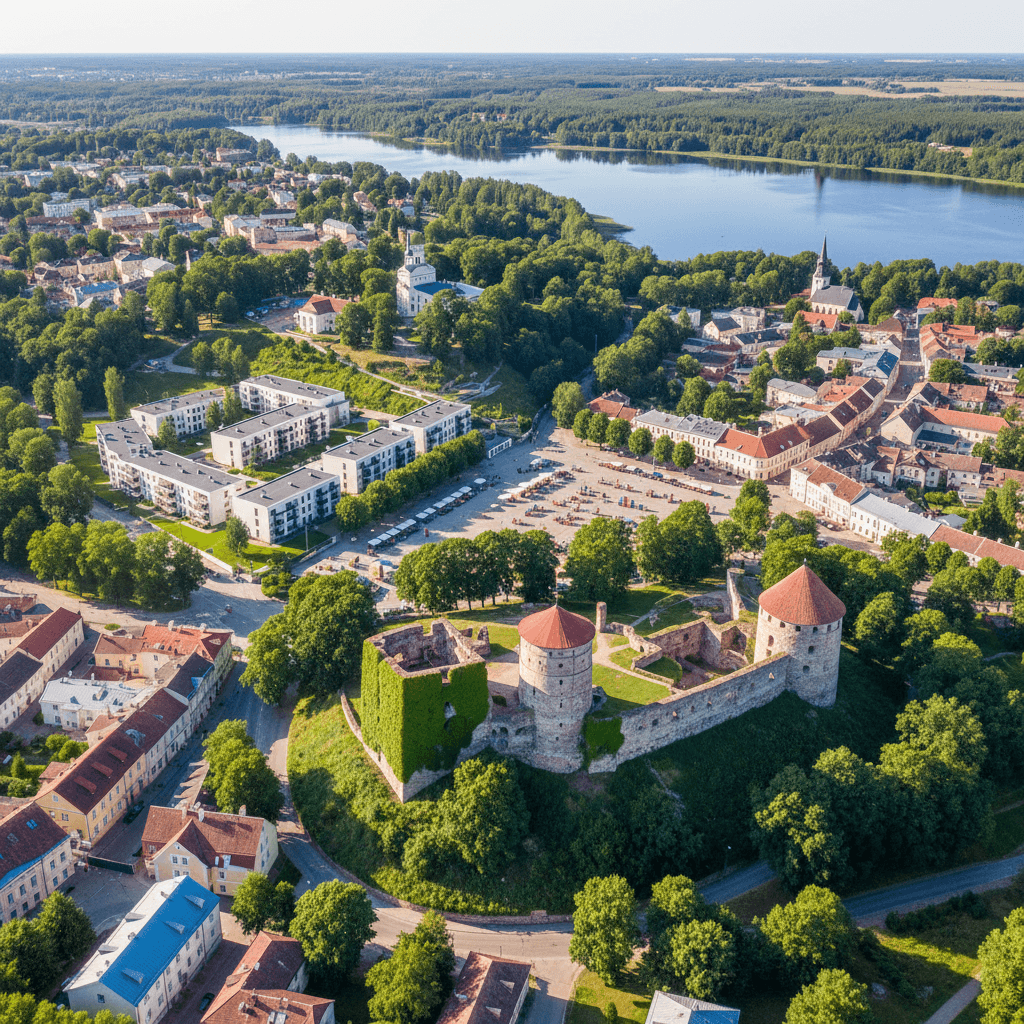
Viljandi
🇪🇪 Estonia
The Artistic Heart of Southern Estonia
If Tallinn is the high tech face of Estonia and Tartu is its academic brain, Viljandi is undoubtedly its soulful, creative heart. This isn't a place where you'll find glass skyscrapers or high pressure networking events. Instead, you'll find a UNESCO Creative City of Crafts and Folk Art where the rhythm of life is dictated by the seasons and the strum of a guitar. It's a town where medieval ruins overlook a massive lake, and the air feels noticeably stiller than in the capital.
Nomads often choose Viljandi when they're burnt out on the urban grind. There's an undeniable "small town" magic here, fueled by the students of the Viljandi Culture Academy who keep the local cafes buzzing with creative energy. It feels like a village that happens to have world class infrastructure. You get the benefits of Estonia's digital forward society, like fast internet averaging around 25 Mbps and seamless e-governance, but you're never more than a ten minute walk from a forest trail or a dip in the lake.
Cost of Living Breakdown
Viljandi is one of the most budget friendly spots in the country for remote workers. You can live a very comfortable life here for significantly less than you'd spend in Western Europe or even Tallinn.
- The Budget Tier: Expect to spend around $1,020 per month. This covers a modest apartment, groceries, and occasional local entertainment.
- The Mid-Range Tier: Most nomads land between $1,500 and $1,800. This allows for a nicer central flat, regular dinners out at spots like Fellin, and a few weekend trips to Tartu.
- The Comfortable Tier: At $2,000+ per month, you’re living the high life. This covers premium housing near the lake, frequent travel, and no-expense-spared dining.
Where to Plant Your Flag
Viljandi is compact, so you won't need a car, but choosing the right neighborhood changes your daily experience. Most expats and creatives gravitate toward the Old Town. It's a picturesque maze of cobblestones and 19th century wooden houses. You'll be steps away from the best coffee shops, though you might have to deal with slightly older plumbing in some of the historic buildings. Expect to pay around $550 for a solid one bedroom here.
If you prefer a morning run over a morning espresso, look toward the Lake Viljandi area. It's the town's recreation hub, featuring beaches, boat rentals, and volleyball courts. It stays quiet most of the year but gets lively during the summer months. For those who just want the views, the Castle Hill area is stunning, though housing is limited and the hills will give your calves a serious workout.
Working and Connectivity
You won't find a massive WeWork style complex here. Most nomads treat the town's cozy cafes as their office. The Estonian Traditional Music Centre has great spaces, and the local library is a quiet, reliable backup. For a dedicated desk, some locals head to small shared studios or make the one hour trek to Tartu for a change of pace.
For data, skip the physical SIM hunt and grab a Holafly eSIM before you arrive. If you're staying long term, local providers like Telia or Elisa offer unlimited data for roughly $10 to $20 a month. Reliability is rarely an issue; Estonia’s digital infrastructure is legendary for a reason.
The Social Scene and Vibe
Integration happens through shared interests here. If you like folk music, crafts, or the outdoors, you'll find your people quickly. The Viljandi Folk Music Festival in July is the social peak of the year, bringing thousands of people (over 12,000 in recent years) to town, but the creative community stays active year round through the Culture Academy.
Estonians are famously reserved at first. Don't expect "service with a smile" everywhere, but do expect genuine, lasting friendships once the ice breaks. Joining a sauna session or a hiking group is the fastest way to turn a local acquaintance into a friend. Just remember to be punctual; "Estonian time" means arriving exactly when you said you would.
Practical Realities
The biggest trade off is the winter. From January to March, temperatures hover around -4°C and the days are short. If you aren't a fan of the cold or the dark, this period can feel isolating. However, if you embrace the "hygge" lifestyle with a fireplace and some wool socks, it's incredibly peaceful. For the best experience, aim to be here between June and August when the sun barely sets and the town is in full bloom.
The Price of Creative Freedom
Viljandi is arguably Estonia's best kept secret for keeping your bank account healthy without sacrificing lifestyle. While Tallinn prices have crept closer to Nordic levels, Viljandi remains a pocket of affordability. It’s the kind of place where your monthly burn rate drops significantly, allowing you to focus on your projects rather than just making rent.
Most nomads find they can live comfortably here on $1,500 to $1,800 a month. If you're disciplined and stick to local markets and home cooking, you could even squeeze by on $1,020. For those who want the luxury of a renovated apartment in the Old Town and frequent dinners at cozy spots like Fellin, a budget of $2,000 provides a very high quality of life.
Monthly Budget Breakdown
- Budget Tier: ~$1,020 per month. This covers a modest studio, groceries from Selver or Rimi, and minimal nights out. You'll be walking everywhere and enjoying the free nature trails.
- Mid-range Tier: ~$1,500 to $1,800 per month. This is the sweet spot. It includes a nice one bedroom apartment, utilities, a mobile data plan, and regular visits to the town's artisanal cafes.
- Comfortable Tier: $2,000+ per month. You're looking at a premium rental near the lake, daily lattes, weekend trips to Tartu, and plenty of social activities.
Housing and Neighborhoods
Rent is your biggest saving here. A solid one bedroom apartment in a central location typically goes for around $550. Prices vary based on whether you want a modern renovation or one of the town's iconic wooden houses. Expats recommend checking platforms like City24.ee or local Facebook groups to find the best deals.
- Old Town: This is the heart of the creative scene. You'll be surrounded by cobblestones and historic architecture. It's central and incredibly scenic, though some older buildings might have higher heating costs in the winter.
- Lake Viljandi Area: Perfect if you start your day with a run or a swim. It’s quieter and greener, though it gets lively during the Viljandi Folk Music Festival in July.
- Castle Hill: Mostly ruins and parkland, but there are a few residential pockets nearby. It’s peaceful and offers the best views in town, but be prepared for some steep walks.
Eating and Socializing
The food scene is surprisingly sophisticated for a town of this size, thanks to the student population from the Culture Academy. A quick lunch or street food will run you $5 to $8. A dinner for two at a mid-range restaurant usually lands between $10 and $15 per person. If you're heading to an upscale spot, expect to pay $20 to $30 for a full meal.
Coffee culture is big here. You'll spend a lot of time in places like Rohelise Maja Pood ja Kohvik. Budget about $100 to $200 a month for your "office" expenses if you prefer working from cafes, though most have great free WiFi and won't mind if you linger with your laptop.
Connectivity and Transport
Since Viljandi is compact, you'll rarely need to spend money on transport. Most things are a 15 minute walk away. If you do need a lift, the Bolt app is the standard here; short trips across town usually cost between $5 and $10. A monthly bus pass is around $50, but many nomads just rent a bike for $10 a day when they want to explore further.
Internet is reliable and fast, with average speeds around 87 Mbps. For your phone, grab a local SIM from Telia or Elisa for about $15 a month with unlimited data, or set up a Holafly eSIM before you arrive for instant connectivity.
For Digital Nomads: Old Town (Vanalinn)
If you're coming to Viljandi to tap into its creative energy, the Old Town is your base camp. This neighborhood is a maze of cobblestone streets and 19th century wooden houses that look like they've been pulled from a folk tale. It's the most walkable part of the city, putting you steps away from the Tartu University Viljandi Culture Academy and the Estonian Traditional Music Centre.
While dedicated coworking spaces are sparse, the Old Town is the capital of laptop culture in southern Estonia. Nomads gravitate toward Rohelise Maja Kohvik (the Green House Cafe) for its organic vibe and strong WiFi. Expect to pay around $350-450 for a studio or one bedroom in this area. It's central and full of character, though you should keep in mind that many of these historic buildings are hilly and may lack modern elevators.
- Rent: ~$350-450 per month
- Vibe: Artistic, historic, and social
- Top Spot: St. John’s Church area for the best photo ops
For Families: Lake Viljandi Perimeter
Families usually head toward the southern edge of town near the lake. This area feels less like a city and more like a permanent summer camp. The lakefront is packed with infrastructure for kids and active parents, including well maintained playgrounds, football pitches, and volleyball courts. During the warmer months, the beach becomes the city's living room.
Living here means easy access to the Paala lake area and the main beach, where you can rent paddleboards or rowing boats for about $10 an hour. The housing here tends to be slightly more modern than the Old Town, providing more space for the same price. It's quiet, safe, and the air is noticeably fresher, though it can get crowded during the Folk Music Festival in July.
- Rent: ~$500 to $650 for larger flats
- Vibe: Active, green, and peaceful
- Activities: Swimming, boat rentals, and forest trails
For Solo Travelers: Castle Hill & Ruins
Solo travelers looking for inspiration often find themselves near the Castle Hills (Lossimäed). While there isn't much residential housing directly on the ruins, the streets immediately bordering the park offer a unique mix of solitude and scenery. You're living on the edge of the massive 13th century Order Castle ruins, which serve as the city's backyard.
It's the best spot for those who want to clear their head. You can cross the iconic suspension bridge for a morning run or sit on the ruins for a panoramic view of the lake. It's quiet, slightly isolated, and incredibly safe. You'll be close to the Fellin restaurant, a local favorite for high end Estonian fare where a meal costs about $25. The main trade off is the steep walk back up from the lake, but the views are worth the leg workout.
- Rent: ~$500 for modest apartments
- Vibe: Scenic, quiet, and contemplative
- Must See: The hanging bridge and the valley views
For Expats & Long-Termers: Paalalinna & Uueveski
If you're planning to stay for a year and want to live like a local, look toward Paalalinna or Uueveski. These neighborhoods are just a 15 to 20 minute walk from the center but offer a much more residential feel. This is where you'll find the best deals on groceries and local services. You can easily find a comfortable apartment for under $500, leaving more room in your budget for weekend trips to Tartu or Tallinn.
Expats appreciate these areas because they're close to the Uueveski lakes and valley, which feature beautiful walking paths and a series of small waterfalls. It’s less "touristy" than the Old Town and offers a genuine look at Estonian life. Most people use the Bolt app to get around if they're carrying groceries, with short trips across town rarely costing more than $5 to $7.
- Rent: ~$400 to $500 per month
- Vibe: Authentic, residential, and affordable
- Perks: Proximity to local schools and supermarkets
Connectivity and Speed
You won't have to worry about the "small town" stereotype when it comes to Viljandi's infrastructure. Estonia is famous for its digital-first approach, and this artistic hub is no exception. Most nomads find that download speeds average around 25 Mbps, which is more than enough for video calls, large file uploads, or streaming your favorite shows after a day at the lake.
For mobile data, travelers often recommend grabbing a Holafly eSIM for instant access, but if you're staying for more than a week, local providers like Telia or Elisa are the way to go. You can snag an unlimited data plan for roughly $10 to $20 per month, and the coverage remains rock-solid even when you're hiking near the castle ruins.
Coworking Spaces
If you're looking for a massive, tech-heavy coworking hub like Tallinn's Lift99, you'll need to temper your expectations. Viljandi is more about the "slow nomad" life than a high-pressure startup scene. There aren't many dedicated coworking offices here, though you can find small, flexible setups through the Viljandi Culture Academy network or local creative hubs for about $100 to $200 a month.
Many remote workers choose to commute to Tartu, just an hour away, if they need a formal office environment for a day or two. However, most expats in town simply work from their apartments or lean into the city's thriving cafe culture.
Laptop-Friendly Cafes
The real "offices" of Viljandi are its cozy, wooden-walled cafes. The local culture is very respectful of quiet work, and you'll often see students and freelancers tucked into corners with their laptops. WiFi is almost universally free and fast.
- Fellin: Located in the heart of the Old Town, this spot is a favorite for its high-quality coffee and artistic atmosphere. It's great for a few hours of deep work, though it gets busy during lunch.
- Rohelise Maja Pood ja Kohvik: A charming bakery and shop where the vibe is incredibly relaxed. It's perfect if you prefer a rustic environment and don't mind the smell of fresh bread distracting you from your spreadsheets.
Digital Nomad Essentials
Living and working here is remarkably affordable compared to most European capitals. Most nomads find they can live comfortably on $1,500 to $1,800 a month, covering a central apartment and frequent visits to those laptop-friendly cafes.
- Monthly Coworking/Internet Budget: Expect to spend about $150 if you combine a local SIM and occasional hot-desking.
- Banking: Apps like Wise and Revolut work perfectly here, and you'll rarely need physical cash.
- Community: Since there isn't a single "nomad hub," the best way to meet people is through Work in Estonia Facebook groups or by attending events at the Traditional Music Centre.
The lack of a corporate coworking scene is actually part of the draw for the people who choose Viljandi. It forces you to integrate into the local rhythm, working from sun-drenched lakeside benches in the summer or by a fireplace in an Old Town cafe during the snowy winters.
A Peaceful Haven with High Standards
Viljandi is the kind of place where you can leave your laptop on a cafe table while you grab a refill without a second thought. It consistently ranks as one of the safest spots in a country that already sits near the top of global safety indexes. There are no "no-go" zones here. Whether you are wandering the cobblestone streets of the Old Town at midnight or jogging around Lake Viljandi at dawn, the atmosphere remains tranquil and secure.
The local culture is reserved but deeply respectful. While Estonians might not strike up a conversation with a stranger immediately, they are helpful if you're in a pinch. For solo travelers and female nomads, the main "danger" is usually just a slippery sidewalk during the icy months from January to March. Use common sense as you would anywhere, but expect a level of public safety that's hard to find in larger European hubs.
Healthcare Infrastructure
If you get sick or injured, you're in good hands. Estonia's healthcare system is highly digitized and efficient. For minor issues, local pharmacies (apteek) are well-stocked and pharmacists usually speak excellent English. They can provide over-the-counter remedies for most seasonal flu or cold symptoms.
For more serious matters, Viljandi Hospital serves the local population with modern equipment and professional staff. However, for specialized procedures or major emergencies, many expats and locals head to the university city of Tartu, which is only a one-hour drive or bus ride away. Tartu is home to some of the best medical facilities in Northern Europe, providing an extra layer of reassurance for long-term residents.
- Emergency Services: Dial 112 for police, ambulance, or fire services. This is the universal number across the EU and operators generally speak English.
- Health Insurance: If you are on the Digital Nomad Visa, you'll need private insurance that covers at least €30,000. Nomads often use providers like SafetyWing or World Nomads.
- Digital Health: Estonia uses a sophisticated e-health system. Once you have your ID code (isikukood), your prescriptions are handled digitally, and you can pick them up at any pharmacy by showing your ID.
Practical Wellness Tips
The biggest health challenge for newcomers is often the climate rather than crime. The dark, cold winters can take a toll on your mood and energy levels. Local expats recommend taking Vitamin D supplements starting in October and leaning into the Estonian sauna culture to keep your immune system strong.
Tap water in Viljandi is perfectly safe to drink and of high quality. You'll save money and reduce plastic waste by using a refillable bottle. If you're heading into the thick forests nearby for a hike, be mindful of ticks during the summer months; it's a good idea to wear repellent or check yourself afterward, as tick-borne illnesses are present in the region.
Stay Connected and Informed
For day-to-day safety updates or health advice, local Facebook groups like "Foreigners in Viljandi" or "Expats in Estonia" are active and helpful. Most nomads also use the Bolt app for safe, tracked rides home after a late night at a folk music event, though the town is so compact that you'll likely just walk. The cost for a cross-town ride is usually between €5 and €10, making it a cheap backup plan if you're feeling tired or the weather turns.
Getting Around Viljandi
Viljandi is the kind of place where your legs are your best asset. It is a compact, hilly town where the distance between a morning coffee in the Old Town and a swim in Lake Viljandi is barely a fifteen-minute stroll. Most nomads find they rarely need wheels to navigate the daily grind, especially since the cobblestoned streets and scenic overlooks near the Castle Ruins are best experienced on foot.
Public Transit and Apps
When the weather turns or you are carrying groceries, the local bus system is reliable and incredibly cheap. Rides usually cost between €1 and €2. If you are in a rush or coming home late from a folk session, Bolt is the go-to ride-hailing app. A trip across town rarely exceeds €5 to €10. It is the same app you will use for food delivery, making it a staple on any expat’s phone.
Cycling and Scooters
During the warmer months, the city transforms into a cyclist's playground. There are kilometers of well-maintained paths circling the lake and cutting through the green belts. You can grab a rental bike or a scooter near the lakefront for about $10 a day. It is a favorite way for locals to reach the diving towers or the tennis courts without breaking a sweat.
Regional Connections
Viljandi feels tucked away, but it is well-connected to Estonia’s larger hubs. If you need a dose of big-city energy or a dedicated coworking space, Tartu is only an hour away by bus or car. Reaching Tallinn takes about 2.5 hours. Most travelers use the Lux Express or Simple Express bus lines for these trips, which are comfortable, equipped with WiFi, and cost around €10 to €15.
- Walking: Free and the most common way to get around the central core.
- Buses: €1 to €2 per ride; efficient for reaching the outskirts.
- Bolt: Main ride-hailing app; expect to pay $5 to $10 for short hops.
- Bike Rentals: Approximately $10 per day, primarily available in summer.
Arriving in Town
If you are flying in, you will likely land at Tallinn Airport (TLL) or the smaller Tartu Airport (AYU). From Tallinn, you can take a direct train or bus. The train is a scenic, relaxing way to arrive and drops you off just a short walk or quick Bolt ride from the center. For a more private transfer from the airport, a pre-booked car can cost anywhere from $20 to $50 depending on the distance and your negotiation skills.
Practical Transport Costs
- Monthly Transport Budget: Most nomads spend about $50 total on occasional buses and Bolts.
- Intercity Bus to Tartu: Roughly $8 to $12 for a one-way ticket.
- Train to Tallinn: Around $10 to $15 depending on the class and timing.
The beauty of Viljandi is that it forces you to slow down. You won't find yourself trapped in gridlock or sprinting for a subway. Instead, you'll likely find that your daily commute consists of a pleasant walk through Castle Hill or a quick bike ride past the wooden houses of the Old Town.
The Language Barrier (Or Lack Thereof)
You might expect a town of 17,000 in southern Estonia to be a difficult place to navigate without knowing the local tongue. In reality, Viljandi is surprisingly accessible. Because it hosts the University of Tartu Viljandi Culture Academy, the streets are filled with students and academics who speak excellent English. You'll find that most people under 40 are fluent, and even in the smaller cafes around the Old Town, staff are usually comfortable switching languages the moment they realize you aren't local.
Estonian is the primary language, and while it's famously difficult to learn, locals don't expect you to master it. They appreciate the effort, but they're pragmatic. You'll also hear some Russian, particularly among the older generation, but English has firmly established itself as the second language of choice for the town's creative and tech-savvy crowd. If you're heading into the more rural areas around Lake Viljandi or smaller villages nearby, having a translation app ready is a smart move, but within the city limits, you'll rarely feel stranded.
Communication Tools for Nomads
Staying connected is rarely an issue here. Estonia is a digital-first society, and Viljandi follows suit with reliable infrastructure. Most nomads rely on a few specific tools to keep things running smoothly:
- Holafly eSIM: This is the go-to for most travelers arriving in town. It provides immediate data without the need to hunt for a physical store, and the coverage remains strong even when you're hiking near the Castle Hill ruins.
- Local SIMs (Telia or Elisa): If you're staying for more than a month, grab a local prepaid card. You can pick these up for roughly $10 to $20 and they often come with unlimited data, which is perfect if you're tethering from a lakeside bench.
- Google Translate: Download the Estonian offline pack. It’s particularly useful for reading physical menus in traditional folk pubs or understanding signage at the Estonian Traditional Music Centre.
- Bolt: This is the lifeline for transport and food delivery. Since you won't always find a taxi idling on a street corner, the app is the standard way to grab a ride or order a late dinner.
Social Etiquette and Integration
Estonians are often described as reserved, but in a town like Viljandi, that translates more to a respect for personal space than any kind of coldness. They value punctuality. If you're meeting a local for coffee at Rohelise Maja Kohvik, being five minutes late is noticed. Once the ice breaks, usually over a shared interest in music or the outdoors, you'll find the community is incredibly loyal and welcoming.
The social scene revolves heavily around the seasons. In the summer, the Viljandi Folk Music Festival turns the town into a massive open-air party where communication is easy and everyone is looking to meet new people. During the quieter winter months, the social life moves indoors to cozy cafes and saunas. The sauna is a major part of the local "language" of friendship; it's where the most honest conversations happen.
Essential Phrases to Know
While you can get by on English, tossing out a few Estonian words goes a long way in building rapport with the shopkeepers and artisans in the UNESCO Creative City areas. Here are the basics:
- Tere: Hello (Your most used word by far).
- Aitäh: Thank you.
- Palun: Please or "You're welcome."
- Terviseks: Cheers (Useful for those nights at the local pubs).
- Kas te räägite inglise keelt?: Do you speak English?
If you're looking to dive deeper into the community, keep an eye on the Work in Estonia portals or local Facebook groups. The nomad community here is small but tight-knit, often gathering at the few coworking spots or laptop-friendly cafes near the lake to swap tips on everything from the best hiking trails to navigating the local e-residency perks.
The Seasonal Rhythm
Viljandi follows a classic Northern European pattern where the seasons dictate the entire town's personality. You'll experience a dramatic shift from the quiet, snowy introspection of winter to the explosion of folk music and lakeside energy in the summer. For most nomads, the sweet spot lies between June and August, when the town truly wakes up and the creative community moves outdoors.
Summer temperatures average around 20°C (68°F), though heatwaves can push things higher. This is the prime window for swimming in Lake Viljandi or working from a cafe terrace in the Old Town. If you're here in late July, expect the town to triple in size for the Viljandi Folk Music Festival. It’s the highlight of the year, but you'll need to book your accommodation months in advance.
Winter Survival and the "Dark Times"
Winter is a different beast entirely. From December through March, the town turns into a silent, white landscape with average highs of -2°C (28°F) and lows hitting -8°C (18°F) or colder. Daylight is scarce, often disappearing by 3:30 PM in the depths of December. While the snow on the castle ruins is stunning, the "slush season" in early spring can be a bit of a grind for those used to sunnier climates.
Expats usually recommend leaning into the local lifestyle during these months. This means frequenting the Estonian Traditional Music Centre for indoor concerts, hitting the sauna, and making the most of the reliable heating in local apartments. If you struggle with Seasonal Affective Disorder, the period from January to March is the toughest time to be here.
Month-by-Month Snapshot
- December to February: The coldest months. Expect plenty of snow, ice on the lake, and a very quiet social scene. It's great for deep work and cozying up in wood-fired cafes, but you'll need serious winter gear.
- March to May: The thaw. It can be muddy and unpredictable, but by May, the greenery returns and the outdoor terraces start to open.
- June to August: Peak season. The sun barely sets, the lake beach is packed, and the UNESCO Creative City status is on full display with workshops and festivals. This is the best time for networking.
- September to November: The rainy season starts in earnest. While autumn colors in the castle park are beautiful, frequent showers and dropping temperatures make this a transitional period for most travelers.
The Nomad Verdict: When to Arrive
If you're planning a short stint, aim for mid-June. You'll catch the best weather, the longest days, and the peak of the cultural calendar. You can spend your mornings working with 87 Mbps speeds and your afternoons paddleboarding or hiking the trails around the lake.
For those looking to stay long-term, arriving in late August is a smart move. The summer crowds thin out, finding a long-term rental in the Old Town becomes easier, and you can settle into the local rhythm before the winter freeze sets in. Just make sure your budget accounts for slightly higher heating bills once November hits, even though Viljandi remains much cheaper than Tallinn year-round.
Getting Settled and Staying Connected
Viljandi is a breath of fresh air for nomads who find Tallinn too frantic. You can comfortably live here on $1,500 to $1,800 a month without feeling like you're pinching pennies. While the town is small, the infrastructure is surprisingly modern. Download Bolt immediately; it is the go-to app for both quick rides across town (usually $5 to $10) and food delivery when you're too deep into a project to cook.
Internet speeds average around 87 Mbps, which is plenty for video calls and heavy uploads. You won't find a massive selection of dedicated coworking spaces like you would in Tartu or Tallinn. Most remote workers set up shop in local cafes or use the library. If you need a stable mobile connection, grab a Holafly eSIM for instant data, or visit a local Telia or Elisa shop for a prepaid SIM that costs about $15 a month for unlimited data.
Where to Base Yourself
The town is compact enough that you'll likely be walking or biking everywhere, but your choice of neighborhood dictates your daily view.
Old Town
- Best for: Creative souls and solo travelers who want to be near the action.
- The Vibe: Cobblestone streets, historic wooden houses, and the best coffee shops.
- Rent: Expect to pay around $550 for a central studio or small one bedroom apartment.
- Pros: Extremely walkable and visually stunning; you're steps away from the Culture Academy.
Lake Viljandi Area
- Best for: Active nomads and families.
- The Vibe: Green, quiet, and focused on the outdoors.
- Rent: Similar to Old Town, though modern builds near the water can command a premium.
- Pros: Direct access to hiking trails, boat rentals, and the beach for summer swims.
The Cost of Living Breakdown
Your budget in Viljandi goes significantly further than in Western Europe or Estonia's capital. Here is what a typical monthly mid range lifestyle looks like:
- Housing: $550 to $700 for a well located, furnished apartment.
- Groceries and Dining: $400 to $500. A mid range meal out is about $12, while a coffee is usually $3.
- Utilities and Internet: $100 to $150, depending heavily on heating during the winter months.
- Transport and Leisure: $150. This covers your phone plan, occasional Bolt rides, and museum entries.
Daily Life and Language
Estonians are famously reserved but generally very helpful. You'll find that younger residents and students at the Culture Academy speak excellent English. Learning a few words like Tere (Hello) and Aitäh (Thank you) goes a long way with the locals. For everything else, Google Translate with an offline Estonian pack is your best friend.
Safety is almost a non issue here. It is one of the safest towns in the region, and there are no specific areas you need to avoid after dark. If you have a medical emergency, dial 112. For routine health issues, there are local pharmacies and a hospital, though specialized treatment often requires a one hour trip to Tartu.
Weather and Timing
Timing your stay is vital. If you hate the cold, avoid January through March, when temperatures average -4°C and the days are incredibly short. July is the sweet spot with highs of 22°C. This is also when the Viljandi Folk Music Festival takes over the town, bringing in 20,000 people. If you plan to be here in July, book your accommodation months in advance, as prices spike and availability vanishes.
Banking and Admin
Estonia is a digital first society. You'll rarely need physical cash. Wise and Revolut are the standard for nomads here; they work everywhere from the smallest craft shop to the local bus. If you're staying long term, look into the Estonian Digital Nomad Visa, which allows you to live here legally for up to a year while working for your overseas employer.
Need visa and immigration info for Estonia?
🇪🇪 View Estonia Country GuideEasy Landing
Settle in, no stress