Trujillo
🇵🇪 Peru
The Eternal Spring and Surf
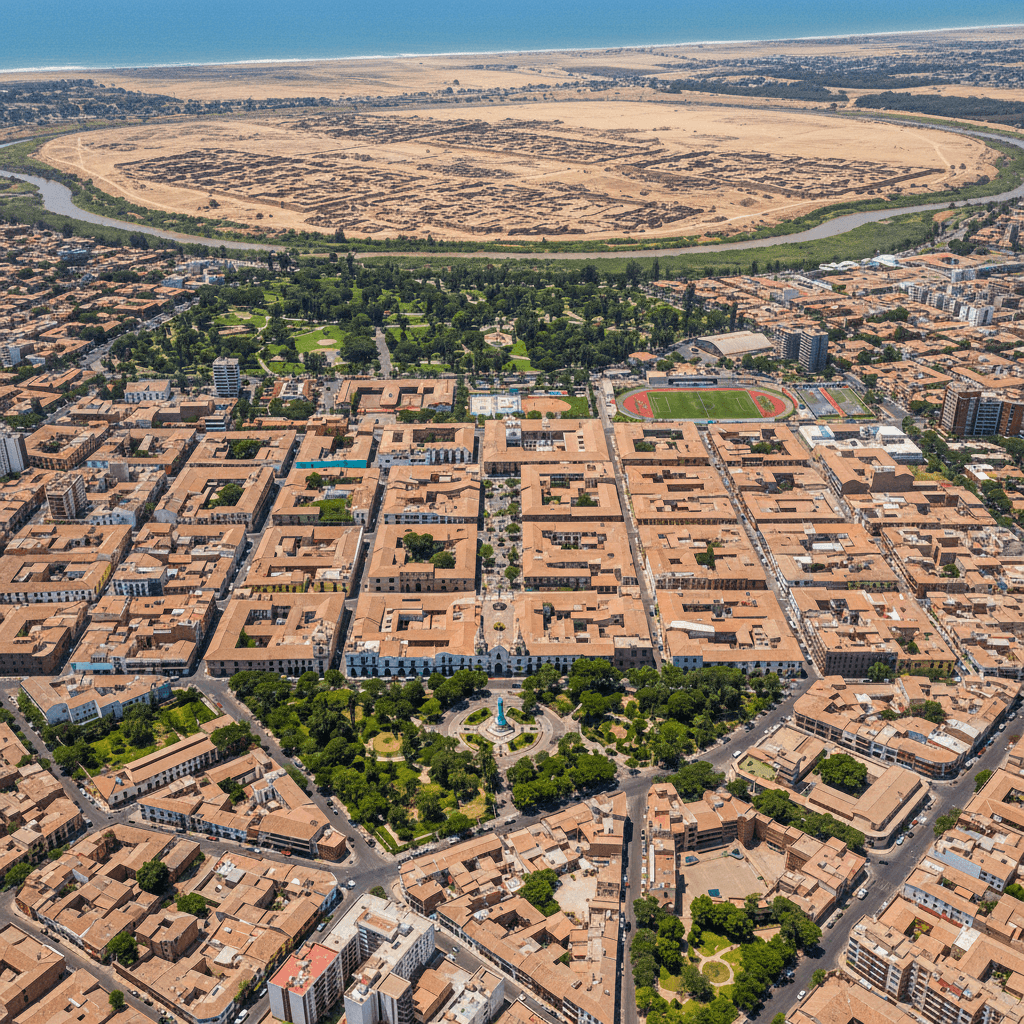
Trujillo doesn't demand your attention like Lima's chaos or Cusco's high-altitude intensity. Instead, it greets you with a consistent 25°C breeze and a pace of life that feels remarkably human. Known as the City of Eternal Spring, it sits in a sweet spot where colonial history meets a laid-back Pacific coastline. You'll spend your mornings walking past candy-colored mansions in the historic center and your afternoons watching traditional reed boats, known as caballitos de totora, cut through the surf in Huanchaco.
What sets Trujillo apart for nomads is this juxtaposition of the ancient and the everyday. You can take a $0.50 bus ride from a modern coworking space and find yourself at Chan Chan, the largest adobe city on earth, within twenty minutes. It feels less like a tourist theme park and more like a lived-in cultural capital where locals actually stop to chat. While it lacks the massive nomad infrastructure of Medellin or Bali, that’s exactly why people stay. It’s affordable, authentic, and hasn't been "discovered" to the point of losing its soul.
The Cost of Living
Your dollar goes significantly further here than in the capital. Most solo nomads find they can live comfortably on $1,100 to $1,300 per month without feeling like they're pinching pennies. While you can certainly scrape by on less if you stick to $3 market lunches, the mid-range lifestyle is where Trujillo really shines.
- Budget Tier ($800 to $1,000): Best for those sharing a flat in the center, eating street food like ceviche de carretilla, and using the local combi buses.
- Mid-Range Tier ($1,000 to $1,300): Includes a private one-bedroom apartment, a mix of local dining and nicer beachfront spots, and regular ride-hailing trips.
- Comfortable Tier ($1,300 to $1,600): Covers a premium beach apartment in Huanchaco, a dedicated desk at a coworking space, and upscale dinners at places like El Caribe.
Where to Plant Your Flag
Most expats choose between two distinct vibes: the urban heritage of the center or the salt-air relaxation of Huanchaco. Both are safe enough if you use common sense, though locals suggest avoiding the outskirts after dark.
Historic City Center
- Best For: Culture junkies and those who want to be near the best coffee shops.
- Rent: Expect to pay $300 to $500 for a decent studio.
- Pros: Stunning architecture, walkable streets, and proximity to the main business hubs.
- Cons: Can get noisy with traffic; petty theft is a minor concern in crowded plazas.
Huanchaco
- Best For: Surfers, digital nomads, and anyone who wants to work with a sea view.
- Rent: Slightly higher at $400 to $600 for expat-friendly rentals.
- Pros: Tight-knit nomad community, incredible seafood, and a very relaxed social scene.
- Cons: It gets crowded during the summer months (January to March) and the surf can be loud at night.
The Digital Setup
Fiber connections in Peru rank in global top 20 for fixed broadband speeds. However, hotel and Airbnb WiFi can be hit or miss. Experienced nomads usually head to Selina Huanchaco for a guaranteed connection and a social atmosphere. If you're working from cafes, Huanchaco’s beachfront is dotted with spots that don't mind you lingering over a coffee for a few hours.
For a backup, grab a Claro or Movistar SIM card for about $10. You'll get decent 4G coverage across the city, which is perfect for tethering when the power flickers or the cafe router decides to take a nap. Most travelers recommend using InDriver or Uber for getting around; it’s safer than hailing a random cab on the street and usually costs under $5 for most cross-town trips.
Socially, the scene is still growing. You won't find dozens of nomad meetups every week, but the Facebook group "Digital Nomads Peru" is a solid starting point. Most people find their tribe organically at the surf schools or the evening bonfire hangouts on the beach. It’s a place where you’ll actually get to know the person making your coffee or the local surfer who shares your morning break.
Affordability in the City of Eternal Spring
Trujillo is a breath of fresh air for your wallet, especially if you're coming from Lima or Cusco. Most nomads find they can live comfortably here for around $1,106 per month. It's a place where your budget stretches far enough to trade a cramped apartment for a breezy colonial suite or a beachside pad in Huanchaco without breaking the bank.
The local economy is built on a mix of student life and coastal tourism, keeping prices grounded. You'll find that while the infrastructure isn't as polished as Miraflores, the "ultra-affordable" tag travelers often give the city is well-earned. Expect to pay about $2 to $4 for a fresh ceviche lunch at a market stall, while a nice dinner at a mid-range spot like El Caribe usually lands between $5 and $10.
Monthly Budget Tiers
- The Budget Nomad ($800 to $1,000): You're likely sharing a flat in the Historic Center for about $250, eating mostly street food or menús del día, and sticking to the $0.50 combi buses to get around.
- The Mid-Range Lifestyle ($1,000 to $1,300): This covers a private one-bedroom apartment for $400, a mix of cooking at home and dining out, and regular use of InDriver or Uber for trips across town.
- The Comfortable Setup ($1,300 to $1,600): This tier buys you a premium apartment in Huanchaco for $500+, a dedicated desk at a coworking space, and frequent weekend trips to the Moche pyramids or nearby surf breaks.
Where to Plant Your Flag
Most expats and remote workers split their time between two distinct areas depending on their priorities. The Historic City Center is the cultural heart, filled with those famous bright yellow and blue colonial buildings. It's walkable, close to the best coworking spots, and keeps rent low, usually between $300 and $500. The trade-off is the noise and the standard urban precautions you'd take in any large Peruvian city.
Huanchaco is the alternative, located about 20 minutes from the city. It's a world-famous surf town where the vibe is significantly more relaxed. Rent is slightly higher here, ranging from $400 to $600, but you're paying for the ocean breeze and a tight-knit expat community. Just be aware that the sound of the Pacific swells can be loud at night if you're right on the front row.
Connectivity and Workspace
While the city boasts average speeds of 277 Mbps, don't let that number fool you into thinking every Airbnb has NASA-grade internet. Reliability can be hit or miss in older buildings. Serious workers usually head to Selina Huanchaco or local hubs in the center. Expect to pay about $10 for a day pass or $100 to $200 for a monthly membership.
For a backup, grab a Claro or Movistar SIM card at the airport or a local shop. An unlimited data plan will run you about $10 to $20 per month. Travelers often recommend keeping a portable hotspot handy, especially if you plan on working from the beach cafes in Huanchaco where the WiFi might struggle during the tourist rush.
Getting Around and Staying Safe
Trujillo is highly walkable, particularly within the historic grid and the Huanchaco beachfront. For longer distances, ride-hailing apps are your best friend. A typical trip across the city costs between $3 and $5. If you're feeling adventurous, the local combis are a steal at $0.50, though they can be a bit of a squeeze during rush hour.
Safety-wise, it's the standard Peruvian playbook. Stick to the well-lit areas of the center and Huanchaco, and avoid the outskirts after dark. Petty theft is the main concern, so keep your phone tucked away while walking near traffic. For healthcare, Clinica Trujillo is the go-to for quality care, and you'll find an Inkafarma on nearly every corner for basic needs.
For Nomads and Solo Travelers: The Historic City Center
If you want to be in the thick of Trujillo's colonial charm, the Centro Histórico is your best bet. It's a grid of bright yellow and blue buildings, massive wooden balconies, and walkable plazas. Most nomads choose this area because it puts you within a 10 minute walk of the city's best infrastructure, including the main banks and the Clinica Trujillo if you ever need a doctor.
- Rent: $300 to $500 for a decent studio or 1BR.
- Vibe: Fast paced during the day, culturally rich, and very social.
- Best for: People who prioritize walkability and being near the 277 Mbps fiber optic lines found in the city core.
The social scene here revolves around the Plaza de Armas. Travelers often meet up at local cafes or spot each other at the coworking spaces that have popped up to mirror the Comunal style offices in Lima. While it's generally safe, keep your wits about you at night and stick to the well lit main streets. Petty theft can happen if you're flashing a laptop in an unlit alleyway.
For Expats and Surfers: Huanchaco
About 20 minutes from the city center lies Huanchaco, a dedicated beach town that feels worlds away from the urban noise. This is where the long term expat community lives. It's famous for "caballitos de totora" (traditional reed boats) and some of the most consistent surf breaks in Northern Peru. You'll find a much higher concentration of English speakers here than in the city.
- Rent: $400 to $600 for apartments with an ocean view.
- Work: Selina Huanchaco is the go to hub for reliable WiFi and a built in social network.
- Food: Fresh ceviche at El Caribe or beachfront shacks for about $8 a plate.
Expats recommend Huanchaco for the lifestyle, but you should know that the swell can be noisy at night and the town gets packed with tourists during the peak summer months. It's the kind of place where you'll end up staying three months instead of three weeks because the pace of life is so addictive. Just be sure to get a Claro or Movistar SIM card as a backup; the beach WiFi can occasionally be spotty during sea mists.
For Long Term Residents and Families: California and El Golf
If you're moving with a family or just want more greenery and quiet, look toward the California or El Golf neighborhoods. These are the more affluent, residential districts. They don't have the "backpacker" energy of the center or the "surf" energy of Huanchaco, but they offer modern apartment complexes and proximity to the better private schools and malls.
- Rent: $500 to $800+ for larger, multi bedroom units.
- Safety: These areas are considered the safest in the city with more private security and quieter streets.
- Transport: You'll likely rely on InDriver or Uber to get around, which usually costs about $3 to $5 per trip to reach the center.
Most families prefer these areas because they're close to the Real Plaza mall, which offers reliable free WiFi and high end grocery stores. It's a more "local" experience in the sense that you aren't surrounded by tourists, but you'll need better Spanish skills to navigate daily life here. The weather remains a perfect 25°C, making the parks in these neighborhoods a great spot for an afternoon walk.
Practical Neighborhood Tips
- Getting Around: Use InDriver for the best rates between neighborhoods; it's the local favorite over Uber.
- Avoid the Outskirts: Stick to the center, the southern residential zones, or the beach. The northern and eastern outskirts lack nomad amenities and have higher crime rates.
- Short Term Stays: Check Facebook Marketplace or "Arriendo Trujillo" groups for better deals than Airbnb, though you should always view the place in person before paying.
The Connectivity Landscape
Trujillo is a bit of a dark horse when it comes to internet speeds. While it lacks the sheer volume of infrastructure you'll find in Lima, average fixed broadband speeds in Peru rank in the global top 20, but test before relying on residential WiFi. This is more than enough for high stakes Zoom calls or uploading large video files. However, there is a catch. That speed is usually concentrated in modern apartments and dedicated workspaces. If you're relying on the router in a budget hostel or an older colonial building in the historic center, you're going to deal with dead zones and drops.
Most nomads who stay here longer than a week recommend picking up a local SIM card immediately. Claro and Movistar are the two heavy hitters. You can grab a starter pack for about $10 at the airport or various shops around the Plaza de Armas. For $10 to $20 a month, you can get a data plan that serves as a reliable tethering backup when your Airbnb WiFi decides to take a siesta. Expect mobile data speeds to hover between 20 and 40 Mbps.
Top Coworking Spaces
If you have a deadline looming, don't risk it at a cafe. The coworking scene is small but functional, and it's the best way to meet the local professional community. Prices generally fall between $10 for a day pass and $100 to $200 for a monthly desk.
- Selina Huanchaco: This is the undisputed hub for the nomad crowd. It's located right by the beach, offering that classic surf office vibe. The WiFi is the most reliable in the area, and it's the easiest place to network with other remote workers over a beer after 5:00 PM.
- Local Business Centers: In the city center, you'll find smaller, more corporate style spaces inspired by the Comunal model in Lima. These are quieter and better for deep focus than the social atmosphere of Huanchaco.
- Public Spaces: If you just need to send a quick email, the central plazas and larger malls often have free public WiFi, though these aren't secure or fast enough for a full day of work.
Work-Friendly Cafes
For those who prefer the hum of a coffee machine to a quiet office, Huanchaco is your best bet. The beachfront is lined with cafes where the staff won't mind if you linger for a couple of hours. El Caribe is a local favorite for a mid day ceviche break with a side of emails, though the ocean breeze can sometimes make your laptop screen a bit salty.
In the historic center, look for cafes tucked into the colorful colonial courtyards. These spots are usually quieter than the beach bars and offer a more stable environment for morning deep work. Just remember that "free WiFi" signs in Peru are sometimes more of a suggestion than a guarantee; always ask for a speed test or check the signal strength before you order your first espresso.
Practical Setup Tips
To make Trujillo work for your remote career, a little preparation goes a long way. Travelers often suggest bringing a portable power bank and a universal adapter, though most modern buildings use the standard two prong plugs found in the US. If you're planning to stay in a beach apartment in Huanchaco, ask the host for a screenshot of a speed test before you book. The difference between one street and the next can be significant due to the way fiber optic lines are laid out in the coastal sand. Most successful nomads here treat their mobile hotspot as their primary tool and the local WiFi as a pleasant surprise when it actually works at full speed.
Staying Safe in the City of Eternal Spring
Trujillo generally feels more relaxed than the frantic energy of Lima, but it requires the same urban street smarts you would use in any major South American hub. Most nomads find the city moderately safe, provided they stay within the well trafficked corridors of the Historic City Center and the beach town of Huanchaco. These areas are the heart of the expat community and are well patrolled by local police.
Petty crime, specifically phone snatching and pickpocketing, is the most common issue. Travelers often recommend keeping your phone out of sight while walking on busy streets and avoiding unlit areas or the city outskirts after dark. If you are heading out for a late night in the center, use ride hailing apps like Uber or InDriver rather than hailing a random taxi off the street. A typical trip across town usually costs between $3 and $5, which is a small price for the added peace of mind.
The vibe in Huanchaco is notably more laid back. Since it is a smaller surf community, you will likely feel comfortable walking to dinner or a beach bar at night. However, even here, keep an eye on your belongings at the beach. Don't leave your laptop or wallet unattended while you go for a swim or a surf session.
Healthcare and Medical Services
If you fall ill, Trujillo has a solid infrastructure of private clinics that offer better service and shorter wait times than public hospitals. Expats and locals alike point toward Clinica Trujillo as a reliable option for high quality care in the city center. Most doctors here have a moderate grasp of English, though having a translation app like Google Translate ready for specific medical terms is a smart move.
- Emergency Numbers: Dial 105 for the police or 116 for an ambulance.
- Pharmacies: You will see Inkafarma and Mifarma on almost every major corner. They are well stocked with over the counter basics and can often provide consultations for minor ailments.
- Quality of Care: Private clinics are modern and efficient, but for major specialized surgeries, some nomads choose to head back to Lima.
Practical Health Tips
The most frequent health hurdle for nomads is often related to water and food hygiene. Avoid drinking tap water at all costs; stick to bottled water which is cheap and available at every bodega. While the street food is delicious and incredibly affordable at $2 to $4 a meal, ease your stomach into it if you have just arrived in Peru.
The sun in Trujillo is deceptively strong due to the consistent 25°C spring weather. Even on overcast days in the early months of the year, the UV index remains high. Most nomads recommend carrying a high SPF sunscreen, as imported brands can be surprisingly expensive in local shops compared to what you might pay back home.
Insurance and Logistics
Before arriving, ensure your travel insurance covers private hospital stays and medical evacuation. While local costs are low, an unexpected emergency can add up quickly. Most clinics will expect payment upfront via credit card or cash before processing insurance claims. Using fintech apps like Wise or Revolut at BCP ATMs is the most efficient way to keep your local currency reserves high without losing too much to exchange fees.
Getting Around Trujillo
Trujillo is known as the city of eternal spring, and the mild 25°C weather makes it one of the most pleasant places in Peru to navigate on foot. Whether you are staying in the colonial center or the surf town of Huanchaco, you will find that your own two feet are often the best way to get from a morning coffee to your afternoon coworking session.
Walking and Biking
The Historic City Center is laid out in a classic grid, making it nearly impossible to get lost. Most nomads find the area around the Plaza de Armas highly walkable, with colorful colonial buildings and cafes clustered within a ten block radius. If you are based in Huanchaco, the beach promenade is the main artery for daily life. Expats often rent bicycles for about $5 to $10 a day to cruise between the surf breaks and the seafood shacks. It is a relaxed pace that avoids the chaotic traffic found in larger cities like Lima.
Public Combis
For longer distances, especially the 20 minute commute between the city center and Huanchaco, the local buses known as combis are the standard choice. They are incredibly cheap at roughly $0.50 per ride. You will see the destination names painted on the windshields or shouted by the collectors standing in the doorways. While they can be crowded and a bit loud, they run constantly. Just keep a firm grip on your backpack, as petty theft can happen on packed routes.
Ride-Hailing and Taxis
When you need a bit more comfort or you are heading home after dark, ride-hailing apps are the way to go. InDriver is the most popular choice in Trujillo because it allows you to negotiate the fare directly with the driver before they pick you up. Uber also operates here and is generally reliable for trips across town. Most rides within the city or between the center and the beach cost between $3 and $5. If you hail a traditional yellow taxi on the street, always agree on the price before you get in, as these cars are not metered.
Airport Transfers
Getting from the Captain FAP Carlos Martínez de Pinillos International Airport to your accommodation is straightforward. A taxi or an InDriver from the terminal to the city center usually costs between $10 and $15. The drive takes about 20 minutes depending on traffic. If you are heading straight to the beach in Huanchaco, the airport is actually located very close to the coast, making for a quick and cheap arrival.
Practical Transit Tips
- Download Offline Maps: While the center is easy to navigate, having Google Maps downloaded helps when you are exploring the outskirts or trying to find a specific coworking spot.
- Small Change is King: Bus drivers and taxi operators rarely have change for large bills. Keep a supply of coins and 10 or 20 soles notes specifically for transport.
- Safety First: Avoid walking alone at night in the outskirts of the city. Stick to the well lit areas of the Historic Center and the main strip of Huanchaco.
- Traffic Peaks: Like any urban hub, Trujillo has rush hours. If you are moving between the city and the beach, try to avoid the 8:00 AM and 6:00 PM windows to steer clear of the congestion.
The Language Landscape
In Trujillo, Spanish is the undisputed king of conversation. While you'll find a decent level of English in the tourist hubs of Huanchaco and among staff at upscale hotels in the historic center, don't expect it to be the default. Most locals speak little to no English, so having a few phrases in your back pocket is the difference between a smooth stay and a frustrating afternoon at the market.
The good news is that Trujillo locals are famously welcoming and patient. They appreciate any effort you make to speak their language, even if you're just stumbling through a greeting. You won't hear much Quechua here as you might in Cusco; the coastal vibe is purely Spanish-speaking with a relaxed, clear accent that's actually great for learners.
Communication Essentials
If your Spanish is rusty, download the Google Translate offline Spanish pack immediately. It's a lifesaver for reading menus or translating signs when your data signal dips. For those staying longer than a week, many nomads use Duolingo or Babbel to sharpen the basics, but nothing beats a few sessions with a local tutor, which you can often find through community boards in Huanchaco.
- Hola: Hello (The universal opener)
- ¿Cuánto cuesta?: How much does it cost? (Vital for market stalls)
- Gracias: Thank you
- Ayuda: Help (For emergencies)
- La cuenta, por favor: The check, please
Staying Connected
Reliable communication requires a local SIM card. While your home roaming plan might work, it'll be slow and expensive. Expats generally recommend Claro or Movistar for the best coverage in the Trujillo region. You can pick up a starter pack at the airport or at branded shops in the city center for about $10.
Monthly unlimited data plans typically run between $10 and $20. These are vital because, while Peru fixed broadband ranks in global top 20, but reliability varies; test connections, and hotel and cafe WiFi can be temperamental. Having a mobile hotspot as a backup is a standard move for remote workers here. If you're heading to the beach, Selina Huanchaco is the go-to spot for the most reliable connection and a community that speaks your language.
Social Norms and Etiquette
Communication in Peru isn't just about the words; it's about the delivery. A handshake is the standard greeting for both business and social settings. If you've become fast friends with a local, a single kiss on the right cheek is common between women or between men and women.
When dining out, remember that tipping isn't mandatory but it's highly appreciated. Most nomads leave about 10% at mid-range restaurants if the service was good. In Huanchaco, there's a specific "surf etiquette" that carries over into the bars and cafes. It's a tight-knit community, so being respectful and keeping a low profile goes a long way in getting invited to the best local gatherings and beach bonfires.
Navigating Daily Interactions
For getting around, apps like InDriver or Uber are your best bet. They eliminate the need to negotiate fares in Spanish, which can be tricky for newcomers. If you do take a traditional taxi, always agree on the price before you get in. A trip within the city usually costs between $3 and $5.
If you need medical assistance, head to Clinica Trujillo in the center. They have high-quality care and you're more likely to find English-speaking doctors there than at smaller neighborhood clinics. For quick needs, look for Inkafarma or other local pharmacies; they are on nearly every corner and the pharmacists can often help with minor ailments without a full doctor's visit.
The City of Eternal Spring
Trujillo earns its nickname through a climate that rarely shifts out of a comfortable, sun-drenched gear. You aren't going to deal with the biting Andean cold of Cusco or the relentless grey "garúa" fog that defines Lima for half the year. Instead, you get a consistent coastal breeze and temperatures that hover around 25°C (77°F) year-round.
The weather here is predictable, which is a massive plus for your weekend planning. Whether you're heading to the massive adobe city of Chan Chan or catching a morning surf in Huanchaco, you can usually count on dry, clear skies. Rainfall is almost non-existent, making this one of the most reliable outdoor hubs in Northern Peru.
The Best Windows for Your Visit
While the weather is generally steady, there are subtle shifts in the atmosphere that might influence when you book your stay. Most nomads and long-term expats prefer the window between April and December. During these months, the air is crisp, the sun is out, and the humidity stays low.
- April to October (The Sweet Spot): This is the dry season. Temperatures stay between 20°C and 28°C. It's the best time for exploring the Moche pyramids or working from a beachfront cafe in Huanchaco without breaking a sweat.
- November and December: These months offer a perfect bridge. The crowds are thin, and the "eternal spring" vibe is at its peak.
- January to March (The Humid Stretch): This is technically summer. While it's the warmest time of year, it also brings a bit more humidity and occasional sea mists. It's still perfectly pleasant, though you might find yourself reaching for the AC or a fan more often.
Seasonal Considerations for Nomads
If you're a surfer or a beach lover, timing matters for reasons beyond just the temperature. Huanchaco is famous for its "caballitos de totora" (traditional reed boats) and its consistent left-hand point break. If you're coming for the waves, the swells are often more reliable during the southern hemisphere winter months, roughly May through August.
For those focused on the social scene, the city center gets particularly lively during late January for the Marinera Festival. It's a fantastic cultural experience, but keep in mind that short-term rental prices in the historic center can spike and availability gets tight. If you prefer a quieter work environment, aim for the shoulder seasons of May or September.
What to Pack
Because the temperature doesn't fluctuate wildly, your packing list is straightforward. You'll want light, breathable clothing for the daytime. A light jacket or a hoodie is plenty for the evenings when the coastal breeze picks up. Since you'll likely be walking the cobblestones of the Plaza de Armas or the sandy streets of Huanchaco, bring sturdy sandals and comfortable sneakers. You won't need heavy rain gear here; a simple hat and good sunglasses are far more important for the 300+ days of sunshine Trujillo enjoys.
Making the Move to the City of Eternal Spring
Trujillo is a breath of fresh air for those who find Lima too frantic or Cusco too touristy. It is known as the cultural capital of Peru, but for nomads, it is mostly a place to score a high quality of life for a fraction of the cost of other South American hubs. You get a mix of colonial charm in the city center and a world class surf scene in Huanchaco, all wrapped in a climate that stays around 25°C year round.
Cost of Living and Budgeting
Your money goes incredibly far here. Most nomads find they can live comfortably on about $1,100 per month, though budget travelers often dip down to $800 by sticking to shared housing and local markets. If you want a private beach apartment and daily dinners out, expect to spend closer to $1,500.
- Housing: A studio in the historic center typically runs between $300 and $500. If you want to be by the water in Huanchaco, expect to pay $400 to $600 for a decent one bedroom.
- Food: Local lunch specials (menús) or fresh ceviche go for $2 to $4. A mid range dinner at a nice restaurant will cost about $8 to $10.
- Transport: Public buses are roughly $0.50 per ride, while a trip across town via Uber or InDriver usually costs between $3 and $5.
Where to Set Up Base
Most expats choose between two distinct areas depending on their workflow and lifestyle preferences.
Historic City Center
This is the heart of the action. It is walkable, filled with colorful colonial buildings, and close to the best coworking spaces. Rent is cheaper here, and you are steps away from the main plazas and museums. The downside is the traffic noise and the usual city precautions against petty theft.
Huanchaco
This is the preferred spot for surfers and slow travelers. It is a relaxed beach town about 20 minutes from the center. You will find a tight knit expat community and plenty of fresh seafood. It gets crowded during peak surf season, and rent is slightly higher than in the city, but the ocean breeze makes it worth it.
Connectivity and Coworking
Internet speeds in Trujillo are surprisingly good, often hitting 277 Mbps in urban areas. However, home WiFi can be hit or miss, so having a backup is a must. Travelers often recommend picking up a local SIM card from Claro or Movistar. You can get a month of unlimited data for $10 to $20 at most shops or the airport.
For serious work, Selina Huanchaco is the go to hub for the nomad community. It has reliable power and a social atmosphere. Local coworking spaces in the center charge about $10 for a day pass or $100 to $200 for a monthly desk. If you prefer cafes, the beachfront spots in Huanchaco offer decent WiFi for casual tasks, and many public parks provide free access via Google Maps hotspots.
Staying Safe and Healthy
Trujillo is generally safe if you use common sense. Stick to the center and Huanchaco, especially after dark. Avoid the outskirts of the city at night, as these areas are less lit and prone to petty crime. Most nomads find the locals welcoming and helpful, even if your Spanish is still a work in progress.
For healthcare, Clinica Trujillo is the standard for quality care in the center. Pharmacies like Inkafarma are on almost every corner and can help with minor ailments. In an emergency, dial 105 for police or 116 for an ambulance.
Getting Around
The city is very walkable, and the flat terrain makes biking a great option, especially in Huanchaco where you can rent a cruiser for $5 to $10 a day. For longer distances, use the InDriver app to hail rides; it is widely used and allows you to negotiate the fare upfront. If you are arriving by air, a taxi from Captain FAP Carlos Martínez de Pinillos airport to the center takes about 20 minutes and costs roughly $10 to $15.
Practical Logistics
- Banking: Use BCP ATMs for the best compatibility with international cards. Apps like Wise or Revolut are great for keeping conversion fees low.
- Apartment Hunting: Check Facebook Marketplace or local groups like "Arriendo Trujillo." It is always better to see a place in person before committing to a long term stay.
- Socializing: Join the "Digital Nomads Peru" Facebook group to find local meetups. Beach bars in Huanchaco are the natural gathering spots for the international crowd on weekends.
- Language: While you will find English speakers in the tourist areas of Huanchaco, the city runs on Spanish. Download the offline Spanish pack on Google Translate to help with menus and taxi rides.
Need visa and immigration info for Peru?
🇵🇪 View Peru Country GuideHidden Gem
Worth the effort