Thessaloniki
🇬🇷 Greece
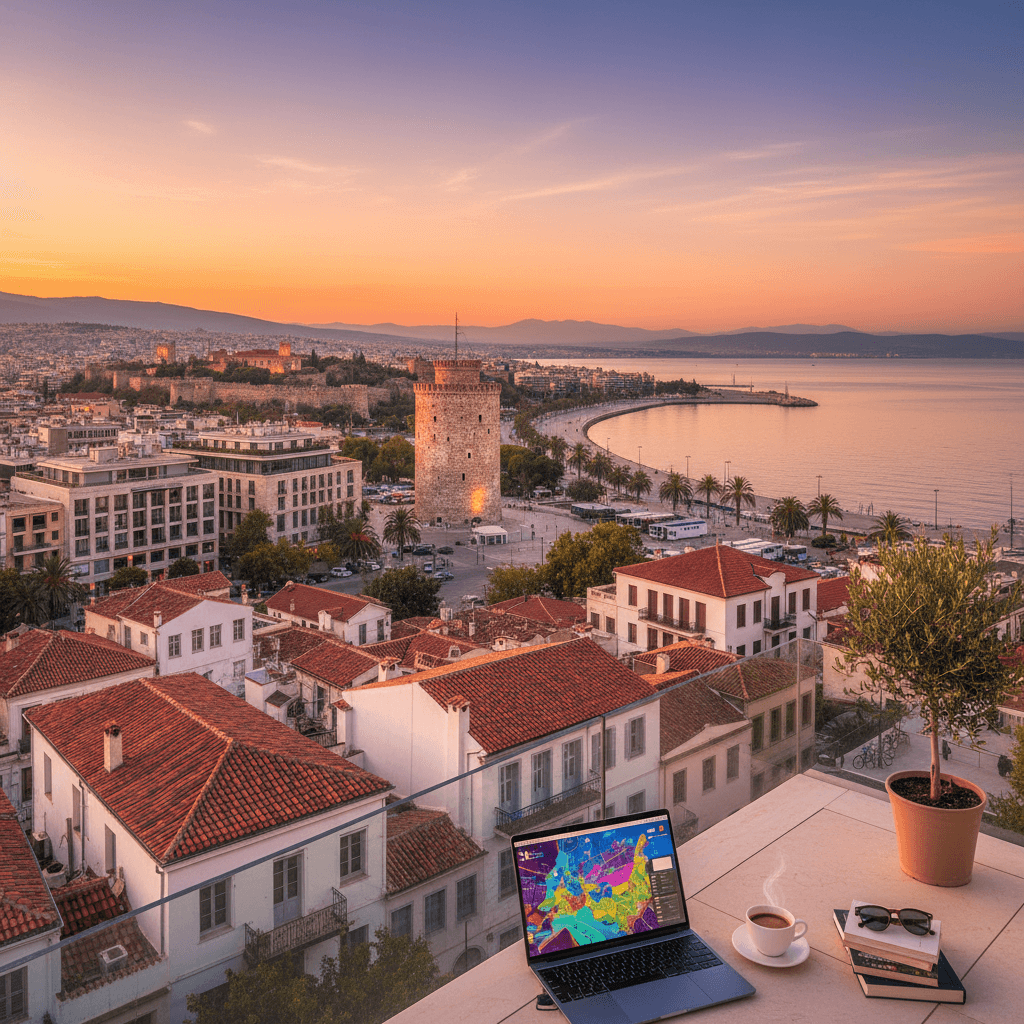
Thessaloniki is the cool, slightly rebellious younger sibling to Athens. While the capital feels like an endless museum, Thessaloniki feels like a massive outdoor living room. It is a city defined by the Paralia, a five kilometer waterfront promenade where the entire population seems to migrate every evening for the ritual of the sunset stroll. For nomads, the draw here isn't a frantic startup energy; it is the art of the halara, a local philosophy centered on taking things slow and enjoying the moment.
The Daily Vibe
You will notice the difference in pace the moment you sit down for a coffee. In Thessaloniki, a single freddo espresso can last three hours, and no waiter will ever pressure you to leave. This makes the city a natural fit for remote workers who prefer "cafe hopping" over sterile office environments. The atmosphere is gritty but gorgeous, with Roman ruins tucked between modern apartment blocks and street art covering every available surface. It feels lived-in and authentic, largely because it caters to locals and a massive student population rather than a revolving door of cruise ship tourists.
Most nomads find the city far more manageable than Athens. It is compact and walkable, especially if you stay in the center. You have the Aegean Sea on one side and the hills of Ano Poli (Old Town) on the other. It is also a strategic base for those who want to explore the Balkans, with North Macedonia and Bulgaria just a short bus ride away.
Cost of Living
Your money goes significantly further here than in Western Europe or even the Greek islands. A comfortable monthly budget sits around $1,800 to $2,000, though you can scrape by on $1,200 if you embrace the local lifestyle.
- Housing: A modern one bedroom apartment in the city center typically runs about €460 ($490). If you look toward neighborhoods like Analipsi or Toumpa, prices drop even further.
- Food: You can grab a world class gyro for €5 or a full meal at a traditional taverna for €15 to €25. Groceries are affordable, especially if you shop at the central Modiano or Kapani markets.
- Transport: A monthly bus pass is roughly €30, though the city center is so tight you will rarely need it. Taxis and apps like Free Now (formerly TaxiBeat) are the go-to for late nights.
Where to Set Up Your Laptop
The internet is generally reliable, with average speeds hitting 114 Mbps. While the city is still growing its dedicated coworking scene, spaces like Cortex Hub provide the professional infrastructure many nomads need. However, the real "office" for most people is a seaside cafe with a view of the White Tower.
The neighborhood of Ladadika is the heart of the social scene. Once a district for oil merchants, it is now a pedestrianized maze of colorful buildings, bars, and restaurants. During the day, it is quiet enough to get some work done; by 9:00 PM, it transforms into a loud, joyous party. If you prefer a more bohemian atmosphere, head to Rotunda or Kamara, where the student crowd keeps prices low and the energy high.
The Social Landscape
Greeks are famously hospitable, but Thessaloniki takes it to another level. It is easy to make friends here, especially if you frequent the same spots. English proficiency is high among anyone under 50, so you won't struggle to navigate daily life. Travelers often say the city feels like a "hidden gem" because it hasn't been sterilized by over-tourism yet. You are treated like a neighbor, not a paycheck.
The weather is classic Mediterranean, but with a bit more bite in the winter. May, June, September, and October are the sweet spots, with temperatures hovering between 20°C and 28°C. July and August can be sweltering, which is when the entire city flees to the nearby beaches of Halkidiki. If you're here during the summer, you'll likely find yourself joining them for a long weekend of turquoise waters and beach bars.
Thessaloniki isn't for the nomad who wants a high gloss, high speed tech hub. It is for the person who wants to work hard for four hours, then spend the next four eating grilled octopus and watching the sun sink into the Thermaic Gulf.
The Bottom Line on Budgeting
Thessaloniki is a breath of fresh air for your bank account, especially if you're coming from expensive hubs like London, New York, or even Athens. You'll find that your money stretches significantly further here without sacrificing the quality of life that makes Mediterranean living so attractive. A single nomad can live comfortably on about $2,044 a month, including rent. If you're particularly savvy or prefer a shared living situation, you can squeeze by on $1,200, while those looking for a touch of luxury with frequent fine dining and a high-end apartment should budget upwards of $2,500.
Housing and Neighborhoods
Rent is the biggest win here. A modern one-bedroom apartment in the city center typically goes for around €460 ($490 USD). While prices have ticked up recently, they remain a steal compared to Western European standards. Most nomads gravitate toward the center or the Waterfront area near Aristotelous Square to stay close to the action. If you want a bit more character, look into the Ladadika district for its historic charm or the area around Kamara for a more student-heavy, energetic vibe.
- City Center: Best for walkability and being near coworking hubs. Expect to pay €450 to €550 for a decent studio.
- Waterfront: Offers the best views and a breezy atmosphere, though prices can climb toward €600+ for premium spots.
- Ano Poli (Old Town): Quieter, steeper streets with incredible views and a more traditional feel, often slightly cheaper than the modern center.
Dining and Socializing
The food scene is where Thessaloniki really shines. You can grab a world-class gyro or souvlaki for €5 to €10 when you're in a rush. A sit-down meal at a mid-range taverna will usually run you between €15 and €25, including a glass of local wine. Digital nomads often rave about the "slow food" culture here; people take their time, and you're rarely rushed out of a seat.
Coffee is a social ritual in Greece. A freddo espresso at a trendy cafe will cost about €3 to €4.50. It might seem pricey compared to the food, but that price essentially buys you a desk for three hours, as cafe culture is very welcoming to laptop users. For groceries, sticking to local markets like Modiano or Kapani will keep your weekly bill around €50 to €70.
Work and Connectivity
Stable internet is easy to find, with average speeds hitting 114 Mbps. If you need a dedicated workspace, the city has a growing scene with spots like Cortex Hub. Expect to pay between €15 and €20 for a day pass. Most nomads rely on local SIM cards from providers like Cosmote or Vodafone for backup data. You can snag a solid prepaid plan with plenty of data for €10 to €20.
Getting Around
The city is remarkably walkable, particularly if you stay within the central grid. For longer trips, the bus system is the primary way to get around, with a monthly pass costing roughly €30. When you need a car, apps like FreeNow (formerly TaxiBeat) are the standard. A taxi ride across the center rarely exceeds €7 to €10, and the bus from the airport into town is a flat €10, making it one of the most affordable arrivals in Europe.
Summary of Monthly Costs
- Rent (1BR Center): $490
- Utilities (Electric, Water, Heating): $150 to $200
- Groceries: $250 to $300
- Dining Out & Coffee: $400 to $500
- Transport & Misc: $100
For Digital Nomads: The City Center and Ladadika
If you want to be within a five minute walk of a Freddo Espresso and a reliable Wi-Fi connection, the City Center is your base. Most nomads congregate around the axis of Aristotelous Square and the Ladadika district. Ladadika was once an oil wholesale hub, but it's now a pedestrianized maze of tavernas and bars that stay lively well into the early hours of the morning.
Living here means you're close to the growing coworking scene. While many work from the waterfront cafes, dedicated spaces like Cortex Hub or OK!Thess provide the stability you need for heavy Zoom schedules. Expect to pay around €460 for a decent one bedroom apartment in this area. It's the most expensive part of town, but the tradeoff is never needing a car or a bus pass to see your friends.
- Average Rent: €450 to €600 for a modern studio.
- Vibe: Social, fast paced, and walkable.
- Best for: Networking and those who want to be in the middle of the action.
For Solo Travelers: Ano Poli (The Upper Town)
Solo travelers looking for a more "authentic" Greek experience often head uphill to Ano Poli. This is the only part of the city that survived the Great Fire of 1917, so it retains its winding Ottoman era streets and Byzantine walls. It's quieter and significantly more atmospheric than the modern grid below.
The views from the Trigoniou Tower are unbeatable at sunset, and the area feels like a small village tucked inside a major city. The downside is the steep climb; your calves will get a workout every time you head home from the waterfront. It's a great spot if you're a creative who needs a bit of silence to focus but still wants to be a 15 minute walk from the harbor.
- Average Rent: €350 to €500.
- Vibe: Historic, quiet, and incredibly scenic.
- Best for: Writers, artists, and budget conscious solo explorers.
For Expats and Long Term Residents: Nea Paralia
If you're planning to stay for the full duration of a Digital Nomad Visa, Nea Paralia (the New Waterfront) offers a higher quality of life. This area stretches southeast from the White Tower. It's characterized by wide promenades, themed gardens, and modern apartment buildings with balconies facing the Thermaic Gulf.
Expats recommend this area because it feels less like a tourist zone and more like a functional neighborhood. You'll find better supermarkets, larger gyms, and a more relaxed evening crowd. You're still connected to the center by a beautiful 30 minute walk along the sea or a quick €1.20 bus ride. Rent here can be competitive, but you often get more square footage for your money than in the historic core.
- Average Rent: €500 to €750 for larger apartments.
- Vibe: Residential, breezy, and active.
- Best for: Long termers who prioritize fitness and sea views.
For Families: Kalamaria
Located further east, Kalamaria is technically its own municipality but functions as Thessaloniki's premier suburban retreat. It's the go to for families who need proximity to international schools and green spaces. The Aretsou harbor area is lined with seafood restaurants and playgrounds, making it easy to keep kids entertained.
The community here is affluent and safe, with a distinct maritime feel. While you'll be further from the nomad meetups in the center, the local infrastructure is top notch. You'll likely want to use apps like TaxiBeat or Uber to get into the city center, as the bus ride can take 30 to 40 minutes during peak traffic.
- Average Rent: €650 to €900+ for family sized flats.
- Vibe: Upscale, family oriented, and coastal.
- Best for: Digital nomad parents and those seeking a quieter pace.
Practical Neighborhood Tips
- Finding a Flat: Use Spitogatos.gr to browse listings, but be ready to move fast. The best spots in the center go quickly.
- Commuting: Thessaloniki is very walkable. If you live in the Center or Ladadika, your monthly transport cost will be near zero.
- Internet: Most apartments in the center now have access to fiber. Always ask for a speed test before signing a lease, as some older buildings in Ano Poli may have copper wiring that struggles to hit 50 Mbps.
Connectivity and Speed
Thessaloniki strikes a surprising balance between old world charm and modern digital needs. You'll find average download speeds around 114 Mbps across the city, though that can drop to about 47 Mbps when you're relying on public Wi-Fi in the more historic buildings. Most nomads find the infrastructure more than capable for video calls and heavy uploads, provided you aren't tucked away in a basement taverna.
Coffee culture is the heartbeat of the city. You can comfortably set up shop in most cafes for a few hours with a €4 freddo espresso. Unlike some European hubs where laptop users are frowned upon, many spots along the waterfront and near Aristotelous Square are quite welcoming. Just keep an eye out for "no laptop" signs during the busy weekend brunch rush.
Coworking Spaces
The coworking scene is growing, moving past the days of makeshift desks to professional hubs with ergonomic setups. You'll generally pay between €10 and €20 for a day pass, while monthly memberships hover around €150 to €200. These spaces are your best bet for networking with the local tech community and escaping the summer heat.
- i4Gpro: Located slightly outside the immediate tourist center, this spot is great if you want a professional incubator vibe rather than a social club.
- OK!Thess: This is more of a startup hub and pre-accelerator. It's a fantastic place to connect with the local Greek innovation scene if you're looking to do more than just answer emails.
Mobile Data and SIMs
Don't rely solely on cafe Wi-Fi. Local infrastructure can occasionally hiccup, so having a solid mobile backup is a smart move. Most expats head straight to a Cosmote or Vodafone shop. Cosmote generally offers the best coverage if you plan on taking weekend trips to Halkidiki or the mountains.
- Prepaid Plans: You can pick up a SIM card for about €10 to €20. Look for "unlimited" data promos which are frequently available during the summer and holiday seasons.
- Documentation: You'll need your passport to register a SIM card in Greece. The process is quick, usually taking less than 15 minutes in-store.
- eSIMs: If you're only staying a few weeks, apps like Airalo work fine, but you'll pay a premium compared to local rates.
The Laptop Cafe Scene
If you prefer the hum of a grinder over a quiet office, the area around the White Tower and the Roman Agora is packed with options. Ypsilon is a standout choice; it's a converted historical building that functions as a multipurpose cultural space, cafe, and workspace. It has plenty of large tables and a creative atmosphere that nomads swear by.
For a more traditional "work cafe" vibe, Shed in the city center offers great specialty coffee and enough power outlets to keep you going through a long afternoon. Most of these spots don't mind you staying for a few hours as long as you keep the coffee orders coming.
Practical Connectivity Tips
Power outages are rare but not unheard of during peak summer when everyone's air conditioning is blasting. A small power bank is a helpful addition to your bag. Most cafes use the standard European Type C or F plugs, so bring an adapter if you're coming from the US or UK.
If you're staying long term and renting an apartment, check if the building has fiber access. While the city is being upgraded, some older apartments in the Ladadika district might still be stuck on slower ADSL lines. Always ask for a speed test screenshot before signing a monthly lease.
Peace of Mind in the Co-Capital
Thessaloniki is often described by expats as having a softer edge than Athens. While the capital can feel frantic, this northern hub maintains a provincial warmth despite being a major city. From a safety perspective, it's one of the most comfortable places in the Balkans for solo travelers and digital nomads. You'll quickly notice that the streets stay active well past midnight, with locals of all ages occupying the waterfront and outdoor cafes, which naturally discourages the kind of street crime found in busier European capitals.
Violent crime is remarkably low here. The most common issues are petty thefts like pickpocketing, usually in crowded tourist spots or on the X1 airport bus. Most nomads feel perfectly safe walking home alone after a late dinner in Ladadika or Ano Poli. Use the same common sense you would in any city: keep your laptop bag within sight at cafes and don't leave your phone on the edge of the table while sitting outside.
If you do run into trouble, the emergency number is 112. English proficiency among the local police is generally good, especially with the Tourist Police who are specifically trained to assist visitors. You won't find many "no-go" zones, though the area immediately surrounding the Rotunda and parts of the Aristotelous district can get a bit gritty or loud with protests, which are a frequent part of local political life but rarely turn dangerous for bystanders.
Navigating the Healthcare System
Greece has a dual healthcare system consisting of the National Health System (ESY) and private providers. For digital nomads, the private sector is the way to go. It's affordable by Western standards and the quality of care is high, with many doctors having trained in the UK or the US. Most nomads find that they can get a specialist appointment within a few days for €40 to €60 out of pocket.
The city center is home to several reputable facilities. Interbalkan Medical Center is often cited as the top private hospital in the region, located near the airport, while Agios Loukas in the Panorama suburb is another favorite for expats. For day-to-day issues, you'll find a pharmacy (marked by a green neon cross) on almost every block. Greek pharmacists are highly trained and can provide advice or even certain medications that would require a prescription in other countries.
- Pharmacy Hours: Most are open 9:00 to 14:00 and 17:00 to 21:00, but there is always a "social pharmacy" open 24/7 in every neighborhood. Look for the schedule posted in any pharmacy window.
- Health Insurance: If you're on the Digital Nomad Visa, you'll need private health insurance that covers at least €30,000 in expenses.
- Water Safety: The tap water in Thessaloniki is safe to drink, though many locals prefer the taste of bottled water.
Emergency Numbers and Quick Info
- General Emergency: 112
- Ambulance (EKAV): 166
- Police: 100
- Tourist Police: +30 2310 554871
Expats generally recommend keeping a digital copy of your passport and insurance card on your phone. If you need a specific medication, bring the box with the chemical name rather than the brand name, as Greek brands often differ from those in the US or UK. Overall, the combination of a high doctor-to-patient ratio and a culture that values hospitality makes managing your health here much less stressful than in many other nomad hubs.
The Logistics of Living Locally
Thessaloniki is a rare find for nomads because it’s a major city that feels like a collection of walkable villages. Most of your daily life will happen on foot, especially if you stick to the center. The city is built on a grid that slopes down toward the Thermaic Gulf, making it almost impossible to get lost; if you're walking downhill, you're heading toward the water. It’s a city that moves at a human pace, where the commute often involves a detour for a €2 freddo espresso.
Public Transit and the Bus Network
The primary way to get around beyond your own two feet is the OASTH bus system. It’s affordable and covers almost every corner of the metropolitan area. While the recently opened metro system complements the buses, the buses remain the workhorse of the city. A single trip ticket costs about €0.60, but most nomads find it easier to grab a monthly pass for around €30 if they’re staying in neighborhoods further out like Kalamaria.
- Tickets: Buy them at street kiosks (periptera) or at specialized OASTH booths. You can buy them on the bus for a small surcharge, but the machines don't give change.
- Validation: Always orange punch your ticket in the machines once you board to avoid a hefty fine.
- Routes: Use the OASTH website or Google Maps, though locals will tell you that the bus arrival times are more of a suggestion than a rule.
Taxis and Ride-Hailing
When you’re heading home after a late night in Ladadika or need to get to the airport with luggage, taxis are plentiful and relatively cheap. The standard app here is Free Now, which works just like Uber. It connects you with licensed taxi drivers, so you get the security of GPS tracking and upfront pricing without the guesswork of street hailing.
- City Center to Airport: Expect to pay between €20 and €30 depending on the time of day and traffic.
- Minimum Fare: Short hops around the center usually land around €4 to €6.
- Late Night: Taxis are easy to find 24/7, making the city's famous nightlife much more accessible.
Cycling and the Waterfront
The crown jewel of Thessaloniki’s infrastructure is the Nea Paralia, the long promenade stretching from the White Tower toward the Concert Hall. It has a dedicated bike lane that is arguably the best place in the city for a sunset ride. You can find several bike and scooter rental stations along the waterfront. While the city center can be a bit chaotic for cyclists due to narrow streets and heavy traffic, the coastal path is perfect for a breezy afternoon away from the screen.
Arriving and Regional Travel
Thessaloniki Airport (SKG) is about 15 kilometers from the city center. The most cost effective way to reach the heart of town is the X1 bus (or the N1 at night), which runs 24/7 and costs about €2. The ride takes about 40 to 50 minutes depending on traffic.
For nomads looking to explore, the city is a strategic base. The main train station and the KTEL Macedonia bus terminal connect you to Athens, Meteora, and the beaches of Halkidiki. Many expats also take advantage of the city's proximity to the Balkans, with frequent bus connections to Sofia and Skopje. If you’re planning to head to the islands, the ferry port is right in the center, though routes are most frequent during the summer months.
Practical Transport Tips
- Walking Shoes: The pavements in the historic center can be uneven or slippery when it rains; leave the fancy footwear for the dinner table.
- Airport Bus: Look for the 01X or 01N signs right outside the arrivals hall. It’s the cheapest airport transfer in Greece.
- Parking: If you're thinking of renting a car, don't. Parking in the center is a nightmare and most spots are reserved for residents. Save the car rental for weekend trips to the mountains or the coast.
The Linguistic Landscape
You'll find that Thessaloniki is a breath of fresh air if you're worried about hitting a language wall. Because of the massive student population from Aristotle University, English is everywhere. Most people under 40 speak it fluently, and you'll have no trouble ordering a freddo espresso or explaining your dietary requirements at a taverna in Ladadika.
That said, the city has a deep, proud identity. While you can survive on English alone, the social doors really swing open when you attempt the local tongue. Greeks are famously hospitable, but their warmth hits a different level when they hear a foreigner try a few words of Greek. Expect a wider smile and perhaps a free round of tsipouro if you make the effort.
Essential Greek for Your Daily Grind
Don't worry about mastering the complex grammar or the Greek alphabet right away, though learning to read signs helps with street navigation. Start with these basics to smooth out your daily interactions:
- Yia sou: Hello or Goodbye (informal). Use Yia sas for groups or to be extra polite.
- Efharisto: Thank you. It's a mouthful, but locals appreciate it.
- Parakalo: Please or You're welcome. It's the multi tool of Greek social cues.
- Né / Óhi: Yes / No. Be careful here, Né sounds like "nay" but means yes, which trips up almost every newcomer for the first week.
- Logariasmo, parakalo: The bill, please. You'll need this since Greek servers rarely rush you to leave.
Communication Tools and Connectivity
Digital nomads in Thessaloniki generally rely on Google Translate for menus that aren't translated, though most central spots have English versions. For more complex tasks like reading a lease or a utility bill, the camera feature on Translate is a lifesaver. If you're looking to actually learn, local schools like the School of Modern Greek Language at Aristotle University or Alexander the Great School offer intensive courses that are great for meeting other expats.
Staying connected is straightforward. Most nomads grab a local SIM immediately to avoid roaming charges. Cosmote is widely considered the gold standard for coverage, especially if you plan to take your laptop to the beach in Halkidiki on weekends. You can pick up a prepaid SIM for about €10 to €20 at stores in the city center. Vodafone and Nova are solid alternatives, often running "unlimited data" promos during the summer months.
Professional Etiquette
In coworking spaces like Cortex Hub or i4Gpro, the working language is a mix of Greek and English. If you're joining local networking events, don't be surprised by the "siga siga" (slowly, slowly) approach to life. Meetings might start ten minutes late, and coffee breaks can stretch into hour long discussions. It's not a lack of professionalism; it's just the local rhythm. Embrace it, and you'll find the work life balance here is exactly why people choose Thessaloniki over the frantic pace of London or New York.
Navigating the Bureaucracy
If you're applying for the Digital Nomad Visa, this is the one area where English might fail you. Government offices (KEP) often require documents in Greek. Most expats recommend hiring a local accountant or a lawyer to handle the heavy lifting. It costs a bit more, but it saves you from the headache of navigating Greek legal terminology. For everything else, from hailing a ride on the Free Now app to booking a ferry, English will get you exactly where you need to go.
The Sweet Spot: When to Land in Thessaloniki
Thessaloniki is a city that lives outdoors, so your experience depends heavily on whether you want to be sweating over a laptop or dodging raindrops between cafe hops. Most nomads find the shoulder seasons, specifically May to June and September to October, to be the absolute prime time for a stint here. During these months, temperatures hover comfortably between 20°C and 28°C, making the long walk along the Nikis Avenue waterfront a daily highlight rather than a test of endurance.
If you arrive in late spring, you'll catch the city shaking off the winter chill. The outdoor seating at cafes in Ladadika fills up, and the energy is infectious without being overwhelming. Come September, the heat of the Aegean summer breaks, but the water remains warm enough for weekend trips to the nearby Halkidiki peninsula. Plus, you’ll avoid the peak tourist crowds that occasionally squeeze the city center during the height of summer.
Summer: Heatwaves and Holidays
July and August are the heavy hitters. Temperatures frequently climb between 25°C and 35°C, and the humidity can make the city center feel like a sauna. Expats recommend ensuring your apartment or Airbnb has high quality air conditioning if you plan to stay during this window. You'll notice the city feels a bit emptier in mid August because locals flee to the coast for their own vacations.
While the heat is intense, the long days are perfect for those who work North American hours. You can finish your shift and still find the bars near Aristotelous Square packed with people enjoying the evening breeze. Just be prepared for slightly higher prices and more competition for the best apartments during this peak period.
Winter: The Cozy (and Wet) Season
Thessaloniki doesn't get the same winter fame as the islands, and for good reason. From December to February, the weather turns mild but damp, with temperatures ranging from 5°C to 15°C. It’s the rainy season for Northern Greece, so you’ll want a solid waterproof jacket for your walk to the coworking space.
The upside? The city feels incredibly authentic. Without the summer crowds, you can snag a table at the best tavernas in Ano Poli without a reservation. It’s also the cheapest time to be here. Monthly costs for a single nomad can drop toward the $1,200 mark if you’re savvy with short term winter leases. It’s a great time for deep work, provided you don't mind gray skies and the occasional biting wind off the Thermaic Gulf.
Seasonal Planning at a Glance
- Spring (April to June): The best balance of weather and social life. Expect mild days, blooming parks, and plenty of outdoor networking events.
- Summer (July to August): Hot and busy. Great for beach lovers who don't mind the 30°C+ heat, but less ideal for those who hate humidity.
- Autumn (September to October): The local favorite. Warm seas, the famous Thessaloniki International Film Festival, and perfect "light jacket" weather.
- Winter (November to March): Quiet and rainy. Best for budget conscious nomads who prefer a cozy, indoor city vibe and fewer tourists.
Regardless of when you arrive, the city’s ~133 Mbps average internet speeds and stable infrastructure mean your work won't suffer. Just pack according to the season; Thessaloniki is a city of four distinct moods, and each one offers a different version of the Greek nomadic lifestyle.
The Bottom Line on Costs
Thessaloniki is significantly more affordable than Athens, making it a favorite for nomads who want a high quality of life without the capital city price tag. You can live comfortably here on $1,800 to $2,000 a month, though budget conscious travelers can make it work for around $1,200 if they stick to shared housing and world class street food.
- One Bedroom Apartment (City Center): Approximately €460 ($490) per month.
- Monthly Expenses (excluding rent): Around €840 ($900).
- Street Food (Gyros/Souvlaki): €5 to €10 for a filling meal.
- Mid-range Dinner: €15 to €25 per person.
- Transit Pass: €30 for a monthly bus card.
Connectivity and Remote Work
The city boasts a solid average internet speed of 114 Mbps, though the actual experience in older apartments can be hit or miss. Most nomads rely on the city's massive cafe culture for a change of scenery. You'll find reliable connections at local favorites like Cortex Hub or the waterfront cafes near Aristotelous Square.
For a mobile backup, grab a SIM card from Cosmote or Vodafone. You can find these at the airport or shops in the center for €10 to €20, often with unlimited data promos. Local providers are generally more reliable than international roaming. If you're managing payments or receiving client transfers, Wise and Revolut are the standard tools for expats here and are widely accepted.
Navigating the Neighborhoods
The city is compact and walkable, especially if you stay within the central districts. Most of the action is concentrated between the port and the White Tower.
- City Center: This is the heartbeat of Thessaloniki. It's walkable and packed with history. You'll pay a bit more for rent, but you'll save on transport.
- Ladadika: Once an oil warehouse district, it's now a hub for tavernas and nightlife. It's great for social nomads but can get noisy on weekends.
- Ano Poli (Upper Town): This area survived the Great Fire of 1917 and feels like a traditional village with steep, winding streets. It's quieter and offers the best views of the Thermaic Gulf.
- The Waterfront: Ideal for those who need a daily sunset walk. It’s more touristy during peak summer but offers a relaxed pace that defines the city's "halara" (laid back) vibe.
Getting Around and Staying Safe
You don't need a car in Thessaloniki. The bus system is the primary way to get around, and a single trip is quite cheap. For quick hops, the Free Now (formerly Beat) app is the go to for summoning taxis. If you're arriving by air, the X1 bus runs from the airport to the center for about €2, while a taxi will set you back €20 to €30.
Safety is rarely a concern. The city feels welcoming and lived in. Standard urban common sense applies in crowded nightlife spots, but solo travelers generally report feeling very secure even late at night. For any healthcare needs, there are high quality hospitals in the center and pharmacies on almost every corner. Dial 112 for any emergencies.
When to Go
The best windows for a visit are May to June and September to October. During these shoulder seasons, temperatures hover between 20°C and 28°C. July and August can be punishingly hot and crowded, while January and February are often damp and chilly. If you're here in the winter, the proximity to the Balkans makes it an excellent jumping off point for exploring Bulgaria or North Macedonia.
Cultural Quick Tips
Greeks are famous for their hospitality, and Thessaloniki takes this to another level. Learn a few basics like "Yia sou" (hello) and "Efharisto" (thank you). While English proficiency is high among younger people and in the service industry, making an effort in Greek goes a long way. Expect meals to be long, social affairs; rushing through a coffee is practically a sin here.
Need visa and immigration info for Greece?
🇬🇷 View Greece Country GuideNomad Haven
Your home away from home