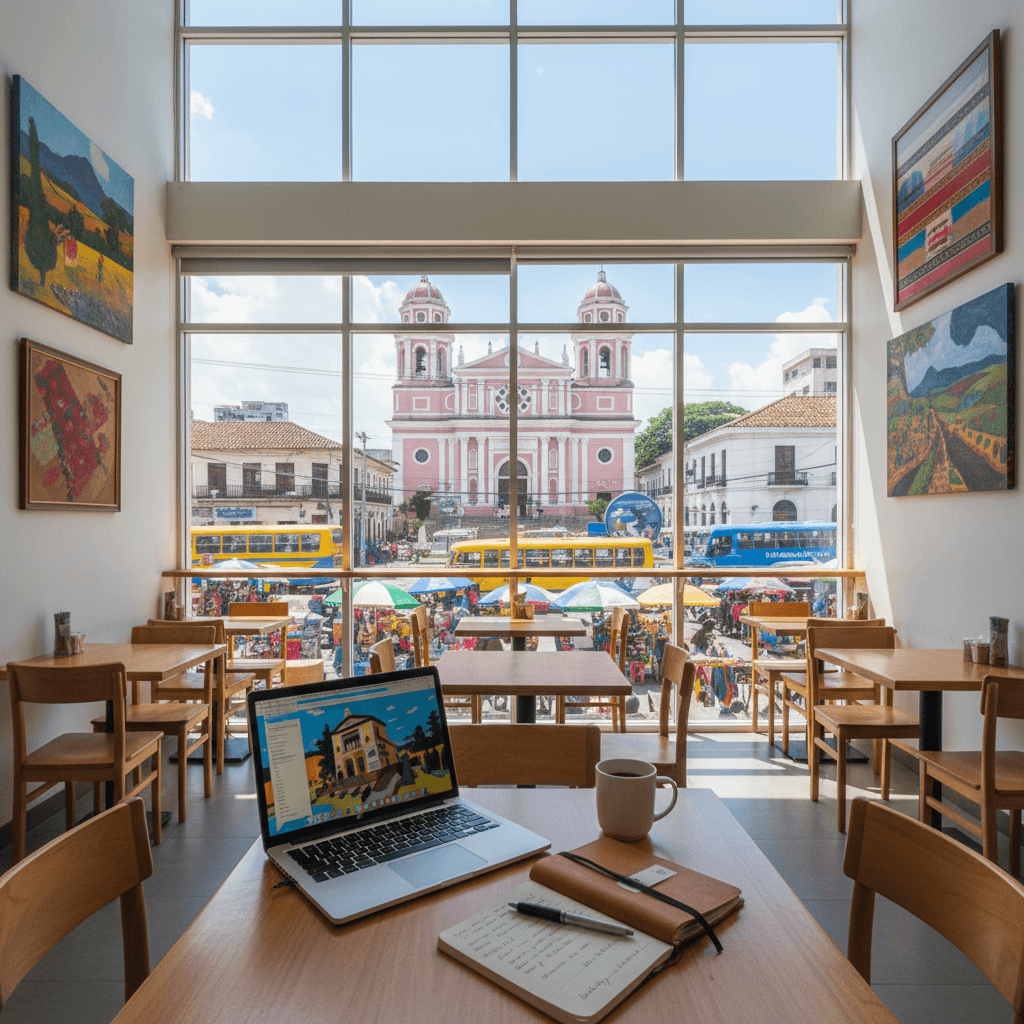
Tegucigalpa
🇭🇳 Honduras
Tegucigalpa, or "Tegus" as the locals call it, isn't your typical digital nomad postcard. You won't find the polished, influencer-ready streets of Medellín or the beach-club energy of Tulum here. Instead, this is a city of high-altitude grit, steep hills, and a deep, relationship-based culture that rewards those who stick around long enough to learn how it works.
The first thing you'll notice is the geography. The city is crammed into a mountain bowl, creating a chaotic but beautiful skyline of colonial steeples and modern glass towers competing for space. It feels raw and authentic. While many travelers skip the capital in favor of the Bay Islands, nomads who settle here find a surprisingly affordable lifestyle where $1,500 to $1,900 a month buys a very comfortable middle-class existence, including a modern apartment in a secure zone and plenty of nights out.
The Social Currency
In Tegus, who you know matters more than what's on a website. Efficiency often takes a backseat to rapport. You'll quickly find that a ten-minute "small talk" session with a landlord or a shop owner is the secret to getting things done. Expats often describe the vibe as warm but guarded; people are incredibly hospitable once you're in their circle, but the city’s security situation means life happens behind gates or inside the massive, modern shopping malls that serve as the city's de facto social hubs.
What Nomads Love and Hate
- The Wins: Your dollar goes incredibly far. You can eat well, enjoy high-quality private healthcare for a fraction of US costs, and live in upscale pockets that feel like a mountain retreat.
- The Challenges: Security is a constant consideration. You can't just wander aimlessly through every neighborhood. The traffic is legendary for its lack of rules, and the bureaucracy can be a headache if you don't have a local friend to help you navigate the "who you know" system.
The Daily Rhythm
Life here is structured around "safe zones." Most nomads and expats gravitate toward the major commercial corridors. These areas are walkable bubbles where you can find gyms, grocery stores, and cafes with 34 Mbps internet speeds, which is plenty for most remote work. Outside these bubbles, you'll rely on taxis or private transport, as the public bus system is a bit of a wild west for newcomers.
The emotional experience of Tegucigalpa is one of contrast. It’s the adrenaline of a busy, hilly capital mixed with the slow, relaxed pace of a Sunday afternoon tajada (fried plantain) lunch. It’s a place for the traveler who is tired of the "nomad circuit" and wants a city that doesn't care about being trendy. If you can handle the learning curve of navigating a city with high security awareness, you’ll find a community that is fiercely loyal and a cost of living that allows for a lot of freedom.
Estimated Monthly Costs
- Budget Living: L 35,000 ($1,300). Covers a basic studio, local street food like baleadas, and using public transport.
- Mid-Range: L 40,000 to L 50,000 ($1,500 to $1,900). This is the sweet spot for a 1-bedroom in a secure area and regular rideshares.
- Upscale: L 55,000+ ($2,100+). Includes a luxury apartment with mountain views, private health insurance, and frequent fine dining.
Expect to budget an extra L 5,000 to L 8,000 per month for "peace of mind" expenses, like private security in your building or a backup internet solution, which most long-term residents consider a standard part of the Tegus experience.
The Price of Living in the Clouds
Living in Tegucigalpa is a bit of a balancing act. While it remains one of the more affordable capitals in Central America, the "nomad tax" here comes in the form of security. To live comfortably and safely, you'll likely spend more on gated housing and private transport than a local would, but your dollars or euros still go a remarkably long way compared to Mexico City or San José.
Most digital nomads and expats find that a monthly budget between $1,500 and $1,900 covers a high quality of life. If you are keeping things lean, you can get by on $1,300, but this usually means living further from the main commercial hubs or skipping out on some of the city's better dining and private healthcare options.
Monthly Budget Tiers
- The Budget Traveler ($1,300 / L 35,000): This covers a basic studio apartment, plenty of street food like baleadas, and using public transport during daylight hours.
- The Mid-Range Nomad ($1,500 to $1,900 / L 40,000 to L 50,000): This is the sweet spot. You'll land a one-bedroom in a secure area, eat out at decent restaurants a few times a week, and rely on rideshares or taxis to get around safely.
- The High-End Expat ($2,100+ / L 55,000+): This tier buys you a luxury apartment in a high-rise with 24/7 security, a gym, and a pool. It also covers private health insurance and frequent fine dining in the city's upscale malls.
Housing and Utilities
Rent will be your biggest expense. Expats generally recommend sticking to the secure commercial corridors or gated communities. Because the power grid can be temperamental, many higher-end buildings include backup generators, which is a feature worth paying for if you're working remotely.
- Utilities (Electricity, Water, Trash): $80 to $120 per month, though A/C usage can spike this quickly.
- High-speed Fiber Internet: $40 to $60 per month for speeds around 30 to 50 Mbps.
Food and Dining
Eating in "Tegus" can be as cheap or as expensive as you want it to be. Local markets and street stalls offer incredible value, while the restaurant scene in the malls caters to an international palate with prices to match. Many nomads find that groceries at supermarkets like La Colonia or Paiz are comparable to US prices for imported goods, though local produce is a steal.
- Quick local lunch (Baleada and coffee): $3 to $5.
- Mid-range dinner for two: $30 to $45.
- Domestic beer at a bar: $2 to $3.
- Monthly grocery bill: $300 to $450.
Transport and Extras
Since the city isn't particularly walkable due to its hilly terrain and safety concerns, you'll need to budget for transport. Taxis are the standard for newcomers, as the bus system can be chaotic to navigate if you don't know the city well. Private healthcare is also a line item you shouldn't skip; expats usually set aside about $200 to $300 a month for comprehensive private coverage and out-of-pocket costs.
- Short taxi ride: $3 to $6.
- Private gym membership: $40 to $70 per month.
- Movie ticket: $6.
The local currency, the Lempira, has remained relatively stable recently. This makes financial planning much easier than in some neighboring countries with runaway inflation. Just remember that many high-end rentals and services are quoted in USD, so keep an eye on the exchange rate when negotiating your lease.
For Digital Nomads
If you are working remotely, you want to be near the commercial corridors where the infrastructure is most reliable. Most nomads gravitate toward the areas surrounding the major malls, specifically near Multiplaza or Cascadas Mall. These pockets act as safe zones where you can walk between your apartment, high end grocery stores, and coffee shops without much stress. Internet speeds here hover around 34 Mbps, which is plenty for video calls, but having a backup data plan is a smart move for the occasional power flicker.
- The Vibe: Modern, convenient, and relatively quiet. You will spend your mornings in cafes like Espresso Americano or local specialty shops where the Wi-Fi is stable.
- Monthly Rent: Expect to pay between $600 to $900 for a secure, modern studio or one bedroom.
- The Nomad Perk: You are close to private medical clinics and the best gyms, making it easy to maintain a routine.
For Expats
Expats who plan to stay for a year or more usually prioritize gated communities or high rise buildings with 24 hour security. You will want to look for housing that offers "who you know" connections, as the best deals often come through word of mouth rather than online listings. Settling near the diplomatic clusters or major business hotels provides a sense of community with other internationals. Since the city is hilly and traffic is notoriously chaotic, being centrally located saves you hours of frustration every week.
- The Vibe: Social and relationship driven. Life revolves around private clubs, dinner parties, and networking at places like InterNations events.
- Monthly Budget: A comfortable lifestyle with a mid range apartment and frequent dining out runs about $1,500 to $1,900.
- The Expat Perk: Easy access to private services and specialty imported goods in the larger supermarkets.
For Families
Families generally look for suburban style security and proximity to international schools. You will want a neighborhood that feels like a sanctuary from the urban hustle. Look for residential zones that offer private parks or play areas, as wandering the city streets with children is not recommended due to safety variability. Most families find that hiring a private driver or using trusted taxi services is the best way to manage school runs and weekend outings.
- The Vibe: Quiet, secure, and residential. These areas feel world's away from the downtown core.
- Monthly Cost: Large apartments or houses in guarded areas typically start at $2,100 and can go much higher depending on the level of luxury.
- The Family Perk: Peace of mind. These enclaves provide a controlled environment where kids can play outside safely.
For Solo Travelers
If you are traveling alone, the goal is to find a balance between social access and safety. Stick to the well lit, busy commercial districts where there is plenty of foot traffic during the day. Solo travelers often prefer staying in boutique hotels or serviced apartments near the main dining strips. This allows you to explore the local food scene and meet people without having to navigate isolated streets. Always use radio taxis or transport recommended by your accommodation rather than hailing cars on the street.
- The Vibe: Energetic and observant. You will get to experience the city's warmth and the local love for football and hiking.
- Daily Budget: Budget around L 1,300 to L 2,000 per day for a mix of street food, mid range meals, and secure transport.
- The Solo Perk: It is easy to blend in and make local friends if you are willing to engage in small talk and embrace the slower, relationship first pace of life.
Reliability and Speed
Working remotely from Tegucigalpa requires a bit more strategy than in neighboring digital nomad hubs. The city's average download speed is around 50 Mbps, which is plenty for Zoom calls and standard cloud work, but you'll want to be picky about where you sign a lease. While the infrastructure is improving, power outages can happen, especially during the rainy season. Most long term nomads recommend budgeting an extra L 5,000 to L 8,000 per month to ensure you have a high quality home setup with a backup power source or a secondary cellular hotspot.
For your primary connection, Claro and Tigo are the two heavy hitters. If you're staying for more than a week, grab a local SIM card immediately. It's the most cost effective way to stay connected while moving between secure commercial zones. You'll find that 4G coverage is generally strong within the city limits, but it drops off quickly once you head into the surrounding mountains for a weekend hike.
Coworking Spaces and Work Cafes
Tegucigalpa hasn't seen the explosion of dedicated coworking brands found in Mexico City or Medellin, so the community is more fragmented. You won't find many large, international chains here. Instead, nomads usually gravitate toward upscale commercial corridors and modern malls like Multiplaza or Cascadas Mall. These areas offer the highest level of security and the most reliable fiber optic lines.
- The Mall Culture: It sounds counterintuitive to work from a shopping center, but in "Tegu," malls serve as safe, air conditioned community hubs. They host several high end coffee shops with stable WiFi where you can camp out for a few hours without being disturbed.
- Specialty Coffee Shops: Look for cafes in the safer, more affluent pockets of the city. These spots are the unofficial offices for the city's creative class and expat professionals. Natural lighting and strong Honduran beans make them a solid alternative to a formal office.
- Hotel Business Centers: If you have a high stakes presentation, the business centers in major hotels like the InterContinental or the Hyatt Regency are your best bet. They offer the most consistent uptime and a professional environment, though you'll pay a premium for the peace of mind.
Connectivity Tips for Nomads
Because the city's social and professional life is heavily relationship-driven, your "internet" often starts with who you know. Local expat groups on platforms like InterNations are great for finding out which specific apartment buildings have recently upgraded to fiber. Before you commit to an Airbnb, always ask the host for a Speedtest screenshot. Don't just take their word that the WiFi is "good."
Public WiFi is rare and generally not secure enough for professional work. Stick to your private tethering or encrypted networks in established businesses. Since English proficiency is relatively low outside of these professional circles, having a translation app downloaded for offline use is a lifesaver when you're trying to troubleshoot a router issue with a local technician.
Typical Costs
- Local SIM with Data: L 500 to L 1,000 per month depending on your data needs.
- Monthly Home Internet (High Speed): Included in most mid-range rentals, otherwise expect to pay L 1,200 to L 2,000.
- Coffee Shop Session: A latte and a snack will run you about L 150 to L 250.
The pace of life here is slower, and people value rapport over efficiency. If your internet goes down and you have to move to a cafe, don't stress the delay. Use the opportunity to strike up a conversation with the person at the next table; in Tegucigalpa, a local connection is often more valuable than a few extra Mbps.
Staying Safe in the Hills
Living in Tegucigalpa requires a shift in mindset compared to Mexico City or Medellín. While the city's security trajectory is improving, it remains a place where "street smarts" aren't just a suggestion; they're your daily operating manual. Most nomads find that safety here is entirely manageable if you stick to the right pockets and avoid testing the limits of the local environment.
The golden rule is to keep your life centered around secure commercial corridors and gated residential areas. You won't find yourself wandering aimlessly through downtown backstreets at night. Instead, social life happens in well guarded malls, private clubs, and specific restaurant clusters. If you're out after dark, you aren't walking; you're taking a pre-arranged taxi or a private driver. Even during the day, keep your phone tucked away and avoid wearing flashy jewelry that marks you as a target.
- Stick to the "Safe Bubbles": Focus your time in upscale areas like Lomas del Guijarro or near the major shopping centers. These spots have heavy private security and a much more relaxed vibe.
- Transportation is Security: Never hail a random taxi on the street. Use radio taxis or apps recommended by your hotel or expat networks. Secure transport is the single best investment you can make here.
- The "Who You Know" Factor: Honduras runs on relationships. Building rapport with a regular driver or a local shop owner provides a layer of protection that no guidebook can offer.
Navigating the Healthcare System
The healthcare divide in Tegucigalpa is sharp. While public facilities exist, they're often underfunded and overwhelmed. For nomads and expats, the private system is the only real choice. The good news? Private care here is excellent, surprisingly affordable, and often staffed by US trained doctors who speak fluent English.
Facilities like Hospital Escuela are the mainstays for locals, but you'll likely head to private hospitals like Hospital y Clínicas Viera or Hospital Medical Center. These facilities offer modern diagnostic equipment, clean private rooms, and efficient service. You can often get a specialist appointment within 24 to 48 hours, something that’s nearly impossible in the US or Europe.
Expats generally recommend budgeting between L 5,000 and L 8,000 per month to cover private insurance premiums and out of pocket costs for minor visits. Even without insurance, a standard consultation with a specialist usually costs between $40 and $70 USD. Pharmacies are plentiful in the mall districts, and many common medications that require a prescription elsewhere can be bought over the counter here, though it's always better to consult a professional first.
Practical Health and Wellness Tips
- Water Quality: Don't drink the tap water. Stick to bottled or filtered water, even for brushing your teeth if you have a sensitive stomach. Most apartments will have a delivery service for five gallon "garrafones."
- Emergency Contacts: Keep the numbers for private ambulance services saved in your phone. Don't rely on the general emergency line if you have a choice; private services are significantly faster.
- Air Quality: During the dry season, the city can get quite smoky due to agricultural burning in the surrounding mountains. If you have asthma or respiratory issues, keep an eye on local reports and stay indoors on particularly hazy days.
Ultimately, your experience with safety and health in Tegucigalpa depends on your budget. If you're willing to pay for a secure apartment building and private medical care, you'll find the city to be a comfortable, high quality base. It isn't a place for the "budget at all costs" traveler, but for a professional nomad, the trade off for low cost living and warm local culture is well worth the extra precautions.
Navigating the Capital
Getting around Tegucigalpa is an exercise in patience and street smarts. The city is famous for its hilly terrain, narrow colonial streets, and a traffic flow that feels more like a suggestion than a rule. You will find that most expats and digital nomads prioritize safety and convenience over saving a few Lempiras, which usually means sticking to private transport rather than local buses.
The city drives on the right, but the infrastructure can be challenging. Poor signage and sudden potholes are common, so if you are planning to get behind the wheel, stay alert. Most travelers find that the learning curve for driving here is steep, leading many to rely on the city's extensive taxi network instead.
Taxis and Private Transport
Taxis are the lifeline of the city for those without a car. You will see two main types: the colectivos (shared taxis) and directos (private taxis). For nomads, the private option is the standard choice. You should always negotiate the fare before you get in, as meters are non-existent. A typical short trip within a secure commercial zone might cost you L 100 to L 150, while longer hauls across the city can go higher.
- Directos: These take you door-to-door. It is best to have your hotel or a trusted restaurant call a "radio taxi" for you rather than hailing one on the street, especially after dark.
- Booking Apps: While global giants like Uber haven't fully dominated the landscape here, local radio taxi services often have WhatsApp numbers where you can share your location for a more secure pickup.
- Safety Tip: Keep your windows up and doors locked while in transit. It is a standard habit for locals and one you should adopt immediately.
The Public Bus System
The large yellow buses and smaller rapiditos are the most affordable way to move, costing just a few Lempiras. However, most nomads and expats avoid them. They are often overcrowded, difficult to navigate without fluent Spanish, and are frequent targets for petty crime. If you do choose to use them, keep your valuables out of sight and only use them during daylight hours on well-traveled routes.
Walkability and Neighborhood Transitions
Tegucigalpa is not a city where you can mindlessly wander from one neighborhood to the next. The geography is fragmented, and a safe, upscale street can turn into a high-risk area within a single block. Walkability is limited to specific "safe pockets," usually around major malls like Multiplaza or the commercial corridors in the city center.
Within these secure zones, you will find decent sidewalks and a more relaxed atmosphere. Outside of them, the combination of steep hills and chaotic traffic makes walking impractical. Most expats recommend living in a gated community or a modern apartment complex near a mall so you can handle your daily errands on foot without leaving a secure perimeter.
Airport Transfers and Beyond
Getting into the city from the airport requires a bit of planning. The main international gateway is now Palmerola International Airport (XPL), located about 70 to 90 minutes away from the city depending on traffic. This is a significant change from the old Toncontín airport, which is much closer but now handles limited flights.
- Shuttle Services: There are official shuttle buses connecting Palmerola to Tegucigalpa, which is the most cost-effective reliable method.
- Private Transfers: Expect to pay between L 1,800 and L 2,500 for a private car from the new airport to the city center. It is a long drive, so booking this in advance is highly recommended.
For weekend trips to nearby spots like Valle de Angeles or Santa Lucia, you can find regional buses, but hiring a private driver for the day is the preferred move for nomads who want to see the mountains without the stress of navigating rural bus terminals.
The Language Barrier
Spanish is the heartbeat of Tegucigalpa. While you might find English speakers in high end hotels or among the staff at major corporate offices, the vast majority of daily life happens in Spanish. If you arrive with zero language skills, you'll likely find the city isolating and difficult to navigate. Expats who've lived here for years emphasize that learning the local tongue isn't just about convenience; it's your primary safety tool and your ticket into the social scene.
Honduran Spanish is generally clear, but it's peppered with local slang known as Hondureñismos. You'll hear people use the word cheque to mean "okay" or "everything's good," and pisto when they're talking about money. Locals are incredibly patient with learners, but they'll respect you much more if you make a genuine effort to greet them properly before diving into a request.
The Power of Small Talk
Communication in Tegucigalpa is deeply relationship driven. In many Western hubs, efficiency is king, but here, rushing straight to the point is often seen as rude. Whether you're dealing with a landlord, a shopkeeper, or a new neighbor, start with a Buenos días or Buenas tardes. Ask how they are. This isn't just polite fluff; it's how you build the rapport necessary to get things done.
Most nomads find that bureaucratic hurdles or service delays magically disappear once they've established a personal connection with the person behind the desk. If you're struggling with a local service, don't get frustrated or loud. Instead, lean into the "who you know" culture. Ask for recommendations from your social circle, as a personal introduction carries more weight than any online review.
Staying Connected
Reliable communication is your lifeline in a city where security can change block to block. You shouldn't rely solely on public Wi-Fi, which is spotty and often restricted to malls or specific cafes. Most travelers recommend picking up a local SIM card immediately upon arrival. Tigo and Claro are the two main providers. You can find their kiosks in almost every major mall, such as Multiplaza or Cascadas Mall.
- Prepaid Data: Expect to pay around L 200 to L 400 for a generous monthly data package.
- Coverage: Both major carriers offer solid 4G coverage within the city limits, though signals can drop in the steeper mountain neighborhoods.
- Home Internet: If you're renting long term, aim for a fiber connection. Speeds average around 50 Mbps, which is plenty for Zoom calls, but ensure your building has a backup generator. Power outages aren't uncommon, and your router won't help you if the grid goes down.
Essential Digital Tools
Since English proficiency is low, you'll need a few apps to help you bridge the gap. Google Translate with the offline Spanish dictionary downloaded is a must for reading menus or signs. For actual communication, WhatsApp is the undisputed king of Honduras. Everyone from your local fruit vendor to your high end real estate agent uses it. If you don't have a WhatsApp account, you'll find it nearly impossible to coordinate deliveries, book appointments, or join expat groups.
For getting around, don't expect to hail an Uber. While some smaller ride hailing services have tried to enter the market, most nomads rely on trusted private taxi drivers. Once you find a driver you trust, get their WhatsApp number. Having a "regular" driver you can message for a pickup is the safest and most efficient way to communicate your transportation needs.
Cultural Nuances
Be aware of the "Honduran hour." Time is viewed more fluidly here than in the US or Europe. If a social gathering starts at 7:00 PM, showing up at 7:30 PM or even 8:00 PM is often the norm. However, for professional meetings or doctor appointments, try to be punctual, even if the other party is running late. Understanding this relaxed pace will save you a lot of stress during your first few weeks in the capital.
Tegucigalpa doesn't follow the typical tropical heat script you might expect from a Central American capital. Because the city sits tucked into a bowl of mountains at over 3,000 feet, you get a temperate highland climate that feels more like a permanent spring than a sweltering jungle. It's one of the few places in the region where you can comfortably walk between meetings without needing a shower immediately afterward.
The Golden Window: December to April
If you're planning your stint here, aim for the dry season. From December through April, the sky stays a crisp blue and the humidity drops significantly. This is when the city is at its most functional. The mountain air is cool in the mornings, often dipping into the low 60s°F (15°C to 17°C), while afternoons hit a perfect 78°F to 82°F (25°C to 28°C).
- January and February: These are the peak months for digital nomads. The air is clear, which is vital for those weekend trips to the cloud forests of La Tigra.
- March and April: Things heat up slightly. You'll notice more dust in the air, and by late April, the locals start looking at the sky, waiting for the first rains to clear the haze.
- Easter (Semana Santa): This is a massive cultural moment. While the city empties out as people head to the coast, many businesses close down, so don't expect to get much deep work or bureaucracy handled during this week.
The Green Season: May to November
When the rains arrive in May, the surrounding hills turn an electric green almost overnight. It's a beautiful transformation, but it comes with logistical hurdles. Rain in "Tegus" usually follows a predictable pattern: sunny mornings followed by intense, heavy downpours in the late afternoon or evening.
Expats generally recommend keeping a flexible schedule during these months. The city's hilly geography and aging infrastructure mean that a one hour storm can turn the evening commute into a multi hour gridlock. If you have a video call scheduled for 5:00 PM, make sure you're already at your coworking spot or home office before the clouds break. Power flickers are more common during the height of the rainy season in September and October, so a laptop with a good battery and a backup hotspot is a non negotiable part of your kit.
What to Pack
The biggest mistake travelers make is packing only for hot weather. Because of the elevation and the mountain breezes, you'll actually use a light jacket or a hoodie more often than you'd think, especially if you're out at a rooftop bar in Distrito Central or Colonia Palmira after the sun goes down.
- Light layers: Think linen or breathable cotton for the day and a denim jacket or light sweater for the evenings.
- Rain gear: A high quality, packable rain shell is better than an umbrella, which often loses the battle against mountain winds.
- Footwear: Stick to shoes with good grip. The city is steep, and the sidewalks can get incredibly slick the moment they get wet.
The Smoke Season Note
There is a short window, usually in late April or early May, where agricultural burning in the surrounding countryside can lead to a "smoke season." The air quality can dip during this time, and the mountain views get obscured by a thick haze. If you have respiratory issues, this is the one time of year you might want to head to the Bay Islands or take a trip home until the first big rains wash the air clean.
Connectivity and Power
Internet speeds in Tegucigalpa hover around 34 Mbps, which is plenty for video calls and remote work. However, consistency is the real challenge. Power outages happen, so most nomads who stay long term prioritize apartments with back up generators or keep a heavy duty power bank charged.
For your phone, grab a local SIM card from Tigo or Claro as soon as you arrive. They have the best coverage and offer affordable data packages. Relying on roaming is a recipe for a massive bill and spotty service. Having a working local number is also a safety move, you will need it to call for private transport or check in with local contacts.
Money and Banking
The Lempira (L) is the local currency, and while the exchange rate has been relatively stable, it is a cash heavy society. You will need Lempiras for smaller shops, street food, and taxis. Credit cards are widely accepted in malls, upscale restaurants, and major supermarkets, but always carry a bit of paper money for everything else.
- Budgeting: Aim for L 35,000 to L 55,000 ($1,300 to $2,100 USD) per month.
- Healthcare Buffer: Set aside L 5,000 to L 8,000 monthly for private insurance and out of pocket medical costs.
- ATMs: Use machines located inside shopping malls or bank branches for better security. Avoid using standalone ATMs on the street after dark.
Getting Around
Driving in Tegucigalpa is an extreme sport. The roads are hilly, winding, and often lack clear signage. Most expats and nomads stick to private taxis or radio cabs rather than braving the local bus system, which can be chaotic and difficult to navigate if you are new to the city. While there is no Uber, many locals use similar regional apps or have a "trusted taxi" they call directly.
Walking is viable within specific, secure commercial corridors and gated communities, but the city is not designed for wandering. If you need to go from one neighborhood to another, just call a cab. It is cheap, keeps you out of the gridlock, and is much safer than trying to figure out the bus routes.
Social Etiquette and Language
Spanish is the language of daily life. While you might find English speakers in high end hotels or tech circles, you will need at least basic Spanish to handle groceries, transport, and casual social interactions. Hondurans value rapport and small talk; jumping straight to business or a request can come across as rude. Take a minute to ask how someone is doing before asking for the price of something.
- The "Who You Know" Factor: Connections are everything here. If you need a bureaucratic task done or a specific service, ask an expat group or a local friend for a recommendation. A personal introduction often cuts through hours of red tape.
- Safety Habits: Do not flash expensive tech or jewelry in public. Keep your phone tucked away while walking and stick to well lit, populated areas. Most nomads find that staying in secure, mall adjacent neighborhoods provides the best balance of convenience and peace of mind.
- Pace of Life: Everything moves a bit slower. Embrace the "manana" culture and don't expect things to happen with Swiss precision. It is a relationship driven city, so enjoy the long lunches and the mountain views while you wait.
Healthcare Basics
Stick to private hospitals for anything serious. Facilities like Hospital Escuela are available, but private clinics offer shorter wait times and modern equipment that travelers usually prefer. Most pharmacies are well stocked, but if you have a specific prescription, bring a three month supply just in case. You can often find a 24 hour pharmacy inside or near the major shopping centers.
Need visa and immigration info for Honduras?
🇭🇳 View Honduras Country GuideWild Card
Expect the unexpected