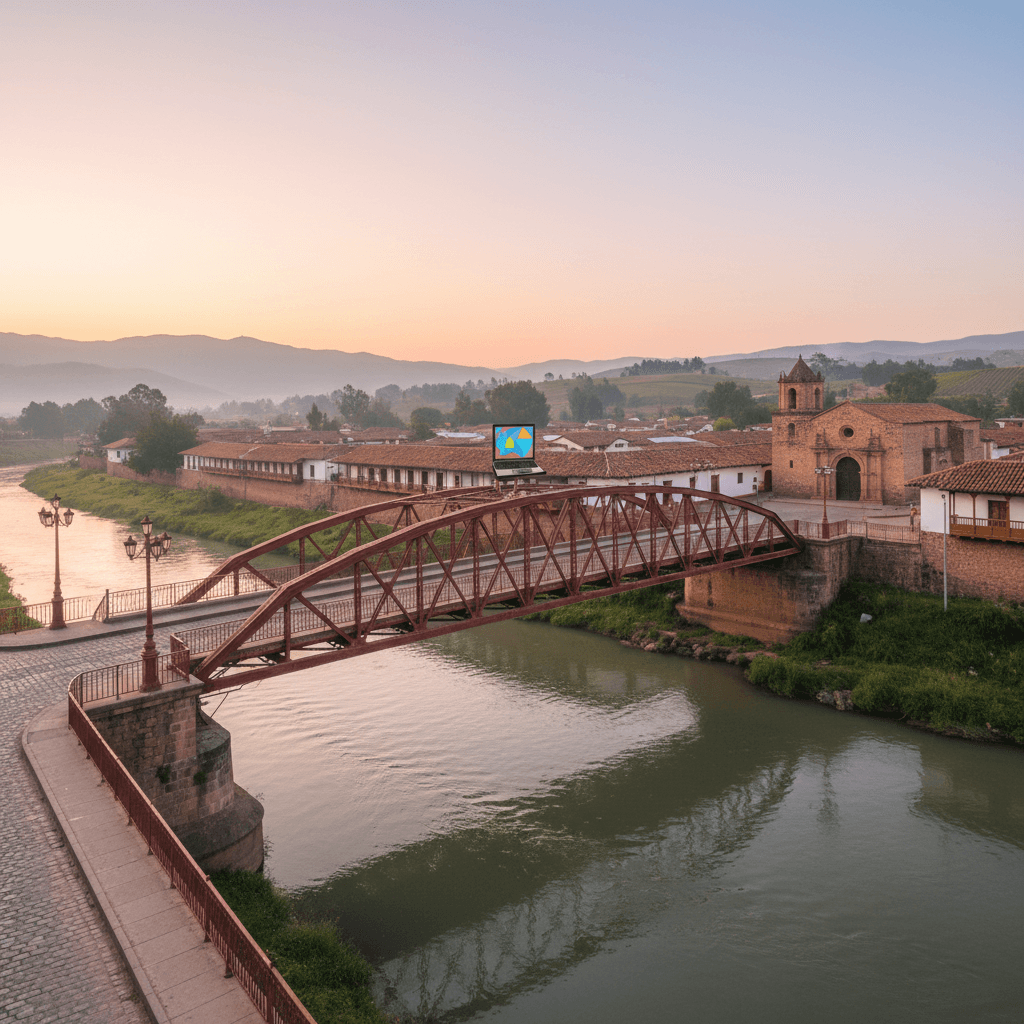
Tarija
🇧🇴 Bolivia
The Soul of Tarija
If you're tired of the high octane energy of La Paz or the humidity of Santa Cruz, Tarija is the deep breath you've been waiting for. Located in a sun drenched valley in southern Bolivia, this city feels more like a Mediterranean village than an Andean outpost. It's often called the land of eternal spring, and the vibe matches the weather: laid back, unpretentious, and centered around the simple pleasures of a good glass of wine and a long afternoon in the plaza.
Most nomads find that Tarija isn't a place where you "grind." It's a place where you slow down. You'll notice locals whispering "son turistas" with a mix of curiosity and warmth as you walk by; you aren't just another face in a sea of travelers here. It's authentic in a way that's becoming rare, but that authenticity comes with a trade off. If your job requires 100 Mbps fiber and a community of tech founders, you'll struggle. If you want a life where your biggest stress is choosing between a $1 pastry at Mercado Campesino or a vineyard tour, you'll love it.
The Nomad Experience
The emotional experience of Tarija is one of quiet belonging. You'll spend your mornings at the Mercado Campesino, a sprawling labyrinth where you can find everything from local honey to hand woven textiles. In the afternoons, the city centers around the Plaza Luis de Fuentes y Vargas. It's the living room of the city, where people actually sit and talk rather than staring at their phones. Travelers often say the lack of a massive expat bubble makes them feel more connected to Bolivia, though it can feel isolating if you don't speak a bit of Spanish.
The city's personality is defined by its contradictions. You have the colonial elegance of the Casa Dorada, an opulent mansion turned museum, sitting just a few blocks away from the Castillo Azul, a quirky blue "castle" that locals swear is haunted. It's a city of stories, best heard over a bottle of high altitude Singani.
Cost of Daily Life
Tarija is remarkably affordable, even by Bolivian standards. While there aren't many luxury high rises, your money goes incredibly far here. Most expats and retirees find they can live a very comfortable life on a fraction of a US or European budget.
- Budget Tier: $800 to $1,200 per month. This covers a modest apartment, plenty of street food, and local transport via trufis.
- Mid-range Tier: $1,200 to $1,800 per month. This allows for a private 1-bedroom apartment in the center, regular dining at local eateries, and weekend wine tours.
- Comfortable Tier: $2,000+ per month. You'll be living at the top of the local market with a large private home and regular upscale meals.
Logistics and Connectivity
The "work" part of digital nomadism is the biggest hurdle here. There are currently no dedicated coworking spaces in Tarija. You'll be relying on your home internet or small cafes in the central plaza area. Most nomads recommend getting a local SIM card immediately to use as a backup hotspot.
- Internet: Speeds are generally slower and less reliable than in La Paz. It's fine for emails and basic browsing, but heavy video editors might find it frustrating.
- SIM Cards: Tigo is the go to for budget friendly data, with 10GB packs ranging from $5 to $20. Entel is the preferred choice if you plan on heading out into the rural vineyard areas, as their coverage is more robust.
- Getting Around: The city is walkable in the center, but for everything else, you'll use trufis. These are shared taxis that run fixed routes for just a few cents. If you're coming from the Argentinian border at Villazon, a trufi is the standard way to navigate the mountain roads for about $5 to $10.
Ultimately, Tarija is for the nomad who wants to disappear for a while. It's for the writer, the slow traveler, or the person who values a $200-$300 monthly rent over a 200 Mbps connection. It's a city that asks you to put down your laptop and pick up a glass of wine.
The Price of the Quiet Life
Living in Tarija feels like stepping back into a simpler era, and the local economy reflects that. It is easily one of the most affordable corners of South America, especially if you are looking to escape the inflated prices of major digital nomad hubs. While the lack of a formal expat infrastructure means you won't find flashy "nomad-priced" lofts, it also means you'll be paying what the locals pay. For most, a monthly budget of $1,200 to $1,800 provides a very comfortable lifestyle that includes a private apartment and frequent dinners out.
The pace here is slow, and your spending will be too. Without high end shopping malls or overpriced coworking spaces to drain your wallet, your biggest expenses will likely be high quality regional wine and weekend trips into the countryside. Expats often find that $400 a month covers the basics for retirees or those living a minimalist lifestyle, though nomads with higher tech and comfort needs should aim higher.
Monthly Budget Breakdowns
Your total spend depends heavily on how much you rely on local markets versus imported goods. Here is how the tiers typically shake out:
Budget Living
- Total Monthly: $800 to $1,200
- Rent: $200 to $300 for a basic studio or shared housing near the city center.
- Meals: $90 to $150 by sticking to street food and shopping at Mercado Campesino.
- Transport: $30 to $50 using local trufis and walking.
- Misc: $100 to $200 for basic mobile data and essentials.
Mid-Range Comfort
- Total Monthly: $1,200 to $1,800
- Rent: $300 to $400 for a modern 1BR apartment in a central area.
- Meals: $150 to $300 mixing home cooking with mid-range local eateries.
- Transport: $50 to $80 for frequent taxi use and occasional trips to the vineyards.
- Misc: $200 to $300 for better internet setups and social activities.
The Upscale Experience
- Total Monthly: $2,000+
- Rent: $400+ for a larger private home or a premium apartment with better views.
- Meals: $300+ including regular dining at the city's best restaurants and wine bars.
- Transport: $80+ for private drivers or more frequent travel.
- Misc: $300+ for high end electronics, gym memberships, and weekend excursions.
Rent and Housing
Finding a place in Tarija is an old school endeavor. You won't find many listings on international platforms, so most nomads recommend starting in a guesthouse and asking around at the tourism office or local markets. Central areas around the main plaza are the most convenient, with rents for a solid one bedroom apartment usually landing between $200 and $400. If you want to be where the action is, look near the Mercado Campesino, though be prepared for a louder, more chaotic environment.
Food and Dining
Eating out is a bargain. A quick snack or a sweet treat at Mercado Campesino will only set you back $1 to $3. For a proper sit down meal at a local spot, expect to pay between $5 and $10. Even if you head to the more "upscale" restaurants in town, it is hard to spend more than $15 or $20 per person, including a glass of the local Tannat. Since there aren't many international chains, you'll be eating fresh, local produce by default.
Connectivity and Utilities
This is where you might need to spend a bit extra to stay sane. Basic utilities are cheap, but the internet can be temperamental. Most nomads rely on a mix of home WiFi and mobile data from providers like Tigo or Entel. A 10GB data pack costs between $5 and $20, and it's a smart investment to have as a backup for when the local speeds dip. Since there are no dedicated coworking spaces yet, you'll likely spend a few dollars a day at various cafes that are slowly becoming more laptop friendly.
Solo Travelers and First-Timers
If you're landing in Tarija for the first time, stick to the Central Plaza area. It's the city's heartbeat and where you'll find the most colonial charm. Walking these streets feels like stepping back in time, especially with the proximity to Casa Dorada and the quirky, supposedly haunted Castillo Azul. It's the most walkable part of town, meaning you won't need to figure out the local trufi routes on day one.
Most solo travelers choose this area because it's where the few tourist services are clustered. You're close to the tourism office and the main plazas where locals gather to chat in the evenings. While it's the most "touristy" part of a very non-touristy city, it still feels authentic. You'll hear locals whispering "son turistas" as you pass, but it's usually with a curious smile rather than any hostility.
- Rent: Expect to pay between $250 and $400 for a decent private apartment or a high-end guesthouse room.
- Vibe: Historic, safe, and social.
- Best for: Short stays, photography, and those who want to be near the main sights.
Digital Nomads and Remote Workers
Tarija doesn't have a dedicated "tech district" or a neighborhood full of coworking spaces. In fact, coworking spaces are non-existent here. Most nomads settle into the residential streets just a few blocks away from the Plaza de Armas. This gives you a bit more quiet for video calls while keeping you within walking distance of cafes with decent WiFi.
The internet can be fickle in Tarija, so nomads often choose apartments based on Tigo or Entel signal strength rather than neighborhood amenities. Since you'll likely be working from home or a few select cafes, look for modern builds slightly north of the center. You'll get more reliable wiring and perhaps a bit more space for a desk setup. It's a quiet life, but the low stress and proximity to the wine region make it a great spot for a "deep work" retreat.
- Rent: Monthly stays in a 1BR apartment typically run $300 to $450.
- Connectivity: Variable; always test the WiFi before signing a lease.
- Best for: Budget-conscious workers and wine lovers.
Expats and Long-Term Residents
For those staying six months or longer, the area surrounding Mercado Campesino is the place to be. This isn't just a market; it's a massive, sprawling district where you can find everything from fresh Andean produce to electronics and household goods. It's the most "real" version of Tarija you can experience.
Living here is significantly cheaper than the central plaza, but it comes with a steeper learning curve. English proficiency is almost zero, and the streets can feel like a maze. However, expats who want to truly integrate love the proximity to the freshest food in the city and the incredibly low cost of living. You'll be living alongside Bolivian families and seeing the daily rhythms of the city up close.
- Rent: Long-term rentals can be found for $200 to $300 if you negotiate in person.
- Food: Street meals and market snacks cost between $1 and $3.
- Best for: Spanish speakers, budget hunters, and cultural immersion.
Families
Families usually prefer the quieter, more residential pockets on the outskirts of the city center or near the larger parks. Tarija is generally safe, but the Mercado Campesino area might be too chaotic and crowded for those with small children. The residential zones offer more peace and less traffic noise.
While there isn't a specific "expat gated community," the smaller scale of Tarija means you're never far from what you need. Families often rely on trufis, the shared taxis that run fixed routes, to get around. These are incredibly cheap, usually costing less than $1 per person for local trips. It's a great city for a slower pace of family life, though you'll need to be proactive about finding social circles since the expat community is quite small.
- Rent: Larger 2 or 3-bedroom houses can be found for $400 to $600.
- Transport: Easy access to trufis and cheap local taxis.
- Best for: Those seeking a safe, slow-paced environment with a low cost of living.
Connectivity Realities
If your job requires back to back 4K video calls or uploading massive datasets, Tarija will test your patience. The city operates at a slower frequency, and that includes the fiber optics. While urban spots have decent coverage, the speeds are noticeably less developed than what you'll find in La Paz or Santa Cruz. Most nomads find the local WiFi fine for emails and basic tasks, but it often chugs during peak hours or heavy rain.
You shouldn't rely solely on your Airbnb or hotel router. Mobile data is your lifeline here. Reliability varies, but having a local backup is the only way to ensure you don't drop off a meeting unexpectedly. Expect to pay between $5 and $20 for data packages ranging from 1GB to 10GB.
Coworking and Work-Friendly Cafes
Dedicated coworking spaces like Di Baldi Cowork are available, though limited. You won't find a WeWork or a massive tech hub, so the "working culture" is still largely emerging in local cafes around the central plaza. These spots are charming; you're often trading a corporate office setup for colonial architecture and great coffee.
- Central Plaza Cafes: These are your best bet for a morning session. Look for spots near the Tourism Office or the Casa Dorada. They usually have the most stable connections in town.
- Mercado Campesino Area: While great for a cheap lunch, it's generally too loud and chaotic for deep work. Stick to the center if you need to focus.
- Home Base: Most long-term expats recommend prioritizing a high-quality apartment rental with its own router. Since dedicated hubs are few and far between, your dining table will likely become your primary office.
Mobile Data and SIM Cards
Since public WiFi is scarce outside of a few cafes, getting a local SIM card is the first thing you should do after dropping your bags. You can pick these up at small kiosks or official shops near the main markets. You'll need your passport for registration, but the process is usually quick.
- Entel: Often cited as the most reliable provider for coverage, especially if you plan on taking your laptop out to the vineyards or surrounding valley.
- Tigo: A popular budget-friendly alternative. They offer various "paquetigos" that are easy to top up via their app or at local corner stores.
- Hotspotting: Because fixed line internet can be temperamental, many nomads end up hotspotting from their phones. Make sure your plan allows for tethering before you commit.
Practical Workflow Tips
The rainy season runs from November to March. During these months, power flickers and internet outages are more common. It's smart to keep your devices charged and have a power bank ready. If you have a deadline, get it done early in the day before the afternoon storms or the evening peak usage kicks in.
Digital nomads often feel a bit isolated here due to the lack of a large formal community. You won't find frequent organized "nomad meetups." Instead, you'll meet other remote workers organically at the few cafes that offer decent speeds. It's a "DIY" digital nomad destination, best suited for those who are self-sufficient and don't mind a bit of trial and error with their setup.
Personal Safety and the Local Vibe
Tarija is widely considered one of the safest cities in Bolivia. Unlike the frantic energy of La Paz or the sprawl of Santa Cruz, the atmosphere here is remarkably tranquil. You'll notice a distinct small town feel where locals are generally more curious than predatory. It is common to hear whispers of "son turistas" as you walk by, reflecting a community that isn't yet jaded by overtourism.
Most nomads feel comfortable walking around the central plaza and the areas surrounding Casa Dorada during the day and early evening. While there aren't specific "no go" zones, the Mercado Campesino area can become a chaotic maze. It's perfectly safe, but keep your bag in front of you and stay aware of your surroundings in the thick of the crowds. After dark, stick to the well lit streets near the main plaza and use radio taxis if you are headed further out.
If you're coming from the border at Villazon, the journey involves narrow mountain roads. While the trufis (shared taxis) are efficient and cost between $5 and $10, the driving style can be aggressive. If you're prone to motion sickness or nerves, try to book a daytime trip to enjoy the views and ensure the driver has maximum visibility.
Healthcare Infrastructure
Healthcare in Tarija is adequate for standard checkups and minor ailments, though it lacks the high tech facilities found in Sucre or Santa Cruz. Most expats and long term travelers rely on local pharmacies, which are plentiful and often staffed by pharmacists who can recommend over the counter treatments for common issues like altitude adjustment or stomach bugs.
- Hospitals: Small public and private clinics are available centrally. For anything complex or surgical, most nomads head to Santa Cruz or even across the border to Argentina.
- Pharmacies: Look for "Farmacias" near the main plaza. They are your first stop for basic needs and usually don't require prescriptions for standard medications.
- Emergency Services: Local police and the tourism office are your primary points of contact. There isn't a specialized "tourist police" force like in larger hubs, so a basic grasp of Spanish is vital for explaining any issues.
Environmental and Food Health
The air quality in Tarija is generally excellent, thanks to its position in a breezy valley and a lack of heavy industry. However, the sun at this altitude is deceptively strong. Even on cool, "eternal spring" days, you'll want high SPF coverage to avoid burns.
Food safety is moderate. While the treats at Mercado Campesino are tempting and incredibly cheap at $1 to $3, stick to stalls that have a high turnover of local customers. As with the rest of Bolivia, avoid tap water entirely. Stick to bottled water or use a high quality filter bottle. Most nomads find that once their system adjusts to the local flora, dining at mid range eateries for $5 to $10 is perfectly fine.
Practical Checklist
- Travel Insurance: Ensure your policy covers medical evacuation, as Tarija's facilities are basic.
- Vaccinations: Standard South American boosters are recommended. Check if you need a Yellow Fever certificate if you plan to head into lower, tropical regions of Bolivia afterward.
- Connectivity for Emergencies: Since WiFi is spotty, keep a Tigo or Entel SIM card loaded with data (usually $5 to $20 for a solid data pack) so you can use translation apps or maps if you get turned around.
The Trufi Culture
Getting around Tarija is less about apps and more about understanding the local rhythm. You won't find Uber or Cabify here. Instead, the city relies on trufis, which are shared taxis or minivans that follow fixed routes. They're the lifeblood of local transit, especially if you're coming from the Villazon border. Expect to pay between $5 and $10 per person for longer stretches on the mountain roads. Within the city, these are incredibly cheap, usually costing just a few bolivianos.
If you're new to the system, just look for the signs in the windows or ask a local. People are generally friendly, though they might be surprised to see a foreigner hopping in. It's a "fill and go" system, so don't expect a strict departure time. You wait until the seats are mostly full, which rarely takes long in the central districts.
Walking and Micromobility
The city center is compact and best explored on foot. If you're staying near the Central Plaza or the Tourism Office, you can walk to most major landmarks like Casa Dorada or the Castillo Azul. The streets are generally safe for pedestrians, though sidewalks can be narrow and uneven near the markets.
For those who prefer two wheels, the city is moderately bikeable. You can find basic rentals near the Mercado Campesino area. It's a great way to reach the outskirts or just cruise between cafes, but keep an eye on the traffic; drivers aren't always used to sharing the lane with cyclists. There aren't any dedicated scooter-share programs, so you'll be relying on your own legs or the trufis for the most part.
Arriving and Long Distance
Tarija has a small airport with regular flights to La Paz and Santa Cruz. A taxi from the airport to the city center is straightforward and usually runs about $5 to $10. If you're coming by land, most travelers arrive via bus from the border. The Terminal de Buses is the main hub for long-distance travel, and from there, you can easily grab a local taxi to your accommodation.
- Local Taxi: Generally unmetered; always negotiate the price before you get in. A short cross-town trip shouldn't cost more than $2 or $3.
- Mercado Campesino Hub: This area is a maze. If you're taking a trufi here, be specific about which gate or corner you need, as the market spans several blocks.
- Wine Region Access: To visit the vineyards in the Valle de la Concepción, most nomads recommend hiring a private taxi for the afternoon or joining a small tour group from the plaza, as public transport to the specific wineries can be spotty.
Practical Transit Tips
Cash is the only way to pay for transport. Drivers won't have change for large bills, so keep a stash of small coins and 10 or 20 boliviano notes. Since there's no real-time tracking for buses or trufis, Google Maps is only moderately helpful for routes. Your best bet is to ask your landlord or a cafe owner which color or number trufi passes by your street. It’s a bit of a learning curve, but once you get the hang of the routes, it's an incredibly affordable way to live like a local.
The Spanish Language Advantage
In Tarija, Spanish isn't just the official language; it's the only one you'll hear in daily life. Unlike the tourist bubbles of Cusco or Medellín, English proficiency here remains low to moderate. You might find a few English speakers at the tourism office near the main plaza or within the younger university crowd, but don't count on it when you're negotiating a fare with a trufi driver or buying cuñapés at Mercado Campesino.
The local accent is generally clearer and slower than what you'll find in Caribbean South America. It's an excellent place for intermediate learners to practice because locals are famously patient. You'll often hear a soft whisper of "son turistas" as you walk by, not out of malice, but because foreigners are still a bit of a novelty here. Most nomads find that a basic grasp of Spanish is the difference between feeling like a welcomed guest and feeling completely isolated.
Essential Communication Tools
Since you'll be spending a lot of time in local markets and small eateries where menus aren't translated, Google Translate is your best friend. Download the Spanish offline dictionary immediately. It's particularly helpful for the handwriting on chalkboards at lunch spots or identifying specific cuts of meat and local produce at the market.
- WhatsApp: This is the lifeblood of Bolivian communication. Whether you're trying to book a vineyard tour or messaging a landlord about an apartment, nobody uses email. If a business has a phone number, they have WhatsApp.
- Language Apps: Use Duolingo or Babbel to sharpen your basics before arrival. Focus on transactional phrases for shopping and directions.
- Voice Notes: Bolivians love sending voice notes. Don't be surprised if a contact sends you a thirty second audio clip instead of typing out a reply. It's the local standard.
Connectivity and Data
The internet in Tarija can be a headache for those with high bandwidth needs. While fiber is slowly creeping into central neighborhoods, many rentals still rely on basic ADSL. Most digital nomads suggest not relying on cafe Wi-Fi, which is often spotty and unprotected. Instead, make a local SIM card your first priority.
You have two main choices: Entel and Tigo. Entel generally offers the best coverage if you plan on taking day trips into the surrounding wine valleys. Tigo is often cited as being more budget friendly for heavy data users in the city center. You can pick up a SIM card at almost any small "tienda" or kiosk for a few dollars. Expect to pay between $5 and $20 for data packages ranging from 1GB to 10GB. To top up, just look for signs that say "Recargas" in shop windows.
Social Etiquette and Nuance
Communication in Tarija is wrapped in politeness. Always start an interaction with a "Buen día" or "Buenas tardes" before diving into a question. When you're at the Mercado Campesino, bargaining is common but keep it friendly. A smile and a few polite words in Spanish go much further than aggressive haggling.
Because the expat community is so small, you won't find the massive Slack channels or Facebook groups common in other digital nomad hubs. Most social connections happen face to face. If you're looking to meet people, head to Casa Dorada or the cafes around the central plaza. Showing a genuine interest in the local culture and making an effort to speak the language will open doors that remain closed to those who stay strictly within an English speaking bubble.
Key Phrases for Your Pocket
- ¿Cuánto cuesta?: How much does it cost? (Vital for markets).
- La cuenta, por favor: The bill, please.
- ¿Tiene Wi-Fi?: Do you have Wi-Fi? (Though don't expect it to be fast).
- Siga derecho: Go straight (Common instruction for taxi and trufi drivers).
- ¿Dónde está el baño?: Where is the bathroom?
The Eternal Spring
Tarija is often described by locals and long term travelers as the city of eternal spring. Unlike the thin, freezing air of La Paz or the sweltering tropical humidity of Santa Cruz, this southern valley sits at a comfortable 6,200 feet. This elevation creates a temperate climate where the sun feels warm on your skin during the day, but you'll still want a light jacket once the sun dips behind the mountains.
The weather here is remarkably consistent. Expect daytime highs typically between 70°F and 85°F year-round. Nights drop to the 40s°F year-round, cooler in winter. It’s the kind of climate that encourages long afternoons sipping Singani on the plaza or strolling through the vineyards without breaking a sweat.
When to Visit: The Sweet Spot
The best time to plant your flag in Tarija is during the dry season, which runs from May to October. If you’re looking for the absolute peak experience, aim for June, July, or August. These months offer endless blue skies and zero rain, making it the perfect window for exploring the surrounding wine country or taking the trufi up into the mountains.
Nomads who prefer a bit of local flavor should consider timing their stay for the spring festivals. September is particularly beautiful as the valley begins to bloom, though you might encounter the occasional afternoon breeze. If you're a wine enthusiast, the harvest season in March brings a unique energy to the region, even if it falls during the tail end of the rains.
The Rainy Season Reality
The wet season typically spans from November to March. While it doesn't rain all day every day, the downpours can be intense. January and February are usually the wettest months. For digital nomads, this is the trickiest time to be in town. Heavy rain can occasionally interfere with the already temperamental internet infrastructure, and the dirt roads leading to the more remote vineyards can become a muddy mess.
If you do end up here during the summer rains, you'll find the landscape transforms into a brilliant, lush green. Just be prepared for higher humidity and more mosquitoes than you'd see in the winter. Most expats recommend staying central during these months so you’re within walking distance of the markets and cafes, avoiding the need to navigate flooded streets in a shared taxi.
What to Pack
Because of the temperature swings between day and night, layering is your best friend in Tarija. You'll want a mix of the following:
- Light linens and cottons for the sunny afternoons.
- A sturdy fleece or down vest for the chilly evenings.
- Comfortable walking shoes that can handle the cobblestones around Casa Dorada and the stalls of Mercado Campesino.
- High-SPF sunscreen; the mountain sun is much stronger than it feels.
- A reliable umbrella or lightweight raincoat if you're visiting between November and March.
Most travelers find that they don't need heavy winter gear unless they plan on heading further into the high Altiplano. In Tarija itself, the vibe is casual and the weather is rarely extreme enough to keep you indoors for long.
Connectivity and Workspace
Internet in Tarija isn't going to win any speed awards. While you'll find decent enough WiFi in central hotels and some modern cafes, it's prone to slowing down during peak hours or heavy rain. Most nomads rely on mobile data as a backup. Pick up a SIM card from Tigo or Entel at a local shop. Tigo is usually the go-to for budget data, with 1GB to 10GB packs costing between $5 and $20. Entel often has better coverage if you're heading out toward the vineyards.
There aren't any formal coworking spaces in the city yet. You'll be working from your rental or setting up shop in cafes. Look for spots near the Central Plaza where a laptop culture is slowly starting to emerge. If you have high-bandwidth needs like constant video calls, Tarija might feel a bit like playing connectivity roulette.
Money and Budgeting
Cash is king here. While some upscale spots might take a card, you'll need bolivianos for everything else, especially at Mercado Campesino. ATMs are concentrated around the main plaza, but it's smart to carry a backup stash of cash. Expect to spend significantly less than you would in La Paz or Santa Cruz.
- Budget Tier: $800 to $1,200 per month. This covers a basic room or shared apartment, plenty of street food, and local transport.
- Mid-range Tier: $1,200 to $1,800 per month. This buys you a private one bedroom apartment, regular meals at local eateries, and the occasional wine tour.
- Comfortable Tier: $2,000+ per month. You'll live in the best part of town, eat out at the few "fancy" spots available, and use private taxis frequently.
Getting Around
The city is relatively walkable if you stay near the center, but you'll eventually need to master the trufis. These are shared taxis or minivans that run fixed routes. They're incredibly cheap, usually costing under $1 for a cross-town trip. If you're arriving from the border at Villazon, a trufi will cost you about $5 to $10 for the scenic, albeit bumpy, mountain drive.
Ride-hailing apps haven't really taken off here like they have in other South American hubs. You'll mostly be flagging down traditional taxis. Always agree on the fare before you get in, as they don't use meters. Most trips within the city center shouldn't cost more than a few dollars.
Language and Social Life
English proficiency is quite low in Tarija. You'll need at least basic Spanish to negotiate at the markets or talk to a landlord. Download an offline version of Google Translate before you arrive; it's a lifesaver when you're trying to figure out specific cuts of meat or types of local sweets at the market.
The expat community is small and spread out, so it can feel a little isolating if you're used to the nomad bubbles of Medellin or Cusco. Most social life revolves around the plaza in the evenings. It's a friendly place, but don't expect organized nomad meetups. Your best bet for meeting people is through wine tours or by becoming a regular at the local markets.
When to Go
Tarija is often called the land of eternal spring because the weather stays relatively mild year-round. The best time to visit is during the dry season from June to August. The skies are clear and the air is crisp. Try to avoid January and February if you can. This is the peak of the rainy season, which can make the mountain roads into the city a bit treacherous and lead to more frequent internet outages.
Safety and Health
Tarija is generally considered one of the safer cities in Bolivia. The small-town vibe extends to safety, and most travelers feel comfortable walking around the central areas. Pharmacies are easy to find for minor issues, but for anything serious, you'd likely want to head to a larger city. Stick to bottled water and be cautious with raw salads at the markets until your stomach adjusts to the local microbes.
Need visa and immigration info for Bolivia?
🇧🇴 View Bolivia Country GuideHidden Gem
Worth the effort