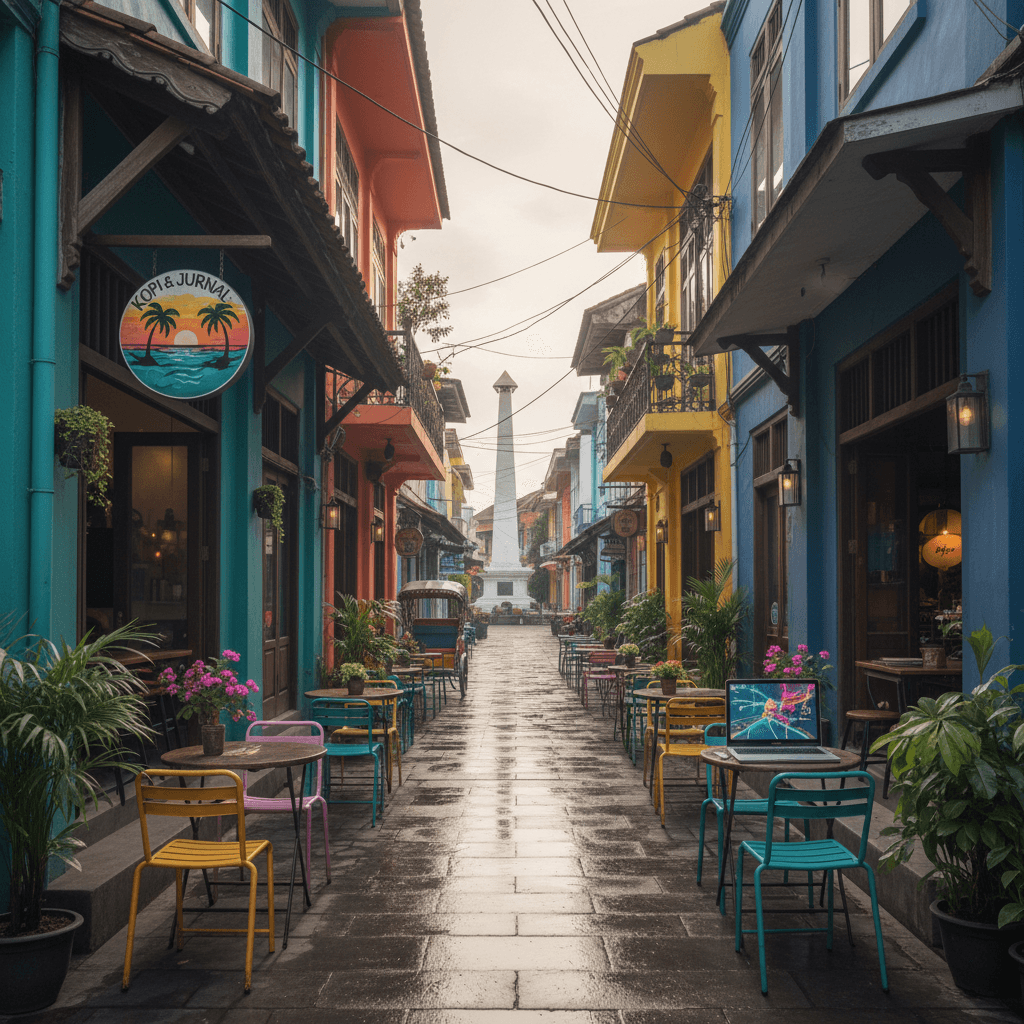
Surabaya
🇮🇩 Indonesia
The Industrial Heart with a Soft Center
Surabaya isn't the kind of city that tries to seduce you with postcard beaches or spiritual retreats. It’s the second largest city in Indonesia, and it feels like it. It’s a gritty, high energy port city that manages to be remarkably friendly once you step off the main roads. While most travelers treat it as a quick pit stop on the way to Mount Bromo, nomads are starting to realize that Surabaya is actually one of the most liveable urban centers in Southeast Asia if you value infrastructure over aesthetics.
The vibe here is "productive chill." You’ll find massive, shiny shopping malls like Pakuwon Mall that feel like they’re from the future, sitting right next to narrow alleys where people still sell Lontong Balap for $1.50 from a wooden cart. It’s significantly less touristy than Bali or even Yogyakarta, which means you get the "real" Indonesia. People will be genuinely curious about why you're there, and the hospitality is legendary. It’s a place where you can actually get work done without the constant distraction of a party scene.
The Realities of the Daily Grind
Living here is an exercise in contrast. You'll likely spend your mornings in a high end cafe in Manyar and your evenings navigating the humid, aromatic chaos of the Arab Quarter. The heat is consistent and heavy, so most of your life will revolve around air conditioned spaces. Traffic is a legitimate hurdle, but the local ride hailing apps Gojek and Grab are your best friends here. A motorbike ride across town usually costs less than $1.50 and is the only way to beat the gridlock during rush hour.
What sets Surabaya apart is the cost to quality ratio. You can live a "luxury" lifestyle here for about $800 a month, something that’s becoming harder to do in Thailand or Bali. You get reliable power, decent hospitals, and a massive variety of food. The downside? The air quality isn't always great, and the "digital nomad" infrastructure is still growing. You won't find a nomad meetup on every corner, but the community that does exist is tight knit and very welcoming to newcomers.
What to Expect on Your Wallet
Surabaya is famously affordable. Most nomads find that their biggest expense is housing, and even that is a bargain compared to Western standards. Here is a breakdown of what you can expect to spend:
- Street Food & Local Warungs: 22,500 to 25,000 IDR (around $1.50).
- Mid-range Dinner for Two: 200,000 IDR (around $13.00).
- A Solid Cappuccino: 29,500 IDR (around $1.90).
- Monthly Gym Membership: 300,000 to 450,000 IDR ($19 to $29).
- High Speed Home Internet: 250,000 to 400,000 IDR ($16 to $25).
The Neighborhood Breakdown
Where you stay determines your experience. The city is sprawling, so picking a base near your preferred amenities is vital.
Manyar & Kertajaya (East Surabaya)
- The Draw: This is the heartbeat of the city for young professionals. It’s packed with trendy cafes and is close to the major universities.
- 1BR Rent: 2.5 million to 5.5 million IDR ($160 to $350).
- Best for: Socializing and being in the middle of the action.
Citraland & Pakuwon City (West Surabaya)
- The Draw: Often called "The Singapore of Surabaya." These are gated, master planned communities with wide roads, parks, and massive malls.
- 1BR Rent: 3 million to 8 million IDR ($190 to $510).
- Best for: Families or nomads who want a quiet, Western style suburban feel.
Gubeng (Central)
- The Draw: The most "walkable" part of a city that isn't really built for walking. It's near the main train station and has a decent selection of older, character filled bars.
- 1BR Rent: 2 million to 4 million IDR ($130 to $255).
- Best for: Short term stays and easy transport links.
Ultimately, Surabaya is for the nomad who is tired of the "influencer" bubble. It’s for the person who wants to hunker down, grow their business, and eat some of the best food in the world while staying well under budget. It’s not always pretty, but it’s always authentic.
The Bottom Line on Living Costs
Surabaya is arguably one of the most affordable major cities in Southeast Asia for digital nomads. You get the infrastructure of a massive metropolitan hub without the inflated "tourist tax" found in Bali or Jakarta. Most solo nomads find they can live quite well on $600 to $900 a month, while those on a tight budget can easily get by on $450 if they stick to local neighborhoods and street food.
Housing and Rent
Rent will be your biggest variable. If you want to live in the thick of things near the city center, expect to pay a premium for convenience. Many nomads prefer the modern apartment complexes in West or East Surabaya which offer better amenities like gyms and pools.
- City Center Studio/1BR: 2.5 million to 5.5 million IDR ($160 to $350) per month.
- Outside Center Studio/1BR: 1.2 million to 3.3 million IDR ($77 to $210) per month.
- 3-Bedroom Family Home (Pakuwon/Citraland): 7 million to 15 million IDR ($450 to $960) per month.
Keep in mind that utilities like electricity and water aren't always included in the base rent. For a standard one bedroom apartment, set aside an extra $40 to $60 for monthly bills, especially if you blast the air conditioning all day.
Eating and Drinking
Food is where Surabaya really shines for your wallet. Local warungs (small family run eateries) serve up incredible dishes like Rawon or Nasi Goreng for next to nothing. If you prefer air conditioned cafes and international fare, prices go up but still remain very reasonable compared to Western standards.
- Street food or local warung meal: 22,500 to 25,000 IDR ($1.50 to $1.60).
- Mid range restaurant dinner for two: 200,000 IDR ($12.80).
- Cappuccino at a specialty cafe: 29,500 IDR ($1.90).
- Domestic beer (500ml): 40,000 IDR ($2.55).
Transportation and Connectivity
Most expats and nomads rely on ride hailing apps like Gojek or Grab. They are efficient, safe, and cheap. A motorbike ride across town usually costs less than $1.50, while a car ride in traffic might hit $5.00 to $8.00.
For your digital setup, a solid home internet connection (60 Mbps+) costs around $16 to $25 a month. If you prefer working from a dedicated office, a monthly membership at a space like IdeaHub or Regus typically ranges from $80 to $150 depending on how much "desk time" you need.
Lifestyle and Fitness
Staying active won't break the bank here. A monthly membership at a decent fitness club or gym generally runs between 300,000 and 450,000 IDR ($19 to $29). If you enjoy the cinema, a ticket to a first run movie in a high end mall like Tunjungan Plaza costs about $3 to $5, making it an easy weekly habit.
Overall, Surabaya allows for a high quality of life on a modest budget. You can afford comforts like weekly massages, frequent dining out, and a modern apartment for a fraction of what you would pay in neighboring countries.
For Nomads and Young Professionals
If you want to be where the energy is, head to Manyar and Kertajaya in East Surabaya. This area is a favorite for digital nomads because it perfectly balances work and play. You are close to major business hubs but surrounded by a high concentration of coffee shops and local eateries that stay open late. It feels more "lived in" than the sterile corporate districts, making it easy to find a community of local creatives and remote workers.
Dharmahusada is another solid choice if you prefer a mix of convenience and local charm. It is slightly more established and residential than Manyar, but it still maintains a lively atmosphere. You will find plenty of small shops and cafes tucked away in the side streets. It is more central than the newer developments out west, which means shorter commute times if you are meeting clients or friends across town.
- Manyar 1BR Rent: 1.5 to 3 million IDR ($95 to $190)
- Dharmahusada 1BR Rent: 2 to 3.5 million IDR ($128 to $225)
- Atmosphere: High energy, social, and very walkable compared to other districts.
For Expat Families
Western expats with families almost exclusively gravitate toward Citraland. Often called "The Singapore of Surabaya," this gated community is massive and meticulously planned. It feels worlds away from the city's chaotic traffic. The streets are wide, the air feels slightly cleaner, and there are international schools, private hospitals, and golf courses right inside the complex. It is the safest bet for those who want a predictable, high quality of life.
Pakuwon City in East Surabaya offers a similar vibe but with a more modern, architectural edge. It is home to upscale apartments and houses surrounded by manicured green spaces. The biggest draw here is the proximity to Pakuwon Mall, which is the largest shopping center in Indonesia. If you want a lifestyle where everything from groceries to cinema trips is a five minute drive away, this is your spot.
- Citraland 3BR House: 8 to 15 million IDR ($515 to $960)
- Pakuwon City 1BR Apartment: 3 to 7 million IDR ($190 to $450)
- Perks: Gated security, international schools nearby, and plenty of "Western" amenities.
For Solo Travelers and Budget Seekers
Gubeng is the heart of the action for those who want to be centrally located. Since it is near the main train station, it is incredibly convenient for travelers who plan on taking weekend trips to Mount Bromo or Yogyakarta. The area has a classic urban feel with plenty of affordable guesthouses and mid range hotels. Most solo travelers find it the easiest place to meet people because of the high density of bars and restaurants.
If you need a break from the noise but cannot afford the prices in Citraland, look at Dukuh Pakis. This is a peaceful residential pocket that remains accessible to the city center. It is a great middle ground for budget conscious nomads who want a quiet apartment to focus on work without being isolated from the local culture. You will find plenty of local food stalls (warungs) here where a full meal costs less than $2.
- Gubeng 1BR Rent: 2 to 4 million IDR ($128 to $255)
- Dukuh Pakis 1BR Rent: 1.2 to 3.3 million IDR ($77 to $210)
- Daily Food Cost: 22,500 to 50,000 IDR ($1.50 to $3.20) for local meals.
Most expats and nomads use apps like Grab or Gojek to move between these neighborhoods. Motorbike taxis are the fastest way to cut through the peak hour congestion, usually costing between 10,000 and 20,000 IDR ($0.64 to $1.28) for a cross town trip. If you prefer air conditioning, a car ride will typically set you back about 80,000 to 130,000 IDR ($5.10 to $8.30) depending on the distance and traffic.
Connectivity and Speed
While Surabaya isn't quite at the level of Singapore or Seoul, the internet infrastructure has improved significantly over the last few years. You can expect average download speeds of over 100 Mbps in urban areas with 5G. It's plenty for Zoom calls, uploading files to the cloud, or streaming Netflix after a long day.
Most nomads find that 4G and 5G coverage is surprisingly robust across the city. Telkomsel is the go-to provider for most expats because they have the best coverage, though XL Axiata is a solid runner-up. You can pick up a SIM card for under $10 and get a generous data package. If you're setting up a home office in a high-rise apartment, a dedicated fiber connection will usually run you between 250,000 IDR and 400,000 IDR ($16 to $25) per month.
Top Coworking Spaces
The coworking scene in Surabaya is more professional and corporate-leaning than the bamboo-and-beanbag vibe you'll find in Bali. It's a place where people actually get things done. Here are the spots the community recommends:
- IdeaHub: Located in the Voza Tower, this is the gold standard for many remote workers. It’s got a sleek, modern design with standing desks, private phone booths for calls, and even showers if you need to freshen up after a humid commute. It's about 25 minutes from the airport and offers 24/7 access for members.
- Regus Surabaya: If you need a more traditional, "suit and tie" environment for client meetings, Regus has multiple locations. It’s reliable, predictable, and offers the usual suite of business services like mail handling and professional reception.
The Cafe Culture
If you prefer the hum of a coffee shop over a dedicated office, Surabaya has a massive cafe culture. In areas like Tunjungan or the neighborhoods near Pakuwon Mall, you'll find plenty of "work-friendly" spots. Most locals are used to seeing people with laptops, and as long as you keep the coffee flowing, nobody will mind if you stay for a few hours.
Expect to pay around 30,000 IDR to 50,000 IDR ($2 to $3) for a high-quality latte. Many of these cafes have dedicated power outlets under the tables, but it's always smart to carry a power bank just in case. The WiFi in cafes can be hit or miss during the evening rush, so having a mobile hotspot as a backup is a pro move.
Practical Tips for Remote Workers
The city does experience occasional power flickers during heavy monsoon rains, though most high-end apartments and coworking spaces have backup generators. If you’re working on a deadline, it’s best to stick to the larger hubs like IdeaHub where the infrastructure is more resilient. Most nomads suggest getting a "Telkomsel Orbit" portable modem as a backup if you plan on working from a smaller guesthouse or an older Airbnb.
Safety Situation
Surabaya is remarkably safe for a city of its size. Most digital nomads feel comfortable walking around during the day, and even at night in areas like Gubeng or near the major malls. The city carries a safety index of around 63, which ranks it higher than many other Southeast Asian hubs. You won't find the aggressive tourist scams common in Bali; instead, you'll encounter locals who are genuinely curious and helpful.
Petty crime like bag snatching or pickpocketing occasionally happens in crowded markets or near the Arab Quarter. Expats generally recommend keeping your phone tucked away when standing near busy roads to avoid "drive-by" phone snatches from motorbikes. Use ride-hailing apps like Grab or Gojek instead of hailing random cars, as these apps track your journey and provide driver details. If you prefer a traditional taxi, stick with Blue Bird; they are the gold standard for honesty and safety in Indonesia.
Solo female travelers often find Surabaya more conservative but respectful. While you don't need to cover up completely, dressing modestly (covering shoulders and knees) helps you blend in and avoids unwanted attention in more traditional neighborhoods. Most nomads agree that the biggest "danger" here isn't crime, but the erratic traffic and uneven sidewalks. Always look twice before crossing, even if you have a green light.
Healthcare Quality
If you get sick, you're in good hands. Surabaya is a regional medical hub for East Java, and the private hospitals here are excellent. Most doctors at top-tier facilities speak English well, having often trained abroad. For routine issues or emergencies, expats and nomads consistently point to Siloam Hospital Surabaya or National Hospital in the West. These facilities are modern, clean, and equipped with the latest tech.
Expect to pay around 300,000 to 500,000 IDR ($19 to $32) for a consultation with a specialist. If you need a local GP, many people go to Halodoc, an app that lets you consult with doctors via video and have prescriptions delivered to your door within an hour. It's a lifesaver if you've caught a case of "Bali Belly" or a standard flu and don't want to leave your apartment.
For dental work, Shiny Smile Dental Clinic is a popular choice for high-quality care at a fraction of Western prices. Pharmacies, known locally as Apotek, are everywhere. Look for Kimia Farma or Guardian for reliable service. While many medications are available over the counter, it's always better to have a digital copy of your prescription handy.
- Emergency Number: Dial 112 for general emergencies (police, ambulance, fire).
- Top Hospital: Siloam Hospital Surabaya (Central) or National Hospital (West).
- Health App: Halodoc for tele-consultations and medicine delivery.
- Water Safety: Never drink the tap water. Stick to bottled water or large 19-liter Aqua jugs for your apartment, which cost about 20,000 IDR ($1.30) for a refill.
Insurance & Logistics
Most nomads here use SafetyWing or Genki since they cover remote work setups and can be started after you've already left home. If you're staying long-term on a KITAS (residency permit), you'll likely be enrolled in BPJS Kesehatan, the national health insurance, but most expats still maintain private coverage to ensure access to the international-standard private wings of hospitals. Always keep a digital scan of your passport and insurance policy on your phone; hospitals will usually ask for proof of payment or insurance before admitting you for non-emergency care.
The Ride-Hailing King
In Surabaya, your smartphone is your best friend. Forget trying to hail a car on the street or figuring out complex bus routes right away. Everyone here relies on Grab and Gojek. These apps are the lifeblood of the city, offering everything from private cars to motorbike taxis, known locally as ojeks.
If you're solo and in a rush, hop on a motorbike via GoRide or GrabBike. It's the fastest way to weave through the notorious afternoon traffic, and a 15 minute trip usually costs between 10,000 to 20,000 IDR ($0.64 to $1.28). For a more comfortable, air-conditioned ride, a car will run you about 80,000 to 130,000 IDR ($5.10 to $8.30) for longer cross-town journeys. Just keep an eye on the clock; 4:00 PM to 7:00 PM is when the "macet" (traffic jam) really hits, and travel times can double.
Public Transport: The Suroboyo Bus
Surabaya has been modernizing its public transit with the Suroboyo Bus. These are clean, air-conditioned, and surprisingly efficient. Most people now use electronic money cards like Flazz or Brizzi to pay for their fare. A standard trip costs about 5,000 IDR.
The Trans Semanggi Suroboyo is another reliable bus option that covers major arteries like the route from Lidah Wetan to Kejawan Putih Tambak. While the network doesn't reach every corner of the suburbs, it's a solid choice for moving between the main commercial hubs without spending much. A monthly pass for the public system typically costs around 150,000 IDR ($9.60).
Traditional Transit and Micro-Buses
For a more "local" experience, you'll see small blue vans called Angkot or Lyn zooming around. They don't have fixed schedules; they just follow specific routes marked by letters on the windshield. It's the cheapest way to get around at roughly 5,000 IDR per ride, but it's not for the faint of heart. There's no AC, and you'll need a basic grasp of Indonesian or a very good sense of direction to know where to hop off.
Walking and Micromobility
Surabaya isn't exactly a "walkable" city in the Western sense. The heat and humidity are intense, and sidewalks can be uneven or disappear entirely. However, specific areas like Tunjungan Street have been revitalized with wide, pedestrian-friendly pavements and a European vibe that's perfect for an evening stroll. For most other areas, you'll want to stick to wheels.
Getting Out of Town
When you need to leave the city, you have two main hubs:
- Juanda International Airport (SUB): Located about 20km south of the city center. A GrabCar there usually costs 100,000 to 150,000 IDR including tolls.
- Gubeng and Pasar Turi Stations: These are the main train hubs. If you're heading to Malang for a weekend or taking the executive train to Yogyakarta, Gubeng is your go-to. It's central, well-organized, and the trains are surprisingly punctual.
Nomads often suggest keeping a balance: use the Suroboyo Bus for your daily commute if you live near a stop, but keep Gojek topped up for those rainy days or late-night returns from the bars in Manyar.
While you can get by with English in Bali or parts of Jakarta, Surabaya is a different beast. It is a city where local connection is the currency, and that starts with understanding how people talk. Most locals are bilingual, switching between Bahasa Indonesia (the national language) and Suroboyoan, the local dialect of Javanese known for being blunt, loud, and incredibly friendly.
The Language Barrier
In high end malls like Pakuwon or Tunjungan Plaza, and among staff at coworking spaces like IdeaHub, English is common. However, once you step into a local warung or hop on a Gojek, English proficiency drops significantly. Most expats find that learning "Market Indonesian" is the fastest way to gain respect and avoid the "tourist price" when shopping at traditional markets.
The local dialect, Suroboyoan, is famous across Indonesia for its egalitarian feel. It lacks the complex social hierarchies of the Javanese spoken in Yogyakarta. People here are direct. If you hear locals using the word "Cuk" (a versatile slang term), don't be offended; it is often used as a term of endearment among friends, though you should probably avoid using it yourself until you've been in the city for a few months.
Essential Communication Tools
To survive and thrive in Surabaya, your smartphone needs a specific set of tools. Don't rely on being able to ask for directions in English on the street.
- Google Translate: Download the Indonesian offline pack. The camera translation feature is a lifesaver for reading menus at small restaurants in Gubeng or Manyar.
- WhatsApp: This is the lifeblood of the city. Everyone from your landlord to the local laundry service uses it. If you need to book a table or ask a business a question, send a message rather than calling.
- SayHi or DeepL: Many nomads recommend these for more nuanced conversations when trying to navigate a lease or a trip to the doctor.
Connectivity & SIM Cards
You'll want a local SIM immediately upon landing at Juanda International Airport. While airport kiosks are slightly more expensive, they handle the mandatory IMEI registration for foreign phones, which can be a massive headache to do later at a provider's office.
- Telkomsel: The gold standard for coverage. It's the most expensive but has the most reliable signal if you're traveling to Mount Bromo or rural East Java on weekends. Expect to pay around 150,000 IDR for a generous data package.
- XL Axiata: A solid runner up with great speeds in urban areas like Citraland. Often has better deals for heavy data users.
- Indosat: Generally the budget option. It works well in the city center but can be spotty inside large concrete buildings or basement malls.
Social Nuances
Communication in Surabaya is as much about body language as it is about words. Indonesians generally value "Sopan Santun" (politeness and etiquette). Using your right hand to give or receive items is a big deal. When you're trying to get someone's attention, a slight bow or a smile goes a lot further than a loud "Excuse me."
Digital nomads often join local Telegram or WhatsApp groups to stay in the loop. Look for the "Surabaya Expat" or "Surabaya Digital Nomad" communities. These groups are where the real communication happens, from finding out which cafe has the fastest upload speeds this week to getting recommendations for a reliable English speaking dentist.
Quick Phrases for Nomads
- Berapa? (How much?): Use this constantly.
- Minta... (I'd like...): The polite way to order food or coffee.
- Bisa bicara Bahasa Inggris? (Can you speak English?): Always ask this before diving into a long English sentence.
- Pedas / Tidak Pedas: (Spicy / Not spicy): Critical for your first few weeks of eating local food.
The Tropical Reality
Surabaya is unapologetically hot. Unlike the breezy highlands of Malang or the coastal winds of Bali, this city sits on a low coastal plain that traps heat and humidity. You can expect temperatures to hover between 25°C and 34°C (77°F to 93°F) year round. The local humidity often makes it feel significantly warmer, so air conditioning isn't just a luxury here; it is a survival requirement for remote work.
The city operates on a two season cycle: the dry season and the wet season. Understanding these shifts is the difference between enjoying a sunset walk at Kenjeran Park and being stuck in a cafe while the streets outside turn into shallow rivers.
Dry Season: May to September
This is widely considered the best time to base yourself in Surabaya. The skies are clear, the sun is out, and the humidity is at its most manageable levels. If you plan on using the city as a jump off point for weekend trips to Mount Bromo or Ijen Crater, this is when you want to be here. The mountain trails are dry and safe, and you will actually get those iconic clear sunrise views.
August and September are the peak of the heat. During these months, the city can feel like a furnace by 2:00 PM. Most nomads schedule their outdoor errands for early morning or after 5:00 PM when the "angin timur" (east wind) provides a bit of relief. It is the perfect time for exploring the historic Tunjungan area on foot without melting.
Wet Season: November to March
The rains usually start as afternoon showers in late October and intensify through January and February. You will experience heavy, tropical downpours that can last for an hour or two, often accompanied by impressive lightning displays. While the rain cools things down, it also brings the city's infamous traffic to a crawl.
If you are staying in areas like Dharmahusada or Gubeng, be prepared for localized flooding on smaller side streets. The city has improved its drainage significantly, but a massive storm can still overwhelm the system. This is the "indoor season" for nomads. You will spend more time in coworking spaces like IdeaHub or the massive air conditioned malls like Pakuwon or Tunjungan Plaza.
The Sweet Spot: Shoulder Months
April and October are the transition months. They are unpredictable. You might get a week of perfect beach weather followed by three days of torrential rain. October is particularly notorious for being the hottest month of the year as the moisture builds up before the first big rains break the heat. Prices for short term rentals and flights at Juanda International Airport often dip during these months, making them a good choice for budget conscious travelers who don't mind a little weather chaos.
Cultural Timing: Ramadan
You should also consider the lunar calendar. Surabaya has a significant Muslim population, and the holy month of Ramadan changes the city's rhythm. During the day, many local "warungs" (small eateries) close or hide their interiors behind curtains. The city becomes very quiet during the day and explodes with life, food markets, and festivals after sunset.
Expats generally find this a fascinating time to be in the city, though you should be mindful of the Idul Fitri holiday at the end of the month. During this week, half the city leaves to visit family in the countryside, many businesses close, and prices for transport skyrocket. If you want a quiet city to yourself, stay put. If you want to travel elsewhere in Indonesia, book your tickets months in advance.
Packing Essentials
- Lightweight Fabrics: Stick to linen and cotton. Synthetic fabrics will feel like wearing a plastic bag in this humidity.
- Rain Gear: A sturdy umbrella is better than a raincoat, which will just make you sweat. Most locals use GoJek or Grab cars during storms to stay dry.
- Indoor Layers: While it is 33°C outside, Surabaya's malls, cinemas, and offices keep the AC at "arctic" levels. Always carry a light hoodie or sweater for working sessions.
- Modest Clothing: Surabaya is more conservative than Bali. While shorts are fine in malls, having something that covers your shoulders and knees is respectful when exploring local neighborhoods or government buildings.
Getting Around the City
Uber doesn't exist here, so your first move should be downloading GoJek and Grab. These apps are the lifeblood of Surabaya. Most locals and nomads prefer GoRide (motorbike taxis) to bypass the notorious afternoon gridlock. A quick hop across town usually costs between 10,000 and 20,000 IDR.
If you prefer air conditioning, GrabCar is reliable but budget more time for traffic. For a more traditional experience, the Suroboyo Bus is a unique public option where you can actually pay for your fare using recycled plastic bottles, though most expats stick to ride-hailing for the door to door convenience.
Staying Connected
Don't rely solely on your accommodation's WiFi. Pick up a Telkomsel SIM card as soon as you land. It has the best coverage across East Java. You can get a solid data package with 20GB to 35GB for around 100,000 to 150,000 IDR. Pro tip: register your phone's IMEI at the airport customs office if you plan on staying in Indonesia for more than 90 days, otherwise your international device might get blocked from local networks.
When you need a professional setup, IdeaHub in the Voza Tower is the gold standard for speed and ergonomics. If you're on the east side, Virto is a more low key, affordable spot that gets the job done without the corporate fluff. For cafe hopping, the Tunjungan area is packed with aesthetic spots that won't mind if you linger over a 30,000 IDR latte for a few hours.
Money and Banking
Cash is still king in local markets and smaller warungs. Keep a stash of 2,000 to 20,000 IDR notes for parking attendants and street snacks. For everything else, QRIS (a universal QR code payment system) is everywhere. You can link it to your GoPay or OVO account once you have a local number.
Stick to ATMs from major banks like BCA, Mandiri, or BNI to avoid skimming issues and high fees. Most ATMs in malls are safe, but always check the card slot for anything loose. For international transfers, Wise is the preferred method among the expat community to pay rent or top up local digital wallets.
Health and Wellness
The humidity can be a shock if you're coming from a cooler climate. Drink bottled or filtered water only; never drink from the tap. Most apartments provide a "gallon" (19-liter water jug) system which is cheap and eco-friendly. If you do get the dreaded "Bali Belly" (or Surabaya equivalent), head to a Kimia Farma pharmacy for quick meds.
For more serious issues, Siloam Hospitals and National Hospital are the top choices for Westerners. They have English speaking staff and modern equipment. A standard GP visit will usually set you back about 300,000 to 500,000 IDR excluding medicine.
Cultural Etiquette
Surabaya is more conservative than Bali. While it's a modern city, dressing modestly in public areas is a sign of respect. When visiting the Arab Quarter or Ampel Mosque, ensure your shoulders and knees are covered. Use your right hand for giving and receiving items, as the left hand is traditionally considered unclean. A simple "Terima Kasih" (thank you) goes a long way with the locals, who are famously friendly and often curious about why you chose their city over the beach.
Need visa and immigration info for Indonesia?
🇮🇩 View Indonesia Country GuideEasy Landing
Settle in, no stress