Sokcho
🇰🇷 South Korea
The Vibe: Where the Mountains Meet the Sea
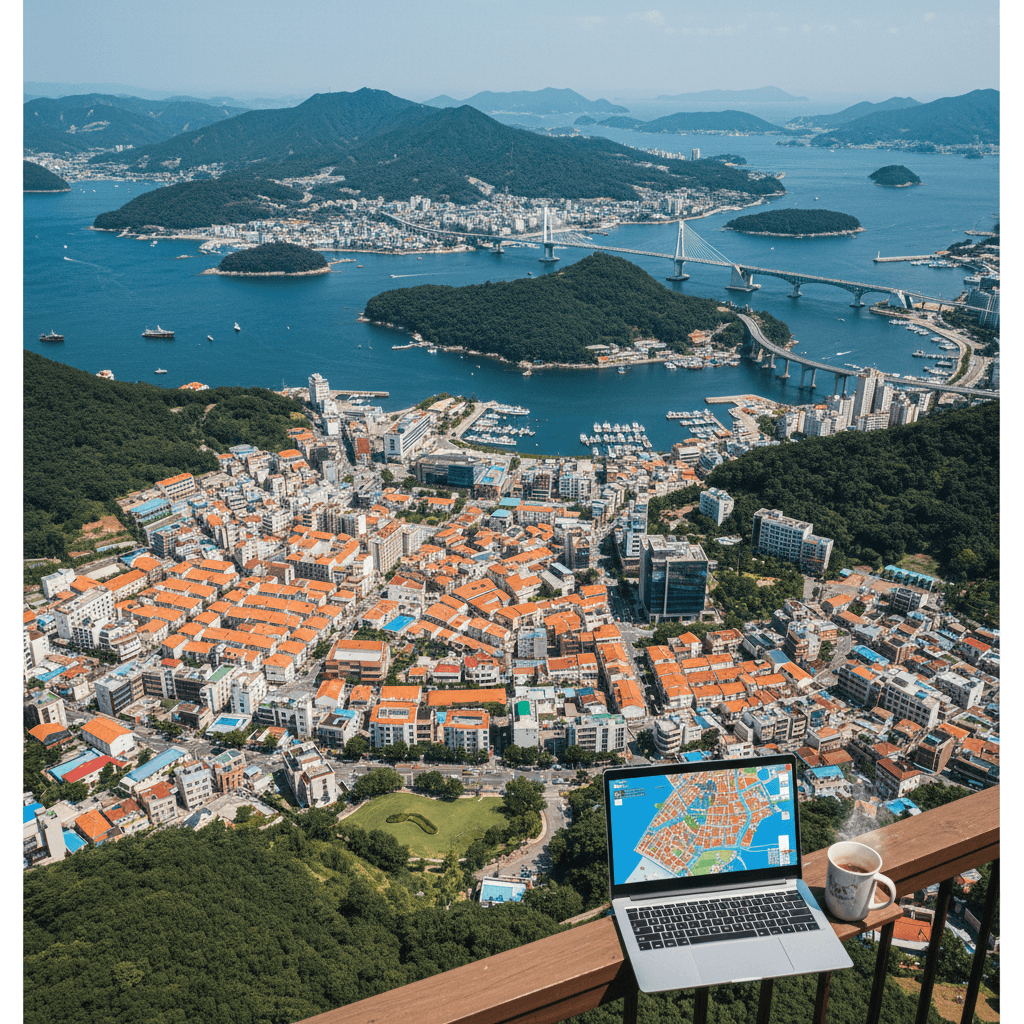
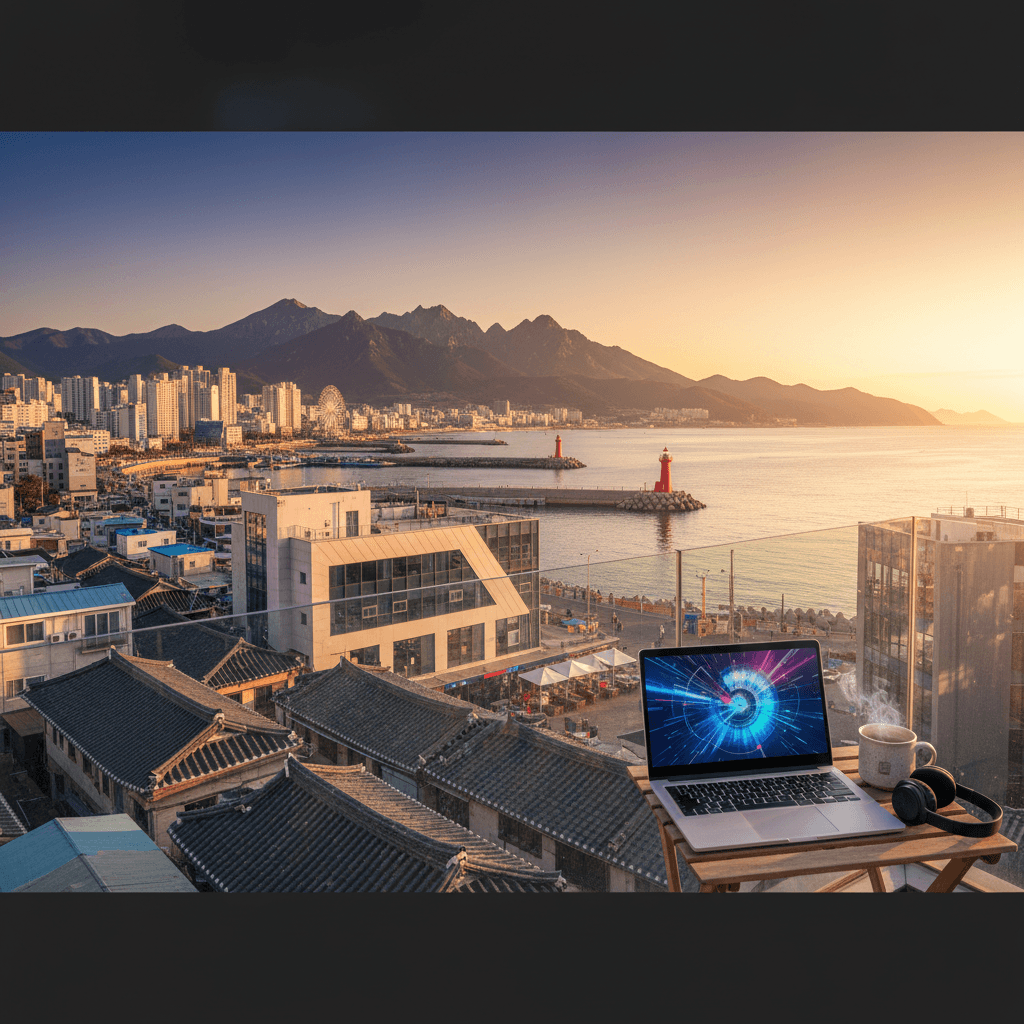
If Seoul is a caffeine fueled sprint, Sokcho is a deep, salty breath of fresh air. It is one of the few places in South Korea where you can finish a Zoom call and be at the base of a jagged mountain peak or standing on a white sand beach within fifteen minutes. This isn't a city trying to be a tech hub; it is a rugged, authentic coastal town that just happens to have world class internet. You’ll find a mix of grizzled fishermen hauling in squid at the port and young professionals from Seoul seeking a "workation" escape.
The energy here is defined by the seasons and the landscape. In the mornings, the mist clings to the granite peaks of Seoraksan National Park, which looms over the city like a protective wall. By afternoon, the focus shifts to the East Sea. It is a place for nomads who prioritize physical activity and mental clarity over a wild nightlife scene. You come here to hike, to eat incredibly fresh seafood, and to experience a slower, more traditional side of Korean life that hasn't been polished away by over tourism.
The Nomad Experience in 2025-2026
Sokcho is currently in a sweet spot. The South Korean government has officially recognized it as a top five national destination, so the infrastructure is excellent, but it hasn't lost its local soul. You won't find a massive expat bubble here like you would in Itaewon. Instead, you'll be rubbing shoulders with locals at the Sokcho Tourist & Fishery Market, probably trying the city's famous dakgangjeong (sweet and spicy fried chicken) or ojingeo sundae (squid stuffed like a sausage).
Living here requires a bit more independence than in the bigger cities. While the digital nomad infrastructure is growing, it is less "plug and play" than Busan. You'll need translation apps and a willingness to navigate menus that don't always have English subtitles. However, the payoff is a significantly lower cost of living and a level of safety that allows you to leave your laptop on a cafe table while you grab a refill without a second thought.
Cost of Living Breakdown
Your money goes much further here than in the capital. While specific prices fluctuate, most nomads find they can live a very comfortable life on a mid range budget. Here is what to expect for monthly expenses:
- Budget Tier ($800 to $1,200): This covers a modest studio or shared space, plenty of street food from the local markets, and using the efficient bus system to get around.
- Mid Range Tier ($1,200 to $1,800): This is the sweet spot for most. It buys you a modern one bedroom apartment, frequent dinners out at seafood spots, and regular weekend trips or equipment rentals for hiking and surfing.
- Comfortable Tier ($1,800 to $2,500+): At this level, you’re looking at high end serviced apartments with ocean views, daily cafe working, and no budget constraints on leisure activities.
Connectivity and Work Culture
Don't let the sleepy coastal vibes fool you. South Korea’s internet is legendary, and Sokcho is no exception. You can expect broadband speeds averaging 107.50 Mbps and nearly 100 percent 4G and 5G coverage across the city. Even if you are working from a remote cafe near the entrance of Seoraksan, your connection will likely be faster than what you have at home.
While dedicated coworking spaces are still popping up, the cafe culture serves as the primary workspace for visitors. Most local cafes are "nomad friendly" as long as you aren't camping out for six hours on a single espresso. For a monthly mobile plan with plenty of data, expect to pay around $47.63, while a home broadband setup averages about $21.54.
What Makes Sokcho Unique?
It is the contrast. You can spend your Saturday morning on a grueling hike up to Ulsanbawi Rock, looking out over the jagged ridges, and your Saturday evening eating grilled shellfish on the beach while watching the lights of the fishing boats. There is a sense of seasonal rhythm here, from the heavy monsoon rains that turn the mountains neon green to the crisp, snowy winters that make the local hot springs even more inviting. It is a city that forces you to look up from your screen and remember that the world is huge, old, and very beautiful.
The Cost of Living in Sokcho
Sokcho is a breath of fresh air for your wallet, especially if you are coming from the high pressure real estate market of Seoul. While the capital feels like it is constantly trying to upsell you, Sokcho operates at a much more manageable price point. You get the same world class infrastructure and high speed internet for a fraction of the overhead, leaving you more room to enjoy the coastal lifestyle.
Monthly Budget Estimates
Your lifestyle determines your burn rate, but most nomads find their money goes significantly further here than in other coastal hubs like Busan or Jeju Island. Here is how the monthly math usually breaks down:
- The Budget Tier ($800 to $1,200): This covers a modest studio or a room in a shared house, plenty of street food from the Sokcho Tourist & Fishery Market, and getting around via the local bus system.
- The Mid Range Tier ($1,200 to $1,800): This is the sweet spot for most expats. You can afford a modern one bedroom apartment, a mix of local dining and nicer weekend meals, a gym membership, and regular trips into Seoraksan National Park.
- The Comfortable Tier ($1,800 to $2,500+): This gets you a high quality apartment with a view, frequent dinners at the city’s famous seafood spots, and enough left over for weekend excursions or a car rental.
Housing and Utilities
Rent is your biggest saving. While you won't find the massive expat enclaves of Seoul, the local market is accessible. A solid one bedroom apartment in a convenient area usually falls well below the $1,000 mark. Utilities are famously efficient in Korea; expect to pay around $65 a month for electricity, water, and heating, though this can spike in the humid summer months when the AC is running 24/7.
Internet is a non negotiable for nomads, and Korea delivers. A high speed broadband plan averages about $22 a month. For your phone, a robust mobile data plan usually sits around $48, giving you enough tethering power to work from the beach if the mood strikes.
Food and Daily Expenses
Eating out is often cheaper than cooking for one in Sokcho. The city is obsessed with fresh seafood, and you can grab local specialties like squid sundae or spicy cold noodles for a few dollars. If you prefer a structured workout, a monthly gym membership will set you back about $47.
- Local Meal: $7 to $12
- Coffee at a cafe: $4 to $6
- Domestic Beer: $3 to $5
- Monthly Bus Pass: $40 to $55
Sokcho is a walkable city, which helps keep transportation costs low. Most nomads find that between their own two feet and the reliable bus system, there is rarely a need for expensive taxi rides unless you are heading deep into the mountains after dark.
The Beachfront Seekers (Digital Nomads)
If you need to wake up to the sound of the East Sea to get your brain in gear, Sokcho Beach is your home base. This area has seen the most modernization recently, with high rise apartments and studios popping up that cater to those who want a view. You will find the best concentration of cafes with reliable 100 Mbps+ Wi-Fi here, making it easy to work with a view of the water.
Most nomads aim for the beachfront area near Sokcho Beach. It is walkable, safe, and puts you right next to the express bus terminal, which is handy for quick trips back to Seoul. While there are not many dedicated coworking spaces yet, the local cafe culture is strong. Places like Chilsung Boatyard Salon or the various spots along the coastal road are popular for afternoon deep work sessions.
- Rent: $700 to $1,100 for a modern studio or 1BR with a view.
- Vibe: Vacation energy during the day, quiet and breezy at night.
- Pros: Best internet access and easiest transport links to other cities.
The Long Term Residents (Expats)
Expats who stay for a year or more often gravitate toward Joyang-dong. This is the true residential heart of the city. Since it sits slightly inland from the tourist traps, prices for groceries and daily essentials are more reasonable. It feels like a real neighborhood where people live their lives rather than just a weekend destination.
Living here gives you better access to local gyms, which usually cost around $45 to $50 a month, and larger supermarkets. You are also closer to the city's main healthcare clinics and administrative offices. The language barrier is higher here than on the beach, so having a translation app ready is a must for your daily errands.
- Rent: $500 to $900 for a standard apartment.
- Vibe: Local, functional, and very safe.
- Pros: Lower cost of living and better access to local amenities.
The Nature Lovers (Solo Travelers)
If you are in town specifically to hike Seoraksan National Park, look at the Seorak-dong area. It is located at the base of the mountains and offers a much slower pace. This is not the place for someone who needs a nightlife scene, but it is perfect for solo travelers who want to be the first ones on the trail at sunrise.
The area is filled with smaller guesthouses and traditional minbaks. You will be eating a lot of mountain vegetables and local sanchae bibimbap. While it is further from the city center, the local bus system is efficient and will get you back to the main market or the beach in about 20 to 30 minutes for less than $2.
- Rent: $400 to $700 for monthly guesthouse rates or small rentals.
- Vibe: Quiet, forested, and focused on the outdoors.
- Pros: Immediate access to some of the best hiking in South Korea.
The Cultural Enthusiasts (Families)
For families who want to be near the action but need space, the area around Sokcho Central Market (Jungang Market) and Cheongchoho Lake is the best fit. The lake area has great walking paths that are stroller friendly and several parks where kids can run around. You are also within walking distance of the city's best food, including the famous sweet and sour chicken (dakgangjeong) and fresh squid.
This neighborhood offers a mix of older homes and new developments. It is the most central point in the city, making it easy to balance trips to the beach with excursions to the mountains. The Sokcho International Market Festival happens right in your backyard, providing plenty of entertainment for children and adults alike.
- Rent: $900 to $1,500 for larger 2BR or 3BR family apartments.
- Vibe: Active, food focused, and central.
- Pros: Highly walkable and close to the city's best dining and festivals.
Connectivity and Speed
South Korea is famous for having the fastest internet on the planet, and Sokcho doesn't miss a beat. You can expect average broadband speeds over 400 Mbps, which is more than enough for heavy video editing or back to back Zoom calls. The 4G and 5G coverage is nearly universal, so you will stay connected even if you are working from a bench overlooking the East Sea.
Setting up your home office is surprisingly affordable. A standard broadband plan typically runs about $21.54 per month. For your phone, expect to pay around $47.63 for a robust mobile data plan. Most nomads recommend picking up a local SIM card immediately upon arrival to access the high speed networks that make remote work here so seamless.
Coworking and Workspaces
While Sokcho lacks the massive, sleek coworking franchises found in Seoul or Busan, it makes up for it with a growing boutique scene. The infrastructure is catching up to the city's popularity as a "workation" destination. Many nomads find that local guesthouses and specialty hotels are beginning to integrate dedicated work zones into their lobbies to cater to the remote crowd.
If you need a formal desk, keep an eye out for smaller, independent hubs near the city center. While specific pricing varies, daily rates in regional Korean cities usually hover around $10 to $20. These spots generally provide the basics: ergonomic chairs, reliable Wi-Fi, and the all important bottomless coffee machine.
The Cafe Office Culture
In Sokcho, the real "coworking" happens in cafes. Koreans have turned cafe hopping into an art form, and many shops are designed with laptops in mind. You will find plenty of power outlets and fast, free Wi-Fi in almost every establishment. It is socially acceptable to camp out for a few hours with a latte, provided you aren't taking up a four person table during the busy lunch rush.
- Ocean View Spots: Head toward Sokcho Beach or Yeonggeumjeong. There are several multi story cafes where the top floors are quiet and offer incredible views of the water while you clear your inbox.
- Central Hubs: The area around the Sokcho Tourist & Fishery Market has more traditional setups if you prefer a livelier atmosphere and easy access to street food during your breaks.
- Connectivity Tip: Look for the "KT WiFi" or "SK WiFi" stickers on windows. Even if the shop's private network is acting up, these public hotspots are usually rock solid.
Practical Tech Tips
Navigating the digital landscape in Korea requires a few specific tools. Since Google Maps is often unreliable for walking directions or public transit in Korea, expats recommend downloading Naver Maps or KakaoMap. These apps are much more accurate for finding specific cafe locations or checking bus schedules in Sokcho.
For communication, KakaoTalk is the standard. You will need it to talk to landlords, local friends, or even some business owners. If your Korean is still a work in progress, Papago is the preferred translation app for most long term travelers; it handles the nuances of the language better than most competitors and even has a handy photo translation feature for menus and signs.
Safety in Sokcho
Sokcho is remarkably safe, even by high South Korean standards. You can walk alone through the city or along the beach at 2:00 AM without a second thought. Crime against foreigners is almost unheard of here, and most nomads find that the biggest "danger" is simply tripping on a rocky trail in Seoraksan.
The local culture is deeply rooted in respect and honesty. It is common to see people leave their laptops or smartphones unattended on cafe tables while they step away for a phone call. While you should always use common sense, the level of public trust in Sokcho is a breath of fresh air for those coming from major Western hubs.
If you do run into trouble, the emergency numbers are easy to remember. Dial 112 for police and 119 for fire or medical emergencies. There is an interpretation service available for non Korean speakers, so don't let the language barrier stop you from calling if you're in a bind.
Healthcare Quality and Access
South Korea has one of the best healthcare systems in the world, and Sokcho is well served by several modern facilities. While it doesn't have the massive "medical plexes" you find in Seoul, the local hospitals are efficient and equipped with high tech diagnostic tools. Most expats head to Sokcho Medical Center for general issues.
The medical staff in Sokcho are highly trained, though English proficiency varies. In a pinch, many doctors can read and understand English medical terms even if they aren't comfortable speaking it fluently. Using a translation app like Papago is usually enough to bridge the gap during a consultation.
Pharmacies and Prescriptions
You'll find pharmacies, marked with a bright red or green Yak (약) sign, on almost every street corner. They are the first stop for minor ailments like colds, indigestion, or muscle pain from hiking. Most pharmacists can recommend over the counter relief if you describe your symptoms.
Prices for medication are quite low. A pack of basic painkillers or cold medicine typically costs between $3 and $5. If you have a specific long term prescription, bring a copy of it from home; however, many common medications require a local doctor's visit before a pharmacy can dispense them.
Health Insurance for Nomads
If you are in Sokcho on the Digital Nomad visa (F-1-D), you'll need private medical insurance covering at least 100 million KRW for hospital treatment and repatriation. For those on other long term visas, you will eventually be enrolled in the National Health Insurance (NHI) system, which is world class and very affordable.
Out of pocket costs for a standard doctor's visit without insurance usually range from $20 to $40. With the national insurance, that same visit might only cost you $5 to $10. It's a system that actually works, and the wait times are usually less than fifteen minutes.
Practical Tips for Staying Healthy
- Air Quality: While Sokcho has much cleaner air than Seoul thanks to the mountain breezes, download the AirVisual or AirKorea app to check for yellow dust or fine particles during the spring months.
- Water: Tap water is technically safe to drink, but most locals and expats prefer using a filter or buying bottled water for the taste.
- Monsoon Prep: During the heavy rains in July and August, mold can become an issue in older apartments. Expats recommend buying a small dehumidifier to keep your living space dry and your lungs happy.
- Seafood Safety: Sokcho is famous for raw fish (hoe). Stick to busy restaurants with high turnover to ensure everything is fresh, especially during the humid summer months.
The Local Bus Network
Sokcho doesn't have a subway system, but you won't miss it. The local bus network is surprisingly efficient and covers almost every corner of the city. Most nomads rely on the 7 and 7-1 buses, which are the lifelines of the area. These routes run frequently and connect the main downtown hub with the entrance to Seoraksan National Park and the popular beach areas.
Fares are affordable, typically costing around $1.10 to $1.30 per trip. You'll want to pick up a T-Money card at any convenience store like CU or GS25 as soon as you arrive. You can tap on and off with your card to get free transfers between local routes. While many bus stops now have digital displays showing arrival times, they are mostly in Korean, so having a translation app ready is a smart move.
Navigating on Foot
If you're staying near the Tourist & Fisherman’s Market or the Sokcho Expo Park area, you'll find the city incredibly walkable. The terrain is mostly flat until you head toward the mountains, and the sidewalks are well maintained. Expats living here recommend bringing a pair of sturdy waterproof walking shoes, especially during the monsoon season when the streets get soaked.
Walking is often the best way to soak in the coastal atmosphere. You can easily stroll from the central market down to the Abai Village ferry or along the harbor front. It's a safe city at all hours, so wandering back to your rental after a late seafood dinner isn't a problem.
Taxis and Ride-Hailing
Taxis are everywhere and relatively cheap for short hops across town. A typical ten minute ride will usually set you back about $5 to $8. While you can hail them on the street, it's much easier to use the KakaoTaxi app. It works similarly to Uber and allows you to set your destination in advance, which bypasses the language barrier with the driver.
Most taxis accept T-Money cards or international credit cards, but it's always good to have a bit of cash just in case. If you're heading out to a remote trailhead or a quiet beach further north, taxis are the most reliable way to ensure you aren't waiting an hour for the next bus.
Intercity Travel
Getting in and out of Sokcho is a breeze thanks to the two main bus terminals. The Sokcho Express Bus Terminal is located right near the beach and primarily handles routes to Seoul. You can get to the capital in about 2.5 to 3 hours for roughly $15 to $20 depending on the bus class. The Intercity Bus Terminal is further north in the old downtown area and is better for exploring other coastal towns like Yangyang or Gangneung.
Practical Transit Tips
- Download Naver Maps: Google Maps is notoriously unreliable for transit directions in Korea. Naver Maps provides real time bus locations and is much more accurate for Sokcho's specific geography.
- T-Money is King: Beyond buses, you can use this card to pay for items at convenience stores and even some taxis.
- The "Premium" Bus: If you're traveling to Seoul, look for the Premium or Excellence buses. They feature reclining seats and individual screens, making the three hour trip feel like a first class flight for just a few extra dollars.
- Language Prep: Have your destination written in Korean characters on your phone to show drivers, as English proficiency among taxi drivers in Sokcho is quite low.
The Reality of English in Sokcho
In Seoul, you can get by with English and a smile. In Sokcho, things are a bit different. While the city is gaining international traction, English proficiency remains quite low once you step away from the major tourist information centers or high-end hotels. Most locals, from market vendors at the Sokcho Tourist & Fishery Market to taxi drivers, primarily speak Korean. You'll find that younger residents and staff at trendy cafes near Sokcho Beach might have a basic grasp of English, but don't expect deep conversations without a little help from technology.
Expats living here find that the language barrier is actually part of the charm. It forces a slower pace and more intentional interactions. Most nomads recommend learning the Hangul alphabet before you arrive. It's surprisingly logical and can be learned in a weekend. Being able to read signs for "Pharmacy" or "Bus Terminal" will save you a lot of stress during your first week on the coast.
Must-Have Apps for Communication
If you're relying on Google Translate, you're going to struggle. It often fails to capture the nuances of Korean grammar and honorifics. Instead, download Papago. It's the gold standard for translation in Korea, offering much more accurate voice and image translation. You can snap a photo of a seafood menu or a utility bill, and it'll give you a reliable translation instantly.
For actual communication, KakaoTalk is non-negotiable. It's the primary messaging app for everyone in the country. If you meet a local friend or need to message a guesthouse owner, they'll ask for your "Kakao." It's also how you'll receive important local alerts or coordinate meetups with the small but growing expat community in the area.
Navigating Social Etiquette
Communication in Sokcho isn't just about the words you use; it's about how you carry yourself. Korean culture places a heavy emphasis on hierarchy and respect. When greeting someone or thanking a shopkeeper, a small bow goes a long way. If you're paying for your Abai Sundae (local squid sausage) at a market stall, try to hand over your cash or card with both hands. It's a small gesture that signals respect and usually results in much warmer service.
Punctuality is another silent form of communication here. If you're meeting someone or booking a local tour, arriving exactly on time is considered the bare minimum. Being late is often seen as a sign of disrespect, so plan your bus routes accordingly.
Survival Korean for Nomads
You don't need to be fluent to enjoy life in Sokcho, but having a few phrases in your back pocket will change your experience from "tourist" to "neighbor." Travelers often say that even a clunky attempt at Korean opens doors and results in "service" (free extra food or treats) at local restaurants.
- An-nyeong-ha-se-yo: Hello (The universal greeting).
- Kam-sa-ham-ni-da: Thank you.
- Yeo-gi-yo: Excuse me / Over here (Use this to get a server's attention).
- Ol-ma-ye-yo?: How much is it?
- Hwa-jang-sil-eo-di-ye-yo?: Where is the bathroom?
- Mae-wo-yo: It's spicy (Crucial for Sokcho's seafood scene).
If you're planning to stay for more than a month, consider looking into KIIP (Korea Immigration and Integration Program) classes or finding a local language exchange. While Sokcho doesn't have the massive language schools found in Seoul, the local library and community centers sometimes offer basic Korean courses for foreign residents at very low costs.
The Four Seasons of Sokcho
Living in Sokcho means embracing a climate that changes its personality every few months. Unlike the concrete heat islands of Seoul, Sokcho's weather is heavily influenced by its position between the Taebaek Mountains and the East Sea. You'll get crisp mountain air and salty sea breezes, but you also need to be prepared for some serious humidity and the occasional winter chill.
Spring (April to June): The Sweet Spot
Most nomads agree that spring is the absolute best time to base yourself here. The weather is mild, dry, and perfect for hiking Seoraksan before the summer crowds arrive. In April, you'll see the cherry blossoms lining the streets around Yeongrangho Lake. Temperatures usually hover between 12°C and 20°C (54°F to 68°F), which is ideal if you like working from outdoor cafe terraces without breaking a sweat.
Summer (July to August): The Wet and Wild Season
Summer in Sokcho is a mixed bag. It's the peak season for beach lovers at Sokcho Beach, but it's also when the East Asian monsoon hits. You can expect heavy, consistent rainfall during July. The humidity can be intense, often staying above 80 percent. If you're planning to stay through August, make sure your apartment has a solid air conditioning unit and a dehumidifier. This is when the city gets packed with domestic tourists, so expect higher prices and crowded seafood markets.
Autumn (September to November): Hiking Paradise
If you missed spring, autumn is your second chance at perfection. The humidity drops in September, and by October, the mountains turn shades of deep red and orange. This is the busiest time for Seoraksan National Park, as people travel from all over Korea to see the fall foliage. Daytime temperatures are a comfortable 15°C to 22°C (59°F to 72°F). It is arguably the most beautiful time to be in the city, though you'll want to book your weekend accommodation well in advance.
Winter (December to March): Cold but Clear
Winter in Sokcho is cold, but it's often sunnier than you'd expect. While Seoul suffers through grey skies and fine dust, Sokcho frequently enjoys clear blue skies thanks to the mountain winds. Temperatures often dip below 0°C (32°F), especially in January. You'll see plenty of snow on the peaks of Seoraksan, which is stunning, but the sea breeze can make the "real feel" temperature much lower. It's the quietest time for the nomad community, perfect if you want to hunker down and get deep work done in a local coffee shop.
Practical Packing Tips
- The Monsoon Kit: If you're here in July, a flimsy convenience store umbrella won't cut it. Invest in a sturdy one or a high quality raincoat.
- Layering is Key: In the shoulder seasons, the temperature can drop 10 degrees as soon as the sun goes down over the mountains.
- Hiking Gear: Even if you aren't a pro, you'll want decent trail shoes. Sokcho's social life often revolves around the outdoors, and you don't want to be the only person trying to climb Ulsanbawi Rock in flat sneakers.
Seasonal Atmosphere at a Glance
- Best for Work: May and October. The stable weather means fewer power outages and better moods for exploring after your Zoom calls.
- Worst for Crowds: Late July to early August. This is when half of Seoul moves to the coast for summer vacation.
- Worst for Weather: July (rain) and January (biting wind).
- Best for Budget: March and November. You'll find better deals on long term stays when the tourist spikes subside.
Connectivity and Tech Setup
Korea is famous for some of the fastest internet on the planet, and Sokcho is no exception. You can expect broadband speeds around 100 Mbps and nearly 100 percent 4G coverage across the city. Even if you're working from a bench near the harbor, you'll likely have a solid signal.
For your phone, don't rely on international roaming; it's too expensive for a long stay. Most nomads pick up a local SIM from providers like SK Telecom, KT, or LG Uplus. You can expect to pay around $47 a month for a robust mobile plan. If you're staying long term, you'll need your Alien Registration Card (ARC) to get a permanent number, which is the "skeleton key" for everything from food delivery apps to online banking.
Banking and Money Matters
Cash is still useful in the traditional markets, but South Korea is an incredibly card heavy society. For daily expenses, expats recommend using a T-Money card. You can buy these at any convenience store like CU or GS25. You load them with cash and tap them for buses, taxis, and even small purchases at corner stores.
If you're staying for several months, opening a local bank account at KB Star or Hana Bank makes life easier. These banks usually have English speaking staff at larger branches and decent mobile apps. For international transfers, many nomads use Wise or Sentbe to avoid the high fees of traditional wire transfers.
Language and Local Customs
While Seoul is becoming more international, Sokcho remains authentically Korean. English is limited once you step away from the main tourist information centers. You'll want to download Naver Map and KakaoMap immediately; Google Maps is notoriously unreliable for walking directions in Korea. For translation, Papago is much more accurate for Korean nuances than Google Translate.
Social etiquette here is built on respect. Punctuality is a big deal, so if you're meeting a local friend or a landlord, don't be late. When paying for things or receiving a business card, try to use both hands as a sign of politeness. It's a small gesture that goes a long way with the local community.
Housing and Logistics
Finding an apartment in Sokcho works differently than in the West. Most rentals use the "Jeonse" or "Wolse" system. Wolse is more common for nomads; it involves a high deposit and lower monthly rent. Expect to pay between $800 and $1,200 a month for a modest setup if you're on a budget. For a high quality one bedroom with a view, your budget should be closer to $1,800.
Utilities are generally affordable, averaging around $64 a month. To find a place, look for the "Budongsan" (real estate offices) with signs in the windows, or use apps like Zigbang or Dabang, though these often require some Korean language skills or a local friend to help navigate.
Health and Safety
Sokcho is exceptionally safe, even late at night. You can walk through most neighborhoods without a second thought, though it's always smart to stay aware of your surroundings. If you need medical help, the city has reliable clinics, but for major emergencies, you might find yourself heading toward larger facilities in the region.
The air quality is generally better here than in Seoul because of the mountain breezes, but the monsoon season in the summer is no joke. The rainfall is heavy and persistent. Locals recommend investing in a high quality umbrella and a sturdy pair of waterproof shoes rather than the cheap ones you find at the mart.
Quick Escapes
When you need a break from the screen, the proximity to Seoraksan National Park is Sokcho's biggest perk. It's a short bus ride away. For a change of pace, nomads often take day trips to Naksan Beach or the Naksansa Temple in nearby Yangyang. These spots offer a quieter, more spiritual vibe compared to the more active Sokcho harbor area.
Need visa and immigration info for South Korea?
🇰🇷 View South Korea Country GuideEasy Landing
Settle in, no stress