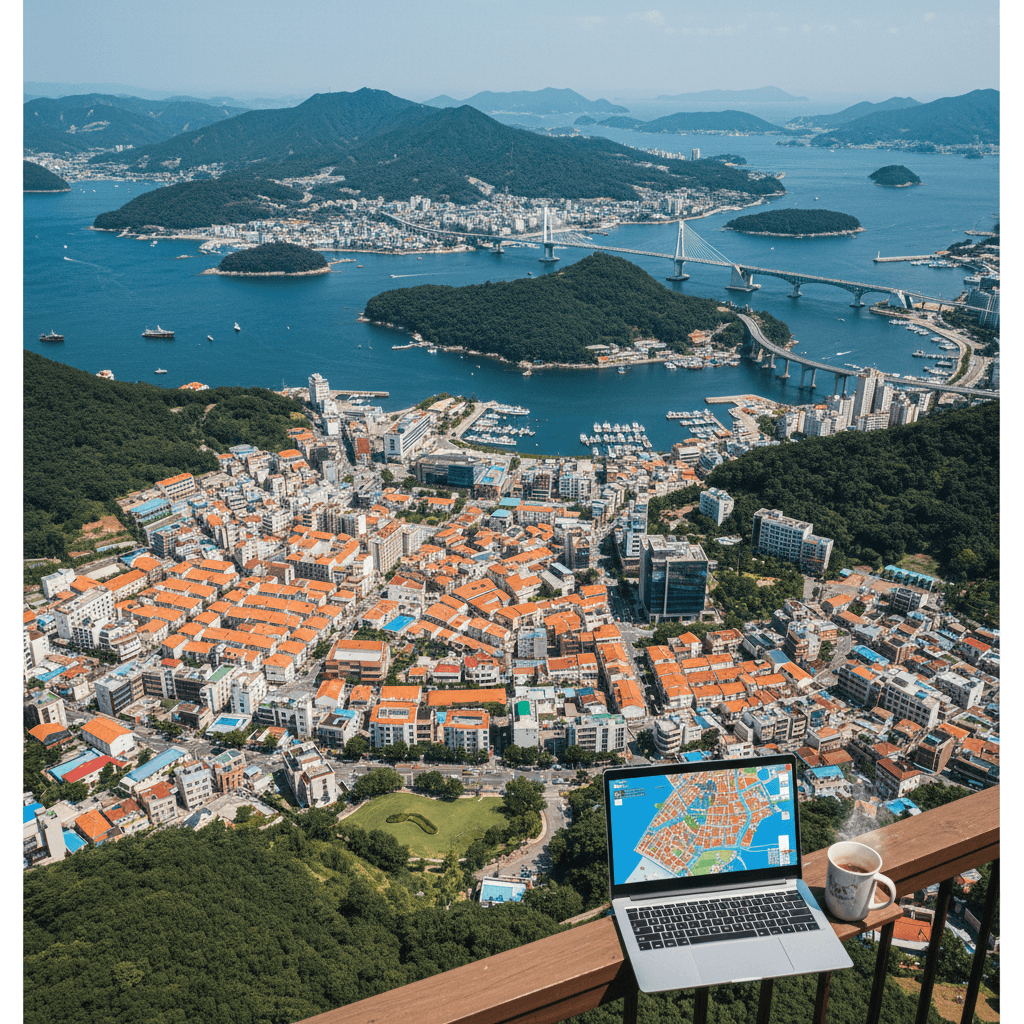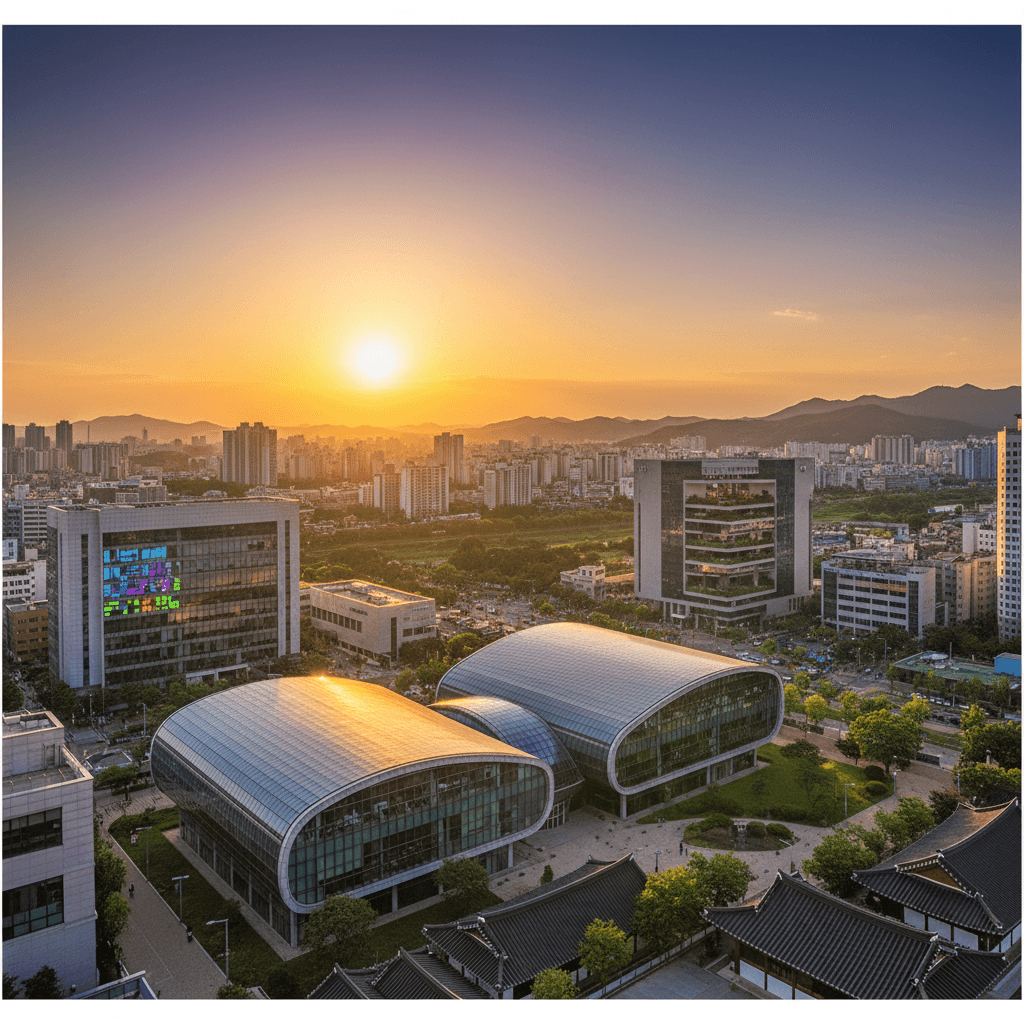
Seongnam
🇰🇷 South Korea
The Seoul Sidekick with a Tech Soul
If Seoul is the high-energy, neon-soaked heart of South Korea, Seongnam is its composed, tech-savvy sibling. Located just 20 to 30 minutes south of Gangnam by subway, this city is often overlooked by the "first-time in Korea" crowd. That’s exactly why digital nomads are starting to flock here. It offers a polished, suburban lifestyle where the internet is blindingly fast and the streets are remarkably quiet compared to the relentless hum of the capital.
Living here feels like getting the best of both worlds. You can spend your morning coding in a sleek cafe in Pangyo Techno Valley, surrounded by the country’s biggest tech giants, and be in a dive bar in Itaewon by sunset. It’s a place for people who want the infrastructure of a global mega-city without the claustrophobia of 10 million neighbors.
The Vibe: Silicon Valley Meets Suburban Zen
The atmosphere in Seongnam is distinctly middle-class and aspirational. In areas like Bundang, you’ll see families strolling through massive green spaces like Seongnam Arts Center Park or along the Tancheon Stream. It’s orderly, safe, and incredibly functional. While you won't find the gritty street art or underground music scenes of Hongdae, you get a level of comfort and "newness" that’s hard to find elsewhere at this price point.
Most nomads find the pace here refreshing. It’s a city that values efficiency and work-life balance. Travelers often say the emotional experience of Seongnam is one of relief; you’re close enough to the action to never feel "FOMO," but far enough away to actually get your deep work done. The only real downside is the language barrier. Outside of the tech hubs, English is rare, so you’ll definitely want Papago downloaded on your phone before you land.
What It Costs to Live Here
Your won goes significantly further here than in Seoul’s core districts. You can expect your total monthly expenses to sit 20% to 30% lower than in Gangnam or Mapo. Most nomads find they can live a very comfortable life on $2,000 to $2,500 USD per month, though budget-conscious travelers can make it work for around $1,500 USD.
- Pangyo (The Tech Hub): Rents for a modern studio range from ₩800,000 to ₩1.5M ($600 to $1,100 USD). It’s the most expensive area but offers the best networking.
- Bundang (The Green Zone): Expect to pay ₩700,000 to ₩1.2M ($520 to $900 USD). It’s quieter and very popular with long-term expats.
- Sujeong-gu (The Local Choice): Older and more authentic, you can find spots for ₩500,000 to ₩900,000 ($370 to $670 USD).
- Food & Drink: A quick meal of tteokbokki or gimbap at a market runs ₩5,000 to ₩10,000 ($3.70 to $7.40 USD), while a nice Korean BBQ dinner averages ₩20,000 ($15 USD).
Why Nomads Choose Seongnam
The draw isn't just the lower rent; it’s the sheer ease of life. The Shinbundang Line is a literal lifeline, whisking you into the heart of Seoul in about 20 minutes. You get access to world-class healthcare at facilities like Bundang CHA Medical Center, where English-speaking staff are common, and the crime rate is practically non-existent.
While dedicated nomad meetups are still largely centered in Seoul, the "work from anywhere" culture is deeply embedded in Seongnam’s DNA. The cafes are designed for laptops, the public WiFi is everywhere, and the 5G coverage is some of the best on the planet. If you’re looking for a base that feels like a "real" home rather than a temporary tourist stop, Seongnam hits the mark.
The Price of Proximity
Living in Seongnam is often described by the nomad community as the ultimate "life hack" for South Korea. You get the ultra-modern infrastructure of Seoul without the eye-watering price tag of a studio in Gangnam. On average, you can expect your daily expenses to sit about 20% to 30% lower than they would in the capital, even though you're only a 20 minute subway ride away from the action.
Most nomads find they can live comfortably on a mid-range budget of $2,000 to $2,500 USD per month. If you're tightening the belt, you can scrape by on $1,200 to $1,800 USD, but that usually means living further out in older neighborhoods like Moran and sticking to the (admittedly delicious) street food stalls. For those who want a high-end experience in a luxury high-rise in Pangyo, expect to budget $3,000 or more.
Monthly Budget Breakdown
- Budget ($1,200 to $1,800): This covers a modest studio in Sujeong-gu, lots of convenience store meals, and a T-money card for the bus. You'll likely work from public libraries or affordable cafes.
- Mid-range ($2,000 to $2,500): This is the sweet spot. You'll get a modern officetel in Bundang, eat out at local BBQ spots a few times a week, and afford a dedicated desk at a coworking space.
- Comfortable ($3,000+): This allows for a premium apartment near Pangyo Techno Valley, frequent trips into Seoul for nightlife, and high-end gym memberships.
Housing and Rent
Rent is your biggest variable here. In the tech-heavy Pangyo district, a modern one-bedroom or "officetel" (a hybrid residential-commercial building) will run you between ₩800,000 and 1.5M ($600 to $1,100 USD). It's pricey for the area but still cheaper than similar spots in Seoul's core.
Expats recommend looking in Bundang for a better balance of green space and value, where rents hover around ₩700,000 to 1.2M ($520 to $900 USD). If you're on a strict budget, the older buildings in Moran or Sujeong-gu offer units for as low as ₩500,000 ($370 USD), though you'll likely deal with less English-speaking support and older amenities.
Food and Dining
Eating out is one of the joys of Seongnam. You can grab a quick meal of tteokbokki or gimbap from a street vendor for ₩5,000 to 10,000 ($3.70 to $7.40 USD). A standard sit-down lunch at a local Korean restaurant usually costs around ₩12,000 ($9 USD).
For a proper dinner with friends, like Korean BBQ or a mid-range fusion spot in Pangyo, expect to pay between ₩15,000 and 25,000 ($11 to $18 USD) per person. If you're craving international flavors or upscale dining, prices jump to ₩40,000 ($30 USD) and up, especially in the trendy cafes surrounding the Seongnam Arts Center.
Transportation and Connectivity
Public transport is world-class and remarkably cheap. A single ride on the subway or bus using your T-money card costs about ₩1,300 to 2,000 ($1 to $1.50 USD). Most nomads find that a monthly transport budget of ₩60,000 ($45 USD) is plenty for daily commuting and weekend trips into Seoul.
High-speed internet is practically a human right here. A home broadband connection with speeds over 100 Mbps costs about $20 USD per month. For your phone, travelers often pick up an unlimited data eSIM from Holafly for about $29.90 (7 days) to $74.90 (30 days), or a local physical SIM from KT or SK Telecom for approximately ₩30,000 ($22 USD).
Coworking and Work Culture
While Seongnam has plenty of "work-friendly" cafes like Starbucks or Edit, dedicated coworking spaces are often found near the tech hubs. Many nomads use day passes at FastFive or WeWork in nearby Gangnam for about ₩25,000 ($18 USD), but local spots in Pangyo offer monthly desks for around ₩300,000 ($220 USD). The vibe in Seongnam is professional and quiet, making it ideal for deep work sessions before heading into the city for social events.
The Tech-Forward Nomad: Pangyo
If you're moving to Seongnam to be near the action without the suffocating crowds of central Seoul, Pangyo is your base. Often called the Silicon Valley of Korea, this neighborhood is sleek, modern, and incredibly efficient. It's the primary hub for the country's tech giants like Kakao and Naver, which means the infrastructure is top tier. You'll find the fastest internet speeds in the region here, and almost every cafe is designed with a "laptop-first" mentality.
- The Vibe: Corporate but cool. Think glass skyscrapers, manicured parks, and upscale "work cafes" like Edit or the local Starbucks branches that stay packed with developers until late.
- Rent: Expect to pay a premium for the convenience. Modern studios or one bedroom apartments usually run between ₩800,000 and ₩1,500,000 per month.
- Connectivity: The Shinbundang Line is a game changer. You can get from Pangyo Station to Gangnam in just 20 minutes, making it easy to hit up Seoul for networking events or weekend parties.
The Long-Term Expat: Bundang
Bundang was Korea's first planned city, and it shows in the best way possible. It's the neighborhood of choice for expats who want a "real life" feel rather than a temporary landing pad. It's famously green, anchored by the massive Central Park and the Tancheon Stream, which has dedicated paths for running and cycling. Most expats here appreciate the balance of massive shopping malls like AK Plaza and the quieter residential streets.
- The Vibe: Relaxed and established. It feels less like a concrete jungle and more like a high end suburb.
- Rent: Prices are slightly more accessible than Pangyo, with solid apartments ranging from ₩700,000 to ₩1,200,000.
- Healthcare: This area is home to the Bundang CHA Medical Center, which is highly recommended by the international community for its English speaking staff and efficiency.
Families: Jeongja-dong and Seohyeon
For those traveling with kids, the Jeongja-dong area within Bundang is the gold standard. It's famous for its "Cafe Street," a European style strip of brunch spots and boutiques that's much more stroller friendly than the hilly streets of Seoul. You're close to international schools and plenty of hagwons (after school academies) if you're looking for local tutoring. The safety levels here are incredible; it's common to see kids walking to school or the park alone, which gives parents a lot of peace of mind.
- The Vibe: Family centric and safe. It's quiet at night, but there's plenty of activity during the day in the parks and malls.
- Daily Costs: While rent is similar to the rest of Bundang, family dining at mid range spots usually costs around ₩15,000 to ₩25,000 per person.
- Pro Tip: Use the Kakao T app for family transport. Taxis are affordable and much easier than navigating the subway with gear, usually costing around ₩10,000 for a 10km trip.
Solo Travelers and Budget Seekers: Moran and Sujeong-gu
If you're watching your bank account or just want a grittier, more "authentic" Korean experience, look toward the northern part of the city. Moran is famous for its traditional market, which is one of the largest in the country. It's much older than the shiny towers of Pangyo, but it has a soul that the newer areas sometimes lack. It's also a major transit junction, making it easy to zip around on Line 8 or the Suin-Bundang Line.
- The Vibe: Old school and energetic. The streets are narrower, the signs are more colorful, and the food is significantly cheaper.
- Rent: This is where you'll find the best deals. Older but functional studios can be found for ₩500,000 to ₩900,000.
- Food Scene: You can eat like a king on a budget here. Street food like tteokbokki or gimbap will only set you back ₩5,000 to ₩10,000. It's the best place in Seongnam to practice your Korean, as English is much less common here than in the tech hubs.
Connectivity and Speed
South Korea is famous for having the fastest internet on the planet, and Seongnam is no exception. You can expect average speeds of 100+ Mbps for standard home broadband, and 5G coverage is almost total throughout the city. Most apartments come pre-wired with high-speed fiber, and if you’re setting up your own, it usually costs around $20 per month.
For mobile data, most nomads grab an eSIM before landing. Holafly offers unlimited data plans ranging from $12.90 (3 days) to $74.90 (30 days) depending on your stay. If you prefer a local physical SIM, head to a KT or SK Telecom kiosk. A local SIM usually runs about ₩30,000 ($22 USD) and gives you a local number, which is helpful for using delivery apps or booking taxis.
Public WiFi is everywhere. You'll find free, reliable connections in subway stations, parks, and even on public buses. While it's great for checking a map or sending a Slack message, most expats use a VPN for anything sensitive when hopping on these open networks.
Coworking Spaces
Seongnam’s professional heart is Pangyo Techno Valley, often called the Silicon Valley of Korea. While many of the buildings there belong to tech giants like Kakao and Naver, there are several dedicated spaces for freelancers and remote workers. Because the city is so close to Seoul, many nomads also keep memberships at chains that have locations in both cities.
- FastFive: This is the local heavyweight. While they have multiple locations, please note that FastFive is located in Gangnam, Seoul, not Seongnam, and requires a subway commute from Seongnam.
- WeWork: If you need a familiar brand, WeWork has a massive presence in nearby Gangnam, which is only a 20 minute subway ride from Pangyo on the Shinbundang Line. Monthly hot desks typically start around ₩300,000 ($220 USD).
- Workflex: Located within the Lotte World Tower area nearby, this is a high-end option for those who need a more corporate atmosphere for client meetings.
The Cafe Working Culture
If you don't want to shell out for a dedicated office, you’re in luck. Seongnam has a massive cafe culture where working on a laptop for a few hours is perfectly acceptable. In neighborhoods like Bundang and Pangyo, you'll see plenty of locals doing the same.
Large chains like Starbucks and A Twosome Place are reliable bets because they always have accessible power outlets and strong WiFi. For a more local vibe, look for "Edit" or the various independent roasteries in the Baekhyeon-dong Cafe Street area. These smaller spots often have better aesthetics and quieter crowds during the weekday mornings.
Just keep in mind the unwritten rule of Korean cafe culture: if you're staying for more than three hours, it's polite to buy a second drink. An Americano usually costs between ₩4,000 and ₩6,000 ($3 to $4.50 USD).
Digital Nomad Community
Seongnam is quieter than Seoul, so you won’t find a massive "nomad" scene here. Most of the international community consists of tech professionals working in Pangyo or English teachers in Bundang. For organized meetups or networking events, most people head into Seoul.
Expats recommend joining the Digital Nomads Korea or EveryExpat groups on Facebook. These are the best places to find out about pop-up coworking days or social mixers. For local logistics, make sure you have KakaoTalk installed; it’s the primary way everyone communicates, from landlords to new friends you meet at a cafe.
Personal Safety and Local Vibes
Seongnam is remarkably safe, even by high South Korean standards. You can walk through the tech hubs of Pangyo or the residential streets of Bundang at 2:00 AM without a second thought. Street crime is almost nonexistent, and the city’s family-oriented atmosphere means the streets are well-lit and monitored by an extensive network of CCTV cameras. Most nomads find the biggest "danger" is simply a lack of English signage if you wander too far into the older Sujeong-gu alleys at night.
While there aren't any specific "no-go" zones, it’s always smart to keep your wits about you in crowded transit hubs like Moran Station. If you ever run into trouble, the emergency number for the police is 112. For English-speaking assistance, you can also reach out to the Tourist Police, who are specifically trained to help expats and travelers with everything from lost passports to reporting petty theft.
World-Class Healthcare Access
The healthcare system in Seongnam is efficient and high-tech. You won't have to trek into central Seoul for quality care; some of the country's best facilities are right here. Expats and digital nomads frequently recommend the Bundang CHA Medical Center or the Seoul National University Bundang Hospital. Both facilities have international clinics with English-speaking staff who understand the nuances of foreign insurance and medical records.
For minor issues like a cold or a small scrape, look for a local clinic (ui-won) or a pharmacy (yak-guk). Pharmacies are everywhere, usually marked by a glowing red or white sign that says "약." Most pharmacists in Pangyo or Bundang speak enough English to help you find over-the-counter meds. If you need an ambulance, dial 119. The response times are incredibly fast, often under 10 minutes depending on your proximity to the main hospital hubs.
Health Costs and Insurance
If you're in Seongnam on a long-term Digital Nomad visa (the K-Work Vacation visa), you'll eventually be required to enroll in the National Health Insurance (NHI) after six months. This covers about 80% of your medical costs, making doctor visits incredibly cheap, often under $10 to $15 USD for a standard consultation. For short-term stays, travelers often say that even paying out-of-pocket is surprisingly affordable compared to US or European prices.
- Standard GP Visit: $20 to $40 USD (out-of-pocket)
- Dental Cleaning: $50 to $70 USD
- Specialist Consultation: $40 to $80 USD
- Emergency Room Visit: $100 to $200 USD (base fee)
Practical Tips for Staying Healthy
Air quality is the one health factor you should actually track. Like much of the Gyeonggi region, Seongnam can experience "yellow dust" or high PM2.5 levels, particularly in the spring. Most locals use the AirVisual app to check daily levels. On bad days, do what the locals do: grab a high-quality KF94 mask from any CU or GS25 convenience store for about $1 to $2 USD.
The tap water in Seongnam is technically safe to drink, but you'll notice most residents use a filtration system or buy bottled water. If your apartment doesn't have a built-in purifier, a Brita pitcher or 2-liter bottles from the local E-mart are the standard workarounds. Also, keep Papago downloaded on your phone; it’s a lifesaver for translating specific symptoms or medication ingredients at the pharmacy.
The Master Key: T-Money and Kakao T
Moving through Seongnam feels like a glimpse into a hyper-efficient future. Your first order of business is picking up a T-money card at any convenience store like GS25 or CU. It costs about ₩3,000 to ₩4,000 for the physical card, and you can top it up with cash at stations. This single card handles your subways, buses, and even taxi fares. Most nomads find that the Kakao T app is the only way to hail rides; Uber exists but often just redirects to local taxis. Expect to pay around ₩10,000 for a 10km trip within the city limits.
The Subway Network
Seongnam is famously well-connected to Seoul, making it a favorite for those who want lower rent without sacrificing access to the capital. The city is served by three main lifelines that keep you from feeling isolated in the suburbs.
- The Shinbundang Line: This is the "luxury" line. It connects Pangyo to Gangnam in approximately 19 minutes. It’s faster and cleaner than most lines, though it costs a few hundred won more per trip, usually totaling about ₩2,300 to ₩3,000 depending on the distance.
- The Bundang Line: This yellow line snakes through the heart of the residential districts. It’s perfect for reaching the cafes in Jeongja-dong or the malls in Seohyeon.
- Line 8: This is your direct shot from the older Moran and Sujeong-gu areas up into eastern Seoul and the Lotte World area.
Bus Routes and the "Red Bus"
While the subway is great, the local bus system fills in the gaps. In Seongnam, buses are color-coded. Green and blue buses handle local neighborhood routes, while the Red Express Buses are the secret weapon for commuters. These high-speed coaches have comfortable seating and zip down the highway toward Seoul's major hubs. A typical ride costs roughly ₩2,800. Pro tip: Always tap your card when getting off the bus, or you’ll be charged the maximum fare on your next trip.
Micromobility and Walking
Seongnam, particularly the Bundang and Pangyo districts, was designed with pedestrians in mind. You’ll find wide, flat sidewalks and extensive greenery. For the "last mile" of your commute, electric scooters and bikes are everywhere. You can rent these via apps like Beam or Deer for about ₩1,000 per hour. If you prefer a workout, the Tancheon Stream path is a massive paved artery running through the city. It’s strictly for pedestrians and cyclists, allowing you to walk between neighborhoods without ever seeing a car.
Getting Here from Incheon Airport
Don't bother with an expensive private car when you land. The Airport Limousine Bus (Route 5300 or 5400) is the gold standard for expats. It costs about ₩15,000 and drops you off at major spots like Seohyeon Station or Pangyo Station in about 60 to 90 minutes. If you're on a tight budget, the AREX train to Seoul Station followed by a subway transfer will cost under ₩10,000, but hauling luggage through transfer gates is a rite of passage you might want to skip after a long flight.
Navigational Tools
Forget Google Maps here; it's notoriously unreliable for walking directions in Korea due to local security regulations. Every nomad in Seongnam uses Naver Maps or Kakao Maps. Both have English interfaces now and provide real-time data on exactly when your bus or train will arrive, down to the second. If you need to translate a street sign or a bus notice, keep Papago open on your phone for instant photo translation.
Language Barriers in the Tech Suburbs
In Seongnam, your experience with English will vary wildly depending on which subway stop you exit. In the sleek glass towers of Pangyo Techno Valley, you'll find a higher concentration of English speakers thanks to the international tech workforce. However, once you step into the residential pockets of Sujeong-gu or the local markets in Moran, English proficiency drops significantly. Most nomads find that while younger locals might understand basic phrases, they are often too shy to speak back in English.
Expats recommend setting your expectations early. You won't find the English menus or bilingual staff common in Seoul districts like Itaewon. In Seongnam, you are living in a Korean city designed for Koreans. This is part of the charm for some, but it means you'll need to be comfortable with a bit of "pointing and nodding" at local restaurants and pharmacies.
Survival Apps and Digital Translation
Living here without a translation app is a recipe for frustration. While Google Translate is the global standard, it's notoriously clunky with Korean grammar and slang. Every traveler and long term resident will tell you to download Papago immediately. It is owned by Naver, the Korean equivalent of Google, and its image translation feature is a lifesaver for reading utility bills or grocery labels.
- Papago: Use this for voice translation and "live" camera translation of menus.
- Naver Map: Essential for navigation, as Google Maps is often inaccurate in South Korea. It includes English search features for most major landmarks.
- KakaoTalk: The primary communication tool. Even if you speak English, you'll likely use this app's built in translation features to chat with landlords or local service providers.
Key Phrases for Daily Life
Learning Hangul, the Korean alphabet, is the single best investment you can make. It's surprisingly logical and can be learned in a weekend. Being able to read signs for "Pharmacy" (약국) or "Exit" (출구) will save you hours of wandering. Beyond the alphabet, a few polite phrases go a long way in a culture that deeply values etiquette.
- Annyeonghaseyo: Hello (formal). Use this every time you enter a shop or cafe.
- Gamsahamnida: Thank you.
- Yeogi juseyo: "This, please." Use this while pointing at a menu item.
- Olmayeyo?: "How much is it?"
- Yeong-eo haseyo?: "Do you speak English?"
Social Dynamics and Networking
Because Seongnam is more residential and corporate than Seoul, the social scene is less "nomad-centric." You won't find many English language meetups or digital nomad mixers within the city limits. Most expats living in Bundang join Seoul based Facebook groups like Digital Nomads Korea and take the 20 to 30 minute subway ride into Gangnam for networking events.
If you want to meet locals in Seongnam, your best bet is joining a "hobby group" or a gym. Koreans are often very welcoming to foreigners who make an effort to participate in local activities, even if the conversation is limited to basic Korean and heavy use of Papago. In the Pangyo area, you might find work-focused networking, but these are often high level tech industry events rather than casual social gatherings.
Seasonal Breakdown
Seongnam experiences four very distinct seasons, much like its neighbor Seoul. If you are coming from a tropical climate, the swing between July and January will be a shock. Most nomads find the shoulder seasons of spring and autumn to be the sweet spots for productivity and exploring the local parks.
Spring (March to May) is arguably the most pleasant time to be in the city. Temperatures range from 10°C to 20°C (50°F to 68°F). This is when the cherry blossoms hit Bundang Central Park and the Tancheon Stream. It is the perfect weather for walking between cafes in Pangyo, though you should keep an eye on the "yellow dust" or fine dust levels, which can peak during these months. Locals use apps like AirVisual to check if they need a mask before heading out.
Summer (June to August) gets intense. Expect temperatures between 25°C and 35°C (77°F to 95°F) with heavy humidity. Late June through July is the monsoon season, known as jangma. You will experience heavy, persistent rain that can make commuting on the Bundang Line a bit soggy. Most expats spend these months hopping between air conditioned coworking spaces and malls like AK Plaza to escape the heat.
Autumn (September to November) is the gold standard for Seongnam living. The humidity drops, the sky turns a crisp blue, and the mountains surrounding the city turn vibrant shades of orange and red. Temperatures sit comfortably between 15°C and 25°C (59°F to 77°F). It is the best time for hiking Namhansanseong Fortress without breaking a sweat. If you are planning a three month stint, this is the window to book.
Winter (December to February) is bone chillingly dry and cold. Temperatures frequently dip to -10°C (14°F) or lower. While Seongnam does not get as much snow as northern Japan, you will see a few light dustings that turn the tech parks into a winter scene. The upside is that Korean floor heating, called ondol, is incredibly effective, making your apartment the ultimate cozy workspace.
Best Time for Digital Nomads
If you want the best balance of lifestyle and comfort, aim for September to November. The weather is stable, the outdoor cafes are open, and the city feels alive. Travelers often say the crisp air in October makes the long walks through Pangyo Techno Valley much more enjoyable.
For those on a tighter budget, late winter (January and February) can sometimes see slightly lower prices for short term rentals as tourism slows down, though you will spend more on your heating bill. Avoid the Chuseok (autumn harvest) and Seollal (Lunar New Year) holiday weeks if you want to get work done, as many local businesses close and public transport becomes a nightmare with everyone traveling to see family.
What to Pack
- Spring/Autumn: Light layers are your friend. A denim jacket or a light trench coat is the standard "uniform" for digital nomads in the city.
- Summer: Breathable, moisture wicking fabrics. An umbrella is a non-negotiable daily carry during the monsoon weeks.
- Winter: A heavy "long padding" (down coat) is the local survival gear. You will also want high quality thermal base layers to handle the wind chill when walking to the subway.
- Year-round: High quality face masks for high fine dust days and comfortable walking shoes for the hilly terrain in older parts of Sujeong-gu.
Connectivity and Apps
Living in Seongnam means balancing high-tech convenience with a slight language barrier. To get by, download Papago immediately. It is far more accurate for Korean translation than other global apps. For getting around, Kakao T is the standard for hailing taxis, and Naver Maps or KakaoMap are much more reliable than Google Maps, which often struggles with Korean walking directions.
Pick up a T-money card at any convenience store like GS25 or CU for about ₩3,000 ($2.20). You can tap this for all subways and buses. If you are staying long-term, look into the K-Pass for transit discounts. Most nomads find that an unlimited data eSIM from Holafly or a local KT SIM card is the best way to stay connected, costing roughly ₩30,000 to ₩60,000 ($22 to $45) per month.
Budgeting for the Suburbs
While Seongnam is cheaper than central Seoul, prices vary wildly between neighborhoods. You can live comfortably on $2,000 to $2,500 a month, but your choice of district will dictate your rent. Here is a breakdown of what to expect:
Pangyo (The Tech Hub)
- Rent: ₩800,000 to ₩1.5M ($600 to $1,100) for a modern studio.
- Vibe: Corporate, polished, and full of high-end cafes.
- Best For: Professionals who want to be 20 minutes from Gangnam via the Shinbundang Line.
Bundang (The Green Suburb)
- Rent: ₩700,000 to ₩1.2M ($520 to $900).
- Vibe: Residential and relaxed with massive parks.
- Best For: Families or nomads who prefer quiet nights and easy access to the Bundang Line.
Sujeong-gu/Moran (The Local Choice)
- Rent: ₩500,000 to ₩900,000 ($370 to $670).
- Vibe: Traditional markets and older buildings.
- Best For: Budget-conscious travelers who want authentic street food and a central location.
Working and Social Life
Seongnam does not have a massive dedicated nomad scene like Chiang Mai or Lisbon. Most expats here are tech workers in Pangyo or English teachers in Bundang. For networking, you will likely head into Seoul for Digital Nomads Korea meetups or use FastFive coworking spaces in the city. Locally, the cafe culture is your best bet; shops in Pangyo are very laptop-friendly and usually offer speeds over 100 Mbps.
Dining out is affordable if you stick to local spots. A bowl of bibimbap or a plate of gimbap at a neighborhood "bunsik" shop will cost ₩5,000 to ₩10,000 ($3.70 to $7.40). If you are heading out for Korean BBQ with a group, expect to pay around ₩20,000 ($15) per person.
Safety and Health
This is one of the safest places you will ever live. Crime is remarkably low, and walking alone at 3:00 AM is common practice. If you get sick, the Bundang CHA Medical Center is excellent and has staff who speak English. For minor issues, look for the 약 (yak) sign for pharmacies. Most basic meds are behind the counter, so you will need to describe your symptoms to the pharmacist, often using your translation app.
The Commute
Seongnam is a transit dream. The Shinbundang Line is a driverless subway that gets you from Pangyo to Gangnam in approximately 19 minutes for roughly ₩2,300-2,600. If you are coming from Incheon Airport, take the Airport Limousine Bus directly to Seongnam for about ₩15,000 ($11); it is much easier than hauling luggage through the subway transfers.
Need visa and immigration info for South Korea?
🇰🇷 View South Korea Country GuideEasy Landing
Settle in, no stress