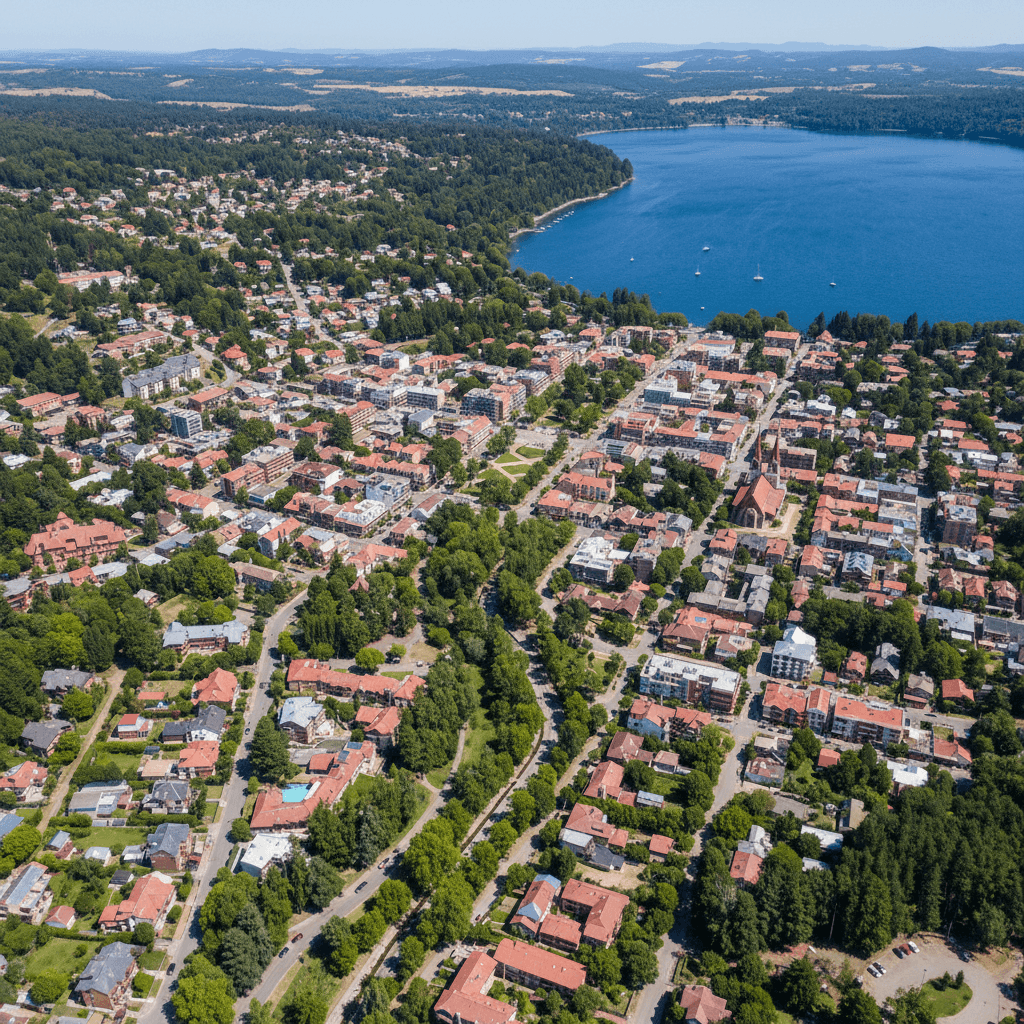
San Martín de los Andes
🇦🇷 Argentina
The Alpine Soul of Patagonia
San Martín de los Andes feels like a secret kept by those who find Bariloche a bit too loud. It is a town of wood and stone, where the architecture leans heavily into Swiss-Alpine aesthetics and the pace of life slows to a crawl. Nestled on the shores of Lago Lácar, the atmosphere is defined by the crisp mountain air and the constant presence of the surrounding Andes. It is less of a digital nomad hub and more of a sanctuary for people who want to trade their morning commute for a sunrise hike to Mirador Bandurrias.
The vibe here is deeply connected to the seasons. In the summer, the town is a basecamp for explorers driving the Ruta de los 7 Lagos. In the winter, the focus shifts to Cerro Chapelco, where the ski culture takes over every brewery and cafe in town. Unlike the frantic energy of Buenos Aires, San Martín is where you go to actually hear yourself think. The emotional experience is one of quiet awe; there is something grounding about working from a wooden deck while looking at the snow-capped peaks of Parque Nacional Lanín.
What Makes It Different
What separates San Martín from other Patagonian outposts is its balance of ruggedness and refinement. You can spend your morning on a dusty trail and your afternoon at Casa de Té Arrayán, sipping high-end tea and eating pastries in a historic building overlooking the lake. It feels curated but not artificial. Nomads often mention that the community feels tight-knit; you'll start recognizing the same faces at the chocolate shops and local grills within a week.
The town lacks the massive coworking complexes of larger cities, but it makes up for it with a "cafe working culture" that is remarkably welcoming. Most nomads find that as long as they have a laptop and a steady supply of Patagonian trout or empanadas, they can find a comfortable corner to settle in. It is a place that rewards those who are self-sufficient and value nature over networking events.
The Cost of Living Breakdown
While Patagonia is generally 20% to 30% more expensive than northern Argentina due to its remote location, it remains highly accessible for those earning in USD. Most nomads find they can live comfortably on $1,200 to $1,800 per month.
- Budget Nomad ($800–$1,100): You'll likely stay on the edge of town in a modest studio for $400–$600. You'll stick to $3–$5 street empanadas and use the local bus for $0.50 a ride.
- Mid-Range ($1,200–$1,800): A nice one-bedroom in the center will run you $550–$800. You'll eat out at mid-range spots for $10–$15 and perhaps invest in a $100 monthly coworking setup or Starlink.
- Comfortable ($2,000+): Upscale lakeside rentals can hit $900+. You'll enjoy fine dining for $30 and rely on private transfers or car rentals to explore the national parks.
The Neighborhood Landscape
Because the town is compact, you won't find sprawling suburbs. Instead, life revolves around a few key clusters.
Centro (Av. San Martín)
- The Draw: This is the heart of the action. You're steps away from the best breweries, chocolate shops, and the most reliable WiFi in town.
- The Downsides: It gets crowded during the peak summer months of December to February.
- Rent: Expect to pay $500–$700 for a central studio.
Costanera
- The Draw: Unbeatable views of Lago Lácar and immediate access to the beach. It is quieter and more scenic than the main drag.
- The Downsides: Rentals are harder to find and prices can spike during tourist seasons.
- Rent: Usually $600–$800 for a well-located apartment.
The Practical Reality
Connectivity was once the biggest hurdle here, but the arrival of Starlink has changed the game for 2025. You can now get 300+Mbps even in more secluded rentals, though cell signal can still be spotty once you head toward the Quila Quina outskirts. Most travelers recommend downloading offline maps before heading out on trails. Safety is rarely a concern; the town is remarkably peaceful, though it's always smart to use common sense in the tourist-heavy center at night. If you're looking for a place where your biggest stress is choosing which lake to visit after work, this is it.
The Patagonian Premium
Living in San Martín de los Andes isn't as dirt cheap as the northern provinces or even parts of Buenos Aires. Because it's a remote mountain town, almost everything has to be trucked in, which adds a bit of a markup. You should expect your daily expenses to run about 20% to 30% higher than in Mendoza. That said, for anyone earning in USD or Euros, it's still an incredible value for the quality of life you get.
A solo nomad can get by on a budget of $800 to $1,100 per month if you're staying on the outskirts and eating like a local. For a more comfortable, mid-range lifestyle with a central apartment and frequent dinners out, aim for $1,200 to $1,800. If you want a high-end experience with luxury rentals and Starlink internet, you'll easily spend $2,000 or more.
Monthly Budget Breakdowns
- Budget Tier ($800-$1,100): Studio apartments on the edge of town for $400 to $600; street food like empanadas for $3 to $5 a meal; local bus rides at $0.50; and basic home WiFi for $25.
- Mid-Range Tier ($1,200-$1,800): A nice 1-bedroom in the center for $550 to $800; sit-down meals for $10 to $15; a $100 monthly grocery bill; and a few coworking sessions or cafe workdays.
- Comfortable Tier ($2,000+): Upscale 1-bedroom apartments for $900+; fine dining at Patagonia grills for $30 to $45; private taxis for $5 to $10 per trip; and a dedicated Starlink setup for $50 to $100.
Housing and Neighborhoods
The rental market is heavily influenced by the seasons. Prices spike during the summer (December to February) and the ski season (June to August). If you're looking for a long-term stay, try to sign a contract during the shoulder seasons in autumn or spring to lock in a better rate.
Centro (Near Av. San Martín)
- Rent: $500 to $800 for a 1-bedroom.
- Vibe: This is where the action is. You're walking distance to chocolate shops, breweries, and the main bus terminal. It's the best pick for nomads who don't want to rent a car.
Costanera (Lakeside)
- Rent: $600 to $900 for premium views.
- Vibe: This area is right on Lago Lácar. It's beautiful and quiet, though rentals here are often snatched up by vacationers, making long-term nomad spots harder to find.
Outskirts and Quila Quina
- Rent: $400 to $600 for simple cabins.
- Vibe: Pure nature. You'll need a car or a sturdy mountain bike. It's much cheaper, but the cell signal can be spotty, so don't move here unless your rental has a verified high-speed connection.
Dining and Socializing
Eating out is one of the highlights here. You can grab a quick empanada for $3, but most nomads find themselves drawn to the cozy cafes. A specialty coffee and pastry at a spot like Casa de Té Arrayán will set you back about $12 to $18. For a proper Patagonian trout dinner with a glass of Malbec, expect to pay between $25 and $40. Groceries are manageable, though fresh produce selection varies by season; most expats spend about $200 to $300 a month to keep the fridge stocked.
Practical Connectivity
In the past, Patagonia was a dead zone for serious remote work. That's changed with the arrival of Starlink, which provides 300+Mbps for about $50 to $100 a month. If you're relying on local infrastructure, standard fiber in the town center is generally reliable for Zoom calls, but it's always smart to have a local SIM card from Claro or Personal as a backup. An eSIM from Holafly is a popular choice for short-term stays to avoid the hassle of local paperwork.
For Digital Nomads
If you are coming to San Martín to work, you want to be in the Centro. Specifically, look for rentals between Avenida San Martín and General Villegas. This is the heartbeat of the town where the Swiss style architecture meets the practical needs of a remote worker. You will be within a five minute walk of the best caffeine stops like the cafes along Avenida San Martín or Mamusia for a chocolate fix between Zoom calls.
- The Vibe: High energy by Patagonian standards, very walkable, and filled with craft breweries for post work drinks.
- Connectivity: This is where you will find the most stable fiber optic lines. While there are no massive dedicated coworking hubs yet, the "cafe working" culture is strong here.
- Rent: Expect to pay between $550 and $800 for a decent one bedroom apartment in the heart of the action.
Most nomads find that Starlink has changed the game here. If you find a dreamy cabin slightly further out, just check if the host has a dish installed. If they do, you can comfortably work with 300Mbps speeds while looking at the Andes.
For Expats and Long-Termers
Expats looking for a more permanent "mountain life" often gravitate toward the Costanera or the residential streets just behind the main strip. Living near the Lago Lácar waterfront provides a sense of scale and peace that the busy shopping streets lack. It is quieter at night, and you are closer to the trailhead for Mirador Bandurrias, a favorite 8km hike for locals.
- The Vibe: Residential, scenic, and slightly more upscale. It feels less like a tourist base camp and more like a home.
- Daily Life: You will be closer to the local piers and the beach areas, which is a massive perk during the December to February summer window.
- Cost: Studios near the lake edge run about $400 to $600, though high end houses can go much higher.
For Families
Families usually prefer the outskirts or the lower density areas of the Costanera. The town is incredibly safe, but the Centro can get crowded with teenagers and tour groups during the ski season. Moving toward the edges of town gives kids more room to roam. Many families also look at the road toward Chapelco if they have a car, as it offers larger properties with actual yards.
- Practicality: You will want a car if you stay outside the Centro. Taxis cost about $5 to $10 for short trips, but they add up quickly.
- Activities: Easy access to the lakeside parks and the Quila Quina beach area, which is perfect for a weekend day trip.
- Food: Staying slightly out of the center makes it easier to frequent local grills without the 45 minute wait times common at the popular spots.
For Solo Travelers
If you are traveling solo, do not bother looking anywhere other than the Centro. San Martín is a social town, but that social life is concentrated in a few square blocks. Staying central means you can walk to Casa de Té Arrayán for a famous afternoon tea or hit the local breweries like La Gale SMA without worrying about transport at night.
- Social Scene: You will meet most people at the visitor center or on the Ruta de los 7 Lagos tours. Being central makes it easy to join group dinners or find hiking partners.
- Safety: This is one of the safest spots in Argentina. Even at night, the main streets are well lit and populated.
- Budget: You can find budget studios on the town edge for $400, but spending the extra $100 to be near the shops is usually worth the convenience.
A quick tip for everyone: cell signals drop off fast once you leave the main grid of the Centro. Always download your maps for the Parque Nacional Lanín area before you head out. Whether you are grabbing $3 empanadas on the street or sitting down for a $30 Patagonia trout dinner, everything you need is likely within a 15 minute walk of the main plaza.
The Connectivity Landscape
San Martín de los Andes isn't your typical tech hub, but the digital infrastructure has seen a massive upgrade recently. For years, the town relied on spotty local fiber and shaky copper lines that struggled during the tourist peaks of summer and ski season. While the Centro area now has reliable home fiber reaching up to 100Mbps, the real game changer for 2025 is Starlink. It’s now widely available across Patagonia, delivering speeds of 300Mbps+ even in the more remote cabins on the outskirts of town.
If you're staying in a rental near Avenida San Martín, you'll likely have a decent connection for Zoom calls and basic uploads. However, if you plan on heading out toward Quila Quina or deeper into the Parque Nacional Lanín, cell signals drop off almost instantly. Most nomads here use Personal or Claro for local SIMs, but many find that an eSIM like Holafly is the easiest way to hit the ground running without hunting down a local shop.
Coworking and "Café Working"
Don't expect the massive, multi-floor coworking complexes you'd find in Buenos Aires or Mendoza. San Martín is much more laid back. While dedicated coworking spaces are still a rarity in town, the local "café working" culture is thriving. You'll find plenty of nomads tucked into corners with their laptops, especially during the quiet hours between lunch and dinner.
- Starlink at Rentals: This is currently the gold standard. When booking an Airbnb or local rental, specifically ask if they have Starlink. It costs roughly $50 to $100 per month and is the only way to guarantee high-speed stability if you're outside the main grid.
- Casa de Té Arrayán: While it's famous for its views and pastries, it’s a favorite spot for those who need an afternoon of light work with an incredible backdrop. It’s not a place for high-intensity meetings, but for clearing an inbox, the vibe is unmatched.
- Downtown Cafés: Stick to the spots along General Villegas or San Martín. Most provide free WiFi with your purchase, though it's polite to keep the coffee or medialunas flowing if you're staying for a few hours.
Practical Tech Tips
Power outages aren't a daily occurrence, but they can happen during heavy winter snowfalls at Cerro Chapelco or summer storms. A decent power bank and a local data plan with hotspot capabilities are smart backups. If you're planning on hiking the Mirador Bandurrias or exploring the Ruta de los 7 Lagos, download your maps and work documents offline before you leave the Centro.
Most nomads find that a mid-range budget of $100 per month covers their internet and occasional café "rent." If you're a heavy data user or a developer, investing in a rental that already includes a Starlink setup is the most stress-free way to live here. It allows you to enjoy the alpine tranquility without the anxiety of a dropping connection during a client call.
Cost Comparison for Remote Work
- Home Fiber (Centro): Approximately $25 to $40 per month for standard speeds.
- Starlink Subscription: Roughly $50 to $100 per month, depending on the plan.
- Mobile Data: Expect to pay around $10 to $20 for a generous local data package.
- Café Session: A latte and a snack will run you about $5 to $8, effectively acting as your "daily desk fee."
Staying Safe in the Andes
San Martín de los Andes is one of the safest spots in Argentina. It feels more like a quiet alpine village than a typical city, and the crime rates reflect that. Most nomads feel perfectly comfortable walking home from a brewery in the Centro at midnight or hiking solo on the more popular trails like Mirador Bandurrias.
That said, don't let the relaxed mountain air make you careless. Petty theft can happen, especially during the peak summer months of December to February when the town is packed with tourists. Keep an eye on your laptop if you're working in a lakeside cafe, and don't leave valuables visible in your car if you're parked at a remote trailhead like Quila Quina.
For outdoor enthusiasts, the real "danger" is the terrain rather than the people. The weather in Patagonia is famously unpredictable. If you're heading out for a trek in Parque Nacional Lanín, you're required to register your hike at the visitor center. It's a quick process that ensures someone knows where you are if a storm rolls in. Stick to the marked paths, and always download offline maps since cell signal disappears the moment you leave the town limits.
- Emergency Police: Dial 101
- Ambulance/Medical: Dial 107
- Solo Travel: Generally considered very safe, even for night owls.
Healthcare and Medical Services
The healthcare here is reliable for a town of around 35,000 people. The local public hospital and several private clinics in the center can handle routine illnesses, minor injuries, or prescriptions. For anything highly specialized or major surgeries, residents often travel to Neuquén or Bariloche, but for the average nomad's needs, you're in good hands.
Pharmacies are easy to find along Avenida San Martín and General Villegas. They are well stocked, though you'll find that many medications require a local prescription. If you have specific maintenance meds, bring a supply with you or have your home doctor's prescription ready to show a local physician.
Expats usually recommend getting a local health insurance plan like OSDE or Swiss Medical if you're staying long term on a nomad visa. If you're just passing through for a few months, standard travel insurance like SafetyWing or World Nomads works fine. Most clinics will expect payment upfront in pesos or via credit card, which you can then claim back from your provider.
Health and Safety Checklist
- Tap Water: It's safe and actually quite delicious here. You don't need to buy bottled water; just refill your flask from the tap.
- Sun Protection: The Andean sun is intense, especially when reflected off the lakes or snow at Cerro Chapelco. Wear high SPF even on cloudy days.
- Pharmacy Hours: Most follow the "siesta" schedule, closing between 1:00 PM and 4:00 PM, then staying open late until 8:00 PM or 9:00 PM.
- Registration: Always check in with the Intendencia del Parque Nacional before doing any multi day treks.
Getting Around Town
San Martín de los Andes is one of those rare Patagonian spots where you can actually survive without a car if you play your cards right. The town center is built on a compact, flat grid that stretches toward the shores of Lago Lácar. If you're staying in Centro, near Avenida San Martín or General Villegas, you'll find that everything from the local breweries to the grocery stores is within a ten or fifteen minute walk.
Most nomads find that a bicycle is the best way to bridge the gap between "too far to walk" and "not worth a taxi." You can grab a rental at the visitor center or various shops along the main drag. It's the perfect way to reach the Costanera for a sunset mate session or to pedal out toward the start of the Mirador Bandurrias trailhead. Just keep in mind that once you leave the grid, the terrain gets vertical very quickly.
Public Transit and Taxis
While you won't find Uber or Cabify operating reliably here, the local taxi and remis (private car) system is dependable. You can hail them on the street in the center or find them lined up at the plaza. Expect to pay between $5 and $10 for short hops around the outskirts. It's a small price to pay when the wind picks up or the winter snow starts to settle.
For longer hauls, the local bus system connects the town to nearby points of interest. If you're planning to head to Villa La Angostura or explore the Ruta de los 7 Lagos, regional buses are your best bet. A ticket for these scenic routes usually runs between $10 and $20. If you're heading to the Chapelco Airport (CPC), which is about 20km away, a taxi or private transfer will cost you roughly $15 to $30 depending on your haggling skills and the time of day.
Exploring the Wilderness
If you want to truly experience the Parque Nacional Lanín or hit the slopes at Cerro Chapelco, you'll eventually want your own wheels. Renting a car gives you the freedom to explore spots like Quila Quina or the hidden beaches of Meliquina without worrying about the last bus back. Just remember that cell signal disappears the moment you leave the town limits, so download your offline maps before you head out.
- Walking: Free and the primary way to get around the Centro and Costanera areas.
- Bicycles: Ideal for lakeside rides; rentals are plentiful near the pier.
- Taxis/Remises: The standard for quick trips; look for the "Radio Taxi" signs.
- Car Rentals: Essential for the 7 Lakes drive or reaching remote trailheads; expect higher prices during the Dec-Feb peak season.
Pro Tips for Nomads
Expats recommend registering your hikes at the visitor center if you're heading into the national park. It's a safety standard here, especially since the weather can flip from sunny to freezing in an afternoon. If you're planning to stay in the outskirts where the views are better but the services are thinner, factor in the cost of a daily taxi or a long-term car rental, as the walking paths aren't always lit or paved once you get into the hills.
For those arriving by bus from other parts of Argentina, the terminal is right near the lake, making it easy to walk to most central hostels or apartments. If you're coming in during the winter ski season (Jun-Aug), be sure to book your airport transfers in advance, as the small fleet of local drivers gets stretched thin when the snow hounds arrive.
The Linguistic Landscape
In San Martín de los Andes, Spanish is the undisputed king. Unlike the more international vibe of Buenos Aires, this is a mountain town where the local Rioplatense dialect—complete with its rhythmic "sh" sound for double Ls and Ys—remains the standard. While the hospitality staff at upscale spots like Casa de Té Arrayán or the ski instructors at Cerro Chapelco usually speak functional English, don't expect the average shopkeeper or bus driver to be fluent.
Most nomads find that a "survival" level of Spanish goes a long way here. Locals are incredibly patient and appreciative when you try to speak the language, even if you're just butchering a few basic phrases. If you're heading out to more remote spots like Quila Quina or Lago Lolog, your English becomes significantly less useful, so having a translation app ready is a smart move.
Key Phrases and Local Slang
- ¿Tenés Wi-Fi?: Do you have Wi-Fi? (Note the use of "tenés" instead of "tienes," which is standard in Argentina).
- La contraseña: The password. You'll be asking for this at every brewery in the Centro.
- ¿Cuánto sale?: How much does it cost?
- Che: A multipurpose filler word similar to "hey" or "mate." You'll hear it in almost every sentence.
- Todo bien: Everything's good. Use this as a greeting, an answer, or a way to say no worries.
Digital Communication and Connectivity
The communication game in Patagonia changed overnight with the arrival of Starlink. While the town's local infrastructure can sometimes struggle during heavy winter snow or peak summer storms, Starlink now provides speeds of 300+Mbps for those staying in modern rentals or dedicated nomad hubs. If you're working from a cafe along Avenida San Martín, the Wi-Fi is generally reliable enough for emails and basic browsing, but always have a backup plan for video calls.
For your phone, expats recommend grabbing a local SIM card from Claro or Personal. You can find their shops in the town center. If you prefer to hit the ground running, an eSIM from Holafly or Airalo works well, though local physical SIMs are usually cheaper for long-term stays. Be aware that cell signal drops to zero the moment you get deep into Parque Nacional Lanín or start driving the Ruta de los 7 Lagos. Download your Google Maps for offline use before you leave the driveway.
Social Etiquette and Networking
Communication here is often informal and face-to-face. While there isn't a massive, organized nomad scene with weekly meetups like you'd find in Medellin, the community is tight-knit. Most networking happens organically at craft breweries or while waiting for a bus to the trailhead. WhatsApp is the lifeblood of the town; whether you're booking a mountain guide or ordering a pizza, you'll likely do it through a WhatsApp message rather than a phone call or a website.
If you're looking for community, join the Digital Nomads Argentina Facebook groups. While they are often focused on the bigger cities, they're the best place to find people currently trekking through the south. In town, the visitor center near the pier is a great spot to meet fellow travelers and get the latest word-of-mouth updates on trail conditions or local events.
The Patagonian Seasons
San Martín de los Andes doesn't do "mild" in the traditional sense. Because it sits deep in the Andes, the weather dictates the town's entire personality. You'll find two distinct peak seasons here: the sun-drenched trekking months of December through February and the snowy ski rush of July and August. If you're planning a stint here, your choice of month depends entirely on whether you want to work from a lakeside beach or a mountain lodge.
Summer: The Nomad Sweet Spot (December to February)
This is arguably the best time to plant roots. Temperatures hover between 15°C and 25°C (59°F to 77°F), and the days are incredibly long, giving you plenty of daylight for a post-work hike to Mirador Bandurrias. The air is dry, the skies are a piercing blue, and the Ruta de los 7 Lagos is fully accessible.
- Pros: Perfect weather for outdoor "office" days; all hiking trails are open; vibrant town atmosphere.
- Cons: Accommodation prices peak; the Centro area gets crowded with domestic tourists; you'll need to book your stay months in advance.
Winter: The Ski Season (June to August)
When the snow hits, the focus shifts to Cerro Chapelco. Temperatures frequently drop below freezing, ranging from -5°C to 10°C (23°F to 50°F). It’s a cozy, picturesque time to be in town, provided your rental has a solid heating system and reliable Starlink for those snowy mornings when you can't make it to a cafe.
- Pros: World-class skiing and snowboarding; beautiful alpine scenery; great "cozy cabin" vibes for deep work.
- Cons: High heating costs; potential for power flickers during storms; some trails and mountain roads become impassable.
The Shoulder Seasons: Peace and Rain
Spring (September to November) and Fall (March to May) are the quietest times in town. Fall is particularly stunning as the lenga forests turn deep shades of red and orange, usually peaking in late April. However, these are the wettest months. You can expect frequent rain showers and wind, which can make the town feel a bit sleepy.
- Fall (March-May): Daytime highs of 10°C to 18°C. It's the best time for photographers and those who want lower rent prices, though you'll need a good raincoat.
- Spring (September-November): Temperatures slowly climb back toward 20°C. It's often windy, but the blooming wildflowers near Lago Lácar make for incredible scenery.
What to Pack
The "Patagonian Onion" is the local rule: wear layers. Even in the height of summer, temperatures plummet the second the sun goes behind the mountains. You'll want a high-quality windbreaker and a down vest regardless of when you visit. If you're coming in winter, waterproof boots are non-negotiable for navigating the slushy streets in Centro. Most nomads find that a sturdy pair of trail runners is enough for the local terrain during the rest of the year.
Quick Climate Stats
- Warmest Month: January (Avg 22°C/72°F)
- Coldest Month: July (Avg 2°C/35°F)
- Rainiest Period: May through August
- Best for Budget: April, May, and October
Connectivity and the Starlink Revolution
Internet in Patagonia used to be the stuff of nomad nightmares, but the arrival of Starlink has changed the game for 2025. You can now pull 300+Mbps even in remote cabins. If you are staying in the Centro, most cafes and rentals have decent fiber, but it is always smart to have a backup. Pick up an eSIM from Holafly before you land, or grab a local SIM from Claro or Personal at their shops on Avenida San Martín.
There are no dedicated, glass-walled coworking spaces here like you would find in Buenos Aires. Instead, the town embraces a "cafe working" culture. For a more scenic desk, Casa de Té Arrayán offers views that make those Zoom calls much more tolerable, though it is better for light tasks than deep work. Most nomads find that renting an apartment with a dedicated desk and Starlink is the most productive setup.
Budgeting for the Mountain Life
San Martín is not the cheapest spot in Argentina. Expect to pay about 20% to 30% more than you would in Mendoza or Salta due to its remote location. However, for those earning in USD or Euros, it remains very affordable. A solo nomad can live quite well on $1,200 to $1,800 per month.
- Budget Tier ($800 - $1,100): You will likely stay on the town edge, eat $4 empanadas, and use the local bus system which costs about $0.50 per ride.
- Mid-Range Tier ($1,200 - $1,800): This covers a nice one-bedroom in the center for $550 to $800, frequent dinners at local grills for $15, and a monthly grocery bill around $200.
- Comfortable Tier ($2,000+): This buys you an upscale lakeside property, fine dining at local parrillas like Parrilla Patagonia Piscis for $35, and private car rentals for weekend trips.
Getting Around and Staying Safe
The town center is incredibly walkable. You can get from the chocolate shops on General Villegas to the shores of Lago Lácar in minutes. For longer trips, Uber is essentially non-existent here. You will rely on Remises (fixed-rate taxis) which usually cost $5 to $10 for short transfers. If you want to explore the Ruta de los 7 Lagos or Parque Nacional Lanín, renting a car is the best move, though buses to Villa La Angostura are available for about $15.
Safety is rarely a concern. It is a tight-knit community where the biggest "danger" is twisting an ankle on a trail. Still, keep your wits about you in the crowded tourist areas during the peak summer months of December to February. If you are heading out for a solo hike to Mirador Bandurrias, tell your host where you are going or register the hike at the visitor center; it is local protocol and keeps everyone safe.
Health and Money Matters
For healthcare, the local clinics in the center handle basics and minor emergencies efficiently. Most pharmacies are well-stocked, but bring specific prescriptions with you just in case. When it comes to cash, Wise and Revolut are your best friends for managing transfers, but keep some physical Pesos on hand for small mountain village kiosks that might not take cards. ATMs are everywhere in the center, though they often have low withdrawal limits and high fees.
When to Visit
- Summer (December - February): Best for hiking and lake days. Highs stay around 25°C (77°F).
- Winter (June - August): The town transforms into a ski hub for Cerro Chapelco. It is beautiful but pricey and crowded.
- Shoulder Seasons (March - May & September - November): Great for photographers wanting fall colors or spring blooms, though it gets quite rainy and windy.
Need visa and immigration info for Argentina?
🇦🇷 View Argentina Country GuideEasy Landing
Settle in, no stress