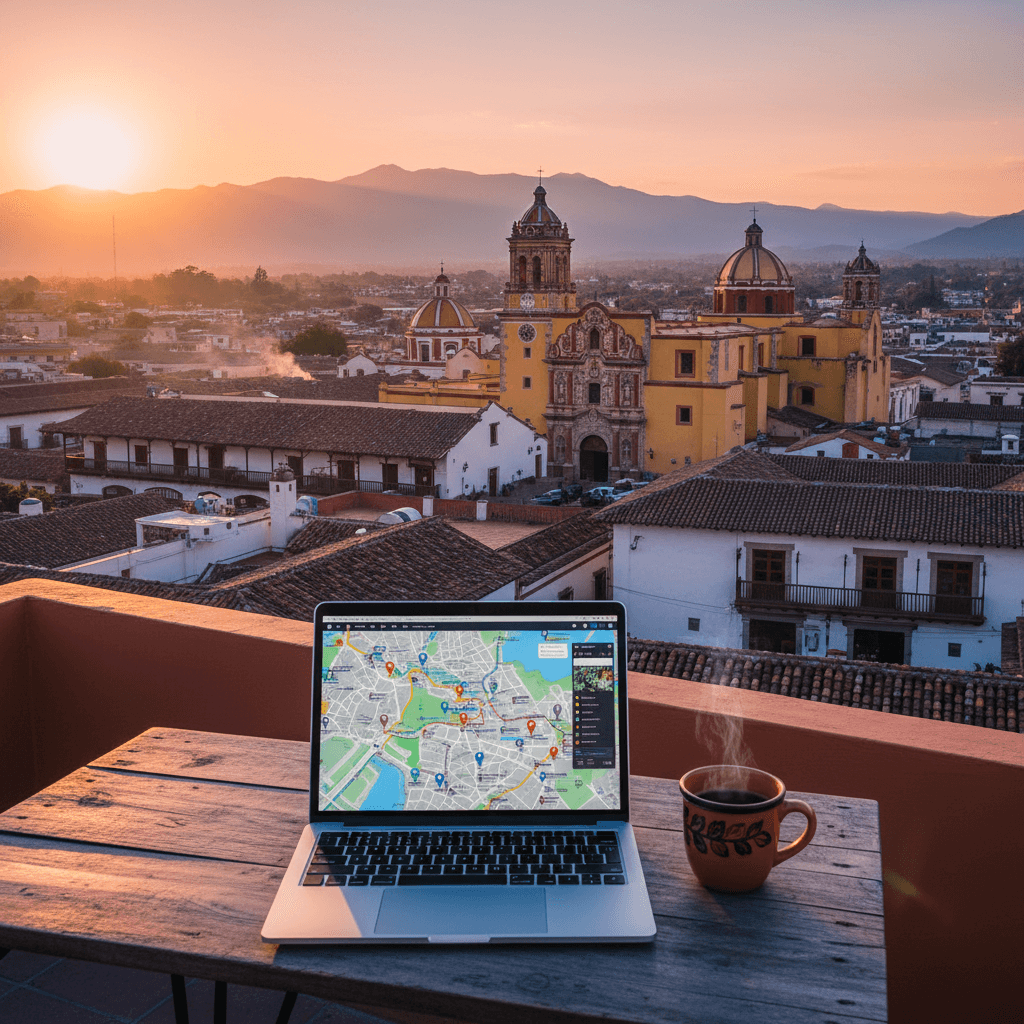
San Cristóbal de las Casas
🇲🇽 Mexico
The High-Altitude Heart of Chiapas
San Cristóbal de las Casas doesn't feel like the rest of Mexico. Situated at 7,200 feet in the misty central highlands, it swaps the humid heat of the coast for crisp mountain air and a mood that is deeply Indigenous, fiercely political, and undeniably creative. While places like Playa del Carmen feel built for tourists, San Cristóbal feels like a real town where the local Tzotzil and Tzeltal cultures aren't just a backdrop; they are the soul of the place.
The first thing you'll notice is the light. In the mornings, low clouds often roll through the terracotta-roofed streets, giving the city a moody, ethereal quality. By midday, the sun hits the bright yellow facade of the Cathedral and the pedestrian Andadores (walkable streets) come alive. It is a city of layers, where 16th-century Spanish colonial architecture houses modern vegan cafés and radical bookstores. Most nomads find the pace of life here is intentionally slow, favoring deep work and long afternoon coffees over the frantic energy of Mexico City.
A Different Kind of Nomad Hub
If you're looking for a beach party or a high-gloss corporate environment, this isn't it. Expats and remote workers who settle here usually value "slow travel" and cultural immersion. The community is tight-knit but welcoming, centered around a handful of reliable hubs like Co404. Because the city is so walkable, you'll start recognizing faces at the local markets or your favorite coffee shop within a week.
The emotional experience of living here is one of constant discovery. You might spend your morning on a Zoom call with 50 Mbps fiber internet, your afternoon hiking the pine forests near Cerro Don Lauro, and your evening watching a traditional ceremony in the nearby village of San Juan Chamula. It’s a place that asks you to be present. You can't really rush on these cobblestones anyway; the uneven streets demand a slower stride.
What to Love (and What to Prep For)
The cost of living is one of the biggest draws for the 2025 season. You can live a very comfortable life here for $1,200 to $1,800 a month, which covers a private apartment in the center and eating out frequently. Street food like tacos or tamales will only set you back $1 to $3, while a high-end dinner with wine rarely exceeds $25.
- The Walkability: You rarely need a car or even a bike. Most of your life will happen within a 15-minute walk of the Zócalo.
- The Coffee: Chiapas produces some of the world's best beans. Cafés on Real de Guadalupe aren't just places to work; they are temples to local agriculture.
- The Weather: This is the "drawback" for some. It gets legitimately cold at night, especially in winter. Most houses don't have central heating, so you'll become well-acquainted with heavy wool blankets and local textiles.
- The Connectivity: While the vibe is old-world, the infrastructure is modern enough for most. Reliable 40-60 Mbps speeds are common in the center, and Telcel data plans are cheap and easy to top up at any OXXO.
The Neighborhood Breakdown
Choosing where to stay depends on how much of the "action" you want at your doorstep. Most newcomers stick to the historic core before branching out.
Centro & Around the Zócalo
- Best for: First-timers and short-term nomads who want to be near the best cafés and coworking spaces.
- Rent: $400 to $700 for a nice 1-bedroom or studio.
- The Vibe: Busy, colorful, and social. You're steps away from the Plaza de la Paz and the main pedestrian zones. It can get noisy with festivals and traffic, but the convenience is unbeatable.
Barrio de Guadalupe & El Cerrillo
- Best for: Long-termers and those seeking a more "local" residential feel.
- Rent: $350 to $600 for traditional houses or renovated apartments.
- The Vibe: Artistic and slightly quieter. These neighborhoods have a strong sense of community and some of the most beautiful colonial streets in the city.
The City Edges (Near Arcotete or Don Lauro)
- Best for: Nature lovers and families who don't mind a longer walk or a quick $3 taxi ride.
- Rent: $300 to $500 for larger spaces.
- The Vibe: Peaceful and green. You trade the convenience of the Andadores for fresh air and proximity to hiking trails and ecoparks.
The Bottom Line
San Cristóbal de las Casas remains one of the most affordable highland retreats in Mexico. While prices in coastal hubs like Tulum or Playa del Carmen have skyrocketed, San Cris offers a high quality of life for a fraction of the cost. Most digital nomads find they can live comfortably on $1,000 to $1,500 per month, which covers a private apartment, daily café visits, and plenty of weekend trips to the surrounding Chiapas jungle.
The local economy is heavily influenced by the Indigenous Tzotzil culture and a steady stream of European backpackers. This creates a unique price spread where you can grab a $1 street taco on one block and a $10 artisanal pour-over coffee and organic brunch on the next. If you're coming from the U.S. or Europe, your biggest savings will be in labor-intensive services and fresh produce from the local markets.
Monthly Budget Tiers
- The Budget Nomad ($800 to $1,200): You're likely staying in a shared house or a modest studio on the outskirts of town. You eat mostly at the markets or street stalls and stick to free activities like hiking Cerro Don Lauro.
- The Mid-Range Professional ($1,200 to $1,800): This is the sweet spot. You'll have a private 1-bedroom apartment in the Historic Center, a full-time membership at a coworking space like Co404, and you'll eat out at mid-range spots on Real de Guadalupe most evenings.
- The High-End Expat ($2,000+): You're living in a renovated colonial home with reliable heating (a luxury here), dining at the city's top fusion restaurants, and taking private shuttles for weekend excursions to Palenque or El Chiflón.
Housing and Utilities
Rent is your biggest variable. Prices fluctuate based on how close you are to the Zócalo and whether the property has "nomad essentials" like high-speed fiber internet and a fireplace. Since the city sits at 7,200 feet, those misty nights get chilly; a house with good insulation is worth the extra pesos.
- Studio or 1BR in the Center: Expect to pay between $400 and $700. These spots are often charming with terracotta roofs but can be noisy due to the cobblestone traffic.
- Quiet Edges (near Arcotete or Cerro Don Lauro): Rents drop to $300 to $500. You'll get more space and nature access, but you'll rely more on taxis or longer walks to get to the coworking hubs.
- Coworking: A dedicated desk at a community hub like Co404 typically runs between $100 and $200 per month. This usually includes the most reliable 40-60 Mbps internet in the city.
Food and Drink
Eating in San Cris is a highlight because the quality of ingredients is so high. The city is famous for its coffee and cacao, which are grown just a few hours away. If you shop at the local mercados, you can get a week's worth of fresh fruit and vegetables for under $20.
- Street Food and Local Comedors: A filling meal of tamales or tacos will cost you $1 to $3.
- Café Culture: A latte and a pastry at a trendy spot on Andador Guadalupe usually costs around $5 to $8.
- Upscale Dining: A nice dinner with wine at a top-tier restaurant will run $15 to $25 per person.
- Groceries: Monthly costs for a single person average $200 to $300 if you mix market shopping with specialty expat goods.
Transportation
The Historic Center is incredibly compact and walkable, so most nomads spend almost nothing on daily transport. Biking is rare because the colonial cobblestones are brutal on tires and joints. When you do need to move, it's very affordable.
- Taxis and Rideshare: Most trips within the city limits cost between $2 and $5. While Uber and Didi operate here, local taxis are often faster to hail on the street.
- Colectivos: These local vans are the primary way to reach nearby villages like San Juan Chamula. A ride usually costs $1 to $5 depending on the distance.
- Airport Shuttles: A transfer from the Tuxtla Gutiérrez airport (TGZ) takes about 90 minutes and costs $30 to $50 for a private car, though shared shuttles are significantly cheaper.
For Digital Nomads and Remote Workers
If you are in town to crush through a project while soaking up the highland atmosphere, you want to be near the Zócalo or the Historic Center. This is the heartbeat of San Cristóbal, where the yellow Cathedral and Plaza de la Paz serve as your compass. Most nomads gravitate toward the pedestrian corridors like Andador Guadalupe and Andador Eclesiástico because they are packed with coffee shops that actually have decent WiFi.
The real hub for the remote work crowd is Co404. It is more than just a desk; it is where the community actually happens. Living within a ten minute walk of this area means you can easily hit Real de Guadalupe for a $2 street taco lunch between calls. Expect to pay between $400 and $700 for a private studio in this central ring. The downside is the noise; between church bells and street performers, your Zoom background might get a bit lively.
For Expats and Long-Term Residents
Those staying for six months or more usually migrate slightly away from the main plaza toward the quieter, cobbled streets of the Historic Center. This area retains the colonial charm without the constant foot traffic of day trippers. It feels more like a neighborhood and less like a tourist circuit once you get three or four blocks away from the Andadores.
Expats often recommend looking for traditional houses with interior patios, which provide a sanctuary from the busy street traffic. You will find better value here, with spacious apartments often hitting the $500 mark. You are still close enough to walk to the organic markets and specialty wine bars, but you will actually get a quiet night of sleep. Just keep in mind that these old buildings get chilly at night, so a space heater is a non-negotiable purchase.
For Families and Nature Lovers
If you have kids or just need to see green space to keep your sanity, look toward the surrounding edges of the city, specifically near Cerro Don Lauro or the areas leading toward Arcotete Ecopark. These neighborhoods feel like a different world. The air is crisper, the pine trees are closer, and the rents drop significantly, often ranging from $300 to $500 for larger homes.
Living out here means trading the convenience of the center for immediate access to hiking trails and mountain views. It is much quieter and safer for kids to play, though you will likely rely on $2 to $5 taxi rides or colectivos to get into town for groceries. It is a bit of a trek on foot, and the temperature is noticeably cooler than the valley floor, so bring your heavy wool sweaters.
For Solo Travelers and Social Seekers
Solo travelers should stick to the Downtown core, specifically staying as close to the Zócalo as possible. This is the most walkable part of the city and ensures you are never more than a few minutes from a social hub. When you are alone, being able to step out of your door and immediately be among people on a well lit street is a huge plus.
- Daily Budget: Plan for $35 to $50 to cover a nice private room, cafe meals, and a few beers.
- Social Spots: The bars along Real de Guadalupe are the default meeting points for meeting other travelers.
- Safety: The center is very secure for solo walking, though it is best to avoid the unlit peripheral roads after dark.
Most solo travelers find that the compact nature of the center makes it easy to build a routine. You will start recognizing the same faces at the coffee shops within three days. While the cobblestones make rolling luggage a nightmare, the ability to walk everywhere without needing a car or bike makes this the most practical choice for a short to medium stay.
Connectivity and Speed
San Cristóbal has shed its reputation for spotty mountain internet. While the town sits at 7,200 feet, the infrastructure in the city center has leveled up significantly. You can generally expect fiber optic speeds between 40 and 60 Mbps in most modern rentals and dedicated workspaces. It is plenty of bandwidth for Zoom calls, uploading video content, or managing a heavy workflow while the mist rolls over the terracotta roofs.
Most nomads find that their biggest hurdle isn't the speed, but the occasional power flicker during a heavy Chiapas rainstorm. If your work is time sensitive, it is smart to have a backup. Pick up a Telcel or AT&T SIM card at any OXXO store. A monthly data plan usually runs between $10 and $30. Telcel generally offers the most reliable coverage if you plan on heading out to nearby villages like San Juan Chamula or exploring the Sumidero Canyon.
Top Coworking Spaces
The coworking scene here is intimate rather than corporate. You won't find massive, glass walled office complexes, but you will find community driven spaces that feel like a second home.
- Co404: This is the undisputed hub for the nomad community in San Cris. It functions as both a coliving and coworking space. Monthly memberships typically range from $100 to $200. It is the place to go if you want to skip the small talk and dive straight into a community of people who actually understand what a "sprint" is.
- Central Hubs: While Co404 is the big name, several smaller art galleries and cultural centers near the Plaza de la Paz offer quiet corners and reliable routers for a daily fee.
The Café Culture for Deep Work
If you prefer the hum of a coffee grinder over a silent office, San Cristóbal is a dream. The town produces some of the best beans in the world, and the café owners are generally relaxed about remote workers staying for a few hours, provided you keep the lattes and snacks coming.
Real de Guadalupe is the primary artery for work friendly spots. You will see plenty of laptops out in the mornings. Most mid range cafés charge about $5 to $10 for a solid lunch and coffee. The vibe is focused but social, and it is a great way to meet other travelers without the formal structure of a coworking membership. Just keep in mind that many of these historic buildings have thick stone walls, so if you move to a back patio, your signal might drop a bar or two.
Practical Tips for Remote Success
- Check the router: Before booking an Airbnb, always ask for a screenshot of a speed test. Aim for the Historic Center or Zócalo areas for the most consistent fiber connections.
- Stay warm: The evenings get chilly. Many cafés are open air or have high ceilings with no central heating. If you are planning a late night work session, bring a sweater or a local wool poncho.
- Noise levels: The cobblestone streets are charming but loud when a truck passes by. If you have important meetings, look for a workspace or apartment tucked away in the back of a courtyard rather than one facing a main pedestrian walkway.
Overall, San Cristóbal offers a rhythm that supports deep work. The lack of a frantic "big city" energy means you can actually get through your to do list and still have time for a $2 taco run before the sun goes down.
Personal Safety and Local Vibes
San Cristóbal de las Casas feels remarkably secure for a highland city in Chiapas. The walkable historic core is where you'll spend most of your time, and it stays active well into the evening. Most nomads feel comfortable walking between the main plazas and the Real de Guadalupe pedestrian corridor at night, as these areas are well lit and populated by both locals and travelers.
While the atmosphere is generally peaceful, petty theft like phone snatching can happen if you aren't paying attention. Keep your bag zipped when you're navigating the crowded markets near the Santo Domingo church. Expats generally suggest avoiding the dark, unlit roads on the outskirts of town after the sun goes down, especially if you're alone. If your accommodation is located further out near Cerro Don Lauro, it's smarter to grab a $3 to $5 taxi or use a ride-hailing app like Didi instead of walking home in the dark.
Political consciousness is high here, and you might occasionally see local demonstrations or marches. These are typically peaceful and part of the city's unique social fabric. Just give them space and go about your day; they rarely impact the safety of the nomad community.
Healthcare and Medical Services
If you get sick, you'll find that healthcare in the center is surprisingly accessible and affordable. Pharmacies are everywhere, and many have a Consultorio attached where a doctor can see you for a minor ailment for about $3 to $5. This is the fastest way to handle a cold or the occasional stomach bug.
- Private Clinics: For more serious issues, expats and long-term nomads head to private clinics in the city center. These facilities are cleaner and faster than public hospitals.
- Hospitals: There are several local hospitals equipped for emergencies, though for specialized surgeries, some residents prefer traveling to Tuxtla Gutiérrez, which is about 1 to 1.5 hours away.
- Emergency Number: Dial 911 for any immediate police or medical emergencies.
Altitude and Wellness
One thing that catches new arrivals off guard isn't the safety, but the altitude. At 7,200 feet, the air is thin. You might feel winded walking up the steep stairs to Iglesia de Guadalupe during your first few days. Stay hydrated and take it easy on the mezcal until your body adjusts. The air can also be quite dry, so a good moisturizer and lip balm are more than just luxury items here.
Water safety is the other big topic. Don't drink the tap water. Most nomads buy the large 20-liter garrafones for their apartments, which usually cost less than $3 to exchange. Even when brushing your teeth, many travelers prefer using filtered water to avoid "San Cris Belly."
Recommended Precautions
- Stick to the Andadores (pedestrian streets) after dark where the crowds are.
- Keep a digital copy of your passport and FMM (tourist permit) on your phone.
- Carry small denominations of pesos; 500 peso bills can be hard for small pharmacies or street food vendors to change.
- Invest in some warm layers. The drop in temperature at night can be a shock to the system, and staying warm is your best defense against the local "mountain flu."
The Walkability Factor
In San Cristóbal, your own two feet are your primary mode of transport. The historic center is incredibly compact; most nomads find they can reach their favorite café, the Co404 coworking space, and the local markets within a 10 to 15 minute stroll. The experience is defined by the three main pedestrian corridors, known as andadores: Real de Guadalupe, Eclesiástico, and 20 de Noviembre. These car free zones make life easy, though you should swap your stylish boots for something with grip. The colonial cobblestones are uneven and can get slick during the afternoon mountain mists.
While the center is a walker's paradise, biking is surprisingly rare. Between the steep hills and the bumpy stone streets, most expats find cycling more of a chore than a convenience. If you’re staying on the quieter outskirts near Cerro Don Lauro, you'll likely rely on a mix of walking and quick transit rides to get into the heart of the action.
Ride-Hailing and Taxis
When you're carrying groceries or heading home after a late dinner, taxis and ride-hailing apps are the standard. While Uber and Didi operate in the city, availability can fluctuate. Most rides within the city limits are incredibly affordable, typically costing between $2 and $5. Local taxis are plentiful; just be sure to agree on the price before you hop in, as they aren't metered. A short trip across town rarely exceeds 60 to 80 pesos.
The Colectivo Experience
For a truly local way to move, look for the white Nissan vans known as colectivos. These follow set routes through the city and out to neighboring highland villages. They are the go-to for budget conscious travelers, with fares usually sitting between $1 and $3. You simply flag one down, hop in the back, and shout "bajan" when you're ready to get off. It’s tight and can get sweaty, but it's the most efficient way to reach spots like San Juan Chamula or the Arcotete ecopark without paying for a private driver.
Arrival and Regional Travel
San Cristóbal doesn't have its own commercial airport. You'll arrive via Tuxtla Gutiérrez (TGZ), which is about 75 to 90 minutes away. You have three main options for the trek up the mountain:
- Official Airport Shuttles: These are the most common choice for nomads. They cost roughly $20 to $30 per person and drop you off at the ADO bus station or directly at your rental if you book a premium service.
- Private Transfers: Expect to pay between $40 and $60 for a private car. This is the best move if you're arriving late at night or traveling with a lot of gear.
- ADO Buses: If you're coming from other parts of Mexico like Palenque or Oaxaca, the ADO bus terminal is centrally located. These first class buses are reliable, have AC, and are generally the gold standard for regional travel.
Navigation Tips
Street signs can be hit or miss once you leave the main plazas, so having an offline map is a lifesaver. Most nomads pick up a Telcel or AT&T SIM card at an OXXO for about $15 to $20 to keep their GPS active. Be aware that traffic in the center can get surprisingly congested during peak hours, particularly on the narrow streets that allow cars. If you're in a rush, walking is almost always faster than taking a car through the Zócalo area.
The Linguistic Landscape
San Cristóbal de las Casas isn't your typical Mexican beach town where English is the default language. While the digital nomad scene is growing, the city remains deeply rooted in its local identity. You'll hear Spanish on every corner, but you'll also hear Tzotzil and Tzeltal, the Maya languages spoken by the Indigenous communities who call these highlands home. This linguistic mix gives the city a unique rhythm that feels more authentic and less "filtered" for tourists than places like Tulum or Playa del Carmen.
Most nomads find that while they can get by with basic Spanish in the main tourist corridors like Real de Guadalupe, a deeper level of the language is necessary for a smooth life here. Shop owners, market vendors, and landlords often speak little to no English. If you're planning to stay for more than a month, brushing up on your Spanish isn't just helpful; it's the key to unlocking the real San Cris experience.
Indigenous Languages and Etiquette
The presence of Maya culture is one of the most compelling reasons to live here. In places like the San Juan Chamula market or the Zinacantán weaving cooperatives, Spanish is often a second language for the locals. You don't need to learn Tzotzil to visit, but learning a few basic greetings can go a long way in showing respect.
- Photography: This is a major communication point. In many Indigenous communities, especially inside churches or during ceremonies, photography is strictly forbidden. Always ask before taking portraits of people in traditional dress; some may ask for a small fee, while others prefer not to be photographed at all.
- Tone: Communication here is generally soft spoken and polite. A "Buenos días" or "Gracias" is expected in every interaction, from getting into a colectivo to ordering a coffee.
- Political Awareness: Chiapas has a complex political history. You'll likely see Zapatista imagery and slogans around town. While locals are often happy to discuss history, it's best to listen more than you speak until you understand the local nuances.
Staying Connected
Communication isn't just about what you say, it's about how you stay online. San Cristóbal has surprisingly reliable infrastructure for a mountain town, but you'll want a local backup for those misty afternoons when the power might flicker.
- SIM Cards: Pick up a Telcel SIM card at any OXXO store. It has the best coverage in the Chiapas highlands. You can get a "Sin Límite" package for about $10 to $30 per month depending on your data needs.
- Messaging: Like the rest of Mexico, WhatsApp is the lifeblood of communication. You'll use it to book hair appointments, order water delivery, and chat with your landlord.
- Apps: Download Didi or Uber for getting around. While the center is walkable, these apps are useful for late night rides or trips to the outskirts.
Learning the Language Locally
If your Spanish is rusty, San Cristóbal is one of the most affordable places in Mexico to take classes. Many expats and nomads spend their first few weeks enrolled in one on one lessons. It’s a great way to meet people and get comfortable with the local "Chapaneco" accent, which is generally clear and easy to understand compared to the faster Caribbean dialects.
For more informal practice, the community at Co404 often organizes language exchanges. You'll also find plenty of "intercambio" posters in cafés along Andador Eclesiástico where locals want to trade Spanish practice for English or French. It's a low pressure way to make friends and improve your fluency while supporting the local community.
The High-Altitude Reality
San Cristóbal sits at 7,200 feet in the Chiapas highlands. This elevation dictates everything about your daily life here. While much of Mexico is synonymous with tropical heat, San Cris is a land of misty mornings and wood-burning fireplaces. The air is crisp, thin, and can change from a sunny afternoon to a chilly downpour in minutes.
Most nomads find the climate a refreshing break from the humidity of the coast, but it requires a different mindset. You'll spend your mornings in a sweater, your afternoons in a t-shirt, and your evenings back in a heavy jacket. The temperature swing between day and night is often 20 to 30 degrees.
Best Time to Visit: The Dry Season
The sweet spot for a stay is between November and April. This is the dry season, characterized by clear blue skies and bright sunshine. It's the best time for hiking to Cerro Don Lauro or taking day trips to the Sumidero Canyon without worrying about a washout.
- November to February: These are the coldest months. Daytime temperatures hover around 65°F to 70°F, but nights frequently drop to 40°F or lower. Since many colonial houses lack central heating, you'll want to ensure your Airbnb or rental includes a heater or a fireplace.
- March and April: This is arguably the prime window. The air warms up, the flowers are in bloom, and the rains haven't arrived yet. It's perfect for long coworking sessions in the sun-drenched courtyards of cafés along Real de Guadalupe.
The Rainy Season: May to October
When the rains arrive in May, the landscape turns a brilliant, deep green. Typically, you'll get sunny mornings followed by heavy afternoon thunderstorms. It’s a cozy time to be a digital nomad; there’s nothing quite like working from a place like Co404 while rain drums on the terracotta roof tiles.
September is usually the wettest month. Travelers often find that the humidity makes the cold feel more biting, so waterproof gear is a must. If you don't mind the damp, you'll benefit from lower accommodation prices and fewer crowds in the Zócalo.
What to Pack
Packing for San Cris is about layers. Don't show up with just beach gear or you'll be heading straight to the artisanal markets for a wool poncho. Local expats recommend a solid rotation of basics:
- A light down jacket: Essential for those 7:00 AM coffee runs or late-night mezcals.
- Sturdy walking shoes: The cobblestone streets in the Historic Center are brutal on flip-flops and heels.
- Sunscreen: The high-altitude sun is deceptively strong, even when it feels cool.
- Warm socks: Most floors are tile or stone; your feet will get cold indoors.
Seasonal Lowdown for Nomads
- Peak Season (December and Easter): Prices for short-term rentals can jump by 20% to 40%. The town fills up with domestic tourists, and the main walking streets become crowded.
- Shoulder Season (May and October): You can often negotiate better monthly rates on apartments near the city edges. The weather is unpredictable, but the vibe is much more local.
- Festival Note: If you visit during Holy Week (Semana Santa) or the Feria de la Primavera y de la Paz in April, expect parades, fireworks at all hours, and a very high energy level across the city.
Getting Connected
Most nomads find the internet in the city center surprisingly reliable. You can expect speeds between 40 to 60 Mbps in most modern apartments and cafes. If you need a guaranteed professional environment, Co404 is the go to hub. It costs between $100 and $200 a month and serves as the primary social anchor for the remote work community.
For mobile data, grab a SIM card at any OXXO convenience store. Telcel has the best coverage in the Chiapas highlands. You will typically spend $10 to $30 a month for a data heavy plan. If you enjoy working from cafes, head to Real de Guadalupe. It is lined with spots where you can camp out with a laptop for the price of a local coffee.
Cost of Living
San Cristóbal remains one of the more affordable mountain retreats in Mexico. While prices are creeping up, a monthly budget of $1,200 to $1,800 allows for a very comfortable lifestyle including a private apartment and frequent dining out.
- Studio or 1BR Apartment: Expect to pay $400 to $700 in the center. Prices drop to $300 to $500 if you look toward the quieter edges of town.
- Daily Meals: Street tacos and local market eats cost $1 to $3. A meal at a mid range cafe usually runs $5 to $10, while a high end dinner might reach $25.
- Transportation: Most of your movement is free because the town is incredibly walkable. Occasional rides via apps or local taxis cost between $2 and $5.
Navigation and Transport
The city center is designed for pedestrians, but the colonial cobblestones are brutal on luggage and ankles. Pack sturdy walking shoes. You won't see many people biking here; the combination of uneven stones and narrow streets makes it more of a headache than a convenience.
To reach the city, you will likely fly into Tuxtla Gutiérrez (TGZ). The drive takes about 90 minutes. An airport shuttle costs roughly $30 to $50. For local adventures, use the colectivos. These white vans are the local lifeline to nearby villages like San Juan Chamula and usually cost less than $5.
Safety and Health
Expats generally feel secure walking the central streets, even after dark. The vibe is politically active and community oriented. However, it is smart to avoid unlit peripheral roads on the outskirts of town late at night. Stick to the well traveled Andadores (pedestrian walkways) when you are out late.
If you get sick, pharmacies are on almost every corner near the Zócalo. For anything more serious, there are private clinics in the center that cater to the international community. Dial 911 for emergencies, though most travelers find they never need it.
Where to Plant Roots
Choosing a neighborhood depends on how much noise you can handle. The Historic Center and the area around the Zócalo are perfect if you want to be steps away from the best coffee shops and cultural events. It is vibrant and convenient, but the traffic and nightlife can be loud.
For a slower pace, look toward the edges of town near Cerro Don Lauro. You will get more nature and lower rent, though you will have a longer walk to reach the coworking spaces. Most long term residents suggest starting in the center for a week to get your bearings before committing to a leafier, quieter neighborhood on the periphery.
Need visa and immigration info for Mexico?
🇲🇽 View Mexico Country GuideEasy Landing
Settle in, no stress