Sükhbaatar
🇲🇳 Mongolia
The Urban Frontier
Stepping into the Sükhbaatar district feels like walking through a glitch in time. One minute you're staring at the glass facade of the Shangri-La, and the next you're dodging a Soviet-era bus while the smell of coal smoke and fried mutton drifts from a nearby alley. This isn't your typical digital nomad hub with manicured tropical plants and avocado toast. It's gritty, unapologetically raw, and carries an "end-of-the-world" energy that appeals to travelers who find Chiang Mai too predictable.
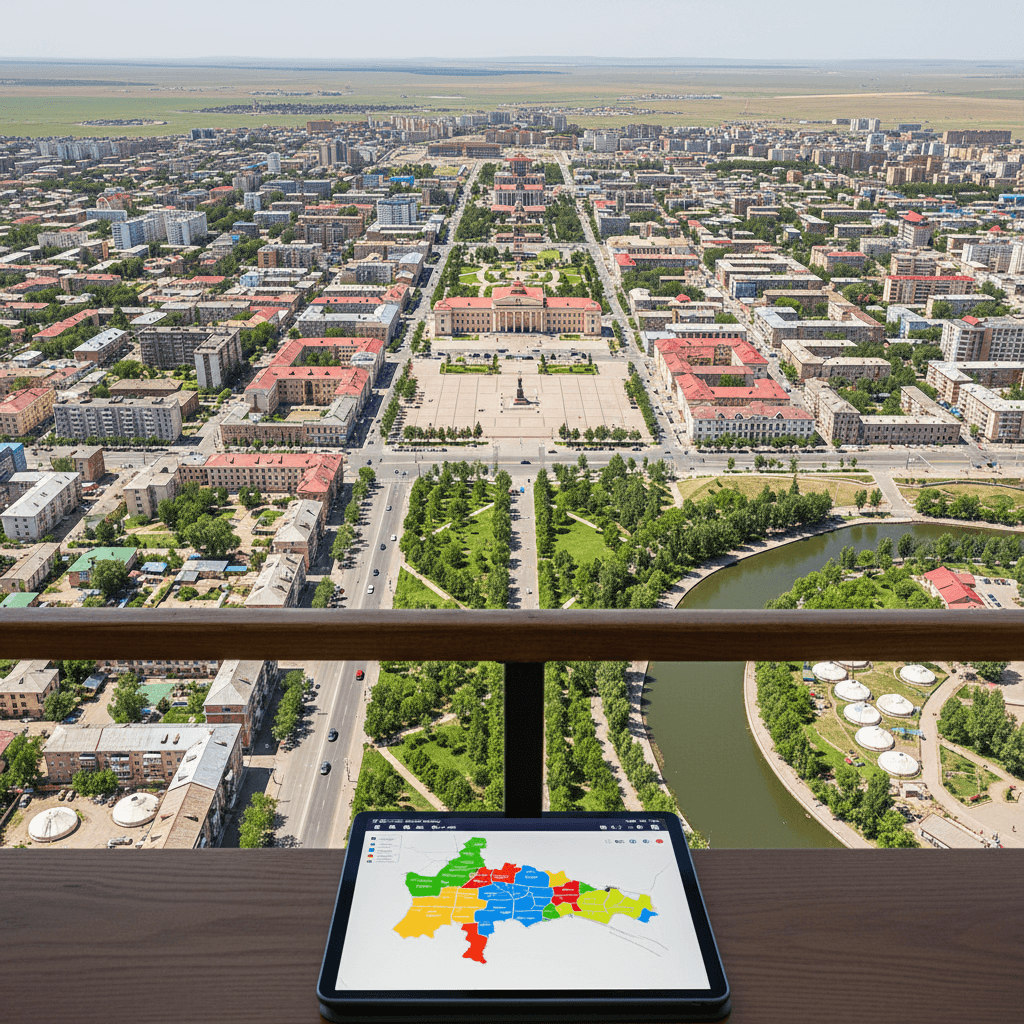
The vibe centers around Sükhbaatar Square, the massive concrete heart of Ulaanbaatar. It's a place where toddlers drive miniature electric cars around the statue of Damdin Sükhbaatar while parliament members hurry into the Government Palace. Most nomads find the city's pace strange; it's a mix of soul-crushing traffic jams and a surprisingly laid-back social scene where people have plenty of time for a long tea. It’s a city for those who want to work hard during the day and feel the vast, silent weight of the Mongolian steppe just beyond the city limits at night.
What to Expect on the Ground
Living here means embracing contradictions. You’ll get 50 Mbps fiber internet in a modern apartment, but you might have to walk past a traditional ger camp to get to your favorite coffee shop. Most expats recommend staying within the Sükhbaatar district if you value walkability, as the city’s traffic is legendary for being some of the worst in Asia. If you aren't within a 15-minute walk of the square, you’re likely going to spend a good chunk of your day staring at a taxi's bumper.
- The Weather Factor: If you visit between June and August, you'll experience 25°C days and the incredible Naadam Festival in July. If you stay for winter, prepare for -40°C and heavy urban pollution that makes air purifiers a non-negotiable part of your setup.
- The Community: The nomad scene is small but tight-knit. Since it’s not a mainstream destination, the people you meet at entrepreneur meetups or the Gandan Monastery are usually doing something interesting, from mining tech to sustainable cashmere startups.
- The Safety: It’s generally safe, though pickpockets are highly active around the Naraan Tuul market. Keep your phone tucked away and your wits about you in crowded spaces.
The Cost of the Nomad Life
Sükhbaatar is surprisingly affordable for a capital city, though prices in this central district are the highest in the country. You can live quite well on $1,500 to $2,500 a month, depending on how much you crave Western comforts.
Sükhbaatar Central Area
- Rent: $400 to $700 for a decent one-bedroom apartment. Expect to pay more for high-rise views near the square.
- Daily Coworking: $10 to $20 at local hubs, though many nomads just camp out in cafes for the price of a $3 latte.
- Local Meals: $1 to $3 for Buuz (steamed dumplings) or Khuushuur (fried meat pastries) at street stalls.
- Mid-range Dining: $5 to $10 for a massive plate of Tsuivan noodles.
Why It Sticks With You
There is a specific emotional payoff to being in Sükhbaatar that you won't find in Europe or Southeast Asia. It’s the feeling of being an outsider in a place that doesn't care to change for you. You'll hear the throat singing from a distance, see the horses being led through the outskirts, and realize that despite the high-rises, the nomadic spirit still dictates the rhythm of the city. It’s a place for the self-reliant worker who wants their morning commute to feel like an actual adventure.
The Price of Living at the Center of the Steppe
Living in the Sükhbaatar district puts you in the heartbeat of Ulaanbaatar, where the glass skyscrapers of the financial sector meet Soviet era apartment blocks. It is easily the most expensive pocket of the country, but for most digital nomads, it remains a bargain compared to Southeast Asian hubs like Singapore or even parts of Bangkok. You are paying a premium for walkability and proximity to the few reliable WiFi signals in the city.
Most nomads find that a monthly budget of $1,500 to $2,500 allows for a very comfortable lifestyle. This covers a modern apartment, daily meals out, and plenty of weekend trips into the countryside. If you are willing to live more like a local, eating street food and sharing a space, you can squeeze by on $800 to $1,200, though the brutal winters make "budget" living a lot less glamorous when the heating isn't top tier.
Monthly Rent and Housing
Sükhbaatar is the primary choice for expats because it's where the infrastructure is. Outside this central core, prices drop, but your commute time in Ulaanbaatar's legendary traffic will skyrocket.
- Modern Studio/1BR in Sükhbaatar: Expect to pay between $400 and $700. Many of these are in newer developments and come fully furnished.
- Guesthouse or Shared Space: If you're just passing through, smaller guesthouses near the square run $200 to $400 per month.
- Luxury Stays: For those on a corporate budget, the Shangri-La or similar high end hotels start at $150 per night.
- Ger Camps: On the outskirts, you can stay in a traditional ger for $20 to $40 per night, though these are better for weekend retreats than long term work due to the lack of stable internet.
Dining and Groceries
Eating in the capital is a tale of two price points. You can fill up on traditional dumplings for the price of a coffee, or spend Western prices at a steakhouse overlooking the square.
- Street Food: A plate of buuz (steamed dumplings) or khuushuur (fried meat pastries) will cost you $1 to $3. It is heavy, filling, and perfect for the cold.
- Mid-range Meals: A big bowl of tsuivan (fried noodles) or a decent lunch at a cafe near the Parliament House runs $5 to $10.
- Fine Dining: Upscale spots near the square, often frequented by the diplomatic crowd, cost between $15 and $30 per person.
- Coffee: A latte at a nomad friendly cafe costs about $2.50 to $4.
Transport and Connectivity
Getting around is cheap, provided you aren't trying to cross the city during rush hour. Most nomads in Sükhbaatar simply walk, as the district is quite compact.
- Public Bus: A flat rate of about $0.20 per ride. It's crowded but efficient if you know the routes.
- Taxis and Apps: Using the UBCab app or flagging a private car costs roughly $0.50 per kilometer. A trip from Chinggis Khaan International Airport to the center usually lands between $10 and $20.
- Data Plans: A local SIM from Unitel or Mobicom is a steal. You can get a solid data package for $5 to $15 per month.
- Coworking: Daily passes at central hubs generally range from $10 to $20, often including access to community events and networking with local entrepreneurs.
Summary of Monthly Tiers
The Budget Traveler ($800 - $1,200): You're staying in a shared apartment or a cheaper guesthouse, eating mostly at local canteens, and using the bus system. You'll have enough left over for a few beers and a cheap SIM card.
The Standard Nomad ($1,500 - $2,500): This is the sweet spot. You'll have a private, modern apartment in Sükhbaatar, eat at nice cafes daily, use taxis frequently, and afford a few guided excursions to the Gobi or Terelj National Park.
The High Flyer ($3,000+): You're likely staying in a serviced apartment or high end hotel, dining at the best restaurants in the city, and hiring private drivers for weekend trips into the wilderness.
Sükhbaatar Square & Central Core
For digital nomads and solo travelers, the area immediately surrounding Sükhbaatar Square is the undisputed home base. This is the most walkable part of Ulaanbaatar, putting you within a ten minute stroll of the Government Palace, the National Museum, and the city's highest concentration of laptop friendly cafes. You'll find most of the modern apartments here, typically priced between $400 and $700 per month for a one bedroom unit.
The vibe is a gritty mix of Soviet legacy and glass skyscrapers. It is the only part of the country where you can reliably find 20-50 Mbps internet speeds and a high density of English speakers. While it is the most convenient spot, keep an eye on your pockets around the main square and the nearby State Department Store. Pickpockets are common in these high traffic areas, especially during the Naadam Festival in July when crowds peak.
- Best for: Digital nomads, short term travelers, and remote workers.
- Pros: High walkability, best internet reliability, and easy access to Unitel shops for SIM cards.
- Cons: Heavy traffic congestion, higher pollution levels, and the most expensive rent in the city.
Gandan Monastery Vicinity
Expats looking for a bit more soul often gravitate toward the neighborhoods surrounding the Gandan Tegchenling Monastery. It's a quieter, more spiritual corner of the district that feels less like a concrete jungle and more like old Mongolia. The architecture shifts to traditional temples and smaller residential blocks, offering a peaceful retreat from the chaos of the central business district.
Living here means you're still close to the action but away from the constant hum of idling engines. It is a favorite for those staying long term who want to immerse themselves in local Buddhist culture. However, be prepared for a drop in modern amenities; some buildings are older and may struggle with heating during the brutal winter months when temperatures plumment to -40°C.
- Best for: Long term expats and cultural enthusiasts.
- Pros: Quiet atmosphere, beautiful monastery views, and a more authentic residential feel.
- Cons: Fewer luxury rental options and slightly further from the main coworking hubs.
The Ger Outskirts
Adventurous nomads and budget travelers often opt for a stint in the ger districts on the city's edge. This isn't your typical neighborhood; it's a sprawling collection of traditional felt tents and small wooden houses. It offers a raw look at Mongolian life and immediate access to the vast steppes and starry nights that define the country's landscape. Rent is significantly cheaper here, often falling between $200 and $400.
The trade off is the lack of infrastructure. Internet is spotty at best, often requiring a strong Mobicom or Unitel data plan rather than relying on WiFi. During winter, these areas face heavy smoke from coal stoves, so it's a location best enjoyed during the mild summer months from June to August. Most travelers treat this as a temporary experience rather than a permanent workspace.
- Best for: Budget travelers and nature lovers seeking an authentic experience.
- Pros: Very affordable, close to hiking trails, and incredible views of the stars.
- Cons: Poor air quality in winter, unreliable internet, and limited public transport.
Naraan Tuul & The East Side
Families and budget conscious travelers sometimes look toward the eastern side of the district near the Naraan Tuul market. This is the place for $1 street food like buuz dumplings and $5 plates of tsuivan noodles. It is chaotic, loud, and feels like the true commercial heart of the city.
While the cost of living is low, it is not the most family friendly area due to the lack of green space and the sheer intensity of the crowds. Theft is a significant concern at the "Black Market," so most expats visit for shopping but choose to live elsewhere. If you do stay here, use the UBCab app to get around, as navigating the bus system in this area can be overwhelming for newcomers.
- Best for: Bargain hunters and extreme budget travelers.
- Pros: Cheapest food and supplies in the city, high energy.
- Cons: High risk of petty crime, very loud, and difficult to find quiet work spaces.
Connectivity in the Capital
Working from the Sükhbaatar district puts you in the literal heart of Mongolia's digital infrastructure. While the vast steppes are a dead zone for productivity, the area surrounding the main square is surprisingly well connected. You can expect fiber optic speeds in most modern apartment rentals and hotels, generally ranging between 20 Mbps and 50 Mbps. It is stable enough for Zoom calls, though international latency can occasionally cause a slight lag during peak evening hours.
Mobile data is your best safety net here. Local nomads consistently recommend Unitel for the most reliable coverage, though Mobicom and Skytel are solid alternatives. You can pick up a physical SIM at Chinggis Khaan International Airport upon arrival or at the branded shops near the square for about $5 to $15 depending on your data needs. If you prefer to be online the moment you touch down, Gohub offers functional eSIM plans for Mongolia, though they often cost more than local rates.
Coworking Spaces and Community
You won't find a massive surplus of dedicated coworking brands in Sükhbaatar, but the few that exist are high quality and serve as the primary hubs for the city's entrepreneur scene. Expect to pay between $10 and $20 for a day pass. These spaces are vital during the winter months when the outside temperature hits -40°C and you need a climate controlled environment with guaranteed uptime.
- The Hub Innovation Center: Located a short walk from the square, this is a favorite for tech focused locals and expats. It has a modern, industrial feel and hosts regular networking events.
The Cafe Office Scene
If you prefer the hum of a coffee shop, the streets radiating out from Sükhbaatar Square are packed with options. Most cafes expect you to buy a drink every few hours if you are camping out with a laptop, but they are generally very tolerant of remote workers. The coffee culture here is sophisticated, with many shops roasting their own beans.
Ulaanbaatar Coffee Culture and the various Caffe Bene outlets are the standard "safe bets" for decent WiFi and accessible power outlets. For a more local feel, try the smaller independent spots near the Gandan Monastery. Just keep in mind that English proficiency is hit or miss; having Google Translate downloaded for offline use is a lifesaver when asking for the WiFi password or looking for a hidden power socket.
Remote Logistics and Reality Checks
While the center is a tech oasis, that connectivity vanishes quickly as you move toward the ger districts or the city outskirts. If you are planning a "work from a yurt" experience, you will need a heavy duty satellite setup or a very patient boss. Most nomads treat Sükhbaatar as their "office base" for four days a week, then head into the wilderness for a total digital detox over the weekend.
Power outages are rare in the central district but not unheard of during the height of winter when the grid is under heavy load. It is smart to keep a high capacity power bank charged. If you are staying long term, expats suggest joining local Facebook groups like Expats in Mongolia to get real time updates on internet outages or new cafe openings. Most transactions in these circles still happen in Mongolian Tögrög (MNT), so keep some cash on hand even if you usually rely on Wise or Revolut.
Staying Safe in the Heart of UB
Living in the Sükhbaatar district puts you in the safest, most developed part of Ulaanbaatar. Violent crime is exceptionally rare here, and most nomads feel perfectly comfortable walking the area around the Square during the day. That said, the city has a gritty edge that demands your attention, particularly regarding petty theft.
Pickpocketing is the primary concern, especially in crowded hubs like the Naraan Tuul market or during the Naadam Festival in July. Professional thieves often work in teams in these high traffic areas. Keep your phone and wallet in front pockets or zipped compartments. Most expats recommend avoiding the darker corners of the ger districts or the outskirts of the black markets after the sun goes down, as alcohol related incidents can sometimes occur in those areas.
- Emergency Contacts: Dial 102 for police and 103 for an ambulance.
- Solo Travel: It is generally safe for solo travelers, though sticking to well lit main thoroughfares like Peace Avenue at night is the smart move.
- Transport Safety: Use reputable apps like UBCab rather than flagging random cars, which ensures your ride is tracked and priced fairly.
Healthcare and Medical Realities
If you are staying in Sükhbaatar, you are close to the best medical facilities the country has to offer. While the standards are adequate for routine checkups, minor infections, or basic pharmacy needs, the system lacks the infrastructure for complex surgeries or specialized long term care. For anything life threatening, most expats and nomads have a plan that involves medical evacuation to Seoul or Bangkok.
Pharmacies are easy to find throughout the central district. Many basic medications are available over the counter, but it is wise to bring a personal supply of specific prescriptions. English proficiency among medical staff is hit or miss, so having Google Translate downloaded for offline use is a lifesaver when explaining symptoms.
Environmental Health Hazards
The biggest health threat in Ulaanbaatar isn't a virus; it is the air. During the peak winter months from December to March, the city's air quality can reach hazardous levels due to coal burning in the surrounding ger districts. This isn't just a minor inconvenience; it is a serious respiratory risk for long term stays.
- Air Quality: If you're here in winter, investing in a high quality HEPA air purifier for your apartment is mandatory. Many nomads wear N95 masks when walking outside during high pollution days.
- Extreme Cold: With temperatures dropping to -40°C, frostbite is a legitimate risk. Proper technical winter gear isn't just for show; it is a survival requirement.
- Water: Do not drink the tap water. Most residents rely on bottled water or high quality filtration systems for cooking and drinking.
Insurance and Preparedness
Standard travel insurance is a must, but ensure your policy specifically covers medical evacuation. Because Mongolia is so sparsely populated once you leave the capital, any injury sustained on a weekend trek to the Gobi or the steppes can become a logistical nightmare. Always share your itinerary with someone in the city before heading out into the wilderness where cell service disappears.
The Traffic Reality
If you're staying in the Sükhbaatar district, your best mode of transport is your own two feet. Traffic in central Ulaanbaatar is legendary for all the wrong reasons. During peak hours, a 2-kilometer drive can easily take 45 minutes. Most nomads find that walking between the cafes near the Square and the Gandan Monastery area is significantly faster than trying to hail a car. Pack high quality walking shoes; the pavement can be uneven, and you'll be doing plenty of miles.
Public Buses and Microbuses
The city's bus system is extensive and affordable, with a daily pass allowing multiple rides for MNT 1,000 (~$0.29). It's a great way to save money, but be prepared for a squeeze. Buses are often packed to the gills, especially during the morning and evening rush. If you're heading toward the Naraan Tuul market or the city outskirts, look for the large blue buses. Just keep a close eye on your pockets; crowded public transport is the primary spot for petty theft in the city.
Ride-Hailing and Taxis
Mongolia has a unique "informal" taxi culture where almost any driver might pull over if you wave your hand, but as a nomad, you'll want to stick to the apps for safety and price transparency. UBCab is the gold standard here. It works similarly to Uber and allows you to link your card or pay in cash. Expect to pay roughly $0.50 per kilometer.
- UBCab: The most reliable app for booking official taxis.
- Messenger Taxis: Many locals use Facebook Messenger groups to find rides, though this is harder if you don't speak Mongolian.
- Airport Transfers: A taxi from Chinggis Khaan International (UBN) to the Sükhbaatar center typically costs between $10 and $20 and takes about 45 minutes, depending on the gridlock.
Winter Logistics
Transport changes drastically when the temperature drops to -30°C. Walking long distances becomes a health hazard rather than a convenience. During the deep winter months from December to March, you'll rely almost exclusively on UBCab. Be aware that wait times for rides increase significantly when it's cold, as everyone is trying to avoid the biting wind. If you're staying in a ger camp on the outskirts, ensure your transport has four-wheel drive, as snowy tracks can become impassable for standard sedans.
Biking and Scooters
You won't find much in the way of a cycling culture here. The combination of aggressive traffic, lack of dedicated lanes, and extreme dust makes biking a challenge for most travelers. While you might see a few rental scooters popping up near the Square during the July festival season, they aren't a reliable way to get across town. Stick to the walkable core of the Sükhbaatar district for your daily errands and use apps for anything further afield.
The Language Landscape
Expect a bit of a linguistic hurdle when you settle into the Sükhbaatar district. Mongolian is the primary language here, specifically the Khalkha dialect, and it uses the Cyrillic alphabet. If you've spent any time in Eastern Europe or Central Asia, the characters will look familiar, but the sounds are entirely unique to the steppe. Most nomads find that while the visual landscape is readable with a bit of practice, the spoken word takes much longer to grasp.
English proficiency is relatively low once you step away from the immediate vicinity of the Shangri-La or the high-end cafes surrounding the square. In the coworking pockets and international hotels, you'll get by just fine. However, if you're heading to the Naraan Tuul market or catching a local bus, you'll likely be relying on gestures and translation apps. Russian is still reasonably common among the older generation, a remnant of the city's Soviet-era history, so that can be a handy backup if you happen to speak it.
Digital Essentials
Don't count on finding high-speed, reliable public Wi-Fi as you wander through the district. While cafes near the Government House are getting better, your best bet is to be self-sufficient with a local SIM card. Expats and long-term travelers almost universally recommend Unitel for its reliability within the city limits, though Mobicom and Skytel are solid alternatives. You can pick these up at Chinggis Khaan International Airport upon arrival or at the branded shops in the city center for about $5 to $15 depending on your data needs.
- Google Translate: This is your lifeline. Be sure to download the Mongolian pack for offline use, as cell signals can drop if you head toward the ger camps on the outskirts.
- Gohub: If you want to hit the ground running, grab an eSIM through Gohub before you land. It's a bit more expensive than a local physical SIM but saves you the hassle of the airport kiosk line.
- UBCab: Since most street-hailing involves a bit of negotiation, using a ride-hailing app like UBCab or even Facebook Messenger to book cars helps bypass the language barrier by letting you set your destination digitally.
Key Phrases for the Steppe
Mongolians are famously hospitable, and making even a small effort to speak the language goes a long way. You don't need to be fluent, but knowing the basics will change the way locals interact with you, especially if you're invited into a ger for süütei tsai (salted milk tea).
- Sain baina uu? (Hello): The standard greeting. Use it everywhere from the coffee shop to the monastery.
- Bayarlalaa (Thank you): Essential for every interaction.
- Zaa (Okay/Sure): You'll hear this constantly. It's the universal filler word for agreement or acknowledgment.
- Bi oilgokhgüi baina (I don't understand): A very helpful phrase when someone starts a long conversation in Mongolian.
- Ene khed ve? (How much is this?): Use this at the markets, followed by your phone calculator to negotiate the price.
Communication Etiquette
Communication in Sükhbaatar isn't just about words; it's about gestures. When you're in a social setting or visiting a local home, try to pass items with your right hand, often supporting your right elbow with your left hand as a sign of respect. If you accidentally kick someone's foot, it's customary to immediately shake their hand to show there's no ill will. It sounds specific, but these small non-verbal cues often speak louder than any phrasebook ever could.
Survival of the Fittest: The Seasonal Cycle
Living in the Sükhbaatar district means bracing for some of the most dramatic temperature swings on the planet. Ulaanbaatar is the coldest capital city in the world, and that isn't just a fun trivia fact; it's a reality that dictates every aspect of life here. You aren't just checking the weather to see if you need a light jacket. You're checking to see if your electronics will function outdoors or if the air quality warrants a high grade respirator mask.
The city's climate is classic subarctic continental. This means bone dry air, piercing blue skies, and seasons that don't transition so much as they collide. If you're planning a stint as a nomad, your timing is everything. Get it right, and you'll experience the vast, green freedom of the steppes. Get it wrong, and you'll be trapped in a -40°C deep freeze where the sun sets at 4:00 PM.
The Golden Window: June to August
This is when the city truly wakes up. From June through August, temperatures hover between a comfortable 20°C and 30°C. The sun stays up late, the surrounding hills turn a brilliant green, and the air is clear. This is the peak season for a reason. Most nomads aim to be in the city by early July to catch the Naadam Festival, where the square in Sükhbaatar becomes the ground zero for celebrations, parades, and wrestling matches.
- July: Expect occasional rain. It's the wettest month, but usually in the form of short, intense bursts rather than gray, drizzly days.
- Vibe: The cafe culture around the square thrives. You can actually walk between coworking spots and monasteries without losing feeling in your toes.
- Warning: This is also peak tourist season. Prices for short term rentals and guesthouses can spike, and the central district gets crowded.
The Shoulder Seasons: May and September
If you prefer to avoid the crowds and don't mind a bit of unpredictability, the shoulder months are surprisingly pleasant. May and September see daytime highs around 10°C to 15°C. The nights are crisp, often dipping near freezing, but the "Eternal Blue Sky" Mongolia is famous for is usually on full display. These months are ideal for those who want to trek the Gobi or visit the Chinggis Khaan Statue without the summer heat or the winter smog.
The Deep Freeze: November to March
Unless you're a glutton for punishment or doing a deep dive into Mongolian winter culture, avoid December through February. Temperatures regularly plummet to -30°C and can hit -40°C during cold snaps. It's a dry cold, which feels slightly less biting than a damp winter, but it's dangerous nonetheless.
The biggest issue for expats isn't just the cold; it's the air quality. Because the ger districts surrounding the city center burn raw coal for heat, a thick layer of smog often settles over the valley. Even in the relatively modern Sükhbaatar district, the air quality index can reach hazardous levels. Most long term residents invest in high quality indoor air purifiers and limit their time outside during these months.
What to Pack
- Summer: Light linens, a sturdy pair of walking shoes, and a high SPF sunscreen. The high altitude means you'll burn much faster than you expect.
- Winter: Serious thermal layers, wool socks, and a heavy down parka. If you're buying gear locally, look for camel wool products; they're incredibly warm and affordable.
- Year-round: A reusable water bottle and moisturizer. The air is exceptionally dry, and your skin will feel it immediately.
If you're looking for the sweet spot, aim for late June to early September. You'll get the best of the weather, the most reliable internet connectivity as businesses are fully operational, and the chance to see the Mongolian landscape in its prime.
Connectivity and Gear
Living and working in Sükhbaatar means staying on top of your tech setup. Most nomads recommend picking up a Unitel or Mobicom SIM card immediately upon landing at Chinggis Khaan International Airport. Expect to pay between $5 and $15 for a solid data plan. If you want to hit the ground running, Gohub offers reliable eSIM options that save you the hassle of finding a physical shop in the city center.
The internet in the central district usually clocks in between 20 and 50 Mbps. It is plenty for video calls and daily tasks, but speeds drop off fast once you leave the urban core. If you are planning a weekend in a ger camp, don't count on being reachable. Most expats suggest keeping a high capacity power bank and an offline map downloaded, as your battery will drain faster in the extreme winter cold.
Money and Budgeting
Mongolia is still very much a cash heavy society, though card acceptance is growing in the Sükhbaatar Square area. For daily spending, carry Mongolian Tögrög (MNT). While you can use international cards at bigger hotels and upscale spots like the Shangri-La, smaller kiosks and markets like Naraan Tuul require cash. Digital nomads often use Wise or Revolut for better exchange rates, but you will still need to hit local ATMs for paper money.
Your monthly burn rate depends on your comfort level. A budget traveler can get by on $800 to $1,200 by sticking to street foods like buuz and khuushuur, which cost around $1 to $3. A mid range lifestyle with a private apartment and regular cafe visits usually lands between $1,500 and $2,500. If you want luxury and high end dining, plan for $3,000 or more.
Getting Around the District
Traffic in Ulaanbaatar is notoriously slow, so walking is often your best bet within Sükhbaatar. The district core is highly walkable, and you will usually beat a taxi during rush hour. For longer trips, use the UBCab app or hail a ride via Facebook Messenger. Taxis generally cost about $0.50 per kilometer.
- Public Buses: Cheap at $0.20 per ride, but they get incredibly crowded.
- Airport Transfers: A taxi from the airport to the center takes 30 to 45 minutes and costs $10 to $20.
- Walking: Essential for the central square, but invest in heavy duty boots if you are visiting between November and March.
Safety and Health
Sükhbaatar is generally safe, even for solo travelers, but petty crime is the main thing to watch for. Pickpockets are active in crowded markets and during the Naadam Festival in July. Keep your phone and wallet secure in front pockets. Violent crime is rare, but it is smart to avoid the darker corners of the market districts after the sun goes down.
Healthcare in the city is adequate for basic needs and routine checkups. Pharmacies are easy to find near the square, but for anything serious, most expats fly to Seoul or Bangkok. If you have a sensitive respiratory system, be aware that air pollution peaks in the winter due to coal burning in the ger districts. Many locals and expats wear masks during the coldest months.
Cultural Etiquette
Mongolian hospitality is legendary, but there are a few rules to follow. If you are invited into a home or a ger, always accept süütei tsai (salted milk tea) with your right hand. Never lean against the support columns of a ger, and always remove your shoes before entering. When visiting monasteries like Gandan, walk clockwise and avoid pointing your feet at any altars or monks. A little respect goes a long way in making local friends here.
Need visa and immigration info for Mongolia?
🇲🇳 View Mongolia Country GuideHidden Gem
Worth the effort