Puerto Madryn
🇦🇷 Argentina
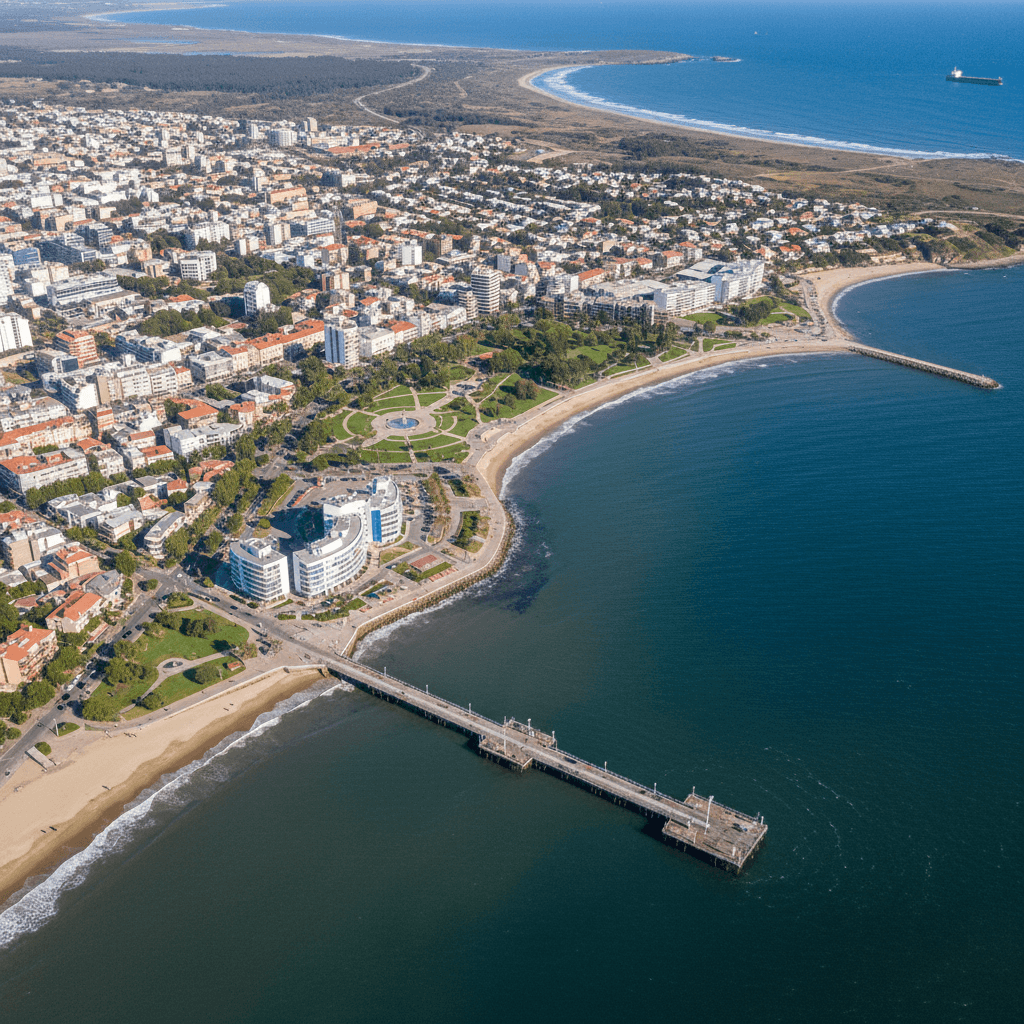
Puerto Madryn is where the rugged Patagonian steppe meets the deep blue of the Atlantic. It isn't your typical high octane nomad hub like Buenos Aires or Medellin. Instead, it’s a place where your morning coffee comes with a side of whale sightings and your "commute" is a breezy stroll along a coastal promenade. The vibe is decidedly sleepy and unpretentious, catering to people who value nature over nightlife and a slow pace over a packed social calendar.
The town serves as the gateway to Peninsula Valdés, a UNESCO World Heritage site that feels like a real life nature documentary. While the town itself is a functional, walkable grid of low rise buildings and seafood joints, the real draw is the immediate proximity to marine giants. Most nomads find that the rhythm of life here is dictated by the tides and the seasons. You aren't here for the underground rave scene; you're here to watch Southern Right Whales breach while you answer emails from a beachfront cafe.
The Nomad Experience
Living here feels like being part of an intentional community. Because the nomad scene is smaller than in the big cities, people tend to look out for one another. Travelers often use the Punta app to find meetups or grab a beer with fellow remote workers. It’s the kind of place where you’ll start recognizing the same faces at the local bakery within three days.
- The "Love" List: The sheer accessibility of wildlife, the low stress environment, reliable fiber optic internet in central spots, and the ability to walk everywhere.
- The "Hate" List: The lack of variety in coworking spaces, the high winds that can occasionally rattle your windows, and the influx of cruise ship passengers that can clog the main pier for a few hours at a time.
Cost of Living Breakdown
While Patagonia is generally more expensive than the north of Argentina due to its remote location, Puerto Madryn remains surprisingly accessible if you're earning in USD or Euros. You'll want to use Western Union or the "blue dollar" market to get the best exchange rates, as official bank rates will effectively double your costs.
- Budget Nomad: $1,000 to $1,500 per month. This covers a bed in a social hostel, plenty of empanadas at $3 to $5 a pop, and sticking to the free beaches rather than paid tours.
- Mid-range Professional: $1,800 to $2,500 per month. This is the sweet spot. You can snag a comfortable 1BR apartment for $500 to $700, eat fresh seafood dinners for $15, and afford a monthly membership at Espacio de Mar.
- High End: $3,000+ per month. This gets you a premium waterfront apartment, daily dining at the best steakhouses, and private tours to see the penguins at Punta Tombo for about $55 per person.
The Emotional Draw
There is a specific kind of peace found here that you won't find in the mountains of Bariloche. It’s the sound of the Atlantic crashing against the shore and the sight of sea lions lounging on the rocks just a few meters from the sidewalk. Expats often describe it as a "healing" destination. It’s a place to reset your nervous system, focus on a big project, and spend your weekends snorkeling in crystal clear water. You come for the whales, but you stay because you realized you haven't felt this relaxed in years.
Expect a bit of a language barrier if your Spanish is rusty. While tour operators speak English, the guy at the hardware store or the woman selling fruit probably won't. However, the locals are famously patient. A smile and a few basic phrases like "¿Cuánto cuesta?" go a long way in this corner of the world.
The Patagonian Premium
Living in Puerto Madryn means balancing the affordability of Argentina with the logistical realities of Patagonia. While it's significantly cheaper than major European or North American hubs, you'll notice prices are roughly 20% to 30% higher here than in Buenos Aires. This is the "isolation tax" for having whales and penguins as your neighbors. Most nomads find that a monthly budget of $1,800 to $2,500 allows for a very comfortable mid-range lifestyle, including a private apartment, frequent seafood dinners, and the occasional wildlife tour.
For those on a tighter budget, you can get by on $1,000 to $1,500 if you're willing to stay in shared accommodations and cook most of your meals. On the flip side, if you're looking for an upscale experience with a high-end private rental, daily taxis, and premium steakhouse visits, expect your monthly burn to exceed $3,000.
Monthly Budget Breakdowns
- Budget (Solo Nomad): $1,000 - $1,500
- Housing: Shared hostel or basic room ($300)
- Food: Street food, empanadas, and groceries ($5 per meal)
- Transport: Local buses ($1 per ride)
- Work: Home WiFi and coffee shop sessions
- Mid-Range (Private Studio): $1,800 - $2,500
- Housing: 1BR studio in Centro ($500 - $700)
- Food: Mix of dining out and cooking ($10 - $15 per meal)
- Work: Dedicated desk at Espacio de Mar ($100 - $150 per month)
- Leisure: Weekend tours to Peninsula Valdés or Punta Tombo
- Comfortable (Premium Living): $3,000+
- Housing: Modern apartment with ocean views ($800+)
- Food: Upscale dining and wine ($25+ per meal)
- Transport: Daily taxis and private rentals ($10+ per ride)
- Leisure: Private wildlife photography tours and e-bike rentals
Housing and Utilities
Most nomads aim for the Waterfront or Centro areas to stay within walking distance of everything. A decent one-bedroom apartment or studio typically runs between 500,000-800,000+ Pesos (~$400-$700 USD at blue rate) per month. Short-term rentals are easiest to find on Booking.com, though long-term expats often find better deals through local Facebook groups or by networking at Espacio de Mar.
Utilities are generally manageable, but keep in mind that high-speed fiber internet is a specific luxury you'll want to confirm before signing any lease. While the town is generally reliable, the best connection speeds of 50 to 100Mbps are usually found in the center.
Dining and Daily Expenses
The food scene is dominated by fresh seafood and classic Argentine parrilla. You can grab a quick lunch of empanadas or street food for $3 to $5. A mid-range dinner at a spot along the promenade will likely cost between $10 and $15, while a high-end steakhouse experience usually caps out around $30 including wine.
Transportation is straightforward because the town is so compact. You'll spend about $1 for a local bus or $5 to $10 for a short taxi ride across town. For digital needs, a local SIM card from Claro or Movistar with a 20GB data package will set you back about $10 to $20, which is highly recommended for coordinating meetups via the Punta app.
The Currency Game
To make these numbers work, you have to understand the local economy. Inflation is a constant factor, so travelers almost exclusively use Western Union or "blue dollar" exchanges to get the best value for their money. Bringing physical USD cash is the smartest move for nomads; it gives you the most leverage and ensures you aren't losing 30% of your purchasing power to official bank rates. Always check the current blue rate before making large purchases like tours or monthly rent.
The Solo Nomad: Waterfront & Centro
If you're landing in Puerto Madryn with a laptop and a need for reliable fiber, the Centro is your base of operations. This isn't like the sprawling barrios of Buenos Aires; it's a compact, walkable grid where the city meets the Atlantic. Most nomads gravitate here because it’s the only area where you can walk from your morning espresso to a coworking desk in under ten minutes.
The heartbeat of the nomad scene is Espacio de Mar. It's the primary hub for community, costing around $15 per day or $150 per month. You'll find the best WiFi speeds here, often hitting 50 to 100Mbps, which is a relief after traveling through more remote parts of Patagonia. When you aren't working, the promenade is right there for sunset walks or a quick seafood lunch. Living here means you don't need a car, and you're close to the bus stops for weekend trips to see the penguins at Punta Tombo.
- Rent: Expect to pay between $300 and $500 for a decent studio or one bedroom apartment if you're booking through local contacts or looking for monthly stays.
- Vibe: Social, convenient, and active. It gets busy when cruise ships dock, but that's when you retreat to the cafes.
- Best for: Networking, ease of transport, and those who want to be steps away from the water.
The Long-Term Expat: Southern Outskirts
Expats who plan to stay for a season or longer often move south along the coast, away from the pier and the cruise ship crowds. This area feels less like a tourist hub and more like a residential beach town. It’s quieter, the air feels a bit saltier, and you get more space for your money. You'll likely want a bike or an occasional taxi to get into the center, as it's a longer trek than most care to do daily.
Living here allows for a more "local" rhythm. You'll frequent the smaller neighborhood butcher shops and bakeries rather than the tourist focused spots on the main drag. It's a great spot if you've already made your friends and just want a peaceful place to focus on deep work. Taxis into the center are affordable, usually running between $5 and $10 for a short ride.
- Rent: Prices are similar to the center, but you'll often get a larger balcony or a better view of the gulf for about $600 to $800.
- Vibe: Relaxed, residential, and scenic.
- Best for: Deep work, peace and quiet, and those staying 3+ months.
Families: Northern Residential Zones
For families, the northern side of town near the access roads to Peninsula Valdés offers a bit more breathing room. It’s significantly quieter than the Centro and feels very safe for kids to play outside. You’re closer to the natural landscapes and the starting points for wildlife tours, which is a huge plus if you’re here to show the kids the orcas and sea lions.
The trade off is the lack of walkability. You’ll almost certainly need a rental car or a reliable driver to handle grocery runs and school trips. However, the homes here often come with small yards or patios, which are rare in the high rise apartments of the waterfront. It's the best choice for those who want a "home base" feel rather than a "hotel" feel.
- Rent: Larger houses can be found for $800 and up, depending on the proximity to the beach.
- Vibe: Safe, family oriented, and quiet.
- Best for: Those with children or anyone who prefers a private house over an apartment.
Budget Travelers: Near the Bus Terminal
If you're watching every penny, the streets surrounding the bus terminal offer the most affordable beds in town. This area is packed with hostels and budget "residenciales." While it lacks the charm of the waterfront, it’s incredibly practical. You’re close to the cheapest empanada shops, where a meal might cost you only $5, and you can easily catch the $1 local buses to explore the outskirts.
The social scene here is built around communal kitchens and shared dorms. It can get a bit noisy with travelers coming and going at odd hours, but it’s the easiest place to find a travel partner for a $55 tour to Punta Tombo. Most budget travelers use the Punta app to find meetups in this area, bridging the gap between the hostel crowd and the digital nomad community.
- Rent: Hostel beds go for around $300 a month, while basic private rooms can be found for $450.
- Vibe: High energy, transient, and very social.
- Best for: Backpackers, solo travelers on a shoestring, and short stays.
Digital Infrastructure and Connectivity
Puerto Madryn isn't a tech hub like Buenos Aires, but it holds its own for remote work. Most central accommodations and modern apartments now feature reliable fiber optic connections. You can generally expect speeds between 50Mbps and 100Mbps in the city center, which is plenty for video calls and heavy uploads. If you're staying further out toward the Peninsula Valdés access points, speeds can drop, so always ask for a speed test screenshot before booking a long-term stay.
Mobile data is your best backup. Local providers like Claro and Movistar have solid 4G coverage throughout the town. You can grab a physical SIM card locally for about $10 to $20, which usually nets you around 20GB of data. If your phone supports it, an Airalo E-SIM is a seamless way to get connected the moment you land, though it usually costs a bit more than local rates. Most nomads find that having a dedicated data plan is a must for coordinating whale watching tours or making restaurant reservations via WhatsApp.
Public WiFi is common in the cafes lining the promenade, but security can be hit or miss. Expats usually recommend using a VPN like ExpressVPN when working from these spots. While the connection is usually stable, occasional power flickers can happen during Patagonia's windier days, so keep your laptop charged.
Coworking Spaces and Community
The coworking scene in Madryn is small but high quality. If you need a professional environment to escape the "sleepy beach town" distractions, Espacio de Mar is the go-to spot. It serves as the unofficial headquarters for the local nomad community. It's a bright, vibrant space with dedicated desks and a collaborative atmosphere that makes networking easy.
- Daily Pass: check current rates on arrival or via Punta app.
- Monthly Membership: check current rates via Punta app or on arrival.
- Best Features: High-speed backup internet, ergonomic chairs, and a coffee station that actually tastes good.
For those who prefer a more social way to find work buddies, the Punta app is widely used here. It's the best tool for finding local meetups or seeing which other nomads are in town for the season. You'll likely find people organizing post-work sunset drinks at the pier or weekend trips to see the penguins at Punta Tombo.
The Laptop-Friendly Cafe Scene
If you prefer the hum of a coffee shop over a quiet office, the waterfront promenade is your best bet. Many of the cafes overlooking the Golfo Nuevo offer decent WiFi and plenty of power outlets. It's common to see people working with a view of the water, occasionally spotting a whale breach in the distance during peak season.
- Centro Waterfront: Most cafes here are used to people staying for a few hours. Just avoid the lunch rush between 1:00 PM and 3:00 PM when tables are in high demand for diners.
- Punta Pirámides: While it's a bit of a trek, some nomads head here for a "workation" day. The WiFi is less predictable, but the whale-view dining is unbeatable.
- Hotel Lobbies: The larger hotels near the pier often have quiet lounge areas with reliable internet if the promenade cafes get too noisy with cruise ship tourists.
Keep in mind that Puerto Madryn follows a traditional Argentine schedule. Many smaller businesses might close for a few hours in the afternoon for a siesta. The coworking spaces and larger cafes usually stay open, but it's something to plan your errands around if you need tech supplies or specialized services.
Personal Safety and Local Vibes
Puerto Madryn is one of the safest spots in Argentina for remote workers. It lacks the frantic energy of Buenos Aires, replacing it with a sleepy beach town atmosphere where you can comfortably walk the central promenade at night without looking over your shoulder. Most nomads find the Waterfront and Centro areas perfectly safe for solo evening strolls after a work session at a cafe.
The biggest "threat" here isn't crime, it's the wind and the isolation of the Patagonian steppe. While there are no specific "no-go" zones to worry about, you should stick to the well-lit main streets near the pier and the bus terminal late at night. Petty theft like bag snatching is rare, but don't leave your MacBook unattended at a beachside table while you go for a swim. Standard street smarts apply, even in a town this relaxed.
If you're heading out to Peninsula Valdés or Punta Tombo, the safety concerns shift to the road. The gravel paths (ripio) can be treacherous if you're driving a rental car. Expats usually recommend booking a tour or using a reputable taxi service for these long hauls. Taxis are plentiful and can be hailed on the street or booked via apps like Cabify, with short rides around town usually costing between $5 and $10.
Healthcare and Medical Services
For a town of its size, Puerto Madryn has reliable medical infrastructure. It's well-equipped to handle the basics and common traveler ailments, though for highly specialized surgeries, locals often head to Trelew or fly back to the capital. The public hospital and private clinics in the center are the go-to spots for nomads.
- Emergency Number: Dial 107 for an ambulance.
- Pharmacies: You'll find plenty of "Farmacias" along the main drags like Avenida Roca. They operate on a rotating "de turno" system for 24-hour service, which you can check on signs posted in their windows.
- Insurance: Most travelers use international providers like SafetyWing or World Nomads. Private clinics will often require payment upfront in pesos or dollars, which you then claim back from your provider.
The water in Puerto Madryn is generally considered safe to drink, but it has a high mineral content that might upset your stomach if you're staying short-term. Most long-term expats stick to bottled water or use a filter. If you find yourself in a pinch, the local pharmacists are incredibly helpful and often speak a bit of English, though having Google Translate downloaded for offline use is a smart move for explaining specific symptoms.
Practical Tips for a Smooth Stay
Since the town grows significantly when cruise ships dock, the local clinics and pharmacies can get crowded. If you have a non-urgent health concern, try to handle it on days when there isn't a massive ship in the harbor. For digital nomads, the Punta app is a great resource for asking the local community for recommendations on English-speaking doctors or specific dental clinics.
Lastly, keep an eye on your skin. The Patagonian sun is deceptively strong because of the cool breeze. Travelers often report getting nasty burns while whale watching because they didn't feel the heat. Stock up on high-SPF sunscreen at a local pharmacy, as it's often more expensive here than in the US or Europe due to import taxes.
The Walkability Factor
Puerto Madryn is one of those rare Patagonian spots where you don't actually need a car for your daily routine. The city center and the beachfront promenade are incredibly compact. Most nomads find that if they stay in the Centro area, everything from the grocery store to the Espacio de Mar coworking hub is within a fifteen minute stroll. The promenade is the local heartbeat; it's wide, paved, and perfect for a sunset walk after a long day of deep work.
Taxis and Ridesharing
If you're heading further out or carrying heavy groceries, skip looking for an Uber. It doesn't really exist here in the way you're used to. Instead, hail a radio taxi on the street or use remis apps if available. They are plentiful, safe, and regulated. A short ride across town usually runs between $5 and $10. For late night trips back to your apartment, travelers generally recommend sticking to these official taxis rather than walking the quieter outskirts alone.
Public Buses
The local bus system is functional but requires a bit of a learning curve. Rides are cheap, typically around $1, but you'll need a plastic SUBE card to pay the fare. You can pick these up and top them off at small shops called "kioscos" around town. While the local lines are fine for getting to the residential edges of the city, they aren't the best way to see the actual sights like Peninsula Valdés.
Reaching the Wildlife
The biggest logistical hurdle in Madryn is getting to the nature reserves. Places like Punta Tombo or the whale watching docks at Punta Pirámides are a significant distance away. You have three main options:
- Organized Tours: This is the path of least resistance. Most nomads book through local operators for around $150-$180 per person. They pick you up at your door, which saves the headache of navigating gravel roads.
- Car Rentals: If you want total freedom, renting a car is the way to go, but it's pricey. Expect to pay a Patagonia premium. It's only worth it if you have a group of four to split the cost.
- Bikes and E-Bikes: For closer excursions, like visiting the sea lion colony at Lobería de Punta Loma, renting an e-bike is a popular move. These rentals usually cost around $50 for a guided tour or a full day, and the coastal path is relatively flat and easy to navigate.
Airport Transfers
When you fly in, you'll likely land at El Tehuelche Airport (PMC), which is only about ten minutes from town. A taxi to the center costs roughly $15 to $20. Some travelers fly into Trelew (REL) instead because flights can be cheaper on carriers like FlyBondi or JetSmart. If you land in Trelew, be prepared for a 60 minute bus or shuttle ride to reach Puerto Madryn, which adds a bit of travel time to your arrival day.
Getting Around Summary
- Daily Commute: Walking or biking. The city is flat and the air is fresh.
- Intercity Travel: Use the main bus terminal for long distance trips to places like Bariloche or Buenos Aires.
- Essential Apps: Google Maps for bus routes, though the latter can be hit or miss with real time schedules.
- Pro Tip: Always keep some cash (pesos) on hand for small transport fees, as card readers in taxis can be temperamental.
The Local Linguistic Landscape
In Puerto Madryn, Spanish is the undisputed king. While you'll find a higher level of English here than in the more remote corners of Patagonia, it's still relatively low once you step away from the tour operators and high end hotels. Most nomads find that while they can get by with "Portuñol" or frantic gesturing, having a basic grasp of Spanish transforms the experience from being a mere observer to feeling part of the community.
The local accent has that distinct Argentine lilt, where the "ll" and "y" sounds carry a "sh" sound. Don't be surprised if you hear locals calling the beach "la plasha" instead of "la playa." It takes a few days to tune your ears, but the residents are notoriously patient and welcoming toward those trying to learn. They appreciate the effort, even if you're just stumbling through a coffee order at a cafe along the promenade.
Digital Communication and Apps
Communication isn't just about what you say; it's about how you connect. In this part of the world, WhatsApp is the lifeblood of daily life. You'll use it for everything from booking a whale watching tour to checking if a table is free at a seafood spot. If a business has a phone number listed, they almost certainly expect a text rather than a call.
For nomads looking to break the ice, the Punta app is the go to tool. It's becoming the standard for the local nomad community to organize meetups, find gym buddies, or see who's working out of Espacio de Mar for the day. Travelers often recommend joining the Argentina Digital Nomads Facebook group as well, though the real time connections usually happen on more localized Telegram or WhatsApp threads once you arrive.
Staying Connected
Don't rely on your home roaming plan unless you want a massive bill. Expats recommend grabbing a local SIM card immediately to stay in the loop. You have three main choices:
- Claro: Generally considered to have the most consistent coverage across Chubut province.
- Movistar: A solid runner up with good speeds in the town center.
- Personal: Reliable, though sometimes spotty once you head out toward the Peninsula.
Expect to pay around $20-$50 for 10-20GB at blue dollar rate depending on provider. If you have a newer phone, Airalo offers e-SIMs that work well, though they're slightly pricier than buying a physical card at a local kiosk. Having data is vital for using Google Translate offline when you're navigating menus or reading signs at the nature reserves.
Practical Language Tips
You don't need to be fluent to enjoy the sleepy beach town vibe, but a few phrases go a long way. Beyond the standard "Hola" and "Gracias," keep these in your back pocket:
- ¿Cuánto cuesta?: How much does it cost? Use this at the local markets where prices might not be clearly marked.
- La cuenta, por favor: The bill, please. Servers in Argentina generally won't bring the check until you ask for it.
- ¿Tenés WiFi?: Do you have WiFi? Essential for the "laptop lifestyle" days.
- ¿Hay señal?: Is there a signal? You'll use this often when heading out to see the penguins at Punta Tombo where service is non-existent.
If you're planning a longer stay, consider a few weeks of informal tutoring. There aren't many large language schools in town, but you can often find private tutors through the Punta app or by asking the staff at Espacio de Mar. It's a great way to meet a local and get the inside track on the best places to eat away from the cruise ship crowds.
The Seasonal Rhythm of Patagonia
Puerto Madryn doesn't follow the typical four season calendar you might expect. Instead, the city breathes according to the migration patterns of its most famous residents: the Southern Right Whales. For nomads and travelers, your timing depends entirely on whether you want to work with a view of breaching giants or if you prefer the sunnier, beach focused summer months.
The climate here is semi arid and notoriously windy. Because it's coastal Patagonia, the weather can be temperamental. You might start your morning in a light sweater and end it shielding your eyes from a dust storm or soaking up intense Southern Hemisphere sun. The humidity stays low, which makes the heat manageable and the cold feel crisp rather than damp.
Wildlife Peak: June to December
This is the window that puts Puerto Madryn on the map. The Southern Right Whales arrive in **June** and stay through **December**. If you are looking for that iconic experience where you can see whales from the shore while sipping a coffee at a promenade cafe, aim for **September or October**. This is the absolute peak for sightings and, consequently, the busiest time for tourism.
- June to August: It is cold, with highs around **12°C (54°F)** and nights dropping to **2°C (36°F)**. It is low season for humans but the start of whale season. You will find the best apartment deals now, but you will need a heavy coat for those sunset walks.
- September to November: This is the sweet spot. The penguins arrive at Punta Tombo in **late September**, and the whales are at their most active. Expect daytime temperatures between **15°C and 22°C (59°F to 72°F)**. It is windy, so bring a high quality windbreaker.
- December: The whales begin to leave, but the weather warms up significantly. It is a transitional month where you can still catch some marine life before the summer crowds take over the beaches.
Beach Season: January to March
When the whales leave, the locals and Argentine tourists take over. **January and February** are the hottest months, with temperatures often climbing to **30°C (86°F)**. This is when the "sleepy beach town" vibe actually feels like a beach town. The water is still chilly, usually around **18°C (64°F)**, but it's the best time for snorkeling with sea lions or taking out a kayak.
Most nomads find this time a bit chaotic. Prices for short term rentals on sites like Booking.com can spike by **30% to 50%** as families from Buenos Aires head south for their summer holidays. If you enjoy a social atmosphere and don't mind a crowded promenade, the summer energy is fantastic.
The Quiet Shoulder: April and May
If your priority is deep focus and low costs, the autumn months are your best bet. The wildlife is sparse, but the weather remains relatively mild and the wind finally dies down. Highs hover around **18°C (64°F)** in **April**. You won't see whales, but you will have the run of the local cafes and the **Espacio de Mar** coworking space without the tourist rush. Expats living here long term often cite these months as the most peaceful time to enjoy the natural beauty of the Chubut province.
What to Pack for the Nomad Life
Regardless of when you visit, the "Patagonian Layer" is a requirement. Even in the height of summer, the temperature can plummet the moment the sun goes down or the wind picks up off the Atlantic. Most travelers recommend a mix of lightweight base layers, a solid fleece, and a shell that can block the wind. If you plan on doing the **Punta Tombo** penguin tour or visiting **Peninsula Valdés**, bring sturdy walking shoes; the terrain is dusty and gravelly.
Digital nomads should also keep an eye on the cruise ship schedule. On days when large ships dock at the pier, the central cafes and the main street, **Avenida Roca**, become significantly more crowded. If you have a high stakes Zoom call, those are the days to stick to your home office or book a dedicated desk at a coworking spot to ensure your background noise stays under control.
Connectivity and Workspace
Internet reliability in Puerto Madryn is surprisingly solid for a Patagonian outpost. Most central cafes and rentals offer fiber connections reaching 50 to 100Mbps, which is plenty for video calls and heavy uploads. If your Airbnb WiFi feels shaky, head to Espacio de Mar. It is the go to hub for the local remote work crowd, offering dedicated desks and a community vibe for about $15 a day or $150 a month.
For mobile data, grab a local SIM from Claro or Movistar. You can expect to pay around $10 to $20 for a 20GB package. While e-SIMs like Airalo are convenient, local physical SIMs often provide more stable coverage when you are heading out on tours toward Peninsula Valdes. Always keep a VPN active on public networks at the beachside cafes along the promenade.
Money and Budgeting
Argentina's economy is famous for its swings, so the best way to manage your cash is through Western Union or by bringing crisp USD bills to exchange at the "blue dollar" rate. This can effectively double your purchasing power compared to using an official bank ATM. While Puerto Madryn is cheaper than many European hubs, expect to pay a small premium compared to Buenos Aires due to its isolated location.
- Budget Tier: Plan for $1,000 to $1,500 a month. This covers a hostel bed or modest room, plenty of empanadas at $5 a meal, and local bus fare.
- Mid-range Tier: Most nomads spend $1,800 to $2,500 a month. This gets you a private 1BR studio, coworking access, and regular seafood dinners.
- Comfortable Tier: At $3,000+, you are looking at high end apartments, daily taxis, and private wildlife tours.
Getting Around
The town center is highly walkable and centered around the waterfront promenade. You won't find Uber here, so download Cabify or just hail a traditional taxi on the street for short trips, which usually cost between $5 and $10. For longer hauls to see the penguins at Punta Tombo or the whales at Piramides, most travelers find it easiest to book a tour or rent a car, as public buses to these remote spots are infrequent.
If you want some exercise, e-bike rentals are a popular way to reach the nearby sea lion colonies. A guided e-bike tour typically runs around $50. For arrivals, the PMC airport is a short $5-$10 taxi ride from the center. You can find affordable domestic flights via FlyBondi or JetSmart if you book a few weeks in advance.
Language and Social Life
Spanish is the primary language, and while tour operators and hotel staff speak English, you will want a translation app for daily life. Locals are incredibly welcoming to nomads, but the social scene is more about shared experiences than late night parties. Use the Punta app to find meetups or join the Argentina Digital Nomads group on Facebook to see who is in town.
Dining is the main social activity. Expats recommend the steak and seafood spots along the promenade for sunset views. If you are looking for a community, Espacio de Mar often hosts low key gatherings that help bridge the gap between travelers and the local expat community.
Need visa and immigration info for Argentina?
🇦🇷 View Argentina Country GuideHidden Gem
Worth the effort