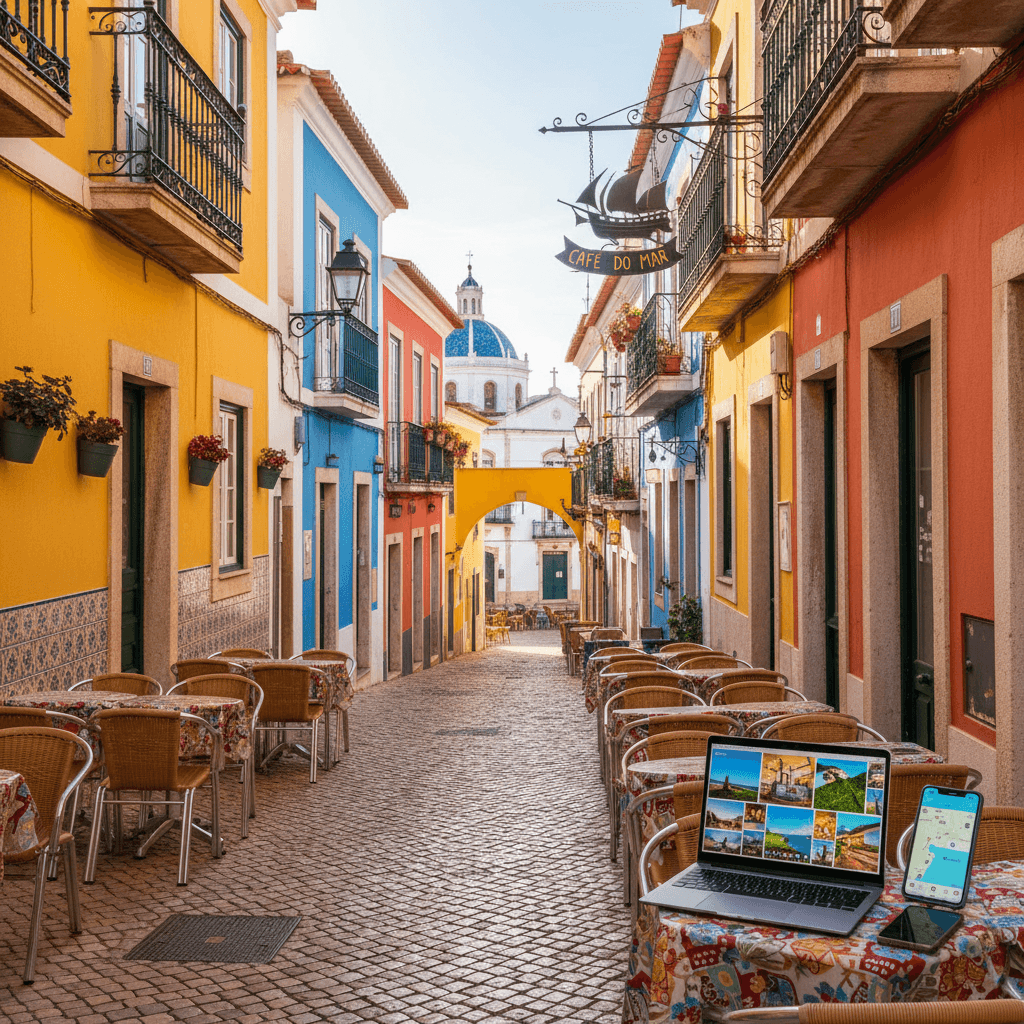
Portimão
🇵🇹 Portugal
The Atlantic Soul of the Algarve
While Lisbon grabs the headlines and Porto takes the prestige, Portimão is where you go when you actually want to hear the ocean from your desk. It is a city that hasn't entirely traded its fishing heritage for tourist glitz. You will still see local trawlers hauling in the morning catch near the Arade River, even as digital nomads sip flat whites at indie cafes a few blocks away. It feels grounded, salt-stained, and significantly more affordable than the capital.
The vibe here is a distinct mix of slow-living and outdoor adrenaline. Most nomads find the pace of life shifts their priorities; you might start your day with a 7:00 AM surf session at Praia da Rocha before heading to a deep-work block at HUB Ativo. It is less about the "hustle culture" of major hubs and more about finding a high-quality lifestyle for about €2,000 to €2,500 a month. It is the kind of place where people actually stop to talk to their neighbors, and the community of remote workers is tight-knit but welcoming.
Where to Set Up Base
Choosing a neighborhood in Portimão changes your entire experience. If you want the convenience of being able to walk everywhere, the center is your best bet, though some pockets feel a bit weathered. If you are here for the water, the outskirts offer a different rhythm.
- Praia da Rocha: This is the beachfront heart of the action. It is perfect if you want to be steps from the sand and surrounded by bars and restaurants. It gets loud and crowded in August, but during the shoulder seasons of May or September, it is a nomad paradise.
- Alvor: Located just to the west, this former fishing village is the darling of the expat community. It is quieter, more authentic, and offers slightly lower rents. It is less walkable for those without a car, but the calm atmosphere is worth the trade-off.
- Old Town / Center: This is where you will find the local markets and the most affordable grocery stores. It is more "real Portugal" than the beachfront, though you will have to deal with a bit more traffic.
The Cost of Coastal Living
Your budget goes a lot further here than in Northern Europe or the States. While prices rise during the peak summer months, the baseline costs remain manageable for mid-career professionals. Most expats recommend using Idealista or local agencies like Casas do Barlavento to secure mid-term housing.
- Housing: A decent one-bedroom apartment in the center usually runs between €800 and €1,200. If you look toward Alvor, you might find spots for €700.
- Dining: You can grab a quick street food lunch for €5 to €8. A proper seafood dinner at a spot like Casa de Pasto Alex will usually cost between €15 and €25 including wine.
- Connectivity: Coworking desks at Audaces Hub or Startup Portimão cost roughly €150 to €250 a month. Internet speeds are surprisingly snappy, often hitting 150 Mbps.
Work, Sun, and Logistics
The logistics of living here are straightforward. English is spoken almost everywhere thanks to decades of tourism, but dropping a "Bom dia" or "Obrigado" goes a long way with the locals. For getting around, Uber and Bolt are reliable and cheap, but many nomads prefer renting a scooter for about €15 a day to zip between the cliffs and the cafes.
The weather is the biggest draw. With over 300 days of sunshine, the "winter" is really just a mild spring with highs of 16°C in January. The best time to be here is April through June, when the air is warm, the flowers are blooming, and the massive summer crowds haven't yet descended on the beaches. You get the best of the Atlantic lifestyle without the suffocating heat of the interior or the price tag of a major metropolis.
If you are applying for the D8 Digital Nomad Visa, Portimão is a fantastic home base. The local community through groups like Algarve Digital Nomads provides a ready-made social life, making it easy to transition from a solo traveler to a local regular. It is a place that rewards those who prefer a sunset over a nightclub and a surfboard over a subway pass.
The Price of Paradise
Living in Portimão gives you that classic Algarve lifestyle without the eye watering price tag of Lisbon or Porto. Most nomads find their money goes significantly further here, especially when it comes to dining out and daily expenses. While prices have ticked up recently, it remains one of the more affordable coastal hubs in Western Europe.
You can expect to spend about €1,500 a month if you're keeping things lean, sticking to shared housing and local tascas. For a more typical nomad experience with a private apartment and frequent café visits, budget between €2,000 and €2,500. If you want the high end life with a sea view in Praia da Rocha and regular dinners at spots like Duna Beach, you'll need €3,000 or more.
Monthly Budget Breakdown
- Housing: A modern one bedroom in the city center typically runs €800 to €1,200. If you head slightly west to Alvor, you can often find better value between €700 and €1,000.
- Coworking: Dedicated desks at HUB Ativo or Audaces Hub cost between €150 and €250 per month. Daily passes usually hover around €15 to €20.
- Groceries & Dining: A casual lunch at a local spot like Casa de Pasto Alex costs about €15. If you're cooking at home and shopping at local markets, €300 to €400 a month covers a lot of high quality produce and fresh fish.
- Transport: The Vai e Vem bus system is cheap, and a monthly pass is around €40 to €60. Most people just use Bolt or Uber for short trips, which rarely cost more than €5 to €10 within the city.
The Neighborhood Trade-off
Where you park your laptop changes your overhead. Praia da Rocha is the heart of the action, but you'll pay a premium for the proximity to the sand and the 50 to 150 Mbps fiber lines. It’s walkable and lively, though it gets pricey and loud during the peak summer months of July and August.
The Old Town is the savvy choice for long term stays. It’s more authentic, quieter, and puts you closer to the municipal markets where food prices are lowest. Expats often recommend Alvor for a village feel; it’s slower and more charming, though you might find yourself spending more on transport since it’s less walkable to the main coworking hubs.
Practical Savings
To keep costs down, skip the tourist traps along the main beach promenade. Head a few streets back into the residential areas for "Prato do Dia" (plate of the day) specials, which usually include a main, drink, and coffee for under €12. For connectivity, grab a local SIM from MEO or Vodafone for about €10 to €20 a month for heavy data usage rather than relying on international roaming.
If you're planning to stay long term on a D8 visa, remember the government usually looks for a monthly income around €3,680. While you don't need to spend that much to live comfortably, it's the benchmark for residency. Most travelers find that Portimão offers a high quality of life for a fraction of what they’d spend in North America or Northern Europe.
For the Beach-Focused Nomad: Praia da Rocha
If your version of a perfect Tuesday involves answering emails with sand between your toes, Praia da Rocha is your base. It is the most energetic part of Portimão, defined by a massive stretch of golden sand and a cliffside boardwalk lined with bars. Most nomads choose this area because it is completely walkable; you can hop from your apartment to Audaces Hub or HUB Ativo in minutes.
The vibe here is undeniably touristy, especially from June to September. You will pay a premium for the convenience, with modern 1-bedroom apartments typically running between €1,000 and €1,200. While it is the best spot for meeting people at beach volleyball games or sunset drinks, the noise levels can be high during the peak summer months. It is ideal for those who want to be in the thick of the action and do not mind sharing their neighborhood with holidaymakers.
For the Long-Term Expat: Portimão Old Town (Center)
The city center is where you go to find the "real" Portimão. It lacks the immediate beach access of the coast, but it makes up for it with lower rents and a more authentic Portuguese lifestyle. You will find local markets, traditional bakeries, and the Startup Portimão incubator nearby. Expats often prefer this area because it stays active year-round, unlike the seasonal coastal strips.
Living here is easy on the wallet. Rent for a central apartment often sits around €800 to €1,000. You will be closer to the main transport hubs, making it easy to catch the EVA bus to Lagos or Silves for €5. Just be aware that some streets feel a bit weathered, and parking can be a headache in the narrow lanes. It is a great choice if you want to practice your Portuguese and avoid the "resort" bubble.
For Families and Quality of Life: Alvor
Located just west of the main city, Alvor is a former fishing village that has managed to keep its charm. It is the top pick for families and remote workers who prioritize peace and quiet over nightlife. The neighborhood features a stunning lagoon and a long wooden boardwalk that is perfect for morning runs or pushing a stroller. Most expats here recommend it for the "slow living" pace that the Algarve is famous for.
- Rent: Expect to pay €700 to €1,000 for a comfortable space, though prices rise for villas.
- Atmosphere: Quiet, village-like, and very safe.
- Amenities: Fewer coworking spaces, so you will likely be working from home or local indie cafés.
While Alvor is less walkable if you need to get into Portimão proper, it offers a high standard of living. You are never more than a few minutes from the water, and the seafood restaurants along the harbor, like Dona Barca, are some of the best in the region. It is the neighborhood where people actually stop to talk to their neighbors.
For Solo Travelers and Budget Seekers: Near the Riverside
The area along the Arade River, particularly near the Jardim 1º de Dezembro, is a sweet spot for solo travelers. It bridges the gap between the old town and the path to the beach. You get the benefit of being near the Motorent scooter rental shops and the best grilled sardine spots without the Praia da Rocha price tag. Solo travelers often find this area easier for socializing because of the high concentration of affordable cafés with 100 Mbps internet.
Budget-conscious travelers can get by on roughly €1,500 a month here by utilizing shared housing and local markets. It is central enough that you do not need a car, and Uber or Bolt rides to the nearby surf spots usually cost less than €10. It is a practical, no-frills entry point into the Algarve lifestyle.
Connectivity and Speed
You won't have to worry about dropping off a Zoom call while watching the Atlantic waves. The Algarve has seen a massive infrastructure boost lately, and Portimão sits right in the sweet spot. Most apartments and cafes offer fiber optic connections with speeds ranging between 50 and 150 Mbps. It’s reliable enough for heavy data lifting, though you might find the signal gets a bit spotty in the older, thick-walled stone buildings in the city center.
If you're planning to work from your rental, always ask for a speed test screenshot before booking. While the city is modern, some older Alvor properties still rely on basic ADSL. For a backup, grab a local SIM card immediately. MEO, NOS, and Vodafone are the big three. You can pick up an unlimited data SIM for about €10 to €20 per month at the Aqua Portimão Shopping Center. Most nomads prefer Vodafone for its consistent coverage along the coastline.
The Best Coworking Spaces
Portimão has moved past being just a vacation spot and now hosts a legitimate professional community. You'll find a mix of tech founders, freelance designers, and remote corporate workers in these hubs:
- HUB Ativo: This is the most popular choice for serious focus. It’s centrally located and offers a professional environment with ergonomic chairs and private meeting rooms. Expect to pay around €15 to €20 for a day pass or roughly €150 to €200 for a monthly desk.
- Audaces Hub: A great pick if you want a more boutique, community-driven feel. It’s close to the shops and local eateries, making it easy to grab a €10 lunch special during your break.
- Startup Portimão: Located near the Parque de Feiras e Exposições, this space is geared toward entrepreneurs. It’s a bit more "incubator" style but offers excellent networking opportunities if you're looking to connect with the local Portuguese startup scene.
Laptop-Friendly Cafes
The cafe culture here is welcoming, though the "laptop out" etiquette varies. In the height of summer, beachside spots in Praia da Rocha expect a high turnover, so it’s best to avoid camping out there with your MacBook. Instead, head to the indie spots in the old town or the quieter corners of Alvor.
Most nomads recommend the cafes near the riverfront for a morning session. You'll find decent Wi-Fi and plenty of power outlets. Just remember the local unwritten rule: keep the coffee and pastéis de nata flowing if you're occupying a table for more than an hour. A "galão" (Portuguese latte) usually costs less than €2, so it’s an affordable way to change your scenery.
Practical Remote Work Tips
If you’re staying for the long haul on a D8 Digital Nomad Visa, you’ll eventually need a more permanent setup. Local real estate agencies like Casas do Barlavento can help find "winter lets" between October and May. These are often significantly cheaper than the summer rates, sometimes dropping as low as €800 a month for a solid one-bedroom apartment with decent internet.
For networking, join the Algarve Digital Nomads groups on Facebook or Meetup.com. While Lagos is often cited as the main nomad hub nearby, Portimão is where people go when they want those same amenities without the "backpacker" bubble. You get the community perks of the Algarve but with more space to breathe and lower monthly overheads.
Staying Safe in the Algarve
Portugal consistently ranks as one of the safest countries in the world, and Portimão follows that trend. Most nomads find the city incredibly relaxed, even late at night. You won't find the same level of street hustle as you might in Lisbon, but the usual common sense applies. Keep an eye on your belongings at Praia da Rocha during the peak summer months, as crowded beach areas are the most likely spots for petty theft.
Violent crime is rare here. While there aren't specific "no go" zones, some parts of the Old Town can feel a bit dark and quiet after hours. If you're walking home alone, stick to the well lit main roads rather than taking shortcuts through narrow, deserted alleys. Travelers often say they feel perfectly comfortable walking between the marina and the city center at 2:00 AM, but it's always better to use Uber or Bolt if you're headed to a more isolated residential area.
One specific safety tip for the Algarve: respect the cliffs and the ocean. The Atlantic waves can be surprisingly strong, and the limestone cliffs are prone to erosion. Always pay attention to the warning signs on the beaches and stay behind the safety fences at lookout points.
Healthcare Infrastructure
If you get sick or injured, you're in good hands. Portimão is home to a major public facility, Hospital de Portimão, which is equipped to handle emergencies. The staff generally speaks excellent English, particularly the younger doctors. For non-emergencies, many expats recommend private clinics like Hospital Particular do Algarve in nearby Alvor. It's faster, more modern, and feels more like a private office than a busy ward.
- Emergency Number: Dial 112 for police, fire, or ambulance services across Portugal.
- SNS24: Call 808 24 24 24 for a 24/7 health line where nurses can advise you in English if you need a hospital or just a pharmacy.
- Pharmacies: Look for the green cross. Farmácia Portimão and Farmácia Arade are central and reliable. They can handle minor ailments like "surfer’s ear" or mild sunstroke without a doctor's visit.
Insurance and Costs
If you're under the D8 Digital Nomad Visa, you'll need private health insurance as part of your application. Once you have your residency permit, you can access the public system (SNS), though most nomads keep their private plans to skip the long wait times for specialists. A standard private consultation usually costs between €40 and €60 if you're paying out of pocket.
For those just passing through for a few months, travel insurance like SafetyWing or Genki is the standard choice. Just make sure your policy covers coastal activities if you plan on surfing or taking boat tours along the Benagil caves.
Pharmacies and Daily Wellness
The local pharmacies operate on a rotation system (serviço de permanência) to ensure at least one is open 24 hours a day in the city. You can check the list posted on any pharmacy door to see which one is on duty that night. For basic supplies like sunscreen, vitamins, or contact lens solution, you'll find prices are reasonable, usually around €10 to €20 for name brand products.
Tap water in Portimão is safe to drink, though it has a high mineral content that some people find tastes a bit "heavy." Most long term residents use a filter pitcher like Brita or buy large water jugs from the supermarket to save money and reduce plastic waste.
Getting Around Portimão
Portimão is a city of two halves. You have the riverside old town and the beach focused Praia da Rocha. While they’re technically connected, how you move between them depends on whether you're chasing a sunset surf or heading to a morning meeting at HUB Ativo. Most nomads find the city surprisingly walkable, especially if you base yourself near the center or the waterfront.
Public Transit and Local Buses
The local bus network, known as Vai e Vem, is your best bet for hopping between neighborhoods without breaking the bank. It connects the city center, Alvor, and the beach areas quite reliably. You'll usually pay between €1.50 and €2.00 for a single ticket, though many expats recommend getting a rechargeable pass if you're staying for a month or more. For longer trips down the coast to Lagos or Sagres, the EVA buses are the regional workhorse. Expect to pay between €2 and €5 for a one way trip to nearby towns.
Ride-Hailing and Taxis
If you're out late in Praia da Rocha or carrying groceries back to an apartment in Alvor, ride-hailing apps are the way to go. Both Uber and Bolt operate heavily here. A typical ten minute hop across town usually costs between €5 and €8. During the peak of summer in August, prices can spike and wait times grow, but generally, it's a very affordable way to get around. Traditional taxis are available too, especially at ranks near the train station and the riverside, but they usually cost a bit more than the apps.
Bikes and Scooters
The Algarve is becoming much more bike friendly, and Portimão has several dedicated paths along the river and the coast. You can grab electric scooters or bikes through services like Nomads & Co or Motorent. Rentals usually run between €10 and €20 per day. If you're a digital nomad staying for the season, it’s often cheaper to rent a long term bike from a local shop in the center. Just be careful with the cobblestones in the old town; they can be slippery when wet and rough on thin tires.
Walking the City
If you live near the Portimão Old Town, you can reach most markets, cafes, and the Audaces Hub coworking space on foot. The walk from the center down to Praia da Rocha takes about 20 to 25 minutes along a scenic riverside path. It’s a favorite route for locals during the golden hour. Most travelers say that as long as you aren't trying to trek to Alvor in the midday July heat, walking is the most pleasant way to see the city's street art and hidden sardine spots.
Airport Transfers
Faro Airport is the main gateway, located about an hour away. You have a few solid options for getting into the city:
- Shuttle Buses: Pre-booked shared shuttles usually cost €20 to €30 per person and drop you right at your accommodation.
- Private Transfers: A direct taxi or private car will run you about €50 to €70, which is a great deal if you're traveling in a small group.
- Trains: You can take a taxi from the airport to the Faro train station, then a regional train to Portimão for under €10. It’s the cheapest route, but it's slow and the trains don't run very late.
Car Rentals
While you don't need a car to live in Portimão, you'll definitely want one to explore the hidden cliffs and surf spots of the west coast. Local rental agencies often have better deals than the big airport brands. During the off season, you can find cars for as little as €15 to €25 per day. Just keep in mind that parking in Praia da Rocha during the summer is a nightmare, so check if your apartment includes a spot before you commit to a long term rental.
The English-Friendly Algarve
You'll find that getting by in Portimão is significantly easier than in the rural interior of Portugal. Because the city has been a hub for British and European tourists for decades, English is spoken fluently by almost everyone working in the service industry, from the waitstaff at Casa de Pasto Alex to the staff at the Portimão Hospital. Most expats and nomads find they can go months without knowing more than a few words of Portuguese, though learning the basics will definitely earn you a warmer smile from the locals in the Old Town.
In the digital nomad hubs like HUB Ativo or Audaces Hub, English is the default language for networking and events. If you're heading to the outskirts or smaller villages like Alvor, the older generation might only speak Portuguese, but they're generally patient and used to gesturing their way through a conversation. Digital nomads often say that the locals are incredibly welcoming, provided you make a small effort to greet them properly.
Key Phrases for Your Toolkit
While you can survive on English alone, using a few Portuguese terms shows respect for the local culture. It’s the difference between being treated as a passing tourist or a temporary resident. Start with these basics:
- Olá: Hello (Universal and easy).
- Bom dia / Boa tarde: Good morning / Good afternoon (Crucial for entering shops).
- Obrigado (m) / Obrigada (f): Thank you.
- A conta, por favor: The bill, please.
- Wi-Fi senha?: Wi-Fi password? (You'll use this a lot in the cafes near Praia da Rocha).
- Fala inglês?: Do you speak English?
Digital Tools and Translation
For more complex interactions, like discussing a rental agreement with a landlord on Idealista or setting up a MEO SIM card, technology is your best friend. Most travelers recommend DeepL over Google Translate for Portuguese because it handles the European dialect much better than the Brazilian version. It’s particularly useful for translating official documents or emails from the Startup Portimão office.
If you're looking to actually learn the language, skip the apps that focus on Brazilian Portuguese. Look for resources specifically labeled Português Europeu. Local nomads often organize language exchange meetups through the Algarve Digital Nomads Facebook group, which is a low pressure way to practice while grabbing a beer in Praia da Rocha.
Communication Etiquette
Portuguese culture is polite and somewhat formal when first meeting. Always start a conversation with a greeting like "bom dia" before diving into your question. It's considered rude to start speaking English immediately without first acknowledging the person. When you're dining out, a tip of 5 to 10% is appreciated but not mandatory; it's more of a gesture for good service than a strict rule.
Phone communication is standard, but WhatsApp is the king of communication here. Whether you're booking a surf lesson, messaging a coworking manager, or talking to a local real estate agent, expect to do it through WhatsApp. Make sure your local SIM has plenty of data; €10 to €20 per month usually gets you an unlimited or high data plan from Vodafone or NOS, keeping you connected while you're out exploring the cliffs.
The Sweet Spot: Shoulder Season Strategy
If you're looking for the perfect balance of warm Atlantic waves and actual desk productivity, aim for the shoulder seasons. Most digital nomads find the windows from April to June and September to October to be the goldilocks zone. During these months, temperatures hover comfortably between 20°C and 28°C, meaning you can take your afternoon Zoom calls from a terrace without melting or needing a heavy coat.
The crowds during these periods are manageable. You won't have to fight for a seat at HUB Ativo or wait an hour for a table at Dona Barca. The air is crisp, the sun is reliable, and the rental prices haven't hit their peak summer surge yet.
Summer: High Heat and High Energy
July and August are when Portimão really turns up the volume. Temperatures frequently climb to 30°C or 35°C, and the town swells with vacationers from across Europe. If you thrive on a high energy social scene and want to spend every sunset at a beach club in Praia da Rocha, this is your time.
Be warned that this is the most expensive time to be here. Short term rentals can double in price, and the "slow living" vibe the Algarve is famous for gets replaced by a more frantic tourist pace. Nomads who stay through August usually stick to the quieter corners of Alvor to escape the noise, venturing into the center only when they want that summer party atmosphere.
Winter: The Quiet Retreat
From November to March, Portimão settles into a sleepy, authentic rhythm. It’s the rainy season, but don't expect a London gloom. You'll see about 70mm to 100mm of rain per month, but it usually comes in short bursts followed by bright skies. Daytime highs stay around 16°C to 18°C, which is plenty warm for a coastal hike or a coffee in the sun, though you'll definitely want a jacket once the sun drops to 10°C at night.
This is the best time for budget conscious remote workers. Landlords are much more open to negotiating monthly rates on Idealista or local platforms like Casas do Barlavento. Just check that your apartment has decent heating or a localized AC unit; Portuguese builds are famous for being great at staying cool in summer but surprisingly chilly in January.
Monthly Weather Breakdown
- January: The coldest month. Expect highs of 16°C and about 70mm of rain. It's quiet, cheap, and great for deep work.
- April: Spring arrives with highs of 22°C. Rainfall drops to 40mm. The wildflowers on the cliffs are stunning right now.
- July: Peak summer. Highs of 30°C and almost zero rain. Perfect for surfing and beach days, but the town is packed.
- October: A nomad favorite. Highs of 25°C with 60mm of rain. The ocean is still warm enough for a swim, but the tourist crowds have mostly headed home.
What to Pack
Even in the height of summer, the Atlantic breeze can get cool in the evenings. Expats recommend a "layers first" approach. Bring your swimwear and flip flops for the days, but keep a light hoodie or denim jacket handy for those late night seafood dinners by the harbor. If you're visiting in winter, a waterproof shell is a must for those sudden November downpours.
Getting Connected and Productive
You won't have to hunt hard for a decent signal here. Most nomads find the local fiber speeds of 50 to 150 Mbps more than enough for video calls and heavy uploads. If you're looking for a dedicated desk, HUB Ativo and Audaces Hub are the go to spots in the center, while Startup Portimão offers a more corporate, entrepreneurial vibe. Expect to pay between €150 and €250 for a monthly hot desk.
For mobile data, skip the roaming charges and head to a MEO, NOS, or Vodafone shop in the city center. You can grab a prepaid SIM with unlimited data for about €10 to €20 a month. Most cafes are laptop friendly, but it's polite to stick to the indie spots in the old town rather than the busy beachfront kiosks during the lunch rush.
Cost of Living Breakdown
Portimão is significantly kinder to your wallet than Lisbon or Porto. A solo nomad can live comfortably on €2,000 to €2,500 a month, though you can squeeze by on €1,500 if you're sharing an apartment and cooking at home.
- Studio or 1BR Apartment: €800 to €1,200 in the center; €700 to €1,000 in Alvor.
- Mid-range Dinner: €12 to €20 per person.
- Coworking Membership: €10 to €20 daily or €150+ monthly.
- Monthly Transport Pass: €40 to €60 for local buses.
Navigation and Neighborhoods
The city is quite walkable, especially if you base yourself near the riverfront or the old town. For longer trips, Uber and Bolt are reliable and cheap. If you want to explore the coast, the EVA buses run frequently to Lagos and Silves for €2 to €5. Many expats recommend renting a scooter through apps like Lucky for about €15 a day to reach the more secluded cliffs.
Choosing where to sleep depends on your noise tolerance. Praia da Rocha is perfect if you want to walk out your door and hit the sand, but it gets loud and touristy in the summer. Alvor is the preferred choice for those staying long term; it’s a quieter fishing village with authentic charm. The Old Town is the best middle ground for affordability and proximity to markets and local life.
Health and Safety
It's a very safe environment, even for solo travelers. Violent crime is rare, though you should use common sense and avoid unlit beach paths after dark. If you need a doctor, Portimão Hospital is modern and the staff usually speak excellent English. Pharmacies like Farmácia Portimão are everywhere and can help with minor ailments without a prescription. In any serious emergency, dial 112.
Social Life and Local Customs
The nomad community here is growing but decentralized. You’ll find most people through the Algarve Digital Nomads Facebook group or by hanging out at Casa de Pasto Alex for fresh seafood. Portimão doesn't have the wild nightlife of Lisbon; it's more about sunset beers at Praia da Rocha or weekend surf trips.
Locals appreciate the basics. Always start a conversation with a "Bom dia" (good morning) or "Boa tarde" (good afternoon). While English is spoken widely in shops and restaurants, learning a few phrases will go a long way. When dining out, a tip of 5% to 10% is standard practice for good service, though not strictly mandatory.
Weather and Timing
The "sweet spot" for visiting is April to June or September to October. The weather stays between 20°C and 28°C, and the crowds are manageable. August is the month most residents avoid; it's scorching hot, prices spike, and the beaches are packed. Winters are mild but can be surprisingly damp, with most rain falling between November and March.
Need visa and immigration info for Portugal?
🇵🇹 View Portugal Country GuideNomad Haven
Your home away from home