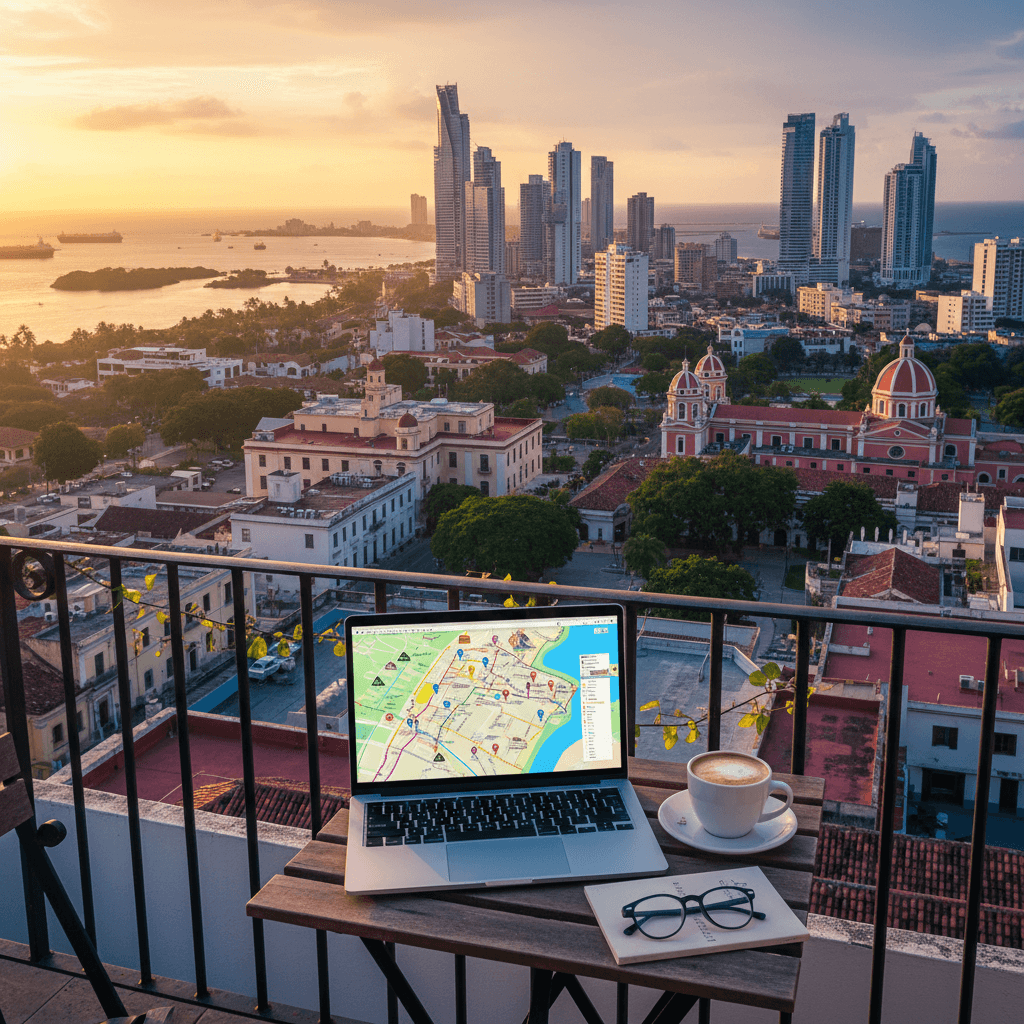
Panama City
🇵🇦 Panama
The Tropical Metropolis
Panama City is often called the Miami of the South, but that comparison only scratches the surface. It is a city of jarring yet fascinating contrasts where gleaming glass high-rises overlook 16th-century ruins and dense rainforests creep right up to the edge of the financial district. For nomads, the vibe is efficient and fast-paced, yet remarkably grounded by the fact that you can be on a Pacific beach or deep in the Gamboa jungle within an hour of closing your laptop.
The city's biggest draw is its sheer practicality. Since the economy is dollarized (USD), you won't deal with fluctuating exchange rates or the mental math of currency conversion. The infrastructure feels familiar to North Americans, with reliable roads, high-speed fiber internet averaging 50 to 100 Mbps, and drinking water that is generally safe in the city center. It is a "small big city" where the scale feels manageable, even if the humidity occasionally feels like a heavy blanket.
The Cost of Living
Living here isn't as cheap as in Medellin or Mexico City, but it offers a high standard of living for the price. Most nomads find they spend between $1,500 and $2,500 per month for a mid-range lifestyle. If you want the luxury experience in a glass tower with an infinity pool, expect that number to climb toward $5,000.
- Budget ($1,100 to $1,800): A modest studio in an older building, heavy use of the Metro, and sticking to street food like $3 to $5 empanadas.
- Mid-range ($1,500 to $2,500): A nice one-bedroom in San Francisco, frequent Ubers, and dining out at mid-tier spots where meals run $10 to $15.
- Comfortable ($3,500 to $5,000): A premium high-rise in Punta Pacifica, daily AC use (which can spike electric bills to $150+), and weekend trips to Coronado.
Where to Plant Your Flag
Your neighborhood choice completely dictates your daily experience. Most digital nomads gravitate toward three specific areas depending on their budget and social goals.
San Francisco: This is the city's culinary and social heart. It is more affordable than the waterfront districts, with one-bedroom apartments ranging from $1,000 to $1,500. It is packed with craft breweries, specialty coffee shops, and the best gym options in the city.
Casco Viejo: This is the historic colonial district. It is incredibly walkable and photogenic, filled with rooftop bars and boutique hotels. It is touristy and can be noisy at night, but the charm is undeniable. You'll pay a premium for smaller, older spaces here.
Costa del Este: If you want a modern, suburban feel that is extremely safe and quiet, this is it. It is popular with corporate expats and families. Rents for a one-bedroom start around $1,800, but you'll have manicured parks and high-end shopping at your doorstep.
Punta Pacifica: The land of skyscrapers. It is the most expensive area, with rents often topping $2,000. It is home to world-class healthcare at Hospital Punta Pacifica and the city's most luxurious malls.
Work and Connectivity
Remote work is a breeze here. If you prefer a structured office environment, Selina in Casco Viejo is the nomad hub, offering hot desks for $150 to $250 a month and a built-in social scene. For a more corporate, high-speed environment, The Office in Costa del Este or WeWork in Punta Pacifica are the gold standards.
When you aren't at a dedicated desk, the cafe culture in San Francisco is excellent for "laptop sessions." Grab a local SIM card from Claro or Movistar for about $20 to ensure you have a backup hotspot. Most travelers recommend buying these at the airport or a local mall to get set up immediately.
The Reality Check
The weather is the one thing you can't negotiate. From May to December, it rains almost every afternoon. It isn't a light drizzle; it is a tropical deluge that can stall traffic and cancel outdoor plans. The humidity stays high year-round, so you'll likely find yourself retreating to air-conditioned spaces more often than you'd like.
Safety is a highlight, as Panama City remains one of the safest capitals in Latin America. While you should avoid certain areas like El Chorrillo at night and keep an eye on your phone in crowded markets, the general sense of security is high. For getting around, stick to Uber for short $3 to $10 trips, or use the Metro for a lightning-fast $0.35 ride across town.
The Price of Paradise in the Hub of the Americas
Panama City is a fascinating anomaly. It feels like a slice of Miami dropped into the tropics, complete with a dollarized economy that makes financial planning incredibly straightforward. You won't be constantly checking exchange rates here, but you will be watching your air conditioning usage. While the city is more affordable than major U.S. hubs, it remains one of the pricier capitals in Latin America, especially if you gravitate toward the skyline views of the newer districts.
Most nomads find that a monthly budget of $1,500 to $2,500 hits the sweet spot. This allows for a comfortable one bedroom apartment in a social neighborhood, plenty of dinners out, and the occasional weekend escape to the Pearl Islands. If you are on a tighter grind, you can get by on $1,100 to $1,800 by sticking to modest studios in areas like Marbella and eating at local fondas. On the high end, living the "Punta Pacifica lifestyle" with luxury high-rises and premium gym memberships will easily push your spending north of $3,500.
Breaking Down the Monthly Totals
- Budget Tier ($1,100 to $1,800): Best for those happy with a modest studio in Marbella, public transport, and street food like $3 empanadas.
- Mid-range Tier ($1,500 to $2,500): The nomad standard. Includes a 1BR in San Francisco, frequent Ubers, and mid-range dining at $15 per meal.
- Comfortable Tier ($3,500 to $5,000): Luxury living in Costa del Este, upscale fusion dinners at Maito, and full-time coworking memberships.
Neighborhood Price Points
Where you plant your flag dictates your burn rate. Rent is your biggest variable, and the difference between districts is stark.
San Francisco
- Rent: $1,000 to $1,500 for a 1BR.
- The Vibe: The culinary heart of the city. It is packed with cafes and is arguably the most practical home base for solo travelers.
Casco Viejo
- Rent: $1,200 to $2,000.
- The Vibe: Historic charm and rooftop bars. You pay a premium for the aesthetic, and while it is walkable, it can get noisy and tourist-heavy on weekends.
Punta Pacifica & Costa del Este
- Rent: $1,800 to $2,500+.
- The Vibe: Pure luxury. These areas offer the best healthcare at Hospital Punta Pacifica and high-end malls, but they are less walkable and require more Ubers.
Utilities, Food, and Connectivity
Electricity is the "hidden" cost here. High humidity means the AC stays on, which can easily add $150 or more to your monthly bill in a glass high-rise. On the bright side, high-speed internet is reliable, averaging 50 to 100 Mbps. Coworking spaces like Selina in Casco Viejo or The Office in Costa del Este range from $150 to $300 per month. For mobile data, pick up a Claro or Movistar SIM at the airport; $20 usually covers your data needs for the month.
Eating out is a tale of two cities. You can grab ceviche at the Mercado de Mariscos for $5, or spend $40 on a high-end cocktail and dinner in Casco Viejo. Grocery shopping at Riba Smith offers familiar international brands but at a premium. Most expats recommend a mix of local markets and selective supermarket trips to keep the food budget around $400 a month.
Getting Around for Less
The Metro is a steal at $0.35 per ride and is surprisingly clean and efficient. For everything else, Uber is the gold standard for safety and convenience, with most cross-city trips costing between $3 and $10. If you are feeling adventurous, inDrive is a popular alternative where you can negotiate the fare. Avoid the old "Red Devil" buses unless you are looking for a bumpy, loud, and very humid local experience.
For Digital Nomads: San Francisco
If you're looking for the sweet spot between affordability and a social scene, San Francisco is where you'll likely land. It's the city's culinary heart, packed with craft beer bars and specialty coffee shops where nobody will look twice if you're on a laptop for three hours. Most nomads find the $1,000 to $1,500 price range for a one bedroom apartment much easier to swallow than the prices in the skyscraper districts.
- Rent: $1,000 to $1,500 for a modern 1BR.
- Coworking: Head to The Office or local cafes like Leto Coffee.
- Vibe: High energy, walkable by Panama standards, and very social.
The trade off here is the noise. It's a lively area, and petty crime can be an issue if you're not paying attention. Still, the proximity to Parque Omar, a massive green space perfect for a morning run, makes it a top choice for a balanced lifestyle.
For Expats and Remote Professionals: Costa del Este
Costa del Este feels less like Latin America and more like a high end suburb of Southern California. It's a master planned community with wide sidewalks, manicured parks, and its own business hub. Expats who want a "plug and play" lifestyle choose this area because everything is right there: grocery stores, international schools, and high speed internet that rarely flickers.
- Rent: $1,800 to $2,500+ for premium high rises.
- Coworking: The Office Costa del Este is the local go to for a professional setup.
- Vibe: Quiet, safe, and very polished.
It isn't the most walkable area if you want to leave the neighborhood. You'll find yourself relying on Uber or inDrive to get to the city center, which can take 20 to 40 minutes depending on the notorious Corredor Sur traffic. Expect to pay a premium for the peace of mind.
For Solo Travelers and Culture Lovers: Casco Viejo
Living in the historic district is a completely different experience. Instead of glass towers, you're surrounded by colonial architecture, cobblestone streets, and rooftop bars. It's the most walkable part of the city and perfect for those who want to be in the middle of the action. You'll spend your evenings grabbing ceviche at Mercado de Mariscos or sipping cocktails at Tantalo.
- Rent: $1,200 to $2,000, often for smaller, uniquely shaped apartments.
- Coworking: Selina Panama City is the hub here, offering desks for $150 to $250 a month.
- Vibe: Touristy but charming, historic, and very nightlife focused.
The downside is the price of convenience and the noise from late night parties. While it's safe during the day, travelers recommend staying on the main paths at night and avoiding the neighboring El Chorrillo area after dark.
For Families and Luxury Seekers: Punta Pacifica
If you want the iconic Panama City skyline view, this is it. Punta Pacifica is built on reclaimed land and features some of the most expensive real estate in Central America. It's home to Hospital Punta Pacifica, which is affiliated with Johns Hopkins and offers world class healthcare. Families love the security and the proximity to Multiplaza Mall.
- Rent: $2,000 to $3,500+ for a luxury condo.
- Coworking: WeWork has a major presence here with premium amenities.
- Vibe: Upscale, breezy, and very international.
Living here feels exclusive, but it can also feel a bit isolated from "real" Panama. The traffic getting in and out of the peninsula can be a nightmare during rush hour, so it's best for those who don't need to commute daily.
For Budget Conscious Nomads: Marbella
Marbella is a solid alternative for those who want to be central without the Punta Pacifica price tag. It's an older neighborhood, which means the buildings aren't as flashy, but the apartments are often much larger. You're right off Avenida Balboa, giving you easy access to the Cinta Costera for outdoor exercise.
- Rent: $800 to $1,200 for a studio or older 1BR.
- Transport: Very easy access to the Metro for $0.35 a ride.
- Vibe: Urban, practical, and central.
It's a bit more "concrete jungle" than the other options, but the savings on rent allow for more weekend trips to places like Playa Coronado or the Gamboa rainforest.
Panama City is often called the Hub of the Americas, and that connectivity extends directly to its fiber optic infrastructure. For nomads used to the spotty connections sometimes found in neighboring Costa Rica or Colombia, Panama is a breath of fresh air. You can expect reliable speeds between 50 and 100 Mbps in most modern apartments and cafes. It is the kind of place where you can take a Zoom call without crossing your fingers, though keep an eye on your electricity bill; that high speed internet usually comes paired with a heavy reliance on air conditioning that can drive monthly utility costs north of $150.
Top Coworking Spaces
The coworking scene here is professional and well established, catering to both the corporate crowd in the skyscrapers and the creative nomads in the historic districts. Most spaces offer daily passes if you just need a desk for a few hours, but monthly memberships provide the best value.
- Selina (Casco Viejo): This is the heartbeat of the nomad community. Located in the historic district, it feels more like a social club than an office. Expect to pay between $150 and $250 per month. It is perfect if you want to network, attend weekly events, and step outside directly into the city's best nightlife.
- The Office (Costa del Este): If you need a more serious, corporate environment, this is your spot. It sits in a high end business hub and costs between $200 and $300 a month. The WiFi is lightning fast and the atmosphere is strictly professional.
- Regus or @Work Cafe (Punta Pacífica): Located near JW Marriott, offers premium amenities starting around $250 a month. It is the go to for those living in the luxury high rises nearby who want a short commute.
Laptop Friendly Cafes
If you prefer a change of scenery, the cafe culture in San Francisco and Casco Viejo is excellent. Most baristas won't mind if you linger for a couple of hours as long as you keep the coffee orders coming. WiFi in these spots typically clocks in between 20 and 50 Mbps.
- Sisu Coffee (Casco Viejo): Known for world class Geisha coffee, it has a sleek interior and reliable connection.
- Leto Coffee (San Francisco): A favorite for locals and expats alike. It has plenty of power outlets and a modern, industrial vibe.
- Mentiritas Blancas (El Cangrejo): A cozy spot with great pastries and a dedicated following of remote workers.
Mobile Data and SIM Cards
Don't rely solely on public WiFi. Getting a local SIM is straightforward and cheap. You can pick one up at Tocumen International Airport (PTY) upon arrival, though you will pay a small premium there compared to the kiosks in Albrook Mall.
- Providers: Claro and Movistar are the most popular choices for nomads.
- Cost: Expect to pay $10 to $20 for a prepaid plan that includes 10GB to 20GB of data.
- eSIMs: For those who want to be connected the second they touch down, Holafly is a popular choice, though it is generally more expensive than buying a physical local SIM.
Practical Tech Tips
The city uses the USD, which makes paying for subscriptions and local apps like Yappy or Nequi much easier. Most nomads recommend setting up a local digital wallet if you stay longer than a month, as many small businesses and independent sellers prefer these over credit cards. Also, keep in mind that while the internet is stable, the tropical storms during the rainy season from May to December can occasionally cause brief power flickers. A laptop with a good battery and a backup power bank is a smart investment here.
Panama City is often cited as one of the safest capitals in Latin America. It lacks the widespread systemic violence found in some neighboring countries, making it a comfortable base for solo nomads and families alike. While the general vibe is secure, you still need to exercise standard urban street smarts. Most crime is non-violent and opportunistic, such as pickpocketing or phone snatching in crowded areas.
Staying Safe on the Ground
In neighborhoods like Punta Pacífica and Costa del Este, you can walk around with a high degree of confidence. These areas are modern, well-lit, and heavily patrolled. Casco Viejo is also generally safe due to a heavy police presence, but the safety profile changes quickly if you wander into the neighboring El Chorrillo district. Expats and locals alike suggest avoiding El Chorrillo entirely, especially after the sun goes down.
When you're out at night, stick to Uber or inDrive rather than hailing taxis off the street. It’s safer, the price is fixed, and you have a digital trail of your journey. If you find yourself in San Francisco or Marbella, keep your belongings close in crowded bars. While these spots are trendy, they are also magnets for petty thieves looking for an unattended bag or a smartphone sitting on a table.
- Emergency Numbers: Dial 911 for general emergencies or 104 to reach the police directly.
- Nightlife Safety: Stick to the main plazas in Casco Viejo and avoid poorly lit side streets.
- Public Transit: The Metro is very safe and clean, but keep your backpack on your front during rush hour to deter pickpockets.
World-Class Healthcare
One of the biggest draws for long-term stays in Panama is the quality of medical care. The private system is top-tier, featuring facilities that rival those in the U.S. or Europe. Many doctors here were trained in the States and speak excellent English, which removes a huge layer of stress if you’re dealing with a health issue and your Spanish is still basic.
Hospital Punta Pacífica is the gold standard, as it’s affiliated with Johns Hopkins Medicine. It’s the go-to for anything serious. Hospital Santo Tomás is another reliable option. For everyday needs, Farmacias Arrocha functions much like a CVS or Boots; they are everywhere and often have 24/7 locations in major neighborhoods. You can find most over-the-counter medications easily, though it’s wise to bring your specific prescriptions from home to avoid any brand-name confusion.
Managing Costs and Insurance
Because Panama uses the USD, billing is straightforward. However, private care isn't cheap if you’re paying out of pocket. A standard consultation might run you $50 to $100, and specialized tests can climb quickly. Most nomads opt for private health insurance, which can start as low as $40 per month for basic coverage and goes up depending on your age and needs.
- Private Insurance: Expect to pay $40 to $120 monthly for a solid expat plan.
- Pharmacies: Look for Farmacias Arrocha or Metro Pharmacy for 24-hour service.
- Water Safety: While the city water is technically drinkable, many travelers and expats prefer bottled water or high-quality filters to avoid "traveler's stomach."
Overall, the combination of high-tech hospitals and a generally low crime rate makes Panama City an easy place to settle into. You get the peace of mind of a developed healthcare system without the chaotic safety concerns often associated with major tropical hubs.
The Metro and Public Transit
Panama City is one of the few capitals in Central America with a legitimate, modern subway system. It’s clean, air-conditioned, and incredibly efficient for bypassing the city's notorious rush-hour gridlock. A ride costs just $0.35, but you'll need to grab a Rápido card at any station for about $2 to get started. The Metro is perfect if you’re staying near Vía España or need to get toward the Albrook mall and transport hub.
The "MetroBus" system covers the rest of the city for $0.25 per ride. While they’re a massive upgrade from the colorful but chaotic "Red Devils" of the past, the bus routes can be a bit confusing for newcomers. Most nomads stick to the Metro for North-South travel and use apps for everything else.
Ride-Hailing and Taxis
Uber is the gold standard here. It’s reliable, safe, and avoids the "gringo tax" often applied by traditional yellow cabs. Expect to pay between $3 and $10 for most trips within the city center. If you’re looking to save a few bucks, download inDrive. It’s popular with locals and allows you to negotiate the fare before the driver arrives, though it's generally better for those who speak a bit of Spanish.
Yellow taxis are everywhere, but they don't use meters. You have to negotiate the price before you get in, and since they work on a zone system, it can be frustrating if you aren't familiar with the local geography. Most expats find it's worth the extra dollar or two to just call an Uber and have a GPS track the route.
Walking and Micromobility
Whether you can walk to your morning coffee depends entirely on your neighborhood. Casco Viejo is a pedestrian’s dream with its narrow colonial streets, and the Cinta Costera offers a beautiful waterfront path for walking or jogging between downtown and the fish market. San Francisco is also relatively walkable, though you’ll be dodging some uneven sidewalks and tropical heat.
For a quicker way to get around the waterfront, check out the Muvo app. You can rent electric bikes or scooters for about $1 to $2 per hour. It’s a great way to breeze through the Amador Causeway or the Cinta Costera without breaking a sweat in the 90°F humidity.
Airport Transfers
When you land at Tocumen International (PTY), you have three main options to get to the city center, which usually takes 20 to 40 minutes depending on the time of day:
- Uber: The most convenient choice. Use the airport Wi-Fi to call one for $15 to $25. Follow the signs to the designated ride-share pickup zone.
- Official Taxis: You’ll see a stand inside the arrivals hall. They charge a flat rate of $30 to most central neighborhoods.
- Private Shuttles: If you’re traveling with a lot of gear or a group, pre-booked shuttles run about $40 and will be waiting with a sign.
Driving and Day Trips
Unless you’re planning to live in the suburbs like Costa del Este and commute daily, you don't need a car. Traffic is heavy, and Panamanian driving can be aggressive. However, for weekend escapes to the beaches of Playa Coronado or the rainforests of Gamboa, a rental is handy. Most nomads find that an Uber to Gamboa for $50 is often easier than dealing with rental insurance and city parking. If you do drive, keep Waze open at all times; it’s much more accurate than Google Maps for navigating Panama’s shifting traffic patterns and closures.
The Linguistic Landscape
Spanish is the heartbeat of Panama City. While the skyline looks like Miami, the sounds of the street are pure Latin America. You'll hear a fast paced Caribbean Spanish that often drops the "s" at the end of words. It's rhythmic and energetic, but it can be a bit of a curveball if you've only practiced academic Spanish in a classroom.
English proficiency is hit or miss depending on where you hang your hat. In corporate hubs like Costa del Este or high end residential towers in Punta Pacífica, you can get by with English about 70% of the time. Most doctors at Hospital Punta Pacífica and staff at major hotels speak it fluently. However, once you step into a local fonda for lunch or negotiate a price with a street vendor, that percentage drops significantly. Most expats find that while they can survive with English, life gets much richer and cheaper once they can handle basic transactions in Spanish.
Practical Communication Tips
Don't expect everyone to be bilingual just because the city uses the U.S. Dollar. In neighborhoods like San Francisco or Marbella, service staff in trendy cafes usually understand "laptop friendly" requests, but they might struggle with complex order customizations. If you're heading to the Mercado de Mariscos for $5 ceviche, knowing your numbers in Spanish is a necessity.
- Digital Safety Net: Download the offline Spanish pack on Google Translate. It's a lifesaver when you're in a basement supermarket with zero bars.
- The "Yappy" Factor: Communication isn't just verbal. Many locals and small businesses use the Yappy app for payments. If a vendor asks "Tienes Yappy?", they're asking if you can pay via the local fintech network.
- Politeness Matters: Panamanians value formal greetings. Always start an interaction with a "Buenas" or "Hola, buenas tardes" before diving into your question.
Connectivity and Staying Online
Staying connected is rarely an issue here. The city is a digital nomad favorite because the infrastructure is robust. You'll find average speeds between 50 and 100 Mbps in most modern apartments. If you're working from a laptop, the cafe culture in Casco Viejo is excellent, though the historical thick stone walls can occasionally mess with your signal.
For mobile data, skip the expensive roaming plans from back home. You can grab a local SIM card at Tocumen Airport or any mall for about $10 to $20. Claro and Movistar are the two heavy hitters. Prepaid plans from Claro or Movistar offer unlimited data for $5-10 for 7-14 days, sufficient for most nomad needs, which is plenty for navigating via Waze or calling an Uber. Many nomads are also switching to Holafly eSIMs before landing to avoid the airport kiosks entirely.
Coworking and Community
If your apartment WiFi fails or you just need a change of scenery, the city has a high concentration of professional spaces. These are also the best places to meet English speakers and other remote workers.
- Selina Panama City: Located in Casco Viejo, this is the nomad gold standard. Hot desks run between $150 and $250 per month. It's loud and social, perfect if you're looking for community events.
- The Office: Situated in Costa del Este, this is a more buttoned up, corporate environment. Monthly passes are $200 to $300. It's the place for serious deep work without the distraction of rooftop parties.
Essential Phrases for Your First Week
You don't need to be fluent to be respected, but showing effort goes a long way. Here are the basics that locals hear most often from the nomad community:
- ¿Cuánto cuesta?: How much does it cost? (Essential for markets and taxis).
- ¿La cuenta, por favor?: The bill, please.
- ¿Tienen WiFi?: Do you have WiFi?
- Ayuda, por favor: Help, please (For emergencies).
- Gracias: Thanks.
Most travelers note that while the language barrier exists, Panamanians are generally patient. If you're stuck, a smile and a "lo siento, mi español es pequeño" (sorry, my Spanish is small) usually breaks the ice and gets you the help you need.
The Tropical Reality: What to Expect
Panama City is unapologetically tropical. You are living in a place where the rainforest meets the Pacific, which means the weather is a constant dialogue between intense sun and dramatic downpours. Temperatures hover between 27°C and 32°C (81°F to 90°F) year round. While the consistency is great for packing, the humidity is the real story here. It usually sits between 70% and 90%, meaning you will likely plan your wardrobe and your workday around air conditioning.
Expats often find that the climate dictates their social life. In the hotter months, the city comes alive after the sun dips, with rooftop bars in Casco Viejo becoming the primary workspace and hangout spot. If you are sensitive to heat, your electricity bill will reflect it. Running the AC around the clock in a high rise in Punta Pacifica can easily add $150 or more to your monthly overhead.
The Golden Window: Dry Season (January to April)
If you want the postcard version of Panama City, aim for the window between January and April. This is the "Verano" or dry season. The trade winds pick up, which provides a much needed breeze and makes the humidity feel far more manageable. This is the best time for weekend escapes to places like Playa Coronado or the San Blas Islands.
During these months, you can actually rely on outdoor plans. It is the peak season for digital nomads who want to spend their mornings working from a cafe in San Francisco and their afternoons walking the Cinta Costera. Because it is the most popular time to visit, expect slightly higher prices for short term rentals and more crowded coworking spaces like Selina or WeWork.
- January: Clear skies and the start of the breeze. Perfect for exploring Casco Viejo on foot.
- February: The peak of summer. Very little rain, but the sun is intense. Wear high SPF.
- March: Still dry and sunny. Great for boat trips and outdoor dining.
- April: The transition month. You might see the occasional afternoon shower as the season shifts.
The Rainy Season: May to December
Don't let the term "rainy season" scare you off. For most of this period, the rain follows a predictable pattern: a bright, humid morning followed by a heavy downpour for an hour or two in the afternoon. Once the sky clears, the temperature drops slightly, which many locals actually prefer. Most nomads find they can still get plenty done, provided they aren't relying on the Metro or Ubers during the peak of a storm, as traffic in areas like Costa del Este can grind to a halt when the clouds open up.
The real challenge comes in October and November. These are the wettest months of the year, and the rain can be relentless, sometimes lasting for days. If you are a fan of outdoor photography or hiking near Gamboa, this is the worst time to visit. However, if you are looking for lower rent prices and a quieter city, you can find some great deals on apartments during this stretch.
- May to September: Typical tropical pattern. Sun in the morning, rain in the afternoon. Very manageable.
- October: Heavy rainfall. Outdoor activities are frequently cancelled.
- November: The wettest month. It is also "Mes de la Patria," full of national holidays that can shut down banks and government offices.
- December: The rain starts to taper off. By mid month, the winds return and the holiday spirit takes over the city.
Practical Planning for Nomads
If you are planning a three month stint, the sweet spot is January through March. You will get the best weather and the most active social calendar. If you are on a tighter budget, arriving in May or June allows you to enjoy the city before the heaviest rains arrive, often with better leverage on apartment negotiations. Always check the drainage in your neighborhood; while modern areas like Costa del Este handle rain well, older streets in parts of San Francisco can flash flood during October storms.
The Vibe and Daily Flow
Panama City feels like a tropical version of Miami, where glass skyscrapers meet dense jungle humidity. It is a unique spot for nomads because it uses the U.S. Dollar, meaning you won't deal with fluctuating exchange rates or confusing conversions. Most people find the city manageable; it has the amenities of a global hub but a smaller physical footprint that makes it easy to learn in a week.
The lifestyle here is a balance. You have high speed internet and world class hospitals like Hospital Punta Pacífica, but you also have to deal with intense rainy seasons and a pace of life that slows down the moment you step out of the office. It is a city built for convenience, though you will pay a premium for the most modern comforts.
What It Costs
Your budget depends heavily on how much you rely on air conditioning. Electricity is the hidden killer here, often adding $150 or more to your monthly bills if you run the AC 24/7. Most nomads landing here fall into these three brackets:
- Budget ($1,100 to $1,800): You are likely living in a studio in an older building in Marbella or San Francisco, eating mostly at local fondas, and using the Metro.
- Mid-range ($1,500 to $2,500): This covers a nice one bedroom in a central area, regular Ubers, and eating out at mid-tier restaurants a few times a week.
- Comfortable ($3,500 to $5,000): This is for those who want a high floor in Punta Pacífica or Costa del Este, premium gym memberships, and frequent weekend trips to places like Playa Coronado.
Where to Plant Your Flag
Choosing the right neighborhood changes your entire experience. Panama City is not especially walkable as a whole, so pick a spot that fits your daily needs.
Punta Pacífica
This is the luxury hub. It is full of high rise condos with ocean views and is right next to top tier malls. Expect to pay $2,000 or more for a one bedroom. The downside is the heavy traffic and the fact that you will need an Uber for almost everything.
San Francisco
This is the heart of the city's culinary and social scene. It is more affordable than the high rise districts, with rents between $1,000 and $1,500. It is home to great coffee shops and the best nightlife, though it can get noisy on weekends.
Casco Viejo
The historic district is beautiful, walkable, and packed with character. It is perfect for short stays, but the tourist crowds and higher prices for groceries and services can make it wearing for long term living. Safety is generally good, but stay on the main streets after dark.
Marbella
A smart choice for those on a tighter budget. You can find studios starting around $800. It is central and functional, even if the buildings are a bit older and the area lacks the "cool" factor of Casco or San Francisco.
Remote Work and Connectivity
Internet is rarely an issue. Most apartments and cafes offer 50 to 100 Mbps. If you need a dedicated desk, Selina in Casco Viejo is the go to for social nomads, costing between $150 and $250 a month. For a more corporate, high speed environment, The Office in Costa del Este or WeWork in Punta Pacífica are the standard choices.
For mobile data, grab a prepaid SIM from Claro or Movistar at the airport or any mall. You can get 10GB to 20GB of data for about $10 to $20. If you prefer digital, Holafly eSIMs work well here too.
Getting Around
The Metro is efficient and incredibly cheap at $0.35 per ride, but it doesn't go everywhere. For everything else, Uber is the gold standard. A short trip across town usually costs between $3 and $10. If you want to save a few dollars, inDrive is a popular alternative where you negotiate the fare in the app. Avoid the yellow taxis unless you speak fluent Spanish and are ready to haggle before you get in.
Health and Safety
Panama City is safer than many other regional capitals. Violent crime is rare in expat areas, but petty theft happens. Keep your phone tucked away in crowded spots like the Mercado de Mariscos. For healthcare, the private system is excellent. Farmacias Arrocha is the main pharmacy chain and many locations stay open 24/7. In an emergency, dial 911 or 104 for the police.
Climate and Timing
It is hot and humid year round, usually hovering between 27°C and 32°C. The dry season from January to April is the best time to visit if you want clear skies and beach days. The rainy season peaks in October and November, where you can expect heavy downpours every afternoon. It rarely rains all day, but the humidity during these months can be intense.
Native Nuances
- Tipping: 10% is the standard in restaurants.
- Water: While tap water is technically drinkable in the city, most expats stick to bottled or filtered water to be safe.
- Language: English works in high end hotels and business districts, but you will need basic Spanish for grocery stores and Ubers.
- Payments: Use the Yappy app for local transfers; it is how everyone pays each other here.
Need visa and immigration info for Panama?
🇵🇦 View Panama Country GuideEasy Landing
Settle in, no stress