Palma de Mallorca
🇪🇸 Spain
The Balearic Balance
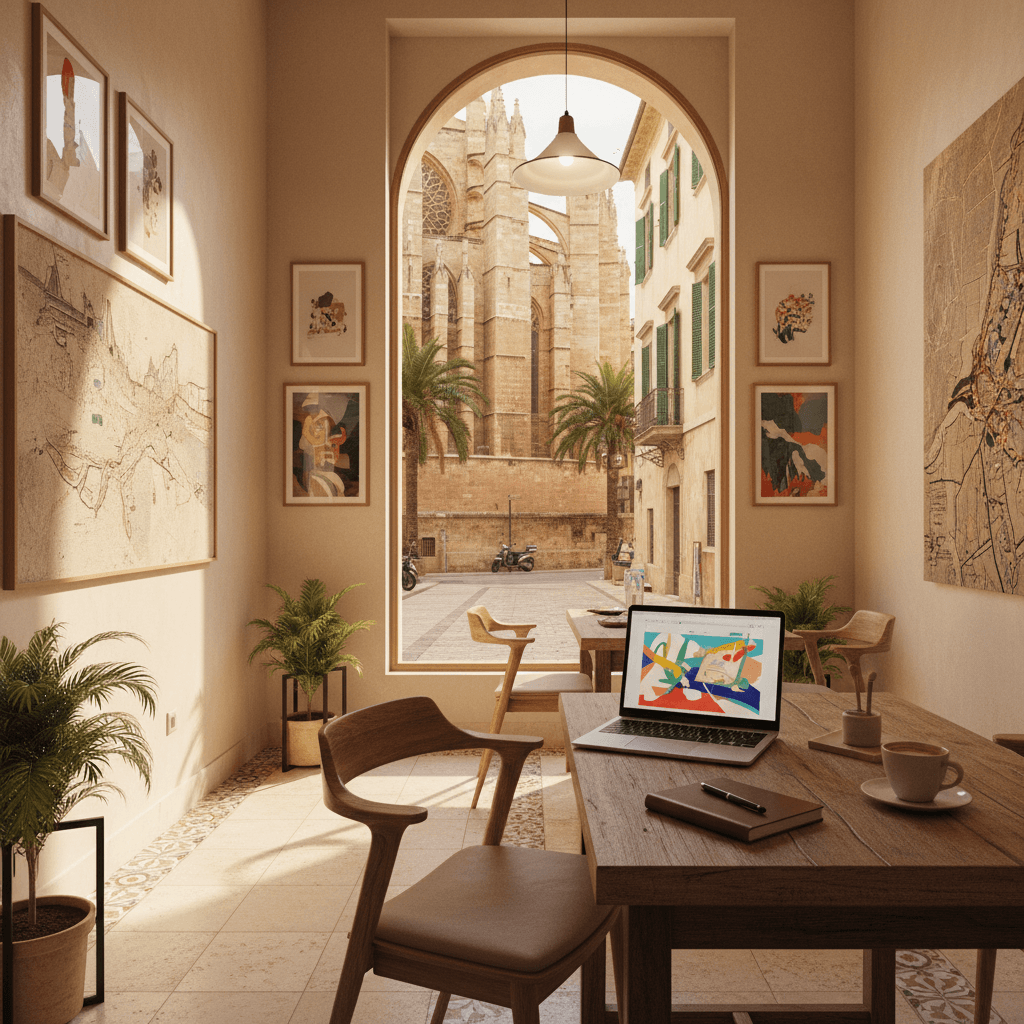
Palma de Mallorca is where the frantic pace of the mainland finally takes a breath. It doesn't feel like a frantic tech hub or a sleepy seaside village; it sits right in the middle. You'll find a sophisticated Mediterranean capital that manages to feel intimate despite its global appeal. While cities like Barcelona or Madrid can feel like a marathon, Palma is more of a deliberate stroll through honey colored limestone streets.
The vibe here is defined by "sa calma," a local sense of tranquility that persists even when the summer crowds arrive. Nomads are drawn to the island for the rare ability to finish a deep work session on fiber internet at 5:00 PM and be hiking the Tramuntana mountains or swimming in turquoise water by 5:45 PM. It’s a city that rewards those who appreciate the transition from a focused morning in a sleek coworking space to a long, slow lunch at a local market.
Cost of Living Breakdown
Living in Palma requires a bit of financial strategy, especially regarding housing. Most nomads find that a monthly budget of €2,000 to €3,000 provides a comfortable lifestyle, though you can scrape by on €1,500 if you're willing to share an apartment and cook at home.
- Budget Tier: €1,500 to €2,000. This usually covers a room in a shared flat for €700, grocery shopping at Mercat de l’Olivar, and using public buses.
- Mid-range Tier: €2,000 to €3,000. This is the sweet spot for most. It covers a private 1BR apartment in a central area for €1,000 to €1,500, regular coworking day passes, and dining out a few times a week.
- Comfortable Tier: €3,000+. This allows for a premium studio in the Old Town, a dedicated desk at a top tier coworking space, and frequent weekend trips or scooter rentals.
Where to Plant Your Laptop
The neighborhood you choose dictates your daily rhythm. Santa Catalina is the undisputed headquarters for the international remote work crowd. It’s an old fisherman’s quarter turned foodie haven where you’ll hear as much English and Swedish as Spanish. It’s walkable, packed with laptop friendly cafes, and home to the famous Santa Catalina Market.
If you prefer history over hipsters, the Old Town (Casco Antiguo) offers stunning architecture and a more traditional feel, though rents are significantly higher and the streets can get choked with tourists during peak season. For those on a tighter budget, Platja de Palma offers easy beach access and cheaper rooms, but you'll sacrifice the authentic city culture for a more "resort" atmosphere.
Connectivity and Community
The infrastructure here is surprisingly robust. Fiber optic internet is the standard in the city center, with speeds often hitting 200Mbps to 267Mbps. When you need a professional environment, The Hub in Ponent is a favorite for its community events and high speed reliability. Cómodo&Co on La Rambla is another solid pick, charging around €25 to €45 for a day pass.
Socializing happens naturally at the markets or through active groups like Mallorca Digital Nomads & Remote Work on Meetup. It’s easy to find your tribe here because everyone is looking for the same thing: a way to work hard without sacrificing the sun. Just be prepared for the "siesta" hours between 2:00 PM and 5:00 PM, when smaller shops close up and the city slows to a crawl. It’s the perfect time to close the laptop and head for the water.
Practical Realities
While the city is incredibly walkable, biking can be a challenge once you leave the dedicated lanes along the waterfront. Public transport is reliable, with buses and trains costing about €2 per ride, or you can grab a monthly pass for €40. For longer stays, expats recommend using Idealista to hunt for apartments, but be ready to move fast; the best spots in Santa Catalina don't stay on the market for more than a few days.
The weather is arguably Palma's greatest asset. Even in January, you'll see highs of 16°C, while the summer peaks at 32°C in July. Most travelers agree that May, June, September, and October are the "goldilocks" months, warm enough for the beach but quiet enough to actually find a seat at your favorite cafe.
The Price of Paradise
Living in Palma requires a bit of tactical planning, especially since the island's popularity with the yachting crowd and summer tourists can inflate prices. While it isn't as expensive as London or Paris, you'll find it pricier than mainland Spanish hubs like Valencia or Seville. Most nomads find that a monthly budget of €2,000 to €3,000 provides a comfortable lifestyle that includes a private apartment in a central area, regular dining out, and a dedicated coworking desk.
If you're keeping things lean, you can get by on €1,500 to €2,000 by opting for a room in a shared flat and sticking to local markets like Mercat de l’Olivar for your groceries. On the flip side, if you want a premium studio with sea views and a scooter to zip around the coast, expect your expenses to climb north of €3,000.
Monthly Budget Breakdowns
- Budget Tier (€1,500 to €2,000): Expect to spend €700 on a shared room, €300 on groceries, and €40 for a monthly bus pass. You'll likely skip the coworking memberships and work from laptop friendly cafes in Santa Catalina instead.
- Mid-range Tier (€2,000 to €3,000): This covers a private one bedroom apartment for €1,000 to €1,200, roughly €500 for food, and €100 for a mix of transport and coworking day passes.
- Comfortable Tier (€3,000+): This budget allows for a high end studio in the Old Town for €1,500, frequent dinners at waterfront spots, a monthly desk at a space like The Hub, and a rental scooter for weekend trips.
Housing and Neighborhoods
Rent is your biggest hurdle. Demand is high, and the local market moves fast. Expats recommend using Idealista for the widest range of listings, or Anyplace if you need a nomad ready setup with guaranteed high speed WiFi and flexible terms. Prices fluctuate based on the neighborhood's "cool factor" and proximity to the water.
Santa Catalina
- The Vibe: The undisputed foodie and creative heart of Palma. It's walkable, packed with expats, and has a great social energy.
- Rent: €700 to €1,500 for a one bedroom.
- Pros/Cons: Excellent work social balance, but it gets loud and rents are among the highest in the city.
Old Town and El Terreno
- The Vibe: Historic charm meets nightlife. You're surrounded by heritage cafes and social hubs.
- Rent: €700 to €1,200 depending on the age of the building.
- Pros/Cons: Very central and social, though it can feel overly touristy during the peak summer months.
Platja de Palma
- The Vibe: Beach focused and more relaxed during the off season.
- Rent: Often more affordable than the city center.
- Pros/Cons: Great if you want the ocean at your doorstep, but you'll feel the "party vibe" more intensely, and it's less walkable to the main coworking clusters.
Daily Expenses and Lifestyle
Eating out is a highlight of Palma life. You can grab a menu del día (a three course lunch) for €10 to €15 at local spots. If you're heading to the waterfront for an upscale dinner, expect to pay €40 or more per person. Groceries are reasonable if you stick to the local markets for produce and seafood.
Getting around is remarkably easy without a car. The public bus system is excellent, costing about €2 per ride or €40 for a monthly pass. A taxi from the airport to the center usually runs about €25. While the city center is highly walkable, bikeability is still a bit limited once you leave the main hubs. For connectivity, grab a SIM from Vodafone or Movistar for €10 to €20 a month to get unlimited data. Most apartments in the city offer fiber internet with speeds between 40 and 267Mbps, which is more than enough for video calls and heavy uploads.
For the Social Nomad: Santa Catalina
If you want to be where the action is, head straight to Santa Catalina. Formerly a humble fisherman's quarter, it's now the undisputed heart of Palma's international community. It's the kind of place where you can grab a flat white at a trendy cafe in the morning and a €12 menu del día at the local market by noon.
- The Vibe: High energy, creative, and extremely walkable. You'll hear English, German, and Swedish spoken just as often as Spanish.
- Work Life: You're minutes away from The Hub on Carrer de Caro, which is a staple for community events and workshops.
- Cost: Expect to pay between €1,000 and €1,500 for a decent one bedroom apartment. It's one of the pricier spots, but you save on transport because everything is right outside your door.
For Solo Travelers and History Buffs: Old Town & El Terreno
Living in the Old Town feels like stepping into a postcard, with its narrow stone alleys and massive Gothic cathedral. For those who want more of a nightlife scene, El Terreno is making a comeback as a social hotspot. It's perfect if you're looking to meet people quickly at local bars or heritage cafes.
- The Vibe: Historic charm meets late night energy. It's touristy, but that means there's always something happening.
- Practicality: Cómodo&Co on La Rambla is the go-to coworking space here, charging about €25 to €45 for a day pass.
- Cost: Rents are competitive, usually landing between €700 and €1,200 depending on how modern the renovation is.
For Families and Quiet Seekers: Calatrava
If you need silence to focus or you're traveling with kids, Calatrava is a peaceful sanctuary. It's tucked away near the ancient city walls and offers a much slower pace than the neighboring Old Town. You get the benefit of being central without the noise of the late night bar crowds.
- The Vibe: Sophisticated, quiet, and residential. You'll find art galleries and hidden courtyards rather than loud clubs.
- Proximity: It's a short walk to the beach, making it easy to balance work with a quick swim or a family walk along the promenade.
- Cost: Expect mid-range prices, often around €800 to €1,200 for a comfortable flat. Amenities are a bit thinner here, so you'll likely walk to the nearby markets for groceries.
For Budget Conscious Expats: Platja de Palma
If your priority is being as close to the sand as possible without breaking the bank, look further down the coast. While it's known for its summer party reputation, it's a practical choice for those who want to keep their monthly overhead low while enjoying the Mediterranean sun.
- The Vibe: Seaside holiday atmosphere. It's less "authentic" than the city center, but the beach access is unbeatable.
- Transport: You aren't as walkable to the main business hubs, but the bus system is excellent. A €2 ride or a €40 monthly pass gets you into the city center in about 20 minutes.
- Cost: This is where you'll find the most affordable studios, sometimes starting as low as €700. Groceries are cheaper here too if you avoid the frontline tourist shops.
Finding Your Place
Most long term residents suggest using Idealista to browse the widest range of rentals. If you're looking for something more flexible or nomad specific, Anyplace is a great shout for apartments that already include high speed fiber internet and desk setups. No matter where you land, aim for a spot near a BiciPalma station or a major bus line to make the most of the city's transport network.
Connectivity on the Island
You won't have to worry about dropping off a Zoom call while working from Palma. The city is exceptionally well-connected with fiber optic internet (FTTH), and you can expect speeds ranging from 40Mbps to 267Mbps in most central apartments. If you decide to head into the more rural parts of the Tramuntana mountains, the connection gets a bit spotty, so keep a wireless dongle or a local SIM as a backup.
For mobile data, skip the international roaming and grab a local SIM from Vodafone or Movistar. You can find them right at the airport or at shops in the city center. Most nomads pay between €10 and €20 per month for plans that offer massive or even unlimited data. Coverage is excellent across the city and most of the coastline.
Top Coworking Spots
Palma has a sophisticated coworking scene that caters to different styles, whether you need a corporate vibe or a creative community. Most spaces offer day passes, which is great if you're just passing through or want to test the water before committing to a monthly desk.
- The Hub: Located on Carrer de Caro in the Ponent district, this is the go-to for serious networking. It's known for high-speed fiber and a calendar full of workshops and events that make it easy to meet other remote workers.
- Cómodo&Co: Situated on the iconic La Rambla, this space feels professional and polished. They offer daily rates between €25 and €45, which gives you access to meeting rooms and a great central location.
- Palmapolitan: A favorite for those on a slightly tighter budget, with day passes starting at €25. It has a modern, clean design and a friendly atmosphere.
- Fortuny3: If you're looking for a boutique feel in the heart of the city, this spot charges around €30 plus IVA per day. It's quiet, stylish, and perfect for deep work.
Laptop-Friendly Cafes
If you prefer the hum of a coffee shop over a dedicated office, Santa Catalina and the Old Town are your best bets. This is where you'll find the highest concentration of nomads. Look for spots near the Mercat de l’Olivar or the narrow streets of the Old Town where heritage cafes have embraced the remote work crowd.
While most cafes are happy to let you work for a few hours, it's polite to check for "no laptop" signs during the busy lunch rush. Most nomads find that as long as they keep the coffee and tapas orders coming, the WiFi remains open and the staff stays friendly. Always ask for the "WiFi contraseya" when you sit down to ensure the signal reaches your table.
Building Your Community
The best way to find the latest nomad hangouts is through the Mallorca Digital Nomads & Remote Work group on Meetup. They organize regular mixers that take the awkwardness out of meeting new people. Palma Coliving also hosts frequent events that bring together locals and expats. If you're looking for a more organic way to connect, just hang out at the communal tables at The Hub or join a Facebook group for expats in Mallorca; people are generally very open to sharing tips on the best places to work and live.
Quick Reference: Internet Costs
- Local SIM (Unlimited Data): €10 to €20 per month
- Coworking Day Pass: €25 to €45
- Fiber Internet (Home): Included in most rentals, or roughly €30 to €50 for a standalone contract
- Coffee at a Work-Friendly Cafe: €2.50 to €4.00
Safety in the City
Palma is one of those rare Mediterranean hubs where you can truly let your guard down. Most nomads find the city exceptionally safe for solo living, even when walking home late from a wine bar in Santa Catalina or the winding alleys of the Old Town. There aren't any specific "no go" zones to worry about, though common sense applies in the more tourist heavy pockets of Platja de Palma where pickpockets occasionally look for easy targets.
The vibe is relaxed and community oriented. You'll often see locals and expats alike enjoying the parks or coastal paths well into the evening. While the city is very secure, travelers suggest avoiding isolated stretches of beach late at night just to be safe. If you're out late, ride hailing apps like Bolt or Uber are reliable, though the city center is so compact that you'll likely just walk everywhere.
Healthcare Infrastructure
If you get sick or need a checkup, you're in good hands. Palma's healthcare system is solid, with public hospitals that are well equipped for emergencies. Expats often recommend private insurance for faster access to specialists, but for immediate issues, the local facilities are more than capable. Son Espases is the main public hospital, and it's known for high standards of care.
- Emergency Number: Dial 112 for any urgent police, fire, or medical needs. It's the standard EU number and operators usually speak English.
- Pharmacies: Look for the glowing green crosses. They're everywhere in Palma. You'll find "Farmacias de Guardia" that stay open 24 hours on a rotating basis for late night needs.
- Air and Water: The air quality is generally excellent thanks to the sea breeze. While tap water is technically safe to drink, it has a high mineral content and a taste that many nomads find unpleasant. Most people stick to filtered water or buy large 5 or 8 liter jugs from the local supermarket.
Practical Wellness Tips
The Mediterranean lifestyle here is a health boost in itself. Food safety is top tier, especially if you're shopping for fresh seafood and produce at Mercat de l’Olivar. The city is highly walkable, which keeps you active without trying. If you're working from a laptop all day, the high speed fiber internet (averaging 40 to 267Mbps) means you won't be stressing over dropped Zoom calls, which is a win for your mental health.
For those planning a long term stay, the Spain Digital Nomad Visa is the primary route for legal residency. It has specific income requirements that you should verify via official channels, but once you're in the system, you'll have even broader access to the national healthcare network. Most nomads find that a mix of local pharmacies for minor ailments and a standard international health insurance policy covers all the bases for a stress free stay in Mallorca.
The Walkability Factor
Palma is one of those rare cities where your feet are your primary mode of transport. If you're staying in the Old Town or Santa Catalina, you'll rarely need a set of wheels. The city center is compact, mostly flat, and designed for wandering. Most nomads find that a morning stroll to a cafe or coworking space like The Hub is the best way to soak in the Mediterranean air before the afternoon heat kicks in.
Public Transit: Buses and Trains
When you need to venture further, the EMT bus system is surprisingly efficient. A single ride costs €2, but if you're staying for a month or more, grab a transport card to bring your monthly costs down to around €40. The blue and white buses cover the city, while the red and yellow TIB buses take you across the island to the mountains or distant beaches.
For a scenic escape, the train station at Plaça d'Espanya connects you to the rest of the island. While it's great for day trips to places like Inca or Manacor, it's less of a daily commuting tool for those living in the city center.
- Airport Transfer: The A1 bus is the standard move. It costs €5 to €6 and gets you from the arrivals terminal to the city center in about 20 minutes.
- Taxis: A cab from the airport will run you roughly €25. Within the city, they are reliable but can add up quickly if you're using them daily.
- Ride-Hailing: Both Uber and Bolt operate in Palma. They're handy for late nights when the buses stop running, though prices spike during the peak summer months.
Wheels and Pedals
Biking in Palma is a mixed bag. The promenade along the Paseo Marítimo is a dream for cyclists, offering a dedicated path with stunning bay views. However, once you move away from the coast and into the narrow, cobbled streets of the interior, bikeability drops off. You'll find plenty of rental shops offering bikes or electric scooters for €5 to €10 per day.
If you're planning to explore the Tramuntana mountains or the more secluded calas on the east coast, a scooter is the expat's choice. It beats the traffic and solves the nightmare of parking in Santa Catalina. Just be aware that summer traffic can be aggressive, so only rent one if you're confident on two wheels.
Practical Transport Tips
- Avoid Driving: Unless you're leaving the city, don't rent a car for daily use. Parking in central Palma is expensive and notoriously difficult to find.
- The Siesta Gap: While buses run through the afternoon, keep in mind that some smaller neighborhood services might feel a bit slower between 2pm and 5pm.
- Validation: Always remember to tap your card or pay the driver immediately upon boarding. Inspectors do do rounds, and the fines aren't worth the risk.
Estimated Monthly Transport Costs
- Budget: €40 (Bus pass and lots of walking)
- Mid-range: €100 (Bus pass plus occasional Uber or bike rentals)
- Comfortable: €200+ (Monthly scooter rental and frequent taxis)
The Local Linguistic Landscape
In Palma, you'll hear a constant back and forth between Spanish (Castilian) and Catalan, specifically a local dialect called Mallorquí. While Spanish is the primary language for administration and daily life, Mallorquí is deeply rooted in the island's identity. You'll see street signs and menus written in both, or sometimes just Catalan, which can be a bit confusing if you've only practiced your Spanish on Duolingo.
The good news for nomads is that Palma is incredibly international. English proficiency is high in neighborhoods like Santa Catalina and the Old Town. Because of the massive influx of German and British expats, you can easily get by in most cafes, coworking spaces, and restaurants without speaking a word of Spanish. However, once you head into the more residential areas or smaller villages in the Tramuntana mountains, that English safety net starts to thin out.
Making an Effort with Mallorquín
Locals appreciate it when you swap a standard "Gracias" for the Catalan "Gràcies". It's a small gesture that goes a long way in building rapport with market vendors at Mercat de l’Olivar or your neighborhood barista. Most nomads find that while they don't need to be fluent, learning a few basic phrases helps bridge the gap between being a tourist and a resident.
- Bon dia: Good morning (used until lunch)
- Bona tarda: Good afternoon
- Quant val?: How much does it cost?
- La conta, per favor: The bill, please
- Tens WiFi?: Do you have WiFi?
Digital Communication and Connectivity
Staying connected is rarely an issue here. Most nomads recommend picking up a local SIM card immediately to avoid roaming charges. You can find Vodafone or Movistar kiosks at the airport or in the city center. Expect to pay between €10 and €20 per month for a prepaid plan with plenty of data. If you're staying in a rental from Idealista or Anyplace, fiber optic internet is the standard, often reaching speeds between 100Mbps and 300Mbps.
For day-to-day logistics, WhatsApp is the undisputed king. Whether you're booking a table at a trendy spot in Santa Catalina, messaging a landlord, or joining the Mallorca Digital Nomads meetup groups, everything happens over WhatsApp. If you need to translate a menu or a government document, the Google Translate camera feature is your best friend for real-time Catalan-to-English conversion.
The Social Language of Palma
Communication in Mallorca is as much about timing as it is about words. Life follows a Mediterranean rhythm. Many smaller shops still observe the siesta, closing between 2:00 PM and 5:00 PM. Don't be surprised if your emails go unanswered during these hours or if the city feels a bit sleepy. It's not a lack of professionalism; it's just the local pace. Most expats suggest leaning into it rather than fighting it. Use that time to head to a coworking space like The Hub or Cómodo&Co where the work culture remains consistent regardless of the time of day.
When meeting locals or other nomads, the vibe is generally relaxed but polite. A simple "Hola" is the standard greeting everywhere. If you're invited to a social gathering, remember that "on time" usually means 15 to 20 minutes late. Being overly punctual can sometimes catch your host off guard.
The Sweet Spot: When to Book Your Flight
Timing your stay in Palma is all about balancing your tolerance for heat against your desire for a social scene. Most nomads find the shoulder seasons, specifically May to June and September to October, to be the absolute goldilocks zone. During these months, temperatures hover comfortably between 20°C and 28°C. You can comfortably take a Zoom call on a terrace in Santa Catalina without breaking a sweat, then head straight to the beach after clocking out.
If you arrive in July or August, prepare for the mercury to climb toward 32°C. This is when the city is at its loudest and most expensive. While the energy is high, the humidity can make focused work a challenge unless your apartment has solid A/C. Seasonal price spikes for short term rentals are real, so if you're on a budget, these are the months to avoid.
Wintering in the Mediterranean
Winter in Palma is mild compared to Northern Europe, but it's not exactly tropical. January and February are the coolest months, with highs around 16°C. While you'll see plenty of sunshine, the rainy season typically stretches from October to March. Showers are usually brief but can be heavy.
Expats recommend the winter for deep work and mountain hiking in the Tramuntana range. The city feels much more local, and you won't have to fight for a desk at The Hub on Carrer de Caro or Cómodo&Co. Just keep in mind that some beach focused amenities outside the city center shut down for the season, so stick to the Old Town or El Terreno if you want to stay near open cafes and social meetups.
Seasonal Climate Breakdown
- Spring (March to May): Expect temperatures between 18°C and 23°C. It is a fantastic time for outdoor enthusiasts; the almond blossoms are out, and the hiking trails are perfect before the summer heat hits.
- Summer (June to August): Hot and dry with peaks of 32°C. This is peak tourist season. You will want a coworking space with high quality climate control, like Fortuny3.
- Autumn (September to November): Warm seas and pleasant air between 20°C and 25°C. October brings more rain, but it is often considered the best time for a "nature reset" after the summer crowds depart.
- Winter (December to February): Crisp air and highs of 16°C. While it is the "rainy" season, Palma still enjoys significantly more sun than London or Berlin.
What to Pack for the Island Office
Palma leans toward a smart casual aesthetic. Even if you're working remotely, locals tend to dress well. Pack light linens for the summer, but don't forget a windbreaker or a medium weight jacket if you're visiting between November and March. The stone buildings in the Old Town can get surprisingly chilly inside during the winter months.
Most travelers suggest bringing a sturdy pair of walking shoes. Palma is incredibly walkable, but those cobblestone streets in Calatrava will wreck your flip flops within a week. If you plan on working from cafes, a privacy screen for your laptop is a good shout, especially in high traffic spots in Santa Catalina where the seating can be cozy.
Key Weather Stats for Planning
- Hottest Month: August (Avg 32°C)
- Coolest Month: January (Avg 16°C)
- Wettest Period: October to December
- Best for Swimming: July to September
- Best for Hiking: March to May
Making the Move: Costs and Logistics
Living in Palma doesn't have to break the bank, but you'll need to be strategic about when and where you sign a lease. Most nomads find that a monthly budget of €2,000 to €3,000 provides a comfortable lifestyle with a private apartment in a central area and plenty of meals out. If you're looking to keep things lean, sticking to shared housing and cooking from the local markets can bring your costs down to around €1,500.
Rent is your biggest variable. In trendy spots like Santa Catalina or the historic Old Town, expect to pay between €700 and €1,500 for a studio or one bedroom. If you're willing to look slightly further out in El Terreno or Calatrava, you can often find better value, with prices ranging from €700 to €1,200. For the best inventory, local expats recommend using Idealista or Anyplace, the latter being particularly useful for nomad-ready setups with verified WiFi.
The Digital Infrastructure
Palma's internet is surprisingly robust for an island. Fiber optic connections (FTTH) are the standard in the city center, with speeds often hitting 267Mbps. If you decide to go off-grid in the Tramuntana mountains, speeds will drop significantly, so bring a wireless dongle or a local SIM if you plan to work from a rural finca.
The coworking scene is concentrated and high-quality. You'll find most of the action here:
- The Hub: Located on Carrer de Caro in Ponent, it's the go-to for community events and high-speed reliability.
- Cómodo&Co: Situated on La Rambla, this spot is great for formal meetings and professional vibes, with day passes around €25 to €45.
- Palmapolitan: A central favorite for those who just need a solid desk for €25 a day.
- Fortuny3: Expect to pay around €30 plus tax for a day pass in this well-equipped space.
For mobile data, skip the international roaming. Grab a local SIM from Vodafone or Movistar for €10 to €20 a month to get unlimited data. You can find these stores easily at the airport or in the city center.
Getting Around and Staying Safe
Palma is incredibly walkable, and you'll rarely need a car if you stay within the central hubs. The public bus system is excellent, costing about €2 per ride or €40 for a monthly pass. For quick trips across town, Bolt and Uber are active, and a taxi from the airport to the center usually costs about €25.
The city is generally very safe for solo travelers and nomads. There aren't any specific no-go zones, though it's smart to avoid isolated beaches alone late at night. For healthcare, the public hospitals in Palma are solid for emergencies, and you'll find pharmacies on almost every other corner. If you're staying long-term, look into the Spain Digital Nomad Visa, which has specific income requirements but allows for a much more stable residency than the standard tourist stay.
The Social Rhythm
The local culture follows the classic Spanish rhythm. Many shops still observe the siesta between 2pm and 5pm, so plan your errands for the morning. While Spanish and Catalan are the primary languages, you'll get by easily with English in most nomad-heavy areas.
To meet people, join the Mallorca Digital Nomads & Remote Work group on Meetup. For a more casual scene, the Mercat de l’Olivar is the perfect place to grab a coffee, work on your laptop for an hour, and strike up a conversation with other remote workers over fresh seafood and produce.
Weather and Timing
Timing your stay is everything. The best weather hits between May and June or September and October, when temperatures hover between 20°C and 28°C. July and August can be punishingly hot and overcrowded with tourists, while January and February are the coolest and quietest months.
- January: Average high of 16°C; quiet but rainy.
- July: Average high of 32°C; peak crowds and prices.
- October: Average high of 25°C; perfect for mountain hikes and beach days.
Need visa and immigration info for Spain?
🇪🇸 View Spain Country GuideNomad Haven
Your home away from home