Neuquén
🇦🇷 Argentina
The Industrial Gateway to Patagonia
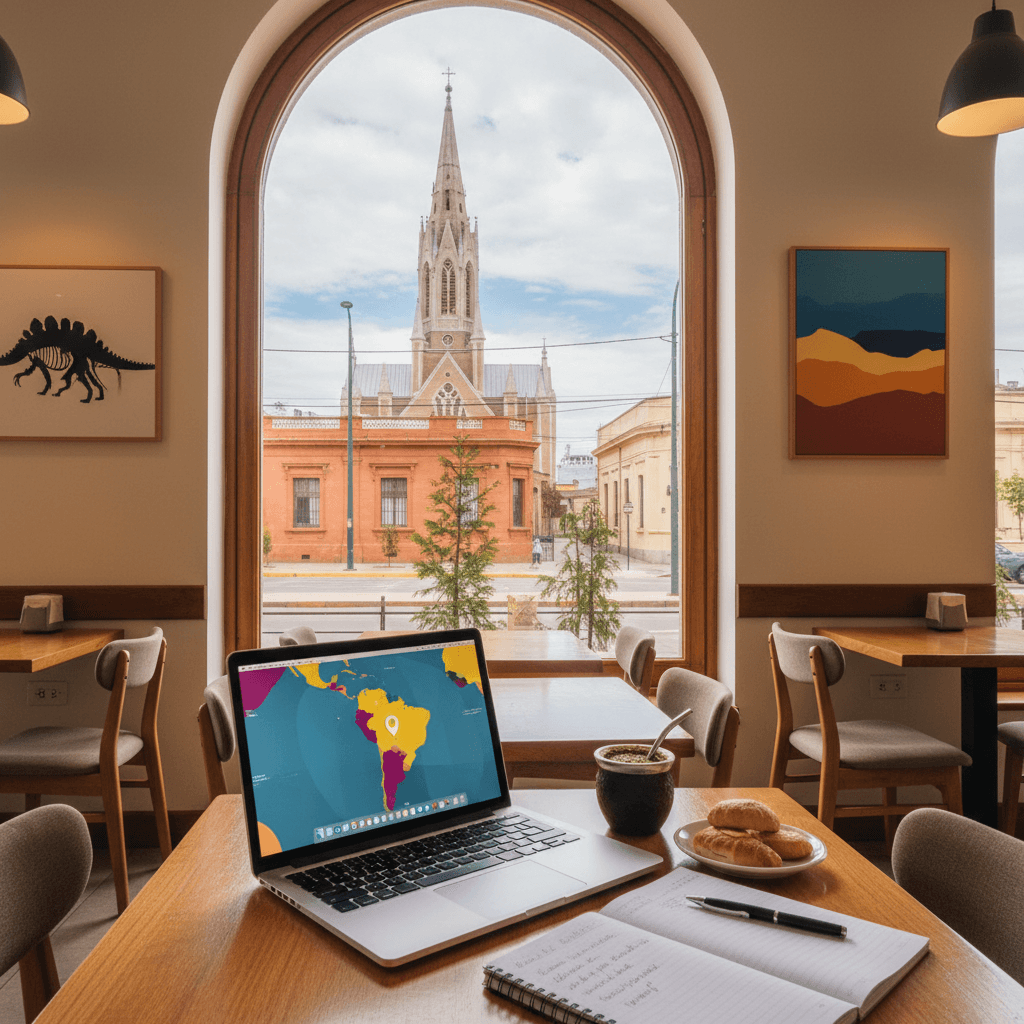
Neuquén doesn't try to seduce you with the alpine charm of Bariloche or the European grandeur of Buenos Aires. Instead, it hits you with the raw, industrious energy of a desert outpost that struck it rich. As the capital of its namesake province and the gateway to the Vaca Muerta oil fields, this is a city of movement. It feels like a frontier town that grew up too fast, trading sleepy siestas for a high-speed connection to the global economy.
For nomads, the vibe is pragmatism over poetry. You aren't here for cobblestone streets; you're here because it's one of the few places in Patagonia where the internet actually keeps up with a heavy Zoom schedule. With average speeds exceeding 200 Mbps, it’s a reliable base for those who need to subsidize their southern adventures with serious deep work. It’s a place where rugged oil workers and remote techies rub shoulders in modern cafes, all against a backdrop of red plateaus and turquoise rivers.
A Desert Climate with a Modern Edge
Life here revolves around the Limay and Neuquén rivers. While the city center is a grid of concrete and commerce, the riverbanks provide the much-needed breathing room. The weather stays warm, averaging around 25°C, which makes the riverside "Paseo de la Costa" the undisputed social heart of the city. You'll find locals drinking mate and runners pacing the trails until the sun goes down, which happens quite late during the southern summer.
The cost of living reflects its status as an economic hub. At roughly $1,400 to $1,800 per month for a comfortable nomad lifestyle, it is pricier than some northern Argentine cities but offers a level of infrastructure that’s hard to find once you head deeper into the mountains. It’s a trade-off: you pay a bit more for the stability and the logistics, using the city as a launchpad for weekend trips into the Andes.
The Nomad Experience
Most travelers find that Neuquén is a "bridge" city. It’s where you spend a few weeks catching up on projects before disappearing into the wilderness of San Martín de los Andes or Villa La Angostura. Because it isn't a traditional tourist trap, the experience feels authentic. People aren't trying to sell you trinkets; they’re living their lives, which makes it easier to blend in and feel like a local rather than a visitor.
- The Work-Life Balance: Expect a city that wakes up early and stays active late. The wind can be fierce, a classic Patagonian trait, but the dry heat is manageable.
- The Connectivity: Unlike the patchy satellite internet found in remote lake towns, Neuquén offers the kind of stability required for developers and creative directors.
- The Landscape: You are surrounded by "bardas," the striking red cliffs that define the Upper Valley. They offer a stark, Martian beauty that contrasts with the lush greenery of the river valley.
If you're looking for a place to disappear into a bohemian haze, this isn't it. But if you want a high-functioning, sun-drenched base where the steaks are excellent, the wine comes from the nearby San Patricio del Chañar vineyards, and the Wi-Fi never drops a call, Neuquén fits the bill perfectly. It’s Patagonia for the professional who needs to stay plugged in.
The Bottom Line on Neuquén
Living in Neuquén places you at a unique crossroads between industrial hub and Patagonian gateway. While it doesn’t have the rock-bottom prices of some northern provinces, your dollar goes a long way here compared to North America or Europe. Most nomads find that a monthly budget of $1,500 per month covers a high-quality lifestyle, including a modern apartment, frequent dining out, and weekend trips into the wilderness.
The city operates on a different rhythm than Buenos Aires. It is wealthier due to the local energy industry, which means infrastructure is solid but prices for services can be slightly higher than the national average. You are paying for reliability, specifically internet speeds that often clock in at averages exceeding 200 Mbps, making it one of the better spots in the south for heavy Zoom users.
Housing and Neighborhoods
Rent will be your biggest variable. The city center and the areas near the Limay River are where you want to focus your search. Short-term rentals are often priced in USD or pegged to the unofficial "Blue Dollar" rate, so keep that in mind when browsing platforms like Airbnb or local Facebook groups.
- Microcentro: This is the heart of the action. You’ll be within walking distance of the best cafes and the few coworking spots available. Expect to pay around $500 to $900 for a modern one-bedroom apartment with reliable utilities.
- Santa Genoveva: A more residential, upscale choice just east of the center. It’s quieter and favored by expats who want a bit more green space. Rents here hover around $950 for a comfortable setup.
- Paseo de la Costa: If you want to be near the river for morning runs, look here. It is a newer development area, and while it's further from the business district, the views are worth the extra $100 a month in rent.
Food and Daily Expenses
Dining out in Neuquén is a treat, especially if you enjoy high-quality beef and Patagonian wine. A mid-range dinner for two with a bottle of local Malbec usually runs about $25 to $45 USD. If you are sticking to local rotiserias or empanada shops, you can easily grab a quick lunch for $5 to $7 USD.
- Coffee and Workspace: A cappuccino in a nomad-friendly cafe costs roughly $3.50. Most digital workers find the local cafes are happy to let you linger if it’s not peak lunch hour.
- Groceries: If you shop at supermarkets like La Anónima or Coto, a weekly haul for one person will cost around $60 to $80, depending on how much imported cheese or wine you’re buying.
- Gym Membership: A monthly pass at a decent fitness center in the center costs about $40.
Connectivity and Getting Around
The city is surprisingly well-connected for its location. While public buses exist, most nomads rely on ride-hailing apps or local taxis, which are plentiful and safe. A cross-town trip rarely exceeds $10. If you plan on exploring the nearby wineries or driving out to the lakes, renting a car is a must and will set you back about $60 per day.
Internet is a standout feature here. Unlike some remote Patagonian villages where the wind can knock out your connection, Neuquén’s averages exceeding 200 Mbps are robust. Most modern apartments come with fiber optic connections, but always ask for a speed test screenshot before signing a lease. For backup, a local SIM card with a heavy data plan is cheap, usually costing less than $20 USD a month for more data than you’ll likely need.
The "Blue Dollar" Factor
Your actual cost of living depends heavily on how you manage your money. Argentina’s dual exchange rate system means that using a foreign credit card or withdrawing from an ATM at the official rate can make the city feel twice as expensive. Travelers often use services like Western Union to send themselves money, which usually provides a rate close to the "Blue Dollar," effectively doubling your purchasing power. Managing your finances this way is what keeps the monthly spend closer to that $1,500 mark rather than a much higher figure.
For Digital Nomads: The Downtown Core (Centro)
If you're landing in Neuquén to keep your head down and work, the Centro is your best bet. It's the heartbeat of the city where the 143 Mbps fiber optic speeds are most reliable. You'll find most of the administrative buildings here, which means the infrastructure is a step above the suburban fringes. It’s walkable, packed with cafes, and keeps you close to the main transport hubs.
- Rent: Expect to pay around $800 to $1,100 for a modern one-bedroom apartment with decent amenities.
- Vibe: Fast paced for Patagonia, with plenty of professionals grabbing lunch between meetings.
- Coworking: While dedicated spaces are still popping up, local cafes along Avenida Argentina are the go-to spots for remote workers.
For Expats and Long-Termers: Santa Genoveva
Located just east of the city center, Santa Genoveva is where people move when they want to trade city noise for leafy streets. It's a more established, residential area favored by those who have been in town for a few months. It feels safer and more settled than the high-rise density of the Centro, making it easier to build a routine. It’s close enough to the university area to keep things from feeling too sleepy.
Most expats here enjoy being within walking distance of the Parque Este, which offers great views of the Neuquén River. It’s the kind of place where you actually get to know your neighbors at the local bakery. You'll need a slightly higher budget here as the houses are larger and more sought after.
For Families: Jardines del Rey
Families usually look toward the southern side of the city, specifically Jardines del Rey. This neighborhood sits near the Limay River and offers a much slower pace of life. There’s more green space for kids and the air feels fresher than the dusty northern reaches of the city. It’s a quiet pocket that feels a world away from the industrial energy often associated with Neuquén's oil and gas economy.
- Rent: Larger family homes typically range from $1,200 to $1,600 per month.
- Lifestyle: Weekend bike rides along the Paseo de la Costa are the standard here.
- Safety: Widely considered one of the most secure and peaceful residential zones in the city.
For Solo Travelers: Area Centro Sur
If you're traveling alone and want to be where the action is, look at the southern edge of the downtown area. This puts you near the Paseo de la Costa, the city's revamped riverfront. It’s the most social part of town, especially during the summer months when the average temperature hits 25°C. You’ll find the best concentration of bars, breweries, and casual eateries here.
Solo travelers often prefer this area because it balances work and social life. You can spend your morning in a coffee shop and your evening at a "cervecería" meeting locals. The total monthly cost of living for a solo traveler in this area usually hovers around $2,542, which covers a comfortable lifestyle including dining out and local transport.
Pro Tip for Choosing Your Base
Neuquén is a city that grew fast because of the energy industry, so the "vibe" can change quickly from one block to the next. Always check if your building has a backup generator and confirmed high-speed internet before signing a lease. Most nomads find that staying south of Ruta 22 is better for leisure, while staying north of it is better for business and errands.
Getting Connected and Finding Your Desk
Neuquén isn't the first place most people think of when they head to Argentina, but for those who want a gateway to Patagonia without the Bariloche price tag, it's a solid choice. The city serves as a regional hub, meaning the infrastructure is surprisingly beefy. You aren't dealing with the spotty satellite connections you might find deeper in the mountains; you're looking at average speeds around 250 Mbps. That is plenty for heavy video calls or uploading large files to the cloud.
Most apartments in the center come equipped with fiber optic connections. If you are scouting airbnbs or temporary rentals, always ask for a screenshot of a speed test. While the city average is high, some older buildings in the outskirts still rely on copper wiring that can get sluggish during the evening peak hours. For the most reliable signal, look for stays near the Alto Valle area or the city center.
Coworking Spaces and Where to Work
The coworking scene in Neuquén is small but professional, catering largely to the energy industry and local entrepreneurs. You won't find the massive, trendy global chains here yet, but the local spots are welcoming and much quieter than what you'd find in Buenos Aires. Expect to pay around $25 to $35 USD for a day pass, though monthly memberships offer much better value if you're sticking around for a few weeks.
- Local Business Hubs: Several smaller, independent offices near Avenida Argentina offer hot desks. These are often less about "networking events" and more about getting head-down work done in a professional environment.
- Public Libraries and University Spaces: If you just need a desk and quiet for an hour, the area around the Universidad Nacional del Comahue has pockets where students and remote workers congregate.
The Cafe Culture
If you prefer the hum of a coffee shop, Neuquén has a growing specialty coffee scene. Unlike the traditional "confiterias" where you might get a side-eye for staying three hours with a laptop, the newer spots are very laptop-friendly. Most have "WiFi" stickers in the window and won't mind you camping out for a session as long as you keep the lattes and "medialunas" coming.
The best spots are concentrated along Calle Diagonal Alvear and the surrounding streets. Look for places with large windows and plenty of power outlets. Just a heads up: the local "siesta" culture is still a thing here. While the big cafes stay open, some smaller shops might close for a few hours in the afternoon, so plan your deep-work blocks accordingly.
Mobile Data and SIM Cards
Don't rely solely on cafe WiFi. Local data is cheap and acts as a perfect failover. You can grab a SIM card at any "kiosco" (small convenience stores found on almost every block). The three main players are Personal, Movistar, and Claro. Personal generally has the best reputation for speed and coverage in the Neuquén province.
- Prepaid SIM and Data: You can generally get set up with a chip and generous data for under $10 USD depending on current promotions.
- eSIM: If your phone supports it, Airalo or Holafly work well here, but you'll pay a premium for the convenience compared to a local physical SIM.
Most nomads find that a combination of a central apartment with fiber and a backup 4G/5G signal from Personal is more than enough to stay productive. The city is stable, the power outages are rare, and the internet is fast enough that you won't be thinking about it, which is exactly what you want when you're trying to get through a workday.
Staying Safe in the Oil Capital
Neuquén doesn't carry the same edge as the larger barrios of Buenos Aires, but it has its own rhythm you'll need to learn. As the gateway to Patagonia and a major energy hub, the city feels more like a hardworking industrial center than a tourist resort. Most nomads find the center, or Bajo Neuquén, perfectly fine during the day, though it pays to stay alert after dark when the streets quiet down.
The general consensus among expats is to stick to well lit areas near the Paseo de la Costa in the evenings. This riverside development is where locals go to jog and socialize; it's generally the most relaxed part of the city. While violent crime isn't a primary concern for travelers here, opportunistic petty theft like phone snatching can happen. Keep your tech tucked away when you're walking near the main bus terminal or the quieter stretches of Avenida Argentina late at night.
If you're heading out to the surrounding desert or trekking spots, let someone know your route. The terrain in this province is beautiful but unforgiving, and cell service drops off quickly once you leave the city limits. For getting home after a late dinner, skip the long walks and use a radio taxi or a ride hailing app. It's affordable and eliminates the guesswork of wandering into unfamiliar residential blocks at 2:00 AM.
Healthcare Infrastructure
You'll find that healthcare in Neuquén is surprisingly robust, largely because the city serves as the medical hub for the entire upper valley region. There's a mix of public and private facilities, and for anything beyond a common cold, you'll want to head to the private clinics. They usually have shorter wait times and more modern equipment.
Hospital Castro Rendón is the main public facility, but for digital nomads with international insurance, Clínica Pasteur or Policlínico Neuquén are the standard recommendations. These private centers are used to dealing with the high volume of professionals working in the energy sector, so the care is efficient. You might find some English speaking doctors, but it's never a guarantee, so having a translation app ready on your phone is a smart move.
Pharmacies, or farmacias, are everywhere. They operate on a rotating "de turno" system, meaning at least one pharmacy in every neighborhood is open 24 hours a day. You can find the schedule posted in the window of any closed pharmacy or check local listings online. Most basic medications that require a prescription in the US or Europe are often available over the counter here, though it's always better to consult a professional first.
Practical Health Tips
- Tap Water: The water in Neuquén is generally considered safe to drink, though many long term expats prefer using a filter or buying bottled water to avoid the high mineral content typical of the region.
- Health Insurance: Ensure your policy covers "repatriation" and mountain rescue if you plan on exploring the Andes. A standard visit to a private GP might cost between $20 and $40 USD out of pocket if you don't have local coverage.
- Sun Protection: The Patagonian sun is incredibly strong due to the thin atmosphere and clear skies. Even on a cool 25°C day, you'll burn much faster than you expect. Wear high SPF sunscreen if you're working outside or walking the riverside trails.
- Emergency Numbers: Dial 107 for medical emergencies and 101 for the police. It's helpful to have your address written down in Spanish to relay to dispatchers.
Overall, Neuquén offers a stable environment for a stint in the south. It lacks the frantic energy of the capital, which makes for a safer, more predictable daily routine. Just keep your wits about you in crowded spots and make sure your insurance is sorted before you start heading into the wilderness.
Making Your Way Through the Gateway to Patagonia
Neuquén is the largest city in Patagonia, but it doesn't feel like a sprawling metropolis. It functions as a strategic hub where the urban grid meets the rugged desert. Unlike the walkable, dense neighborhoods of Buenos Aires, this city is spread out. You'll find that getting from a riverside cafe to a downtown coworking spot usually requires a bit more planning than just stepping out your front door.
The Ride-Hailing Scene
While Buenos Aires has a love-hate relationship with apps, Neuquén is more straightforward. Most nomads rely on Uber or Cabify to get around, especially after dark. It's the most reliable way to ensure you aren't overcharged, and the wait times in the central district are usually under eight minutes. If you prefer the local route, traditional taxis (Radio Taxi) are everywhere. You can flag them down on the street, but it's better to use an app or have your accommodation call one for you to ensure the meter is used correctly.
Public Transit and the SUBE Card
If you're on a budget, the local bus system (Colectivos) is your best friend. To ride, you absolutely must have a SUBE card. This is the same rechargeable smart card used in the rest of Argentina. You can pick one up at many "kioscos" (small convenience stores) around the city center, though they can sometimes be out of stock. Look for the blue SUBE sticker in the window.
- Cost per ride: Generally under $1.00 USD, making it incredibly cheap for long hauls.
- App Tip: Download the Cuándo Pasa app to track bus timings in real time, as schedules posted at stops are often more like suggestions than rules.
- Coverage: The lines are extensive, connecting the northern residential areas to the Paseo de la Costa.
Walkability and Cycling
The city center is quite walkable, especially around the Avenida Argentina corridor. This is where you'll find the bulk of the banks, shops, and administrative buildings. However, if you're heading down to the Limay River for a sunset work session, it's a long trek on foot. The city has been investing in "bicisendas" (bike lanes), particularly along the riverfront. While there isn't a massive public bike-share program like in the capital, many long-term expats find that buying a used mountain bike is the best investment for navigating the flat but windy terrain.
Getting Out of Town
Most nomads come to Neuquén because it's the jumping-off point for the rest of the region. The Presidente Perón International Airport (NQN) is surprisingly close to the city, usually a 15 to 20 minute drive from downtown. It connects you to Bariloche, San Martín de los Andes, and Buenos Aires with daily flights.
- Car Rentals: If you plan on exploring the wineries in nearby San Patricio del Chañar or the dinosaur sites in El Chocón, renting a car is a must. Expect to pay around $50 to $70 USD per day for a standard manual vehicle.
- The Bus Terminal: The ETON (Estación Terminal de Ómnibus Neuquén) is the main hub for long-distance travel. It's modern, safe, and has frequent departures to every major destination in Patagonia.
Practical Nomad Advice
Traffic can get surprisingly congested during the "siesta" transition hours. Between 1:00 PM and 4:00 PM, many local shops close and the roads fill up with people heading home for lunch. If you have a meeting or a coworking space to get to, try to move before or after this window. Also, keep in mind that the wind in Neuquén is no joke. If you're cycling or walking, check the wind speed on your weather app; 50 km/h gusts are common and can turn a quick stroll into a serious workout.
The Linguistic Landscape
In Neuquén, Spanish isn't just the primary language; it's the only one you can count on for daily interactions. Unlike the international bubble of Palermo in Buenos Aires, this is a working city where the local dialect, Rioplatense Spanish, reigns supreme. You'll notice the distinct "sh" sound for double Ls and Ys, and the use of "vos" instead of "tu." While the younger crowd and those in the tech sector often have a decent grasp of English, don't expect the person behind the counter at the local carnicería or the bus driver to speak anything but Spanish.
Expats living here find that a B1 (Intermediate) level of Spanish makes life significantly easier. If you're just starting out, you'll likely rely heavily on translation apps for anything beyond a basic coffee order. The locals are generally patient and appreciate any effort to speak their language, but having a few key phrases ready will go a long way in building rapport.
Staying Connected
For a city that serves as a gateway to the rugged Patagonian wilderness, Neuquén’s digital infrastructure is surprisingly robust. With average speeds exceeding 200 Mbps, you won't have trouble with video calls or heavy uploads. Most modern apartments in the center come equipped with fiber optic connections, which is a massive plus for anyone working on a North American or European time zone.
- Mobile Data: Grab a SIM card from Personal, Movistar, or Claro. Personal often has the best coverage once you start heading out toward the mountains.
- Registration: You’ll need your passport to register a prepaid (prepago) chip. It’s a quick process at any official flagship store in the city center.
- Topping Up: Use the Mercado Pago app or visit a Pago Fácil kiosk to add credit to your phone. It’s cheap, usually costing less than $20 USD a month.
Coworking and Cafe Culture
While Neuquén doesn't have the endless supply of laptop friendly cafes found in the capital, the scene is growing. Most nomads find that the high home speeds make their own apartments the most reliable office, but there are spots to escape the four walls. The city center has several modern cafes with reliable Wi-Fi where you can camp out for a few hours.
If you need a dedicated desk, look for local coworking hubs that cater to the energy industry professionals and tech nomads. These spaces are often more productive than cafes because they understand the need for stable electricity and quiet zones. Expect to pay around $120 to $180 USD for a monthly hot desk, though daily rates are usually available for those just passing through on their way to the lakes.
Communication Etiquette
Argentina is a social culture, and Neuquén is no exception. WhatsApp is the undisputed king of communication here. You'll use it for everything from booking a dentist appointment to ordering a pizza or chatting with your landlord. If a business has a phone number listed, send a WhatsApp message first; they’ll likely respond faster than if you actually call them.
When meeting locals, the greeting is almost always a single kiss on the right cheek, even in semi-professional settings. It might feel a bit intimate at first if you're coming from a more reserved culture, but it's the standard way to say hello and goodbye. In terms of social groups, Facebook remains a vital tool. Search for "Extranjeros en Neuquén" or "Digital Nomads Argentina" groups to find meetups or ask specific questions about local services that aren't easily found on Google.
The High Desert Climate
Neuquén doesn't feel like the lush, green Patagonia you see on postcards of Bariloche. It sits in the high desert of the Upper Valley, meaning the air is crisp, dry, and often windy. Most days see an average temperature around 25°C (77°F), but the seasonal swings are dramatic. You'll want to pack layers regardless of when you arrive, as the desert sun is intense during the day but heat vanishes the moment it drops below the horizon.
The wind is a defining characteristic of life here. Locals are used to the "viento patagónico," which can kick up dust and make a mild afternoon feel much chillier. If you're planning on taking Zoom calls from a patio, check the forecast for gusts first, or you'll find your audio drowned out by the gale.
When to Hit the Valley
Spring (September to November) is arguably the sweet spot for a stint in Neuquén. The fruit orchards surrounding the city start to bloom, and the temperatures are comfortable for exploring the Limay River waterfront without the oppressive heat of mid summer. It's also the best time to secure short term rentals before the summer domestic tourist rush begins.
Summer (December to February) gets hot. It isn't uncommon for the mercury to climb toward 35°C (95°F). Since the city is a major transit hub for people heading deeper into the Andes, things feel lively, but you'll want a place with reliable air conditioning. The dry heat is manageable, but the sun is punishing between 2:00 PM and 5:00 PM, which is when most of the city shuts down for a long siesta anyway.
Autumn (March to May) brings a second window of perfect weather. The poplar trees lining the irrigation canals turn a brilliant gold, and the wind tends to die down. This is harvest season for the local wineries in nearby San Patricio del Chañar, making it the ideal time for weekend trips to taste the region's famous Pinot Noir.
Winter (June to August) is surprisingly sunny but cold. While it doesn't get the heavy snow seen in the mountain resorts, frosts are frequent and night temperatures often dip below freezing. If you're a skier, this is your base camp. You can live in the city with robust fiber optic internet exceeding 200 Mbps during the week and bus out to the slopes of Chapelco or Caviahue on the weekends.
Best Times Based on Your Goals
- For Outdoor Work: Stick to October or April. The weather is mild enough to work from a riverside cafe without freezing or melting.
- For Wine Lovers: Visit in March. The harvest festivals are in full swing and the vineyard tours are at their most scenic.
- For Budget Travelers: Aim for May or June. As the summer crowds vanish and before the ski season peaks, you can often negotiate better monthly rates on apartments.
- For Adventure: January is peak season for rafting and hiking in the surrounding province, though you'll be sharing the trails with plenty of Argentine families on vacation.
Seasonal Survival Tips
Hydration is your biggest hurdle here. The humidity is consistently low, and nomads often find themselves with dry skin or headaches if they aren't careful. Keep a reusable water bottle with you at all times. Also, because of the "Blue Dollar" exchange rate system in Argentina, your purchasing power stays high, but prices for seasonal gear like heavy coats or sunblock can fluctuate wildly. Buy your technical gear before you get to Patagonia if you can.
Expect the city rhythm to change with the sun. In the heat of summer, the streets empty out in the afternoon and stay busy well past midnight. In the winter, the city hugs the indoors, and you'll find the local cafes and breweries packed with people escaping the evening chill.
Connectivity and Workspace
You won't have to worry about your Zoom calls dropping here. Neuquén clocks in with surprisingly fast internet, averaging over 200 Mbps. That is significantly higher than many other Patagonian hubs, making it a reliable base for heavy cloud work or video editing. While dedicated coworking spaces are still catching up to the speed of the fiber optics, most nomads gravitate toward the cafes in the city center or work directly from their apartments.
For mobile data, grab a SIM card from Personal or Claro as soon as you arrive. You can find these at small shops called "kioskos" or official branches downtown. Make sure you bring your passport to register the chip. Data is cheap, but coverage can get spotty the moment you head out on a road trip toward the mountains, so download your offline maps ahead of time.
Budgeting and Money
Living here as a nomad typically costs around $1,500 per month. This covers a comfortable lifestyle including a furnished rental, dining out, and weekend trips. Since Argentina's economy is famous for its fluctuations, you will want to get familiar with the "Blue Dollar" exchange rate. Bringing physical USD (crisp, 100-dollar bills) and using services like Western Union will often get you a much better rate than swiping a foreign credit card at a terminal.
- Monthly Budget: Plan for approximately $1,500 to live well.
- Digital Nomad Visa: Argentina offers a 180-day visa renewable once for total of 360 days for remote workers, though many nomads still enter on a standard 90-day tourist stamp.
- Daily Costs: Expect to pay significantly less for high-quality beef and wine than you would in North America or Europe.
Climate and Timing
The weather in Neuquén is generally dry and pleasant, with an average temperature of 25°C. It doesn't get the constant humidity of Buenos Aires, but the wind can be a factor. Because it sits in the high desert area of Patagonia, the sun is intense. Pack high-SPF sunscreen and layers; even if it is a warm afternoon, the temperature drops quickly once the sun dips behind the plateaus.
Getting Around
The city is the gateway to the rest of Patagonia, so while you can use local buses or apps for short trips, you'll likely want a rental car for the weekends. If you are planning to visit the lakes or the mountains near Bariloche, the drive is spectacular but long. Within the city limits, walking is doable in the central districts, but ride-sharing apps are the go-to for getting home after dinner.
Social Life and Community
Neuquén isn't a massive nomad hub like Palermo in Buenos Aires, so you have to be a bit more proactive. Most expats and remote workers connect through Facebook groups like "Digital Nomads Argentina" or "Expats in Argentina." Since English isn't as widely spoken here as it is in the capital, learning some basic Spanish phrases will change your experience entirely. Locals are generally proud of their region and happy to give recommendations if you make the effort to chat.
For dining and socializing, the scene revolves around long dinners that start late. Don't expect restaurants to get busy before 9:00 PM or 10:00 PM. It is a slower pace of life that rewards those who aren't in a rush to get back to their laptops.
Need visa and immigration info for Argentina?
🇦🇷 View Argentina Country GuideHidden Gem
Worth the effort