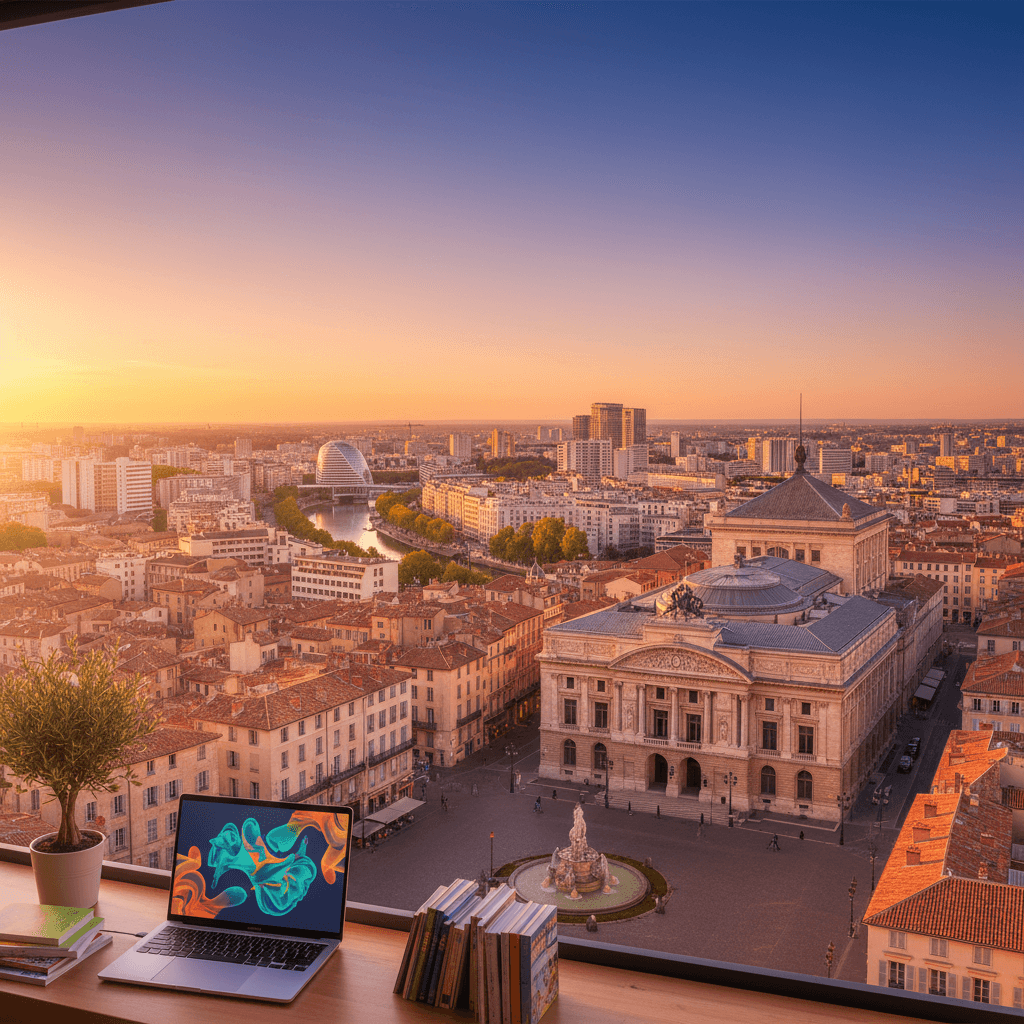
Montpellier
🇫🇷 France
The Sun-Drenched Tech Hub
Montpellier doesn't feel like the rest of France. While Paris is gray and iconic, and Lyon is industrious and culinary, Montpellier is a bright, Mediterranean breath of fresh air. It is one of the fastest-growing cities in the country, but it manages to keep a laid-back, student-driven energy that makes it incredibly easy to slip into. You'll find 1,000 year old cobblestone alleys in the Écusson district right next to a sleek, neon-lit tram system designed by Christian Lacroix.
For nomads, the appeal is the balance. You can spend your morning grinding through emails at a high-speed coworking space and your afternoon taking a 20-minute tram ride to the beach at Palavas-les-Flots. The city is famous for its 300 days of sunshine per year, which dictates the lifestyle here. People live outside, whether they're sipping a €5 glass of Languedoc wine in a crowded plaza or cycling down the Lez river path.
The Local Vibe and Community
The atmosphere is young and intellectual, thanks to a massive student population that makes up nearly a quarter of the residents. This keeps the cost of living lower than in the capital and ensures the nightlife stays active on Tuesdays, not just Saturdays. However, be prepared for the "wild" side of that energy; the center can get loud after midnight, and the local pace of work is decidedly relaxed. You might find shops closing for long lunches or a slower response time for administrative tasks.
Digital nomads often congregate around the "Place de la Comédie," the city's pulsing heart. While tourists flock there, the remote work crowd tends to drift toward the artsy Beaux-Arts neighborhood for cheap eats or the futuristic Antigone district for a quieter, more organized workspace. It’s a city where you’ll actually meet people; the "Digital Nomads Montpellier" Facebook group and weekly InterNations meetups are active and welcoming to newcomers.
What It Costs to Live Here
Your budget in Montpellier goes significantly further than in Paris or the Riviera, but it isn't "cheap" by Eastern European standards. Most nomads find that €3,500 to €4,500 per month allows for a very comfortable lifestyle with a private apartment and frequent dining out.
- Housing: A central 1-bedroom in Écusson typically runs between €800 and €1,200. If you look toward Port Marianne, you can find modern studios starting around €750.
- Daily Life: A monthly tram pass is a steal at €35 to €50. A mid-range dinner at a spot like Le Grillardin will cost about €20, while a quick street-side socca or panini is usually under €10.
- Work: Expect to pay €15 to €25 for a day pass at a coworking space, or roughly €250 for a dedicated monthly desk.
Connectivity and Infrastructure
Internet reliability is generally high, though speeds can fluctuate between 22 and 128 Mbps depending on whether your building has been upgraded to fiber. If you need a guaranteed connection for heavy video calls, the local coworking scene is your best bet for high-speed reliability and professional amenities.
Getting around is remarkably simple. The city center is almost entirely pedestrianized, making it a dream for walkers. For longer distances, the Vélomagg' bike-share program costs just €5 for a full day of unlimited use. If you’re heading out of town, the Gare Saint-Roch train station connects you to the rest of the coast in minutes.
The Nomad Neighborhood Breakdown
Where you stay will define your Montpellier experience. Choose based on your tolerance for noise and your love for historic architecture.
Écusson (The Old Town)
- Best for: Being in the thick of the action and historic charm.
- Pros: Everything is walkable; hundreds of cafes and bars are at your doorstep.
- Cons: Rent is higher (€900+); it can be very noisy at night.
Antigone
- Best for: A professional, quiet atmosphere with grand architecture.
- Pros: Spacious apartments; easy tram access; close to the river.
- Cons: Lacks the "old world" French feel; quieter nightlife.
Beaux-Arts
- Best for: Creative types and those looking for a local, village-like feel.
- Pros: Great street art; affordable bistros; very vibrant community.
- Cons: Narrow streets can feel crowded; minor petty theft risk at night.
Port Marianne
- Best for: Modernists and those who want to be near the water.
- Pros: New buildings with better insulation; close to the lake and coworking hubs.
- Cons: Further from the historic center; feels a bit more "suburban."
The Price of the Mediterranean Lifestyle
Montpellier is often described by the remote work community as the affordable alternative to the crushing prices of Paris or the high end gloss of the French Riviera. You get the same golden light and proximity to the coast, but your Euro goes significantly further. Most nomads find they can live a high quality life here for between $4,000 and $4,860 per month if they're aiming for a mid range experience that includes a private apartment and regular dinners out.
If you're on a tighter budget, you can scrape by on roughly $2,900. This usually means living in a basic studio, relying on the excellent tram system, and sticking to the city's legendary street food like €5 paninis or socca. On the other end of the scale, those looking for luxury in the upscale districts with frequent fine dining at spots like La Diligence should budget upwards of $5,700 per month.
Housing and Neighborhoods
The rental market is competitive, largely because you're vying for space with a massive student population. It's smart to look for housing well before the university semester kicks off in September. Expect to pay between €800 and €1,200 for a one bedroom in the most desirable central areas.
- Écusson (Old Town): This is the historic heart. It's incredibly walkable and puts you steps away from the best wine bars. Rent for a 1BR usually starts around €900. It's beautiful but can get noisy on weekends.
- Antigone: Designed with distinct neo classical architecture, this area is quieter and popular with expats. It's well connected by tram and offers a more structured, family friendly vibe.
- Port Marianne: The new face of the city. It's full of modern developments and green spaces. You can often find studios here starting at €750, and it’s close to several coworking hubs.
- Beaux-Arts: The artsy, bohemian choice. It’s vibrant and full of cheaper eats, though it can feel a bit crowded when the student crowds descend on the local bars.
Dining and Socializing
Eating out is one of the city's greatest draws. A casual lunch at a mid range bistro like Le Grillardin will usually set you back about €20. If you're heading out for a celebratory Mediterranean feast at Richer de Belleval, expect to pay €50 or more per person.
The social scene is heavily influenced by the local wine culture. A glass of regional red at a spot like Le Bar à Vins is surprisingly affordable. For those who need a community fix, the Digital Nomads Montpellier Facebook group hosts weekly coffee meetups that are great for networking without the stiff corporate vibe.
Connectivity and Logistics
While the city's Wi-Fi can be a bit hit or miss in older stone buildings, the coworking scene is robust. La Capsule is a favorite for its €15 day pass and reliable high speed lines. WeWork Montpellier offers a more familiar global standard for about €299 a month.
- Transportation: A monthly TaM tram pass costs between €35 and €50. For quick trips, Vélomagg bike rentals are just €5 for a full day of unlimited use.
- Data: Pick up a prepaid SIM from Orange or Free Mobile at a local tabac shop. You can get 50GB to 100GB of data for roughly €10 to €20.
- Healthcare: Quality of care is high at CHU Montpellier, where many staff speak English. A standard GP visit is affordable, and pharmacies like Pharmacie Antigone are easy to find for minor needs.
For Digital Nomads: Écusson and Port Marianne
If you want to be in the thick of it, Écusson is the way to go. It's the medieval heart of the city, where you'll spend your mornings working from a cafe and your evenings getting lost in a maze of limestone alleys. It's almost entirely pedestrian, so you won't hear cars, but you will hear the hum of nightlife. Expect to pay around €900 or more for a decent one bedroom apartment here. Nomads often congregate at La Capsule for deep work sessions, which costs about €15 for a day pass, or WeWork Montpellier if you need a more corporate, central hub.
For those who prefer glass and steel over cobblestones, Port Marianne is the modern alternative. It's further south and feels more like a city of the future with its bold architecture and lakeside views at Bassin Jacques Cœur. Rent is slightly more forgiving, with studios starting around €750. It's a bit quieter than the old town, but the tram lines make it easy to zip into the center for dinner. You'll find a younger, tech focused crowd here who appreciate the proximity to newer coworking spots like Le Node.
For Expats: Antigone
Antigone is a unique architectural marvel designed by Ricardo Bofill, characterized by its neo classical style and wide plazas. It's a favorite for expats because it offers a sense of space and order that the old town lacks while still being within walking distance of the main square, Place de la Comédie. It's a practical choice; you have easy access to the Pharmacie Antigone and several large grocery stores.
Living here feels more "local" and less touristy. Most expats find the transport links unbeatable, as multiple tram lines intersect here. Monthly tram passes will set you back about €35 to €50, making it a great base if you plan on exploring the wider region. It's a professional neighborhood where you can find a mid range one bedroom for roughly €800 to €1,000.
For Families: Port Marianne and the Outskirts
Families usually gravitate toward Port Marianne because of the greenery and safety. The parks are well maintained, and the wide sidewalks are stroller friendly, a rare find in southern French cities. The area feels secure, and the proximity to the Marché du Lez, a creative hotspot with food trucks and vintage markets, provides plenty of weekend entertainment for all ages.
If you need even more room, the residential areas just beyond the tram terminals offer larger homes with gardens. While you'll be further from the beach, the trade off is a quiet environment and better access to international schools. Budget around €4,000 to €4,800 for a comfortable monthly lifestyle that includes a larger family apartment and regular dining at spots like Le Grillardin.
For Solo Travelers: Beaux-Arts
Beaux-Arts is often described as a village within the city. It's artsy, bohemian, and slightly gritty in the best way possible. It's the perfect spot if you're traveling alone and want to meet people quickly. The central square in this neighborhood is always buzzing with students and artists grabbing cheap eats. You can find a panini or a plate of socca for €5 to €10 at the local stalls.
The vibe here is unpretentious. While there is a slightly higher risk of petty theft at night compared to the more sterile neighborhoods, most residents say it just requires basic street smarts. It's a great place to immerse yourself in the local student culture. You'll be close to the Gare Saint-Roch for quick weekend trips to the Sète beaches, which cost about €5 for a thirty minute train ride.
- Écusson Rent: €900+ for a 1BR; best for history and nightlife.
- Antigone Rent: €800 to €1,000; best for commuters and long term expats.
- Port Marianne Rent: €750+ for a studio; best for modern amenities and families.
- Beaux-Arts Rent: Variable; best for students and solo travelers on a budget.
Connectivity and Speed
You won't have much trouble hopping on a Zoom call or uploading large files here. Montpellier's internet infrastructure is solid, with average speeds ranging from 22 to 128 Mbps. While some of the older buildings in the Écusson district have thick stone walls that can be a nightmare for Wi-Fi signals, most modern apartments and almost all dedicated workspaces offer high speed fiber connections. Staying connected is rarely an issue for the local nomad community.
For your mobile data, skip the expensive roaming plans. You can grab a local SIM card at any "tabac" shop or newsstand. Orange and Free Mobile are the go-to choices, often offering prepaid plans with 50GB to 100GB of data for €10 to €20 a month. If you prefer a digital setup, Airalo works perfectly for eSIMs, while the Orange Holiday Zen card is a popular choice for those who need a bit more data right out of the gate.
Top Coworking Spaces
The coworking scene in Montpellier reflects the city's mix of tech innovation and Mediterranean chill. Whether you need a silent zone for deep work or a social hub to meet other founders, there's a desk waiting for you. Most spots offer flexible day passes if you're just passing through.
- WeWork Montpellier: For those who want the familiar amenities of a global brand, this central location starts at €299 a month. It's great for networking, though it's the priciest option in town.
- Bureaux & Co: Often found in newer areas like Port Marianne, these spaces are modern, bright, and slightly more corporate, perfect for those who need a polished background for client calls.
Work-Friendly Cafes
Montpellier has a genuine Wi-Fi cafe culture, but there's a bit of etiquette to follow. During the busy lunch rush from 12:00 PM to 2:00 PM, it's polite to put the laptop away so the staff can turn over tables for diners. Outside of those hours, you'll find plenty of nomads nursing a €2 espresso for a few hours of work.
- Coldrip Coffee: Located in the heart of the old town, they serve excellent specialty coffee and have a very laptop-friendly atmosphere.
- Bearlock: A cozy spot that feels more like a living room than a cafe. It's a great place to hide away on a rainy afternoon with a laptop and a pastry.
- Hybride: This spot functions as a concept store and cafe. It's spacious, modern, and popular with the local student and freelancer population.
Practical Tips for Remote Workers
If you're planning a long stay, expats recommend looking for housing in Port Marianne or Antigone if you want more modern apartment layouts that are better suited for home offices. The historic Écusson is beautiful, but the variable internet speeds in 17th-century buildings can be a gamble.
For banking and managing your subscriptions, most nomads stick with fintech apps like Revolut or N26 to avoid the headache of opening a traditional French bank account, which usually requires a mountain of paperwork. These apps make it easy to pay for your coworking membership or your monthly €35 tram pass without extra fees.
Safety in the City
Montpellier is generally a safe, welcoming hub for remote workers and solo travelers. The city has a relaxed Mediterranean energy that keeps the atmosphere light, even after the sun goes down. Most nomads feel comfortable walking through the Écusson district at night, though it's smart to stay aware of your surroundings in the narrow, winding alleys of the old town where nightlife gets rowdy.
While serious crime is rare, petty theft like phone snatching or pickpocketing can happen in crowded areas. Locals suggest being extra cautious around the Gare Saint-Roch train station after dark, particularly in unlit side streets. If you're spending time in the Beaux-Arts neighborhood, keep an eye on your belongings during the busy weekend markets and late-night student gatherings.
- Emergency Numbers: Dial 112 for general EU emergencies, 15 for the SAMU ambulance service, or 17 for the police.
- Safe Areas: Antigone and Port Marianne are well-lit and modern, making them popular choices for those who prefer a quieter evening environment.
- Nightlife Safety: If you're out late at clubs like Le Fizz, use ride-hailing apps like Uber or Bolt rather than walking long distances alone through unfamiliar territory.
Healthcare Access
The quality of medical care in Montpellier is exceptionally high, and the city is home to some of the best teaching hospitals in France. Expats often praise the efficiency of the local system, noting that getting an appointment with a specialist is usually faster here than in Paris or Lyon. Many doctors and specialists speak at least some English, especially those practicing near the university hubs.
The CHU Montpellier is the primary public hospital system and is top-rated for various specialties. For non-emergencies, you'll find pharmacies on almost every corner, marked by the iconic glowing green crosses. Pharmacie Antigone is a reliable spot with helpful staff who can often provide advice for minor ailments without a doctor's visit.
- Finding a Doctor: Use the Doctolib app to book appointments. It allows you to filter for English-speaking practitioners and see real-time availability.
- Pharmacies: Most are open from 9:00 AM to 7:00 PM, but there is always a "pharmacie de garde" (on-call pharmacy) open for late-night needs. Check the list posted on any pharmacy door to find the nearest open one.
- Costs: A standard consultation with a General Practitioner typically costs around €25 to €30. If you aren't covered by the French state system yet, ensure your private nomad insurance is active and keep all receipts for reimbursement.
Nomads who have stayed long-term often mention that the peace of mind regarding healthcare is a major draw. Whether you need a quick prescription or more specialized care, the infrastructure is robust and accessible. Just remember to carry a digital or physical copy of your insurance card when visiting a clinic, as it speeds up the check-in process significantly.
The Layout of the Land
Montpellier is a city where your feet are often your best asset. The historic core, known as Écusson, is one of the largest pedestrianized zones in Europe. Most nomads find they can handle 90% of their daily life just by walking through these winding, medieval streets. It is a dense, limestone maze where cars are mostly non-existent, making it perfect if you prefer a commute that involves grabbing a pastry rather than sitting in traffic.
When you need to cover more ground or head out to the newer districts like Port Marianne, the TaM transit network takes over. The city is famous for its four tram lines, each featuring distinct artwork like the "flower power" Line 2 or the sleek, blue Line 3 designed by Christian Lacroix. It is reliable, frequent, and arguably the most stylish way to get to a coworking session.
Public Transit and Pricing
The tram system is the backbone of local life. While the city provides free transit for local residents with a permit since 2023, as a visitor or short-term nomad, you will still need to purchase a ticket. Luckily, the costs are manageable and the system is easy to learn.
- Single Trip: €1.60, valid for one hour of transfers.
- Monthly Pass: Usually ranges between €35 and €50 depending on your age and status.
- Airport Access: You can take a shuttle for €5 or a combination of the tram and a local bus for about €2.60. The trip to the center usually takes about 20 minutes.
Biking and Scooters
If you prefer two wheels, the city is increasingly bike-friendly. The local bike-share program is called Vélomagg, run by JCDecaux. You can grab a bike for €5 a day for unlimited short trips, which is ideal for zipping between the Beaux-Arts district and the city center. There are plenty of docking stations near major hubs like Gare Saint-Roch and Place de la Comédie.
For those who don't want to pedal, Lime scooters are scattered throughout the city. They cost about €0.20 per minute. They are great for quick bursts, but the costs add up quickly compared to the tram. Just be careful on the cobblestones in Écusson; they can be slippery and unforgiving on small scooter wheels.
Ride-Hailing and Taxis
Uber and Bolt both operate in Montpellier and are generally easy to summon, especially on weekend nights when the student crowds are out in full force. A typical ride across the city will set you back €10 to €20. Note that cars cannot enter many parts of the old town, so your driver might have to drop you at the nearest "porte" or gate, leaving you with a short walk to your final destination.
Getting Out of Town
One of the best parts of living here is how quickly you can swap the city for the sea. You don't need a car to reach the Mediterranean. Many nomads take the 30-minute train ride to Sète for about €5 to enjoy the canals and beaches. If you want to explore the Camargue nature reserves or nearby vineyards, renting a car for a day is your best bet, though parking in the city center is notoriously difficult and expensive. Most expats recommend sticking to the trains for regional travel and only renting a car when you're heading deep into the countryside.
The Language Landscape
French is the undisputed king in Montpellier. Unlike the more international hubs of Paris or the Riviera, you'll find that daily life here moves almost exclusively in French. That said, the city's massive student population, which makes up nearly a third of the residents, keeps the atmosphere linguistically flexible. You can expect about 30% to 40% of the younger crowd to have a solid grasp of English, making it easier to strike up a conversation in a pub in the Écusson or at a tech meetup.
In coworking spots like La Capsule or Le Node, English is often the bridge between international nomads and local entrepreneurs. However, don't expect the same at the local boulangerie or the prefecture. Most nomads find that while you can survive with English, your quality of life improves drastically once you can handle basic transactions in the local tongue. It's the difference between being a perpetual tourist and feeling like a resident.
Communication Etiquette
The French place a high value on formal greetings. Skipping a "Bonjour" when entering a shop or "Merci, bonne journée" when leaving is considered a genuine snub. In social settings, especially among the expat and nomad community, you'll quickly encounter la bise. These light cheek kisses are the standard greeting for friends and acquaintances, though a firm handshake still works in professional coworking environments.
Expats recommend leaning into the local pace. Dinner usually starts late, often after 8:00 PM, and conversations over wine are meant to be savored, not rushed. If you're trying to get things done, remember that many smaller shops close for a couple of hours in the afternoon. It's not laziness; it's the Mediterranean lifestyle that makes this city so attractive in the first place.
Digital Essentials
To stay connected without relying on spotty public Wi-Fi, you'll want a local SIM card immediately. You can pick these up at any tabac (tobacco shop) or dedicated carrier store. Travelers often say the process is straightforward if you have your passport handy.
- Free Mobile: Known for the best data-to-price ratio. You can get 110GB for roughly €9.99 a month using their automated kiosks.
- Orange: The most reliable coverage across the Occitanie region. Their Holiday Zen plan costs about €30 for 20GB and is great for short stays.
- Airalo: If you prefer the convenience of an eSIM before you even land, this is the go-to for most nomads, though it's usually pricier than a local physical SIM.
Bridging the Gap
Since English proficiency is moderate at best in residential areas like Port Marianne or Antigone, having the right tools on your phone is a lifesaver. Most nomads use DeepL for more accurate, natural-sounding translations compared to other apps. It's particularly useful for translating rental agreements or emails from utility providers.
If you're looking to learn, Montpellier is a fantastic base. There are dozens of language schools catering to foreigners, and the "Digital Nomads Montpellier" Facebook group frequently organizes weekly coffee meetups where you can practice your French with locals who want to improve their English. It's a low-pressure way to build your vocabulary while expanding your social circle.
Key Phrases for Your First Week
- "Où est le tram?" (Where is the tram?): You'll use this often given the city's excellent four-line system.
- "Je voudrais un café allongé, s'il vous plaît" (I would like a long coffee, please): Perfect for those morning work sessions in a cafe.
- "L'addition, s'il vous plaît" (The check, please): Remember, servers won't bring the bill until you ask for it.
- "Est-ce que vous parlez anglais?" (Do you speak English?): Always ask this in French first; it shows effort and usually gets a much friendlier response.
The Sweet Spot: Shoulder Season Success
If you're looking for that perfect balance of crisp air and outdoor cafe productivity, aim for the shoulder seasons. Most nomads find that April through June and September through October are the goldilocks months. During these windows, temperatures hover comfortably between 20°C and 28°C, making it easy to stroll through the Écusson without breaking a sweat or needing a heavy parka.
Spring is particularly special because the city's student energy is at its peak before the summer break. You'll get plenty of sunshine for those afternoon terrace sessions at places like La Capsule, but you won't have to deal with the intense humidity that can sometimes settle over the Herault region later in the year. Rain is a factor in October, seeing about 7 rainy days on average, but it rarely puts a total damper on your plans.
Summer: Heatwaves and Beach Breaks
July and August turn the heat up significantly, with highs often hitting 32°C to 35°C. It can feel even hotter in the narrow, stone-walled streets of the old town where the air tends to sit still. This is when the city's rhythm shifts toward the coast. Expats recommend heading to Palavas-les-Flots or Carnon in the late afternoons to catch the Mediterranean breeze.
While the weather is great for beach clubs, be aware that August can be tricky for deep focus. Many local businesses close for their own summer holidays, and the lack of air conditioning in some older Écusson apartments can make afternoon Zoom calls a bit of a struggle. If you're here in July, you'll only see about 2 days of rain, so it's a guaranteed sun-soaked experience.
Winter: Mild and Productive
Winter in Montpellier is surprisingly manageable compared to northern France. From January to March, you're looking at lows of 5°C and highs around 12°C. It's rarely "bitter," though the humidity can make the chill feel a bit more piercing than the numbers suggest. This is the best time to hunker down in coworking spaces like Le Node or WeWork Montpellier to get through a heavy project load.
The city doesn't go into hibernation during the colder months. You'll still see people bundled up in scarves sipping espresso outside, but the crowds are much thinner. It's the most affordable time to snag a short-term rental in popular spots like Antigone or Port Marianne since there's less competition from the summer tourist influx.
Monthly Weather Breakdown
- January to March: Cool and crisp. Expect 5°C to 13°C. Great for focus, less ideal for beach lovers.
- April to June: Peak Mediterranean vibes. Temperatures range from 10°C to 25°C. The best time for walking tours and outdoor networking.
- July to August: Hot and dry. Highs of 32°C+. Perfect for weekend trips to the Camargue, but expect high air quality index readings between 58 and 80.
- September to October: Pleasant but unpredictable. Highs of 22°C with occasional heavy autumn downpours.
- November to December: Quiet and grey. Temperatures drop back toward 6°C to 14°C. Perfect for enjoying the local wine bars without the crowds.
Travelers often say that regardless of the month, the light in Montpellier is its best feature. Even in the dead of winter, the city averages about 300 days of sunshine a year, which is a massive boost for your mood and productivity compared to the gloomy winters of Paris or London.
Making it Work in Montpellier
Living in Montpellier feels like a smart compromise between the hectic pace of Paris and the sleepy stillness of a rural village. It's a city designed for people, not cars, which makes your daily routine feel surprisingly effortless. Most nomads find that while the cost of living isn't bottom-barrel, it's significantly more manageable than other major French hubs, especially if you avoid the peak summer tourist rush.
Budgeting here depends heavily on your housing choices. If you're keeping things lean, you can get by on roughly €2,800 to €3,100 a month by sticking to studios and local markets. A mid-range lifestyle with a 1BR apartment and regular coworking access usually lands between €4,000 and €4,800. For those wanting high-end dining and premium rentals in the historic center, expect to spend upwards of €5,600.
The Best Bases for Nomads
- Écusson (Old Town): This is the medieval heart of the city. It's incredibly walkable and packed with cafes, though it gets noisy at night. Expect to pay €900 or more for a 1BR here.
- Antigone: Designed with striking neo-classical architecture, this area is quieter and popular with families and expats. It's well-connected by the tram and offers a more spacious feel than the cramped old town.
- Port Marianne: The new face of Montpellier. It's modern, sits by a lake, and has plenty of new coworking spaces. Studios here are often more affordable, starting around €750.
- Beaux-Arts: This is the artsy, bohemian quarter. It’s full of student energy and cheap eats, making it perfect for solo travelers who want a village vibe within the city.
Staying Connected
Internet speeds generally hover between 22 and 128 Mbps, which is plenty for video calls and heavy uploads. If your Airbnb Wi-Fi is patchy, the city has a robust coworking scene. La Capsule is a favorite for its €15 day pass and €220 monthly rate. Tech-focused workers often head to Le Node for €20 a day, while those who prefer a familiar global brand can find WeWork Montpellier in the center for about €299 a month.
For mobile data, skip the expensive roaming plans. You can grab a prepaid SIM from Orange or Free Mobile at any "tabac" shop for €10 to €20, giving you up to 100GB of data. If your phone supports it, Airalo is the easiest way to get an eSIM before you even land.
Getting Around
You won't need a car here. The TaM tram system is one of the best in France, with colorful cars that can take you almost anywhere for €1.60 a ride or €35 to €50 for a monthly pass. For shorter trips, the Vélomagg bike-share program costs just €5 for a full day of unlimited use. If you're heading to the beach at Palavas, a quick tram ride and a short bike or bus connection will get you to the sand in under 40 minutes.
Safety and Health
Montpellier is generally safe, but like any city with a big nightlife scene, you should stay alert. Expats recommend avoiding the unlit alleys around Gare Saint-Roch late at night. If you need a doctor, CHU Montpellier is top-rated and has many English-speaking staff members. For minor issues, look for the green neon crosses of local pharmacies like Pharmacie Antigone. In a serious emergency, dial 112 for EU-wide help or 15 for an ambulance.
Social Life and Language
While English is common in coworking spaces and student bars, knowing a few phrases goes a long way. Start every interaction with a "Bonjour"; it's considered rude to jump straight into a question without it. To meet people, join the Digital Nomads Montpellier Facebook group for weekly coffee meetups or check InterNations for expat mixers. For dinner, try Le Grillardin for local flavors around €20, or grab a €5 socca from a street vendor for a quick lunch between deep-work sessions.
Need visa and immigration info for France?
🇫🇷 View France Country GuideEasy Landing
Settle in, no stress