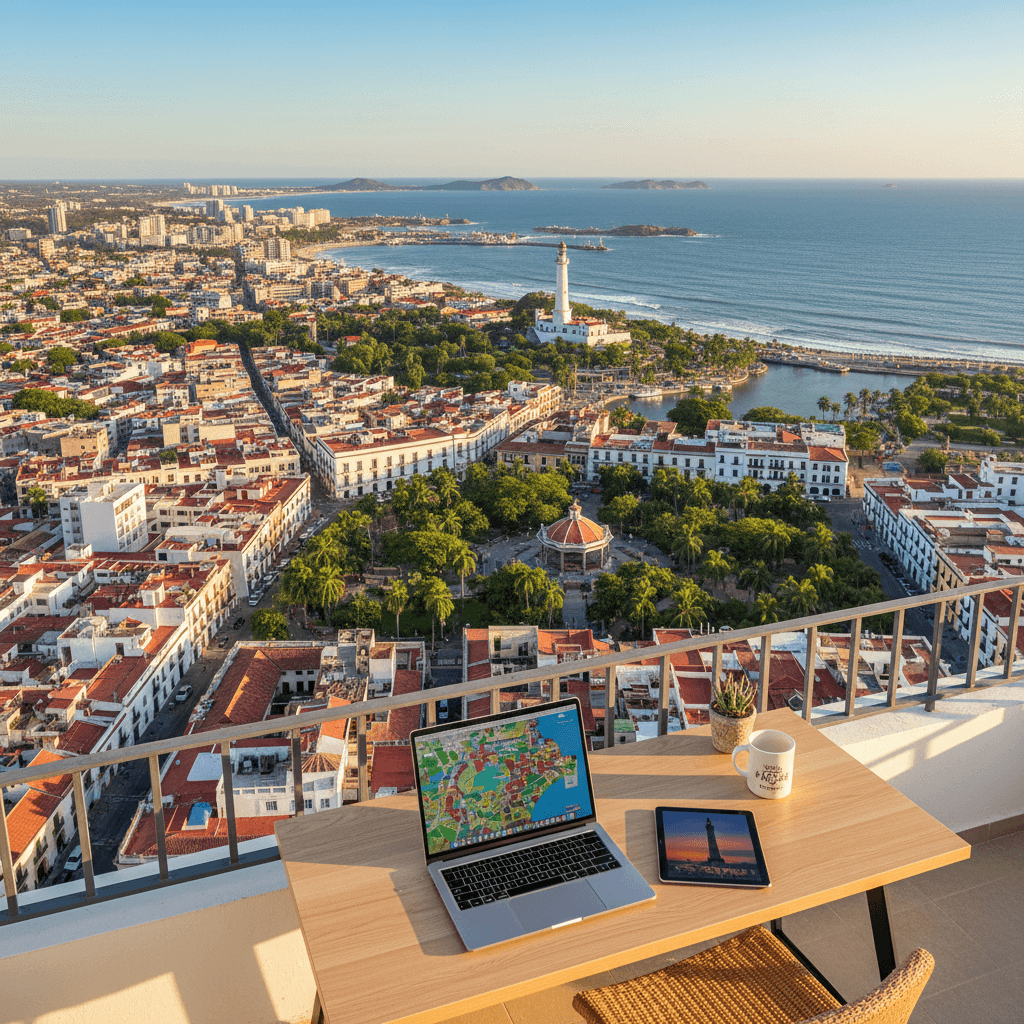
Mazatlán
🇲🇽 Mexico
Mazatlán doesn't try as hard as Tulum or Puerto Vallarta, and that's exactly why it's winning over the 2025 nomad crowd. It is one of the few places where you can watch a professional baseball game, wander through a 19th century opera house, and eat world class shrimp ceviche on a 12 mile boardwalk all in the same afternoon. It feels like a real Mexican city that happens to have incredible beaches, rather than a resort town built for tourists.
The city has a distinct split personality that works for different work styles. You have the Centro Histórico, with its pastel buildings and European style plazas, and the Zona Dorada, where the nightlife and high rise views dominate. Most nomads find the "Pearl of the Pacific" offers a much more manageable cost of living than the Caribbean coast, with a mid range lifestyle costing around $2,000 a month.
The Neighborhood Breakdown
- Centro Histórico: This is the soul of the city. It is walkable, packed with markets like Mercado Pino Suarez, and feels deeply authentic. It is the best spot for solo travelers who want culture outside their office hours. Expect to pay $500 to $800 for a nomad friendly apartment here.
- Lomas de Mazatlán: Expats often head here for a quieter, residential feel. It is family friendly and close to great coffee shops, though you will likely want a bike or an Uber to get to the sand. Rentals here usually land between $600 and $900.
- Zona Dorada (Golden Zone): If you want to wake up, see the ocean, and be steps away from the best bars, this is it. It is more tourist heavy, but you can find one bedroom apartments with sea views for roughly $700.
- New Mazatlán/Marina: This area is modern and polished. It is where you go for high end gyms and the IQ Work Business Center. It lacks the "old Mexico" charm but makes up for it with infrastructure.
The Remote Work Reality
While the city is catching up to the digital age, the WiFi can be hit or miss if you rely solely on public networks. Most serious remote workers stick to dedicated spaces to avoid the occasional drop in speed. Tótem in the Centro is the current favorite, offering a rooftop garden and a solid brunch menu for about $10 a day. If you prefer a coffee shop vibe, Güero’s Coffee Shop in Lomas is famous among the laptop crowd for its fast internet and plentiful outlets.
For a safety net, grab a Telcel SIM card at any OXXO store. For about $20, you can get enough data to hotspot through a meeting if your Airbnb router decides to take a siesta. Most people find the city very safe, especially in the main tourist and residential hubs, though it's smart to avoid the more isolated stretches of beach after the sun goes down.
Life Between the Meetings
The social scene revolves around the Malecón, the massive boardwalk where the whole city seems to congregate at sunset. You will get around in pulmonías, which are unique, open air taxis that look like souped up golf carts. A ride usually costs around $5-$15 USD, agree on price first and is the best way to catch a breeze in the humid summer months.
The food is a major draw. You can grab street tacos or fresh ceviche for $2 to $5, while a high end seafood dinner will still only run you about $30. If you are looking to meet people, Beehive Coliving hosts events that bridge the gap between travelers and locals. The weather is at its peak from December to March, with temperatures hovering around 75 degrees, making it the ultimate winter escape for those who want a desk with a view without the "spring break" chaos of other Mexican hubs.
The Bottom Line: What to Expect
Mazatlán remains one of the most wallet friendly coastal cities in Mexico, especially when compared to the skyrocketing prices in Tulum or Puerto Vallarta. You can live a high quality life here on a budget that would barely cover a studio apartment in the States. Most digital nomads find that a monthly budget of $1,200 covers the basics, while $2,000 to $3,000 unlocks a lifestyle featuring ocean views, frequent dining out, and a dedicated coworking setup.
Housing and Neighborhood Costs
Your biggest expense will be rent, and prices fluctuate based on how close you want to be to the Malecon. Unlike some Mexican cities where "nomad pricing" has taken over, Mazatlán still offers genuine value for those willing to look beyond Airbnb.
- Centro Histórico: This is the cultural heart of the city. You will likely pay between $500 and $800 for a stylish, nomad friendly apartment. It is walkable, charming, and puts you right near the Mercado Pino Suarez.
- La Zona Dorada: If you want to wake up to the sound of the Pacific, the Golden Zone is your best bet. A one bedroom apartment with sea views typically runs around $700. It is more touristy, but the convenience is hard to beat.
- Lomas de Mazatlán: Expats often prefer this quiet residential area. It is less walkable to the beach but offers more space for your money, with rentals ranging from $600 to $900.
Dining and Groceries
The seafood in Mazatlán is world class and surprisingly cheap. If you stick to the local spots, your food budget will stretch incredibly far. Most nomads spend between $300 and $500 a month on food, depending on how often they hit the high end spots in the Marina.
- Street Food: You can grab incredible fish tacos or ceviche for $2 to $5 per meal.
- Mid-range Restaurants: A full seafood dinner with a couple of drinks usually lands between $10 and $20.
- Fine Dining: Upscale meals in the historic district or near the Marina will cost $30 or more per person.
- Groceries: Expect to spend about $200 to $300 monthly if you shop at local markets like Mercado Pino Suarez for fresh produce and seafood.
Transportation and Connectivity
Getting around is part of the city's charm. You won't need a car here, as the city is well connected by unique local transport and ride hailing apps. Reliable internet is becoming the standard, but it helps to budget for a backup plan.
- Pulmonías: These iconic open air taxis are everywhere. A short ride usually costs between $5 and $10. They are fun, but the price is often negotiable, so ask before you hop in.
- Uber and Didi: These apps work well and are often cheaper than the tourist taxis for longer hauls.
- Phone Data: Grab a Telcel or Movistar SIM card at any OXXO store. For $10 to $20, you can get enough data to use your phone as a hotspot if your cafe WiFi gets spotty.
- Coworking: A day pass at a spot like Tótem in Centro will cost you about $5 to $10, which often includes a great vibe and reliable speeds.
Monthly Budget Tiers
To give you a clearer picture of how much to transfer into your Mexican bank account or Wise borderless card, here is how the monthly spending usually breaks down for a single person.
- The Budget Nomad ($1,200): You are staying in a modest studio slightly inland, eating mostly street food and local markets, and using the bus or walking instead of taking pulmonías.
- The Mid-Range Professional ($2,000): This covers a nice one bedroom in a popular area, eating out once a day, frequent Uber rides, and a few weekend trips to nearby pueblos mágicos.
- The High-End Resident ($3,000+): This buys you a premium condo with a pool and ocean view, daily dining at the best restaurants in the Golden Zone, and a full time membership at a professional business center like IQ Work.
For the Culture Seekers and Solo Nomads: Centro Histórico
If you want to wake up surrounded by 19th-century architecture and the smell of fresh corn tortillas, Centro Histórico is your spot. It is the soul of the city, where the streets are narrow and the plazas stay lively well into the night. Most solo travelers gravitate here because it is incredibly walkable, putting you minutes away from the Mercado Pino Suarez for cheap groceries and the Tótem rooftop for your morning emails.
- Rent: Expect to pay between $500 and $800 for a nomad-friendly studio or one-bedroom.
- Vibe: High energy, historic charm, and very social.
- The Draw: You are steps away from the best galleries and the Olas Altas section of the boardwalk.
- The Catch: It can get noisy with tourists and traffic, so light sleepers should look for interior-facing apartments.
For the Nightlife Lovers and Beach Bums: La Zona Dorada
The Golden Zone is where the classic Mazatlán vacation vibe lives. It is the primary hub for expats who want to be in the thick of the action, surrounded by bars, clubs, and high-rise hotels. You will find plenty of English spoken here, making it an easy landing pad if your Spanish is still a work in progress. The beaches are right at your doorstep, and the sunset views from the balconies are hard to beat.
- Rent: Modern one-bedroom apartments with sea views typically go for around $700.
- Vibe: High-octane, touristy, and convenient.
- The Draw: Massive selection of international dining and the most active nightlife scene in the city.
- The Catch: Everything is a bit pricier here, and it lacks the "local" feel of the southern neighborhoods.
For Long-Term Nomads and Families: Lomas de Mazatlán
Expats who plan to stay for six months or more often migrate to Lomas de Mazatlán. It is a quiet, leafy residential area that feels like a real neighborhood rather than a tourist zone. You will find wider streets, reliable grocery stores, and Güero’s Coffee Shop, which serves as a de facto office for many remote workers thanks to its fast internet and abundance of outlets.
- Rent: Spacious apartments or small houses range from $600 to $900.
- Vibe: Calm, suburban, and professional.
- The Draw: Better work-life balance and closer to local schools and gyms.
- The Catch: You will likely need to rely on Uber or a pulmonía to get to the beach, as it is not a primary waterfront area.
For Modern Professionals: New Mazatlán and the Marina
If you prefer sleek glass buildings over colonial stone, head north to the New Mazatlán zone. This area is expanding rapidly and caters to those who need top-tier infrastructure. It is home to the IQ Work Business Center and several high-end resorts. It feels much more like a modern North American city, which some nomads find comforting while others find a bit sterile.
- Rent: Higher-end condos often start at $900 and go up quickly.
- Vibe: Polished, quiet, and upscale.
- The Draw: Near the marina, great for boat lovers and those who want the most reliable fiber optic connections.
- The Catch: It is far from the historic center, so you will spend more on transportation if you want to visit the markets or old plazas.
Most newcomers find that starting in Centro for a month allows them to soak up the culture before deciding if they want the quiet of Lomas or the convenience of the Golden Zone for the long haul. Whichever you choose, the 12-mile boardwalk connects them all, making it easy to explore the entire coast.
Mazatlán is finally catching up to the digital nomad boom, and while it doesn't have the sheer volume of workspaces you'll find in Mexico City, the quality of what's available is high. Most nomads find that the city's infrastructure is surprisingly robust; fiber optic internet is the standard in newer developments and renovated colonial buildings. You can generally expect speeds between 50 Mbps and 100 Mbps in dedicated workspaces, though public beach WiFi remains notoriously flaky.
Top Coworking Spaces
If you need a professional environment or just want to escape the humidity of a non-air-conditioned apartment, these spots are the local favorites:
- Tótem (Centro Histórico): This is the crown jewel for the remote work crowd. Located in the heart of the old town, it features a rooftop garden and a solid brunch menu. It costs roughly $5 to $10 per day and provides the most reliable connection in the historic district.
- Beehive Coliving Community: Located near the boardwalk, this spot is more than just a desk. It's the primary hub for social nomads. They focus heavily on community building, making it the best place to find a group for weekend trips.
- IQ Work Business Center: Situated in the New Mazatlán Zone near the marina, this is the most corporate option. It's quiet, professional, and perfect if you have back-to-back Zoom calls that require a polished background.
Café Culture and Laptop Spots
Mazatlán has a growing "laptop friendly" café scene, particularly in the residential and historic areas. Most owners are fine with you staying for a few hours if you keep the coffee and snacks flowing.
- Güero’s Coffee Shop: Located in Lomas de Mazatlán, this is a favorite for long-termers living in the quieter residential zones. The internet is fast, and they have plenty of power outlets. It's usually free to work here as long as you're a paying customer.
- Looney Bean: A classic choice right on the edge of the Olas Altas area. It gets busy, but the coffee is strong and the breeze from the ocean makes it one of the better spots for casual admin work.
- Starbucks: There are several locations across the Golden Zone and the malls. While it lacks local charm, they offer bookable rooms and the most consistent backup WiFi if your home connection fails.
Connectivity and Backup Plans
Even with fiber optic lines, power outages can happen during the summer rainy season. Expats recommend having a local SIM card as a hotspot backup. You can pick up a Telcel or Movistar SIM at any OXXO convenience store for about $10. Topping it off with unlimited data for a month usually runs around $20.
If you're scouting for an apartment, specifically ask the landlord if they have Infinitum (Telmex) or Totalplay fiber. In neighborhoods like Lomas de Mazatlán or the Golden Zone, these providers offer the most stable service. Avoid relying on the free WiFi offered by the city along the Malecón; it's fine for sending a quick WhatsApp message but won't handle a video call.
Work-Life Balance Costs
- Daily Coworking Pass: $5 to $12
- Monthly Coworking Membership: $150 to $250
- Liter of Coffee at a Café: $3 to $5
- Mobile Data (Monthly): $20
Most nomads find that the best routine involves working from a cool, air-conditioned space during the midday heat, which usually peaks between 12:00 PM and 4:00 PM. Save your beach time for the late afternoon when the sunsets over the Pacific provide the perfect end to the workday.
Staying Safe on the Pacific Coast
Mazatlán has a reputation for being one of the safer coastal cities in Mexico, especially for those who stick to the main hubs like the Golden Zone and Centro Histórico. Most nomads find the city has a secure, laid-back vibe that makes solo travel feel manageable. While violent crime is rare in the areas you'll likely frequent, petty theft can happen if you aren't paying attention.
Expats recommend keeping your wits about you after dark. The 12 mile boardwalk is well lit and generally safe for a night stroll, but it's best to avoid isolated stretches of beach once the sun goes down. If you're heading home from a late night at a bar in the Golden Zone, skip the walk and grab a pulmonía or an Uber. These rides are affordable, usually costing between $5 and $10, and provide an extra layer of security.
- Emergency Services: Dial 911 for any immediate help.
- Tourist Police: Look for officers in white and blue uniforms; they're specifically trained to assist visitors and usually speak some English.
- Local Tip: Stick to ATMs located inside banks or grocery stores rather than standalone machines on the street to avoid card skimming.
Healthcare and Medical Services
If you get sick or need a prescription, you're in good hands. Mazatlán has a solid healthcare infrastructure with modern hospitals that meet international standards. Many doctors in the private sector speak English, particularly those located near the Marina or New Mazatlán Zone.
For minor issues like a cold or a stomach bug, look for a Farmacia Similares. This chain is everywhere. Most locations have a small medical office attached where you can see a doctor for a few dollars without an appointment. It's a fast, cheap way to get a prescription or basic medical advice without spending hours in a waiting room.
Top Medical Facilities
- Hospital Marina Mazatlán: Known for being the top choice for expats and nomads needing high quality care or emergency services.
- Sharp Hospital: Another reliable private facility with a strong reputation for surgical and specialized care.
- Pharmacies: Farmacias Guadalajara and Farmacias del Ahorro are open 24/7 and carry most common over the counter medications.
Practical Health Tips
The most common health hurdle for newcomers isn't a major illness, it's the humidity and the water. The sun can be brutal from July through September, so staying hydrated is a full time job. Travelers often say that even if you're just sitting at a café like Tótem working on your laptop, you'll need more water than you think.
Don't drink the tap water. Most long term rentals provide 20 liter jugs (garrafones) of purified water for a couple of dollars. If your apartment doesn't have one, you can easily buy them at any OXXO. For peace of mind, it's a good idea to have a basic travel insurance policy that covers medical evacuation, just in case you need specialized treatment not available locally.
The Iconic Pulmonía Experience
You can't talk about getting around Mazatlán without mentioning the pulmonías. These open air, golf cart style taxis are the city's signature move. They're perfect for catching a breeze while moving between the Centro Histórico and the Golden Zone. Expect to pay between $5 to $15 USD for most short rides, and always negotiate the price upfront. While they don't have meters, most drivers are fair, just be sure to agree on the price before you hop in.
For a more standard experience, traditional red and white taxis (called rojos) are everywhere. They're slightly cheaper than pulmonías and better for those rare rainy days. If you prefer knowing your price upfront, Uber and Didi both work well here, though drivers sometimes avoid the immediate airport arrivals area, so you might need to walk a few steps away from the terminal to snag one.
The Malecón and Walkability
Mazatlán boasts one of the longest boardwalks in the world, stretching roughly 12 miles. If you're staying in the Centro Histórico or the Golden Zone, you'll find most of your daily needs are within a 15 to 20 minute walk. The Malecón is wide, well maintained, and stays lively well into the night. It's the primary artery for nomads who want to get their steps in while moving between beachfront cafés and coworking spots like Tótem.
For those who want to move a bit faster than a stroll, the city has embraced cycling. You can find bike rentals available for low cost via local shops. It's a favorite for expats living in Lomas de Mazatlán who want a quick, breezy ride down to the water without dealing with parking.
Public Transit: Buses and Colectivos
The local bus system is surprisingly efficient if you're on a budget. The green buses (Sábalo Centro) run the length of the main tourist corridor and cost less than $1. They're a solid choice for getting from the quiet residential streets of Lomas to the nightlife in the Golden Zone. Just keep some small change on you, as drivers won't always have change for larger bills.
Arriving and Departing
Mazatlán International Airport is about a 20 to 25 minute drive from the city center. When you land, you have a few options for getting to your rental:
- Airport Taxis: These are the most convenient but priciest, usually costing $15 to $20 to reach Centro or the Marina.
- Shared Shuttles: A great middle ground if you're solo, typically running about $10 per person.
- Private Transfers: Many nomads pre-book these through local agencies or their Airbnb hosts to avoid the arrivals hall huddle.
Navigation Tips for Nomads
- Connectivity: Download Google Maps offline. While the main roads are easy to follow, the winding streets of the old town can get confusing when your signal drops.
- Language: Most drivers in the Golden Zone speak decent English, but in the residential areas, having a few Spanish phrases or DeepL ready on your phone makes things much smoother.
- Safety: Stick to the main well lit areas like the Malecón if you're walking at night. If you're heading to a more isolated beach spot after dark, just call an Uber.
The Language Balance
Spanish is the heartbeat of Mazatlán. While you'll hear plenty of English in the Golden Zone and around the Marina, the city maintains a much more authentic Mexican feel than places like Cancun or Cabo. Most nomads find that while they can get by with English in tourist centric cafes and upscale hotels, daily life in the Centro Histórico or local markets requires at least a basic grasp of Spanish.
Expats living here long term often say that locals are incredibly patient with learners. You don't need to be fluent to order a round of Pacificos or negotiate a pulmonía ride, but showing effort goes a long way. In residential areas like Lomas de Mazatlán, expect most interactions at the local tienda or laundry service to happen entirely in Spanish.
Digital Communication and Data
Staying connected is straightforward, but you shouldn't rely on public WiFi for important Zoom calls. Most nomads pick up a local SIM card immediately to avoid roaming charges and ensure a backup for spotty cafe connections. Telcel is the gold standard for coverage, though Movistar is a solid runner up. You can grab a starter kit at any OXXO store for about $10, and $20 usually gets you a month of unlimited data.
For quick translations on the fly, Google Translate or DeepL are the go to tools for most travelers. These apps are especially helpful when navigating the Mercado Pino Suarez, where signs for specific cuts of meat or local produce might be unfamiliar. If you're looking to level up your skills, many nomads meet for informal language exchanges at spots like Tótem or Beehive.
Essential Phrases for Daily Life
You'll use these daily, whether you're working from a coffee shop or hitting the beach:
- ¿Cuál es la contraseña del WiFi? (What is the WiFi password?)
- ¿Cuánto cuesta el viaje a Centro? (How much is the trip to Centro?)
- La cuenta, por favor. (The check, please.)
- ¿Aceptan tarjeta? (Do you accept cards?)
- Con permiso. (Excuse me / passing through.)
Cultural Nuances in Communication
Communication in Mazatlán is often more about the greeting than the transaction. It's common practice to start every interaction with a "buenos días" or "buenas tardes" before asking for a price or a menu. Skipping this can come across as abrupt or rude to locals.
When it comes to tipping, or la propina, the standard is 10 to 15 percent at restaurants. If you're at a high end spot in the New Mazatlán Zone, 15 percent is expected. For street food vendors, tipping isn't required, but rounding up the change is a nice gesture that regulars often do. If you're staying long term, building a rapport with your local abarrotes owner or favorite taco stand operator usually results in better service and a more welcoming experience in the neighborhood.
Navigating Professional Settings
In professional coworking environments like IQ Work Business Center, English proficiency is much higher. However, if you are dealing with local landlords or utility companies, having a Spanish speaking friend or using a translation app is vital. Most rental agreements for nomad friendly apartments will be in Spanish, so it's worth having a local contact or a reliable translation tool review the terms before you sign anything.
The Sweet Spot: November to May
If you want the version of Mazatlán that nomads rave about, aim for the window between November and May. This is the dry season, where the Pacific breeze actually feels refreshing rather than like a warm, wet blanket. Daytime temperatures hover comfortably between 70°F and 85°F, making it the perfect time to set up shop at a rooftop spot like Tótem in the Centro Histórico without breaking a sweat.
The peak of this "perfect" weather hits from December through March. You can expect highs around 80°F and clear blue skies nearly every day. This is when the city feels most alive, but keep in mind it's also when snowbirds and tourists descend on the Golden Zone, so you might see rental prices for sea view apartments creep up toward that $900 mark if you don't book in advance.
Surviving the Humidity: June to October
Things shift dramatically once June hits. The rainy season brings intense humidity and temperatures that frequently climb into the 90s. While it doesn't rain all day, you'll see heavy afternoon downpours and occasional tropical storms. Most long term expats recommend having a solid AC unit if you're staying through August and September, as the "real feel" temperature can be stifling.
The upside to visiting during the low season? The crowds vanish and you have more leverage to negotiate monthly rates on apartments in residential areas like Lomas de Mazatlán. Just be prepared for a slower pace, as some outdoor events and beach activities take a backseat to the rain.
Timing Your Move by Event
Beyond the thermostat, certain dates on the calendar will change your experience entirely. If you're looking for a quiet work environment, you might want to avoid the week of Carnaval (usually in February). It's one of the largest celebrations in Mexico, and the 12 mile boardwalk becomes a massive, loud party. It's an incredible cultural experience, but your Zoom calls will definitely pick up the brass bands in the background.
For those who prefer a balance of good weather and lower costs, the "shoulder" months of November and May are the best bets. You get the tail end of the warmth without the peak season price hikes at the grocery stores or for Pulmonía rides along the coast.
Seasonal Packing for Nomads
- Winter (Nov to Mar): Bring a light jacket or hoodie. The desert air means evenings can actually get chilly, dropping into the low 60s.
- Summer (Jun to Oct): Prioritize breathable fabrics and a waterproof laptop sleeve. If you're walking to Güero’s Coffee Shop in July, you'll want clothes that dry fast.
- Year-round: High quality sunscreen and a reliable power bank. While the infrastructure is generally good, heavy summer storms can occasionally cause brief power flickers.
Most remote workers find that January is the goldilocks month. The air is crisp, the humidity is non-existent, and the city's energy is at its peak. It's the ideal time to explore the Mercado Pino Suarez or take a boat out to the islands before the afternoon heat settles in.
Connectivity and Tech Setup
You won't have much trouble staying connected in Mazatlán, but you need a strategy. Most nomads grab a Telcel or Movistar SIM card at any OXXO convenience store as soon as they land. A starter kit costs about $10, and $20 usually gets you a month of unlimited data. This is your insurance policy for those moments when the beach cafe WiFi decides to take a siesta.
For serious deep-work sessions, head to Tótem in Centro Histórico. It's a favorite for its rooftop garden and reliable speeds, with day passes running between $5 and $10. If you're staying near the Marina, IQ Work Business Center offers a more corporate, polished environment. For a community feel, Beehive Coliving near the boardwalk is the go-to spot for meeting other remote workers.
Money and Budgeting
Mazatlán remains remarkably affordable compared to Los Cabos or Puerto Vallarta. A single nomad can live well on $2,000 a month, covering a nice one-bedroom and plenty of dinners out. If you're on a tighter budget, $1,200 is doable if you stick to street tacos and modest studios in residential areas.
Housing by Neighborhood:
- Centro Histórico: Expect to pay $500 to $800 for nomad-friendly apartments. It's walkable and full of character but can get noisy during festivals.
- La Zona Dorada: Modern 1BRs with sea views average $700. You're paying for the proximity to the beach and nightlife.
- Lomas de Mazatlán: A quiet, residential choice favored by long-termers. Rentals run $600 to $900 and put you closer to local grocery stores.
For banking, expats usually stick to Wise or Revolut to avoid high conversion fees. ATMs are everywhere, but try to use the ones located inside banks for better security. When dining out, a 10% to 15% tip is standard practice.
Getting Around
The city's 12-mile boardwalk is incredibly walkable, but you'll eventually want to try a pulmonía. These open-air taxis are an icon of the city; a short ride usually costs between $5 and $10. Always agree on the price before you hop in.
For longer trips or late nights, Uber and Didi are reliable and often cheaper than taxis. The airport is a quick 20-minute ride from Centro, and a transfer will set you back about $15 to $20.
Health and Safety
Mazatlán feels secure for solo travelers, especially in the main tourist and residential hubs. The golden rule here is to avoid isolated stretches of beach after dark. If you need medical attention, the hospitals near the Marina are high quality and used to dealing with international patients. For minor issues, look for the Farmacias Similares chain; they are ubiquitous and very affordable. In any emergency, dial 911, and don't hesitate to approach the tourist police, who are generally helpful and friendly.
Daily Life and Language
While you can get by with English in the Golden Zone and high-end restaurants, having some Spanish will change your experience. Locals appreciate a "buenos días" when you walk into a shop. Use Google Translate or DeepL for navigating the Mercado Pino Suarez, where you'll find the best prices on fresh produce and seafood.
The best time to visit is between December and March, when the weather stays a perfect 70 to 80 degrees. If you visit between July and September, prepare for 90-degree heat and high humidity, which makes working from a non-air-conditioned cafe nearly impossible.
Need visa and immigration info for Mexico?
🇲🇽 View Mexico Country GuideEasy Landing
Settle in, no stress