Matagalpa
🇳🇮 Nicaragua
The Highland Escape
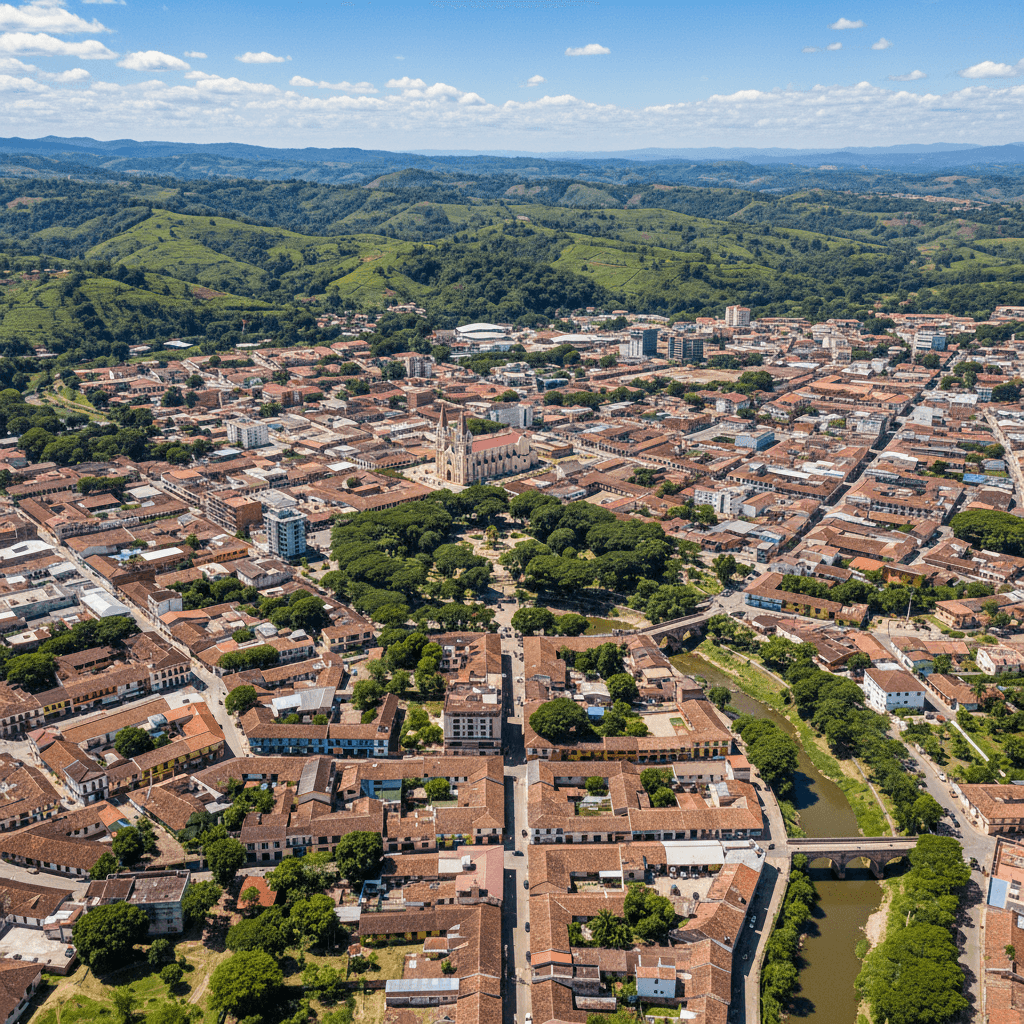
While the rest of Nicaragua swelters in tropical heat, Matagalpa sits wrapped in a cool mountain mist. It is a place where the smell of roasting coffee replaces the scent of salt air. This isn't your typical tourist trap with neon signs and English menus; it is a working city of about 170,000 people that feels like a well kept secret. The vibe is decidedly "tranquilo," defined by a slower pace of life where afternoon walks in the park are more important than hitting a deadline.
What sets Matagalpa apart is its authenticity. You'll find a small but tight knit community of several hundred expats, mostly from the US and Canada, who have traded the coastal humidity for the rolling green hills of the central highlands. It is the kind of place where you can live a high quality life for a fraction of what you'd spend in San Juan del Sur or Granada. You get the perks of a real city, like modern supermarkets and banks, without the chaotic energy of Managua.
The Cost of Living
Matagalpa is easily one of the most affordable corners of the country. A single person can live comfortably on $800 to $1,000 a month, while couples often find that $1,200 covers everything from rent to weekend trips to nearby coffee fincas. Because it isn't a major tourist hub, prices for groceries and dining out remain low and stable.
- Budget Lifestyle: $800 to $1,000 per month. This usually involves living on the outskirts where rent is around $200, eating local "fritanga" or market food, and using public transport.
- Mid-range Lifestyle: $1,200 to $1,500 per month. This covers a downtown apartment for $400, frequent meals at nice cafes, and higher utility bills for better internet.
- Comfortable Lifestyle: $1,800+ per month. You can rent a large, modern home for $600, eat out at the best spots every night, and hire help for cleaning or gardening.
Where to Plant Your Roots
The city is divided into two main experiences: the convenience of the center and the peace of the hills. Most newcomers start downtown to get their bearings before looking for something more permanent further out.
Downtown (El Centro)
- The Vibe: Energetic and walkable. You're steps away from the Cathedral of San Pedro and the Mercado Matagalpa.
- Rent: $350 to $600 for a decent 1BR or 2BR.
- Pros: No need for a car; easy access to banks, supermarkets, and the best coffee shops.
- Cons: It can be noisy during the day with street vendors and traffic.
The Outskirts
- The Vibe: Quiet, green, and breezy. This is where you'll find the coffee plantation views.
- Rent: $200 to $300 for surprisingly large homes, often with yards.
- Pros: Incredible value for money and immediate access to hiking trails.
- Cons: You'll likely need a car or have to rely on the somewhat inconsistent local buses.
The Digital Nomad Reality Check
If you're planning to work here, you need a backup plan. Internet reliability is the biggest hurdle in Matagalpa. While national infrastructure is improving, outages happen, especially during the rainy season from May to November. There aren't dedicated coworking spaces yet, so most nomads work from home or set up shop in local cafes. Travelers recommend picking up a local SIM card from Claro or Tigo at the airport or market for about $10 to $20 a month to use as a hotspot when the WiFi fails.
Spanish is not optional here. Unlike the coast, English proficiency is quite low. Most expats say that learning even basic phrases goes a long way with the locals, who are famously welcoming to those who make an effort. The social scene revolves around the two main parks and the central market, where you'll find the freshest produce in the country for around $250 a month in groceries.
Life in Matagalpa requires a bit of patience. The public transport is unpolished, and you won't find Uber here. But for those who want to trade the digital grind for mountain air and a community that actually knows your name, the trade off is more than worth it.
The Highland Discount
Matagalpa is one of those rare spots where your bank account actually breathes a sigh of relief. While coastal hotspots in Nicaragua have seen prices creep up, this mountain city remains remarkably affordable. You can live a high quality life here for a fraction of what you would spend in San Juan del Sur or even Granada. A single person can get by comfortably on $800 to $1,000 a month, while a couple can enjoy a very high standard of living for around $1,200.
The local economy is driven by coffee and agriculture rather than tourism, which keeps everyday costs grounded. You'll find that your biggest savings come from the fresh produce at Mercado Matagalpa. Expats usually spend between $250 and $300 a month on groceries, especially if they lean into the local abundance of avocados, citrus, and world class coffee beans.
Monthly Budget Tiers
- Budget ($800 to $1,000): Ideal for those living on the outskirts in a modest house, cooking mostly at home, and using local buses.
- Mid-range ($1,200 to $1,500): This gets you a nice apartment downtown, frequent dinners out at local spots, and a higher data plan for your phone.
- Comfortable ($1,800+): You'll have a large multi bedroom home with a yard, a private vehicle or frequent taxis, and zero hesitation at the more upscale restaurants.
Housing and Neighborhoods
Rent is the most variable part of your budget. In the Downtown core, you're paying for convenience. You'll be steps away from the two main parks, the cathedral, and the best supermarkets. Expect to pay between $350 and $600 for a solid place in the center of the action. It's noisier, but you won't need a car.
If you prefer peace, look toward the Outskirts. Many long term residents find beautiful 3 bedroom, 2 bath homes with garages and mountain views for as little as $200 to $300. You'll trade walkability for nature, so factor in a little extra for transportation.
Connectivity and Digital Nomad Life
This is where the highland life gets tricky. Internet reliability is the most common gripe among the nomad community here. Most rentals come with basic WiFi, but it can be spotty during heavy rains. You'll want a backup plan. Local SIM cards from Claro or Tigo are cheap, usually costing $10 to $20 a month for a decent data package. You can pick these up at the airport or any small kiosk in town.
There aren't dedicated coworking spaces in Matagalpa yet. Most remote workers set up shop in local cafes, though you should always check the WiFi strength before ordering your second latte. Utilities, including electricity and your home internet connection, typically run between $75 and $160 depending on your AC usage, though the cool mountain air means you'll rarely need to blast the cooling.
Food, Transport, and Healthcare
Eating out is a bargain. A quick meal of street food or a plate at a local comedor will set you back about $4 to $10. Even the nicer sit down spots won't break the bank. Transport is equally cheap; most people spend $50 to $100 a month getting around. Since there are no ride hailing apps like Uber, you'll rely on local taxis and buses, which are plentiful but can be a bit of a squeeze.
Healthcare is a bright spot for the budget conscious. Private consultations are surprisingly inexpensive and the local hospitals and pharmacies are well equipped for most needs. Many expats skip the expensive international insurance plans and simply pay out of pocket for routine care because the rates are so manageable.
Practical Considerations
- Language: You'll need some Spanish. English isn't widely spoken, and being able to haggle in the market or talk to a landlord will save you money.
- Cash is King: While supermarkets and larger stores take cards, Matagalpa is very much a cash heavy society. Keep a stash of Cordobas for the markets and small shops.
- Pace of Life: Everything moves slower here. Don't expect things to happen on a strict schedule, especially when it comes to repairs or administrative tasks.
Nomads and Remote Workers
If you're coming to Matagalpa to work, you'll want to stick close to the city center. The downtown area is the heartbeat of the city, centered around two large, walkable parks and the Cathedral of San Pedro. Living here puts you within walking distance of the best cafes and the few spots where you can reliably hunt for a stable internet connection. Most nomads find that while the highland air is refreshing, the WiFi can be hit or miss, so being near the central business district is a strategic move.
Downtown rentals usually range from $350 to $600 a month for a decent setup. You'll be steps away from banks, supermarkets, and the Mercado Matagalpa, where you can grab fresh local produce for about $250 a month. While there aren't dedicated coworking spaces yet, the relaxed cafe culture allows for long afternoons of laptop work, provided you have a local SIM card from Claro or Tigo as a backup. Expect to pay about $10 to $20 for a monthly data plan.
Expats and Long-Term Residents
For those looking to settle in for six months or more, the outskirts of the city offer a much more tranquil lifestyle. Many of the 300 to 400 expats living here choose homes tucked into the hills or near the coffee plantations. These areas provide a cool, misty climate that feels worlds away from the heat of Leon or Granada. You'll get more bang for your buck here, with spacious three bedroom homes often renting for $200 to $300 a month.
The trade off for the peace and quiet is the need for better planning. Public transport into the center is notoriously unreliable and often uncomfortable, so many long term residents eventually look into getting their own wheels. Expats recommend brushing up on your Spanish before arrival, as English isn't widely spoken in these residential pockets. It is a tight knit community where a couple can live very comfortably on $1,200 a month, including utilities and occasional dining out.
Families
Families generally gravitate toward the quieter neighborhoods on the periphery where yards and garages are standard. These areas are safer for kids to play and offer immediate access to hiking trails and nature. The cost of living is a major draw for parents; a family of four can often manage on a budget of $1,000 to $1,500 depending on their lifestyle choices.
Healthcare is a highlight for families in Matagalpa. The city has modern hospitals and pharmacies that are significantly cheaper than those in North America. Private consultations are affordable, and most expats praise the quality of care available locally. You won't need to make frequent trips to Managua for basic medical needs or grocery hauls, as the local supermarkets are well stocked with international basics.
Solo Travelers
If you're traveling solo, stay in the central district near Parque Dario or Parque Morazan. This is where the social life happens. Since there isn't much of a traditional nightlife scene, the parks serve as the primary meeting spots for people watching and catching cultural shows. It is easy to meet locals and other travelers over a $4 plate of street food or a cup of world class local coffee.
- Downtown Living: Best for social access, walking, and being near banks. Rent is $350 plus.
- Mountain Outskirts: Best for peace, coffee farm views, and budget savings. Rent is $200 to $300.
- Daily Essentials: A local meal costs between $4 and $10; a full grocery run for one person averages $250 monthly.
- Connectivity: Stick to the center for the best chance at signal; always carry a backup data SIM.
Matagalpa is still largely undiscovered, which means you won't find the curated nomad hubs of San Juan del Sur. Instead, you get an authentic, slow paced Nicaraguan experience where the locals are genuinely welcoming and the mountain views come free with your morning coffee.
Working from Matagalpa requires a bit of a shift in mindset. It isn't a tech hub like Medellin or Mexico City, and you won't find a sleek, glass-walled coworking space on every corner. Instead, the "office" here usually involves a wooden table, a view of the misty highlands, and some of the best coffee you've ever tasted. It's a place for deep work and slow living, provided you’ve got a backup plan for when the infrastructure takes a nap.
Connectivity and Speed
Internet reliability is the biggest hurdle for nomads in the Pearl of the North. While speeds in the city center now often exceed 50 Mbps, the connection is prone to occasional drops, especially during heavy rain in the mountains. Most expats and long-termers rely on fiber optic connections at home, which have become more common in the last few years. If you’re renting an Airbnb or a local apartment, always ask for a speed test screenshot before committing.
For those who can't afford a minute of downtime, a mobile hotspot is your lifeline. Claro and Tigo are the primary providers. Most nomads find that Tigo currently holds the edge for data stability in the highland regions. You can pick up a SIM card at the local markets or small "pulperias" for a few dollars. A monthly data plan will generally set you back between $15 and $25, and it’s a small price to pay for the peace of mind when the home Wi-Fi flickers.
The "Coworking" Scene
Since dedicated coworking spaces are virtually non-existent in Matagalpa, the local cafe culture fills the gap. The vibe is relaxed, and owners generally don't mind if you linger over a laptop for a few hours, provided you keep the caffeine flowing. Just don't expect silent zones or ergonomic chairs. You're trading office perks for the smell of roasting beans and a cool mountain breeze.
- Seleccion Nicaraguense: This is a favorite for many travelers. It has a solid central location, reliable power outlets, and arguably the best espresso in town. It can get a bit loud during the lunch rush, so bring noise-canceling headphones.
Digital Nomad Logistics
If your work involves heavy video conferencing, Matagalpa might test your patience. Many nomads find it best to schedule meetings for the morning hours when the weather is clearer and the grid is more stable. By mid-afternoon, the clouds often roll in, and the occasional power surge or outage isn't unheard of.
- Monthly Internet Costs: Expect to pay $50 to $80 for a decent home setup if it isn't included in your rent.
- Power Solutions: Serious remote workers often invest in a small UPS (Uninterruptible Power Supply) or a high-capacity power bank to keep their router and laptop running during brief outages.
- Noise Management: Matagalpa is a working city. Between the street vendors, church bells, and passing trucks, your background audio can get colorful. A good microphone with background noise suppression is a must for professional calls.
Ultimately, the trade-off is the cost and the climate. You’re living comfortably on $1,200 a month in a city where the air is fresh and the coffee is world-class. If you can handle an occasional "disconnection day" by heading out for a hike or a farm tour, you’ll find Matagalpa to be a refreshing break from the digital grind.
Safety in the Highlands
Matagalpa is widely regarded as one of the more tranquil corners of Nicaragua. While the capital of Managua often gets a bad rap for its chaotic energy, this mountain city maintains a much slower, peaceful vibe. Most expats and digital nomads living here describe the atmosphere as welcoming and community oriented, with a local population that is generally curious and helpful toward foreigners.
Street crime isn't a major talking point here, but you should still use common sense. Petty theft can happen in crowded areas like Mercado Matagalpa or near the central parks after dark. Most people feel comfortable walking around downtown during the day, though you'll want to keep your phone tucked away and avoid flashing large amounts of cash. Since the city lacks ride hailing apps like Uber, you'll rely on local taxis or walking; if you are out late, it is always better to have a local business call a trusted cab for you rather than hailing one on a dark street corner.
Personal safety here is often more about the environment than the people. The public transport system is notoriously unreliable and uncomfortable, often consisting of older buses that can be crowded. If you are heading into the outskirts for a hike or a visit to a coffee farm, let someone know where you are going. The terrain is beautiful but can be rugged, and emergency response times in the rural highlands aren't what you might be used to back home.
Healthcare Infrastructure
For a city of its size, Matagalpa is surprisingly self sufficient. You won't find yourself needing to rush to Managua for every minor ailment. The city is equipped with modern medical services, including well stocked pharmacies and several hospitals that handle everything from routine checkups to emergencies. Expats frequently praise the local private clinics for their efficiency and affordability.
- Private Consultations: A visit with a specialist is remarkably cheap, usually costing significantly less than a co pay in the US or Canada.
- Pharmacies: You'll find pharmacies (farmacias) on almost every major block downtown. They are well stocked with most standard medications, and pharmacists can often provide basic medical advice for minor issues.
- Dental Care: High quality dental work is available at a fraction of international prices, making it a popular stop for long term residents.
For serious or specialized surgeries, most expats still recommend heading to the top tier private hospitals in Managua, which is about a 2 to 3 hour drive away. However, for day to day health needs, Matagalpa’s local infrastructure is more than sufficient. It is a good idea to carry a private international health insurance policy, as this will grant you faster access to the best private facilities in the country.
Practical Wellness Tips
Living at a higher altitude means the sun is stronger than it feels, even with the cool mountain breeze. Travelers often forget to stay hydrated or wear sunscreen because they aren't sweating like they would on the coast. The local diet is heavy on fresh, highland grown fruits and vegetables, which makes staying healthy quite easy and affordable. You can expect to spend about $250 to $300 a month on high quality groceries if you shop at the local markets.
One thing to keep in mind is the "tranquilo" pace of life. Stress levels here tend to drop significantly, but the lack of some home country amenities and the unreliable internet can be a source of frustration for those on a tight work deadline. Most nomads find that once they adjust to the local rhythm and the Spanish only communication, the mental health benefits of the mountain air and the $1,200 monthly cost of living far outweigh the minor inconveniences.
Navigating the Highland Capital
Matagalpa is a city built on a human scale. Unlike the sprawling chaos of Managua, the layout here is compact and manageable. Most of the action happens between the two main plazas, where the mountain air keeps things comfortable for walking. You won't find Uber or specialized ride-hailing apps here; instead, you'll rely on a mix of sturdy legs, local taxis, and the occasional colorful bus.
Walking the Downtown Core
If you're staying in the center, your primary mode of transport is your own two feet. The downtown area is highly walkable, connecting the major banks, supermarkets, and the Mercado Matagalpa. Expats often mention that the city's unique geography, nestled in a valley, means some side streets can get steep quickly. It's the best way to soak in the colonial architecture and the local pace of life, though you'll want to watch your step on the uneven highland sidewalks.
Local Taxis and Getting Around Town
When the hills get too steep or you're carrying a week's worth of groceries, taxis are the go-to solution. They operate on a collective basis, meaning the driver might pick up other passengers heading in your general direction. It's a social, efficient way to get around that keeps costs low. Most trips within the city limits cost between $1 and $2. It's always smart to agree on the price before you hop in, especially if you're heading toward the outskirts or coffee farms.
The Public Bus System
Public transport in Matagalpa consists of older school buses and microbuses. While they are incredibly affordable, travelers often find them unreliable or uncomfortable for daily commuting. They don't run on a strict digital schedule, so you'll need to ask locals for the best departure points. If you're on a tight budget, these are fine for short hops, but most nomads find them too slow for anything time-sensitive.
Arrival and Long-Distance Travel
Getting to Matagalpa usually starts at the Mercado Mayoreo in Managua. From there, you have two main choices for the 2 to 3 hour journey:
- Expreso Buses: These are faster, make fewer stops, and are worth the small extra fee for the saved time.
- Ordinario Buses: These stop frequently and can get very crowded, but they're the cheapest way to see the countryside.
- Private Transfers: If you're arriving with heavy gear or a family, a private driver from Managua typically costs between $80 and $120.
Transport Costs at a Glance
Budgeting for your monthly movement is straightforward here. Most residents find they spend very little compared to other Nicaraguan hubs like San Juan del Sur.
- Monthly Transport Budget: Plan for $50 to $100 depending on how often you head into the mountains.
- Short Taxi Ride: $1 to $1.50 per person for central routes.
- Bus to Managua: Roughly $3 to $5 for an expresso ticket.
Practical Transit Tips
Since English proficiency is low among drivers, having your destination written down or pinned on a map is helpful. Most expats recommend learning basic Spanish directions like "derecho" (straight) or "a la par de" (next to) to help navigate. If you're planning to explore the surrounding coffee plantations or hiking trails, you'll likely need to hire a private 4x4 or join a local tour, as the mountain roads can be punishing on standard vehicles. There aren't any formal bike or scooter rental shops in town yet, so if you want your own wheels, you'll likely be looking at a long-term purchase or a private deal with a local.
The Spanish-Only Reality
If you are planning to make Matagalpa your base, leave the expectation of English-speaking service at the airport in Managua. This is a traditional Nicaraguan highland city where Spanish isn't just the primary language; it is often the only one. Unlike the tourist-heavy streets of San Juan del Sur or Granada, Matagalpa caters to locals and a small, integrated expat community of about 300 to 400 people. You will find that while locals are incredibly welcoming and patient, they won't be able to meet you halfway in English.
Expats living here emphasize that your quality of life is directly tied to your willingness to learn the local tongue. Most nomads find that a "survival" level of Spanish is enough to get through a grocery run at La Colonia or Maxi Pali, but you will hit a wall when trying to negotiate a lease for a $300 house on the outskirts or explaining a specific repair to a mechanic. If you show up with zero Spanish, expect to use translation apps constantly for the first few months.
Communication Tools and Connectivity
Digital nomads often struggle with the local infrastructure. Internet reliability is a frequent point of frustration, so having a robust backup plan is mandatory. You should pick up a local SIM card immediately upon arrival. The big players are Claro, Tigo, and Movistar. You can find these at the local markets or small "pulperias" throughout downtown. Most travelers recommend Claro for better coverage in the mountainous terrain surrounding the city.
- Top-up locations: Look for signs saying "Recargas" in shop windows; they are everywhere in the city center.
- Essential Apps: Google Translate is your best friend here, specifically the offline Spanish dictionary for when your signal drops in the mountains.
Social Nuances and "Nica" Time
Communication in Matagalpa is about more than just words; it is about the pace. The culture follows a relaxed, "Nica time" philosophy. If a local tells you they will meet you "ahora," it might mean in five minutes, or it might mean later this afternoon. It is rarely a sign of disrespect. It is simply the mountain way of life. When you are chatting with vendors at Mercado Matagalpa, take the time to say "Buenos dias" and ask how they are doing before jumping into a transaction. These small pleasantries go a long way in building rapport in a tight-knit community.
For those looking to bridge the communication gap, the local expat community is your best resource. Since there aren't many formal nomad meetups, most social networking happens organically in the central parks or through informal Facebook groups. Long-term residents are usually happy to recommend a local tutor or a "language exchange" partner. Engaging with the community at the Cathedral of San Pedro or during local cultural shows is a great way to practice your listening skills in a low-pressure environment.
Practical Advice for Newcomers
If you are serious about staying for more than a month, consider enrolling in a few weeks of intensive Spanish classes. While you can get by with hand gestures and a smile, you'll miss out on the best parts of Matagalpa, like the stories from coffee farmers or the history behind the colonial architecture. Most expats recommend arriving with at least a basic grasp of numbers and food items so you can navigate the $4 to $10 local meals without confusion. The effort you put into the language will be repaid tenfold in the warmth and help you receive from the Matagalpinos.
If you are coming from the sweltering heat of Leon or the humid streets of Managua, the first thing you will notice about Matagalpa is the air. Sitting high in the central highlands, this is Nicaragua's "City of Eternal Spring." It is one of the few places in the country where you might actually reach for a light sweater once the sun goes down.
The Highland Rhythm
The climate here is defined by its consistency. Because of the elevation, you won't find the oppressive tropical heat that plagues the coast. Instead, the weather stays comfortably cool and temperate year round. For digital nomads, this means you can actually work from a patio or a park bench without needing a high powered AC unit running 24/7. It is a refreshing change of pace that supports the city's slower, more intentional lifestyle.
Dry Season: December to April
This is widely considered the peak time to visit. The skies are clear, the mountain vistas are sharp, and the trails are firm underfoot. If you are into hiking or birdwatching, this is your window. It is also the heart of the coffee harvest. Since Matagalpa is the center of Nicaragua's coffee production, the city feels alive during these months. You will see trucks loaded with red coffee cherries winding through the streets and smell the roasting beans on every corner.
- Pros: Best weather for exploring the surrounding cloud forests and coffee fincas. Reliable sunshine for outdoor work sessions.
- Cons: This is the busiest time for local tourism, though Matagalpa rarely feels crowded compared to San Juan del Sur. Prices for short term rentals might see a slight bump.
Rainy Season: May to November
The locals call this the "green season," and for good reason. The surrounding mountains turn a deep, electric emerald. While the rain can be intense, it usually follows a predictable pattern: bright, sunny mornings followed by heavy downpours in the late afternoon or evening. It rarely rains all day, so you can still get plenty done if you front load your schedule.
Expats living here long term often prefer the tail end of the rainy season. The dust from the dry months is gone, the waterfalls are at full force, and the air feels incredibly crisp. However, be prepared for the humidity to rise slightly and for the "unreliable internet" complaints to spike during heavy storms.
- Pros: The landscape is at its most beautiful. Lower prices on accommodation and a very quiet, peaceful atmosphere.
- Cons: Afternoon storms can disrupt travel plans and knock out power or Wi-Fi occasionally. Some rural hiking trails become muddy and difficult to navigate.
When to Plan Your Trip
If you want the absolute best balance of weather and local culture, aim for January or February. The temperatures are at their most refreshing, hovering in the low 70s Fahrenheit, and the coffee culture is in full swing. You will avoid the heaviest rains and get to experience the city when the community is most active.
For those on a tighter budget, September and October offer the lowest rates. Just make sure your rental has a solid roof and a backup power plan if you are reliant on a constant connection. Most nomads find that as long as they have a good raincoat and a flexible afternoon schedule, the rainy season in the highlands is far more pleasant than the rainy season in the lowlands.
The Highland Lifestyle
Matagalpa is where you go when you want to trade the humid heat of the Pacific coast for cool mountain air and a pace of life that actually lets you breathe. It is a city of 150,000 people that feels much smaller, mostly because the community is so tight. You will find a dedicated group of about 300 to 400 expats, mainly from the US and Canada, who have traded the chaos of Managua for coffee plantations and cloud forests.
The vibe here is unpretentious. While other parts of Nicaragua are chasing the tourist dollar, Matagalpa remains a functional, local city. You will have access to modern supermarkets, banks, and healthcare without needing to leave the mountains, but you will definitely need to brush up on your Spanish. English isn't common here, and the locals appreciate it when you make the effort to communicate in their language.
Cost of Living
Your money goes incredibly far here. It is easily one of the most affordable spots in the country for a high quality of life. Most digital nomads find they can live a very comfortable, middle-range lifestyle on $1,200 to $1,500 per month. If you are on a strict budget and stick to the outskirts, you can even manage on $800 to $1,000.
- Housing: A modern 3-bedroom, 2-bathroom house with a yard on the outskirts usually runs between $200 and $300. If you want to be right in the center of the action downtown, expect to pay $350 to $600 for a quality apartment.
- Food: Local meals at small eateries cost between $4 and $10. If you prefer cooking at home, a monthly grocery bill for a single person typically lands around $250 to $300, especially if you buy your produce at the Mercado Matagalpa.
- Utilities and Connectivity: Expect to pay between $75 and $160 for electricity, water, and home internet.
Where to Set Up Base
Choosing a neighborhood depends entirely on whether you value convenience or quiet. The city is walkable, but the terrain is hilly, so keep that in mind when scouting locations.
Downtown (El Centro)
- Best For: Short-term nomads and solo travelers who want to be near the action.
- The Draw: You are steps away from the two main parks, the Cathedral of San Pedro, and the best coffee shops. It is the cultural heart of the city.
- The Trade-off: It is busier and rent is higher, often reaching $600 for premium spots.
The Outskirts
- Best For: Families and long-term expats looking for peace.
- The Draw: You get more space for your money, often with views of the surrounding coffee farms. It is much quieter and cooler at night.
- The Trade-off: You will likely need a vehicle or have to rely on the local bus system, which can be inconsistent.
Connectivity and Work
If your job requires 100 percent uptime and lightning-fast speeds, Matagalpa will test your patience. Internet can be unreliable, and power outages, while not constant, do happen. Most nomads rely on a combination of home Wi-Fi and a solid backup data plan.
Pick up a SIM card from Claro, Tigo, or Movistar as soon as you arrive. You can find them at the airport or in the local markets for about $10 to $20 per month for a decent data package. There aren't many formal coworking spaces yet, so most people work from home or spend their afternoons in local cafes. The coffee culture is world-class, but always check the Wi-Fi strength before you order your latte.
Safety and Health
Matagalpa is generally considered a safe city, especially compared to the capital. The locals are warm and welcoming, though you should still use common sense. Avoid walking alone in poorly lit areas late at night and keep an eye on your belongings in crowded markets. Healthcare is a bright spot here; there are modern hospitals and plenty of pharmacies. Private consultations are surprisingly affordable, and the quality of care in the local clinics is highly regarded by the expat community.
Getting Around
The city center is very walkable, and you'll spend a lot of time on foot exploring the parks and markets. For longer trips, public buses are the primary option, though they are often crowded and don't always run on a strict schedule. There are no major ride-hailing apps like Uber here. Most people use local taxis or simply walk. If you are coming from Managua, the drive takes about 2 to 3 hours by bus or private shuttle.
Practical Tips
- Banking: This is a cash-heavy society. While some supermarkets and larger restaurants take cards, you will need Cordobas for the markets and small shops. Local banks are available for ATM withdrawals.
- Weather: The dry season runs from December to April and is the best time to visit. The rainy season hits between May and November, which brings lush green landscapes but also daily downpours.
- Social Life: The best way to meet people is at the parks or through local Facebook groups for expats. The community is small, so once you meet a few people, you'll quickly be introduced to everyone else.
Need visa and immigration info for Nicaragua?
🇳🇮 View Nicaragua Country GuideOff the Radar
Pioneer territory