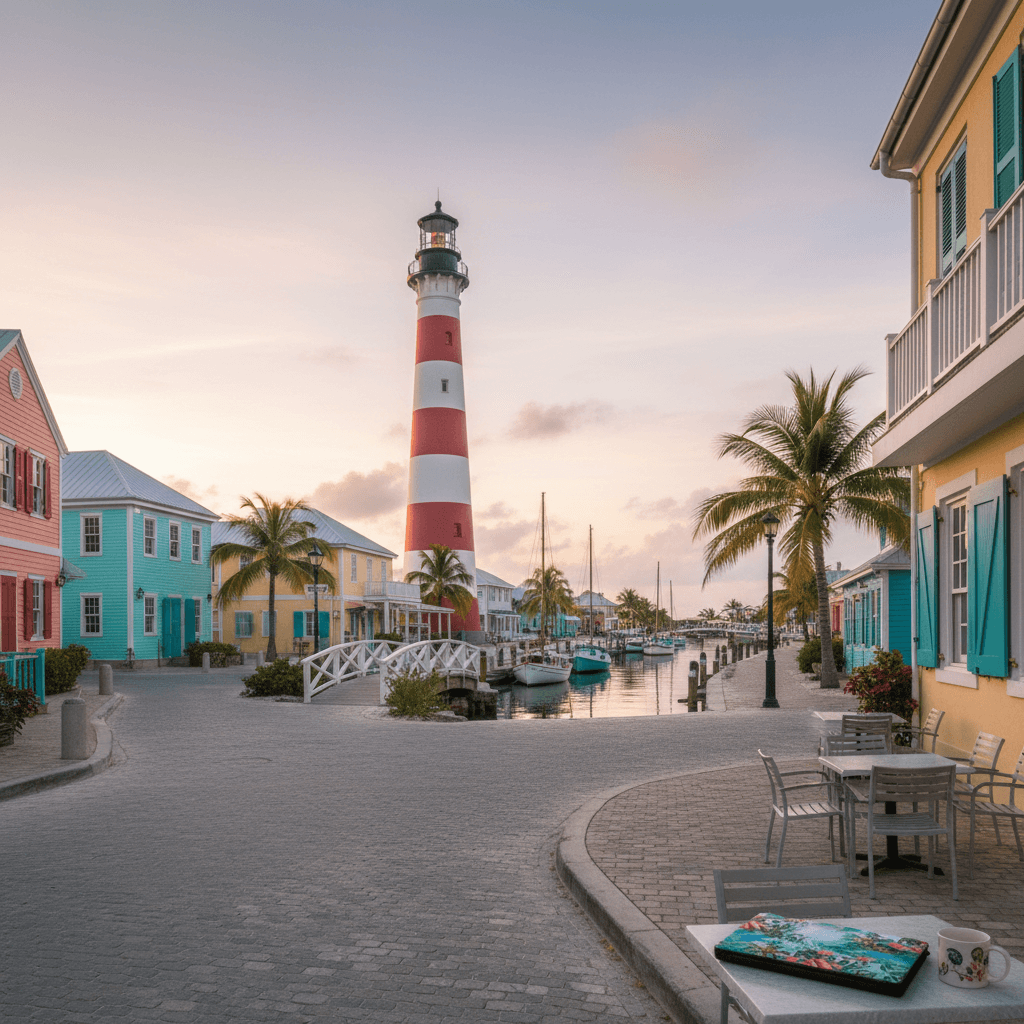
Marsh Harbour
🇧🇸 Bahamas
Marsh Harbour isn't your typical digital nomad hub with glass-walled coworking spaces and endless networking mixers. Instead, it's the commercial heartbeat of the Abaco Islands, a place where the morning commute usually involves a golf cart or a boat rather than a subway. Since the devastation of Hurricane Dorian in 2019, the town has rebuilt with a resilient, community-focused spirit. You're coming here for the salt air, the world-class sailing, and a pace of life that forces you to actually unplug once the laptop lid closes.
The vibe is decidedly upscale but unpretentious. You'll see locals and expats alike in flip-flops at the harbor, talking about the latest fishing tournament or the tide schedule. While it serves as the gateway to the outer cays, Marsh Harbour itself provides the infrastructure nomads need, specifically high-speed internet via fiber and Starlink. It’s a basecamp for those who want the luxury of the Bahamas without feeling completely isolated from reliable utilities and grocery stores.
The Nomad Experience
- The BTN Program: The Bahamas offers a remote work visa valid for 1 year. It’s renewable, and the best part is the zero income tax on your foreign earnings while you’re living the island life.
- Networking: Don't expect a massive nomad scene. The community is small and tight-knit. Most social life happens at beachside cafés, local galleries, or on the ferries heading to Elbow Cay or Man-O-War.
- Connectivity: Between Starlink and local fiber investments, the internet is surprisingly punchy for a remote island chain. You can take Zoom calls from a porch overlooking the Sea of Abaco without much worry.
Cost of Living
Living here is a premium experience, and the prices reflect that. The average monthly burn for a nomad sits around $5,627. Everything from electricity to imported greens costs more than on the mainland, so you’ll need a healthy budget to enjoy the lifestyle fully.
- Budget Tier ($3,000 to $4,000): This covers a basic studio apartment further from the water, relying on local conch stands for meals, and getting around primarily by foot or bicycle.
- Mid-Range Tier ($4,500 to $5,500): You can afford a 1-bedroom apartment, regular dinners at resort restaurants, and a rental golf cart for local exploration.
- Comfortable Tier ($6,000+): This buys you an upscale home with a private dock, frequent boat charters, and the ability to dine out at high-end spots every night.
Where to Plant Your Roots
Most expats and remote workers gravitate toward the harbor-adjacent areas. Being near the water means you’re within walking distance of the ferries and the main commercial strip. The upscale neighborhoods near the beaches offer the most safety and quiet, though they come with the highest rent and the most exposure during hurricane season, which runs from June through November.
If you prefer being in the mix, stay near the central hub. You’ll be closer to Commonwealth Bank or Royal Bank of Canada for banking needs and the local Aliv or BTC stores to grab a SIM card. For those who want a more "resort" feel, the areas near the major marinas offer a built-in social life and easy access to yoga classes and organized excursions.
Practical Realities
Life in Marsh Harbour requires a bit of flexibility. While the main clinic provides basic healthcare with English-speaking staff, anything serious usually means a flight to Nassau or Florida. You’ll also notice that waste management can be inconsistent, a lingering challenge from the storm recovery efforts. Most nomads find that the trade-off, 26 to 27°C weather and the ability to go snorkeling during a lunch break, makes these minor hurdles easy to overlook.
To get around, skip the search for Uber. Taxis are the standard, and it’s customary to tip around 15%. For daily freedom, most long-term residents rent or buy a golf cart. It’s the quintessential Abaco way to shop for groceries or head to the beach for a sunset swim.
The Price of Paradise
Living in Marsh Harbour is a luxury experience with a price tag to match. While it lacks the glitzy high rises of Nassau, the cost of maintaining an island lifestyle in the Abacos is significant. Most digital nomads should budget an average of $5,627 per month to live comfortably here. This high entry point is the trade off for zero income tax on your foreign earnings through the BEATS program and a backyard consisting of some of the clearest water on the planet.
Expats generally divide their spending into three tiers based on their lifestyle choices. If you are sticking to a basic studio and cooking most meals, you might scrape by on $3,000 to $4,000. A mid range lifestyle with a one bedroom apartment and regular dinners at beachside cafés typically runs between $4,500 and $5,500. For those wanting the full Abaco experience, including private boat charters, upscale resort dining, and a home with a private dock, monthly expenses easily exceed $6,000.
Monthly Budget Breakdown
- Housing: Rent varies wildly based on proximity to the water. Upscale beachside neighborhoods or areas near the harbor command the highest prices. You'll likely use Airbnb or local agents to find long term rentals, as there isn't a centralized apartment app used here.
- Groceries and Dining: Expect to pay a premium for imported goods at the local markets. Dining out is seafood heavy, focusing on fresh conch and crawfish. A mid range meal will be moderate, but upscale resort dining adds up quickly. Remember that a 15% to 20% tip is the standard expectation.
- Transportation: There is no Uber or Lyft. Taxis are the primary way to get around if you aren't walking, and it is customary to tip 15% or round up the fare. Many residents prefer renting or buying a golf cart for local errands and trips to the galleries.
- Connectivity: High speed internet is one of the few things that isn't overpriced. You can get 120 Mbps speeds for a standard monthly fee. If you need a local SIM, head to the BTC or Aliv stores in town; just make sure to bring your passport for identification.
Housing and Neighborhoods
Marsh Harbour is the commercial heartbeat of the Abacos, so your choice of neighborhood depends on how close you want to be to the docks. The harbor adjacent areas are perfect for solo travelers and nomads who want easy access to the ferries and boat rentals. These spots are walkable and keep you close to the main services and supply shops.
Families and those seeking a quieter pace usually head to the upscale beachside communities. These areas offer more privacy and often come with private docks, making it easy to hop over to the nearby cays for the afternoon. While these spots are safe and luxurious, keep in mind they are more exposed during the June to November hurricane season.
The "Stealth" Costs
Beyond the obvious bills, there are a few local quirks that affect your wallet. Banking can be pricey, with ATMs at Commonwealth Bank and Royal Bank of Canada charging per transaction fees. If you plan on island hopping, the costs of Albury’s Ferry or private charters like The Moorings will become a significant part of your entertainment budget.
Healthcare is another consideration. While there is a public clinic for basic needs, anything serious requires an expensive airlift to Nassau or the United States. Most nomads find that the $1,000 application fee for the BEATS visa is a worthwhile investment for the tax savings, but you must factor in the high cost of goods since almost everything on the island is imported.
Choosing a base in Marsh Harbour depends entirely on how often you want to be on the water versus how close you need to be to a stable grocery store. While the 2019 hurricane season changed the physical landscape, the town has rebuilt with a focus on high end residential pockets that cater to those working remotely. You are looking at a high cost of entry, with average monthly expenses hovering around $5,627, but the tradeoff is a backyard that doubles as a world class sailing playground.
For Digital Nomads: The Harbor Front
If you are here to work, you want to stay as close to the central harbor hub as possible. This area provides the most reliable access to the 120 Mbps fiber and Starlink connections that make the BEATS visa viable. You will find a mix of upscale apartments and condos within walking distance of the main marinas and the few beachside cafés that double as makeshift offices.
- The Vibe: Nautical and social. You will spend your afternoons at the harbor watching the charter fleets come in.
- Rent: Expect to pay $3,500 to $4,500 for a modern one bedroom with reliable backup power.
- Connectivity: Best in the city; most rentals here are optimized for the remote work crowd.
- Pros: Easy access to Albury’s Ferry for island hopping on weekends and proximity to the Aliv and BTC stores for local SIM cards.
- Cons: It can feel a bit transient with the constant rotation of sailing crews.
For Expats: Eastern Shores and Upscale Suburbs
Long term residents usually gravitate toward the eastern coastal stretches. These neighborhoods feel more like established communities rather than tourist stops. Expats recommend this area for the private docks and the sense of security that comes with gated or well established residential streets. It is the best place to settle if you are looking for a "Comfortable" lifestyle tier, which usually requires a budget of $6,000 or more per month.
- The Vibe: Quiet, affluent, and private. It is where you buy a golf cart and get to know your neighbors over a sunset drink.
- Housing: Primarily large villas and single family homes, many with private waterfront access.
- Practicality: You will need a vehicle or a long term golf cart rental here, as it is further from the commercial center.
- Social Life: Most networking happens at private gatherings or at the high end resort restaurants nearby.
For Families: Near the Private Academies
Families moving to Marsh Harbour tend to cluster near the reputable schools like Forest Heights Academy or Abaco Central High. These pockets are inland enough to offer a bit more protection from the salt spray but close enough to the beaches for after school swimming. The atmosphere is safe and wholesome, with plenty of space for kids to roam.
- The Vibe: Suburban tropical. You will see kids on bikes and families heading to the local seafood shacks for conch salad.
- Rent: Three bedroom homes vary wildly, but budgeting $5,000 is a safe starting point for something modern.
- Amenities: Close to the main supermarkets and the public health clinic, which is vital for those with children.
- Pros: Stronger sense of "real" life away from the vacation rentals; close to organized youth activities and sports.
For Solo Travelers: Central Commercial District
If you are arriving solo and want to keep costs closer to the $3,000 to $4,000 "Budget" tier, look for smaller studios near the center of town. While Marsh Harbour doesn't have a traditional "backpacker" area, the central district allows you to skip the cost of a car. You can walk to the banks, the pharmacies, and the local eateries where a 15% to 20% tip is standard.
- The Vibe: Functional and busy. You are in the heart of the Abacos' commercial engine.
- Dining: Easy access to local spots serving crawfish and conch without the resort markup.
- Safety: Generally very safe, though the area can feel a bit empty after dark once the shops close.
- Pros: Most affordable entry point into the local lifestyle; easiest place to meet locals at the docks and galleries.
Digital Speed in a Tropical Hub
Marsh Harbour has undergone a massive digital transformation following the rebuilding efforts of recent years. While it retains its status as a laid back boating capital, the infrastructure now supports a high level of connectivity that surprises most newcomers. You can expect good download speeds via fiber optics and Starlink, largely thanks to significant national investments in fiber optics and the widespread availability of Starlink. This makes it one of the more reliable spots in the Caribbean for high bandwidth tasks like video conferencing or large file transfers.
The BTN (Bahamas Digital Nomad Visa) program is the primary draw for remote workers. This visa allows you to live and work here for up to one year, and it is renewable. The application process is handled online, usually takes about 5 days for approval, and perhaps most importantly, ensures you pay zero income tax on your foreign earnings while residing in the Abacos.
Coworking and Workspace Reality
If you are looking for a traditional, glass walled coworking space with networking events and free flowing kombucha, you won't find it here. The nomad scene is small and decentralized. Most remote workers choose to work from their private rentals or upscale villas near the harbor. Because the cost of living is high, averaging around $5,627 per month, many nomads opt for higher end accommodations that already include dedicated office nooks and backup power solutions.
For a change of scenery, beachside cafés serve as the unofficial offices of Marsh Harbour. You will find plenty of expats and sailors catching up on emails over conch fritters and coffee. While these spots don't offer private booths, the "island office" vibe is hard to beat. Just keep in mind that the pace of life here is slower; the staff won't rush you, but they also won't be in a hurry to bring the check.
Connectivity Essentials
Relying solely on your home country's roaming plan is a quick way to drain your budget. Local SIM cards are easy to acquire and provide a necessary backup if your villa's Wi-Fi fluctuates during a storm. You'll need your passport to register a card at the local shops.
- Aliv: Often cited by nomads for having the most consistent LTE coverage across the Abaco cays. They offer various prepaid data "Liberty" plans.
- BTC (Bahamas Telecommunications Company): The legacy provider with a massive footprint. Their physical store in Marsh Harbour is the place to go for fiber internet troubleshooting or local SIMs.
- Starlink: Many high end rentals now list Starlink as a specific amenity. If you are planning a long term stay in a more secluded beach house, verify this with your host beforehand.
Practical Tips for Remote Work
The biggest hurdle for nomads in Marsh Harbour isn't the speed of the internet, but the stability of the power grid. While things have improved, occasional outages still happen. Expats recommend staying in properties that have a "transfer switch" or a backup generator, especially during the hurricane season from June to November.
For financial logistics, you'll find ATMs at Commonwealth Bank and Royal Bank of Canada (RBC) in the central commercial hub. While credit cards are accepted at major resorts and grocery stores, having cash is vital for smaller water taxis or local stalls. If you need to ship hardware or office supplies, be prepared for high import duties and longer wait times; it's always better to bring your essential gear with you on the flight.
If the isolation of working from a quiet island starts to weigh on you, use forums like Expat Exchange to find local meetups. Most social networking happens organically at the marinas or during fishing tournaments like The Shootout in April. It is a small community, so once you've spent a week working from the same harbor front café, you'll likely know half the remote workers in town.
Staying Safe in the Abacos
Marsh Harbour feels more like a tight knit maritime village than a major commercial center. The vibe is incredibly laid back, and most nomads find the atmosphere here far more relaxed than in Nassau or Freeport. While petty crime isn't a primary concern in the upscale harbor areas or beachside neighborhoods, it's always smart to keep your gear secure when you're out at the beach or docking a boat.
The most significant safety factor here isn't crime, it's the weather. The 2019 impact of Hurricane Dorian is still a part of the local conversation, and the town is still refining its waste management and infrastructure in the aftermath of major storms. If you're planning to stay between June and November, you need a solid evacuation plan. Expats recommend choosing a rental with a backup generator and storm shutters, as power outages can happen during the peak of the season.
Street cleanliness is generally fair, though you might notice some inconsistency in more remote pockets of the island. Most of the town is perfectly walkable during the day, especially around the main shops and galleries. At night, stick to the well lit areas near the resorts and the harbor where the social scene stays active.
Healthcare and Medical Services
For day to day health needs, Marsh Harbour has a public clinic that handles basic ailments and minor injuries. The staff is English speaking and very helpful, though wait times can vary. You'll also find local pharmacies stocked with standard over the counter medications, but if you rely on specific prescriptions, it's best to bring a three month supply with you just in case.
The reality of island life is that serious medical emergencies require a flight. If you have a major accident or a condition that needs a specialist, you'll likely be airlifted to Nassau or even Florida. Because of this, medical evacuation insurance is a non negotiable for long term stays. Most nomads use providers like SafetyWing or World Nomads to ensure they're covered for emergency transport.
- Public Clinic: Best for minor checkups, flu symptoms, or basic first aid.
- Pharmacies: Available in the central hub for refills and essentials.
- Emergency Protocol: Medical evacuation to Nassau or the US for serious trauma.
- Banking: Commonwealth Bank and Royal Bank of Canada have ATMs in town for quick cash, though fees will apply for international cards.
Practical Tips for Nomads
If you're heading out for a day of snorkeling or island hopping via Albury’s Ferry, let someone know your expected return time. The sun is also a legitimate health hazard here; the 26 to 27°C average temperature is beautiful, but the Caribbean UV index is no joke. Expats swear by high quality reef safe sunscreen to protect both their skin and the vibrant coral reefs that make the Abacos famous.
For those on the BEATS program, remember that while you're enjoying the zero income tax perk on your foreign earnings, you'll still be paying a premium for private services. High end dental or specialized care isn't readily available on the island, so handle those appointments before you fly in. Most travelers find that as long as they have their insurance and a reliable local contact, the peace of mind allows them to fully lean into the slow paced, tropical lifestyle.
Island Hopping and Local Transit
In Marsh Harbour, the logic of "getting around" shifts from the road to the water. Since this is the commercial heart of the Abacos, the harbor is your main terminal. For island hopping, Albury’s Ferry is the lifeline. Most nomads use it to reach Elbow Cay or Guana Cay for afternoon meetings or weekend escapes. It’s reliable, though you should keep a photo of the current schedule on your phone as times can shift with the seasons.
For a more private experience, especially if you’re traveling with a group of remote workers, chartering through The Moorings is the standard move. If you want to arrive with a bit more flair, Tropic Ocean Airways provides scenic seaplane transfers that double as a sightseeing tour of the turquoise shallows. It’s pricey, but the views are unbeatable.
Life on Four Wheels (and Golf Carts)
On land, Marsh Harbour is surprisingly walkable if you’ve secured a rental near the central hub or the upscale beachside areas. You’ll find that most amenities, like the Maxwell’s Supermarket or local pharmacies, are concentrated in a way that makes a car unnecessary for daily errands. However, if you want to explore the further reaches of Great Abaco, you’ll need a different strategy.
- Taxis: These are the primary way to get from the airport to your rental. Expect to pay a set fare and remember that a 15% tip is the local standard. Don't look for Uber or Lyft here; they don't exist in the Abacos.
- Golf Carts: This is the preferred mode of transport for exploring local galleries and shops. It fits the slower pace of the island perfectly. Rental prices vary, but they're the best way to feel the salt air while running to the bank.
- Biking and Walking: In the safer, upscale neighborhoods near the docks, walking is perfectly fine. Just keep in mind the tropical heat, which usually sits around 26-27°C.
Logistics and Practicalities
If you’re planning to stay for a while on the BEATS visa, you’ll likely want to set up a local SIM card early on. Head to the BTC or Aliv stores in town. You’ll need your passport for identification, but once you’re set up, the 120 Mbps speeds make tethering a viable backup for your home internet. Most expats recommend having a local number for coordinating with taxi drivers or booking fishing charters.
Banking is straightforward with ATMs available at Commonwealth Bank and Royal Bank of Canada. Be aware of the fees for international cards; it’s often better to take out larger sums less frequently. While the town is generally safe, the infrastructure can be inconsistent in areas still recovering from past storms. Stick to the well lit commercial and residential hubs near the water for the smoothest experience.
Active Transport
Getting around isn't just about utility here; it’s about the lifestyle. Many nomads find that a kayak or a paddleboard is just as important as a golf cart. If you’re staying at a property with a private dock, you might find yourself paddling to a beachside café for lunch. It’s a slower way to live, but when you’re paying upwards of $5,000 a month to be here, you might as well take the scenic route.
- Kayaking/Paddleboarding: Widely available for rent and perfect for short trips across calm harbor waters.
- Sailing: Often the best way to reach secluded beaches that the ferries don't service.
- Walking: Best reserved for the early morning or late evening to avoid the peak sun.
The Local Lingo
You won't have any trouble getting your point across in Marsh Harbour. English is the official language and it's used for everything from government business to the chalkboard menus at beachside shacks. Schools like Abaco Central High and Forest Heights Academy teach a standard curriculum in English, so the proficiency level across the island is extremely high.
While the language is familiar, the pace of conversation matches the island's rhythm. Locals often speak with a rhythmic Bahamian dialect that's heavy on unique idioms and a melodic lilt. It's easy to understand once you've been there a few days, but don't be afraid to ask someone to slow down if the "island talk" gets a bit too fast during a lively boat dock conversation.
Staying Connected
For a remote hub in the middle of the Abacos, the connectivity is surprisingly solid. Most nomads are pleased to find reliable high-speed internet via fiber and Starlink. You'll find the most reliable signals in the upscale residential areas and the commercial center near the harbor.
If you're looking to grab a local SIM card, head to the BTC or Aliv stores in town. You'll need to bring your passport or a valid ID to get set up. Many travelers prefer Aliv for its modern data packages, though BTC often has better coverage if you're planning to take a ferry out to the more remote cays. While eSIMs are gaining traction, having a physical local SIM is still the most reliable way to ensure you have a signal while island hopping.
Workspaces and Networking
Marsh Harbour doesn't have a traditional coworking scene with dedicated desks and neon signs. The nomad community here is small and spread out, so you won't find many organized networking mixers or tech meetups. Most remote workers set up shop in their rentals or head to beachside cafés for a change of scenery. These spots are usually fine with you staying for a few hours if you're ordering coffee or lunch, but always check the WiFi strength before you commit to a long Zoom call.
- Albury’s Ferry: A great place to meet other travelers and expats while moving between the islands.
- Expat Exchange: Since there aren't many physical meetups, this is where most people go to ask questions about local services or housing.
- Local Galleries and Shops: These are the natural social hubs of the town where you can strike up a conversation with long term residents.
Practical Communication Tips
Communication in the Bahamas is as much about etiquette as it is about words. The culture leans heavily into politeness and social connection. A simple "Good morning" or "Good afternoon" goes a long way before jumping straight into a business transaction or asking for directions.
Since the town is still recovering and rebuilding in some areas following Hurricane Dorian in 2019, you might find that some local businesses rely more on Facebook pages or word of mouth than polished websites. If you're looking for the latest news on ferry schedules or restaurant hours, asking a local or checking a community social media group is usually more effective than a Google search.
When it comes to the BTN program, which allows you to work remotely for up to one year, the application process is handled entirely online. It usually takes about 5 days to get a response, and once you're approved, you'll find that most official communication regarding your stay is handled efficiently through digital channels.
The Tropical Rhythm
Life in Marsh Harbour revolves around the sun and the sea. You can expect a consistent tropical climate where the "feels like" temperature hovers around 26-27°C (79-81°F) for much of the year. It is the kind of place where your wardrobe consists almost entirely of linen and swimwear, and the weather forecast usually dictates whether you are working from a beachside cafe or heading out on a boat.
The year is split into two distinct periods: the dry season and the wet season. While the sun shines frequently, the humidity fluctuates, and understanding these shifts is the key to timing your stay as a digital nomad or long term expat.
December to April: The Peak Season
This is widely considered the best time to visit the Abacos. The air is slightly cooler, the humidity drops, and the mosquitoes are less of a nuisance. It is the prime window for outdoor activities like the April fishing tournaments, specifically The Shootout, which brings a surge of energy to the harbour.
- Winter Surfing: Cold fronts from the north can push decent swells to the outer cays, making this the best time for surfers to catch a wave.
- Sailing Conditions: The winds are reliable and the water is crisp, drawing the international boating community into the docks.
- Atmosphere: Expect the town to be at its liveliest, with more networking opportunities at local galleries and resort bars.
May to October: Summer and Hurricane Season
As spring turns to summer, the water temperatures rise, making it the perfect time for year round divers to explore the vibrant coral reefs without a wetsuit. However, this period also marks the start of the Atlantic hurricane season, which officially begins on June 1st and peaks between August and October.
Most nomads who stay through the summer keep a close eye on the National Hurricane Center. The memory of Hurricane Dorian in 2019 still lingers in the community, and while the town has seen significant rebuilding, severe storms can still disrupt infrastructure and waste management services. If you choose to stay during these months, ensure your rental has a backup generator and a solid "storm plan" with your landlord.
When to Go for Specific Activities
If your priority is deep sea fishing, target the spring months. For those looking to maximize their BTN visa (the one year digital nomad permit), arriving in November is a smart move. You’ll beat the winter crowds, secure better long term rental rates, and enjoy the cooling temperatures just as the hurricane risk fades away.
- Diving and Snorkeling: Excellent year round, but water clarity is often highest in the calmer summer months when there is less wind.
- Island Hopping: Best during the spring when the Albury’s Ferry schedules are frequent and the "Sea of Abaco" is at its most turquoise.
- Budget Travelers: If you are trying to stay closer to the $3,000 to $4,000 monthly budget, consider the shoulder months of May or November when accommodation prices may be slightly more negotiable than during the Christmas rush.
Ultimately, Marsh Harbour is a place that rewards those who embrace the slower pace. Whether you are avoiding the winter chill or riding out a summer afternoon rain shower in a harbor side cafe, the weather here is just a backdrop to a lifestyle defined by the ocean.
The BEATS Visa Advantage
If you're planning to stay longer than a standard tourist entry, the Bahamas Extended Access Travel Stay (BEATS) program is your best friend. It allows digital nomads to live and work remotely for up to 1 year, and it's renewable. The application is handled online and usually processed within 5 days. One of the biggest draws for high earners is the tax situation; you won't pay any local income tax on your foreign earnings while living here.
Cost of Living Breakdown
Marsh Harbour isn't a budget destination. It's a luxury hub where the average monthly spend for a nomad sits around $5,627. You're paying for the remote island logistics and the upscale environment. Here is what to expect based on your lifestyle:
- Budget Tier ($3,000 to $4,000): This covers a modest studio apartment, eating mostly at local stalls or cooking at home, and sticking to taxis or walking for transport.
- Mid-Range Tier ($4,500 to $5,500): Expect a nice 1 bedroom apartment, frequenting beachside cafes, and occasional boat rentals or excursions.
- Comfortable Tier ($6,000+): This buys you an upscale home with a private dock, regular fine dining at resorts, and private charters to the surrounding cays.
Connectivity and Workspace
Surprisingly for a small island hub, the internet is reliable. You can expect speeds around 120 Mbps, thanks to recent investments in fiber and Starlink. While you won't find dedicated coworking franchises like WeWork here, the beachside cafes are generally welcoming to laptop users during the day. Most nomads prefer to set up a dedicated home office and use the cafes for a change of scenery during lunch.
For mobile data, head to a BTC or Aliv store to grab a local SIM card. You'll need to bring your passport for identification to get set up. While eSIMs are starting to surface, a physical card from a local shop is still the most reliable way to ensure you have a signal when you're out on the water.
Getting Around the Abacos
Marsh Harbour is walkable if you stay near the harbor or the main commercial strip, but you'll want wheels for anything else. Many expats and long term visitors rent golf carts to zip between shops and galleries. It's the standard mode of transport for the laid-back island pace.
To explore the nearby cays, Albury’s Ferry is the local lifeline. If you're arriving from Florida or looking for a more scenic entry, Tropic Ocean Airways offers seaplane flights that bypass the main airport terminal chaos. For daily errands, taxis are plentiful; just remember that a 15% to 20% tip is expected, similar to restaurant service.
Safety and Health Logistics
The island is generally safe and the community is tight knit. The main "danger" isn't crime, but the weather. Hurricane season runs from June through November, and the memory of Hurricane Dorian in 2019 still shapes how locals prepare. Always have a backup power source and a plan for your gear if a storm heads your way.
Healthcare is handled by a public clinic in town with English speaking staff who can manage basic ailments and prescriptions. However, for anything serious or specialized, you'll likely need an airlift to Nassau or the United States. Most nomads carry high quality international health insurance that includes medical evacuation coverage for this reason.
Banking and Local Customs
Cash is still useful for smaller vendors and tips. You can find ATMs at Commonwealth Bank and Royal Bank of Canada in the center of town, though be prepared for foreign transaction fees. The local culture moves at a slower "island time" pace. Don't expect a New York minute response; instead, embrace the socializing that happens at the docks and local seafood spots while you wait for your conch salad.
Need visa and immigration info for Bahamas?
🇧🇸 View Bahamas Country GuideHidden Gem
Worth the effort