Manta
🇪🇨 Ecuador
The Industrial-Chic Gateway
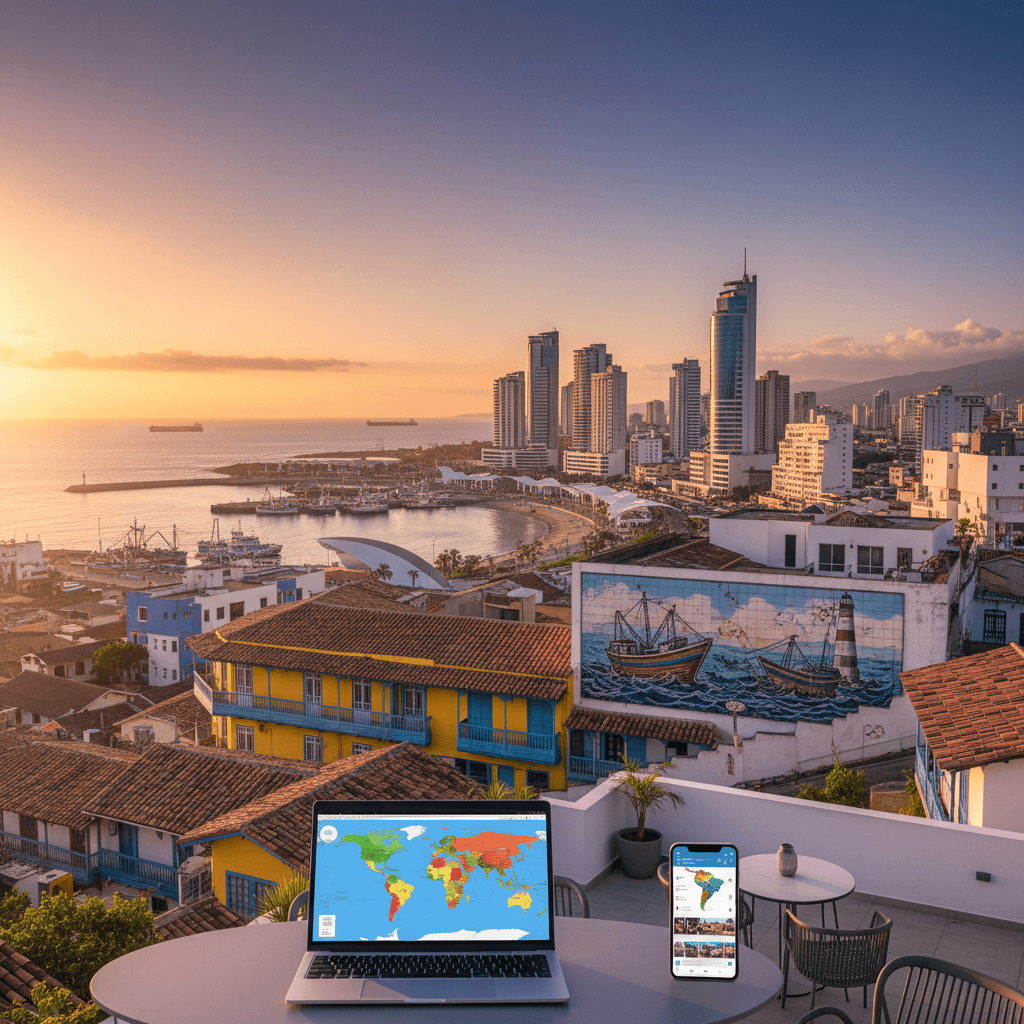
Manta doesn't try to be a postcard-perfect colonial town or a sleepy surf village. It's a gritty, high-energy port city that’s currently undergoing a massive glow-up. As Ecuador’s second-largest port, it has a backbone of industry and tuna fishing, but look closer and you’ll find a skyline of glass-fronted high-rises and brand-new shopping malls. It’s the kind of place where you can watch a massive cruise ship dock in the morning and be drinking a craft beer in a modern rooftop bar by sunset.
The vibe here is unique because it feels like a city first and a beach town second. You’re getting the infrastructure of a real metropolitan hub, including private clinics and direct flights to Panama, without losing that salty, Pacific breeze. Nomads who thrive here usually appreciate the convenience of big-city amenities paired with the ability to hit the sand within ten minutes of closing their laptops.
The Coastal Hustle
Life in Manta revolves around the water, but not always in the way you’d expect. While the main city beach, Playa Murciélago, is great for a quick dip or a sunset walk, the real magic happens when you tap into the local pace. There’s a palpable sense of growth. You'll see locals jogging on the Malecón at 6:00 AM before the humidity kicks in, and by evening, the restaurants around the Plaza del Sol area are packed with expats and young professionals.
It’s not all polished, though. Manta still has its rough edges, and the connectivity can be a bit of a gamble. While the city is modernizing, many nomads find the local WiFi along the coast to be patchy. If you’re planning on heavy Zoom calls, you’ll want to vet your apartment’s connection thoroughly or head 20 minutes south to Santa Marianita, where spots like Punta La Barca have built a reputation for reliable internet and a dedicated nomad community.
What to Expect on the Ground
Staying here feels like being on the frontier of Ecuador’s next big thing. It hasn't been "discovered" by the masses in the same way as Medellín or Bali, which means you get an authentic experience at a lower price point. You can grab a local lunch for $2.50 to $5.00, while a high-end dinner at one of the new developments might run you $20.00. It’s a city of contrasts that rewards those who don’t mind a bit of industrial dust in exchange for a front-row seat to the Pacific.
- Population: Approximately 296,000 residents.
- Main Draw: Modern infrastructure mixed with raw coastal energy.
- The Atmosphere: Busy, salt-of-the-earth, and rapidly developing.
- Safety: Improving, with an approximately 18% drop in national homicides in 2024, though general awareness is still a must.
The Social Landscape
Socializing in Manta is easy if you’re willing to put yourself out there. The expat community is active and generally very welcoming to newcomers. Unlike the more insular mountain towns, Manta feels outward-looking. People are here to work, trade, and build, which creates a dynamic social scene. You’ll find most of the action centered around the newer districts and the northern end of the city, where the "new Manta" is rising with its sleek condos and air-conditioned malls.
If you want the full experience, you have to embrace the local quirks. That means getting used to the sound of the port, the occasional scent of the tuna factories when the wind shifts, and the incredible seafood that shows up on your plate hours after it was caught. It’s a place for the nomad who wants a real Ecuadorian city experience rather than a sanitized tourist bubble.
The Bottom Line on Manta
Manta sits in a sweet spot for nomads who want a real city feel without the astronomical price tags of the Caribbean or the Mediterranean. It is a working port city that is rapidly modernizing, so you get the benefit of brand new malls and private clinics alongside grit and local prices. While it is not the cheapest corner of Ecuador, your dollars go remarkably far here, especially if you step away from the high rise condos lining the main beach.
Most nomads find that a monthly budget between $1,200 and $1,800 allows for a very comfortable lifestyle. This covers a modern apartment, eating out frequently, and keeping the air conditioning running, which is a non negotiable cost given the humidity.
Monthly Budget Breakdown
- Housing (One bedroom apartment): $500 to $900
- Utilities (Electricity, Water, Trash): $60 to $100
- High Speed Fiber Internet: $30 to $50
- Groceries: $250 to $350
- Dining Out and Entertainment: $300 to $500
Housing and Neighborhoods
Rent is your biggest variable. If you want to be in the heart of the action, look at the Manta 2000 neighborhood or the area around Plaza del Sol. These spots are popular with expats and remote workers because they are close to the best restaurants and the beach. Expect to pay around $800 for a furnished place with a sea view here.
For those on a tighter budget, moving a few blocks inland can drop your rent by 30% instantly. While there are not many dedicated apartment hunting apps that work well here, most people find success through Facebook Marketplace or by simply walking around and looking for "Se Arrienda" signs. Short term rentals on Airbnb are plentiful but usually come with a 20% to 40% markup over local rates.
Food and Dining
Manta is the tuna capital of the world, so seafood is incredibly affordable. You can grab a lunch of the day (almuerzo) for $3.00 to $5.00, which usually includes soup, a main dish with rice and fish, and a fresh juice. It is one of the best ways to keep your daily spending down.
If you prefer cooking at home, the local markets are a steal for produce. A week's worth of tropical fruits and vegetables rarely tops $20. However, imported goods at the Supermaxi grocery store, like peanut butter, specific cheeses, or North American snacks, will often cost double what you pay back home due to high import taxes.
Connectivity and Coworking
Internet can be a headache along the coast, but Manta's infrastructure is better than the smaller surf towns nearby. Most modern buildings now offer fiber optic connections. If you are worried about the "patchy" reputation of coastal WiFi, many nomads head 20 minutes south to Santa Marianita. There, a spot called Punta La Barca has built a reputation for having the most reliable connection and a dedicated community of digital workers.
Getting Around
You do not need a car in Manta. Taxis are everywhere and a ride within the city rarely costs more than $2.00 to $5.00. There are also local buses that cost about $0.35, though they can be confusing for newcomers. For weekend trips, the main terminal has frequent connections to nearby spots like Puerto Lopez or Olón for under $10.
Safety and Security
Security is a common topic in expat circles. While national statistics showed a decline in violent crime by about 15% recently, gang activity in port cities is a reality. Most residents stay safe by practicing common sense: don't flash expensive tech on the street, use registered taxi apps at night, and stick to well lit areas like the Malecón Escénico. Most nomads feel perfectly fine during the day, but it is a city where you want to stay aware of your surroundings.
For Nomads and Remote Workers
If you're coming to Manta to work, you'll likely want to base yourself in Barbasquillo. This is the city's most modern face, where high-rise condos overlook the ocean and you're within walking distance of the Mall del Pacífico. It feels more like a mini-Miami than a traditional Ecuadorian town. You'll find the best concentration of cafes with decent power outlets here, though you should always carry a backup hotspot.
Since the local fiber can be hit or miss depending on the building, many nomads actually commute 20 minutes south to Santa Marianita. It is a windsurfing hub with a much slower pace. Punta La Barca is the go-to spot there; it is one of the few places in the region specifically designed for people who need to stay productive while staring at the Pacific. Expect to pay between $600 and $900 for a modern one-bedroom in these areas.
For Long-Term Expats
Expats who aren't tied to a daily zoom call often gravitate toward Ciudad del Mar or Umiña. Umiña is a bit more established and sits right near the main beach, Playa Murciélago. It has a neighborhood feel where people actually recognize their neighbors. You'll find more standalone houses here rather than just glass towers. It is close to the private clinics and better grocery stores, which makes daily life much smoother.
The social scene for expats usually revolves around the yacht club or the hotel bars in Barbasquillo. It is an active community, but you'll get more out of it if you speak a bit of Spanish. While the city is modernizing, it still operates on local rhythms. Renting a larger house in these residential pockets can run you $800 to $1,200 a month, depending on how close you are to the water.
For Families
Families usually look for the gated communities, or urbanizaciones, located along the Via San Mateo. These spots offer a level of security and quiet that you won't get in the city center. Many of these complexes have their own pools, playgrounds, and even small convenience stores inside the gates. It is a bit of a suburban lifestyle, so you'll definitely need a car to get the kids to school or head into town for dinner.
Security is a top priority for families here. While the national homicide rate has dropped by about 15% recently, staying in a community with controlled access provides peace of mind. These areas are also closer to the newer private schools. A three-bedroom home in a decent gated community typically rents for about $1,000.
For Solo Travelers
If you're just passing through or staying for a month to test the waters, stick to the area around Playa Murciélago. It is the most walkable part of Manta. You can grab a local lunch for $3.00 at a nearby comedore and then walk straight to the sand. It is busy, loud, and feels like the heart of the city. You'll be near the main transit lines, making it easy to catch a bus to explore the coast without needing your own wheels.
Solo travelers should stay vigilant in the evenings, especially outside the main tourist strips. Stick to well-lit areas near the mall and the main hotel row. Short-term rentals here are plentiful, and you can often find a studio for around $500 if you're willing to book for at least four weeks.
Connectivity Realities on the Coast
If you're planning to work from Manta, you need to be strategic about your setup. While the city is modernizing quickly with its massive cruise port and new commercial developments, the coastal infrastructure hasn't quite caught up to the fiber optic standards you might find in Quito or Cuenca. Most nomads find that WiFi in Manta can be patchy or inconsistent, especially during peak hours or heavy storms. It's the kind of place where you definitely want a backup plan.
Local expats usually recommend getting a local SIM card immediately to use as a hotspot. Claro and Movistar are the primary providers, and you can usually grab a prepaid plan for around $10 to $20 that will get you through a temporary outage. If your rental relies on a basic router, don't be surprised if speeds hover around 10-15 Mbps. Always ask your host for a speed test screenshot before booking a long term stay, specifically looking for "fibra óptica" connections.
Coworking Spaces and Work-Friendly Cafes
Manta doesn't have a massive selection of dedicated coworking hubs yet, but the scene is growing. Most people looking for a professional environment head 20 minutes south to Santa Marianita. This is where you'll find Punta La Barca, which has become the go-to sanctuary for digital nomads in the area. It's a community focused spot that prioritizes reliable internet, which is a rare find so close to the surf. It's more than just a desk; it's where you'll actually meet other people living the remote life.
Within Manta proper, the mall areas and the newer developments near Barbasquillo are your best bet for a laptop-friendly afternoon. While they aren't formal coworking spaces, several high end cafes in the Mall del Pacifico area offer decent enough connectivity for clearing emails or light admin work. Just keep in mind that the "café culture" for working isn't as established here as it is in Medellin or Mexico City, so be mindful of your table time during lunch rushes.
Practical Tips for Staying Online
- Invest in a Power Bank: Small power flickers aren't uncommon on the Ecuadorian coast. A decent battery pack keeps your phone and hotspot alive if the wall juice cuts out for twenty minutes.
- Check the Router: If you're scouting apartments in neighborhoods like Manta 2000 or Ciudad del Mar, ask if the building has a dedicated generator for the common areas and internet systems.
- Timing Your Calls: Try to schedule your heavy video meetings for the morning. The local network load tends to increase in the late afternoon and evening when everyone gets home and starts streaming.
- Use Ethernet: When you find a place with a router, buy a cheap ethernet cable at a local electronics shop. Hardwiring into the box often stabilizes a signal that feels "jumpy" over WiFi.
The Digital Nomad Trade-off
Living here means accepting a slightly slower pace of digital life. You're trading the blazing fast speeds of a capital city for the ability to walk to the beach after a 5:00 PM sign-off. Most nomads who stick around Manta for more than a month learn to work around the technical quirks. They use the reliable internet at Punta La Barca for their heavy lifting days and save the lighter tasks for the breezy, albeit slower, balcony sessions at their apartments. It's a manageable hurdle as long as you aren't expecting Silicon Valley speeds while sitting in the sand.
Keeping Your Cool in Manta
Manta feels a bit different than the sleepy surf towns further down the coast. It is a working port city with a skyline that is starting to look more like Panama City every year. While the modernization brings great perks like high end malls and private clinics, it also means you need to keep your wits about you just like you would in any major Latin American city. The vibe is generally relaxed, but the city has its rougher edges, particularly around the industrial port zones and the outskirts.
The good news is that security trends are moving in the right direction. Recent data shows an approximately 18% drop in national homicides in 2024, and you can feel that shift on the ground in Manta's more developed areas. Most nomads stick to neighborhoods like Barbasquillo or Manta 2000. These spots are well lit, heavily trafficked, and generally considered the safest pockets for walking around. Even so, the standard rules of the road apply here: don't flash your latest iPhone while walking at night, and keep your laptop bag close when you are working in cafes.
Street crime, specifically petty theft, is the most common headache for travelers. If you are heading out for a night at the bars near Plaza del Sol, take a registered taxi or an Uber rather than walking back to your rental, even if it is only a few blocks. Gang activity is a reality in the wider region, but it rarely targets foreigners or the digital nomad community. Just stay aware of your surroundings and avoid wandering into unfamiliar residential barrios after the sun goes down.
Healthcare Options and Emergencies
If you get a case of "Montezuma’s Revenge" or have a surfing mishap, Manta is actually one of the better places to be on the Ecuadorian coast. The city has seen a surge in private medical investment lately. You will find several modern clinics that look and feel like what you are used to back home, often with English speaking specialists who trained abroad.
- Hospital Rodriguez Zambrano: This is the main public facility. It is fine for minor issues, but it can be crowded and slow.
- Manta Hospital Center or Clinica de Especialidades Manta: These are private options that many expats and nomads prefer for their speed and higher standard of care.
- Pharmacy Access: You will find a Fybeca or Sana Sana on almost every major corner. They are well stocked, and you can get many medications over the counter that would require a prescription in the US or Europe.
Most nomads find that paying out of pocket for a basic doctor's visit is surprisingly affordable, often costing between $30 and $50. However, for anything serious, you will want a solid international health insurance policy that covers medical evacuation. While Manta's private clinics are great for stabilizers and routine care, truly complex surgeries might still require a trip to Guayaquil or Quito.
Staying Healthy on the Coast
The biggest health risk in Manta isn't a tropical disease; it is the sun. Being right on the equator means the UV index is regularly off the charts. Locals know to stay out of the direct rays between 11:00 AM and 3:00 PM, and you should too. Also, stick to bottled or filtered water. The tap water in Manta has improved, but it is still not worth the risk of a week spent in bed.
If you are planning to spend a lot of time in the nearby rural areas or the jungle, talk to a travel clinic about Dengue or Zika precautions. In the city center, mosquitoes aren't a massive issue, but a little repellent goes a long way if you are dining alfresco near the water. Overall, as long as you use common sense and stay hydrated, Manta is a comfortable place to call home for a few months.
The Mobility Reality
Navigating Manta is a bit of a mixed bag. The city is spread out along the coast, and while the Malecon area is walkable, you'll definitely need wheels to get between the main residential zones and the business districts. Most nomads find that while the infrastructure is improving, the city still relies heavily on a traditional hub and spoke transit style.
The layout is dominated by the port and the long stretch of beach. If you are staying in the more modern areas like Barbasquillo, you can get away with walking to cafes and gyms. However, for anything further, you'll be choosing between the local bus system or the ubiquitous yellow taxis.
Taxis and Ride-Hailing
Taxis are the lifelines of the city. You will see them everywhere. They are generally affordable, with most short trips within the city limits costing between $2.00 and $4.00. It is common practice to agree on the fare before you get in, as meters are rarely used or ignored. If you are heading out to the airport or a further neighborhood, expect to pay closer to $5.00 or $7.00.
Ride-hailing apps like Uber and InDrive do operate here, though the density of drivers isn't as high as in Quito or Guayaquil. Many expats prefer InDrive because it allows you to negotiate the price upfront, which fits the local style. It also provides a layer of security since the driver's info is logged, which is a nice peace of mind if you are out late at night.
The Local Bus System
If you want to live like a local and save cash, the buses (called "colectivos") are the way to go. They cost about $0.35 to $0.40 per ride. The routes cover most of the city, but they can be confusing for newcomers because there isn't a centralized digital map. You usually have to look for the destination names painted on the windshields.
- Pros: Extremely cheap and they run frequently during daylight hours.
- Cons: They get very crowded during rush hour, and they aren't the most comfortable way to travel if you have a laptop bag with you.
- Safety: Keep your bag on your lap and stay aware of your pockets in crowded buses.
Getting to Santa Marianita
Since many nomads head to Punta La Barca in Santa Marianita for better community vibes and internet, you'll need to know the 20 minute trek south. A private taxi will charge you around $10.00 to $15.00 for this trip. There are also shared trucks (camionetas) that leave from near the main market in Manta, which cost significantly less if you don't mind sharing the back with locals and groceries.
Walking and Biking
Walking is great along the Malecon Escenico. It is paved, scenic, and safe during the day. However, Manta is a hilly city in parts, and the coastal sun is brutal. If you plan to walk, do it before 10:00 AM or after 4:30 PM to avoid the midday heat. Biking is catching on, but dedicated bike lanes are scarce, so you have to be comfortable assertive riding alongside traffic.
Regional Travel
For getting out of town, the Terminal Terrestre is a modern hub located near the airport. It's clean and well organized. You can catch high quality buses to Puerto Lopez, Guayaquil, or Quito from here. Most long distance tickets to major cities will run you between $10.00 and $20.00 depending on the distance and the level of luxury of the bus provider.
The Spanish Reality
If you're planning to rely on English in Manta, you're going to have a tough time. While the city is a major cruise port, that international influence doesn't translate to widespread bilingualism once you step off the pier. Most locals speak only Spanish. You'll find some English speakers in high end hotels or private clinics, but your day to day life at the fish market or in a taxi requires at least a solid foundation of Spanish basics.
Nomads who stay here long term usually find that a "survival level" of Spanish isn't enough to truly enjoy the city. You'll want to get comfortable with the local accent, which can be fast and sometimes drops the "s" at the end of words, a common trait in coastal Ecuador. If you're serious about staying, look for private tutors rather than formal schools; many expats connect with local teachers through community Facebook groups or by asking around at Santa Marianita.
Connectivity and the Nomad Struggle
Manta's biggest hurdle for remote workers isn't the language, it's the patchy WiFi. Coastal Ecuador is notorious for inconsistent internet, and Manta is no exception. While the city is modernizing, many apartment rentals still use basic ADSL or older fiber lines that can drop out during heavy rain or local outages. Most seasoned nomads here carry a Netlife or Claro backup plan.
- Mobile Data: Pick up a local SIM card immediately. Claro generally has the best coverage along the coast, though Movistar is a decent alternative in the city center.
- Coworking: Dedicated coworking spaces in the city center are scarce. Most nomads head 20 minutes south to Punta La Barca in Santa Marianita. It's widely known as the most reliable spot for high speed internet and a community of people who actually understand why you need a stable Zoom connection.
- Cafes: You can work from some of the newer malls or larger cafes in the Barbasquillo neighborhood, but always check the speed before you order your coffee.
Local Slang and Social Nuances
Ecuadorians are generally polite and formal with their greetings. Always start an interaction with a "Buenos días" or "Buenas tardes" before diving into a request. In Manta, you'll hear people refer to themselves as Manabitas, and they take immense pride in their province, Manabí. Mentioning how much you love the local ceviche or bolón is the fastest way to break the ice.
You might hear locals use the word "bacán" to mean cool, or "chari" when something is cold. If someone calls you "vecino" or "vecina" (neighbor), it's a friendly, common way to address people in shops or on the street. It doesn't literally mean you live next door; it's just a sign of local rapport.
Translation Apps and Tools
Since you'll likely be navigating menus and logistics on the fly, download the Spanish offline dictionary on Google Translate. The camera feature is a lifesaver for reading signs at the port or instructions at the pharmacy. For more nuanced conversations, DeepL tends to provide more natural translations than Google, which is helpful if you're trying to negotiate a long term lease or explain a specific tech issue to an ISP technician.
Most business in Manta, from ordering water delivery to booking a hair appointment, happens over WhatsApp. If you don't have the app installed, you'll find it nearly impossible to communicate with local services. Don't bother calling; just send a voice note or a text, as that is the standard for almost every transaction in the city.
The Coastal Climate Reality
Manta sits in a unique spot on the Ecuadorian coast where the tropical heat meets the cooling influence of the Humboldt Current. Unlike the humid, jungle-heavy north, Manta stays relatively dry. You aren't going to deal with the constant, heavy downpours you might find in the Amazon or even parts of Guayaquil. Instead, the city enjoys a semi-arid climate that feels more like a Mediterranean coastal town than a typical tropical rainforest.
The year is split into two main phases. The hot, rainy season runs from January through April. Don't let the word rainy scare you; it usually means short, intense bursts of rain followed by bright sunshine. Temperatures during these months regularly hit 85°F to 90°F, and the humidity picks up significantly. This is when the ocean is at its warmest, making it the peak time for beach lovers and surfers who don't want to wear a wetsuit.
The cooler, dry season arrives in May and lasts through December. This is often called the garúa season. The sky can stay overcast for days with a light, misty drizzle that never quite turns into a real storm. Temperatures drop to a comfortable 72°F to 78°F. While it sounds gloomy, many nomads prefer this window because you can walk around the city without breaking a sweat, and you'll save a fortune on your electricity bill since you won't need the air conditioning running 24/7.
When to Book Your Stay
If you are looking for the sweet spot, aim for November or December. You get the benefit of the dry weather before the heavy heat of the new year kicks in. It is also the calm before the storm of local tourism. Once January hits, coastal Ecuadorians flock to Manta for their summer holidays, and prices for short term rentals along the Murciélago beach area tend to spike.
Whale watching is a massive draw here, and it dictates the social calendar for a large part of the year. Humpback whales migrate past Manta between June and September. If you are in town during this window, the marinas are packed, and the city feels much more alive with international travelers. It is the best time for social networking, though you will need a light jacket for the breezy evenings on the water.
Seasonal Logistics for Nomads
Your experience in Manta will change based on the thermometer. Here is what to expect during the different peaks:
- High Season (January to March): Expect sunny mornings and humid afternoons. This is the best time for social scenes and beach parties, but your productivity might dip if your apartment doesn't have high quality cooling.
- Whale Season (June to September): Ocean breezes are constant. It is the best time for outdoor exercise and exploring the nearby Santa Marianita cliffs without overheating.
- The Quiet Gap (October to November): This is the most affordable time to negotiate long-term leases. The city is quiet, the weather is mild, and the tourist crowds have vanished.
One thing to keep in mind is that the sun at the equator is incredibly strong regardless of the temperature. Even on those grey, overcast days in August, you can get a serious burn in under twenty minutes. Locals generally stay off the sand between 11:00 AM and 3:00 PM, and as a resident nomad, you would be wise to follow their lead. Save your deep focus work for those midday hours and hit the water once the sun starts its descent.
Connectivity and Workspaces
Expect a bit of a learning curve when it comes to the internet here. While the city is modernizing, the coastal location means WiFi can be notoriously patchy. If you are relying on a standard Airbnb connection, you might find yourself frustrated during video calls. Most seasoned nomads in the area suggest getting a local SIM card from Claro or Movistar as a backup hotspot immediately upon arrival.
For a guaranteed connection, many remote workers head 20 minutes south of the city center to Santa Marianita. There is a community hub called Punta La Barca that specifically caters to the nomad crowd with reliable speeds and a focused work environment. Within Manta proper, you will find better luck working from the newer cafes near Mall del Pacifico, though dedicated coworking spaces are still catching up to the city's growth.
Budgeting for the Coast
Manta sits in a sweet spot where you can enjoy a high quality of life without the price tag of North American or European hubs. Your biggest variable will be housing. Short term rentals in modern high rises with ocean views generally run between $500 and $1,000 per month. If you are looking to stay long term, you can often negotiate these rates down by talking to local property managers directly rather than staying on booking platforms.
- Local Lunch (Almuerzo): $2.50 to $5.00
- Dinner at a mid range restaurant: $10.00 to $20.00
- Domestic Beer: $1.50 to $2.50
- Monthly Grocery Bill: $250 to $350
Safety and Local Awareness
The security situation in Ecuador has been a major topic of conversation lately. While national statistics show a decline in violent crime by about 15% to 16% in 2024, you still need to keep your wits about you. Manta is a major port city, which brings a level of grit and specific safety challenges related to gang activity. Stick to well lit, populated areas like the Murcielago beach front and avoid walking alone late at night, especially with visible electronics.
Most expats and nomads feel perfectly comfortable during the day. The "no dar papaya" rule applies here; don't flaunt wealth or leave bags unattended on the beach. Use registered taxi apps rather than hailing random cars off the street after dark to add an extra layer of security.
Social Life and Integration
You won't find the massive nomad meetups of Medellin or Mexico City here, but the social scene is surprisingly accessible. The expat community is active and generally very welcoming to newcomers. Much of the social life revolves around the water, so if you kite surf, fish, or surf, you will find your tribe quickly. People tend to gather at the beachfront bars near the northern end of the city in the evenings. Learning basic Spanish is a massive advantage here; while the tourism sector speaks some English, your daily life at the markets and in taxis will be much smoother if you can hold a basic conversation.
Need visa and immigration info for Ecuador?
🇪🇨 View Ecuador Country GuideHidden Gem
Worth the effort