Loja
🇪🇨 Ecuador
The Cultural Heart of the South
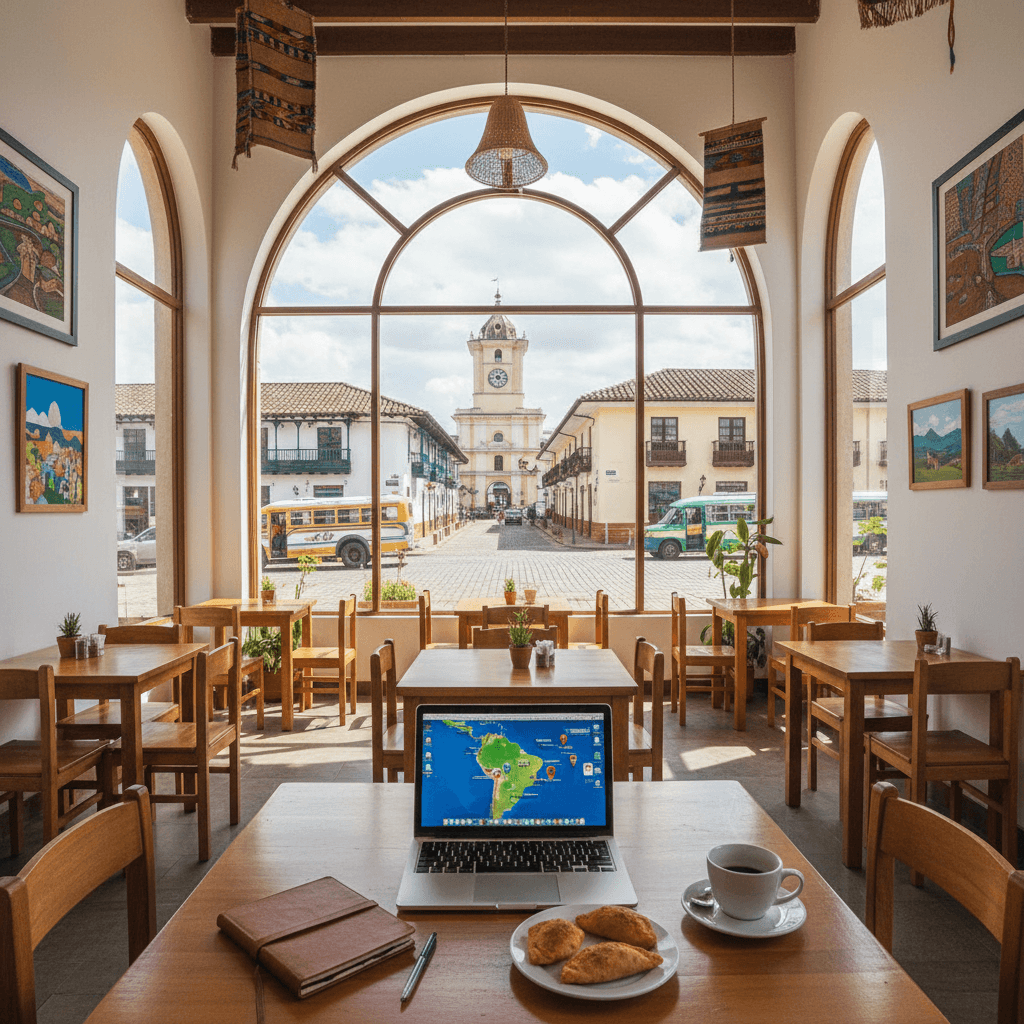
Loja feels like Ecuador's best kept secret, tucked away in the Cuxibamba valley near the Peruvian border. While most remote workers flock to the colonial streets of Cuenca or the high altitude energy of Quito, Loja offers a different pace. It is widely known as the musical and cultural capital of the country, and you will feel that the moment you step into the city center. It is not uncommon to hear a violin concerto drifting from a window or stumble upon a public plaza performance while you are out hunting for a strong coffee.
The vibe here is sophisticated but unpretentious. Locals, or Lojanos, take immense pride in their city's cleanliness and safety. It is a place where people still greet each other on the street, and the frantic rush of northern cities feels worlds away. For nomads, it provides a rare balance: you get a functional, walkable city with reliable infrastructure, but you are wrapped in a small town atmosphere where you can actually hear yourself think.
The Nomad Experience
Living here means trading the massive expat bubbles of other hubs for a more authentic integration. You will likely find yourself hanging out at Cofee Mountain or Zatua Miski, where the local coffee culture is taken very seriously. The digital nomad community is smaller here than in Cuenca, which makes it easier to form genuine connections with the locals and the handful of long term travelers who have figured out that Loja is a steal.
The city sits at about 2,100 meters, so the climate is a perpetual spring. You won't deal with the biting cold of the higher Andes, nor the humid heat of the coast. Most nomads find the $800 to $1,000 monthly budget provides a very comfortable lifestyle here. You can snag a modern apartment in a solid neighborhood for $400, leaving plenty of room for weekend trips to the nearby Podocarpus National Park or the famous valley of longevity, Vilcabamba.
Local Logistics
- Currency: Ecuador uses the US Dollar, which makes budgeting incredibly straightforward for many travelers.
- Connectivity: Expect stable fiber optic internet in most modern rentals. Speeds typically hover around 10 Mbps to 20 Mbps, though high end spots can reach 50 Mbps.
- Walkability: The city is highly navigable on foot, especially around the San Sebastian and El Sagrario districts.
- Safety: Loja is consistently ranked as one of the safest urban areas in Ecuador, making it a top choice for solo travelers.
Why Loja Stands Out
What sets Loja apart is the lack of "tourist fatigue." You aren't just another digital nomad passing through; you are a guest in a city that is genuinely happy to have you. The emotional experience of being here is one of calm productivity. You can spend your mornings working from a cafe overlooking the Rio Zamora, your afternoons exploring the botanical gardens, and your evenings at a local peña listening to live folk music.
It is a city that rewards the slow traveler. If you need a high octane nightlife scene or a massive coworking space on every corner, Loja might feel too quiet. But if you want a place where your $5 lunch comes with a world class view and your neighbors know your name within a week, this southern outpost is hard to beat. It is the kind of place where you arrive for a month and end up staying for six.
The Monthly Bottom Line
Loja is where your dollars stretch significantly further than in Quito or even Cuenca. While it's the cultural capital of the south, it hasn't seen the same level of price inflation as the northern hubs. Most solo nomads find they can live a very comfortable, middle class lifestyle here on $800 to $1,100 per month. This budget covers a private apartment in a safe area, eating out once a day, and plenty of weekend trips to the surrounding valleys.
Because Ecuador uses the USD, you won't have to deal with the headache of fluctuating exchange rates. It makes budgeting straightforward, though you should carry small denominations. Many local shops and markets in Loja struggle to make change for anything larger than a $10 or $20 bill.
Accommodation and Neighborhoods
Rent will be your biggest variable, but it's remarkably affordable compared to North American or European standards. Short term rentals through platforms like Airbnb carry a premium, but if you're staying for three months or more, you can negotiate better rates locally.
- El Valle: A favorite for those who want a traditional feel close to the city center. You can find furnished one bedroom apartments for $350 to $500.
- San Sebastian: This is the heart of the colonial center. It's lively and walkable, with rents for modern lofts averaging around $450 to $650.
- La Argelia: Located near the university, this area is cheaper and full of budget friendly eateries. Expect to pay $250 to $400 for simpler setups.
Food and Dining
Loja is famous for its coffee and cecina, and eating like a local is the best way to keep costs down. A traditional "almuerzo" (set lunch) includes soup, a main dish, and a fresh juice for $2.50 to $4.00. If you prefer dining at international spots or trendy cafes in the city center, a nice dinner with a drink will usually run you $12 to $18.
Groceries are best bought at the municipal markets like Mercado Central. You can fill a large bag with fresh tropical fruits and vegetables for under $15. Imported goods at the Supermaxi supermarket will cost roughly what they do in the States, so sticking to local brands is a smart move for your wallet.
Connectivity and Transport
Internet reliability has improved, but it's still a bit of a mixed bag. Most apartments offer 10 Mbps to 20 Mbps, which is plenty for video calls, but you might want to check the specific router before signing a lease. A local SIM card from Claro or Movistar with 10GB of data costs about $15 to $20 and is great for a backup hotspot.
Getting around is cheap. The city is very walkable, but if it rains, a taxi ride anywhere within the city limits rarely exceeds $2.00 or $3.00. The bus system is even cheaper at $0.30 per ride, though most nomads prefer the convenience of walking or taxis. If you're heading out to Vilcabamba for the weekend, a shared van or bus will only set you back about $2.00.
Daily Essentials and Extras
- Coworking: Monthly memberships at local spots like Cliq Coworking or similar hubs run about $80 to $120.
- Gym Membership: A decent local gym costs between $25 and $40 per month.
- Coffee: A high quality pour over at a specialty cafe is usually $2.00 to $3.50.
- Laundry: Most "lavanderias" charge by the weight, typically around $0.60 to $1.00 per kilo for wash and fold service.
The Central Heritage District
If you want to be in the thick of things, the historic center is where most nomads plant their roots first. It is a walkable grid filled with colonial architecture and the city's best coffee shops. You are within a five minute walk of Plaza Central and the Calle Lourdes, which is famous for its colorful houses and small artisan shops.
Living here means you don't need a car. You can walk to the Mercado Central for fresh fruit or grab a desk at a local cafe. Most nomads find the noise levels manageable, though street performers and traffic can get loud during the day. Expect to pay around $450 to $600 for a furnished apartment with reliable internet.
- Best for: Short term stays and those who want immediate access to nightlife.
- Vibe: Traditional, lively, and very walkable.
- Average Rent: $500
San Sebastian
Expats often gravitate toward San Sebastian because it balances local charm with a slightly more relaxed pace than the direct center. It is anchored by a beautiful plaza and the Teatro Bolivar. You will find a few more upscale dining options here and a community that is used to seeing foreigners.
The housing stock here is a mix of older renovated buildings and newer apartments. It is a great spot if you want to be close to the cultural events of the city without living right next to a bus terminal. Residents say the sense of community is stronger here, and you will likely get to know your neighbors quickly.
- Best for: Long term expats and remote workers seeking a community feel.
- Vibe: Artistic, residential, and historic.
- Average Rent: $400 to $550
El Valle
Families usually look toward El Valle, located just north of the city center. It feels more like a suburb but remains connected to the main hubs. This area is famous for its traditional restaurants, specifically those serving cuy or cecina, and it has much more green space for kids to run around.
The streets are wider here and the air feels a bit fresher. You can find larger houses with small yards for the same price you would pay for a cramped apartment in the center. It is quieter at night, which is a huge plus for those with younger children or anyone who is a light sleeper.
- Best for: Families and travelers who prefer quiet nights.
- Vibe: Peaceful, spacious, and family oriented.
- Average Rent: $350 to $500 for a larger house.
Jipiro and the North
Solo travelers and budget conscious nomads often head north toward the Jipiro Recreation Park. This is one of the most unique areas in Loja, featuring a park with scaled down replicas of international landmarks. The neighborhood is modern and caters to a younger crowd, with several affordable hostals and shared living spaces.
Prices are generally lower here than in the historic district. You will find plenty of cheap eats, with almuerzos (set lunches) costing as little as $2.50 to $3.50. It is a bit of a trek to the center, but the local buses are frequent and cost only $0.30 per ride.
- Best for: Solo travelers, budget hunters, and fitness enthusiasts.
- Vibe: Modern, active, and affordable.
- Average Rent: $300 to $450
Connectivity and Speed
Loja isn't Quito or Cuenca, and that’s exactly why nomads are starting to flock here. You aren't competing with thousands of other remote workers for bandwidth, but you still get the stability of a provincial capital. Most modern apartments in neighborhoods like San Sebastian or El Valle come equipped with fiber optic connections. You can generally expect speeds between 20 Mbps and 50 Mbps in mid range rentals, though high end units often push 100 Mbps.
Stability is the bigger win here. Unlike the coastal towns where a heavy rain might knock out your Zoom call, Loja’s infrastructure is reliable. If you're planning on a long term stay, check if your landlord uses Netlife or PuntoNet, as these are the gold standards for local reliability. For a backup, a local SIM card from Claro or Movistar is a must. You can grab a 10GB data package for around $15, and the 4G coverage is surprisingly consistent throughout the city center.
Top Coworking Spots
The coworking scene in Loja is intimate rather than corporate. You won't find massive global chains here, but you will find community focused spaces where the coffee is fresh and the chairs are actually ergonomic.
- UTPL (Universidad Técnica Particular de Loja): While primarily a university, their innovation hubs often provide spaces for external professionals. It’s a great place to connect with the local tech scene. The atmosphere is academic and quiet, perfect for deep work sessions.
Work Friendly Cafes
If you prefer the hum of a coffee shop, Loja is arguably the best place in Ecuador for it. This is the heart of the country's coffee production, so the quality is world class. Most nomads find that as long as you order a couple of drinks, staying for three or four hours isn't an issue.
- Indera: This is a favorite for many. The Wi-Fi is strong, the tables are large enough for a laptop and a notebook, and the coffee is sourced from the surrounding mountains. Expect to pay about $2.50 for a high end pour over.
- Cofee: Don't let the simple name fool you. It’s a modern space with plenty of power outlets and a menu that caters to those staying through lunch. It’s usually quiet in the mornings, making it ideal for East Coast time zone meetings.
- Big Bang Coffee: A bit more social and lively. It’s great for casual tasks or clearing your inbox, but maybe not the best spot for an important client presentation.
Logistics and Costs
Budgeting for your "office" in Loja is straightforward. Since the country uses the US Dollar, there are no confusing conversion rates to track. Most nomads spend less than $150 a month on total work related expenses, including a coworking membership and daily cafe visits.
- Monthly Coworking Desk: $100 to $130
- Daily Pass: $8 to $12
- Average Latte: $2.00 to $3.00
- Local SIM with Data: $15 to $20
Expats recommend living within walking distance of the Calle Lourdes area. It puts you in the heart of the most walkable part of the city, meaning you can bounce between your apartment, a coworking space, and a cafe without ever needing a taxi. The mix of colonial architecture and reliable fiber makes it a unique pocket for anyone tired of the typical nomad hubs.
Staying Safe in the Cultural Capital
Loja is widely considered one of the safest cities in Ecuador, especially compared to the coastal regions or the larger hubs like Quito. It has a small town feel despite its size, and the local culture places a high value on order and civic pride. You'll notice people walking in the central plazas well into the evening, but you should still practice standard street smarts.
Pickpocketing is the most common issue, particularly in crowded areas like Mercado Central or during the Festival of Arts in November when the streets are packed. Keep your phone in your front pocket and avoid wearing flashy jewelry. Most nomads feel perfectly comfortable walking through neighborhoods like San Sebastian or El Valle during the day, but it's better to take a taxi after dark.
- Solo Travelers: Women traveling alone generally report feeling respected here. The "machismo" culture is less aggressive than in other parts of Latin America, though catcalling can happen occasionally.
- Emergency Number: Dial 911 for any police, fire, or medical emergencies. The response time in the city center is generally quick.
Healthcare and Medical Services
You'll find that healthcare in Loja is surprisingly high quality and very affordable. Because the city is home to two major universities with medical programs, there is a steady stream of well-trained doctors. Many specialists have studied abroad and speak at least some English, though having a basic grasp of Spanish will make your visit much smoother.
For most minor issues, nomads head to Hospital UTPL. It's a private university hospital known for modern equipment and efficient service. If you need a quick consultation or lab work, you can often get an appointment within 24 to 48 hours. Out-of-pocket costs for a specialist visit usually run between $30 and $50.
- Pharmacies: You'll see Sana Sana and Fybeca on almost every corner. Many medications that require a prescription in the US or Europe are available over the counter here.
- Dental Care: Loja is a great place for dental work. A professional cleaning usually costs around $30, and the clinics in the Orillas del Zamora area are top-notch.
- Insurance: While the local care is cheap, most nomads carry a policy like SafetyWing or World Nomads to cover major emergencies or medical evacuation.
Environmental Health and Water
Loja sits at an elevation of about 6,700 feet. While this isn't as extreme as Quito, you might feel a bit short of breath or experience mild headaches during your first few days. Stay hydrated and take it easy on the Zhumir (local cane spirit) until you've adjusted.
The tap water in Loja is often touted as being among the cleanest in the country due to its proximity to Podocarpus National Park. However, most expats and long-term travelers still stick to filtered or bottled water for drinking to avoid any risk of parasites. Most modern apartment rentals will come with a 20-liter water jug delivery service or a built-in filtration system. If you're eating street food, look for vendors with a high turnover of local customers to ensure the ingredients are fresh.
Key Contacts for Peace of Mind
- Hospital UTPL: Located in the San Cayetano area, this is the premier private facility for nomads.
- Clinica San Agustin: Another reliable private option located right in the city center.
- Policia Turistica: Often found patrolling Parque Central, they are helpful and accustomed to assisting foreigners.
The Logistics of Loja
Loja is a compact, walkable city where the pace of life feels noticeably slower than the frantic energy of Quito. Because the city center is laid out on a grid, you can handle most of your daily errands on foot. Most nomads choose to base themselves near the Parque Central or the San Sebastian neighborhood, where the streets are flat and everything from organic markets to coffee shops is within a ten minute stroll.
When you need to cover more ground, the local bus system is the most economical way to get around. The city uses a bus rapid transit system called the Troncal de Integracion, which runs north to south along dedicated lanes. Rides cost a flat $0.30. It is reliable during daylight hours, though it gets crowded during the afternoon rush when students and office workers head home. You will want to keep small change on hand, as drivers rarely have change for anything larger than a five dollar bill.
Taxis and Ride Sharing
Taxis are everywhere in Loja and they are incredibly affordable. You can easily spot them by their bright yellow color and the registration numbers painted on the side. Within the city limits, a typical ride costs between $1.50 and $2.50. Always make sure the driver turns on the taximeter, known locally as the taximetro, as soon as you get in. At night, there is a small surcharge, usually adding about $0.50 to the total fare.
While global apps like Uber do not have a strong presence here, taxis remain the primary way to get around for late night trips back to your apartment after dinner in the Calle Lourdes area.
Getting to Vilcabamba
Many remote workers living in Loja spend their weekends in Vilcabamba, the famous valley of longevity located about 45 kilometers south. You have two main options for this trip. The first is a public bus from the Terminal Terrestre Reina del Cisne, which costs about $1.50 and takes roughly 90 minutes. The buses leave every 15 to 30 minutes, so there is no need to book in advance.
If you prefer a faster, more comfortable journey, look for the taxis ejecutivos or shared vans. These depart from small offices near the bus terminal or can be arranged via WhatsApp. A seat in a shared taxi usually runs about $3.00 to $5.00, cutting the travel time down to an hour. It is a winding, mountainous road, so if you are prone to motion sickness, sit near the front and keep your eyes on the horizon.
Regional Travel and the Border
Loja’s main bus terminal is the gateway to the rest of southern Ecuador. If you are planning a trip to Cuenca, the journey takes about 4 to 5 hours and costs roughly $8.00 to $10.00. Several companies like Cooperativa Loja and Viajeros International run this route multiple times a day with comfortable, modern coaches.
For those planning a border run or continuing south into Peru, Loja is a strategic starting point. Direct buses run from Loja to Piura or Sullana in Peru. These trips usually depart late at night to reach the border at Macara by early morning. Expect to pay around $15.00 to $20.00 for a cross border ticket. Just remember that while the USD is the official currency in Ecuador, you will need to swap for Peruvian Soles once you cross the bridge.
Air Travel
Loja is served by the Catamayo Airport (LOH), which is actually located about 35 kilometers outside the city in a lower, warmer valley. The drive takes about 45 minutes by taxi, costing roughly $15.00 to $20.00. Flights are primarily limited to Quito via airlines like LATAM or Aeroregional. Prices for a one way ticket usually hover between $60 and $120. Because the airport is tucked between mountains, flights are occasionally delayed or diverted due to wind or fog, so it is wise not to book a tight connection in Quito on your way out of the country.
The Linguistic Landscape
Loja is often called the musical and cultural capital of Ecuador, and that reputation extends to the way people speak. You'll find the local accent is remarkably clear and articulated compared to the faster, more melodic pace of Quito or the coastal slang of Guayaquil. For nomads trying to brush up on their Spanish, this is probably the best place in the country to learn. The locals take pride in their formal, polite speech, and you'll frequently hear "usted" used even in casual settings.
While the Spanish is clear, English proficiency remains quite low. Outside of high end hotels or specific expat hangouts in the San Sebastian neighborhood, don't expect menus or signage to be bilingual. You'll need at least a survival level of Spanish to handle daily tasks like negotiating a taxi fare or ordering a $3.50 almuerzo at the Central Market. Most long term travelers find that a quick "buenos días" goes a long way here; the Lojanos are incredibly patient with learners.
Staying Connected
For a city of its size, Loja punches above its weight with internet reliability. Most modern apartments in the El Valle or Zamora Huayco areas come equipped with fiber optic connections. You can generally expect speeds between 20 Mbps and 50 Mbps, which is more than enough for Zoom calls or uploading large files. If you're staying in an older building in the historic center, definitely ask for a speed test before signing a lease, as thick adobe walls can turn Wi Fi signals into a nightmare.
When you're out and about, mobile data is your lifeline. The two main providers are Claro and Movistar. Most nomads lean toward Claro because it has better coverage when you head out on weekend trips to Vilcabamba or Podocarpus National Park. You can pick up a SIM card at almost any "tienda" for about $5. Topping up is easy; just look for signs that say "recargas." A $10 data package will usually last you a couple of weeks if you aren't streaming video on the go.
Coworking and Study Spots
Loja doesn't have a massive "laptop cafe" culture yet, but it's growing. While dedicated coworking spaces are still emerging, there are solid spots where you won't be kicked out for staying two hours. Cofinn in the city center is a favorite for its reliable outlets and strong coffee.
- Cofinn: A cafe atmosphere with great local beans. It's usually quiet enough for deep work during the mornings.
- UTPL University Area: Since this is a university town, the cafes surrounding the UTPL campus often have decent Wi Fi and a younger, tech savvy crowd.
Key Communication Tips
WhatsApp is the undisputed king of communication in Loja. Whether you're booking a dental appointment, ordering a pizza, or messaging a potential landlord on Facebook Marketplace, it happens through WhatsApp. Many local businesses don't even maintain traditional websites; they just list a phone number. If you want to get things done quickly, send a voice note. It's the local preferred method over typing out long paragraphs.
If you're planning to stay for a few months, consider enrolling in a few weeks of classes at a local school like Vilcabamba Spanish School (which has ties to Loja). Not only will it help you navigate the city, but it's the fastest way to tap into the local social scene. Most expats find that once they break the language barrier, the city opens up in a way that purely English speaking hubs never do.
The Valley of Perpetual Spring
Loja is often called the music capital of Ecuador, but nomads usually just call it comfortable. Because of its location in the southern highlands at an altitude of about 2,100 meters, the city avoids the sweltering humidity of the coast and the biting chill of higher Andean cities like Quito. You can expect a steady, spring like climate where the thermometer stays between 16°C and 23°C (60°F to 74°F) most of the year.
The locals joke that you can experience four seasons in a single afternoon. You might start your morning in a light sweater, switch to a t-shirt by lunch, and need a waterproof jacket when the clouds roll over the mountains in the late afternoon. It is rarely "hot" and never truly "cold," making it an ideal spot if you are tired of paying for air conditioning or heavy heating bills.
Dry Season: June to September
If you prefer clear blue skies and crisp mountain air, aim to arrive between June and September. This is the dry season, characterized by breezy days and the most consistent sunshine. It is the best time for hiking the trails in nearby Podocarpus National Park or taking the short bus ride to Vilcabamba without getting stuck in a mudslide.
The wind picks up significantly during these months. Expats often refer to the "vientos de agosto" (August winds), which keep the air fresh but can make the evenings feel a bit brisk. You will want a solid windbreaker if you plan on being out past sunset. This is also the peak time for cultural festivals, meaning the city feels more alive than usual.
Wet Season: October to May
The rainy season is not as intimidating as it sounds. You will not see constant monsoon rain; instead, expect bright mornings followed by heavy, predictable showers in the afternoon. The landscape turns a brilliant, deep green that makes the surrounding valley look like a postcard. March and April tend to be the wettest months, where you might see more overcast days than usual.
For nomads on a budget, this is actually a great time to hunt for long term apartment deals. Since there are fewer backpackers passing through, landlords in neighborhoods like San Sebastian or near Jipiro Park are often more willing to negotiate on monthly rates. Just make sure your rental has decent insulation, as the humidity can make indoor spaces feel damp during a long stretch of rain.
Key Events and Timing
When planning your stay, keep these specific dates in mind to either join the party or avoid the crowds:
- The Virgin of El Cisne (August 20th): This is a massive religious pilgrimage. Thousands of people walk from the town of El Cisne to Loja. The city gets extremely crowded, and finding a quiet workspace or a hotel room becomes nearly impossible if you have not booked weeks in advance.
- International Festival of Living Arts (November): This is arguably the best time to be in Loja. The streets turn into open air theaters, and the plazas are filled with musicians and performers. It is the cultural heartbeat of the year, though prices for short term rentals usually spike.
- Independence Days (November 18th): Immediately following the arts festival, the city celebrates its independence. Expect parades, loud music, and a lot of local pride.
What to Pack
Packing for Loja is all about layers. Since you are in the southern hemisphere but near the equator, the sun is incredibly strong even when it feels cool. Travelers recommend bringing:
- A high quality SPF 50+ sunscreen, as local brands can be expensive.
- A light, breathable rain shell for those afternoon showers.
- Comfortable walking shoes with good grip for the hilly, sometimes slippery cobblestone streets.
- A sturdy umbrella; you will see locals carrying them regardless of whether it is sunny or raining.
Most nomads find that September through November offers the best balance. You get the tail end of the dry weather, manageable prices, and front row seats to the best cultural events in the country.
Living in the music capital of Ecuador is a distinct experience compared to the high altitude grind of Quito or the colonial bustle of Cuenca. Loja is smaller, cleaner, and moves at a pace that suits the deliberate traveler. You are looking at a city where the air is fresh and the USD goes further than almost anywhere else in the country.
Money and Costs
Expect to spend about $800 to $1,000 per month for a comfortable lifestyle. While the country uses the US Dollar, you will want to keep plenty of small change and $1, $5, and $10 bills on hand. Most local shops and taxi drivers struggle to break a $20 bill, and anything larger is nearly impossible to use outside of a major supermarket like Supermaxi.
- One-bedroom apartment: $350 to $500 per month.
- Almuerzo (set lunch): $2.50 to $4.00.
- Taxi ride within the city: $1.50 to $2.50.
- Local SIM card with 10GB data: $15 to $20.
Connectivity and Coworking
Reliable fiber optic internet is becoming the standard in modern apartments, especially in neighborhoods like San Sebastian or near the Universidad Tecnica Particular de Loja (UTPL). Most nomads find that speeds of 10 to 20 Mbps are common, though you should always ask for a speed test before signing a lease. Power outages are infrequent but can happen during the rainy season, so a backup battery or a loaded hotspot is a smart move.
For a dedicated workspace, local entrepreneurs and remote workers often gather in professional hubs that provide stable desks and a focused atmosphere. If you prefer working from coffee shops, Cuna de Artistas offers great local brews and enough table space to get through an afternoon of emails without feeling intrusive.
Visas and Paperwork
Most travelers enter on a 90 day T-3 tourist visa granted on arrival. If you decide Loja is your long term base, the Ecuador Digital Nomad Visa is one of the most accessible in South America. It allows you to stay for up to two years provided you can show a remote income of at least $1,350 per month (three times the basic salary in Ecuador). You will need a clean criminal record check and health insurance that covers you locally.
Getting Around
Loja is incredibly walkable, particularly within the central grid. When you need to go further, the city's bus system is efficient and costs only $0.30 per ride. Taxis are everywhere; just make sure the driver turns on the meter, or "taximetro," as soon as you get in. If you are heading out to Vilcabamba for the weekend, shared vans or "colectivos" leave regularly from the terminal and take about 45 to 60 minutes for a few dollars.
Health and Safety
Expats generally consider Loja one of the safest cities in Ecuador. You can walk around most central areas at night without much worry, though it is always wise to take a taxi if you are heading back late from a bar. The tap water in Loja is actually treated and considered drinkable by the local government, which is a rarity in Ecuador. However, many nomads still stick to a filtered pitcher or bottled water to be safe during the first few weeks while their system adjusts.
Need visa and immigration info for Ecuador?
🇪🇨 View Ecuador Country GuideHidden Gem
Worth the effort