Linden
🇬🇾 Guyana
The Industrial Garden of Guyana
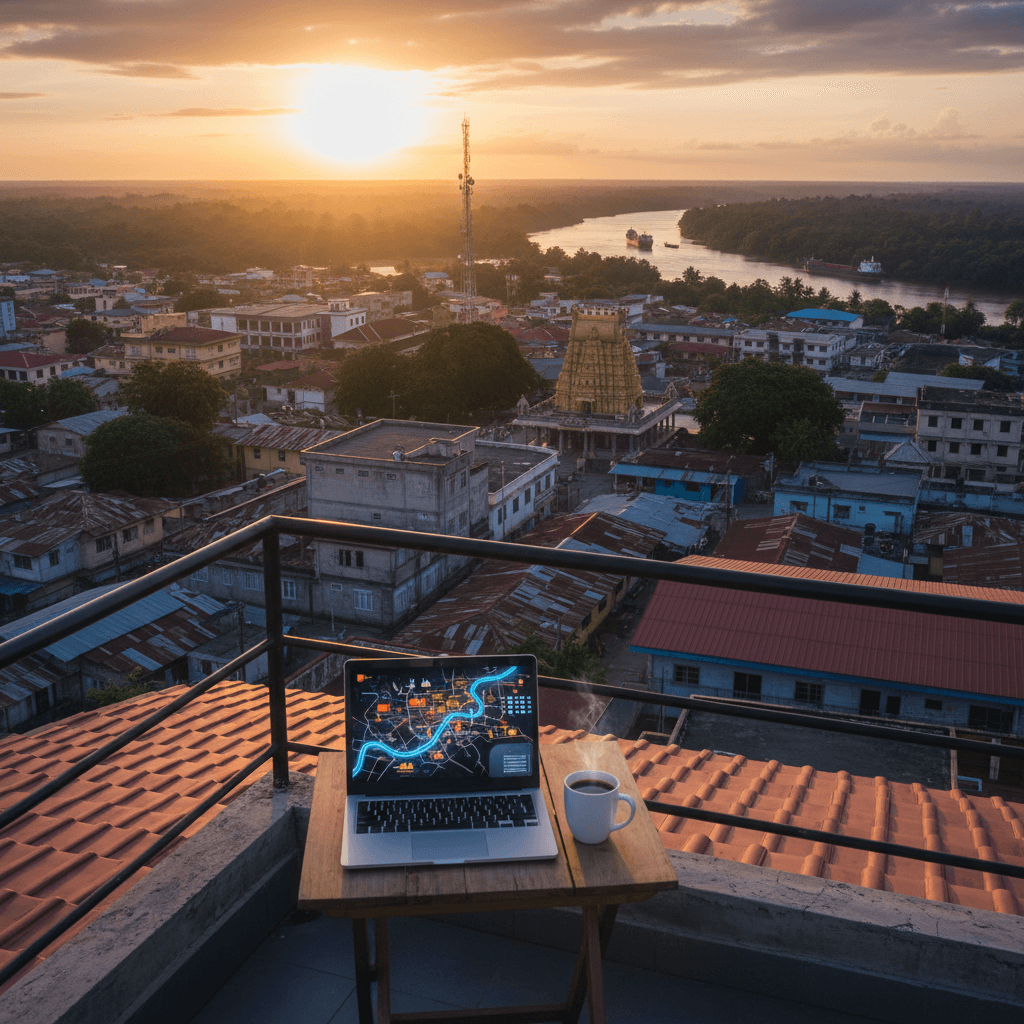
If Georgetown is a frantic, high-energy sprint, Linden is a long, deep exhale. Located about 65 miles south of the capital, this isn't your typical digital nomad hub with neon lights and endless networking events. Instead, it’s a rugged, green, and surprisingly quiet mining town that feels like a frontier for those who actually want to get work done. You’re trading the coastal humidity for a breeze that carries the scent of the surrounding jungle and the red dust of the bauxite mines that put this place on the map.
The vibe here is intensely community-oriented. You aren't just another face in a crowd; you’re a guest in a town where everyone knows their neighbor. It’s the kind of place where you’ll spend your mornings at the Waterfront Market, chatting with vendors over local fruit, before heading to a quiet spot to knock out a few hours of deep work. It’s peaceful, it’s green, and it offers a level of cultural immersion that’s hard to find in more westernized nomad hotspots.
The Price of the Pioneer Life
Living in Linden as a nomad requires a bit of a financial strategy. While local life is affordable, maintaining a Western standard of comfort can get pricey because most specialized goods have to be brought in from the coast. You should budget around $1,201 total with rent (one person) for a comfortable nomad lifestyle. If you live like a local, eating from the markets and staying in modest rentals, you can manage on an even more modest budget.
- Comfortable Nomad Lifestyle: $1,201 total with rent (one person)
- Mid-Range Lifestyle: $3,000 per month
- Budget/Local Style: $2,000 per month
- Estimated Rent: $1,582 per month (National average)
Where to Plant Your Flag
Linden doesn't really do "neighborhoods" in the way a major metropolis does. Most of your life will revolve around the Town Center and the Waterfront. This is where the pulse of the town is strongest. You’ve got the market for your groceries and Five Cara Junction as your primary transit point. It’s a walkable pocket where you can find local spots to settle in for remote work. Families might find the lack of specialized infrastructure a bit of a hurdle, but the abundance of green space and the safety of a close-knit community are big draws for solo travelers and couples looking for a slower pace.
Connectivity and the Workday
The biggest surprise for most first-timers is the internet. You’ll find speeds averaging around 71 Mbps, which is more than enough for Zoom calls and heavy uploads. While it’s stable, Guyana’s infrastructure can be temperamental. Most regulars recommend grabbing a Digicel SIM card and using their app to load up on data bundles as a backup. It’s cheap insurance for when the local grid decides to take a nap.
For a change of scenery from your apartment, there are local spots that offer reliable WiFi and a place to meet the handful of other remote workers in town. The social scene is small, so don't expect a calendar full of meetups. You’ll make your friends at the coffee counter or while wandering the market stalls.
Getting Around and Staying Safe
Forget about Uber or Lyft; they don't exist here. Getting to Linden usually involves a minibus or private hire from Georgetown. Once you’re in town, much of the central area is walkable, especially around the waterfront. For longer trips or exploring the mining sites, you’ll be relying on local taxis.
Safety in Linden is generally high due to the "small town" effect, though you should exercise the usual caution you’d use in any mining region. There isn't a specific digital nomad visa yet, so most people enter on a Visitor Visa. It’s a bit of a gray area for long-term remote work, so keep your stays within the legal limits of your entry stamp and enjoy the pioneer feeling while it lasts. You’re among the first wave of nomads to discover this inland retreat, and that’s exactly why it feels so special.
The Price of Pioneering
Linden isn't your typical budget friendly backpacker haunt. Because it's a specialized mining town tucked into the interior, you'll find that maintaining a Western standard of living comes with a premium. This figure covers a lifestyle that includes private accommodation, consistent air conditioning, and imported goods that have to make the trek up from Georgetown.
If you're willing to lean into the local rhythm, you can certainly shave those costs down. A budget focused lifestyle, sticking to local markets and community style housing, allows for a more affordable experience. It’s a trade off: you pay for the serenity and the lack of crowds with a slightly higher baseline for modern conveniences.
Monthly Budget Breakdown
- Housing: Expect to pay around $497 for rent & utilities (one person). Prices fluctuate based on proximity to the river, but since there aren't many dedicated nomad rentals, you'll often be looking at local guesthouses or long term hotel rates.
- Food and Groceries: Eating like a local at the waterfront market is your best bet for savings. Street food is remarkably affordable, but if you're hunting for specific Western brands or dining at mid range spots, your grocery bill will climb quickly.
- Connectivity: A 71 Mbps connection is the standard here, which is surprisingly robust for an inland town. While places like Tech Hub Cafe or Nomad's Nook Lounge provide work friendly environments, you should factor in the cost of a Digicel prepaid data plan as a backup for the occasional power dip.
Cost by Lifestyle Tier
The Local Experience
- This tier is for the true pioneer. You'll be shopping at the waterfront market for fresh produce, using minibuses or walking to get around, and skipping the high end imports. It’s the best way to integrate into the Linden community while keeping your overhead low.
The Balanced Nomad
- Most expats land here. It allows for a comfortable private rental, regular visits to Tech Hub Cafe for work sessions, and a mix of home cooked meals and local dining. You aren't counting every cent, but you aren't splurging on luxuries either.
The Full Comfort Lifestyle
- If you want the closest thing to a "plug and play" lifestyle, this is the way to go. This budget covers the best available housing, frequent dining out, and the higher costs associated with sourcing familiar home comforts in a remote mining town.
Practical Spending Tips
Cash is still king in many parts of Linden, especially when you're dealing with vendors at the waterfront market or Five Cara Junction. While you'll find some spots that take cards, always keep a stash of local currency on hand to avoid getting stuck. Travelers often say that the best way to save money is to follow the locals; if a shop is crowded with residents, the prices are likely fair.
Since there's no dedicated digital nomad visa for Guyana, most stay on a standard visitor visa. Keep in mind that while the legalities of remote work are a bit of a gray area, you won't have the typical "expat tax" benefits found in more established nomad hubs. You're paying for the privilege of being one of the few people working from a laptop in this corner of the world.
Nomads and Remote Workers
Linden is the ultimate destination for the pioneer nomad who wants to trade the chaos of Georgetown for a quiet, green sanctuary. Most nomads gravitate toward the Linden Town Center and the Waterfront area. It is the heart of the community and puts you within walking distance of the town's best work spots. You will likely spend your mornings at Tech Hub Cafe or Nomad's Nook Lounge, which provide the most reliable WiFi in town. With internet speeds averaging 71 Mbps, you can handle video calls without much stress, though it is smart to keep a Digicel prepaid SIM as a backup for the occasional power dip.
The lifestyle here is about deep focus. You won't find a massive expat community or weekly meetups, but you will find a serene environment that is perfect for getting through a heavy project. Expect to pay around $3,661 a month for a full nomad lifestyle that mimics Western comforts, though you can drop that significantly by eating locally at the markets. While there is no official digital nomad visa, travelers usually enter on a standard Visitor Visa and keep a low profile.
Expats and Long-Term Residents
For those sticking around longer, the residential pockets near Five Cara Junction offer a more authentic look at life in a mining town. This area serves as a primary transit point and offers easy access to the bauxite mining heritage sites that define the town's identity. Expats often prefer these quieter streets because they feel more like a neighborhood and less like a transit hub. Living here requires a bit of an adjustment; you won't find high end grocery stores, so you will become a regular at the Waterfront Market for fresh produce and local staples.
The cost of living for a long term stay can be tricky. While the national rent average sits around $1,582, Linden's market is much smaller and more informal. You will likely negotiate directly with locals rather than using an app. To keep your budget manageable, aim for a local style life which can range between $2,000 and $2,500. It is a trade off: you lose the amenities of a capital city but gain a level of community immersion that is hard to find elsewhere in Guyana.
Solo Travelers
Solo travelers usually find the Waterfront area to be the safest and most engaging home base. It is the most walkable part of town, making it easy to grab street food or chat with locals without needing a car. Since there are no ride hailing apps like Uber, being central is a huge advantage. The vibe is incredibly welcoming, and the "pioneer" feel of the town means locals are often curious and friendly toward visitors.
If you are traveling alone, the Waterfront Market is your social hub. It is where the town's energy is concentrated during the day. For a more relaxed afternoon, you can head to the riverfront to watch the boats. While there isn't a traditional nightlife scene, the community focused culture means you will likely find yourself invited to a local gathering or a casual chat over coffee at the Tech Hub Cafe.
Families
Linden is a breath of fresh air for families who find Georgetown too hectic. The town is significantly quieter and offers plenty of green space for kids to run around. However, families should be aware that the infrastructure is basic. There are no specialized international schools or large scale family entertainment centers here. Most families choose to stay near the Town Center to ensure they are close to pharmacies and the few available amenities.
The primary draw for families is the safety and the slower pace of life. It is the kind of place where people know their neighbors and look out for one another. If your family enjoys nature and a rugged, outdoorsy lifestyle, the proximity to mining sites and river activities provides a unique backdrop. Just be sure to budget for the higher costs of imported goods, as keeping a Western standard of living for a whole family can quickly push your monthly spend toward that $3,600 mark.
- Linden Town Center Rent: Variable, expect $1,200 to $1,800 for decent apartments.
- Daily Food: $15 to $40 depending on market vs. cafe dining.
- Internet Speed: Average 71 Mbps.
- Best Work Spot: Tech Hub Cafe.
- Primary Mobile Provider: Digicel.
Connectivity in the Mining Capital
Linden is the ultimate destination for the pioneer nomad who prioritizes deep work over a social calendar. Unlike the frantic pace of Georgetown, this inland town offers a serene environment where the distractions are few and the focus is high. You aren't going to find massive glass-walled coworking hubs here, but what you will find is surprisingly solid infrastructure for a town of this size.
Around 57 Mbps download is what you can expect, which is more than enough to handle video calls, large file uploads, or streaming. Stability is generally good, though the local power grid can occasionally flicker during heavy tropical rain. Most remote workers here find that the quiet, green surroundings make it one of the best spots in Guyana for a "deep work" sprint.
Where to Work
Since there aren't dedicated coworking franchises, the local scene revolves around a few key spots where laptop culture is starting to take root. You'll likely spend most of your time working from local cafes or your own residence.
If you prefer working from your accommodation, be sure to ask specifically about the router setup. Many local guesthouses provide internet, but the signal strength can vary wildly between the front desk and the back rooms. If you're staying long-term, it's worth checking if your host can provide a dedicated workspace or a desk.
The Backup Plan: Mobile Data
Even with reliable speeds, you should never rely on a single connection in Guyana. A backup SIM card is a non-negotiable part of your toolkit here. Digicel is the preferred provider for most nomads in Linden. Their network coverage is robust throughout the town center and even stretches into some of the surrounding mining areas.
The best way to manage your data is through the Digicel app. You can buy prepaid bundles that are quite generous with data allowances, and topping up takes about thirty seconds. If the fiber goes down during a storm, you can easily tether to your phone and keep working without a hitch. Expats recommend keeping at least 10GB of backup data on your SIM at all times just in case.
The Nomad Reality
Linden is a "pioneer" town for digital nomads. You won't find weekly networking events, Slack channels for local meetups, or digital nomad coffee mornings. The social scene is community-driven and happens naturally at the waterfront market or over a coffee at local eateries. Most nomads find the local community incredibly welcoming, but you’ll need to be the one to start the conversation.
Living here comfortably while maintaining Western standards can be pricier than you might expect, with a full-lifestyle budget averaging around $3,661 per month. This covers your high-speed internet, comfortable housing, and air conditioning, which becomes a necessity during the humid rainy seasons. If you're willing to live like a local and skip some of the imported luxuries, you can bring that cost down significantly, but for most remote professionals, the higher spend is worth the peace of mind and the stable work environment.
Internet Quick Facts
- Average Speed: Around 57 Mbps download
- Best Mobile Provider: Digicel (prepaid via app)
- Backup Strategy: Always have a loaded SIM for tethering during outages
A Community-First Approach to Safety
Linden feels worlds apart from the frantic energy of Georgetown. While the capital often requires a high level of situational awareness, Linden is known for a slower, community-oriented vibe where people actually know their neighbors. The town is generally peaceful, but because it’s a mining hub, you should still exercise the standard precautions you would in any industrial or transit zone. Most nomads feel comfortable walking around the Waterfront or Five Cara Junction during the day, but it’s best to use taxis if you’re moving around after dark.
The primary safety concern here isn't necessarily crime, but the environment. If you're heading out to explore the bauxite mines or the surrounding jungle trails, always go with a local who knows the terrain. The "pioneer" nature of the town means infrastructure can be uneven. Stick to well-lit areas in the town center and keep your tech gear discreet when you aren't working at Tech Hub Cafe or Nomad’s Nook Lounge.
Healthcare Essentials
Medical facilities in Linden are functional but basic. For minor ailments, local pharmacies can handle most over-the-counter needs. However, for anything serious or specialized, you will likely need to make the trip back to Georgetown, where the private hospitals offer a higher standard of care. Because Guyana lacks a formal digital nomad visa, most long-term visitors stay on a Visitor Visa, which can create some gray areas regarding local health coverage.
Expats and long-term travelers strongly recommend having a robust international health insurance policy that includes medical evacuation. If you have a chronic condition, bring a full supply of your prescriptions from home, as specific brands can be hard to track down in the local mining district.
Emergency Readiness
- Local Police: Dial 911 for emergencies, though response times can vary. It’s often faster to head to the local station in the town center if you need to file a report.
- Medical Emergencies: Dial 913 for an ambulance, but many residents find that taking a private taxi to the hospital is the quickest route in an urgent situation.
- Connectivity as Safety: Since you're in a more remote area, keep a Digicel SIM card with an active data bundle as your lifeline. Even if the local Wi-Fi at your guesthouse dips, having a 71 Mbps backup ensures you can reach out for help or navigate via GPS.
Practical Tips for Staying Well
The tropical climate is the biggest daily health challenge. It’s hot and humid year-round, so dehydration is a real risk if you’re out exploring the markets. Drink bottled or filtered water, as the local tap water isn't always reliable for sensitive stomachs. Mosquito protection is also a must, especially during the rainy seasons from May to August and November to January, to protect against mosquito-borne illnesses common in the region.
Linden is a place where "fitting in" is your best safety strategy. Respecting the local mining culture and engaging with the community at the waterfront market goes a long way. When people recognize your face, they tend to look out for you, which is the best kind of security you can find in Guyana's interior.
The Long Road from Georgetown
Getting to Linden is the first hurdle, and it's a bit of a journey. Most nomads start in Georgetown and catch a minibus from the park near the Stabroek Market. These buses don't run on a fixed schedule; they leave when they're full, so factor in some waiting time. The drive takes about two hours on a paved highway that cuts through the dense greenery of the interior. It's a bumpy, local experience, but it's the most authentic way to arrive.
Navigating the Town
Once you're in Linden, the layout is centered around the bauxite mining heritage and the river. The town is split by the Demerara River, connected by the Mackenzie-Wismar Bridge. While the town center is relatively compact, you'll likely need wheels for anything beyond the immediate market area.
- Walking: The Waterfront Market and the immediate downtown area are walkable. It’s the best way to soak in the community vibe and grab fresh produce. However, the tropical heat and humidity can make long treks draining.
- Minibuses: These are the lifeblood of local transit. They follow specific routes and are very affordable, though they can get crowded. Just listen for the conductors shouting destinations or ask a local at Five Cara Junction for the right bus.
- Taxis: You won't find Uber or Lyft here. Instead, look for local hire cars. They don't usually have meters, so always agree on the fare before you get in. It's smart to keep a few local drivers' numbers in your phone once you find someone reliable.
Connectivity and Logistics
For a town that feels this remote, the internet is surprisingly solid. You can expect speeds around 71 Mbps, which is plenty for video calls and heavy uploads. That said, power outages can happen, so your mobile setup is your lifeline.
Expats and long-termers swear by Digicel. Download the app as soon as you get your SIM card. You can buy prepaid data bundles directly through it, and topping up is straightforward. Having a Digicel hotspot as a backup is a standard move for anyone working from a rental or a cafe like Tech Hub Cafe.
Practical Realities
Linden doesn't have the sophisticated transport infrastructure of a major capital. There are no bike-share programs or scooter rentals, so you're largely dependent on the bus system or your own two feet. If you're staying for a month or more, some nomads look into buying a second-hand bicycle for short trips, though the hilly terrain in certain spots can be a workout.
Most travelers find that while the logistics take a bit more effort than in Georgetown, the lack of traffic and the slower pace make the "commute" much less stressful. Just remember that things move on "Guyana time" here. If you have a meeting at 2:00 PM, don't rely on a bus to get you there at the last minute; give yourself a wide buffer.
Getting Out
When you're ready for a change of scenery, Five Cara Junction acts as the gateway for further exploration. From here, you can find transport heading deeper into the mining regions or back toward the coast. If you're planning a trip to the famous blue lakes or nearby mining sites, you'll usually need to negotiate a private hire for the day since public routes to those specific spots are inconsistent.
The King's English with a Guyanese Soul
One of the biggest draws for nomads settling into Linden is the lack of a language barrier. Guyana is the only South American nation where English is the official language, meaning you can skip the frantic Duolingo sessions before you arrive. In Linden, you'll find that almost everyone speaks English with high proficiency, especially in professional spaces like the Tech Hub Cafe or Nomad's Nook Lounge. It makes everything from negotiating a taxi at Five Cara Junction to talking shop with local miners remarkably straightforward.
However, what you hear on the streets of the waterfront market isn't textbook English. It is Guyanese Creole (or Creolese), a rhythmic, soulful language that blends English with African, Indian, and Dutch influences. While it sounds like English, the cadence and slang can be tricky for newcomers to follow at first. Don't worry about mastering it; locals will almost always switch to standard English when they realize you're a visitor, but learning a few local turns of phrase will earn you immediate respect in this close knit community.
Communication and Local Slang
Lindeners are known for being warmer and more community focused than the crowd in Georgetown. The vibe is slower, and people generally appreciate a polite "Good morning" or "Good afternoon" before you dive into a transaction. If you hear someone say "How you doing?" it's a genuine greeting, not just a filler phrase. You'll likely hear terms like "A’right" used for both hello and goodbye, and "Small days" when people refer to their childhood.
In the local markets, you might hear people talk about "sweet broom" or "provision," which refers to root vegetables like cassava and yams. If someone tells you "don't watch me," they aren't talking about your eyes; they usually mean "don't worry about me" or "mind your business." It takes a few days to tune your ear, but because the town is so welcoming to "pioneer" nomads, people are usually happy to explain the lingo over a coffee.
Staying Connected
While the spoken word is easy, the digital word requires a bit of strategy. Linden boasts surprisingly stable internet for an inland town, with speeds averaging 71 Mbps. This is plenty for video calls and heavy uploads, but outages can happen during tropical storms. Most nomads find that a local SIM card is a non negotiable backup for their remote work setup.
- The Digicel App: This is the gold standard for staying connected. Most expats recommend downloading the app immediately to manage prepaid data bundles. It's much easier than using scratch cards.
- Prepaid Bundles: You can get generous data packages for a few dollars that last anywhere from a day to a month.
- WiFi Spots: Beyond your accommodation, Tech Hub Cafe is the go to spot for reliable connectivity. It's the unofficial headquarters for the tiny nomad scene here.
Practical Tips for Newcomers
If you're coming from North America or Europe, you'll find the lack of a language barrier a massive relief, but remember that Guyanese culture is high context. This means that how you say something is often as important as what you say. Being overly blunt can sometimes be perceived as rude. A softer, more conversational approach works wonders when you're trying to find a long term apartment or asking for directions near the waterfront.
For those planning to stay long term, keep in mind that the Visitor Visa on Arrival is no longer available at the airport; you must obtain pre-approval before you travel. While the paperwork is in English, the "gray area" of remote work means you should be clear about your status as a tourist who happens to work online. Having your return ticket and proof of funds ready in English will make the entry process much smoother.
The Tropical Rhythm
Linden sits deep in Guyana's interior, meaning you're trading the coastal breeze of Georgetown for a humid, inland tropical climate. It stays hot year round, with temperatures usually hovering in the mid 80s to low 90s Fahrenheit. Because it's surrounded by heavy vegetation and the Demerara River, the humidity can feel thick, especially during the midday sun. You'll want a workspace with reliable AC, like the Tech Hub Cafe, if you plan on being productive during the afternoon peak.
The rain in Linden doesn't just drizzle; it pours. Guyana has two distinct wet seasons that you need to plan your stay around. The primary rainy season runs from May through mid August, followed by a shorter burst of heavy rain from November to January. During these months, sudden downpours can turn the red bauxite roads into a bit of a muddy mess. If you're looking for clear skies to explore the blue lakes or the waterfront market, aim for the dry windows in September and October or February through April.
When to Touch Down
For most digital nomads, the sweet spot for a visit is late February to April. The weather is relatively stable, the breeze off the river is refreshing, and the town feels alive without being washed out by storms. This window is perfect for those who want to experience the quiet, community focused vibe of the town center without the logistical headaches of flooded paths or power flickers that sometimes accompany the heaviest tropical storms.
If you're a fan of local culture and don't mind a bit of heat, April is particularly notable because of the Linden Town Week celebrations. It's the one time of year the town truly sheds its serene reputation. You'll find street parties, sporting events, and exhibitions centered around the bauxite mining heritage. It’s the best time to meet locals and the few other expats in town, though you should book your guesthouse well in advance as the town fills up quickly.
Seasonal Survival Tips
- The Digicel Rule: Regardless of the season, heavy rain can occasionally interfere with local infrastructure. Always keep your Digicel app topped up with a data bundle. When the clouds roll in, having a 71 Mbps mobile backup ensures your Zoom calls don't drop if the local line wavers.
- The Bauxite Factor: Linden's famous red dust is everywhere during the dry season. If you're walking near Five Cara Junction or the mining sites, keep your electronics tucked away in a dust proof bag. When it rains, that same dust becomes a slick clay, so pack shoes with decent grip.
- Mosquito Management: The humidity and the proximity to the river mean mosquitoes are part of the deal, especially at dusk. While the town is generally safe, nomads usually stock up on high quality repellent before leaving Georgetown, as specific Western brands can be harder to find in the local markets.
What to Pack
Linden is a casual, working class town, so leave the formal wear behind. Think breathable linens and moisture wicking fabrics. Because you'll likely be walking around the waterfront or taking minibuses, comfort is king. Even in the height of the dry season, a lightweight, packable rain shell is a requirement. The weather can flip from blue skies to a tropical deluge in minutes, and you don't want to be caught with your laptop in a sudden soak.
If you're planning a stay during the $3,661 a month "comfortable" lifestyle tier, ensure your accommodation has screened windows and a backup generator. While the town is peaceful, the tropical environment is unforgiving to those who aren't prepared for the humidity and the occasional power surge during a storm.
Connectivity and Workspace
Linden is a surprise for remote workers who expect the jungle to mean dead zones. You will find a stable average of 71 Mbps here, which is plenty for video calls and heavy uploads. While the internet is reliable, power outages can happen in the mining region, so always have a backup plan.
For a focused work session, head to Tech Hub Cafe. It is the go-to spot for locals and the few nomads passing through. If you want a more relaxed atmosphere, Nomad’s Nook Lounge provides a comfortable place to park your laptop for a few hours. These spots are the heartbeat of the small remote work scene here, so you will likely run into the same faces.
- SIM Cards: Skip the airport hassle and download the Digicel app. You can buy prepaid data bundles directly through the interface; it is the most reliable way to stay tethered if the Wi-Fi drops.
- Coworking: There are no sprawling corporate hubs. Stick to the cafes or ensure your guesthouse has a dedicated desk.
Cost of Living
Living in Linden costs more than you might expect if you are hunting for Western comforts. While local life is affordable, importing a high-end lifestyle pushes your monthly budget toward $3,661. If you live like a local, eating from the markets and staying in modest rentals, you can bring that down to around $2,500.
- Comfortable Lifestyle: $3,661 per month
- Mid-range: $3,000 per month
- Budget/Local: $2,000 to $2,500 per month
- National Average Rent: $1,582 per month
Navigation and Safety
Getting here from Georgetown usually involves a minibus or private car. Once you arrive, the town is centered around the Waterfront Market and Five Cara Junction. These areas are walkable and serve as the main social hubs. You won't find Uber or Lyft here, so expect to rely on local taxis or your own two feet.
Safety in Linden is mostly about common sense. It is a tight-knit community where people know their neighbors. While it feels much calmer than the capital, keep your wits about you near the mining sites and avoid carrying large amounts of cash. Healthcare facilities are basic, so for anything serious, you would likely head back to Georgetown.
Visa Logistics
Guyana does not currently offer a specific digital nomad visa. Most travelers enter on a Visitor Visa. This works for short stays, but it exists in a gray area for long-term remote work. If you plan to hunker down for several months, check the latest entry requirements as they can be strict about stay extensions.
Local Culture and Language
English is the official language, so you won't have trouble communicating. You will hear a lot of Guyanese Creole, which is easy enough to pick up if you listen closely. The vibe in Linden is far more serene than the coast. People value community interaction, so don't be surprised if a quick trip to the market turns into a long conversation.
- Best Social Spot: The Waterfront Market on weekend mornings.
- Atmosphere: Quiet, green, and industrial-chic thanks to the bauxite mines.
- Climate: Expect it to be hot and humid year-round, with heavy rains typically falling between May and December.
Need visa and immigration info for Guyana?
🇬🇾 View Guyana Country GuideHidden Gem
Worth the effort