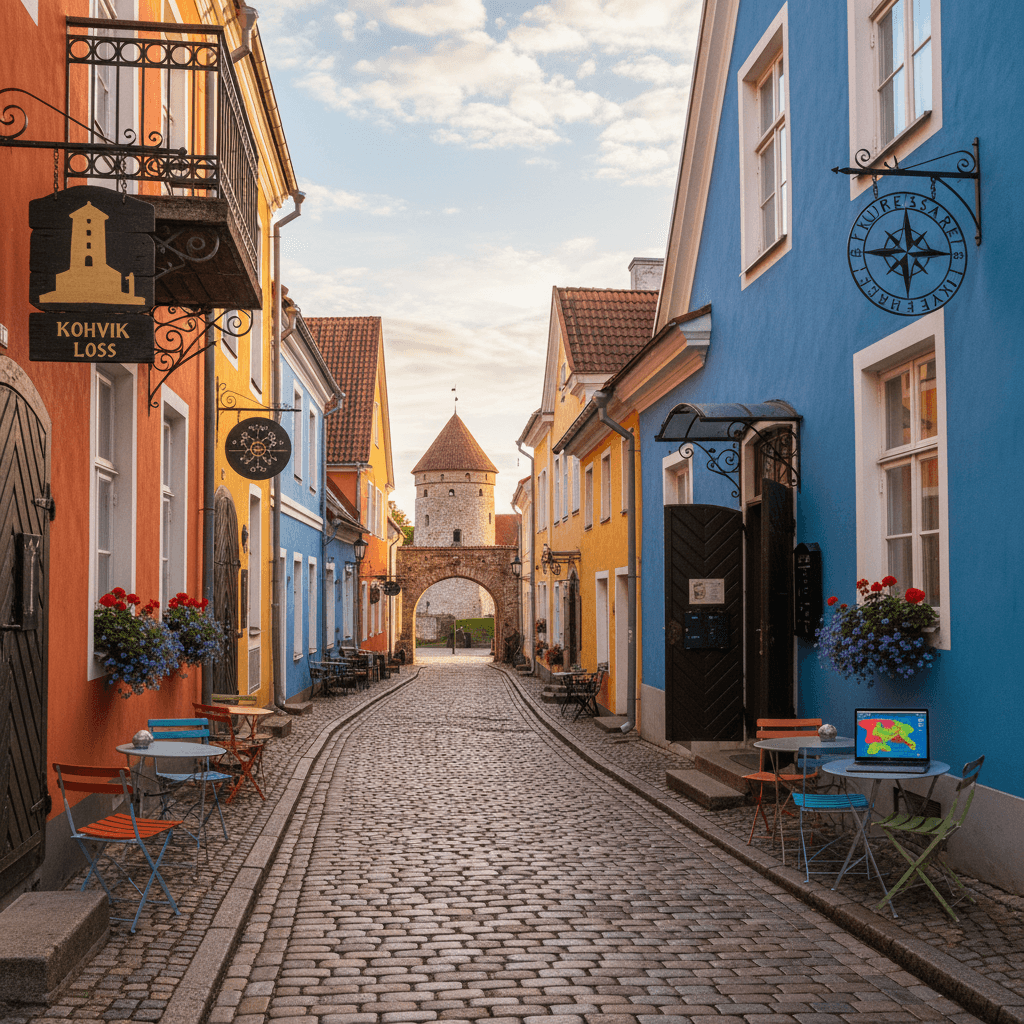
Kuressaare
🇪🇪 Estonia
The Island Escape
Kuressaare is where productivity meets a profound, salt-aired stillness. As the capital of Saaremaa Island, it feels worlds apart from the frantic energy of Tallinn or Tartu. It is a town of medieval stone walls, sweeping coastal views, and a rhythm of life that rewards those who don't mind a slower pace. You'll find yourself trading late-night clubbing for long walks along the castle moat or cycling out to the Roomassaare harbor.
The vibe here is "tranquil productivity." Most nomads find the isolation is actually a superpower for deep work. While the locals might seem reserved at first, a few visits to the same cafe usually breaks the ice. It is a safe, walkable sanctuary where the biggest distraction is the wind off the Baltic Sea.
Cost of Living
Your Euro goes significantly further here than on the mainland. Public buses require tickets; affordable fares available. For a solo nomad, a mid-range monthly budget of €2,000 to €2,500 allows for a comfortable lifestyle with plenty of meals out and a central apartment.
- Budget Tier (€1,200 to €1,800): Shared housing, home-cooked meals, and relying on the local bus system.
- Mid-Range Tier (€2,000 to €2,500): A private one-bedroom apartment in the center, frequent dining at spots like La Perla, and a bike rental for exploring.
- Comfortable Tier (€3,000+): High-end seaside rentals, daily restaurant meals, and regular car rentals for weekend trips to the cliffs.
Where to Set Up Base
Kuressaare is compact, so you are never truly far from the action, but the atmosphere shifts depending on your street.
Town Center
- Best for: First-timers and solo travelers who want everything within a five-minute walk.
- The Vibe: Historic, walkable, and close to the best coffee shops. It gets lively in the summer but stays peaceful in the off-season.
- Rent: Expect to pay €400 to €600 for a central one-bedroom.
Kesklinn (Residential Downtown)
- Best for: Long-termers and those who want a "local" feel.
- The Vibe: Quiet, tree-lined streets with traditional houses and easy access to parks.
- Rent: Slightly more affordable, usually €400 to €500 for a decent flat.
Roomassaare & Outskirts
- Best for: Nature lovers and cyclists.
- The Vibe: Wild and breezy. You are closer to the beach and the airport than the castle.
- Rent: Deals can be found for €300+, but you will want a bike or the Taxify app to get into town.
Connectivity & Workspace
Estonia is a digital pioneer, and Saaremaa is no exception. You can expect reliable fiber internet with speeds around 93 Mbps download. While dedicated coworking spaces are sparse, the Saaremaa Startup Hub is the go-to for a professional environment, with day passes around €10 to €15.
Most nomads embrace the cafe culture. Kohvik Promenad is a favorite for its reliable WiFi and quiet corners. For mobile data, grab a Telia or Elisa SIM at an R-Kiosk for about €10 a month with unlimited data. If you need a more robust networking scene, you might find Kuressaare too quiet and prefer a stint at LIFT 99 in Tallinn before heading back to the island for focus time.
Practicalities
The weather is a major player in the experience. June through August is pure magic, with temperatures reaching 25°C and sunlight that lasts nearly all night. Winters are a different beast; January and February are cold and windy, often hovering around -5°C. It is the perfect time for "hygge" style working, but the darkness can be a challenge if you aren't prepared.
Health and safety are non-issues here. The town is incredibly safe, and Kuressaare Hospital provides high-quality care. For getting around, use the Taxify app for short rides or rent a bike from City Bike for about €10 a day. If you are staying long-term, Estonia's Digital Nomad Visa is a straightforward way to stay for up to a year, provided you meet the income requirements and apply through the official police portal.
The Price of Island Serenity
Kuressaare is a breath of fresh air for your bank account, especially if you are transitioning from the steeper prices of Tallinn or Western Europe. Living here feels like a life hack; you get the safety and infrastructure of the EU at a fraction of the cost. Most digital nomads find they can live comfortably on €2,000 to €2,500 a month, which covers a private apartment in the center, regular dinners at spots like La Perla, and plenty of weekend exploration.
The most surprising perk of Saaremaa life is the transport. All local buses are free for residents and visitors alike. While the town is small enough to walk, having the option to hop on a bus to the further reaches of the island without reaching for your wallet is a rare luxury. If you prefer two wheels, a daily bike rental will run you about €10, though most long term nomads just buy a used one on Facebook groups like Saaremaa Rentals.
Breaking Down the Monthly Budget
Your biggest expense will be housing, but even that is manageable. While the market is small, the prices are steady. Expect to pay €400 to €600 for a modern one bedroom apartment in the heart of town. If you don't mind a short bike ride from the outskirts or near Roomassaare beach, prices can drop as low as €300.
- Budget Nomad: €1,200 to €1,800. Focuses on shared housing, utilizes the free bus system, and sticks to street food or home cooking.
- Mid-Range Professional: €2,000 to €2,500. Includes a private central flat, frequent cafe working sessions, and dining out a few times a week.
- Comfortable Living: €3,000+. For those wanting upscale seaside rentals, car hires for island road trips, and fine dining.
Dining and Connectivity
Eating out doesn't have to be a splurge. A quick lunch at Reval Café or a local kiosk usually costs between €5 and €8. For a proper sit down dinner with wine, you are looking at €20 to €30. Groceries are affordable and high quality; look for local Saaremaa butter and bread at the Coop or Selver supermarkets to save a few Euros while eating like a local.
Since Kuressaare lacks a massive coworking scene, your "office rent" usually comes in the form of coffee. Most nomads rotate between cafes like Kohvik Promenad, where a solid latte is €3 and the WiFi is fast enough for video calls. For a more professional setup, Saaremaa Startup Hub offers day passes for roughly €10 to €15. Data is cheap here; grab a Telia or Elisa SIM card at any R-Kiosk for about €10 and you will have unlimited 5G to tether from the beach or the castle grounds.
Neighborhood Snapshots
Kuressaare is compact, so you are never truly isolated. However, where you park your laptop matters for your daily rhythm.
Town Center
- Best for: Social butterflies and short term stays.
- Rent: €500 to €650 for a 1BR.
- Vibe: You are steps away from the Castle, the best cafes, and the summer festival crowds. It is the most expensive area but offers the best English support.
Kesklinn (Residential Downtown)
- Best for: Long termers and families.
- Rent: €400 to €500.
- Vibe: Quiet, tree lined streets with traditional wooden houses. It is peaceful and feels more like a "real" neighborhood than a tourist hub.
Roomassaare & Outskirts
- Best for: Nature lovers and budget seekers.
- Rent: €300 to €450.
- Vibe: Close to the marina and biking trails. It is a 10 to 15 minute ride into town, offering maximum tranquility and sea views for a lower price tag.
For Digital Nomads: Town Center (Near the Castle)
If you're coming to Kuressaare for that "tranquil productivity" vibe, the Town Center is where you'll want to plant your flag. It's the most walkable part of the island, putting you within a five minute stroll of the castle grounds and the best cafes for remote work. Most nomads gravitate here because it's the only area where English is the default and you won't feel isolated during the quiet winter months.
While there isn't a massive coworking scene, the Saaremaa Startup Hub is the go to spot for a professional desk, usually costing around €10 to €15 for a day pass. When you need a change of scenery, Kohvik Promenad is a local favorite for its reliable WiFi and €3 lattes. You'll be right in the heart of the summer events, though be prepared for slightly higher seasonal rents.
- Rent: €400 to €600 for a central studio or 1BR.
- Best for: Networking, walkability, and being near the "action."
- Top Perk: You're steps away from La Perla for fresh seafood after a deep work session.
For Expats and Long Termers: Kesklinn
Kesklinn is the downtown residential soul of the town. It's perfect for those who've secured the Estonia Digital Nomad Visa and plan to stay for the full year. It feels less like a tourist hub and more like a genuine Estonian neighborhood. The streets are lined with quiet family homes and small apartment blocks, offering a bit more space for your money than the immediate castle area.
Living here means you're closer to the local supermarkets and parks. It's incredibly safe, and you'll likely start recognizing your neighbors at the R-Kiosk while topping up your Telia SIM card. Since the town is compact, you're never more than a ten minute walk from the center, but you'll escape the peak season crowds that swarm the main squares in July.
- Rent: €400 to €500 for a comfortable 1BR.
- Best for: Integration, quiet nights, and proximity to grocery stores.
- App to Use: Download Taxify for those rare times you don't want to walk; trips across town usually run €5 to €10.
For Solo Travelers and Nature Lovers: The Outskirts & Roomassaare
If your goal is to wake up and see the Baltic Sea, head toward the outskirts near Roomassaare. This area is a dream for solo travelers who prioritize fitness and nature over nightlife. You'll find extensive biking trails and easy access to the beach. It's the most affordable part of town, with some pads dipping down to €300 per month if you're savvy with local listings on City24.ee.
The trade off is the distance. You're looking at a 15 minute bike ride to reach the main cafes, but since all public buses are free, the commute won't cost you a cent. It's the ideal spot for "monk mode" work periods where the only distractions are the wind and the occasional ferry heading toward the mainland.
- Rent: €300+ for basic apartments.
- Best for: Budgeting, coastal views, and outdoor exercise.
- Transportation: Grab a bike rental from City Bike for about €10 a day to bridge the gap to the center.
For Families: Residential Kuressaare
Kuressaare is arguably one of the safest places in Europe to raise a family or travel with kids. The residential pockets just outside the immediate Kesklinn area offer larger homes with yards. You'll be near modern healthcare facilities like Kuressaare Hospital and several well maintained playgrounds. The island's slow pace means you don't have to worry about heavy traffic or the frantic energy of Tallinn.
Families often appreciate the Reval Café for quick, reliable meals that don't break the bank. With monthly budgets for a comfortable lifestyle hovering around €3,000 for a small family, it's a high quality of life for a fraction of what you'd pay in Western Europe. Just keep in mind that locals can be reserved at first; joining local Facebook groups like Saaremaa Rentals or expat meetups is the best way to break the ice.
- Rent: €600+ for larger multi bedroom homes.
- Best for: Safety, fresh air, and a stable environment.
- Practical Tip: Use Wise or Revolut for all your local transactions; it's a cashless society and you'll rarely need physical Euros.
Connectivity on the Island
You won't have to worry about dropping off the grid while living the island life. Estonia is famous for its digital infrastructure, and Saaremaa is no exception. Most nomads find the internet speeds here surprisingly snappy, with median downloads hitting around 93 Mbps and uploads near 67 Mbps. Fiber is reliable across the town, so whether you're taking Zoom calls from an old stone cottage or a modern apartment, the connection usually holds up.
For mobile data, grab a local SIM card from a Telia or Elisa shop, or pick one up at an R-Kiosk. You can get unlimited data for about €10 a month. If you prefer the convenience of an e-SIM, Airalo works well here too. Most travelers recommend Telia for the best coverage if you plan on exploring the more remote cliffs and forests around the island.
Coworking and Focus Spaces
Kuressaare isn't Tallinn. You won't find a massive tech hub on every corner, which is part of the charm if you're here for "tranquil productivity." The main dedicated spot for professional setups is Edukontor. It's a modest but functional space where you can grab a desk for roughly €10 to €15 a day. It's the best place to find the small but dedicated community of local entrepreneurs and remote workers.
If you need a change of scenery, the cafe culture is your next best bet. Locals are used to people hovering over laptops, provided you keep the coffee flowing. Kohvik Promenad is a favorite for its reliable WiFi and quiet corners. Reval Café also offers a solid environment for a few hours of deep work, with €3 coffees and plenty of power outlets. For those who need a serious networking fix or a high-end office environment, many nomads take the ferry back to the mainland for a few days to work out of LIFT 99 Telliskivi Hub in Tallinn, which charges about €20 a day.
Remote Work Logistics
Estonia is a pioneer in the remote work space, making the legal side of things relatively painless. The Digital Nomad Visa allows you to live and work here for up to one year, provided you meet the income requirements. You can apply through the police.ee portal, and the fee typically ranges from €80 to €100. Processing usually takes about 30 days.
For managing your finances while on the island, Wise and Revolut are the gold standards. They're used everywhere, and you'll rarely need physical cash. If you're looking to set up a more permanent business presence, look into the e-Residency program. It costs around €100 and gives you the ability to manage an EU-based company entirely online, which is a huge draw for nomads who decide to stay in Kuressaare long-term.
Best Spots for a Working Lunch
- La Perla: Great for a mid-range seafood lunch (around €20) when you want to treat yourself after hitting a deadline.
- Edukontor: The go-to for a structured workday with a professional community.
- Kuressaare Library: A quiet, free alternative if you just need a desk and silence for a couple of hours.
- MSL Pub: Good for late-afternoon emails when you’re ready to transition from work to a low-key social vibe.
While the social scene is quieter than the mainland, the "Digital Nomads in Estonia" Facebook group is a lifesaver for finding meetups in Kuressaare. Locals might seem reserved at first, but they usually warm up quickly once you've shared a coffee or a craft beer. Just remember that punctuality is a big deal here; if you're meeting a local collaborator, don't be late.
Kuressaare is arguably one of the safest places you'll ever set up a laptop. Because it's an island community of about 13,000 people, there is a distinct small town accountability here. Serious crime is nearly non-existent, and most nomads feel perfectly comfortable walking home from a late dinner at La Perla or a session at Saaremaa Startup Hub well after dark. You won't find any "no-go" zones or neighborhoods to avoid; even the more industrial outskirts near Roomassaare are peaceful and safe for solo travelers.
Staying Secure
While the risk of theft is low, standard travel common sense still applies. Don't leave your MacBook unattended at a cafe like Kohvik Promenad while you step away for a phone call. Locals are generally reserved and respectful of personal space, so you won't deal with the aggressive touts or scams common in larger European hubs. If you do run into trouble, the emergency number is 112, which works across the EU and connects you to English speaking operators.
The biggest "safety" concern on Saaremaa is actually the wildlife and the weather. If you're biking through the rural trails outside the town center, keep an eye out for deer or moose, especially at dusk. During the winter months from December to February, the island gets incredibly windy and icy. Sidewalks can be slick, so locals recommend shoes with decent grip to avoid a trip to the clinic.
Healthcare Infrastructure
If you get sick, you're in good hands. Kuressaare Hospital is the main facility on the island. It's a modern hospital that meets high EU standards and is equipped to handle most emergencies and specialist consultations. For anything highly specialized, patients are sometimes transferred to Tallinn, but for the average nomad, the local facilities are more than sufficient.
- Emergency Services: Dial 112 for police, ambulance, or fire.
- Primary Care: Most expats visit a family doctor (perearst) for non-emergencies. Expect to pay around €50 to €80 for a private consultation if you aren't on the local system.
- Pharmacies: Look for Benu or Apotheka signs. These are everywhere in the town center and staff usually speak excellent English.
Insurance and Costs
If you're in Estonia on a Digital Nomad Visa, you're required to have your own health insurance. Most nomads use providers like SafetyWing or World Nomads, which are widely accepted. If you're an EU citizen, your EHIC card will cover necessary treatments at public facilities, though you'll still pay small standard co-pays.
For dental work or quick check-ups, prices in Kuressaare are significantly lower than in Western Europe or the US. A standard cleaning or filling usually runs between €60 and €100. Many travelers actually wait until they reach Estonia to handle routine maintenance because the quality is high and the out of pocket costs are manageable. Just be sure to book a few days in advance, as the pace of life here is slow and appointments can fill up during the summer tourist peak.
The Island Pace
Kuressaare is a masterclass in slow living. Because the town is so compact, you'll rarely find yourself rushing. Most nomads find they can reach almost anywhere in the center on foot within 10 to 15 minutes. It's the kind of place where your daily commute involves walking past a medieval castle or through a quiet, leafy park rather than fighting through a subway crowd.
Public Transit
Public buses are affordable with tickets from tpilet.ee. Local buses cover the town and surrounding rural routes, making it easy to scout out quieter neighborhoods or head toward the outskirts for a coastal walk without worrying about complex ticketing apps.
If you're heading to or from Kuressaare Airport, the trip is quick and painless. A taxi will cost you around €10 for the 10 minute drive, but the local bus is an even cheaper alternative.
Cycling and Scooters
The flat terrain of Saaremaa was practically made for two wheels. Many expats recommend skipping the car entirely and renting a bike. City Bike is the go-to provider here, with daily rentals starting at €10. It’s the best way to reach the beaches at Roomassaare or explore the coastal trails that the buses don't quite reach.
For shorter zips across town, Bolt e-scooters are scattered throughout the center during the warmer months. They're perfect for those days when you've stayed a little too long at a cafe and need to get back for a Zoom call.
Ride-Hailing and Taxis
While you might be used to Uber in larger cities, in Kuressaare, travelers often use the Bolt app for ride-hailing. A short trip across town usually lands between €5 and €10. If you’re planning a late night at a pub like MSL, it's a good idea to have a local taxi number saved, as app wait times can spike after dark.
Regional Connections
Getting off the island requires a bit of planning. The ferry is the lifeblood of the region, and while it's reliable, it adds a layer of isolation that some nomads find challenging.
- Virtsu-Kuivastu Ferry: This is the main link to the mainland. If you're bringing a car, book your spot in advance on the Praamid website, especially on weekends.
- Bus to Tallinn: Direct buses run frequently from the Kuressaare central station to Tallinn. The journey takes about 4 hours and includes the ferry crossing in the ticket price.
- International Trips: For a weekend getaway, you can catch a bus or drive toward the ferry for a trip to Riga, which typically costs around €20 and takes roughly 5 to 6 hours.
Practical Navigation Tips
The town center is centered around the Kuressaare Castle and the main square. Most of the "action" happens within this radius. If you choose to live in the Kesklinn residential area, you'll likely want a bike for grocery runs, though the walk is still manageable. For those staying in the Outskirts near the beach, a bike or a dedicated bus schedule is a must, as the 15 minute ride into the center can feel much longer in the windy winter months.
The Linguistic Landscape
You'll find that getting by in Kuressaare is surprisingly easy, even if your Estonian is limited to a few polite nods. Estonian is the primary language, and while its Finno-Ugric roots make it notoriously difficult for English speakers to master, you won't need to be fluent to live comfortably here. The younger generation and those working in the tourism or hospitality sectors speak English with high proficiency, often reaching a near-native level of fluency.
Because Saaremaa is a popular retreat for mainlanders and international visitors, English is the default bridge for communication in most cafes, hotels, and shops. You will also hear a fair amount of Russian spoken, particularly among the older population. On the island, the local Estonian dialect has a distinct, melodic lilt that locals are quite proud of, though as a nomad, the nuances might be hard to catch at first.
Breaking the Ice
Locals are famously reserved and value their privacy. Don't mistake a quiet demeanor for rudeness; it's simply the island way. Most nomads find that once you initiate a conversation or ask for help, people are incredibly helpful and friendly. Punctuality is a big deal here, so if you're meeting someone for a coffee at Vanalinna kohvik, make sure you're on time.
Learning a few basic words goes a long way in building rapport. Start with these:
- Tere (Hello)
- Aitäh (Thank you)
- Terviseks (Cheers)
- Jah / Ei (Yes / No)
Digital Connectivity and Tech
Communication isn't just about talking; it's about staying connected. Estonia is a global leader in digital infrastructure, and Kuressaare is no exception. You can expect median speeds of 93 Mbps download and 67 Mbps upload, which is more than enough for video calls and heavy data transfers. Fiber optic connections are standard in most town center apartments.
For mobile data, don't rely on international roaming. Pick up a local SIM card from Telia or Elisa at an R-Kiosk for about €10 per month. This usually gets you unlimited or very high data caps. If your phone supports it, Airalo offers convenient e-SIM options, but a physical local SIM is usually cheaper for long-term stays.
Apps and Practical Tools
To navigate daily life in Kuressaare, you'll want a few specific apps on your home screen. While the town is walkable, you'll need tech for everything else:
- Google Translate: Download the Estonian pack for offline use. The camera feature is a lifesaver for translating grocery labels or menus at smaller local pubs like MSL Pub.
- Bolt: Reliable ride-hailing app on the island for taxis and e-scooters.
- Wise or Revolut: These are the gold standard for banking here. Most locals rarely carry cash, and you can pay for almost everything, from a €3 coffee to a museum entry, with your phone or contactless card.
The Social Connection
If you're looking to network, the Saaremaa Startup Hub is the place to find like-minded professionals. For a broader community, join the Digital Nomads in Estonia Facebook group. It's a great resource for finding pop-up meetups or getting advice on the Digital Nomad Visa application process, which has a €100 application fee. While Kuressaare is quieter than Tallinn, the social scene is intimate and high-quality, favoring deep conversations over loud networking events.
Climate Realities
Kuressaare enjoys a maritime climate that's noticeably milder than mainland Estonia, thanks to the surrounding Baltic Sea. While Tallinn might be shivering under a deep freeze, the island usually stays a few degrees warmer. That said, the wind is a constant companion here. You'll want a solid windbreaker regardless of the season if you're planning to walk the castle grounds or bike to Roomassaare.
The town follows a distinct seasonal rhythm. Summer is a high-energy sprint of outdoor concerts and beach days, while winter is a quiet, contemplative period of "tranquil productivity" that many solo nomads find perfect for deep work. If you're coming for the social scene, aim for the warmer months. If you're here to finish a novel or a coding project, the off-season solitude is your best friend.
The Golden Window: June to August
This is easily the best time to visit. Temperatures hover between 20°C and 25°C, and the "White Nights" mean you'll have daylight well into the late evening. It's the only time of year when the Baltic Sea is actually swimmable, and the beach bars near the promenade are in full swing. Most nomads find this the most expensive time to secure a short-term rental, so book your studio well in advance.
- Average Highs: 23°C
- Rainy Days: About 10 per month, usually quick showers rather than day-long drizzles.
- Vibe: Lively, walkable, and full of outdoor cafe-working opportunities at places like Kohvik Promenad.
The Transitional Seasons: Spring and Fall
May and September are the "sweet spots" for budget-conscious travelers. The crowds thin out, but the weather remains pleasant enough for long bike rides to the Sõrve Peninsula. September marks the start of the rainy season, so bring an umbrella. By October, the town begins to hibernate, and some of the more tourist-focused restaurants might limit their hours.
- Spring (April to May): Crisp air, blooming greenery, and rising temperatures. Great for nature photography.
- Fall (September to October): Moody, misty mornings and golden foliage. Ideal for those who prefer a "dark academia" aesthetic for their remote work setup.
The Deep Freeze: November to March
Winter in Kuressaare isn't for everyone. January and February are the toughest months, with temperatures ranging from 1°C to -5°C. The wind off the Gulf of Riga can make it feel much colder. However, the town looks stunning under a blanket of snow, and the local spa culture becomes the center of social life. Many expats recommend leaning into the "Saaremaa lifestyle" during this time: work in a cozy cafe during the day and hit the sauna in the evening.
- Average Lows: -4°C
- Rain/Snow Days: Expect 20 to 22 days of precipitation per month.
- Nomad Perspective: It can feel isolating. If you struggle with the "winter blues," the lack of sunlight might be a challenge. On the plus side, rental prices for 1BR apartments can drop toward the €300 to 400 range during these months.
Seasonal Planning at a Glance
- Best for Beach & Events: July. Expect 23°C days and plenty of sunlight.
- Best for Budgeting: November or March. You'll find the lowest rates on KV.ee and more flexibility with landlords.
- Worst Weather: February. It's windy, dark, and damp, though the frozen sea views are hauntingly beautiful.
The Bottom Line on Costs
Kuressaare is a breath of fresh air for your wallet, especially compared to the price hikes in Tallinn. You can live a comfortable island life here for significantly less than in mainland Europe. One of the biggest perks is the local transport; all public buses on the island are free for everyone, which is a massive win for your monthly budget.
- Budget Nomad: Expect to spend €1,200 to €1,800 per month. This covers a modest apartment on the outskirts, plenty of home-cooked meals, and taking advantage of the free bus system.
- Mid-range: A budget of €2,000 to €2,500 gets you a central one-bedroom apartment, frequent meals at spots like Reval Café, and a bike rental for coastal rides.
- Comfortable: At €3,000+, you are looking at upscale housing near the castle, dining out at La Perla daily, and perhaps a car rental for weekend trips to the cliffs.
Where to Set Up Base
Since the town is compact with only about 13,000 residents, you aren't choosing between sprawling districts but rather between convenience and seclusion. Most nomads prefer staying within a ten minute walk of the Town Center. It is the heart of the action, close to the castle and the best cafes, though rents here sit around €400 to €600 for a one-bedroom.
If you want a more residential feel, look at Kesklinn. It is quiet and family friendly, with apartments often dipping into the €400 range. For those who need total silence to hit a deadline, the outskirts near Roomassaare beach are ideal. You'll find rentals for as low as €300, but you will definitely want a bike to get into town for groceries or social meetups.
Staying Connected
Don't let the medieval castle fool you; the internet here is world class. Estonia's fiber network delivers speeds around 93 Mbps, and it is remarkably stable even during island storms. For your phone, grab a Telia or Elisa SIM card at any R-Kiosk for about €10 a month for unlimited data.
Coworking is the one area where Kuressaare is still catching up. There isn't a massive hub like you'd find in Tallinn, so most nomads work from cafes. Kohvik Promenad is a local favorite for its reliable WiFi and quiet atmosphere. If you need a more professional setting, check out the Saaremaa Startup Hub. It is a smaller community, but it is the best place to meet other founders and remote workers on the island for a daily fee of €10 to €15.
Getting Around and Staying Safe
Kuressaare is incredibly safe. You can walk home from a pub at 2:00 AM without a second thought. If you need a lift, don't look for Uber; it doesn't really exist here. Use the Taxify app instead. A quick trip across town usually costs between €5 and €10. For daily errands, a bike is your best friend. City Bike rentals cost about €10 per day, and the terrain is almost entirely flat.
Practical Logistics
Most locals speak excellent English, especially the younger crowd, but learning a few words of Estonian goes a long way. Start with "Tere" for hello and "Aitäh" for thanks. Estonians can be reserved at first, but once you break the ice, they are incredibly helpful and loyal friends.
If you are planning a long stay, Estonia's Digital Nomad Visa is one of the best in the world. It allows you to work remotely for up to 1 year. You can apply through the police.ee website for a fee of €80 to €100. For banking, most expats stick with Wise or Revolut as they integrate perfectly with the local economy. If you get sick, Kuressaare Hospital provides modern care that meets all EU standards, and English speaking pharmacists are easy to find at Benu or Apotheka locations.
Weather Realities
The best time to visit is undoubtedly June through August. The sun barely sets, and temperatures hover around a perfect 23°C. Winters are a different story. January and February are cold and biting, with temperatures dropping to -5°C. It is a great time for deep focus and sauna sessions, but be prepared for short days and plenty of wind.
Need visa and immigration info for Estonia?
🇪🇪 View Estonia Country GuideEasy Landing
Settle in, no stress