Jeju City
🇰🇷 South Korea
The Island Escape You Didn't Know You Needed
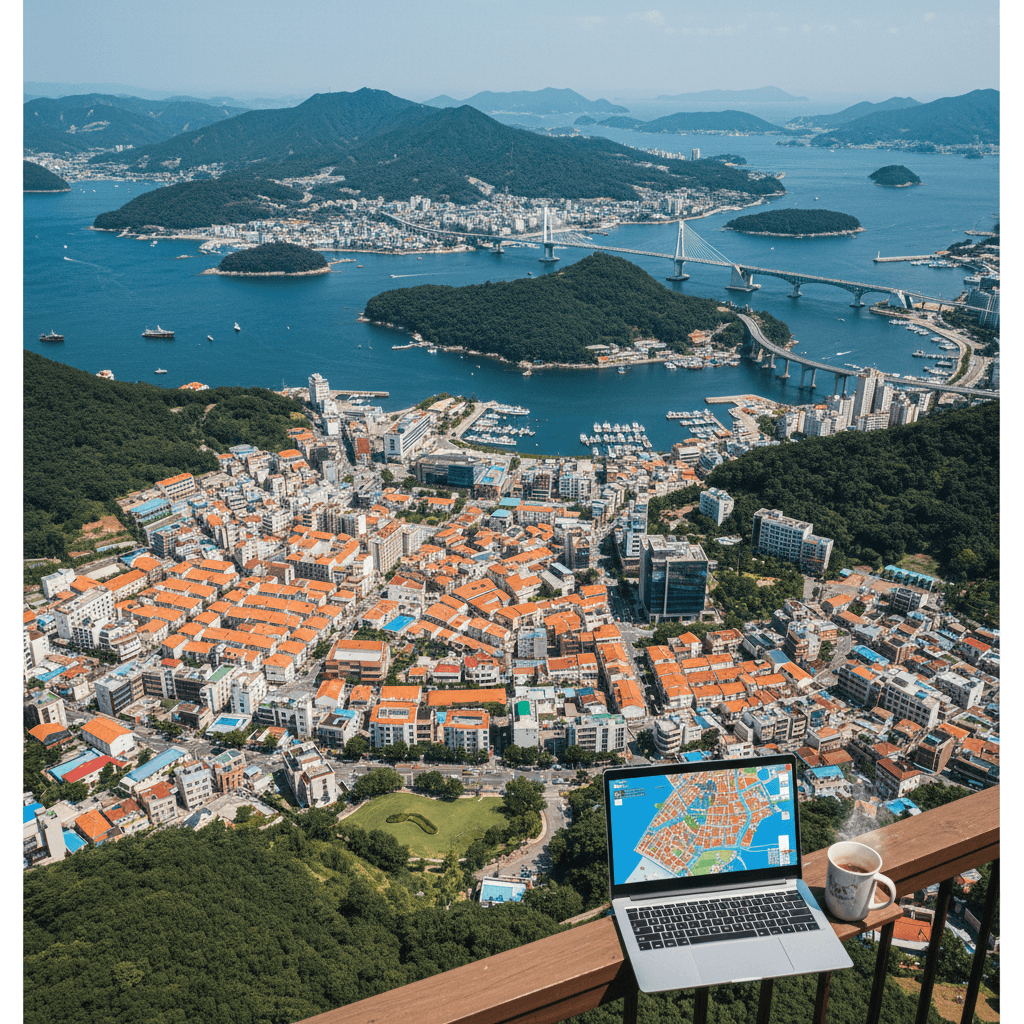
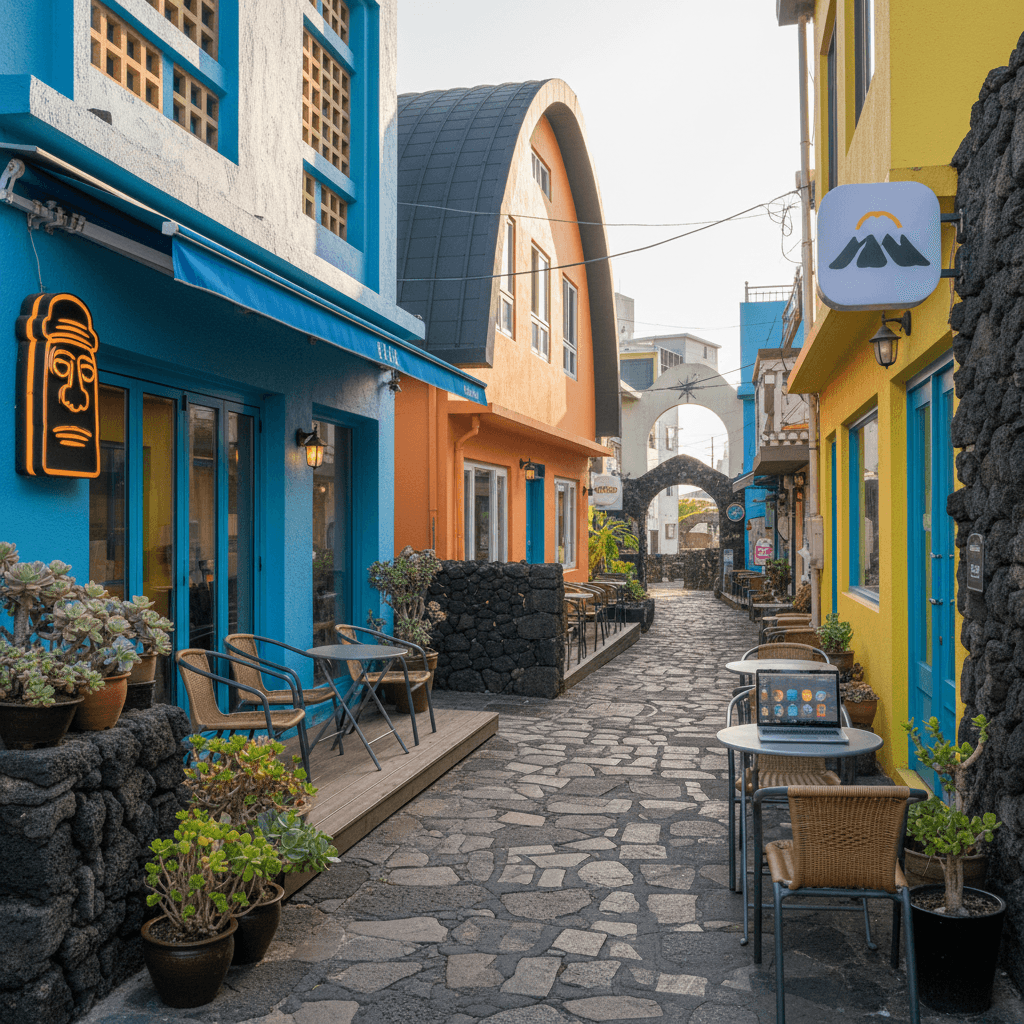
Jeju City is a rare breed of urban center. It manages to feel like a functional capital while keeping its soul firmly planted in the volcanic soil of a sleepy island. While Seoul is all about the "Pali-Pali" (hurry-hurry) culture, Jeju operates on a different clock. You'll find yourself working from a high-tech cafe one hour and walking past the Haenyeo (elderly female divers) bringing in their fresh catch the next. It is a place where Shamanic traditions and UNESCO volcanic sites sit right next to 5G-enabled coworking spaces.
The vibe here is serene and nature-immersed. Most nomads come for the "workation" appeal, trading the grey concrete of mainland Asia for the turquoise waters of Hamdeok Beach or the mist-covered peaks of Hallasan. It is safe, remarkably clean, and feels like a community rather than a tourist trap, provided you steer clear of the big bus tour groups at Seongsan Ilchulbong during midday peaks.
What to Expect on the Ground
Living here means embracing a bit of isolation. You aren't going to find the frantic nightlife of Hongdae or the endless English signage of Itaewon. English is limited, and you will definitely need the Kakao T app for taxis and Naver Maps for navigation, as Google Maps is notoriously unreliable in Korea. However, the trade-off is a level of safety and peace that is hard to find elsewhere. You can leave your laptop at a cafe table while you grab a refill without a second thought.
- The Pros: World-class internet speeds, incredible air quality, and access to some of the best hiking and diving in East Asia.
- The Cons: It can feel lonely if you don't seek out nomad hubs, and the "island premium" makes it slightly more expensive than smaller mainland Korean cities.
- The X-Factor: The Black Pork BBQ culture. It is more than just a meal; it is the island's primary social ritual.
The Cost of Living Breakdown
Jeju sits in a sweet spot. It is cheaper than Seoul but more expensive than rural Southeast Asia. You are paying for the infrastructure and the environment. Most nomads find that $2,000 to $3,000 USD per month provides a very comfortable lifestyle with plenty of cafe visits and weekend excursions.
Budget Tier
- Monthly Total: $1,200 to $1,800 USD
- Housing: Shared rural flats or older studios for $300 to $600.
- Lifestyle: Relying on the efficient bus system ($1.20 per ride) and eating at local markets where skewers cost $3 to $5.
Mid-Range Tier
- Monthly Total: $2,000 to $3,000 USD
- Housing: Modern 1BR in Jeju City or a beachside flat in Seogwipo for $500 to $900.
- Lifestyle: Frequent cafe work sessions, regular taxi rides via Kakao T ($10 to $20), and mid-range dinners ($15 per person).
The Neighborhood Guide
Where you park your laptop depends entirely on how much "city" you still need in your life.
Jeju City (Jeju-si)
- Best For: First-timers and those who need airport proximity.
- The Vibe: Urban convenience with the best selection of coworking spaces and gyms.
- The Trade-off: It feels the most like a "normal" city and has the most traffic.
Seogwipo
- Best For: Slow-paced living and digital nomads.
- The Vibe: Located on the south coast, it is sunnier and more relaxed. It's famous for fast internet cafes and a burgeoning nomad scene.
- The Trade-off: It is a long 1-hour plus trek from the airport.
Gujwa-eup & Seongsan
- Best For: Nature lovers and beach workers.
- The Vibe: Home to the Jilgeurang Center coworking space (which has incredible beach views). It is trendy, filled with artisan bakeries, and perfect for sunrise lovers.
- The Trade-off: It gets very quiet at night and can feel remote during the off-season.
Connectivity and Focus
You won't struggle for a signal here. 4G coverage is at 99.9%, and even the most "authentic" fishing village cafes usually have speeds topping 100 Mbps. If you need a professional setup, the Jilgeurang Center in Gujwa-eup is the gold standard for nomads, charging about $15 for a day pass with lockers and free parking. For a more community-focused experience, the Sagye Fishing Village Coworking space offers an open-plan layout where you can network with other remote workers who have traded the Seoul rat race for the Jeju sea breeze.
The Price of Paradise
Living on Jeju Island feels like a bargain compared to the high-octane prices of Seoul, but it's noticeably more expensive than rural mainland South Korea. For most nomads, the value proposition is hard to beat. You're paying for world-class infrastructure and high-speed internet while surrounded by volcanic beaches and UNESCO heritage sites. Your biggest variable will be location; choosing between the urban convenience of Jeju City or the premium "vacation vibes" of Aewol can swing your budget by several hundred dollars.
Monthly Budget Tiers
- The Budget Nomad ($1,200 to $1,800): This lifestyle involves a shared flat in a more rural area or a basic studio in the city. You'll stick to local buses, frequent street food stalls for $3 to $5 black pork skewers, and do most of your work in public libraries or affordable local cafes.
- The Mid-Range Professional ($2,000 to $3,000): The most common tier for expats. This covers a modern 1BR apartment in Jeju City, daily visits to mid-range cafes or pubs where meals run $8 to $15, occasional Kakao T taxi rides, and a dedicated desk at a coworking space.
- The Comfortable Resident ($3,500+): This budget secures a high-end beachside flat in Aewol or Seogwipo, frequent upscale seafood dinners costing $20 to $40, and full-time coworking memberships at premium spots like Jilgeurang Center.
Housing and Neighborhoods
Rent is your primary expense, and the market is quite varied. In Jeju City (Jeju-si), a standard studio or one-bedroom apartment typically costs between $400 and $700 per month. It's the best spot for those who need to be near the airport and want a variety of coworking options.
For those chasing the coastal dream, Seogwipo and Aewol offer beachside flats ranging from $500 to $900. While Aewol is popular for its quiet luxury and expat-friendly community, Seogwipo is favored for its relaxed pace and proximity to the south coast's waterfalls. If you're looking to save, heading toward the Sagye Fishing Village or more remote rural areas can drop your rent to $300 or $600, though you'll likely need a scooter or car to get around comfortably.
Daily Costs and Logistics
Eating out is a highlight of life on the island. While a fancy seafood spread is a splurge, you can find incredible value in "workation" collaborations. Many nomads take advantage of discounted cafe and surf packages that bundle workspace with leisure activities. For groceries, local markets are affordable, but imported goods will always carry a premium.
- Coworking: Daily passes at spots like the Jilgeurang Center in Gujwa-eup usually cost between $10 and $20. They often include perks like lockers and beach views.
- Transportation: The bus system is efficient and cheap at $1 to $2 per ride. Use the T-money card or app for seamless transfers. Kakao T is the go-to for taxis; a short trip across town usually costs $10 to $20.
- Connectivity: High-speed internet is practically a human right here. A local SIM or Holafly eSIM with unlimited data will run you $20 to $50 a month, while home broadband is roughly $20 for speeds that often hit 1000 Mbps.
Most travelers find that Jeju offers a high quality of life for the price. You aren't just paying for a room; you're paying for the ability to hike Hallasan National Park on your lunch break and grab fresh sashimi from a Haenyeo diver after logging off for the day. It's a sustainable, safe, and surprisingly affordable alternative to the typical Southeast Asian nomad hubs.
For Digital Nomads and Remote Workers
If you need to balance high-speed Zoom calls with a view of the volcanic coastline, Jeju City (Jeju-si) is your primary base. It stays open year round and offers the most reliable urban amenities, including the island's best hospital access and proximity to the airport. You'll find a high concentration of cafes with speeds reaching 1000 Mbps, and monthly rents for a modern studio typically range from $400 to $700.
For those who prefer a community vibe over a city skyline, Gujwa-eup on the eastern coast is the current hotspot. It's home to the Jilgeurang Center, a popular coworking space where a day pass costs about $10 to $20 and comes with beach views and lockers. Nomads here spend their mornings working and their afternoons trekking near Seongsan Ilchulbong. Just be prepared for the tourist buses that roll through during peak seasons.
South of the mountains, Seogwipo offers a more relaxed, temperate alternative. It's famous for its fast internet cafes and scenic waterfalls. While it's further from the airport, the pace is slower and the air often feels fresher. You can find beachside flats here for $500 to $900 per month, though keep in mind that the south gets more rain during the monsoon months.
For Long-Term Expats and Families
Aewol is the go-to for those looking for a mix of quiet luxury and a tropical atmosphere. It's particularly popular with expats who want a "vacation home" feel while staying close to international schools or larger villas. Rent is higher here, often $600 to $900 for a quality apartment, but you're trading nightlife for hiking trails and pristine beaches. Most residents here rely on Kakao T for quick transport or own a car to get around.
The neighborhood is safe, walkable, and offers a higher tier of dining options. While it lacks the dense coworking infrastructure of the east, the local cafe culture is robust enough for light remote work. Families appreciate the safety and the proximity to the coast, though they often find the lack of English signs in local markets a bit of a learning curve at first.
For Solo Travelers and Cultural Explorers
If you want to skip the tourist traps and live like a local, look into Sagye Fishing Village. This area is becoming a magnet for solo travelers who want an authentic Jeju experience. It features a community-focused coworking space that operates on weekdays from 9am to 6pm. It's rural and quiet, so don't expect many shops, but it’s perfect for those who want to dive into the local Haenyeo culture.
Living here is affordable, with budget accommodations and shared flats often costing between $300 and $600. You'll likely spend your evenings at small local pubs or eating black pork skewers for $5 at a roadside stand. To get around, travelers usually download the Swing app to rent scooters for about $10 a day, which is the best way to explore the nearby Yongmeori Beach and the surrounding volcanic cliffs.
- Daily Budget: Plan for $40 to $100 depending on your dining habits.
- Transport: Buses are cheap at $1 to $2 per ride, but a T-money card is a requirement for easy transfers.
- Connectivity: Pick up a Holafly eSIM for unlimited data or a local KT prepaid SIM for about $30.
Connectivity on the Island
South Korea is famous for having some of the fastest internet on the planet, and Jeju doesn't drop the ball just because it's an island. You can expect 4G coverage across 99.94% of the province, meaning you can take a Zoom call from a volcanic beach or a mountain trail without much anxiety. Typical broadband speeds range between 100 and 1000 Mbps, and public WiFi is ubiquitous in almost every public space.
For mobile data, most nomads skip the physical SIM cards and opt for a Holafly eSIM, which offers unlimited data for roughly $20 to $50 a month depending on your stay. If you prefer a local number, head to a KT or SK Telecom kiosk. A prepaid local SIM usually costs between $20 and $40 for a 20GB to 50GB data bucket. Having a local number is helpful for using apps like Kakao T for rides or ordering food, though many expats find the eSIM route much simpler for short-term stays.
Top Coworking Spaces
While the island has a deep cafe culture, Jeju has recently invested in dedicated work hubs specifically designed for the "workation" crowd. These spaces often blend community vibes with high-end office amenities, providing reliable infrastructure and networking opportunities for tech-focused nomads looking for a professional environment outside of the traditional office.
The Cafe Working Culture
If you don't need a dedicated desk, Jeju's cafe scene is world-class. Most cafes expect you to stay for a while if you've bought a coffee, and they almost always provide free, high-speed WiFi and power outlets. The Gujwa-eup and Aewol areas are particularly famous for "work with a view" spots where you can sit with your laptop overlooking the ocean for the price of a $5 latte.
Expats recommend looking for cafes near the beach villages rather than the city center if you want a more relaxed atmosphere. Many of these spots have recently started collaborating with local surf shops or guesthouses to offer discounted "work and play" packages, which is a great way to meet other travelers after you close your laptop for the day.
Practical Tips for Remote Work
While the internet is rarely an issue, the language barrier can be. Most managers speak limited English, so having a translation app like Papago downloaded is a lifesaver. Also, keep in mind that Korean addresses can be confusing; nomads frequently use the KakaoMap or Naver Map apps instead of Google Maps, as Google's data is often outdated or lacks walking directions on the island.
If you're planning to work from different spots around the island, grab a T-money card or use the mobile app. It makes jumping on the local buses easy and cheap, usually costing only $1 to $2 per ride. This allows you to live in a more affordable neighborhood like Jeju-si but commute to the trendy seaside cafes for your "office" days without breaking the bank.
Safety in Jeju City
Jeju is consistently ranked as one of the safest destinations globally. Whether you're walking back to your studio in Jeju-si after a late night coworking session or exploring the coastal trails of Seogwipo at dusk, the sense of security is palpable. Crime rates are remarkably low, and locals generally respect personal property. It's common to see nomads leave their laptops unattended in a cafe for a few minutes without a second thought.
While the island is incredibly safe, you should still practice basic awareness in high traffic tourist zones. Places like Seongsan Ilchulbong can get crowded during peak hours, and travelers occasionally report minor pickpocketing in these specific areas. Beyond that, your biggest safety concern will likely be the winding coastal roads if you're renting a scooter, so keep your helmet on and watch for sudden gusts of wind.
For any immediate help, the emergency numbers are straightforward:
- 112 for the Police
- 119 for Ambulance and Fire services
- 82-2-538-7000 for the dedicated Tourist Police, who can help bridge the language gap
Healthcare Services
South Korea's healthcare system is world class, and Jeju City serves as the island's medical hub. You'll find high quality facilities with modern diagnostic equipment that often puts Western hospitals to shame. Most expats and nomads head to Halla General Hospital in Jeju City for serious issues, as they have staff more accustomed to treating international patients.
For minor ailments like a cold or a small surf scrape, pharmacies are everywhere. Look for the Olive Young chain or local independent pharmacies marked with a green cross. Many pharmacists speak enough English to help you find what you need, and prices for over the counter medication are very reasonable.
If you're staying on the island long term, here is what you need to know about medical costs and access:
- General Consultation: Typically costs between $20 and $40 USD for a walk in visit at a local clinic.
- Specialist Visits: You can usually see a specialist without a long wait, often for under $60 USD out of pocket.
- Health Insurance: If you're on the new Digital Nomad visa, you'll need private health insurance that covers at least $75,000 USD for emergency treatment.
Language and Local Support
While the medical care is top tier, the language barrier can be a hurdle in smaller villages like Gujwa-eup or Sagye. In these rural areas, doctors might rely on translation apps like Papago to communicate. It's a good idea to have that app downloaded before you go. In Jeju City, the proximity to the airport and international hotels means English proficiency is much higher among medical staff.
Nomads often suggest keeping a digital copy of your blood type and any allergies translated into Korean on your phone. It’s a small step that provides peace of mind while you're out hiking Hallasan or exploring the more remote lava tubes.
The Logistics of Island Life
Jeju is a volcanic island, which means its geography is more spread out than the dense urban grids of Seoul or Busan. While the island lacks a subway system, most nomads find the transit infrastructure surprisingly reliable once they download the right apps. You won't be stranded, but you will need to plan your trips around the bus schedules or budget for taxis if you're heading to more remote coastal villages.
Mastering the Bus System
Buses are the backbone of Jeju's public transport. They're clean, air conditioned, and affordable, typically costing between $1 and $2 per ride. The island uses a color coded system: red buses are express lines that skip smaller stops to get you across the island quickly, while blue and green buses handle local routes.
- The T-Money Card: This is a non negotiable. You can buy and top up these cards at any convenience store like GS25 or CU. Most nomads prefer using the mobile app version for convenience.
- Airport Transfers: If you're staying in Jeju City, hop on bus #201. It costs about $5 and takes roughly an hour to reach the city center.
- Navigation: Google Maps is notoriously unreliable for transit directions in Korea. Expats recommend using KakaoMaps or Naver Maps for accurate bus arrival times and platform locations.
Ride Hailing and Taxis
When the bus schedule doesn't align with your coworking hours, taxis are plentiful and relatively cheap compared to Western standards. You'll rarely spend more than $10 to $20 for a 20 minute trip within the city or to nearby beaches. Don't bother trying to hail an Uber; it doesn't work here. Instead, download Kakao T. It’s the local equivalent and allows you to call a driver to your exact GPS coordinates. You can pay the driver directly with your T-Money card or cash if your foreign credit card isn't linking to the app.
Two Wheeled Exploration
For short hops between your rental and a seaside cafe, electric scooters and bikes are becoming the go to choice for the nomad community. Apps like Swing are popular in Jeju City and Seogwipo. Expect to pay around $5 to $10 for a day of casual riding. If you're staying in a flatter area like Aewol, renting a traditional bicycle is a great way to scout out quiet work spots along the coastal roads.
Walking and Local Connectivity
Jeju City and the immediate areas around the main beaches are quite walkable. If you've settled near the Jilgeurang Center in Gujwa-eup or the Sagye Fishing Village, you can easily reach your daily essentials on foot. However, the island is large. If you want to see the sunrise at Seongsan Ilchulbong and then head to a black pork BBQ spot in the city, you'll definitely be relying on a mix of Kakao T and the express bus lines. Travelers often say that while the pace is slower, having a transport strategy is what makes the island feel accessible rather than isolating.
Practical Neighborhood Costs
Where you choose to base yourself heavily dictates your transport needs. Here is how the main hubs break down for a typical nomad budget:
Jeju City (Jeju-si)
- Vibe: Urban convenience and airport proximity.
- Transport: Highly walkable with the best bus connectivity.
- Monthly Rent: $400 to $700 for a studio.
Seogwipo
- Vibe: Relaxed south coast with waterfall access.
- Transport: Requires more bus planning; great for bike rentals.
- Monthly Rent: $500 to $900 for beachside flats.
Gujwa-eup
- Vibe: Remote, authentic, and close to Sunrise Peak.
- Transport: Best for those who enjoy long, scenic bus rides or occasional car rentals.
- Monthly Rent: $300 to $600 in rural sections.
The Linguistic Landscape
While South Korea is a global tech leader, Jeju Island operates at a different linguistic speed than the mainland. In Jeju City and Seogwipo, you'll find that English proficiency is relatively limited compared to Seoul. Most nomads find that while younger locals and staff at trendy cafes near Seongsan or Aewol might speak basic English, daily interactions at traditional markets or with older taxi drivers usually require a bit of digital assistance.
The local dialect, Jeju-eo, is distinct enough that even mainland Koreans sometimes struggle to understand it. You won't need to learn it, but hearing the local elders, particularly the Haenyeo women divers, speak it adds to the island's unique character. For your day to day life, standard Korean is what you'll see on signs and hear in shops.
Tech Tools for Communication
To get by comfortably, you'll need a few specific apps. Google Maps is notoriously unreliable for navigation in Korea, and its translation features aren't always up to the task. Expats recommend downloading Papago for the most accurate Korean translations; it handles image translation beautifully when you're staring at a menu of black pork specialties.
- KakaoTalk: This is the non negotiable communication tool. Everyone from your landlord to your new friends at the Jilgeurang Center will use it.
- Kakao T: Essential for hailing taxis. Since English is sparse among drivers, being able to input your destination in the app avoids any "lost in translation" moments.
- Naver Map: The gold standard for finding your way around the island's bus routes and locating specific coworking spots.
Connectivity and Data
Staying connected is rarely an issue here. South Korea boasts near-total 4G/5G coverage, and Jeju is no exception. You can expect ultra fast WiFi in almost every cafe, often reaching speeds between 100 and 1000 Mbps. This makes Jeju City an incredible spot for those who need to jump on high bandwidth video calls without worrying about a laggy connection.
For mobile data, you have two main paths. Many nomads opt for a Holafly eSIM, which provides unlimited data for roughly $20 to $50 per month depending on your stay length. If you prefer a local physical SIM, providers like KT or SK Telecom offer prepaid options for about $20 to $40 that usually include 20GB to 50GB of data. Having a local number can be helpful for certain delivery apps and making reservations at popular seafood restaurants.
Social Etiquette and Integration
Jeju locals are generally friendly but can be reserved. A few basic Korean phrases go a long way in breaking the ice. Learning "Annyeong-haseyo" (Hello) and "Gamsa-hamnida" (Thank you) is expected. When you're working from community focused spaces like the Sagye Fishing Village Coworking, being mindful of noise levels is important, as the culture leans toward a quiet, respectful work environment.
If you're looking for an English speaking community, head toward the Global Education City area or the popular nomad hubs in Seogwipo. There's a growing expat scene there where English is the primary language for social meetups and networking. For health emergencies, Halla General Hospital in Jeju City is the go to spot, as they typically have staff who can assist English speakers, but for smaller clinics, having your translation app ready is a smart move.
Seasonal Breakdown
Jeju Island follows four distinct seasons, each bringing a different energy to the digital nomad lifestyle. Most travelers agree that timing your visit is the difference between a peaceful workation and being overwhelmed by humidity or crowds.
Spring (April to June) is widely considered the prime window. The weather is mild, with temperatures hovering between 15°C and 22°C (59°F to 72°F). This is when the canola flowers and cherry blossoms peak, making the Olle trails and coastal drives incredibly scenic. It is the best time for hiking Hallasan before the summer heat kicks in.
Summer (July to August) is hot, humid, and busy. Temperatures often stay around 25°C to 30°C (77°F to 86°F). This is the peak domestic tourist season, so prices for beachside flats in Aewol or Seogwipo can spike. It is also monsoon season; heavy rains can trap you in a cafe for days, though the island's high speed internet makes for a productive rainy day. Be aware of the occasional typhoon in late August.
Autumn (September to November) is the runner up for the best time to visit. The humidity drops, the skies turn a deep blue, and the silver grass on the volcanic cones (oreums) creates a stunning backdrop. Temperatures are comfortable, usually between 12°C and 20°C (54°F to 68°F), which is perfect for nomads who prefer working from outdoor terraces.
Winter (December to March) is surprisingly chilly due to the wind, though it rarely drops far below freezing. While the southern side of the island (Seogwipo) stays a bit warmer, Jeju City can feel quite brisk. It is the quietest time on the island, ideal for deep focus work, though some smaller cafes in rural villages might close for the season.
Best Time for Digital Nomads
If you want the best balance of weather, cost, and community, aim for May, June, September, or October. During these shoulder months, you avoid the sweltering humidity of July and the biting winds of January. You will also find better availability at coworking spaces like Jilgeurang Center without having to compete with the summer vacation crowds.
Nomads who enjoy outdoor activities like diving near Seongsan or trekking the Yongmeori Beach coast should prioritize late spring. The water is starting to warm up, and the trails are dry enough for safe hiking. If you are on a budget, late autumn often sees a dip in accommodation prices for monthly rentals in Jeju City.
What to Pack
- A sturdy windbreaker: Jeju is famous for its wind, especially in the winter and spring. Even on a sunny day, the breeze can be sharp.
- A reliable umbrella or raincoat: Sudden showers are common, particularly if you are staying on the southern coast near Seogwipo.
- Comfortable walking shoes: You will likely be using the bus system and walking between cafes. If you plan to hike Hallasan, bring proper boots.
- Universal power adapter: Korea uses Type C and F plugs. While many cafes have modern outlets, older guesthouses might not.
Key Considerations
- Monsoon Season: Usually occurs from late June through July. Expect frequent rain and high humidity that can make walking outdoors uncomfortable.
- Yellow Dust: Occasionally in the spring, dust storms from the mainland can affect air quality. Most locals use apps to check the AQI before heading out.
- Public Holidays: During Chuseok (autumn) and Lunar New Year (winter), the island gets very busy with Korean families. Book your transport and accommodation well in advance during these weeks.
Connectivity and Workspace
South Korea is a global leader in internet speeds, and Jeju is no exception. You can expect 4G coverage across 99.94% of the island, with most cafes and coworking hubs offering speeds between 100 and 1000 Mbps. For mobile data, nomads often grab a Holafly eSIM for unlimited data starting around $20, or a local KT or SK Telecom prepaid SIM for about $20 to $40 if you need a local number.
The island has a growing remote work scene with dedicated spaces that beat working from a cramped hotel desk. Jilgeurang Center in Gujwa-eup is a favorite, offering beach views, lockers, and free parking for about $10 to $20 a day. If you want a more community-focused vibe, the Sagye Fishing Village Coworking space provides an open-plan layout right in the heart of a traditional fishing community. In Seogwipo, the Creative Economy Innovation Centre is the go-to for more formal networking.
Cost of Living
Jeju sits in a sweet spot between the high prices of Seoul and the ultra-cheap rural mainland. Your budget will largely depend on how close you want to be to the water.
- Budget Nomads ($1,200 to $1,800/month): This covers a shared flat in a rural area, commuting by bus, and sticking to street food like black pork skewers for $3 to $5.
- Mid-range Nomads ($2,000 to $3,000/month): You can afford a private one-bedroom in Jeju City for $400 to $700, daily cafe visits, and frequent taxi rides.
- Comfortable Living ($3,500+/month): This gets you a beachside flat in Aewol or Seogwipo for $500 to $900, upscale seafood dinners at $40 a pop, and a full-time coworking membership.
Navigation and Safety
Getting around is straightforward once you download the right apps. Google Maps is notoriously unreliable in Korea; use Kakao T for hailing taxis and Naver Maps for bus routes. Buses are affordable at $1 to $2 per ride, and you can pay using a T-money card or a mobile app. For short hops around the beach, apps like Swing let you rent scooters or bikes for about $5 to $10 a day.
Safety is one of Jeju's biggest draws. Crime is exceptionally low, and it is common to see people walking alone late at night without a second thought. If you do run into trouble, dial 112 for police or 119 for an ambulance. For health needs, Halla General Hospital in Jeju City has high-quality facilities and English-speaking staff. You will find pharmacies everywhere, and Olive Young is the standard chain for basic health and hygiene supplies.
Choosing Your Base
Where you stay changes the entire flavor of your trip. Most nomads find that Jeju City is the most practical for long stays, while the smaller villages offer more "island soul."
Jeju City (Jeju-si)
Best for those who need urban amenities. It has the best airport access and the highest concentration of coworking spaces, though it can feel a bit like a standard city rather than a tropical escape.
Seogwipo
Expats recommend this for a slower pace. It sits on the scenic south coast and is packed with fast-internet cafes and relaxed beach flats, though the seasonal rain can be heavier here.
Aewol
Popular with families and those looking for quiet luxury. The rents are higher and the nightlife is almost non-existent, but you get incredible hikes and tropical beaches right at your doorstep.
Gujwa-eup
This is the trendy choice for solo travelers. It is close to Sunrise Peak and features a cluster of pubs, diving shops, and the Jilgeurang coworking hub. Just be prepared for the waves of tourist buses that arrive during peak hours.
Need visa and immigration info for South Korea?
🇰🇷 View South Korea Country GuideHidden Gem
Worth the effort