Izmir
🇹🇷 Turkey
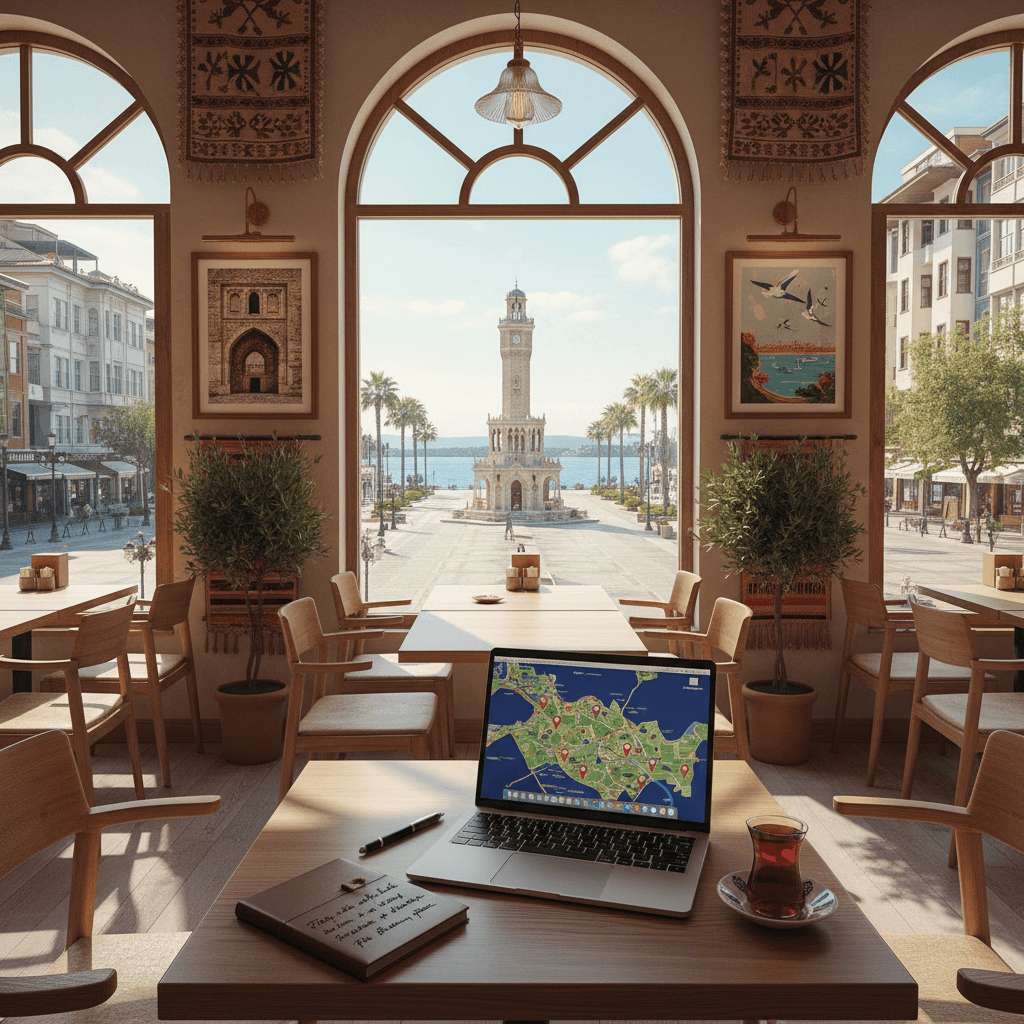
If Istanbul is Turkey's frantic, caffeinated heart, Izmir is its sun-drenched, easygoing soul. While most travelers rush toward the spire-filled skyline of the north, digital nomads are increasingly heading for the Aegean coast to find a city that actually lets them breathe. It is a place where the "Kordon" (the iconic seafront promenade) serves as the city’s living room, and where the Mediterranean lifestyle isn't just a marketing slogan but a daily requirement.
The Izmir Energy
The first thing you will notice is the pace. People here aren't in a hurry. You will see locals spending hours over a single cup of tea or a plate of boyoz (a flaky Izmir pastry) while watching the ferries crisscross the Gulf. The vibe is decidedly secular, liberal, and open-minded. It feels more like a southern European coastal city than a Middle Eastern metropolis. Most nomads find that while Istanbul demands your attention, Izmir simply invites you to join in.
The city's layout is built for the "slow life." The waterfront stretches for miles, connecting neighborhoods like Alsancak and Konak with wide, walkable paths. It is common to see people finishing a deep-focus work session at a cafe and immediately transition to a sunset picnic on the grass by the water. There is a palpable sense of freedom here that is hard to find in more congested hubs.
What Makes It Different?
Izmir offers a rare "best of both worlds" setup. You get the infrastructure of Turkey’s third-largest city, including a reliable metro and the Izban train system, but you are never more than an hour away from world-class ruins or turquoise water. On a Tuesday, you might be working from a sleek desk at Withco Coworking; by Saturday morning, you are exploring the ancient streets of Ephesus or windsurfing in Alaçatı.
While the digital nomad community is smaller than the one in Lisbon or Bali, it is exceptionally tight-knit. You won't find the "influencer" crowds here yet. Instead, you will meet remote developers, writers, and slow travelers who value the $1,000 to $1,200 monthly cost of living and the genuine hospitality of the locals. Travelers often say the lack of "over-tourism" makes the social interactions feel far more authentic.
The Reality Check
It isn't all sunset cocktails and smooth sailing. The internet can be a bit of a mixed bag. While mobile data is cheap and fast with a Turkcell SIM, residential WiFi often hovers around 10 to 11 Mbps. If your job involves heavy video rendering or constant 4K streaming, you will want to park yourself in a dedicated coworking space rather than relying on a budget Airbnb connection. Also, while English is common in the central hubs of Alsancak, having a translation app ready is a must for navigating the local markets or smaller neighborhoods.
The Emotional Experience
There is a specific moment every nomad in Izmir experiences: sitting on the ferry from Konak to Karşıyaka at sunset. For about 50 TL, you get a front-row seat to the city turning gold. The salt air hits your face, the seagulls follow the boat, and the stress of the workday just evaporates. It is a city that reminds you why you chose the remote life in the first place, not just to work from a different desk, but to actually live in a place that makes the "off" hours feel like a vacation.
- The Best Perk: Weekend access to Çeşme and Urla wine trails.
- The Biggest Quirk: The "Izmirian" dialect; locals have their own names for everything, from sunflower seeds (gevre) to simit (gevrek).
- The Nomad Verdict: Perfect for those who find Istanbul too loud and Antalya too touristy.
The Bottom Line
Izmir is the middle ground Turkey lovers have been searching for. It lacks the eye watering price tags of Istanbul's posh districts and the tourist inflated menus of Antalya. For most digital nomads, a monthly budget of $1,000 to $1,200 buys a very comfortable lifestyle here. If you're coming from Western Europe or North America, you'll find your purchasing power goes surprisingly far, especially when it comes to dining out and local transport.
While the Turkish Lira can be volatile, card payments are the standard in almost every cafe and shop. Most expats suggest keeping a small amount of cash for the dolmuş (minibuses) or traditional markets, but otherwise, your Visa or Mastercard will do the heavy lifting. Local salaries often hover around $600, so if you're earning in USD or Euros, you're living well above the local average.
Housing and Neighborhoods
Your biggest variable is rent. Prices fluctuate based on how close you are to the water and how modern the building is. Unlike Istanbul, where "central" can mean a dozen different things, Izmir's nomad life revolves around a few key hubs.
- Alsancak & Konak: This is the heart of the action. You're looking at $400 to $500 for a decent studio or one bedroom apartment. It's walkable, packed with bars, and puts you right on the ferry lines.
- Karşıyaka: A bit more residential and polished. Expect to pay $600 to $800 for a mid range flat. It feels like a resort town within a city, perfect if you want a quieter evening after work.
- Luxury/Beachfront: If you want to wake up to a view of the Aegean in premium spots like Mavişehir or near the Kordon, budgets start at $900 and climb quickly.
Dining and Groceries
If you eat like a local, you'll save a fortune. Street food like boyoz (a local pastry) or a quick simit will only cost you $2 to $3. A mid range dinner at a nice bistro in Alsancak usually lands between $10 and $15 per person.
For those who love fresh seafood, a full spread at a "meyhane" with mezes and fish might run $20 to $30, which is still a steal compared to Mediterranean prices elsewhere. Groceries are affordable if you stick to local chains like Migros or the neighborhood "pazar" (open air markets), where a week's worth of produce rarely exceeds $25.
Work and Connectivity
Most nomads find that working from seaside cafes is the way to go. While the coffee is cheap, the WiFi can be hit or miss, averaging around 10 to 11 Mbps. If you need stability for video calls, a dedicated desk is a smart investment.
- CoBAC Workspace: A popular choice for serious work, costing about $156 per month.
- Day Passes: Many smaller hubs offer day passes for $3.50 to $5, which usually includes your tea, coffee, and high speed internet.
- Mobile Data: Don't rely solely on cafe WiFi. Grab a Turkcell SIM or a Holafly eSIM to stay connected during evening slowdowns.
Transport and Extras
Getting around is one of Izmir's biggest bargains. A daily public transport pass costs roughly $1.50 to $2, covering the metro, trams, and those iconic ferries crossing the bay. If you're heading to the airport or the ruins at Ephesus, the Izban train is efficient and costs just a few dollars. Taxis are available via apps like BiTaksi, with most cross city trips staying under $10.
For Digital Nomads: Alsancak
If you want to be in the thick of it, Alsancak is your home base. It is the city's heartbeat, filled with narrow streets, European style cafes, and the famous Kordon promenade. You'll find most of the nomad community here, swapping tips over tea at CoBAC Workspace or working from laptop friendly spots along the waterfront.
- The Vibe: High energy, walkable, and social. You can finish a Zoom call and be at a seaside bar in five minutes.
- Monthly Rent: Expect to pay between $400 and $600 for a decent studio or one bedroom apartment.
- Connectivity: This is where you will find the most reliable fiber connections, though evening speeds can still dip to 10 Mbps during peak hours.
- Local Tip: Use the ferry from the Alsancak pier to get to the other side of the bay; it is the most scenic commute you will ever have for less than $2.
For Expats and Long-Term Residents: Karşıyaka
Expats who want a more "settled" feel usually head across the water to Karşıyaka. It feels like a distinct town within the city, known for its breezy climate and slightly more upscale, residential atmosphere. The pace is slower here, and the streets are lined with old mansions and modern apartment blocks.
- The Vibe: Sophisticated and breezy. It is less touristy than the city center but still has plenty of dining options and shopping along the Çarşı.
- Monthly Rent: Prices are a bit steeper here, ranging from $600 to $800 for mid range housing.
- Transportation: The Izban train runs through here, making it easy to reach the airport in about 30 minutes or head down to the ruins at Ephesus for a weekend trip.
For Families: Bostanlı and Mavişehir
Technically part of the larger Karşıyaka district, these two pockets are the gold standard for families. They offer more green space, modern infrastructure, and a quieter environment. You'll see plenty of parents pushing strollers along the coastal parks or kids playing near the sunset lounge areas.
- The Vibe: Safe, organized, and family oriented. It has a resort feel without the seasonal crowds.
- Amenities: You are close to large malls, international schools, and sports facilities. The bike paths here are excellent and well maintained.
- Cost: This is the premium end of the market. Comfortable family flats often start at $900 and go up significantly depending on the sea view.
For Solo Travelers and Budget Seekers: Konak
Konak is the historical center and the primary transport hub. It is perfect for solo travelers who want to be steps away from the Izmir Clock Tower and the Kemeraltı Bazaar. While it gets crowded with tourists during the day, it is the most convenient spot for exploring the city on a budget.
- The Vibe: Historical and chaotic in the best way. You'll have street food like $2 boyoz or $3 midye dolma right at your doorstep.
- Pros: You are at the center of the metro, tram, and bus lines. It is the easiest place to navigate the city without ever needing a taxi.
- Cons: It can feel a bit loud and overwhelming at night compared to the residential calm of Karşıyaka.
Weekend Getaways: Çeşme and Alaçatı
While not neighborhoods for a daily commute, many nomads and expats move to these coastal towns during the shoulder seasons of March to May. They offer world class windsurfing and Blue Flag beaches about an hour away from the city center. Just be prepared for prices to double during the heat of the summer when the Istanbul crowds arrive.
Connectivity and Speed
Internet in Izmir is a bit of a mixed bag. While the city is modern, average speeds tend to hover around 50-100 Mbps typical for residential fiber. It is perfectly fine for sending emails, managing Trello boards, or joining a Zoom call, but you might notice some lag during the evening peak hours when everyone is streaming. Most nomads find that the stability is reliable enough for a full workday, though it lacks the blazing fast fiber speeds you might find in parts of Istanbul or Northern Europe.
For a reliable backup, expats recommend getting a local SIM card immediately. Turkcell and Vodafone have the best urban coverage. If you want to skip the kiosk lines at Adnan Menderes Airport, an eSIM from a provider like Holafly is a popular choice for instant data. Just keep in mind that once you head out to more rural areas or smaller villages in the Izmir province, WiFi becomes much harder to find.
Top Coworking Spaces
The coworking scene here is smaller than in other nomad hubs, which means the spaces are rarely overcrowded. You won't have to fight for a desk or a quiet corner for a call. Monthly memberships in the city generally range around $200-250/month for a professional environment.
- Withco: A premier option located near the city center. It has a modern, industrial feel, is popular with local startups, and usually has the most consistent high speed internet.
- Local Hubs: Many smaller spots offer day passes for as little as $3.50 to $5 (50 to 70 TL). These passes usually include your desk space plus unlimited tea and coffee, making them an absolute steal for budget conscious travelers.
The Cafe Culture
If you prefer a more social atmosphere, Izmir has a legendary cafe culture. The Kordon, a long seafront promenade in the Alsancak neighborhood, is lined with cafes that have decent WiFi. It is arguably the best "office view" in Turkey, especially as the sun starts to set over the Aegean.
While many seaside spots are welcoming to laptop users, the connection can be variable. Travelers often say that Alsancak and Karşıyaka are the best neighborhoods for cafe hopping. Look for places with "Nesil" or "Coffee" in the name, as these newer third wave shops are usually more nomad friendly than the traditional tea houses. Just be sure to check the signal before you order your first latte.
Practical Remote Work Tips
- Power Stability: Power outages are rare in the city center, but it's always smart to keep your laptop charged.
- Peak Hours: If you have a high stakes presentation, try to schedule it before 6:00 PM. Local network traffic picks up significantly in the evenings.
- Language: Most coworking space managers speak moderate English, so you won't have much trouble getting set up or troubleshooting a connection.
- Digital Nomad Visa: Turkey has recently introduced a Digital Nomad Visa, making it easier for those earning over a certain threshold to stay long term. Izmir is a top choice for those who want the visa benefits without the chaotic pace of Istanbul.
Safety in the Aegean Capital
Izmir is widely regarded as one of Turkey's most liberal and relaxed cities. Most nomads feel significantly more at ease here than in the high energy chaos of Istanbul. The city has a secular, Western leaning atmosphere where solo travelers, including women, generally report feeling safe walking through central neighborhoods like Alsancak or along the Kordon promenade even after the sun goes down.
Street crime is low, but you should still keep your wits about you in crowded areas like the Kemeraltı Bazaar. Petty theft and pickpocketing can happen in these tourist heavy corridors, so keep your bag zipped and your phone tucked away. If you find yourself in a pinch, the local police are approachable, though their English might be limited. Most expats recommend having a translation app ready on your phone just in case.
In an emergency, dial 112. This is the universal number for police, ambulance, and fire services across Turkey. While the city feels secure, it is located in a seismically active zone. It is smart to familiarize yourself with the earthquake protocols of your apartment building or hotel when you first check in.
Healthcare Standards and Facilities
You'll find that healthcare in Izmir is high quality and surprisingly affordable compared to Western Europe or North America. The city is a hub for medical tourism, meaning many private hospitals are equipped with the latest tech and staffed by doctors who have trained abroad.
For minor issues, the Eczane (pharmacy) is your first line of defense. Turkish pharmacists have a high degree of autonomy and can often recommend treatments or provide over the counter medications that might require a prescription elsewhere. Look for the glowing red "E" sign; there is always a Nöbetçi Eczane (duty pharmacy) open 24/7 in every district on a rotating schedule.
Top Medical Facilities
- Kent Hospital: Frequently cited by expats for its high standards and English speaking staff. It is a private facility located in the Çiğli district.
- Medical Park Izmir: A large, modern private hospital in Karşıyaka that handles everything from routine checkups to specialized surgeries.
- Dokuz Eylül University Hospital: A major public teaching hospital. While excellent for complex cases, wait times are longer and English proficiency among administrative staff is lower than in private clinics.
Insurance and Costs
If you are staying on a digital nomad visa or applying for residency, you will eventually need local health insurance (SGK) or a private equivalent. For shorter stays, most nomads rely on international providers like SafetyWing or World Nomads. Without insurance, a standard consultation at a private clinic usually runs between $50 and $100, while a basic dental cleaning might cost around $40.
The tap water in Izmir is generally considered safe for showering and brushing your teeth, but most locals and long term travelers stick to bottled or filtered water for drinking. You can easily order large 19 liter jugs (damacana) to your apartment for about $2 to $3 using apps like Getir or Yemeksepeti.
The Pulse of the Aegean
Moving through Izmir feels remarkably different from the frantic energy of Istanbul. It is a city designed for strolling, where the sea is almost always in your peripheral vision. Between the efficient rail systems and the iconic ferries, you can usually ditch the car and rely on a mix of public transit that is both affordable and scenic.
Public Transit and the Izmirim Kart
Everything runs on the Izmirim Kart. You'll want to pick one up at the airport or any major station immediately. You can load it with credit at kiosks or via the mobile app. A daily pass typically runs between 50 and 70 TL, which is less than $2, making it one of the most budget friendly systems in Europe.
- The Izban: This is the backbone of the city's transport. It connects the Adnan Menderes Airport (ADB) to the city center in about 25 to 30 minutes. It also runs all the way south to Selçuk, putting the ruins of Ephesus just an hour away for a weekend trip.
- The Tram: Sleek and modern, the tram lines hug the coastline. The Konak Tram is a nomad favorite, gliding along the waterfront and connecting the cafe culture of Alsancak with the historic sites of Konak.
- Metro: While it has fewer lines than the Izban, the Metro is the fastest way to cut across the city's east-west axis, especially if you're heading toward the university districts or Bornova.
The Ferry: Your Daily Commute with a View
Expats living in Karşıyaka often say the ferry is the best part of their day. Instead of sitting in traffic, you spend 15 minutes on the water with a tea in hand. Ferries run frequently between Alsancak, Konak, and Karşıyaka. It is the most pleasant way to cross the Gulf of Izmir and costs the same as a standard bus fare.
Dolmuş and Ride-Hailing
For routes the trains don't cover, look for the Dolmuş. These yellow minibuses follow set routes but don't have fixed stops; you just wave them down and pay the driver in cash. They're great for reaching specific neighborhoods or steeper hillside areas where the tram can't go.
If you prefer a private ride, BiTaksi is the go-to app here. Uber also operates in Izmir, mainly by dispatching yellow taxis. Expect to pay around $5 to $10 for most cross-city trips. Traffic can get heavy during the evening rush along the Kordon, so if you're in a hurry, the rail is usually more reliable.
Pedals and Pavements
Izmir is surprisingly walkable, especially in the central districts. The Kordon, a massive seaside promenade, is perfect for long walks or cycling. You'll see plenty of electric scooters and "Bisim" bike share stations along the coast. It is flat, well paved, and offers some of the best sunset views in Turkey.
Getting Out of Town
When the weekend hits, the Otogar (main bus station) is your gateway to the rest of the coast. Frequent, high quality buses leave for the high end beaches of Çeşme and Alaçatı. These trips usually take about an hour and cost significantly less than a private transfer. For those looking to go further, the ferry terminal also offers seasonal connections to nearby Greek islands, making Izmir a perfect base for regional exploration.
The Local Linguistic Landscape
In Izmir, you'll find a linguistic environment that reflects its reputation as Turkey's most western-oriented city. While Turkish is the heartbeat of every interaction, the city's youthful energy and student population mean English is more prevalent here than in many Anatolian hubs. Most nomads find they can navigate daily life in central districts like Alsancak or Karşıyaka with a mix of English and basic Turkish pleasantries.
Expats recommend setting realistic expectations. In modern cafes, coworking spaces like Withco, and boutique hotels, the staff usually speaks functional to fluent English. However, once you step into a local pazar (market), hop on a dolmuş (minibus), or deal with government bureaucracy for your residence permit, the language barrier becomes more noticeable. Most travelers say that having a translation app ready is the best way to handle these moments without stress.
Essential Turkish Phrases
Locals genuinely appreciate any effort to speak their language. Even a clumsy attempt at a greeting can transform a standard transaction into a warm conversation. Here are the basics you'll use daily:
- Merhaba (Hello): The universal opener for any situation.
- Teşekkürler (Thanks): Use this for everything from getting your change to declining a second cup of tea.
- Ne kadar? (How much?): Vital for shopping in areas where prices aren't clearly marked.
- Hesap, lütfen (The bill, please): Essential for ending your sessions at the seaside cafes along the Kordon.
- Kolay gelsin (May it come easy): A polite phrase said to anyone working; it's a great way to acknowledge shopkeepers or drivers.
Communication Tools and Connectivity
To keep the conversation flowing, you'll need a reliable data connection. Most nomads opt for an eSIM via Holafly for immediate data upon arrival, but for better long term rates and local numbers, visiting a Turkcell or Vodafone store in the city center is the way to go. You'll need your passport to register a physical SIM card.
Digital tools are your best friends here. Google Translate is the gold standard, especially the camera feature for translating menus or signs at historical sites like Ephesus. For getting around, BiTaksi or Uber help bridge the gap with drivers since you can input your destination directly into the app, avoiding any potential miscommunications about directions.
Social Etiquette and Non-Verbal Cues
Communication in Izmir is often about more than just words. It's a high context culture where hospitality is a point of pride. If a shopkeeper offers you tea, it's often a genuine gesture of welcome rather than a high pressure sales tactic. Accepting the tea, even if you only take a few sips, is considered polite.
Body language also plays a role. A slight nod of the head upward, often accompanied by a "tsk" sound, means "no." Conversely, a tilt of the head to the side usually indicates "yes" or "I understand." You'll notice that people in Izmir are generally quite expressive and talkative. Don't be surprised if a casual question about directions turns into a ten minute chat about where you're from and how you like the local food.
The Expat and Nomad Community
If you're feeling a bit isolated by the language gap, Izmir has a growing international community. Networking often happens organically in the cafes of Alsancak or through online groups like Meetup. These groups are excellent resources for finding English speaking doctors, lawyers, or real estate agents. Most nomads find that within a few weeks, they've built a "survival" vocabulary that, combined with the city's friendly atmosphere, makes communication feel like a minor hurdle rather than a barrier.
The Sweet Spot: When to Land
Izmir is at its absolute best between March and May. This is the sweet spot where the city wakes up, the cafes along the Kordon start filling their outdoor tables, and the air stays a comfortable 18°C to 25°C. It is warm enough to work from a terrace without a jacket but cool enough to walk through the ruins of Ephesus without melting.
Expats generally recommend the shoulder seasons. While September to November sees slightly warmer water for those weekend trips to the Blue Flag beaches in Çeŝme, the spring months feel fresher. You will avoid the heavy crowds that descend on the Aegean coast during the peak summer holidays, and you will find it much easier to snag a long term apartment in Alsancak at a reasonable price.
Summer Heat and Winter Rain
If you are planning to arrive in June, July, or August, be prepared for the heat. Temperatures frequently climb above 30°C. Most nomads find themselves shifting their schedules, working indoors with air conditioning during the day and only heading out once the sun dips. The city feels slower in August as many locals head to the coast to escape the urban heat trap.
Winter in Izmir is mild compared to Istanbul or Ankara, but it is the wettest time of year. December is notoriously the rainiest month. While temperatures rarely drop below 12°C, the dampness can make the old stone buildings feel quite chilly. If you are here in January or February, you will want a solid waterproof jacket and a place with good heating, as many older rentals rely on electric units that can get pricey.
Seasonal Breakdown for Nomads
- Spring (March to May): The prime season. Ideal for walking, outdoor networking, and sightseeing. Expect highs of 25°C and very little rain.
- Summer (June to August): Hot and dry. Great for beach lovers, but you will need to hunt for coworking spaces with strong AC. Highs of 30°C+ are the norm.
- Autumn (September to November): The best time for swimming. The Aegean stays warm, and the city settles into a relaxed, productive rhythm. Highs range from 20°C to 28°C.
- Winter (December to February): Quiet and rainy. It is the cheapest time for accommodation, but you will miss out on the seaside lifestyle. Highs hover around 15°C.
Practical Weather Tips
Local travelers often suggest keeping an eye on the wind. Izmir is famous for the Imbat, a cooling sea breeze that makes the summer heat bearable. If you are looking for a place to stay, Karŝıyaka often feels a few degrees cooler than the city center because of its position on the bay.
Always check the forecast before heading to the Greek islands or taking the ferry to Karŝıyaka. While the ferries are reliable, heavy winter rains or high winds can occasionally cause short delays. For daily planning, most nomads use standard apps, but locals often rely on the detailed sea state forecasts if they are planning a boat trip or a coastal work day.
Connectivity and Tech Setup
Internet speeds in Izmir average around 10 to 11 Mbps, which is plenty for Slack and emails but might feel sluggish during peak evening hours. If you're planning on heavy video editing or frequent Zoom calls, your best bet is to grab a local SIM from Turkcell or Vodafone as a backup. Most nomads recommend an eSIM through Holafly for immediate data upon arrival, but a physical local card usually offers better value for long stays.
For a dedicated workspace, CoBAC Workspace is the gold standard in town. It costs about $156 per month and provides the high speed reliability that home setups sometimes lack. If you prefer the cafe circuit, the Kordon promenade is lined with spots that have decent WiFi, though it can get noisy. Some smaller coworking hubs offer day passes for as little as 50 to 70 TL ($3.50 to $5), which typically includes your tea and coffee for the day.
Money and Budgeting
Izmir is significantly more affordable than Istanbul, with most nomads living comfortably on about $1,000 to $1,200 per month. Cards are accepted almost everywhere in the city, from supermarkets to modern cafes, but you'll still want some cash for the smaller shops and local markets. Apps like Wise or Revolut are the easiest ways to manage transfers and avoid hefty bank fees.
- Budget Lifestyle (~$800/mo): Stick to studio apartments in Konak, eat street food like Boyoz for $2, and use the Izban train for transport.
- Mid-Range Lifestyle (~$1,200/mo): Look for a flat in Karşıyaka, eat out at local restaurants for $10 to $15, and grab a monthly coworking membership.
- Luxury Lifestyle ($1,800+/mo): Opt for a seaside apartment in Alsancak, frequent upscale seafood spots, and use taxis or BiTaksi for getting around.
Navigation and Getting Around
The city is surprisingly easy to navigate without a car. The Izban commuter rail is your lifeline, connecting the Adnan Menderes Airport to the city center in about 25 to 30 minutes. For daily commutes, the ferries running between Alsancak and Karşıyaka are more than just transport; they're a great way to catch a breeze and see the skyline for about $1.50.
For shorter hops, look for the Dolmuş (minibuses) that follow set routes. They're cheap and run frequently. If you're heading out of town, the bus system is excellent for trips to the Çeşme beaches or the ruins at Ephesus, which is only an hour away. Google Maps is generally reliable for bus and tram schedules, though the BiTaksi app is the safest way to hail a ride if you're in a hurry.
Health and Safety
Izmir is a laid back, safe city for foreigners. Standard urban precautions apply, but there aren't specific neighborhoods that nomads are told to avoid. For healthcare, the city has several high quality private hospitals that are much cheaper than what you'll find in Western Europe or the US. Pharmacies are everywhere; look for the red "E" sign. If you have an emergency, dial 112, which is the standard number for all services.
Cultural Etiquette
The vibe here is more secular and relaxed than in other parts of Turkey, but a few local customs go a long way. Always remove your shoes before entering someone's home. While casual dress is fine in the city and at the beach, it's respectful to dress a bit more modestly if you're visiting mosques or rural villages. Learning a few words like "Merhaba" (Hello) and "Teşekkürler" (Thanks) will earn you plenty of smiles, even if your Turkish isn't perfect.
When to Visit
The sweet spot for Izmir is March through May or September through October. The weather is sunny and in the 20s (°C), perfect for walking the Kordon. July and August can be punishingly hot, with temperatures often climbing over 30°C, while December is the rainiest month and can feel quite damp despite the mild temperatures.
Need visa and immigration info for Turkey?
🇹🇷 View Turkey Country GuideHidden Gem
Worth the effort