Ha Long City
🇻🇳 Vietnam
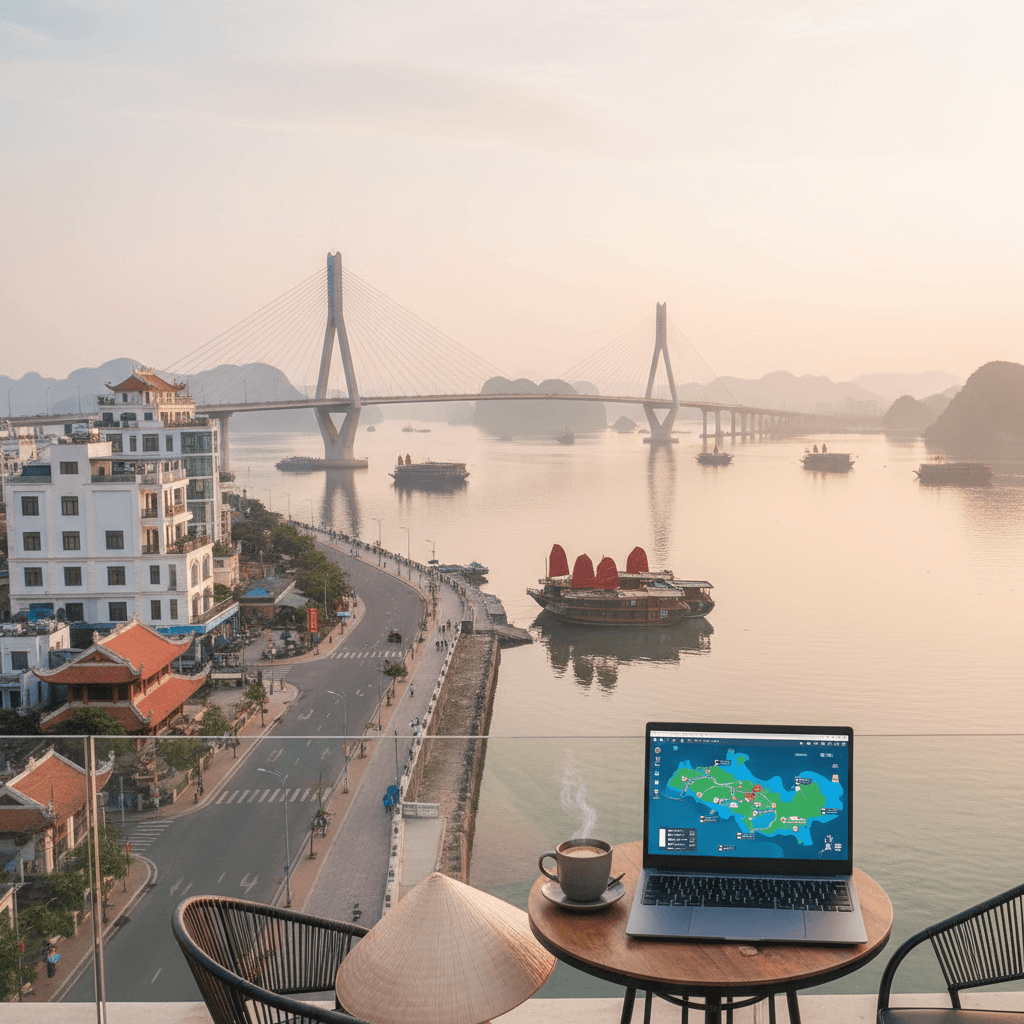
Ha Long City is a place of dramatic contrasts that most travelers only see from the deck of a cruise ship. For those who decide to unpack their bags here, the city reveals a split personality. It is divided by the Cua Luc Strait into two distinct worlds: Hon Gai and Bai Chay. While many nomad hubs in Southeast Asia feel like they were built for foreigners, Ha Long City still feels like a Vietnamese industrial and fishing hub that just happens to sit on the doorstep of a UNESCO World Heritage site.
The Local vs. The Tourist
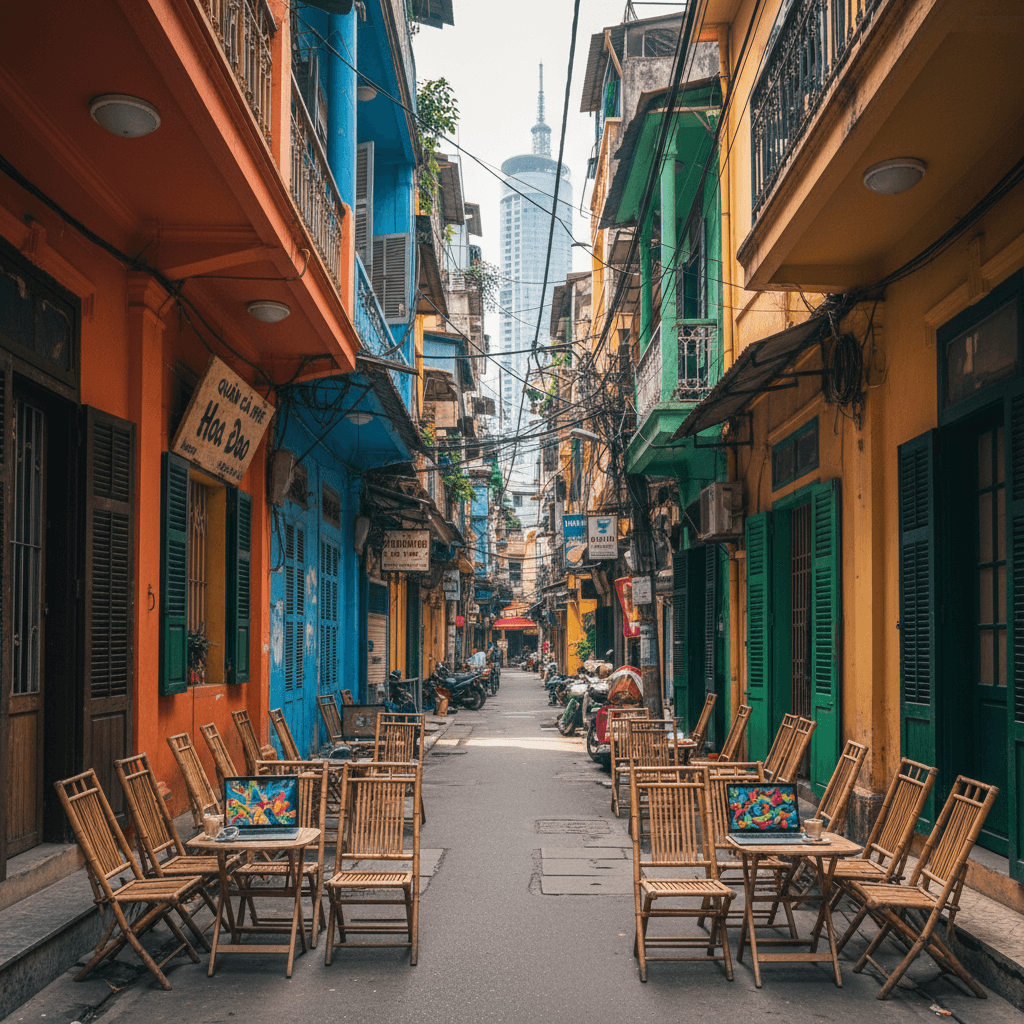
Living here means choosing between two very different daily rhythms. Hon Gai is the administrative and local heart. It is where you will find the soul of the city, from the massive seafood markets where the morning catch is haggled over at dawn to the quiet, hilltop pagodas. It feels lived-in and authentic. You will find yourself sipping ca phe sua da on plastic stools alongside coal miners and fishermen. It is less polished, but it is where the real community happens.
Across the bridge, Bai Chay is a different beast entirely. This is the tourism engine. It features wide boulevards, artificial beaches, and the Sun World amusement park. During the summer months, it is chaotic and loud with domestic tourists. In the off-season, it can feel strangely quiet, almost like a movie set waiting for the actors to arrive. Nomads usually gravitate here for the modern apartments and higher concentration of English speakers, even if it lacks the grit and charm of the eastern side.
Why Nomads are Moving Here
The draw of Ha Long City is not that it is a finished nomad product like Da Nang; it is that it is an affordable frontier. You are living among the most iconic limestone karsts on the planet for a fraction of what you would pay in more established hubs. Expats often remark that the city offers a "middle path" lifestyle. It is more peaceful than the frantic energy of Hanoi, which is only 2.5 hours away via the expressway, yet it offers more modern infrastructure than the rural mountains of the north.
- The Scenery: Your morning run or scooter commute often involves views of the bay that people pay thousands of dollars to see for just a few days.
- The Seafood: This is arguably the seafood capital of Northern Vietnam. You can eat like royalty on a budget if you stick to the local stalls in Hon Gai.
- The Pace: Life slows down here. It is a place to focus on deep work during the week and island hopping on the weekends.
The Reality Check
It is not all sunset cruises and cheap shrimp. The city is still finding its feet as a remote work destination. You won't find a dozen coworking spaces or a "digital nomad cafe" on every corner. Internet reliability can be a bit of a gamble during stormy weather, and the international community is small but tight-knit. You will need to put in more effort to build a social circle here than you would in Bali or Chiang Mai.
Pollution can also be a factor. Because of the coal mining history and the heavy boat traffic in the bay, the air and water quality aren't always pristine. However, for many, the trade-off is worth it. There is a specific kind of magic in watching the fog roll over the karsts from your balcony while you clear your inbox. It feels like living on the edge of the known world, with just enough 4G and high-end grocery stores to keep you comfortable.
Cost and Lifestyle Snapshot
- Monthly Living Cost: Most mid-range nomads spend between $700 and $950 per month for a very comfortable lifestyle.
- Housing: Modern 1-bedroom apartments in Bai Chay typically run between $300 and $400.
- Dining: A local meal at a "quan" costs about $1.50 to $3, while a nice dinner for two at a seafood restaurant will be around $20 to $30.
Ultimately, Ha Long City suits the "slowmad" who is tired of the typical backpacker trail. It is for the person who wants to see a side of Vietnam that is still evolving, where the coffee is strong, the views are legendary, and the cost of living allows for total financial freedom.
Ha Long City is comfortably one of the most affordable coastal spots in Vietnam. While it doesn't have the same digital nomad infrastructure as Da Nang, your money stretches significantly further here. Most expats find they can live a high quality life for roughly $700 to $950 per month, which covers a modern apartment, daily meals out, and plenty of weekend trips to the surrounding islands.
Housing & Accommodation
Rent is your biggest variable. If you're looking to save, Hon Gai is the place to be. It's the residential side of town where you can snag a local studio for as little as $150 to $200. If you want something more westernized with a view of the bay, expect to pay more.
- Budget Studio (Hon Gai): $150 to $235 per month. Usually basic, walk up apartments with local furnishings.
- Mid-Range 1-Bedroom (Bai Chay): $300 to $450 per month. These often come with modern kitchens and are closer to the tourist amenities.
- Luxury Condos (Mon Bay or Vinhomes): $600 to $1,000+ per month. These are the top tier options with gym access, security, and high end finishes.
Food & Drink
Eating out is often cheaper than cooking for yourself, especially if you stick to the local markets. A bowl of bun cha or seafood noodles at a street stall will set you back about $1.50 to $2.50. Even at a mid range restaurant in the Bai Chay area, a full dinner with a beer rarely exceeds $10.
- Street Food Meal: $1 to $3 per person.
- Mid-Range Restaurant Dinner: $6 to $12 per person.
- Local Coffee (Ca Phe Sua Da): $0.80 to $1.50.
- Craft Beer or Cocktail: $3 to $7.
- Monthly Grocery Bill: $150 to $200 if you buy local produce and seafood.
Utilities & Connectivity
Internet is surprisingly cheap, though you should always test the speed at a potential apartment before signing a lease. A solid home fiber connection costs around $9 to $15 per month. Electricity is the one cost that can spike, especially during the humid summer months when the AC is running 24/7. Most nomads budget about $40 to $60 for total utilities.
Transportation & Fitness
Since the city is split between two main hubs, you'll need a way to get around. Most expats rent a scooter for about $45 to $60 per month. If you prefer ride hailing, Grab is active here and very affordable for short hops between Hon Gai and Bai Chay.
- Monthly Scooter Rental: $50 average.
- Liter of Gasoline: Approximately $0.90.
- Gym Membership: $15 to $30 per month for a local gym; up to $60 for hotel fitness centers.
- Coworking Day Pass: roughly $10 to $15 at higher end spots like Vinpearl.
Overall, a single person living a "comfortable" lifestyle, eating out frequently and living in a nice apartment, will rarely spend more than $1,200. If you're on a strict budget and live like a local in Hon Gai, you can easily get by on $500 total.
For Digital Nomads: Bai Chay
If you're landing in Ha Long to work remotely, Bai Chay is your best bet. It's the modern, tourist centric side of the city that has seen massive investment recently. You'll find the highest concentration of western style cafes with decent WiFi and power outlets. La Luna Coffee sits on Monaco Hill overlooking the bay and provides a quieter atmosphere than the beachfront spots. The Sun World area and the Walking Street are also packed with spots where nobody will blink if you sit with a laptop for three hours.
The vibe here is energetic, especially in the evenings. You have easy access to the artificial beach and the cable car, though it can feel a bit "manufactured" compared to the rest of Vietnam. Most nomads choose this area because it's easier to find English speakers and modern apartment complexes with gym facilities. It's also the most convenient spot for catching the express bus back to Hanoi or heading to the Van Don airport.
- Rent: Expect to pay $350 to $600 for a modern studio or one bedroom apartment.
- The Workspace: Meet Coworking Space is the go to hub here, offering stable fiber internet and a community of other remote workers.
- Vibe: High energy, neon lights, and plenty of social opportunities.
For Long Term Expats: Hon Gai
Cross the Bai Chay Bridge and you'll find the "real" Ha Long City. Hon Gai is where the locals live, shop, and eat. Expats who plan on staying six months or longer usually gravitate here because the cost of living drops significantly and the atmosphere is much more grounded. You'll be trading the tourist bars for hidden seafood joints and traditional markets like Ha Long I.
Living here means you're closer to the cultural landmarks like the Quang Ninh Museum and the impressive Provincial Library. The coastal road in Hon Gai is perfect for morning runs or evening walks. While English is less common, the local community is incredibly welcoming once they see a familiar face at the coffee shop every morning. It feels less like a vacation and more like a home.
- Rent: Budget around $200 to $350 for a comfortable local apartment.
- Local Perks: Proximity to Vincom Plaza for groceries and the best fresh seafood prices in the city.
- Vibe: Authentic, quiet, and culturally immersive.
For Families: Mon Bay & Column 5
Located on the eastern edge of Hon Gai, the Mon Bay and Column 5 areas are the upscale residential pockets favored by expat families and wealthy locals. These neighborhoods are cleaner, quieter, and feature wider sidewalks that are actually walkable, a rarity in many Vietnamese cities. You'll find several international preschools and the Vinmec International Hospital nearby, which is a major relief for parents.
The housing here usually consists of large villas or modern high rise condos like the Sapphire Residences. There are plenty of green spaces and playgrounds, and the traffic is significantly calmer than the central tourist strips. It's the kind of place where you can push a stroller without feeling like you're in a motorcross race.
- Rent: Larger family apartments or villas range from $600 to $1,200.
- Amenities: Close to the Vietnam Russia International Eye Hospital and various boutique grocery stores.
- Vibe: Suburban, safe, and polished.
For Solo Travelers: Tuan Chau Island
If you're in town for a short stint and want to be right on the water, Tuan Chau is the gateway to the bay. It's technically an island connected by a long bridge. Most solo travelers stay here if their primary goal is island hopping or taking a multi day cruise, as the main marina is located right on the island. While it can feel a bit isolated from the city's main social scene, it offers the best views and a resort like atmosphere.
It's a bit of a bubble, but it's perfect if you want to wake up, walk to your boat, and return to a quiet room. There's a growing number of hostels and boutique hotels catering to solo adventurers who want to meet people before their cruise departs. Just keep in mind that you'll need to use Grab or a taxi to get into Bai Chay for a wider variety of food and nightlife.
- Rent: Short term stays vary wildly, but monthly rentals in boutique villas can be found for $400 to $700.
- Top Feature: Direct access to the Tuan Chau Marina and the ferry to Cat Ba Island.
- Vibe: Breezy, maritime, and transitional.
Connectivity and Speed
Internet in Ha Long City is a bit of a mixed bag. While you won't find the blistering fiber speeds of Da Nang or Ho Chi Minh City, the infrastructure has improved significantly. Most modern apartments and hotels in the Bai Chay area offer speeds between 50 Mbps and 100 Mbps. If you're staying in a more traditional home in Hon Gai, expect closer to 30 Mbps. Reliability is generally good, though heavy storms during the monsoon season can occasionally cause brief outages.
For a dedicated home setup, monthly plans are incredibly cheap, usually ranging from $9 to $15. Most nomads find that a local 4G backup is mandatory. Viettel is the gold standard here for coverage, especially if you plan on taking your laptop onto a boat in the bay. You can pick up a SIM card with 4GB of daily data for about $5 to $10 a month at any small phone shop or the Vincom Plaza.
Coworking Spaces
Ha Long City isn't a massive nomad hub yet, so the dedicated coworking scene is small but functional. You won't find a dozen options, but the ones available are high quality.
- Meet Coworking Space: This is the primary spot for serious work. It's got a modern layout with ergonomic chairs, standing desks, and a surprisingly quiet atmosphere. They offer daily passes and monthly memberships that usually land between $150 and $250. The bonus features like the yoga studio and pool make it feel more like a community hub than just an office.
- Vinpearl Resort Business Center: Located on Reu Island, this is the high end choice. It's perfect if you have a week of intense Zoom calls and need guaranteed silence and professional surroundings. A day pass is around $15, but you'll need to factor in the boat transfer to the island.
The Cafe Office Culture
Since dedicated desks are limited, many expats and travelers treat the local cafe scene as their office. The Vietnamese coffee culture is legendary, and most shop owners don't mind if you linger for a few hours as long as you keep ordering the occasional $1.50 salt coffee or bac xiu.
- Cong Caphe: Located near the waterfront, this chain is a reliable standby. The "military chic" decor is cool, the WiFi is stable enough for emails, and there are plenty of power outlets. It can get loud in the afternoons, so bring noise cancelling headphones.
- Old Town Coffee: This spot in the Hon Gai area has a more relaxed, European vibe with great views of the bay. It's popular with local professionals and usually offers a quieter environment for writing or deep work.
- Wander Station: A favorite for its Western style brunch and solid tables. The internet here is often faster than the surrounding hotels, making it a go to for uploading large files.
Practical Tips for Working Remotely
If you're planning to stay long term, always ask for a speed test screenshot before signing a lease on an apartment. Many newer buildings in the Mon Bay or Sun World areas are wired for high speed fiber, while older villas might still be on aging copper lines.
Most cafes use a "one time" password system where the code is printed on your receipt. If the connection drops, it's usually just the router needing a quick reset; the staff are generally happy to help if you ask politely. For video calls, try to schedule them for the morning. By late afternoon, the local gaming crowds and families hit the cafes, and the bandwidth tends to get squeezed.
Ha Long City feels significantly safer than the chaotic energy of Hanoi or Ho Chi Minh City. While it's a major tourist gateway, the atmosphere remains fairly laid back. Most expats and nomads find that they can walk around comfortably at night, especially along the well lit boardwalks of Bai Chay or the residential streets of Hon Gai. Violent crime is rare, but like any destination with a high turnover of visitors, you'll want to keep your wits about you regarding petty theft.
General Safety & Local Scams
Bag snatching isn't as common here as it is in the south, but it still happens. Keep your phone and wallet tucked away when you're on the back of a motorbike taxi. Travelers often report minor "tourist pricing" at local markets or for unregistered taxi rides. Always use Grab to lock in a price before you get in a car, or stick to reputable taxi brands like Mai Linh (the green cars).
If you're heading out to the bars in the Bai Chay Walking Street area, keep an eye on your drinks. While the nightlife is generally friendly, late night scuffles between intoxicated tourists can happen. Stick to well populated areas and you'll likely have a trouble free experience.
Healthcare Facilities
For anything beyond a cold or a scrape, you'll want to head to a private facility. The quality of care varies wildly between public and private sectors in Quang Ninh province. Most expats recommend Vinmec Ha Long International Hospital for almost every medical need. It's located right on the coast in Hong Gai and is the only facility in the city that regularly employs English speaking doctors and staff. It feels more like a modern hotel than a hospital, and they handle international insurance claims efficiently.
- Vinmec Ha Long International: Best for emergencies, specialist consultations, and expats. Located at 10A Le Thanh Tong.
- Quang Ninh General Hospital: A massive public facility. It's affordable but expect long wait times and a significant language barrier. Best for basic diagnostics if you have a Vietnamese speaker with you.
- Bai Chay Hospital: Located on the tourist side of town. It's a solid backup for 24/7 emergency care if you can't make it across the bridge to Vinmec.
- Vietnam-Russia International Eye Hospital: A specialized clinic in the Monbay area, perfect if you need an updated prescription or have an eye infection.
Pharmacies & Medication
You'll find pharmacies (Nha Thuoc) on nearly every street corner. For the best service, look for the Pharmacity or Long Chau chains. These are modern, brightly lit, and usually have staff who speak at least basic English. Most common medications, from antibiotics to asthma inhalers, are sold over the counter without a prescription and are very cheap, often costing between $2 and $10 for a full course.
Emergency Contacts
In a serious medical emergency, it's often faster to call Vinmec directly at +84 203 3828 188 rather than the local 115 ambulance line, as their response times and vehicle equipment are generally better. Keep your passport or a digital copy on your phone at all times, as hospitals will require identification before admitting you for non emergency procedures.
Water & Food Safety
Don't drink the tap water. Even locals boil it first, but most nomads just buy the 20 liter jugs for their apartments, which cost about $2 to $3 delivered. Food safety is generally high because the seafood turnover is so fast, but if a street stall looks like it's been sitting in the sun for hours, trust your gut and move on. Stick to busy spots where you see a high volume of local families eating.
Moving through Ha Long City feels like navigating two different worlds connected by the massive Bai Chay Bridge. While the city is spread out, getting from your apartment in Hon Gai to the beach clubs in Bai Chay is straightforward once you know the local rhythm. You won't find a metro system here, but the combination of apps and cheap rentals makes it easy to stay mobile.
Ride-Hailing and Taxis
For most nomads, Grab is the lifeline. It's the most reliable way to get around without worrying about the language barrier or haggling over prices. You can book both cars and motorbikes through the app. A quick 10 minute bike ride usually costs around $1.50 to $2.00, while cars are roughly $4.00 to $6.00 depending on the traffic.
If you prefer traditional taxis, look for the Mai Linh (green) or Thanh Cong cars. They're metered and professional. Expats often suggest keeping a card with your destination written in Vietnamese, as English proficiency among drivers is hit or miss once you leave the main tourist strips.
Motorbike Rentals
If you're staying for more than a week, renting your own wheels is the ultimate freedom move. The roads along the coast are wide and well paved, offering some of the best urban riding views in Vietnam. Most rental shops in Bai Chay charge between $5 and $8 per day for a standard automatic scooter like a Honda AirBlade or Vision. For monthly rentals, you can often negotiate this down to $100 or $120.
Just be careful with the local traffic logic. It's less chaotic than Hanoi, but you still need to watch for trucks near the industrial ports and tourists who might stop suddenly to take a photo of the bay. Always wear a helmet; police do frequent the main coastal roads and will pull over foreigners for missing gear.
Public Buses
The local bus system is the cheapest way to travel, though it requires a bit of patience. Bus Route 03 is the most useful for expats, as it runs between the Hon Gai city center and the Bai Chay tourist area. Tickets are incredibly cheap, usually under $0.50. While the buses are air conditioned, they don't run late into the night, so plan to use Grab if you're out past 7:00 PM.
Walking and Ferries
Ha Long City isn't exactly a walkable city in its entirety because of the distance between the two main hubs. However, the Tran Quoc Nghien coastal road in Hon Gai is perfect for a sunset stroll or a morning run. It's wide, clean, and lined with cafes.
To reach the nearby islands or get a different perspective of the limestone karsts, you'll head to the Tuan Chau International Marina or the Sun World Port. From here, you can catch ferries or private tenders.
- Tuan Chau to Cat Ba Ferry: Usually costs around $4 to $6 for a foot passenger and takes about an hour.
- Electric Tourist Cars: You'll see these open air buggies zooming around Bai Chay. They're fun for groups and cost about $0.50 to $1.00 per kilometer.
Getting to and from the City
Most travelers arrive via the Hanoi-Ha Long Highway. The "Limousine" vans (luxury 9 seater vans) are the gold standard for nomads. They pick you up at your door in Hanoi and drop you at your accommodation in Ha Long for about $10 to $15. The trip takes roughly 2.5 hours. If you're flying in, Van Don International Airport (VDO) is about 50 minutes away, while Cat Bi Airport (HPH) in Hai Phong is about 45 minutes away and often has cheaper domestic flights.
Getting by with English
In Ha Long City, your communication experience depends entirely on which side of the bridge you're on. In Bai Chay, the tourist hub, you'll find that most hotel staff, tour operators, and restaurant servers speak enough English to handle bookings and orders. It's functional, but rarely deep. If you're staying at a high end spot like Vinpearl Resort or the Wyndham Legend, the English proficiency is excellent.
Once you cross over to Hon Gai, the local side, English levels drop off significantly. You'll likely be greeted with smiles and gestures rather than sentences. Expats living here find that while younger locals and students are often eager to practice their English, the vendors at Ha Long I Market or the owners of small pho shops will mostly communicate through calculators showing prices and friendly pointing. It's part of the charm, but it requires a bit of patience.
The Digital Safety Net
Don't try to wing it without technology. Every nomad in town relies on Google Translate, specifically the camera feature for menus and the voice-to-text function for more complex questions. Since many signs are only in Vietnamese, having the offline language pack downloaded is a lifesaver when your signal dips.
For texting and local networking, Zalo is the king of communication in Vietnam. Even if you're just staying for a month, downloading Zalo is smart. It's how you'll talk to your landlord, book a local motorbike mechanic, or join expat groups. Most businesses prefer a Zalo message over a phone call or email.
Essential Vietnamese Phrases
Locals genuinely appreciate the effort when you use their language. Northern Vietnamese tones can be tricky, but these basics will get you through most daily interactions:
- Xin chao (Seen chow): Hello.
- Cam on (Gahm un): Thank you.
- Bao nhieu? (Bow nyew): How much?
- Tinh tien (Tin teen): Check, please! (Essential for cafes).
- Khong ot (Khong ot): No chili (North Vietnamese food can be spicy).
- Oi gioi oi! (Oy joy oy): Oh my god! (Say this when you're surprised by a price or the weather to get a big laugh from locals).
Communication Etiquette
Vietnamese culture is high context and polite. Saving "face" is important, so if there's a misunderstanding at a restaurant or with a Grab driver, staying calm and smiling goes much further than getting frustrated. You'll notice locals often use kinship terms like Em (younger person), Anh (older brother), or Chi (older sister). While you aren't expected to master these as a visitor, using a simple Cam on with a slight head nod shows you respect the local customs.
If you're planning to stay for more than a few months, consider hiring a local tutor. There aren't many formal language schools in Ha Long City compared to Hanoi, but you can find university students in the Hong Hai district who offer private lessons for around $10 to $15 per hour. It’s the best way to break the "tourist wall" and actually make local friends.
Seasonal Breakdown
Ha Long City follows the distinct four season pattern of Northern Vietnam, which is a major departure from the perpetual heat of Saigon or Da Nang. You'll want to pack layers if you're planning a long stay, as the temperature swings can be dramatic.
Spring (March to April): This is arguably the sweet spot for nomads. The weather is cool but clearing up, with temperatures averaging between 18°C and 23°C (64°F to 73°F). It's pleasant enough to work from an outdoor cafe in Hon Gai without breaking a sweat, though you might deal with some morning mist over the bay.
Summer (May to August): It gets hot, humid, and occasionally chaotic. Temperatures often climb to 30°C or 35°C (86°F to 95°F). This is also peak domestic tourism season. Expect the Bai Chay area to be packed with families and the beaches to be loud. July and August bring the highest risk of typhoons, which can shut down all boat tours and occasionally cause power flickers.
Autumn (September to October): Many expats consider this the best time to be in the city. The summer humidity drops, the sky turns a brilliant blue, and the water is still warm enough for swimming. Temperatures sit comfortably around 21°C to 28°C (70°F to 82°F).
Winter (November to February): It gets surprisingly chilly. In January, the mercury can dip to 13°C (55°F). Because many local apartments don't have central heating, you'll find yourself wearing a hoodie indoors. The bay is often shrouded in a thick, moody fog during these months, which looks beautiful but makes for cold boat trips.
Best Time for Digital Nomads
If you're looking for the best balance of productivity and exploration, aim for March to May or September to November. During these windows, the weather is stable enough that you won't be trapped indoors by rain, and the internet infrastructure is less likely to be stressed by storm interference.
- Best for Clear Skies: October and November. This is when you'll get those iconic, crisp photos of the limestone karsts.
- Best for Budgeting: May and June often see lower accommodation prices for monthly rentals before the mid summer domestic rush hits.
- Worst for Crowds: June, July, and the Tet Lunar New Year (usually late January or February), when the city fills up and many local shops close for the holiday.
What to Pack
Since the weather varies so much, your wardrobe needs to be versatile. Travelers often arrive in January expecting tropical heat and end up buying North Face jackets at the local markets.
- A light rain shell: Necessary for the summer monsoon season and the drizzly spring mornings.
- Warm layers: If you're visiting between December and March, bring a decent sweater or light down jacket.
- Dehumidifier packs: If you're renting an apartment long term during the spring, the humidity can make everything feel damp. Most nomads buy small moisture absorbers at WinMart to keep their electronics safe.
- Dry bags: Essential if you plan on taking your laptop on any bay cruises or kayaking trips, as sudden afternoon showers are common in the summer.
Air Quality Considerations
Like much of Northern Vietnam, air quality can fluctuate. During the winter months, you might encounter some haze or smog. Most residents use apps like IQAir to check levels before heading out for a run along the coastline. The sea breeze in Ha Long generally keeps things fresher than in Hanoi, but it's something to keep an eye on if you have respiratory sensitivities.
Visas and Residency
Most nomads entering Vietnam start with the 90 day e-visa. It’s a straightforward online process that costs $25 for a single entry or $50 for multiple entries. You'll need to apply at least a week before you arrive. If you're planning to stay longer, you'll likely need to do a "visa run" to the Chinese border at Mong Cai, which is about 3 hours away by bus, or fly out from Van Don International Airport.
For those looking to settle in, long term rentals usually require a written contract and a copy of your passport for police registration. Your landlord is legally required to register you with the local authorities. If they seem hesitant to do this, look elsewhere, as it can cause major headaches when it's time to renew your visa.
Money and Payments
Cash is still king in the local markets of Hon Gai. You'll want to keep plenty of 10,000 to 100,000 VND notes for street food and small grocery runs. That said, the city is modernizing fast. Most cafes in Bai Chay and supermarkets like WinMart or Go! Ha Long accept credit cards without a fuss.
- ATMs: Look for BIDV, Vietcombank, or TPBank. These generally have the highest withdrawal limits and play nice with international cards.
- Digital Payments: If you're staying for more than a month, setting up a local bank account or using a digital wallet like MoMo is a game changer for paying utility bills and Grab rides.
- Tipping: It isn't expected at local spots, but rounding up the bill at a nice restaurant in the Sun World area is a kind gesture.
Connectivity and Apps
Don't rely on your home roaming plan. Pick up a Viettel or Vinaphone SIM card at the airport or a local "Cua Hang" shop. A monthly data plan with 4GB per day usually costs less than $10. While home fiber is generally stable, the city does experience occasional power blips during heavy summer storms, so a beefy data plan is your best backup for Zoom calls.
Download these apps before you arrive to make life easier:
- Grab: The gold standard for cars and motorbikes. It saves you from haggling with independent taxi drivers.
- Google Translate: Essential for Hon Gai. The "Camera" feature helps decode menus that don't have English translations.
- Zalo: This is Vietnam's WhatsApp. It's how you'll communicate with your landlord, your gym, and local business owners.
- Shopee: The local version of Amazon. You can get almost anything delivered to your door within 2 to 3 days.
Weather and Timing
Ha Long has four distinct seasons, which surprises people expecting tropical heat year round. June to August is hot, humid, and prone to typhoons that can shut down the bay for days. December to February gets surprisingly chilly and misty. Most expats find March to May or September to November to be the "Goldilocks" periods where the weather is perfect for working on a balcony.
Language and Etiquette
In the tourist hubs of Bai Chay, you'll get by fine with English. In the residential parts of Hon Gai, it's a different story. Learning "Xin Chao" (Hello) and "Cam On" (Thank you) goes a long way. When paying, use both hands to hand over your cash or card; it’s a small sign of respect that locals really appreciate. Also, remember to take your shoes off before entering someone's home or certain small boutiques; if you see a pile of sandals at the door, follow suit.
Need visa and immigration info for Vietnam?
🇻🇳 View Vietnam Country GuideEasy Landing
Settle in, no stress