Funchal
🇵🇹 Portugal
The Island of Eternal Spring
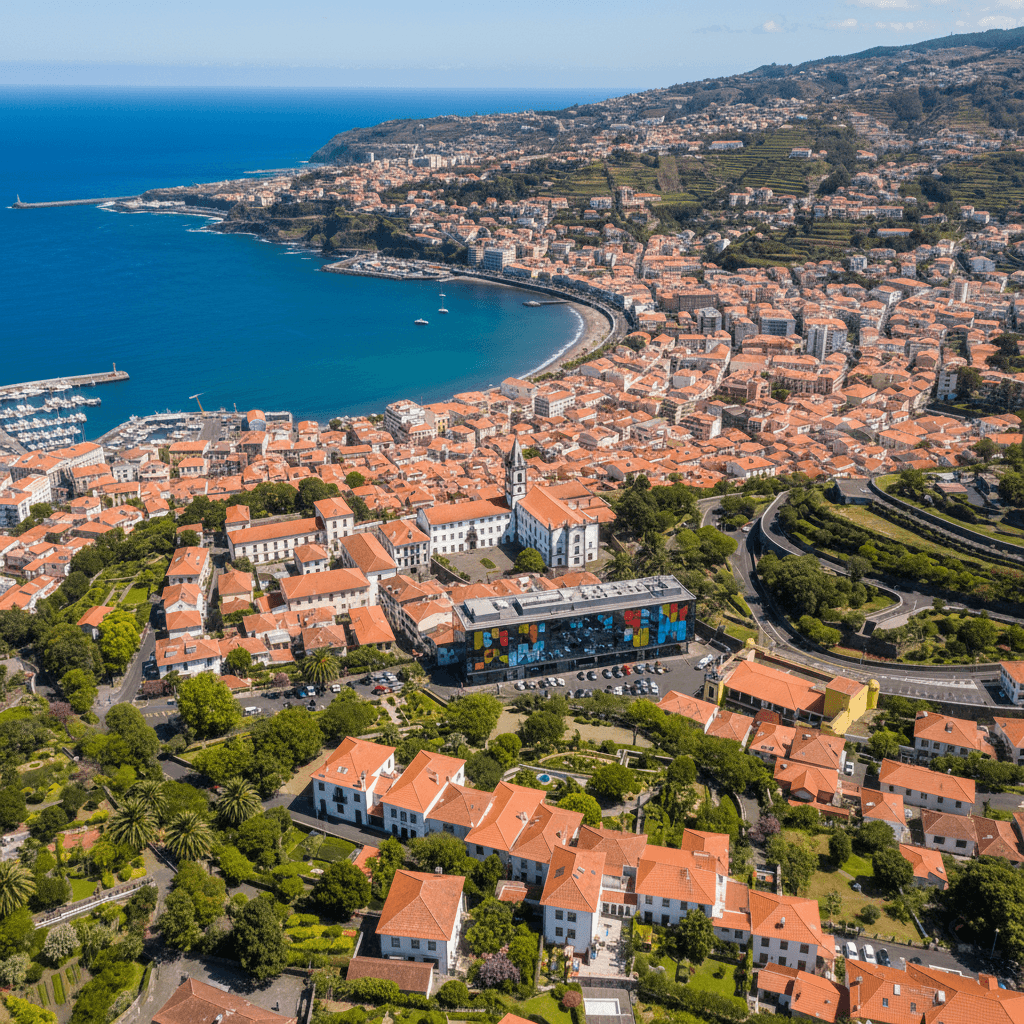
Funchal feels like a secret the rest of the world is only just starting to catch on to. It sits on a steep, volcanic amphitheater overlooking the Atlantic, where the air smells like salt and hibiscus. While Lisbon and Porto have become frantic hubs, Funchal maintains a relaxed, old world charm that somehow coexists with one of the most organized and welcoming digital nomad scenes in Europe.
You'll notice the pace of life here is intentionally slow. It's a place where locals take their coffee standing up at the counter and "island time" isn't just a phrase, it's the default setting. For nomads, the magic lies in the contrast: you can spend your morning on a high speed Zoom call from a sun-drenched balcony and your afternoon hiking through prehistoric laurel forests or swimming in natural volcanic pools.
The Community Pulse
What truly sets Funchal apart is the Madeira Friends community. This isn't just a Facebook group; it's the social engine of the island. They run a massive Slack and WhatsApp network that coordinates everything from sunrise hikes to communal lunches. If you're solo, you won't be for long. Most nomads gravitate toward the Purple Fridays parties in nearby Ponta do Sol, which are iconic enough that the community even organizes free shuttles to get everyone there and back safely.
The vibe is active and outdoorsy. You'll find that the people here aren't just looking for a desk; they're looking for adventure. It's common for a Tuesday work session to end with a group trip for poncha, the local firewater made from aguardente, honey, and lemon. Just be careful, it's stronger than it looks and locals swear it cures everything from the common cold to a bad breakup.
Living Costs & Expectations
While Madeira used to be known as a budget destination, its popularity has pushed prices up, especially for 2025 and 2026. You'll still find it more affordable than London or New York, but it’s no longer a "cheap" getaway. Expect to pay a premium for the convenience of being in the city center where everything is walkable.
- Budget Tier: €1,500 to €2,000 per month. This covers a room in a shared house, eating mostly at local "tascas," and using the yellow Horários do Funchal buses.
- Mid-range Tier: €2,000 to €3,000 per month. The sweet spot for most. This gets you a private one bedroom apartment, frequent dinners out, and the occasional Bolt ride when those Funchal hills get too steep.
- Comfortable Tier: €3,000+ per month. For those wanting a high end apartment with sea views in São Martinho, a rental car for weekend exploring, and dining at the upscale spots in the Old Town.
The Neighborhood Breakdown
Choosing where to drop your bags depends entirely on how much you enjoy walking uphill. Funchal is famously vertical, and your calves will feel it within forty eight hours of arrival.
- Funchal Central & Old Town (Zona Velha): This is the heartbeat of the nomad scene. It's walkable, packed with cafes, and close to the sea. 90% of nomads stay here to be near the action, though rent for a one bedroom usually starts around €900.
- São Martinho: Located to the west, this is the modern, residential side of the city. It's quieter and popular with expat families. It’s less walkable, so you’ll likely want a car or a healthy budget for ride sharing apps.
- Ponta do Sol: About 30 minutes outside the city, this is the dedicated "Nomad Village." It’s incredible for community and nature but can feel isolated if you don't have your own wheels.
Practical Realities
The infrastructure here is surprisingly robust. You'll find fiber internet reaching up to 500 Mbps in modern apartments. If you need a dedicated office, there are coworking outposts in both Funchal and Ponta do Sol, with day rates typically between €10 and €20. For your phone, grab a MEO or Vodafone SIM card at the airport for about €15; it’ll give you plenty of data to navigate the winding streets.
The weather is the ultimate draw. They call it the Island of Eternal Spring for a reason. Even in the depths of January, you're looking at highs of 19°C to 20°C. It’s the kind of place where you can wear a t-shirt during the day and just need a light sweater once the sun goes down over the Atlantic.
The Price of Paradise
Living in Funchal isn't the bargain it used to be, but it still offers a high quality of life for significantly less than London, New York, or even Lisbon. You'll find that while the island's popularity has pushed rents up, everyday costs like coffee, local produce, and public transit remain refreshingly affordable. Most nomads find they can live comfortably on a budget of €2,000 to €3,000 per month, depending on how often they eat out or rent a car for weekend levada hikes.
Monthly Budget Tiers
- The Budget Nomad: €1,500 to €2,000. This involves staying in shared housing or finding a long term room in a less touristy part of town, eating local street food like bolo do caco, and sticking to the orange Horários do Funchal buses.
- The Mid Range Professional: €2,000 to €3,000. This is the sweet spot for most. It covers a private 1BR apartment, regular meals at mid range spots in the Old Town, and plenty of social events with the Madeira Friends community.
- The Comfortable Expat: €3,000+. At this level, you're looking at a premium apartment in São Martinho, frequent dinners at upscale restaurants, and a dedicated car rental to explore the island's north coast on a whim.
Housing and Accommodation
Rent is your biggest variable. If you book through Airbnb, expect to pay a premium of €1,800 to €2,500 for a central one bedroom apartment. Savvy nomads look elsewhere to avoid the "tourist tax." Expats recommend joining the Madeira Friends WhatsApp groups or local Facebook housing communities, where 1BR rentals often go for €900 to €1,500 per month.
If you're planning a long term stay into 2026, try to negotiate a "nomad rate" directly with landlords outside the peak summer and Christmas seasons. Most rentals in the city center are walkable, but if you choose a spot higher up the hills, you'll save on rent while spending more on Bolt rides.
Food and Drink
Eating out is a highlight of Funchal life. You can grab a quick lunch or local poncha for €5 to €10. A dinner at a mid range restaurant in the Old Town typically costs between €15 and €25 per person, including wine. If you're feeling fancy, upscale dining starts at around €30, though some high end spots near the Monte cable car can reach €16 just for a signature cocktail.
Groceries are reasonable, especially if you shop at local markets like the Mercado dos Lavradores for seasonal fruit and fish. Expect to spend about €300 to €450 per month if you enjoy cooking at home with fresh, local ingredients.
Transport and Connectivity
Funchal is highly walkable, though your calves will feel the incline. For longer trips, the bus system is reliable and cheap. A single ride is €1.95, but you'll want to get a rechargeable GIRO card to keep costs down. When the buses don't cut it, Bolt is the go to app, though prices fluctuate based on demand and it's notoriously hard to find a ride once you leave the Funchal city limits.
Staying connected is easy and affordable. You can pick up a SIM card from MEO, NOS, or Vodafone at the airport or in the city center for €10 to €20, which usually includes a generous or unlimited data package. Coworking spaces in the city cost between €10 and €20 per day, though many nomads take the free shuttle to Ponta do Sol to use the community workspace there for free.
For Digital Nomads: Funchal Central and Old Town
If you want to be in the heart of the action, the Old Town (Zona Velha) and central Funchal are where you'll spend 90% of your time. This is the island's pulse, where narrow cobblestone streets meet trendy cafes and the Madeira Friends community holds most of its meetups. It is incredibly walkable, meaning you can hit a morning fitness session and be at a coworking desk within ten minutes.
Most nomads find that staying here makes networking effortless. You are steps away from the main bus hubs and the free shuttle that runs to the Ponta do Sol Digital Nomad Village for those famous Purple Fridays parties. The trade-off for the convenience is the price tag and the hills. Expect to pay €900 to €1,500 for a one-bedroom apartment through local WhatsApp groups, or upwards of €1,800 if you book via Airbnb.
- The Vibe: Social, energetic, and slightly touristy but authentic enough to feel like home.
- Coworking: You'll find dedicated spaces like Cowork Funchal or the Digital Nomad Village outposts nearby, usually charging €10 to €20 for a day pass.
- Pro Tip: Join the Madeira Friends Slack as soon as you land. It is the primary way people organize hikes and mid-week lunches.
For Expats and Long-Termers: São Martinho
Located just west of the city center, São Martinho is the go-to for those planning to stay a year or more. It feels less like a vacation spot and more like a residential hub. You'll find modern apartment complexes, larger grocery stores, and better access to healthcare facilities like Hospital Dr. Nélio Mendonça.
Expats recommend this area because it is quieter and offers better value if you are looking to buy property, with one-bedroom apartments starting around €500,000. While it is more peaceful, it is less walkable than the Old Town. You will likely want a car or a Bolt account to get into the city center, as the hills here are no joke. Public buses are reliable and cheap at €1.95 a ride, but they don't always run late into the night.
- The Vibe: Modern, upscale, and quiet.
- Best For: Those who want a "real life" feel away from the cruise ship crowds.
- Transport: A car is highly recommended here, though Bolt rides are usually easy to find.
For Families: The Western Suburbs
Families often gravitate toward the western edges of Funchal and the newer developments in São Martinho. These areas offer more space, proximity to parks, and easier access to international schools. The streets are wider and the noise levels are significantly lower than the bustling Old Town.
Safety is a huge draw here. Madeira is one of the safest places in Europe, and in these residential pockets, kids can play outside with minimal worry. You are also closer to the Formosa Beach area, which provides a nice coastal escape for weekend family outings without the chaos of the central harbor.
- Living Costs: Monthly budgets for families usually start at €3,000 to cover a larger private rental and a car.
- Amenities: Easy access to shopping centers like Forum Madeira, which has everything from pharmacies to international clothing brands.
For Nature Seekers: Ponta do Sol
While technically a 30-minute drive from Funchal, Ponta do Sol is the spiritual home of the island's nomad movement. It is perfect for solo travelers or remote workers who prioritize sunsets and hiking over nightlife. The community here is tight-knit, centered around the free coworking space in the village center.
Living here is a trade-off. You get the best weather on the island and instant access to levada walks, but you'll have fewer restaurant options and no Bolt service. If you don't drive, you might feel stranded, though the community often organizes carpools into Funchal for big events.
- The Vibe: Chill, wellness-focused, and community-driven.
- Highlights: Daily community events, sunset beers at local spots, and a very high concentration of remote workers.
- Rent: Similar to Funchal, often €1,000+ for decent monthly rentals due to high demand.
Connectivity and Speed
You won't have to worry about dropping off a Zoom call while watching the Atlantic waves. Funchal is exceptionally well wired with fiber optic internet reaching most apartments and hotels. Typical speeds range from 50 to 500 Mbps, and it's remarkably stable compared to other island destinations. If you're booking an Airbnb or a local rental through the Madeira Friends WhatsApp groups, always ask for a speed test screenshot, but generally, the infrastructure here is top tier.
For mobile data, grab a SIM card immediately upon landing. MEO, NOS, and Vodafone all have kiosks at the airport or shops in the La Vie Shopping Center downtown. You can snag an unlimited data plan for about €10 to €20 per month. Most nomads find that a local SIM provides a reliable backup hotspot if they decide to work from a more remote coastal viewpoint for the afternoon.
Top Coworking Spaces
The coworking scene in Funchal is a mix of dedicated hubs and the famous Digital Nomad Village initiative. While the original hub started in Ponta do Sol, Funchal has its own outposts that serve as the heartbeat of the community.
- Digital Nomad Village hubs, primarily in Ponta do Sol: This initiative is your entry point into the social scene and where you'll find the most active Slack and WhatsApp community members.
- Cowork Funchal: Located in the heart of the city, this space is a favorite for those who need a professional environment. Expect to pay around €15 to €20 for a day pass, with discounted weekly and monthly rates.
- Sangha Cowork: A newer addition that caters to those looking for a quiet, focused atmosphere. It's popular with long term expats who need reliable ergonomic setups.
Work Friendly Cafes
If you prefer the hum of a coffee machine over a quiet office, Funchal's Old Town has plenty of spots where laptops are welcome. Just be mindful of the "lunch rush" etiquette. Most nomads gravitate toward these spots for a few hours of deep work:
- The Ritz Madeira: It's iconic and central. While it feels touristy, the outdoor seating is great for people watching during light admin tasks.
- Art Food Corner: A trendy spot with great WiFi and even better avocado toast. It's a common meeting point for freelancers in the morning.
- Loja do Chá: If you're a tea lover, this quiet spot offers a peaceful atmosphere and decent table space for smaller laptops.
The Ponta do Sol Connection
Even if you're based in Funchal, you'll likely spend time in Ponta do Sol, about 30 minutes away. The community there offers free coworking in a beautiful village setting. The best part is the free nomad shuttle that runs between Funchal and Ponta do Sol, specifically timed for the legendary Purple Fridays sunset parties. It's the perfect way to bridge the gap between a productive work week and the island's social life.
Practical Costs for Remote Workers
- Daily Coworking Pass: €10 to €20
- Monthly Coworking Membership: €120 to €180
- Unlimited Mobile Data SIM: €15 average
- Cup of Coffee in Old Town: €1.50 to €3
Most remote workers find that the best way to stay productively connected is to join the Madeira Friends Slack channel as soon as they arrive. It's the most efficient way to find out which cafes have the fastest WiFi this week or who's hosting a co-working lunch in the city center.
Personal Safety in Funchal
Funchal is famously one of the safest capitals in Europe. Most nomads and expats describe the atmosphere as incredibly relaxed, even late at night. You can walk through the Old Town or along the Avenida do Mar at 2:00 AM without feeling the need to look over your shoulder constantly. While the city is very safe, common sense still applies in crowded tourist spots like the Mercado dos Lavradores where pickpockets occasionally operate during peak hours.
There aren't any specific "no go" zones to worry about. Some of the steeper, narrower backstreets in the hills can be poorly lit at night, so most residents recommend sticking to main thoroughfares or using Bolt if you're heading home late to a high altitude neighborhood. If you're out hiking the levadas or coastal trails, the biggest safety risk isn't crime, it's the terrain. Sudden weather shifts can make paths slippery, so always check the Madeira Weather apps before heading out.
Healthcare Services
The healthcare system in Funchal is robust and modern. For emergencies, the main public hub is Hospital Dr. Nélio Mendonça. It provides high quality care, though like many public hospitals, wait times for non urgent issues can be long. For day to day needs, nomads usually prefer private clinics like Hospital Particular da Madeira in the São Martinho district. These facilities often have English speaking staff and shorter wait times.
Pharmacies, marked by a bright green cross, are everywhere in the city center. They're highly regulated and the pharmacists are often knowledgeable enough to help with minor ailments without a doctor's visit. If you need a pharmacy after hours, look for the Farmácia de Serviço sign in any pharmacy window; it lists which local branch is open for the 24 hour shift that night.
Practical Medical Tips
- Emergency Number: Dial 112 for police, fire, or ambulance services. It is the standard EU emergency line and operators usually speak English.
- Insurance: EU citizens should carry their EHIC card for access to public care. Non EU nomads typically use SafetyWing or Genki, which are widely accepted at private clinics.
- Water Safety: The tap water in Funchal is safe to drink, though it has a high mineral content that some find takes getting used to. Many long term expats use filter jugs to improve the taste.
- Cost of Care: A private GP consultation typically costs between €50 and €80. Specialist visits might run up to €100 if you don't have local private insurance.
Digital Nomad Peace of Mind
The Madeira Friends community is a great resource if you find yourself needing a specific medical recommendation. The WhatsApp and Slack groups are full of expats who can point you toward English speaking dentists, physiotherapists, or mental health professionals. Most nomads find the island pace contributes to a significant drop in stress levels, which is a health benefit in itself. Just remember to pack high SPF sunscreen; even on cloudy days in the "Island of Eternal Spring," the Atlantic sun is stronger than it looks.
The Logistics of Getting Around
Funchal is famously hilly, but the city center is surprisingly manageable on foot. If you stay in the Old Town or near the marina, you can reach most cafes, coworking spots, and grocery stores within a ten minute walk. Once you head inland or toward the western hotel districts, your calves will start to feel the 2025 incline. Most nomads stick to the lower elevations for daily life and rely on wheels for everything else.
Public Buses (Horários do Funchal)
The yellow city buses are the backbone of local transport. They're reliable and cheap, though the winding mountain routes can be a bit of a thrill ride if you aren't used to narrow cliffside turns. You can pay the driver €1.95 in cash, but it's smarter to get a rechargeable GIRO card at a kiosk near the marina. It drops the price per journey significantly and saves you from fumbling for coins while the bus idles on a 30 degree slope.
- Route 1 and 2: These are the lifelines for anyone staying in the western tourist zone or São Martinho, running frequently into the city center.
- Airport Shuttle (Aerobus): This costs about €5 to €6 and takes 30 to 45 minutes to reach the main hotel stops. It's a solid alternative to a taxi if you aren't in a rush.
- Schedules: Google Maps is fairly accurate for Funchal, but downloading the local Horários do Funchal app gives you better real time data for the mountain routes.
Ride Hailing and Taxis
Bolt is the dominant app here and usually costs between €7 and €12 for cross city trips. It's affordable and convenient for getting home after a late dinner in the Old Town. However, there's a catch: Bolt drivers rarely venture far outside the Funchal city limits. If you're heading to a remote trailhead or a village like Ponta do Sol, you might find a ride there but get stranded trying to find one back. For long distance trips, stick to traditional taxis or pre booked transfers.
Micromobility
Electric scooters and bikes from providers like Bolt and Spin have popped up along the flatter coastal stretches. Expect to pay around €5 to €10 for a decent afternoon of riding. They're perfect for ziping between the Lido pools and the Marina, but don't try to take them up the steep hills toward Monte unless you want to end up carrying the bike yourself.
Car Rentals for Island Exploration
If you want to see the "real" Madeira, you need a car. While Funchal is well connected, the best hikes and viewpoints like Pico do Arieiro or the Fanal Forest are inaccessible by city bus. Daily rentals usually hover around €30, though prices spike during the summer months. Most expats recommend renting for a few days at a time rather than keeping a car long term, as parking in central Funchal is a nightmare and expensive. Look for local agencies rather than just the big airport brands to find better deals on insurance and deposits.
The Nomad Shuttle
One of the best perks for the remote work community is the free shuttle connecting Funchal to Ponta do Sol. Managed through the Digital Nomad Madeira initiative, it allows people living in the city to attend the famous Purple Fridays parties or use the free coworking space without worrying about the drive. You'll usually find the signup links in the Madeira Friends Slack or WhatsApp groups, which are the heartbeat of the local scene for 2026. It's a great way to meet people while someone else handles the white knuckle turns on the coastal road.
Making Yourself Understood
You won't have much trouble getting by in Funchal. While Portuguese is the official language, the city functions as a massive international hub. Because of the long standing tourism industry and the recent influx of remote workers, English proficiency is remarkably high. Most nomads find that about 70% of the people they interact with in the city center speak conversational English.
In the Old Town, São Martinho, and the main hotel zones, you'll rarely find a waiter, shopkeeper, or landlord who isn't fluent enough to handle your requests. It's a different story if you head into the rural mountains or smaller villages on the north coast, where the older generation primarily speaks Portuguese, but even there, younger locals usually step in to help.
The Digital Nomad Dialect
The social scene in Funchal has its own linguistic rhythm. Since the 2021 Digital Nomad Village initiative, the community has consolidated around the Madeira Friends groups. Whether you're on their Slack or WhatsApp channels, the primary language of communication is English. This makes it incredibly easy to jump into daily events like the Purple Fridays parties or group hikes without feeling like an outsider.
Expats recommend learning at least the basics to show respect for the local culture. It goes a long way when you're dealing with government offices or traditional family run tascas. Using a simple "Bom dia" (good morning) or "Obrigado" (thank you) changes the energy of an interaction instantly. Just remember that Portuguese uses gendered endings; men say "obrigado" and women say "obrigada."
Communication Tools and Apps
Even with high English levels, you'll want a few digital safety nets in your pocket. Funchal is well connected, and you can grab an unlimited data SIM from MEO, NOS, or Vodafone at the airport or in the city for €10 to €20 per month.
- Google Translate: Download the Portuguese offline pack. The camera feature is a lifesaver for translating complex menus or official documents from the Camara Municipal.
- WhatsApp: This is the lifeblood of Madeira. From booking a hair appointment to negotiating rent with a landlord you found on a Facebook group, everything happens here.
- GIRO: Use this app to check bus schedules and routes for the Horários do Funchal yellow buses.
- Bolt: Essential for ride hailing when you don't want to tackle the city's steep hills on foot.
Key Phrases for Your First Week
While you can survive on English alone, these phrases will help you blend in during your first few days in the city:
- Olá, tudo bem? (Hello, how are you?)
- Quanto custa? (How much does it cost?)
- A conta, por favor. (The bill, please.)
- Fala inglês? (Do you speak English?)
- Uma poncha, por favor. (One poncha, please; you'll use this one a lot in the Old Town.)
Most travelers find that locals are patient and appreciative when you try to speak the language. If you're planning to stay for the 2025 or 2026 season, consider joining a casual language exchange meetup. They're often advertised on the Madeira Friends Slack and are a great way to meet locals who want to practice their English while you pick up some Portuguese slang.
The Eternal Spring Advantage
Funchal is famously dubbed the city of eternal spring, and it lives up to the name with remarkably consistent temperatures that rarely dip below 15°C or climb above 25°C. You won't find the scorching heat of Lisbon or the bone-chilling dampness of Porto here. Instead, you get a climate that feels like a permanent mid-May afternoon, making it one of the few places in Europe where "off-season" doesn't really exist.
Most nomads find the sweet spot for visiting is between April and June or September and October. During these windows, the air is crisp, the flowers are in full bloom, and the mercury sits comfortably around 21°C to 24°C. It's the perfect weather for tackling the Levada hikes without breaking too much of a sweat or working from an outdoor cafe in the Old Town without needing a fan.
Seasonal Breakdown
- Spring (April to June): This is arguably the best time to arrive. Rainfall is low, the island is incredibly green, and the famous Flower Festival in May brings a massive burst of color to the streets. Expect highs of 21°C to 23°C.
- Summer (July to September): It stays surprisingly temperate. While the rest of Southern Europe swelters in 40-degree heat, Funchal usually tops out at 25°C thanks to the Atlantic breezes. It's the driest time of year, ideal for boat trips and swimming at Praia Formosa.
- Autumn (October to November): Temperatures remain warm, though you'll start to see more cloud cover. This is a great time for budget-conscious travelers to snag better deals on long-term rentals before the holiday rush.
- Winter (December to March): Even in the "dead" of winter, daytime highs hover around 19°C to 20°C. It's the wettest period, particularly in January and February, so you'll want a light waterproof jacket. Expats recommend staying in south-facing apartments in Funchal to maximize the winter sun.
Microclimates and Planning
One thing you'll learn quickly is that Madeira is a land of microclimates. It might be drizzling in the mountains of Ribeiro Frio while the sun is shining brightly at the Funchal marina. If the weather looks grey from your balcony, check the local webcams; chances are it's clear just a few kilometers down the coast.
For those planning their stay around social life, December is a standout month despite the rain. Funchal hosts one of the largest New Year's Eve fireworks displays in the world, and the city lights are spectacular. Just be prepared for higher accommodation prices and a surge in crowds during the last two weeks of the year.
Typical Monthly Conditions
- January to March: Highs of 19°C to 21°C with frequent rain showers. Great for digital nomads who want a quiet atmosphere and don't mind the occasional indoor work day.
- April to June: Highs of 21°C to 23°C with very low rainfall. This is peak hiking season and the most popular time for the nomad community to organize group outings.
- July to September: Highs of 24°C to 25°C with almost zero rain. Perfect for ocean activities and the Purple Fridays parties in nearby Ponta do Sol.
- October to December: Highs of 21°C to 23°C with medium rainfall. The water remains warm enough for swimming well into November.
If you're looking for the most reliable sun, stick to the south coast where Funchal is located. The north side of the island is significantly rainier and cooler, which is why 90% of the digital nomad community chooses to base themselves in the capital or Ponta do Sol.
Making Funchal Work for You
Living in Funchal feels like a hack for anyone who wants a city lifestyle without the frantic pace of Lisbon. It is the hub of the island, meaning you get the best infrastructure while remaining minutes away from dramatic cliffside hikes. Most nomads land here because it is the only place on Madeira where you can truly live without a car, provided you stay central.
The Cost of Living
Funchal is more expensive than the rural north coast, but your money still goes a long way compared to London or New York. For 2025 and 2026, expect these monthly averages for a solo traveler:
- Budget Lifestyle: €1,500 to €2,000. This covers a room in a shared apartment, eating at local tascas, and using the Horários do Funchal bus system.
- Mid-range Comfort: €2,000 to €3,000. This is the sweet spot for most remote workers. It covers a private one bedroom apartment (€900 to €1,500), frequent dinners out, and plenty of weekend trips.
- High-end: €3,000+. At this level, you are looking at premium rentals in São Martinho, car rentals, and upscale dining in the Old Town.
Connectivity and Workspace
The internet in Funchal is surprisingly fast. Most modern apartments come with fiber connections hitting 200 to 500 Mbps. If you need a professional environment, you have options beyond your kitchen table.
- Coworking: Many nomads head to the Digital Nomad Village outposts. While the famous hub is in Ponta do Sol, Funchal has its own dedicated spaces. Expect to pay €10 to €20 for a day pass.
- Cafes: The Old Town is full of spots with decent WiFi. Just be mindful of the "digital nomad etiquette" and keep the coffee flowing if you are taking up a table for three hours.
- Mobile Data: Pick up a SIM card from MEO, NOS, or Vodafone at the airport or the La Vie shopping center. You can get unlimited data for roughly €15 to €20 a month.
Navigation and Transport
Funchal is walkable but incredibly vertical. You might be only 500 meters from the ocean on a map, but that could involve a 20 minute climb up a 30 degree incline. Use the Bolt app for quick trips around town; it is cheap and reliable within city limits. If you are headed to the airport, the Aerobus costs about €5 or €6 and takes 40 minutes, while a Bolt will run you €20 to €30.
For exploring the rest of the island, rent a car. You can find deals for around €30 a day. The buses are great for Funchal, but they become sparse and unpredictable once you head into the mountains.
Community and Social Life
The social scene is dominated by Madeira Friends. Join their Slack and WhatsApp groups as soon as you arrive. They organize everything from "Purple Fridays" parties in Ponta do Sol (there is often a free shuttle from Funchal) to sunrise hikes and communal lunches. It is the fastest way to bypass the "lonely nomad" phase.
Health and Safety
Funchal is remarkably safe. You can walk through the Old Town at 2:00 AM without looking over your shoulder. If you get sick, Hospital Dr. Nélio Mendonça is the main public facility. It provides high quality care, though private clinics are often faster for non emergencies. Pharmacies are easy to find and the staff almost always speak excellent English. In a real pinch, dial 112 for emergency services.
Language and Local Vibes
While Portuguese is the official tongue, English proficiency is high in Funchal, hovering around 70 percent among locals in the service industry. You won't struggle to order a coffee or negotiate a lease. That said, a "bom dia" (good morning) or "obrigado" (thank you) goes a long way. The island pace is slow; don't expect things to happen at New York speeds. Embrace the "eternal spring" and let the island clock take over.
Need visa and immigration info for Portugal?
🇵🇹 View Portugal Country GuideEasy Landing
Settle in, no stress