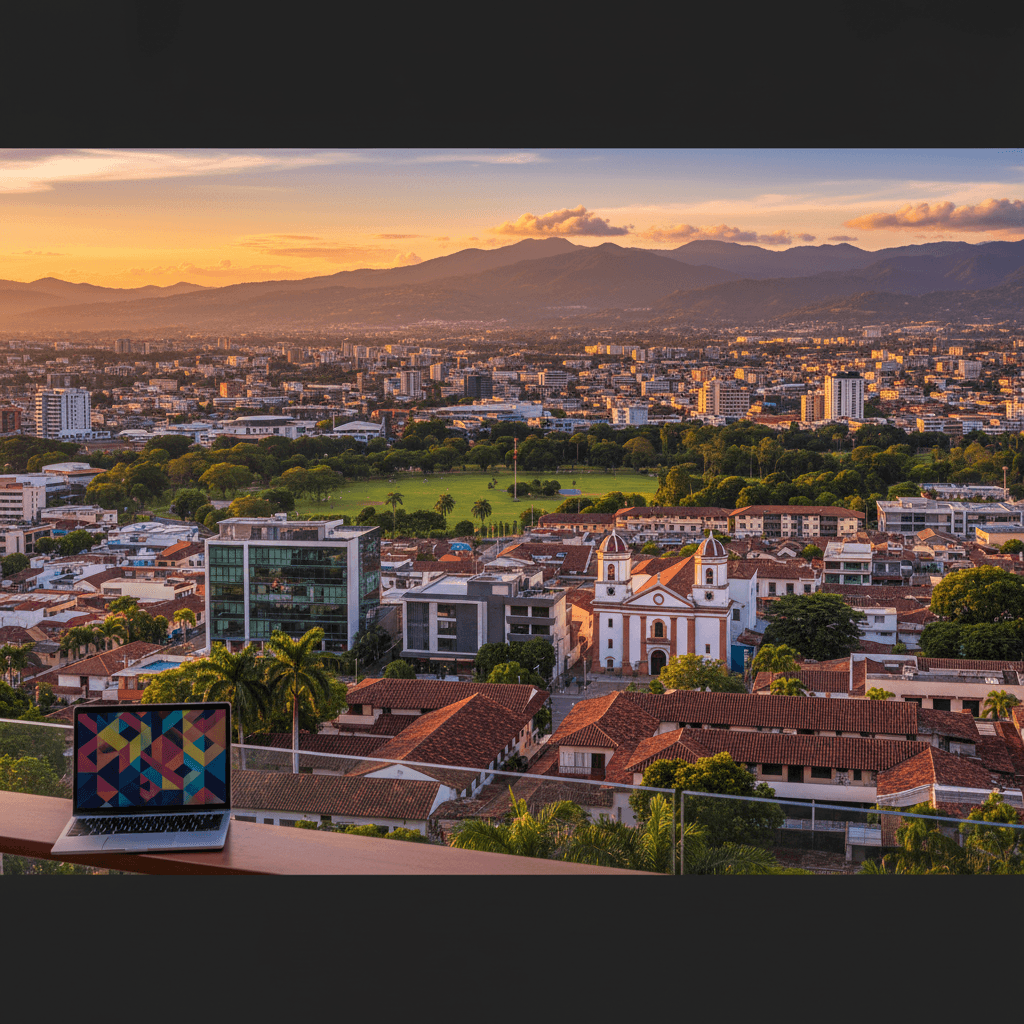
Escazú
🇨🇷 Costa Rica
Escazú is often called the Beverly Hills of Costa Rica, but that description only tells half the story. While you'll definitely see the glitzy malls and high end SUVs, the real draw for nomads is the sheer reliability of the place. It serves as the perfect "landing pad" or "productivity hub" where you can actually get work done without the spotty internet or humidity induced laptop failures common on the coast.
The vibe here is polished and professional, yet it still retains a distinct Central Valley soul. You’re trading the surfboards of Santa Teresa for sleek glass towers, third wave coffee shops, and some of the best infrastructure in Central America. It’s a place where you can spend your morning on a 75 Mbps fiber optic connection and your afternoon hiking the green hills of Pico Blanco. It’s less about "finding yourself" in a yoga retreat and more about high performance living with a tropical backdrop.
The Daily Grind and Digital Infrastructure
If your job depends on video calls and heavy uploads, Escazú is your safest bet in the country. Most nomads gravitate toward WeWork Escazú Village, which is widely considered the gold standard for coworking in the region. A day pass typically $25-$30, monthly around $250-$350 (check current pricing). If you prefer a more casual setup, the cafes around Multiplaza are filled with remote workers fueled by local pour-overs.
The trade-off for this convenience is the price tag. Escazú isn't a budget destination. You’re paying for the proximity to CIMA Hospital (the best medical care in the country) and international grocery chains like Auto Mercado where you can actually find your favorite snacks from home. It’s a comfortable, low friction lifestyle that appeals to mid-career professionals and families who want the Costa Rican experience without the logistical headaches.
Where to Plant Your Flag
Choosing a neighborhood here depends on how much you want to rely on your feet versus an Uber. The area is hilly and car-centric, so location matters.
- Central Escazú: This is the heartbeat for nomads. It’s walkable to the Multiplaza mall and Escazú Village. You’ll find modern apartments and a high concentration of international dining. Expect to pay $1,200 to $1,800 for a quality studio.
- Trejos Montealegre: A quieter, safer pocket favored by families and long term expats. It’s greener and more residential but you’ll likely want a car or a dedicated Uber budget for errands.
- Santa Ana: Just a ten minute drive west, this "twin town" feels slightly more relaxed and less vertical than Escazú. It has a thriving expat community and trendy spots like City Place.
Cost of Living Breakdown
Your monthly burn rate in Escazú will likely be the highest in Costa Rica, but the value comes through in the quality of life. Travelers often say that while they spend more here, they also save money by not having to deal with the "tourist tax" and inflated shuttle prices found in beach towns.
- Housing: A comfortable one bedroom in a modern building typically costs between $1,500 and $2,200. Budget options on the outskirts can be found for around $1,000.
- Dining: A casual lunch at a "soda" (local eatery) is $8, but a dinner at a trendy international spot will easily hit $30 to $50 per person.
- Transportation: Uber and DiDi are the lifelines here. Most trips within the district cost $5 to $15. If you’re staying long term, a car rental averages $400 a month.
The Reality Check
It’s not all sunshine and smooth pavement. Traffic in Escazú can be brutal during rush hour, turning a five minute zip to the grocery store into a twenty minute crawl. You also won't find that "toes in the sand" feeling here. It’s a mountain suburb, meaning the weather is cooler and rainier than the coast, especially in the afternoons. However, for the nomad who needs a functional, safe, and sophisticated base to scale their business before heading to the jungle, Escazú is unmatched.
The Price of Pura Vida in the Hills
Escazú is widely known as the Beverly Hills of Costa Rica, and the price tags generally reflect that reputation. While you can find cheaper corners of the Central Valley, most nomads choose this area specifically for its high end reliability. You are paying a premium for fiber optic internet that actually stays on, international hospitals like CIMA, and the convenience of walking into Multiplaza for anything you need.
A comfortable monthly budget for a solo nomad usually lands between $2,500 and $4,000. If you are strictly watching your colones, you might squeeze by on $1,500 to $2,000, but that often means living on the fringes of the district or skipping the trendy dining scene that makes Escazú attractive in the first place.
Monthly Budget Breakdowns
To help you plan your stay, here is how the costs typically shake out across different lifestyle tiers.
The Budget Nomad ($1,500 to $2,500 per month)
- Rent: $800 to $1,200 for a studio or small apartment on the edge of town.
- Food: Sticking to local sodas (small family run restaurants) where a casado costs $5 to $8.
- Transport: Using the local public bus for $1 per ride and walking where possible.
- Workspace: Working from laptop friendly cafes or basic common areas.
The Mid Range Professional ($2,500 to $4,000 per month)
- Rent: $1,500 to $2,200 for a modern 1 bedroom in central Escazú.
- Food: A mix of home cooking and dinners at mid range spots where a meal is $15 to $25.
- Transport: Frequent Uber or DiDi rides, which usually cost $5 to $15 around the city.
- Workspace: A dedicated hot desk at a spot like WeWork Escazú Village for about $200 to $300 a month.
The Luxury Expat ($4,000+ per month)
- Rent: $2,200 and up for high rise condos or homes in gated communities like Trejos Montealegre.
- Food: Regular visits to upscale international restaurants where dinner starts at $40 or $50 per person.
- Transport: Long term car rentals or private drivers, with SUV rentals often exceeding $400 monthly.
- Workspace: Private office suites or premium coworking memberships.
Daily Connectivity and Logistics
Internet is one area where you get what you pay for. Escazú offers some of the most stable fiber optic connections in the country, often hitting 75 Mbps to 100 Mbps. This makes it a favorite for those with heavy Zoom schedules who can't risk the spotty signals found in beach towns like Santa Teresa.
For mobile data, grab a prepaid SIM from Kolbi or Movistar. Expect to pay around $10 to $20 for a generous data package of 20GB to 50GB. This serves as a vital backup if you decide to take your work to a cafe near the Multiplaza mall for the afternoon.
Getting around is straightforward but can get pricey if you rely solely on cars. While the bus to San José is only about $1, most expats prefer Uber for safety and speed. If you are heading to or from SJO airport, a 30 minute Uber ride typically costs between $20 and $40 depending on traffic and the time of day. Just keep an eye on the clock; Escazú is notorious for heavy congestion during rush hour, which can turn a short trip into an expensive crawl.
For Digital Nomads: Central Escazú
If you're coming to Costa Rica to actually get work done, Central Escazú is your base. This is the heart of the modern metro area where you'll find the highest concentration of fiber optic internet, typically averaging 75 Mbps. It's the most walkable part of the district, putting you within a short stroll of international dining and retail hubs like Multiplaza.
Most nomads gravitate toward the Escazú Village area. It's home to WeWork, which is the gold standard for reliable workspace in the city. A day pass there runs about $25, but the networking opportunities with other remote professionals make it worth the spend. You'll find plenty of cafes nearby that are friendly to laptop users, provided you're buying a few coffees throughout the day.
- Rent (1BR): $1,500 to $2,200
- Coworking: $150 to $300 per month
- Vibe: High energy, modern, and efficient.
For Long-Term Expats: Santa Ana
Technically a neighboring municipality, Santa Ana is so closely linked to Escazú that most residents treat them as one large area. Expats recommend Santa Ana if you want a slightly lower density and a more suburban feel without losing access to high-end amenities. It has a distinct identity with trendy cafes and a very active expat community that makes it easy to find your social circle quickly.
The main trade-off here is the commute; it's a bit further from the airport and downtown San José. While it's generally safe, travelers often mention keeping an eye out for petty theft in public spaces. The internet is just as reliable as Escazú, but you'll likely want a car or a healthy Uber budget to get around, as things are more spread out.
- Rent (Studio/1BR): $1,200 to $1,800
- Transport: Uber trips to central hubs usually cost $5 to $15.
- Vibe: Relaxed, upscale, and community-oriented.
For Families: Western Escazú and Trejos Montealegre
Families usually look toward the western pockets of Escazú, particularly neighborhoods like Trejos Montealegre. This area is characterized by gated communities and quiet residential streets. It's the preferred choice for those who prioritize security and proximity to international schools and parks. You're still close to CIMA Hospital, which is the top-rated medical facility in the country with English-speaking staff.
While these neighborhoods are peaceful, they aren't very walkable. You'll definitely need a vehicle for grocery runs and school drops. Monthly car rentals start around $400, though many long-term residents eventually buy a vehicle to avoid the high rental insurance costs. It's a trade-off for the privacy and green space that you won't find in the more commercial center.
- Rent (Large 1BR/2BR+): $2,200+
- Healthcare: Immediate access to CIMA and pharmacies like Fischel.
- Vibe: Safe, green, and quiet.
For Solo Travelers and Budget Seekers: Multiplaza Area and San José Edges
If you're traveling solo and want to be where the action is, staying near the Multiplaza mall is your best bet. It's the social anchor of the area. You'll find the most "city" feel here, with plenty of bars and restaurants that stay active into the evening. While Escazú isn't known for being cheap, solo travelers can find better deals on the edges of the district or closer to La Sabana park.
For those watching their colonnes, looking toward the San José city limits can drop your rent significantly. You might find a studio for $800 to $1,200 if you're willing to sacrifice the "luxury suburb" aesthetic for a more local experience. Just keep in mind that traffic can be a nightmare during peak hours, so if you're staying on the outskirts, plan your movements between 10:00 AM and 3:00 PM to avoid getting stuck in gridlock.
- Rent (Studio): $800 to $1,200
- Meals: $5 to $8 for local sodas; $15 to $25 for mid-range dining.
- Vibe: Social, convenient, and varied.
Connectivity and Speed
If you are coming from a beach town like Santa Teresa or Nosara, the first thing you will notice in Escazú is the jump in reliability. The San José metro area is the country's infrastructure hub, meaning fiber optic connections are the standard rather than a luxury. Most modern apartments and rentals here easily provide download speeds averaging 200 Mbps or higher, and it is not uncommon to find high-end units pushing 100 Mbps or more.
Power outages do happen occasionally during the peak of the rainy season, but they are usually brief. For a safety net, pick up a local prepaid SIM card from Kolbi or Movistar. You can get 20GB to 50GB of data for roughly $10 to $20, which is more than enough to tether your laptop if the WiFi blips during a Zoom call. Most nomads find that the 4G and 5G coverage across Escazú is stable enough to act as a primary backup.
Top Coworking Spaces
Escazú has a professional, corporate energy that differentiates it from the rest of Costa Rica. You won't find many people working in hammocks here; instead, it is about ergonomic chairs and air conditioning. The heavy hitter in the area is WeWork Escazú Village. It is widely considered the best spot in the city for focused deep work, featuring a 4.8 star reputation among the remote community. A day pass will run you about $25, while monthly memberships typically land between $200 and $300.
If you prefer a more local or boutique feel, there are several smaller hubs near Avenida Escazú and Multiplaza. These areas are packed with expats and entrepreneurs, making them great for networking. While Santa Ana is a short 10 to 15 minute drive away, many nomads treat the two towns as one large workspace, often hopping over to Santa Ana for its trendy, smaller cafes that offer a quieter alternative to the Escazú malls.
Cafe Culture and Laptop Spots
Working from cafes is a legitimate part of the culture here. Unlike some European cities where you might get side-eyed for staying too long, many spots around Multiplaza and Trejos Montealegre are used to the laptop crowd. You can usually get away with working for a few hours for the price of a $4 latte. Some of the most popular spots for a nomadic afternoon include:
- Escazú Village: This open-air complex has several coffee shops with strong WiFi and plenty of power outlets.
- Avenida Escazú: A high-end lifestyle center where you'll find plenty of professionals typing away between meetings.
- District 4: Located in Guachipelín, this area has a mix of Starbucks and local roasters that are generally quiet during weekday mornings.
Digital Nomad Costs
Living in the "Beverly Hills of Costa Rica" comes with a price tag to match. While you are paying for the best infrastructure in the country, your monthly burn rate will be higher than in the rural provinces. Most professionals find they need a budget of at least $2,500 to $4,000 to live comfortably here. Here is how the work-related costs break down:
- Coworking Day Pass: Expect to pay $15 to $25 depending on the amenities.
- Monthly Coworking Desk: Prices range from $150 to $300 for a dedicated spot.
- Coffee and Snacks: A mid-range lunch at a cafe will cost $15 to $25, while a quick grab-and-go snack is around $5 to $10.
- Transportation: Uber is the most reliable way to get between coworking hubs, usually costing $5 to $15 per trip within the Escazú and Santa Ana corridor.
While it lacks the tropical "jungle vibe" of the coast, Escazú is the place to be when you have a heavy deadline or a week of intense meetings. It provides a level of city reliability that allows you to get your work done efficiently so you can spend your weekends exploring the beaches or volcanoes just a few hours away.
Keeping Peace of Mind
Escazú is widely considered one of the safest pockets in the Central Valley. Because it is an affluent suburb, you will see a lot of private security and gated communities, which helps keep violent crime rates very low. Most nomads feel perfectly comfortable walking to Multiplaza or Escazú Village during the day without a second thought.
That said, don't let the manicured lawns fool you into total complacency. Petty theft is the most common headache here. It usually happens when someone leaves a laptop bag on a car seat or a phone on an outdoor cafe table. Expats generally recommend the following safety habits:
- Use Uber or DiDi at night: While Escazú is safe, walking between poorly lit residential blocks after dark isn't ideal. A ride usually costs under $10 and saves you the worry.
- Mind your tech: If you are working from a public cafe, keep your gear within reach. Don't leave your workstation unattended to grab a refill.
- Avoid downtown San José after dark: While Escazú is chill, the city center a few miles east gets much sketchier once the sun goes down. Keep your urban exploring to the daylight hours.
World Class Medical Care
One of the biggest perks of basing yourself in Escazú is the proximity to top tier healthcare. You aren't just getting "good for Central America" care; you are getting some of the best private hospitals in the world. Many people actually travel here specifically for medical tourism because the standards are so high and the prices are lower than in the US.
CIMA Hospital is the gold standard in the area. It is located right in Escazú, and almost all the staff speak fluent English. It feels more like a high end hotel than a clinic. If you have an emergency or just need a specialist, this is where you go.
Pharmacies and Everyday Health
You won't have to look far for a pharmacy. Chains like Fischel are everywhere, often located inside the major malls or near grocery stores like Auto Mercado. Many medications that require a prescription in other countries are available over the counter here, and the pharmacists (regentes) are highly trained and can often give medical advice for minor ailments.
- Emergency Number: Dial 911 for any immediate police or medical crisis.
- Tourist Police: You can reach them at 2521-2250 if you need to report a theft for insurance purposes.
- Water Quality: The tap water in Escazú is generally safe to drink, though many nomads stick to filtered water or 5-gallon jugs for the taste.
Insurance is a requirement for the digital nomad visa, but even if you are just passing through on a tourist stamp, having a solid international plan is smart. Most local private hospitals will expect payment upfront and provide you with the itemized receipts to claim back from your provider later. Expect to pay around $100 to $150 for a standard consultation with a specialist if you are paying out of pocket.
The Ride-Hailing Standard
In Escazú, Uber and DiDi are the undisputed kings of the road. Most nomads find that these apps offer the perfect balance of safety and convenience, especially since drivers are used to navigating the winding hills of the Central Valley. A typical trip within Escazú or over to nearby Santa Ana usually runs between $5 and $15 depending on the time of day.
If you are heading into downtown San José for a change of scenery, expect to pay on the higher end of that scale. While traditional red taxis are available, they can be a bit more expensive and less predictable for those who don't speak fluent Spanish. Stick to the apps for transparent pricing and GPS tracking, which adds a layer of security after dark.
Public Buses and Regional Transit
If you are on a tighter budget or just want to live like a local, the public bus system is surprisingly efficient for getting into the city center. Buses run frequently from central Escazú to San José for roughly $1 per ride. They are reliable during daylight hours, though they can get packed during the afternoon rush when everyone is heading home from work.
For longer weekend trips to the coast, many travelers use private shuttle services or the larger bus terminals in San José. Escazú is a great base because it's positioned right along Route 27, the main artery that leads to the Pacific beaches. You can often skip the worst of the downtown traffic when heading out of town.
Walking and Micromobility
Walkability in Escazú is a mixed bag. Central areas like the neighborhood around Multiplaza or Escazú Village are very pedestrian-friendly, with modern sidewalks and plenty of shops within a ten-minute stroll. However, as you move toward the hills or western gated communities like Trejos Montealegre, the terrain gets steep and sidewalks often disappear.
- Bike and Scooter Rentals: Apps like Spin operate in the flatter, more commercial parts of town. Expect to pay around $5 per hour for a quick zip between cafes.
- Walking: Stick to the main commercial corridors. If you are staying in the hills, you'll definitely want a car or a ride-hailing budget.
- Safety Tip: Keep your phone tucked away while walking near busy intersections to avoid opportunistic petty theft.
Car Rentals and Driving
Expats who plan to stay for several months often recommend renting a car for total flexibility. A monthly rental will typically cost $400 or more, and that price can spike during the high season. Driving in Escazú requires a bit of patience, as the infrastructure hasn't quite kept up with the rapid development, leading to heavy congestion during peak hours.
Parking is generally easy to find at the big malls and coworking hubs like WeWork, but street parking in the older parts of town is tight. If you do drive, always use a guarded lot or a "parqueo" to keep your vehicle secure.
Getting to and from SJO
Juan Santamaría International Airport (SJO) is conveniently close. On a good day with light traffic, you can make the trip in 20 to 30 minutes. An Uber or official airport taxi will cost between $20 and $40. Most nomads recommend booking an Uber for the return trip to the airport, as it's often cheaper than the orange airport taxis and just as reliable for those early morning flights.
The Language Landscape
Spanish is the official language of Costa Rica, but Escazú is a bit of an outlier. Because it functions as the country's primary expat and diplomatic hub, you'll find a higher density of English speakers here than almost anywhere else in the Central Valley. In high end spots like Multiplaza Escazú or the trendy cafes in Escazú Village, the staff usually switch to English the moment they spot an accent. It makes the initial transition very easy for nomads who haven't mastered their conjugations yet.
That said, don't expect a total English bubble. While doctors at CIMA Hospital and staff at boutique hotels are fluent, the local reality often requires some Spanish. Interacting with bus drivers on the route to San José, chatting with vendors at the weekly Feria (farmers market), or coordinating with a local landlord usually goes much smoother if you have the basics down. Most nomads find that a "Spanglish" approach works for daily errands, but learning the local slang will earn you much more respect from the Ticos.
Pura Vida and Local Lingo
You can't talk about communication here without mentioning Pura Vida. It literally means "pure life," but it's used for hello, goodbye, everything is good, and even "don't worry about it." It's the ultimate social lubricant. If you're running five minutes late to a meeting at WeWork, a quick "Pura Vida" and an apology usually smooths things over.
Locals also use Tico (male) and Tica (female) to refer to themselves. You'll hear the word Upe! shouted at front doors instead of a knock, and Con gusto replaces the standard Spanish "de nada" for "you're welcome." Using these small localisms is the fastest way to transition from a temporary tourist to a recognized member of the community.
Staying Connected
Reliable communication depends on your tech setup. For mobile data, most expats recommend grabbing a prepaid SIM card from Kölbi or Movistar. You can pick these up for about $10 to $20, which typically gets you 20GB to 50GB of data. Kölbi, the state owned provider, generally has the best coverage if you plan on taking weekend trips to more remote mountain areas, while Movistar and Claro are solid within the Escazú and Santa Ana city limits.
For home or office use, Escazú is a powerhouse. Fiber optic internet is the standard in most modern apartments, with speeds averaging 200 Mbps and often hitting 500+ Mbps in the newer developments. If you're working remotely, you won't struggle with Zoom calls or heavy uploads here like you might in the coastal surf towns. Most cafes around Avenida Escazú are work friendly and provide stable WiFi for the price of a latte.
Practical Communication Tips
- Download WhatsApp: This is the primary way everyone communicates, from booking a hair appointment to messaging your Uber driver or landlord. If a business doesn't have a WhatsApp number, they basically don't exist.
- Waze is King: For navigating the confusing, often unnamed streets of Escazú, Google Maps often fails. Use Waze; it's the local gold standard for avoiding the notorious 5:00 PM traffic jams.
- Translation Apps: Keep Google Translate or DeepL on your phone for reading menus at traditional Sodas (local diners) where English menus are less common.
- Emergency Numbers: Dial 911 for general emergencies. For specific tourist related issues, keep the Tourist Police number 2521-2250 saved in your contacts.
While you can survive in Escazú with zero Spanish, your experience will be much richer if you put in the effort. The community is welcoming, and even a clumsy "Buenos días" goes a long way in building rapport with your neighbors in Trejos Montealegre or the local shopkeepers in Central Escazú.
The Central Valley Microclimate
Escazú sits in a sweet spot of the Central Valley. Because of its elevation, it avoids the sweltering, humid heat you'll find down on the coast in places like Manuel Antonio or Jacó. Instead, you get a spring-like climate where the days are warm and the evenings are cool enough that you might actually want a light sweater. Temperatures usually hover between 65°F and 80°F year-round, making it one of the most comfortable places to live if you aren't a fan of constant air conditioning.
The weather here is defined by two main seasons. The dry season, which locals call summer, runs from December through April. This is when the sky stays a crisp blue and the breeze picks up. The rainy season, or winter, takes over from May to November. Don't let the "rainy" label scare you off; most days follow a predictable pattern of sunny mornings followed by a heavy downpour in the mid-afternoon. It's actually a great rhythm for work. You can hit a cafe in the morning, get your deep work done while the rain falls, and then head out for dinner once it clears up.
When to Make Your Move
If you want the absolute best weather, aim for the "bridge" months of December and January. The landscape is still incredibly green from the recent rains, but the sun is out and the humidity is low. It's the peak of the social season, though you'll pay a premium for short-term rentals during this window. If you're on a tighter budget, May and June are fantastic. The crowds thin out, prices for mid-range apartments often drop, and the afternoon showers keep the dust down.
September and October are the only months where the rain can truly get relentless. This is the peak of the hurricane season in the Caribbean, which often pulls moisture across the country and leads to "temporales," or days where it rains from morning until night. If you're planning a short stint to scout the area, maybe skip these two months unless you really love the sound of rain on a tin roof while you're grinding at WeWork.
Lifestyle and Seasonal Planning
Nomads who stay long-term often use Escazú as their "productivity hub" during the rainy season. Since the town has the best infrastructure in the country, including reliable fiber optic speeds of 75 Mbps or higher, it's the perfect place to hunker down when the beach roads get muddy. When the dry season hits in January, most people use their weekends to escape to the coast, taking advantage of the fact that the sunny weather is guaranteed.
- Peak Season (December to April): Perfect blue skies, highest rental prices, and a very active social scene in the Multiplaza area.
- Green Season (May to August): Lush scenery, occasional afternoon rain, and better deals on boutique stays.
- Rainy Peak (September to November): Frequent heavy rain, lowest tourist numbers, and the best time for focused, indoor work.
One thing to keep in mind is that Escazú's hilly terrain means weather can change fast. If you're staying in the higher reaches of San Antonio, it'll be several degrees cooler and significantly foggier than down in the commercial center of Trejos Montealegre. Most expats recommend choosing your neighborhood based on how much you enjoy the "cloud forest" vibe versus the warmer, suburban feel of the valley floor.
The Escazú Vibe
Escazú is often called the Beverly Hills of Costa Rica, but don't let the nickname fool you into thinking it's all glitz and no substance. For digital nomads, this is the country's functional heart. It's where you go when you need 75 Mbps fiber optic internet that doesn't drop during a tropical thunderstorm and a desk at WeWork Escazú Village to crush a deadline before heading to the coast.
The pace here is a manageable middle ground. It lacks the frantic energy of downtown San José but keeps enough momentum to feel productive. You'll find a heavy expat presence and a high concentration of English speakers, making it a soft landing spot if your Spanish is still a work in progress. Just be prepared for the trade off: you're swapping surf breaks for high end shopping malls and world class dining.
Cost of Living Breakdown
Living in the "Golden Triangle" comes with a higher price tag than the rural countryside. You're paying for infrastructure and convenience. Most mid range nomads find they need between $2,500 and $4,000 per month to live comfortably here.
- Housing: A modern one bedroom in central Escazú typically runs between $1,500 and $2,200. If you look toward the edges of town or Trejos Montealegre, you might snag a studio for $1,000.
- Food and Dining: Local "sodas" serve up hearty casados for $8, but the international spots around Multiplaza will easily set you back $30 to $50 for dinner.
- Connectivity: A monthly hot desk at a professional coworking space costs about $200 to $300, while a day pass is usually $25.
Where to Plant Your Flag
Each pocket of Escazú serves a different purpose for your stay. Central Escazú is the primary hub for nomads who want to be within walking distance of Multiplaza and international restaurants. It's the most convenient area, though the traffic can be a headache during rush hour.
For a quieter, more residential feel, Trejos Montealegre in Western Escazú is a favorite for families and long term expats. It's safe and filled with green spaces, though you'll definitely want a car or a reliable Uber budget to get around. If Escazú feels too polished, many travelers head to Santa Ana just down the road. It has a slightly more laid back, trendy cafe culture and a tight knit expat community, though petty theft is a bit more common there.
Staying Connected and Healthy
Internet reliability is the biggest draw for remote workers. While the national average is high, Escazú is specifically built for tech. Most rentals come with fiber already installed. For a backup, grab a prepaid Kolbi or Movistar SIM card at the airport or a local kiosk; $20 usually gets you plenty of data for the month.
Safety is generally high, especially in gated communities and well lit commercial zones. Use common sense in crowded malls to avoid pickpockets and stick to Uber or DiDi after dark rather than walking through unfamiliar areas. If you do run into trouble, CIMA Hospital is right in the neighborhood. It's one of the best private hospitals in Central America and most of the staff speaks fluent English.
Getting Around Town
While central pockets are walkable, Escazú is largely a car dependent suburb. Uber and DiDi are incredibly reliable and inexpensive for short hops, usually costing between $5 and $15 to get across the district or into San José. Buses are an option for the budget conscious at about $1 per ride, but they can be confusing for newcomers.
If you're planning to explore the mountains or head to the beach on weekends, a monthly car rental is your best bet, though it'll add at least $400 to your monthly expenses. For a quick trip from SJO airport, an Uber takes about 20 to 30 minutes and costs roughly $25, depending on the time of day.
Need visa and immigration info for Costa Rica?
🇨🇷 View Costa Rica Country GuideHidden Gem
Worth the effort