Denpasar (Jimbaran)
🇮🇩 Indonesia
The Authentic Alternative to the Hype
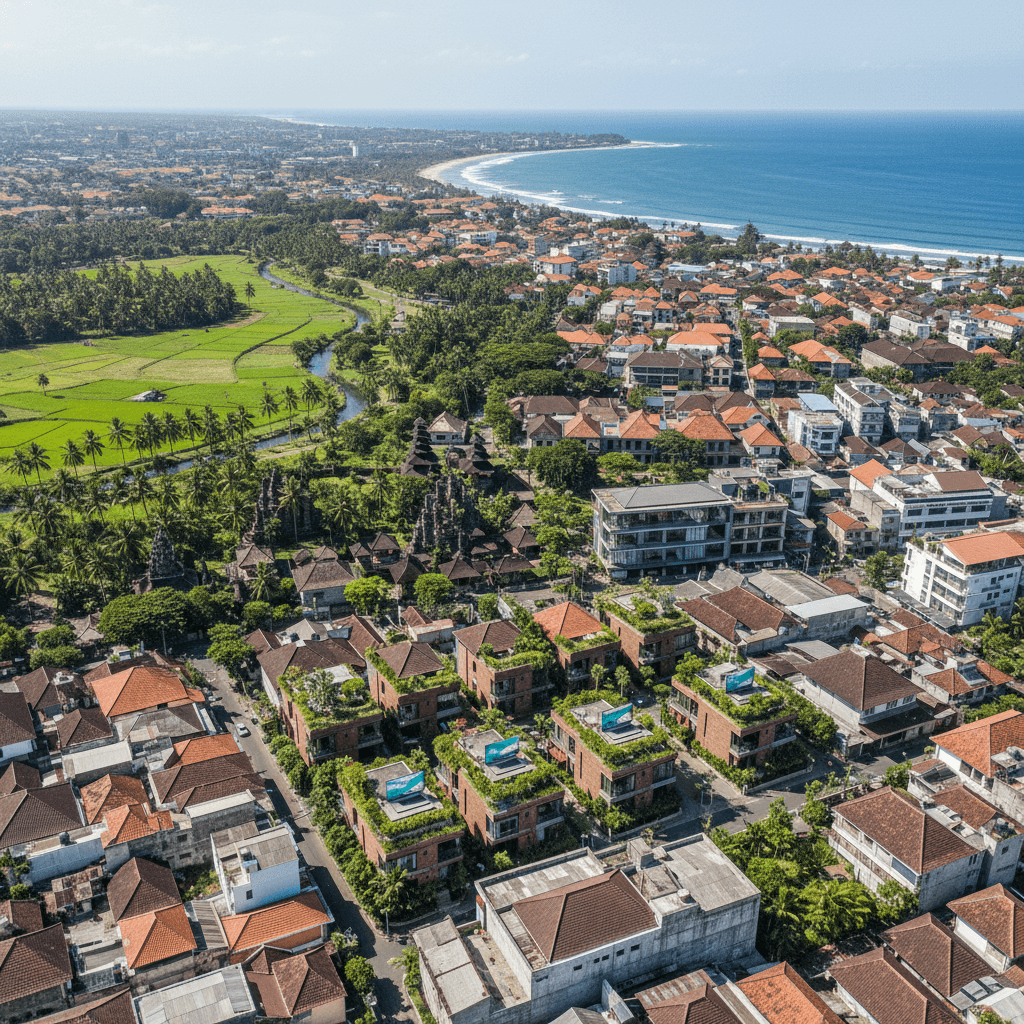
If Canggu is the loud, neon-soaked party that never sleeps, Jimbaran and the quieter corners of Denpasar are the soulful after-party where you actually get to hear yourself think. While most of the nomad world gravitates toward the traffic-clogged streets of the north, Jimbaran offers a rare glimpse of the Bali people used to come here for. It is a place of golden-hour rituals, where the scent of coconut-husk fires from the beachside seafood warungs replaces the smell of scooter exhaust.
The vibe here is decidedly local and unhurried. You won't find a line of influencers waiting for a smoothie bowl at every corner. Instead, you'll find fishermen hauling in the morning catch at the Kedonganan Market and families gathering on the sand to watch the sunset. It is a neighborhood that feels lived-in rather than curated, making it a favorite for nomads who have outgrown the "scene" and want a more grounded, authentic experience.
The Nomad Trade-Off
Living here requires a bit more intentionality than in the more established hubs. You won't find a coworking space on every block, and the social calendar isn't handed to you on a silver platter. Most nomads who settle in Jimbaran or Sanur do so because they value deep work and a lower cost of living over constant networking. You'll likely find yourself working from laptop-friendly spots like Colabo Cafe or making the occasional trek to the more built-out spaces in the south.
The trade-off for the lack of "nomad infrastructure" is a significantly lighter hit to your wallet. You can find a comfortable studio for around $400 to $600 a month, and a local lunch at a warung will rarely set you back more than $2. It’s the kind of place where you can live well on a mid-range budget of $1,000 without feeling like you're pinching pennies.
Where to Plant Your Flag
Each pocket of the Denpasar and Jimbaran area has its own distinct personality. Depending on whether you want sunrise views or sunset seafood, your experience will change drastically.
Jimbaran
- The Vibe: Laid-back, coastal, and family-oriented. Famous for its long arc of white sand and world-class seafood dinners on the beach.
- Best For: Budget-conscious remote workers and surfers who want to be close to the Bukit Peninsula's best breaks without the high prices.
- Pros: Affordable villas, easy airport access, and a much slower pace of life than the tourist centers.
- Cons: Limited nightlife and a smaller community of fellow nomads, which can feel isolating if you don't seek out meetups.
Sanur (East Denpasar)
- The Vibe: The "grown-up" version of Bali. It’s calm, walkable, and features a long paved boardwalk that’s perfect for morning cycles.
- Best For: Slow travelers, families, and those who prefer sunrises and calm, swimmable waters over crashing surf.
- Pros: Excellent infrastructure, international schools, and the primary gateway to the Nusa islands via the new Sanur Harbour.
- Cons: Generally more expensive than Jimbaran and can feel a bit "sleepy" for younger solo travelers.
Denpasar City
- The Vibe: Pure, unadulterated Bali. This is the administrative heart of the island, filled with bustling markets and local temples.
- Best For: True culture seekers and long-termers who want the lowest possible rent and don't care about being right on the beach.
- Pros: Deeply authentic, incredibly cheap food, and central access to all parts of the island.
- Cons: Chaotic traffic, less green space, and very few Western-style amenities or coworking options.
Choosing Jimbaran or Sanur means choosing a different rhythm. It’s about trading the frantic energy of a startup hub for the steady beat of a Balinese village. You’ll spend less time "networking" and more time actually living, whether that’s sharing a $2.13 Bintang with a neighbor or finding a quiet corner of the beach that isn't tagged on Instagram. For many, that’s exactly why they stay.
The Bottom Line: What to Expect
Living in the Denpasar and Jimbaran areas is significantly easier on the wallet than the skyrocketing prices of Canggu or Uluwatu. While the rest of Bali sees a surge in "luxury nomad" pricing, Jimbaran remains a stronghold for those who want a high quality of life without the five star price tag. You can live quite comfortably here on $1,100 a month, whereas that same budget might feel tight in the trendier western neighborhoods.
Most nomads find that their biggest variable is housing. If you're willing to live like a local in a modern "kost" (an Indonesian style studio apartment), your costs will plummet. If you need a private pool and a western kitchen, expect to pay a premium, though still less than you'd find in Europe or the US.
Monthly Budget Tiers
- The Budget Nomad ($500 to $700): This tier covers a clean, simple room in a guesthouse or kost, eating primarily at local warungs, and driving your own scooter. It's a modest life, but you're still living by the beach.
- The Mid-Range Professional ($900 to $1,300): This is the sweet spot for most remote workers. It covers a nice one bedroom apartment or a small private bungalow, regular cafe visits, a few nights of seafood dinners in Jimbaran, and a coworking membership.
- The High-End Resident ($1,800+): At this level, you're looking at a two or three bedroom villa with a private pool, a car instead of a scooter, and frequenting upscale spots like Sundara or Ayana Resort for sunset drinks.
Housing and Accommodation
Jimbaran offers some of the best value for long term stays. Unlike the city center of Denpasar, which is crowded and loud, Jimbaran has pockets of quiet residential streets. A studio or one bedroom in the city center typically runs between $250 to $400, but most nomads prefer the coastal side where a decent apartment costs between $300 and $550.
If you're looking for a villa, Jimbaran is a goldmine for families or groups. You can find a 2 or 3 bedroom villa with a pool for $1,500 to $2,500. In Canggu, that same property would easily clear $4,000. Expats recommend checking Facebook Marketplace or local "Bali Rent" groups rather than Airbnb to find the best local rates.
Food and Dining
The food scene here is a mix of authentic Balinese flavors and high end seafood. A meal at a local warung, like the famous Warung Mak Beng in Sanur or local spots in Jimbaran, will cost you about $2 to $4 for a plate of rice, fish, and vegetables. It's healthy, fast, and incredibly cheap.
For a mid-range dinner for two at a sit down restaurant, expect to pay around $25. If you're craving home comforts, a cappuccino is usually $1.80 and a large Bintang beer at a beach bar is roughly $2.15. Groceries for a single person usually average $200 a month if you shop at local markets for produce and use supermarkets like Pepito for imported goods.
Transportation and Connectivity
A scooter is the lifeline of any Bali resident. Daily rentals are about $3 to $6, but you can negotiate a monthly rate for around $70 to $100 depending on the bike's condition. If you aren't comfortable driving, the Gojek and Grab apps are essential. A 15 minute ride on a motorbike taxi usually costs less than $2.
Utilities are surprisingly affordable. Most nomads spend about $26 a month on electricity and water for a small apartment. High speed fiber internet is standard in most modern villas, costing around $20 a month for a 50 Mbps connection. If you need a dedicated workspace, a day pass at a coworking space like Karya costs about $14, though many people in Jimbaran prefer working from laptop-friendly spots like Colabo Cafe for the price of a coffee.
For Digital Nomads and Remote Workers
If you're coming to Bali to grind, network, and find your tribe, Canggu is the undisputed heavyweight champion. It's where you'll find the highest density of laptop-friendly cafes and world-class coworking spaces like BWork and Tropical Nomad. Most nomads find the traffic frustrating, but they stay for the community. You can expect to pay between $500 and $750 for a decent one-bedroom apartment here, though prices are climbing fast.
For those who find Canggu too chaotic, Jimbaran is an emerging alternative. It's much quieter and more affordable, with villas often costing 30% less than their Canggu counterparts. The social scene is smaller, but Colabo Cafe at the Jimbaran Hub provides a solid base for deep work. It's the right choice if you prefer a sunset seafood dinner over a 2:00 AM beach party.
- Canggu Rent: $700 to $1,000 for a premium studio.
- Jimbaran Rent: $450 to $700 for a similar setup.
- Coworking: $150 to $300 per month for full memberships.
For Families and Long-Term Expats
Sanur is the gold standard for families and anyone who values a peaceful, walkable lifestyle. Unlike the steep cliffs of the south or the surf breaks of the west, Sanur's beach is protected by a reef, making the water calm and safe for kids. The paved 5km beachfront path is perfect for morning strolls or bike rides, a rarity in Bali's often sidewalk-free landscape.
Expats recommend Sanur because it feels like a real community rather than a revolving door of tourists. You're close to international schools and the Sanur Harbour, which makes weekend trips to Nusa Lembongan easy. While it lacks the "cool" factor of the west coast, the infrastructure is reliable and the vibe is sophisticated.
- Housing: 2 to 3 bedroom villas with pools range from $1,500 to $2,500 monthly.
- Lifestyle: High walkability, great grocery stores, and quiet nights.
- Vibe: Relaxed, mature, and coastal.
For Sophisticated Travelers and Entrepreneurs
If you want to be in the heart of the action but need more polish than Canggu offers, Seminyak is the spot. It's the upscale neighbor where you'll find high-end boutiques, famous beach clubs like Potato Head, and some of the best fine dining on the island. Entrepreneurs often base themselves here to be close to both the Canggu tech scene and the high-end networking opportunities in the luxury resorts.
Living here isn't cheap. A mid-range dinner for two will easily run you $25 to $40, and rent for a luxury villa can soar past $3,000. However, the convenience is hard to beat. You have access to top-tier yoga studios, gym memberships, and reliable fiber-optic internet in almost every cafe.
- Food: $10 to $20 per person for a nice meal.
- Transport: $3 to $6 for daily scooter rentals.
- Pros: Best shopping and dining infrastructure on the island.
For Budget-Conscious Solo Travelers
Solo travelers looking to stretch their dollars often look toward the Denpasar City Center or the outskirts of Jimbaran. While Denpasar city feels more like a local metropolitan area than a tropical paradise, it's where you'll find the most authentic prices. Local warungs serve incredible meals for under $2, and monthly room rentals (kos-kosan) can be found for as low as $150 to $250.
The trade-off is the distance from the beach and the heavy city traffic. Most solo travelers find that staying in Jimbaran offers a better balance; you get the local prices and authentic Balinese culture while remaining just a five-minute scooter ride from the white sands of Muaya Beach. It's a great home base for exploring the Bukit Peninsula on a budget.
- Street Food: $1.50 to $3.00 per meal.
- Local Transport: $1 to $3 for Gojek or Grab rides.
- Monthly Budget: Possible to live comfortably on $800 to $1,100 total.
Connectivity and Speed
Internet in Jimbaran and the wider Denpasar area has improved significantly, moving away from the spotty connections of the past. Most modern villas and guesthouses now run on fiber optic networks like Biznet or IndiHome. You can expect download speeds between 50 Mbps and 100 Mbps in established neighborhoods, though it's always smart to ask for a speed test screenshot before committing to a monthly rental.
Mobile data is your best safety net. Local SIM cards from Telkomsel offer the most reliable coverage across the Bukit Peninsula. You can pick up a 25GB to 50GB data package for roughly $10 to $15 USD. Many nomads use their phones as a hotspot during the occasional power flicker or when working from a beachside warung that doesn't have its own router.
Top Coworking Spots in Jimbaran
While Jimbaran isn't as saturated with desks as Canggu, it offers a more focused environment without the "see and be seen" distractions. The community here is smaller, meaning you'll actually get to know the people sitting next to you.
- Colabo Coworking: Located within the Jimbaran Hub, this is the go-to spot for the area. It features indoor air-conditioned spaces, outdoor areas surrounded by greenery, and meeting rooms. It feels more like a creative campus than a sterile office.
- Jimbaran Hub: This is the broader complex housing Colabo. It's a multipurpose space where expats often gather for events, making it the best place to network if you're staying in the south.
- Livingwell: While technically a cafe, many remote workers treat it as a secondary office. The chairs are comfortable, the power outlets are accessible, and the coffee is strong enough to fuel a long afternoon of deep work.
Laptop-Friendly Cafes
If you prefer the hum of a coffee shop over a dedicated coworking space, Jimbaran has several reliable options. Most owners are happy for you to stay for a few hours if you're ordering food and drinks. Just be mindful of the lunchtime rush.
- The Coffee Club: Located near the beach, it offers reliable AC and stable WiFi. It's a bit more "corporate" but very dependable for video calls.
- Samasta Village: This open-air mall has several cafes like Tanamera Coffee. It's a great spot for morning sessions before it gets too hot, and the internet is generally fast enough for heavy uploads.
- Balique: A beautiful Mediterranean-style spot. It's better for light admin work or emails rather than intense coding, mostly because the decor is so nice you'll find yourself getting distracted by the aesthetics.
Venture into Nearby Hubs
If you find yourself needing a high-energy networking environment, the massive hubs of Canggu are about 45 to 60 minutes away depending on the bypass traffic. Many Jimbaran residents make the trek once or twice a week just to hit spaces like BWork or Tropical Nomad. Day passes there usually run around $14 to $18 USD. It's a good way to balance the quiet, affordable life of Jimbaran with the social intensity of the northern nomad scene.
Practical Remote Work Tips
Power outages are less frequent than they used to be, but they still happen during the rainy season. Investing in a small power bank for your phone and ensuring your laptop is fully charged every morning is a standard nomad habit here. If you're doing a lot of video calls, try to schedule them for the morning. The afternoon heat can sometimes cause older routers to struggle, and the tropical 4 PM rainstorms can occasionally interfere with signal stability.
Most nomads in Jimbaran find that a hybrid approach works best. Use Colabo for your "deep work" days and rotate through the local cafes when you just need to clear your inbox. It's a much more sustainable pace of life than the frantic hustle found in other parts of Bali.
Staying Safe in the Streets
Denpasar and Jimbaran are generally safe, but they require a certain level of street smarts. The most common issue nomads face isn't violent crime, it's petty theft and "snatch-and-grabs." This usually happens when you're on a scooter with your phone in a handlebar mount or your bag slung loosely over your shoulder. Thieves on motorbikes can zip past and grab your belongings before you realize what's happened. Always keep your phone tucked away and put your bag in the under-seat storage (the "jok") of your scooter.
Walking around Jimbaran at night is fine, but stick to well-lit areas. In Denpasar's more local neighborhoods, the sidewalks can be uneven or non-existent, so watch your step to avoid a twisted ankle. If you're heading home after a late seafood dinner on the beach, stick to reputable ride-hailing apps like Gojek or Grab. They're safer and more transparent than flagging down an unmetered taxi on the street. If you must use a traditional taxi, look for the light blue Blue Bird cars, as they always use a meter.
Healthcare and Medical Facilities
You'll find some of Bali's best medical care in this region. If you have a serious emergency, BIMC Hospital in Nusa Dua is the gold standard for expats and travelers. It's about a 15 to 20 minute drive from Jimbaran. They have Western-trained staff and 24-hour emergency rooms. For general check-ups or minor issues in Denpasar, Bali Mandara General Hospital is a reliable choice with modern equipment.
For day-to-day health needs, look for a Kimia Farma or Guardian pharmacy (Apotek). They are everywhere. You can get most basic medications over the counter, but always check the expiry dates. If you get the dreaded "Bali Belly," most nomads recommend getting a "charcoal tablet" from the pharmacy or calling a mobile IV service like The Dose. They'll come to your villa or hotel and hook you up to a hydration drip for around $60 to $100, which usually gets you back on your feet in a few hours.
Practical Health Tips
- Don't drink the tap water: This is the golden rule. Even for brushing your teeth, most expats prefer using bottled or filtered water. High-end villas usually provide a "gallon" (a 19-liter water jug) for $1.50 to $2.00.
- Scooter Safety: The biggest threat to your health in Bali is a bike accident. Never ride without a helmet, even for short trips to the beach. Medical bills for "road rash" or head injuries can skyrocket, and insurance companies often won't pay out if you don't have a valid motorcycle license and a helmet.
- Mosquitoes: Dengue fever is a real risk, especially during the rainy season from November to March. Use repellent with DEET and try to stay in places with good mosquito netting or air conditioning.
- Travel Insurance: Don't skip this. A visit to an international hospital like BIMC can cost $200 just for a consultation and basic tests. Ensure your policy covers "medical evacuation" just in case.
Emergency Contacts
Keep these numbers saved in your phone. Most operators speak enough English to help in a crisis, but having a local friend or villa manager help you call can speed things up. For an ambulance, dial 118. For the police, it's 110. If you're using a foreign SIM card, you may need to dial the country code +62 first.
The Rules of the Road
Getting around Denpasar and Jimbaran is a lesson in patience and local strategy. Unlike Western cities, public transit is nearly non-existent, and the sidewalks in Jimbaran are more for decoration than walking. You'll quickly notice that life here moves on two wheels. If you aren't comfortable on a scooter, you'll be relying heavily on ride-sharing apps, which are fortunately cheap and efficient.
The traffic in the greater Denpasar area can get gnarly, especially during the afternoon rush or when a local ceremony closes down a main artery. Most nomads avoid the Bypass Ngurah Rai during peak hours. If you're heading from Jimbaran to Sanur or the airport, give yourself double the time you think you need.
Scooter Rentals: The Nomad Default
For most, renting a scooter is the first order of business. It’s the only way to weave through the gridlock and access the smaller gangs (alleys) where the best cafes are tucked away. You'll see locals carrying everything from surfboards to families of four on a single bike.
- Daily Rental: Expect to pay between IDR 50,000 and 100,000 ($3 to $6 USD) for a standard Honda Vario or Scoopy.
- Monthly Rental: Long-termers usually snag a deal for IDR 1,200,000 to 2,000,000 ($75 to $125 USD).
- Fuel: A full tank costs about $2 to $3 USD. Look for the "Pertamini" stands or glass bottles of fuel sold on the roadside if you're far from a gas station.
- Requirements: You technically need an International Driving Permit (IDP) and a helmet. Police checkpoints are common in the Jimbaran and Sanur areas, and they specifically look for foreigners without helmets or proper paperwork.
Ride-Sharing Apps: Gojek and Grab
If you don't want to risk the Balinese roads yourself, download Gojek and Grab immediately. These apps are the lifeblood of the island. You can book a car (GrabCar) for comfort or a motorbike taxi (GoRide) to beat the traffic. Most short trips around Jimbaran or into Denpasar city center will only set you back $1 to $3 USD.
Expats often use these apps for more than just rides. You can have groceries, pharmacy items, or a hot meal from a local warung delivered to your villa for a tiny delivery fee. It’s often cheaper to get a Gojek than it is to drive yourself when you factor in parking hassles.
Traditional Taxis and Blue Bird
While ride-sharing is dominant, Blue Bird Taxis are the gold standard for traditional metered cabs. They are reliable and won't try to scam you on the price. You can hail them on the street or use their MyBlueBird app. Avoid the "freelance" drivers at the airport or outside major beach clubs who refuse to use a meter; they’ll often quote you triple the actual price.
A typical 8km taxi ride costs roughly $3.30 USD. If you're arriving at the airport, follow the signs to the official Grab lounge or use the Blue Bird desk to avoid the chaotic swarm of independent drivers in the arrivals hall.
Walking and Micromobility
Jimbaran is slightly more spread out than the dense streets of Seminyak. While the beach itself is great for a sunset stroll, walking between neighborhoods is tough due to the heat and lack of continuous pavement. Sanur is the exception here; it features a 5km paved beachfront path that’s perfect for cycling or walking. Many nomads in Sanur rent a bicycle for about $2 USD a day to get around the immediate coastal strip.
Car Rentals and Private Drivers
Renting a car without a driver is rare and generally discouraged for newcomers because of the aggressive driving style and narrow roads. However, hiring a private driver for the day is a popular move for weekend trips to Uluwatu or North Bali. A full day (8 to 10 hours) typically costs between $35 and $50 USD, including fuel and the driver's time. It’s a stress-free way to see the sights while you catch up on emails in the backseat.
The Linguistic Landscape
In Denpasar and Jimbaran, you'll find a layered language environment. While Bahasa Indonesia is the national language and what you'll hear in government offices or banks, Balinese remains the heart and soul of local life. It's the language of ceremonies, family, and village gatherings. Most locals are bilingual, switching between the two effortlessly.
Jimbaran is a bit of a middle ground compared to the rest of Bali. Since it's a major tourism hub for seafood and luxury resorts, English is widely spoken in service roles. However, if you venture into the local markets or smaller warungs in the heart of Denpasar, English proficiency drops significantly. You won't need to be fluent to survive, but knowing the basics goes a long way in building rapport.
The "Bule" Tax and Language
Expats often mention that even a tiny bit of effort with the language changes the vibe of an interaction. Using Balinese greetings like Om Swastiastu (a formal hello) or Suksma (thank you) instead of the Indonesian equivalents shows a level of respect for the local culture that goes beyond the average tourist. It can sometimes even help you secure the "local price" at traditional markets where haggling is expected.
Key Phrases for Your Daily Life
- Suksma / Matur Suksma: Thank you (Balinese). You'll see locals' faces light up when you use this instead of the Indonesian "Terima Kasih."
- Berapa? / Berapa harganya?: How much? (Indonesian). Essential for market runs.
- Bisa kurang?: Can you go lower? Use this when negotiating scooter rentals or market goods.
- Minta...: I would like... (Indonesian). Use this to order food. For example, "Minta Nasi Goreng."
- Pedas / Tidak Pedas: Spicy / Not spicy. This is vital if you aren't ready for the heat of local sambal.
Staying Connected: SIM Cards and Data
Reliable data is the lifeblood of any nomad in Bali. While your villa or cafe will likely have fiber, you'll need a local SIM for Gojek or Grab rides and Google Maps. Most nomads recommend Telkomsel. It has the best coverage across the island, especially if you plan on taking weekend trips to more remote areas.
You can pick up a SIM at the airport, but you'll pay a premium. If you can wait, head to a local cell shop in Jimbaran or Denpasar. Expect to pay around IDR 150,000 to 250,000 ($10 to $16 USD) for a decent data package of 25GB to 50GB. Make sure the shop registers your phone's IMEI. Indonesia has strict rules about this; if your phone isn't registered, your SIM will stop working after a few days.
Essential Apps for Communication
- WhatsApp: This is the primary way everyone communicates. From booking a dentist appointment to talking to your landlord or ordering a water delivery, it happens on WhatsApp.
- Google Translate: The "Camera" feature is a lifesaver for translating menus or signs that aren't in English.
- Gojek / Grab: These aren't just for rides. They have built in chat features with auto translate, making it easy to tell your driver exactly where you're standing.
- SayHi: Many long term expats use this for more nuanced voice translations when dealing with complex issues like house repairs.
Digital Etiquette
Balinese culture is deeply polite and indirect. When communicating via text or in person, starting with a friendly "Halo" or "Selamat Pagi" (Good Morning) is better than jumping straight into a request. Most locals are incredibly patient with language barriers, so don't be afraid to use a mix of English, Indonesian, and hand gestures. They'll appreciate the effort.
When to Pack Your Bags
Timing your stay in Denpasar and Jimbaran isn't just about avoiding rain; it's about managing the humidity and the crowds. Bali has two distinct seasons. The dry season runs from April to October, while the wet season takes over from November to March. If you are coming for the surf or reliable scooter weather, stick to the dry months.
The sweet spot for most nomads is the shoulder season, specifically May, June, and September. During these months, you'll get clear skies and lower humidity without the peak season price hikes on villas. July and August are the busiest months, so expect Jimbaran's seafood cafes to be packed and traffic near the airport to be a nightmare.
The Dry Season: Sun, Surf, and High Season
From April to October, the weather is about as perfect as it gets. Daytime temperatures hover around 27°C to 30°C (80°F to 86°F). This is when the offshore winds make the west coast, including Jimbaran Beach, ideal for surfing and outdoor work.
- Pros: Low humidity, virtually no rain, and the best conditions for exploring the Bukit Peninsula.
- Cons: Accommodation prices can jump by 20% to 50% in July and August. Popular cafes will be louder and harder to find a seat in.
The Wet Season: Rain and Humidity
Don't let the "monsoon" label scare you off entirely. From November to March, it rarely rains all day. Instead, you'll usually see heavy downpours in the afternoon or at night, followed by steam and sunshine. The exception is January and February, which can be grey and soggy for days at a time.
Humidity during this period often hits 85% or higher, which can make your laptop feel sticky and your AC bill climb. However, this is the best time for budget hunters. You can often negotiate monthly villa rentals for $400 to $600 that would cost double in August.
- Pros: The island is lush and green, crowds are thinner, and you'll have more leverage to negotiate long-term rent.
- Cons: Mosquitos are more active, and the ocean can bring in more plastic debris on the tide.
Key Festivals and Events
If you're planning a trip, keep an eye on the Balinese calendar. Nyepi, the Balinese Day of Silence, usually falls in March. For 24 hours, the entire island shuts down completely. No one is allowed outside, the airport closes, and even the lights must stay off. It's a surreal and beautiful experience, but you need to stock up on food and have a good book ready.
Galungan and Kuningan happen every 210 days. You'll see the streets of Denpasar lined with penjor (tall bamboo poles decorated with palm leaves). It's a fantastic time for photography and seeing the local culture at its most vibrant, though some local warungs might close for the festivities.
Typical Monthly Weather Breakdown
- April to June: The transition period. Humidity drops and the weather is very pleasant. Highly recommended for digital nomads.
- July and August: Peak tourist season. Breezy and cool at night, but the most expensive time to visit.
- September and October: Still dry and sunny, but getting hotter. Great for beach days in Jimbaran.
- November to March: The rainy season. Expect hot, muggy days and regular thunderstorms. Great for those who prefer working indoors with the sound of rain.
Connectivity and Tech Infrastructure
Internet reliability in the Denpasar and Jimbaran areas has improved massively over the last couple of years. Most villas and guesthouses now hook up to fiber optic providers like Biznet or IndiHome. You can generally expect speeds around 50 Mbps, which is plenty for Zoom calls or uploading large files.
For a backup, grab a local SIM card from Telkomsel. It has the best coverage across the island. You'll pay about $10 to $15 for a generous data package. Most nomads use their phone as a hotspot when the power flickers, which happens occasionally during the peak of the rainy season.
If you're based in Jimbaran, Colabo Cafe at the Jimbaran Hub is the go to spot. It's more of a social, open air workspace than a silent office, but the WiFi is solid and the coffee keeps you moving. If you need a more corporate setup with ergonomic chairs and private booths, you'll likely find yourself making the 45 minute trek to Canggu spots like BWork or Tropical Nomad, where daily passes run about $14.
Budgeting for the Nomad Life
Living in Jimbaran or the quieter parts of Denpasar is significantly cheaper than the tourist bubbles of Seminyak or Canggu. A single person can live comfortably on $1,100 a month, while those on a tight budget can get by on $500 if they stick to local guesthouses and street food.
- Housing: A decent studio or one bedroom apartment in Jimbaran usually costs between $300 and $500 per month. If you want a private villa with a pool, expect to pay $1,500 or more.
- Food: Eating at a local warung (a small, family run eatery) will cost you about $2 to $4 for a plate of Nasi Campur. A nice seafood dinner on the beach for two in Jimbaran is around $25.
- Utilities: Monthly electricity and water for a small apartment usually hover around $25 to $30, though heavy AC use will spike that quickly.
Getting Around Safely
The traffic in South Bali is legendary for all the wrong reasons. The easiest way to get around is by renting a scooter, which costs about $3 to $6 per day or roughly $70 to $100 per month for a long term rental. Always wear a helmet and make sure you have an International Driving Permit; the local police frequently run checkpoints in Jimbaran and Sanur.
If you aren't comfortable on two wheels, download Gojek and Grab. These apps are the lifeblood of Bali. You can book a car, a motorbike taxi (GoRide), or even have groceries delivered to your door. A typical 8km car trip costs about $4, while a bike ride is usually less than $2. It's often faster to take a bike taxi because they can weave through the gridlock that stops cars in their tracks.
Visa Basics and Logistics
Most remote workers enter on a Visa on Arrival (VoA), which costs $35 and is valid for 30 days. You can extend it once for another 30 days. If you plan to stay longer, look into the B211A visit visa, which allows for a 60 day stay and can be extended twice, giving you a total of six months.
For those looking to make Bali a semi permanent base, the Remote Worker Visa (E33G) is the newest option. It's designed specifically for nomads and lasts for a year, provided you meet the income requirements. It saves you the hassle of "visa runs" to Singapore or Kuala Lumpur every few months.
Health and Wellness
Don't drink the tap water; even the locals don't do it. Most expats buy large 19 liter jugs of Aqua for about $2. For medical needs, BIMC Hospital in Nusa Dua or Kasih Ibu in Denpasar are the standard choices for foreigners. They have English speaking staff and high quality facilities. Make sure your travel insurance specifically covers scooter accidents, as many policies have fine print that excludes them unless you have a specific license.
Need visa and immigration info for Indonesia?
🇮🇩 View Indonesia Country GuideHidden Gem
Worth the effort