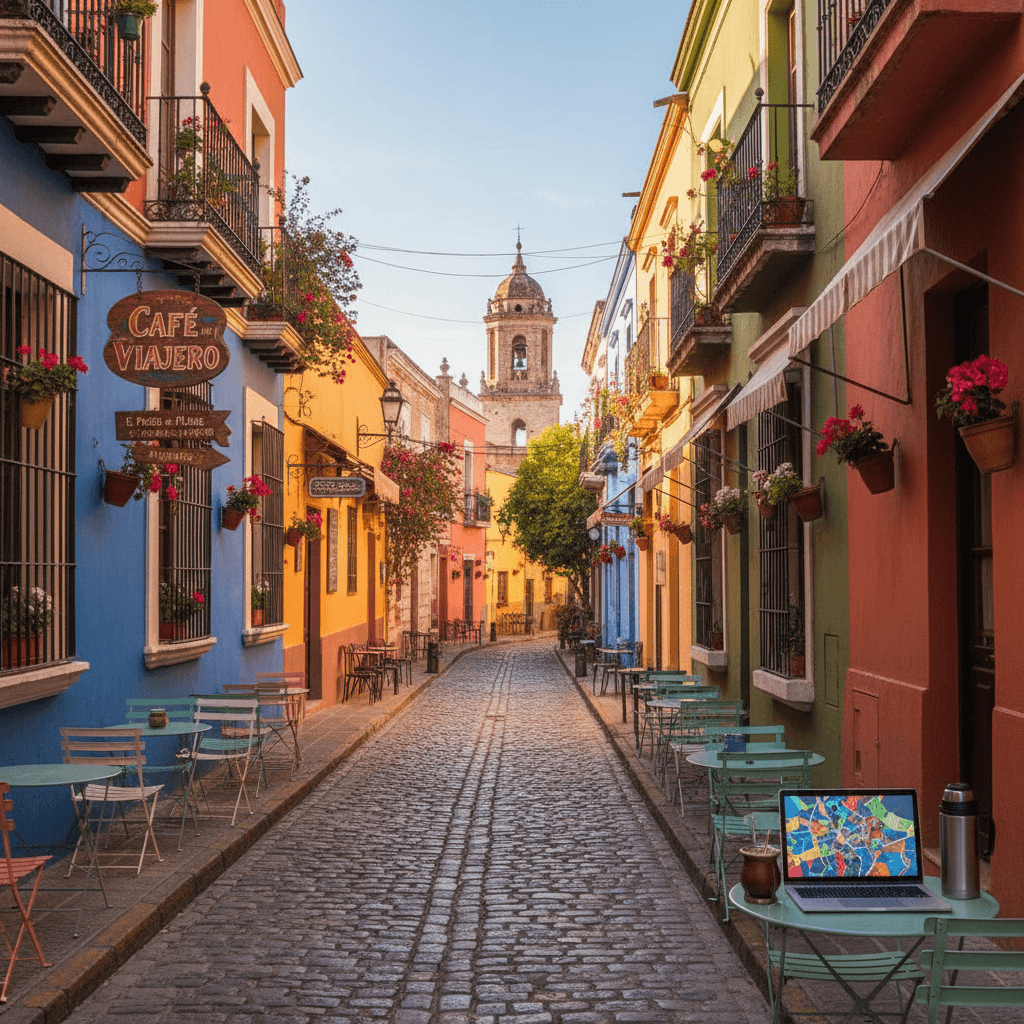
Córdoba
🇦🇷 Argentina
While Buenos Aires is the sophisticated older sibling, Córdoba is Argentina's eternal university student. It is a city that feels perpetually young, fueled by the energy of over 100,000 students and a growing tech scene that hasn't yet lost its gritty, authentic edge. If you are looking for the "Paris of the South," go to the capital. If you want a place where the days are slow and sunny but the nights start at 2:00 AM with a fernet and coke in hand, Córdoba is where you land.
The Local Vibe
The first thing you will notice is the La Docta spirit, a nickname referencing the city's status as a center of learning for centuries. This academic backbone creates a unique social atmosphere where intellectual curiosity meets a laid back, mountain-adjacent lifestyle. People here are famously friendly and speak with a distinct, sing-song accent that locals take great pride in. It is less formal than Buenos Aires and significantly cheaper, making it a favorite for nomads who want an urban base without the frantic pace of a global megacity.
The city's heartbeat is found in the contrast between the Jesuit Block, a UNESCO site with 17th-century architecture, and the modern, high-rise canyons of Nueva Córdoba. You can spend your morning working from a high-speed WiFi cafe in a colonial courtyard and your afternoon hiking in the Sierras Chicas. It is this proximity to nature that defines the Córdoba experience; the mountains are always visible on the horizon, serving as a constant reminder that a river dip or a paragliding session is only 45 minutes away.
Living and Working
The nomad community tends to cluster in Nueva Córdoba. It is the densest neighborhood in the city, packed with students, cafes like COOFI Lunch & Workcafe, and the city's best coworking spaces. Most nomads find that a budget of $1,200 per month allows for a very comfortable lifestyle, including a private apartment and frequent dining out. While the city is generally safe, expats recommend staying alert in the Centro area after dark and sticking to well-lit, populated streets in the periphery.
Neighborhood Snapshots
- Nueva Córdoba: The undisputed hub for remote workers. It is walkable, safe, and filled with specialty coffee shops like ES Tostadores. Expect to pay $300 to $500 for a studio. The downside is the noise; between the protests and the student parties, it is rarely quiet.
- Güemes: The Soho of Córdoba. This is where you go for craft beer, artisan markets, and bohemian vibes. It is perfect for social butterflies but can be a bit much if you need a peaceful night's sleep.
- Cerro de las Rosas: An upscale, leafy alternative located further out. It is popular with families and long-term expats who want more space and better air quality. Rents here climb toward $600 to $900 for larger homes.
The Nomad Experience
Working here feels like being part of a secret club. You won't find the massive nomad crowds of Medellin or Lisbon, which means the connections you make at La Maquinita Co. or during a weekend trip to Villa Carlos Paz often feel more genuine. The infrastructure is solid, with many cafes offering reliable fiber-optic internet, though you should always have a local Claro or Movistar SIM as a backup.
The "hate it" factors are few but real. Public transport is frustratingly limited, and you will likely rely on Cabify or Uber to get around. English proficiency is moderate at best, so learning basic Spanish isn't just a courtesy, it is a survival skill. However, the trade-off is a city that welcomes you with open arms, world-class steak for the price of a fast-food meal, and a social calendar that never seems to end.
The Bottom Line
Córdoba is one of those rare spots where your dollar stretches remarkably far without forcing you to sacrifice a high-quality urban lifestyle. Most digital nomads find that a monthly budget of $1,200 covers a comfortable life in the heart of the action, while those on a tighter grind can get by on $800 if they opt for shared housing and stick to the local empanada shops.
While the local economy deals with high inflation, the city remains incredibly affordable for anyone earning in USD or Euros. You will want to use apps like Wise for conversions and keep a mix of cash and card, though most established spots in neighborhoods like Nueva Córdoba accept plastic without a hitch.
Monthly Budget Tiers
- The Budget Nomad ($800 to $1,200): This covers a room in a shared apartment or a modest studio in Alta Córdoba, plenty of street food like $2 empanadas, and use of the local bus system.
- The Mid-Range Professional ($1,200 to $1,800): This is the sweet spot. You can snag a nice one bedroom in a modern building, eat out at mid-range spots like COOFI for $10 lunches, and maintain a full-time desk at a coworking space.
- The High-End Expat ($2,000+): At this level, you are looking at luxury apartments in Cerro de las Rosas, frequent fine dining, and private drivers or regular Uber trips.
Rent and Neighborhoods
Where you park your laptop changes your price point significantly. Nueva Córdoba is the student and nomad hub, meaning it is walkable and packed with cafes, but you will pay a premium for the convenience.
- Nueva Córdoba: Expect to pay between $300 and $500 for a studio or one bedroom. It is the most popular choice for the community vibe and proximity to spots like La Maquinita Co.
- Centro: Prices hover between $400 and $600. It is central and historic, though it feels a bit more "touristy" than the student districts.
- Cerro de las Rosas: This is the upscale, greener side of town. Rents run from $600 to $900. It is quieter and great for families, but you will likely need a car or budget more for rideshares.
Daily Expenses
Food and fun are where Córdoba really shines. You can grab a quick street snack for under $5, or sit down for a full steak dinner with wine for about $20. If you are working from cafes, a high-quality flat white at Nonna Nera or ES Tostadores usually costs just a few dollars.
Getting around is convenient, as many nomads prefer the reliability of Uber or Cabify, which typically costs between $3 and $7 per trip across the city. For your home office, a dedicated desk at a top-tier coworking space like Coworking Córdoba will set you back about $100 to $200 a month, providing the stability you need for those late-night Zoom calls.
Connectivity and Tech
Budgeting for data is straightforward. A local SIM from Claro or Movistar with a solid data plan costs about $15. If you prefer to hit the ground running, an eSIM from Holafly is a popular choice, though it carries a slight premium for the convenience of instant activation.
The Nomad Crowd: Nueva Córdoba
If you are coming to Córdoba to work, you will likely end up in Nueva Córdoba. It is the heart of the city's youth culture, driven by the massive student population from the nearby National University. Nomads flock here because the infrastructure is the best in the city. You'll find the highest density of specialty coffee shops like COOFI and Nonna Nera, both of which are famous for actually having stable WiFi and enough outlets to get through a deep work session.
Living here means you are within walking distance of La Maquinita Co., the premier coworking space in town. Expect to pay between $300 and $500 for a decent studio or one bedroom apartment. The vibe is energetic and social, though the weekends can get loud. If you value being able to walk to a bar or a meetup at 2:00 AM without needing an Uber, this is your spot.
- Rent: $300 to $500 monthly
- Atmosphere: High energy, student-driven, very walkable
- Best for: Socializing, fast internet, and networking
Expats and Long-Termers: Cerro de las Rosas
For those staying six months or longer who want a break from the constant hum of scooters and students, Cerro de las Rosas is the upscale alternative. Located in the northern part of the city, it feels more like a leafy suburb than a dense urban center. It is where you go for larger homes, gardens, and a bit of breathing room. Many expats who have "graduated" from the chaos of Nueva Córdoba move here for the peace and quiet.
The trade-off is the commute. You'll rely on Cabify or Uber to get into the center, which usually costs about $5 to $7 per trip. Rents are higher here, often ranging from $600 to $900 for premium properties, but you're closer to the hills and nature trails for weekend escapes. The dining scene is more sophisticated, featuring high-end steakhouses and wine bars rather than empanada stalls.
- Rent: $600 to $900 monthly
- Atmosphere: Green, quiet, and affluent
- Best for: Privacy, comfort, and those with a higher budget
Families: Centro and General Paz
Families often find a middle ground in the Centro or General Paz. Centro offers immediate access to the Jesuit Block and the city's historical landmarks. While it can be touristy during the day, it is incredibly convenient for schools and pharmacies like Farmacia del Pueblo. It is a bit more expensive than the student hubs but offers better security and larger, older apartment layouts.
General Paz is another solid contender for families. It is an up and coming residential area that feels more authentic and less transient than Nueva Córdoba. It has its own burgeoning food scene and plenty of plazas where kids can play. It lacks the intense nightlife of the university district, which most parents see as a major plus.
- Rent: $400 to $600 monthly
- Atmosphere: Historic, convenient, and residential
- Best for: Proximity to museums, schools, and cultural sites
Solo Travelers on a Budget: Alta Córdoba
If you want to stretch your $1,200 monthly budget as far as possible, look at Alta Córdoba. It is an authentic, traditional neighborhood that hasn't been "nomadified" yet. You won't find many coworking offices here, but you will find lower prices at the local markets and a genuine Argentine neighborhood feel. Safety can be a bit more variable here than in the high-end zones, so stick to well-lit streets and keep your wits about you at night.
Solo travelers often stay here to immerse themselves in the language. Since English proficiency is lower in these parts, you will be forced to use your Spanish daily. It is a great place to find 1BR apartments for under $300 if you are willing to hunt on local Facebook groups rather than Airbnb.
- Rent: $250 to $400 monthly
- Atmosphere: Traditional, local, and affordable
- Best for: Language immersion and budget-conscious travelers
Connectivity and Speed
Córdoba might not have the blazing fiber speeds of a tech hub like Seoul, but it's remarkably reliable for South America. Most digital nomads find the infrastructure in Nueva Córdoba and Centro more than capable of handling Zoom calls and heavy uploads. You can generally expect speeds between 50 and 100 Mbps in modern apartment buildings and dedicated workspaces.
Mobile coverage is solid across the city. Travelers usually recommend grabbing a local SIM from Claro or Movistar for the best rates, typically costing between $10 and $20 USD per month for a generous data package. If you want to hit the ground running, an eSIM from Holafly is the go-to choice for instant connectivity, though it's a bit pricier than local physical cards.
Top Coworking Spaces
The coworking scene is concentrated where the action is, mostly catering to the city's massive student and tech population. These spots are great for networking, especially if you're looking to meet other remote workers in the 20 to 40 age bracket.
- La Maquinita Co.: Located at San Lorenzo 25 in the heart of Nueva Córdoba, this is the city's heavy hitter. It's got a rooftop with views, lightning-fast WiFi, and a community-focused vibe. Expect to pay between $150 and $250 USD for a monthly pass.
- Howdy.com hosts a Córdoba office within La Maquinita Co., popular for tech professionals and developers working for US-based companies.
Work-Friendly Cafes
Córdoba has a deep-rooted cafe culture that luckily embraces the "laptop lifestyle." Unlike some European cities where you might get a side-eye for staying three hours, many local spots specifically cater to the "lunch and work" crowd with plenty of power outlets and strong coffee.
- COOFI Lunch & Workcafe: Located at Buenos Aires 864, this is arguably the best spot for a productive afternoon. It has speedy WiFi, plenty of plugs, and a solid lunch menu with sandwiches around $5 to $10 USD.
- Nonna Nera: Situated at Entre Ríos 85, this spot is unique because it offers actual coworking rooms alongside its cafe service. It's perfect if you need a slightly quieter environment but still want a high-quality flat white.
- ES Tostadores: A favorite for specialty coffee lovers. It’s often packed with students and nomads, so get there early if you want a table near a wall socket.
- Coofiok and Café del Alba: These are reliable backups in the Centro area, offering a more traditional Argentine atmosphere with dependable internet.
Digital Nomad Community
The community here is younger and more energetic than what you'll find in the coastal retirement spots. Most social life revolves around Nueva Córdoba, where the density of coffee shops and bars makes it easy to bump into the same faces. Expats and nomads frequently use the Argentina Digital Nomad Community Facebook group to organize informal meetups or weekend trips to the nearby mountains.
If you're looking for a structured way to meet people, La Maquinita and Nonna Nera are your best bets for professional networking. For a more casual vibe, just head to the bars in Nueva Córdoba on a Thursday night; the student energy makes it one of the easiest places in Argentina to strike up a conversation with locals and foreigners alike.
Staying Safe in the Heartland
Córdoba is generally a welcoming city for foreigners, but it carries the typical urban cautions of any major South American hub. Most nomads feel perfectly comfortable walking through Nueva Córdoba and the Centro during the day. The city has a distinct student energy that keeps the streets populated well into the night, which actually adds a layer of "eyes on the street" safety that quieter cities lack.
Street crime is the primary concern here. Petty theft, like phone snatching or bag dipping, happens occasionally in crowded areas or near the main bus terminal. Locals will tell you to keep your phone tucked away while walking and avoid hanging your bag on the back of your chair at sidewalk cafes like COOFI or Nonna Nera. If you're heading to the outer neighborhoods or more industrial outskirts, it's best to stick to Uber or Cabify after dark rather than wandering on foot.
Air quality in the city is surprisingly good, especially compared to the denser parts of Buenos Aires. However, the summer months can bring intense heatwaves. Travelers often find the "relaxed yet energetic" vibe means people look out for one another, but you should still exercise common sense. If a street looks empty and poorly lit, take a detour or call a ride.
Healthcare Essentials
While Córdoba's healthcare system isn't as sprawling as the capital's, it's more than adequate for most needs. The city is a regional medical hub, so you'll find specialized clinics and competent doctors, many of whom studied at the local National University. For anything beyond a basic checkup, expats usually head to private clinics which offer higher standards of care and shorter wait times.
- Emergency Numbers: Dial 101 for police and 107 for an ambulance.
- Insurance: Most nomads carry international travel insurance like SafetyWing or World Nomads. If you're staying long term, looking into a local private provider like OSDE or Swiss Medical is a smart move.
Food and water safety are generally high. Tap water in Córdoba is considered drinkable by most, though many expats prefer buying bottled water or using a filter for the taste. When it comes to dining out, the high turnover at popular student spots in Nueva Córdoba usually ensures fresh ingredients. Just be cautious with street food in less regulated areas if you have a sensitive stomach.
Practical Safety Tips
- Money Safety: Use ATMs located inside banks rather than on the street. Carry only the cash you need for the day and keep a backup card locked in your apartment.
- Transportation: Use Cabify or Uber instead of hailing random taxis on the street at night. A typical cross town trip usually costs between $3 and $7.
- Connectivity: Keep a local SIM from Claro or Movistar active so you always have GPS and the ability to call a ride. A monthly plan is roughly $10 to $20.
- Digital Security: Since you'll likely be working from places like La Maquinita Co. or various work cafes, use a VPN on public WiFi networks to protect your data.
The Logistics of Getting Around
Córdoba is a city of two halves when it comes to movement. If you’ve settled into Nueva Córdoba or the Centro, you'll rarely need a motor. These areas are highly walkable, and most nomads spend their days drifting between cafes like COOFI and their apartments on foot. However, the city's infrastructure hasn't quite kept pace with its rapid growth, so venturing further out requires a bit more strategy.
Public Buses and Trolleys
The local bus system, known as the Red de Colectivos, is the backbone of city transit, though it can be a headache for newcomers. You'll need a SUBE card to ride, which you can buy and top up at "kioscos" throughout the city. Rides are cheap, usually costing around $1-2, but the routes are often confusing and schedules are more of a suggestion than a rule.
- Cost: Expect to spend about $20 per month if you're a frequent rider.
- The Trolleys: Córdoba still operates charming, Soviet-era style electric trolleybuses, mostly driven by women. They cover specific central routes and are a slightly smoother, more nostalgic way to get across town.
- The Downside: Buses get incredibly packed during peak university hours, and the lack of air conditioning in older units makes summer commutes pretty brutal.
Ridesharing and Taxis
For most expats and digital nomads, Uber and Cabify are the go-to choices. They're reliable, safer than hailing a random car on the street at 3 a.m., and very affordable by international standards. A typical cross-town trip usually lands between $3 and $7.
If you prefer traditional taxis, look for the yellow cars (taxis) or green cars (remises). Taxis use meters, while remises often have fixed rates for specific distances. They're everywhere, but having a basic grasp of Spanish helps when explaining your destination, as many drivers don't speak English.
Cycling and Scooters
While the city is mostly flat, Córdoba isn't exactly Amsterdam. Dedicated bike lanes are appearing, but they're often disconnected. You can use the Bike Córdoba app for short-term rentals, which costs about $5 per day. It's a fun way to see the Parque Sarmiento area, but be cautious on main arteries where drivers aren't always looking out for cyclists.
Airport Transfers
The Ingeniero Ambrosio Taravella (COR) airport is about 10 kilometers from the city center. You have three main ways to get to your desk:
- Uber/Cabify: The most convenient option. It usually costs between $15 and $25 and takes about 45 minutes depending on traffic.
- Airport Bus (Aerobús): A dedicated shuttle that links the airport to the main bus terminal and the city center. It's much cheaper, around $2, and has extra space for luggage.
- Private Transfers: Many nomads pre-book through services like Howdy.com or local agencies to avoid the hassle of finding a signal for rideshare apps upon landing.
Escaping the City
One of the best parts of living here is the proximity to the Sierras. The Terminal de Ómnibus (the main bus station) is your gateway to weekend trips. Regular buses run to Villa Carlos Paz for about $5, taking only 30 to 45 minutes. For longer hauls to Buenos Aires or Mendoza, the "coche-cama" (sleeper buses) are surprisingly luxurious, featuring fully reclining seats and sometimes even wine service.
The Cordobés Twist
If you've spent any time in Buenos Aires, you'll notice immediately that Córdoba sounds different. The local accent, known as Cantito, has a distinct melodic lilt that stretches out the vowels before the accented syllable. It's charming, musical, and a point of immense local pride. While the base is Argentine Spanish, the slang here is its own beast. You'll hear culiau used as a versatile exclamation for everything from "dude" to "no way," though it's best to let the locals use it first before you try to blend in.
The city's massive student population means you're in the most English-friendly pocket of Argentina outside the capital. In Nueva Córdoba, the density of university students and tech workers means you'll find moderate English proficiency in most third-wave coffee shops like ES Tostadores or Nonna Nera. However, once you step into a traditional parrilla or head to the Centro markets, the English safety net disappears quickly.
Navigating Daily Interactions
Most nomads find that while they can survive with basic phrases, the social life here opens up significantly if you have at least an A2 or B1 level of Spanish. Expect to use vos instead of tú; it's the standard for everyone from your Uber driver to your landlord. If you're struggling, Google Translate is your best friend, especially the camera feature for menus at local spots that haven't digitized yet.
- Greeting Culture: Expect a single kiss on the right cheek for both men and women. It's the standard greeting even in professional-adjacent settings like coworking spaces.
- The "Che" Factor: You'll hear che constantly. Use it to get someone's attention or as a filler word like "hey" or "mate."
- Digital Tools: Download WhatsApp before you land. It's the primary way to book tables, talk to your Airbnb host, or join nomad meetups organized through La Maquinita Co.
Language Learning & Community
If you're looking to level up your Spanish, Córdoba is a much more "immersive" environment than Buenos Aires. Expats recommend checking out language exchanges frequently held in the bars around Güemes. Because the cost of living is lower here, private tutors often charge between $10 and $15 USD per hour, making it an affordable place to do a deep dive into the language.
For those relying on tech, Holafly eSIMs are popular for immediate data, but picking up a local Claro or Movistar SIM for about $15 USD a month will give you a local number. This is helpful for apps like Cabify or when you need to coordinate with local delivery services. Travelers often say that even a small effort to speak the local dialect goes a long way with the Cordobeses, who are generally more patient and curious about foreigners than people in larger, more tourist-heavy cities.
Key Phrases for the Road
- ¿Todo bien?: The standard "How's it going?" or "Is everything good?"
- ¿Cuánto cuesta?: "How much does it cost?" Essential for the street markets.
- La cuenta, por favor: Asking for the bill. Remember, servers won't bring it unless you ask; it's considered rude to rush you.
- Boliche: This isn't for bowling; it's the word for a nightclub.
- Fernet con coca: Not a phrase, but the unofficial state religion. Order it to start a conversation with any local.
The Seasonal Sweet Spot
Córdoba sits in a subtropical zone, which means you'll experience a distinct four season cycle. For most nomads, the sweet spots are autumn (April to June) and spring (September to November). During these months, the air is crisp, the sky is usually a brilliant blue, and temperatures hover comfortably between 20°C and 25°C. It is the perfect weather for working from the outdoor patio at Nonna Nera or taking a weekend bus trip into the Sierras Chicas.
If you arrive in the spring, you'll catch the city's massive student population coming back to life after the winter break. The parks in Nueva Córdoba fill up with people drinking mate, and the energy in the streets is infectious. Autumn is equally stunning but quieter, characterized by golden trees and mild afternoons that don't require more than a light jacket.
Summer Heat and Humidity
Summer runs from December through February, and it can be a bit of a beast. Highs frequently hit 30°C or more, and humidity levels climb, making the city feel heavy. This is also the rainy season, so expect sudden, intense thunderstorms that clear the air but can occasionally turn the streets into small rivers for an hour or two.
Most locals flee to the nearby mountains or river towns like Villa Carlos Paz during January to escape the heatwaves. If you're staying in the city during this time, make sure your apartment in Nueva Córdoba or Centro has reliable air conditioning. You'll find the city feels a bit emptier as students head home for the holidays, which can be a pro or a con depending on whether you're looking for peace or a party.
Winter in the Heart of Argentina
Winter (June to August) is generally mild and dry. You won't see snow in the city center, but the nights can get chilly, dropping down to 6°C. Since many older buildings in Córdoba aren't well insulated, those nighttime lows feel much colder indoors than you might expect. You'll want to pack layers and check that your rental has a "caloventor" (space heater) or a split AC system with a heat setting.
The upside to winter is the lack of rain and the clear, sunny days. It is a great time for hiking in the mountains without the risk of heatstroke. Plus, the cozy cafe culture really shines when it's cool outside; there's nothing better than a hot flat white at ES Tostadores when there's a bite in the air.
Monthly Climate Breakdown
- January: Peak summer. Highs of 30°C, lows of 18°C. Humid with occasional heavy rain. Expect crowds at nearby mountain resorts.
- April: Ideal autumn weather. Highs around 24°C. Very little rain and perfect for walking the city.
- July: The heart of winter. Highs of 18°C, lows of 6°C. Dry, sunny days and cold nights.
- October: Spring peak. Temperatures sit around 22°C. The city is green, social, and very active.
When to Book Your Stay
If you want the quintessential Córdoba experience, aim for September. You'll avoid the winter chill and the oppressive summer humidity. The student vibe is at its peak, and the weather is predictable enough that you won't be stuck indoors during your deep work sessions. Expats often suggest avoiding January unless you plan on spending most of your time in a pool or up in the mountains, as the city heat can be draining for those not used to the humidity.
The Nomad Budget
Living in Córdoba is remarkably affordable compared to Buenos Aires or North American hubs. Most digital nomads find that a budget of $1,200 per month covers a comfortable lifestyle, including a nice apartment in a prime area and plenty of dining out. If you are sticking to a tighter budget, you can get by on $800 to $1,000 by sharing housing and hitting up local empanada spots. Those looking for a more upscale experience with a private luxury flat and high end dining should plan for $2,000 or more.
Where to Plant Your Flag
Choosing the right neighborhood is the difference between a quiet suburban stay and being in the heart of the action. Most nomads gravitate toward the city center for its walkability.
- Nueva Córdoba: This is the heartbeat of the nomad scene. It is packed with students, cafes, and coworking spaces like La Maquinita Co. It is incredibly safe and walkable, though it gets noisy on weekend nights when the university crowd heads out. Expect to pay $300 to $500 for a studio or one bedroom apartment here.
- Centro: Best for first timers who want to be near the Jesuit Block and historical sites. It is slightly more touristy but very convenient for banking and shopping. Rents typically range from $400 to $600.
- Cerro de las Rosas: If you prefer green space and a quieter pace, this upscale neighborhood in the northern outskirts is a favorite for long term expats and families. It is further from the nomad hubs, so you will likely need to use rideshare apps often. Rents here go for $600 to $900.
Connectivity and Workspace
Internet reliability is solid across the city, making it easy to handle video calls. For a dedicated desk, La Maquinita Co. in Nueva Córdoba is the gold standard, offering fast fiber and a built in community for about $150 to $250 a month. Coworking Córdoba is another reliable alternative for meeting other remote workers.
If you prefer the cafe circuit, Córdoba has a deep coffee culture. COOFI Lunch & Workcafe is specifically designed for nomads, featuring plenty of power outlets and reliable WiFi. Nonna Nera and ES Tostadores are also top picks for a flat white and a few hours of productivity. For mobile data, grab an eSIM from Holafly before you land, or pick up a local Claro or Movistar SIM card at a kiosk for around $15 a month.
Getting Around
The city center and Nueva Córdoba are very walkable, which is lucky because the public bus system can be a bit of a headache to figure out. Buses and trolleys cost about $0.50 per ride, but you will need a local travel card. Most travelers stick to Uber or Cabify for longer trips, which usually cost between $3 and $7 within the city. If you are coming from the airport, a taxi or rideshare will run you about $15 to $25 for the 45 minute drive.
Health and Safety
Córdoba is generally safe, especially in the student districts. Like any large city, keep your wits about you at night and avoid isolated areas outside the main hubs. For healthcare, pharmacies like Farmacia del Pueblo are everywhere for minor issues. If you need a doctor, private hospitals are the way to go, though you should always have travel insurance that covers international clinics. In an emergency, dial 101 for police or 107 for an ambulance.
Local Protocol
Prepare for a shift in your internal clock. People in Córdoba eat late, often sitting down for dinner after 10:00 PM. When meeting locals, a single kiss on the cheek is the standard greeting. While English is common among the younger crowd in Nueva Córdoba, learning basic Spanish phrases for shopping and transport will make your life much easier. Use apps like Wise to manage your funds and hedge against local currency fluctuations, as card payments are widely accepted in shops and restaurants.
Need visa and immigration info for Argentina?
🇦🇷 View Argentina Country GuideEasy Landing
Settle in, no stress