Coruña
🇪🇸 Spain
The Glass City on the Edge of the World
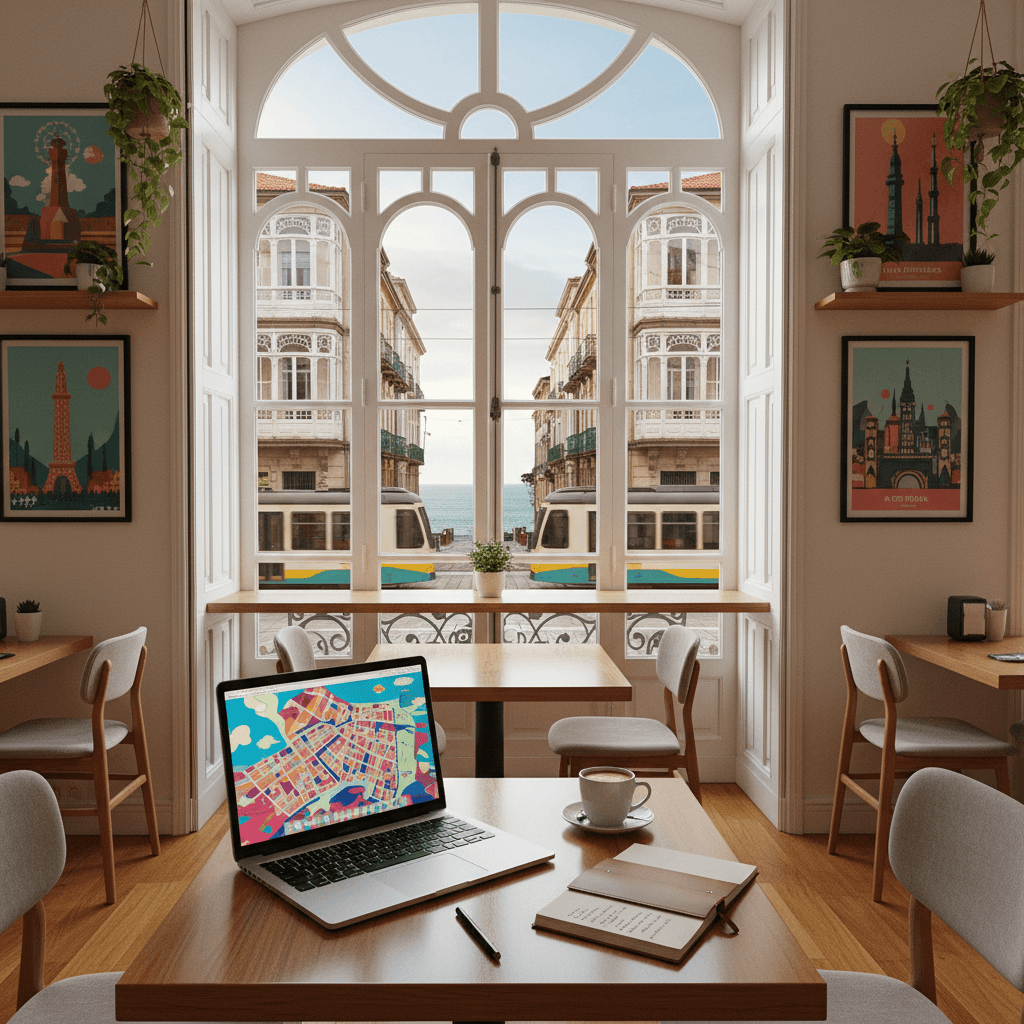
If you've spent any time in the sun-drenched, tourist-heavy hubs of the Mediterranean, arriving in A Coruña feels like a deep, cool breath of Atlantic air. This is Spain's rugged "Glass City," named for the galerías (enclosed glass balconies) that line the harbor to catch the sun while shielding against the salt spray. It doesn't scream for your attention like Barcelona; it waits for you to settle into its steady, maritime rhythm.
The vibe here is defined by the ocean. You're almost never more than a ten-minute walk from the water, and the city wraps around a massive bay like a crescent moon. It’s a place where lawyers in suits grab a surfboard after work and where the local "tapas crawl" usually involves a plate of pulpo a la gallega (octopus with paprika) and a crisp glass of Albariño. It’s unpretentious, surprisingly affordable, and feels remarkably lived-in.
Why Nomads are Moving North
The secret is out among the remote work crowd: A Coruña offers a high-end European lifestyle for a fraction of the cost of Madrid. While the capital feels like a frantic race, Coruña is community-oriented and slow. You'll find yourself recognizing the same faces at the local coffee shop within a week. Most nomads find the city’s walkability its best feature; the distance from the historic Ciudad Vieja to the surf breaks at Riazor Beach is a scenic stroll along the longest promenade in Europe.
The trade-off is the weather. Locals call it "Galician mist," but let’s be real: it rains often. With around 150 rainy days per year, you aren't coming here for a permanent tan. You're coming for the emerald green landscapes, the dramatic cliffs, and the cozy, productive atmosphere that a rainy afternoon provides. When the sun does break through, the entire city collectively drops everything to head to the plazas, making those moments feel like a genuine celebration.
The Local Landscape
A Coruña manages to feel both ancient and strikingly modern. You can work from a high-tech hub in the morning and walk past the Tower of Hercules, a Roman lighthouse that’s been functioning for two thousand years, in the evening. The city is also the global headquarters of Inditex (the parent company of Zara), which brings a subtle, sophisticated fashion sense and a solid infrastructure to an otherwise traditional port town.
- The Social Scene: It’s less about organized "expat meetups" and more about organic interaction. Join a beach volleyball game at Orzán or head to Plaza de España on a Friday night.
- Connectivity: Don't let the "remote" location fool you. Fiber optic speeds here are world-class, often hitting 600 to 1,000 Mbps.
- The Cost Factor: You can still find a solid one-bedroom apartment for €700 to €900 in central areas, a price point that has largely vanished from Spain’s more famous coastlines.
The Emotional Draw
There is a specific melancholy and beauty to this corner of Spain that the locals call morriña. It’s a sense of longing for the land, and it’s infectious. You’ll feel it when the fog rolls over the Atlantic and the lighthouses start to blink. For the nomad who is tired of the "Disney-fied" version of Europe, A Coruña offers something authentic. It’s a place to actually live, not just to visit. You’ll trade the heatwaves for cool breezes and the tourist traps for €1.70 glasses of local wine and conversations that last until dawn.
The Price of the Atlantic Lifestyle
If you're eyeing Spain but the price tags in Madrid or Barcelona make you wince, A Coruña is the breath of fresh salt air you need. It's one of the few coastal cities left in Western Europe where you can live a high-quality life without a six-figure salary. Most nomads find their monthly burn sits between €2,000 and €2,800 for a comfortable, mid-range lifestyle, which is about 25 percent cheaper than the big Spanish hubs.
The city hasn't been hit by the same "over-tourism" tax as the Mediterranean coast. You're paying local prices here, not expat premiums. While the rain might be a trade-off, the lower cost of real estate and dining makes it a strategic home base for anyone on the Spanish Digital Nomad Visa looking to stretch their €2,850 monthly income requirement.
Breaking Down the Monthly Budget
Your biggest variable is going to be housing. While the market is tightening as more people discover Galicia, it remains accessible if you know where to look. Expats usually recommend using Idealista to scout long-term rentals, though you'll want to move fast on the good ones.
- Budget Tier (€1,500 to €2,000): Expect to live in a studio in Riazor or further out in the suburbs. You'll be cooking at home mostly, using the excellent local markets like Mercado de San Agustín, and sticking to the €40 monthly bus pass.
- Mid-Range Tier (€2,000 to €2,800): This is the sweet spot. You can snag a nice one-bedroom in the historic Ciudad Vieja for €700 to €1,000. You'll have enough left over for daily cafe work sessions and several seafood dinners a week.
- Comfortable Tier (€2,800+): At this level, you're looking at premium apartments in Ensanche with sea views, a dedicated workspace in a professional environment, and frequent weekend trips to Santiago or the Cíes Islands.
Rent and Neighborhood Costs
Location dictates your lifestyle here. The city is walkable, but your rent fluctuates based on how close you are to the sand or the old stone streets.
Ciudad Vieja (Old Town)
- Vibe: Historic, narrow streets, and the heart of the social scene.
- Typical Rent: €800 to €1,100 for a modern 1BR.
- Pros: You're steps away from the best tapas bars and the harbor.
Riazor and Orzán
- Vibe: Surfer energy, younger crowds, and beach proximity.
- Typical Rent: €600 to €850 for a studio or small flat.
- Pros: Best for solo travelers who want to be near the ocean and nightlife.
Ensanche
- Vibe: Sophisticated, wide avenues, and high-end shopping.
- Typical Rent: €1,000 to €1,500 for larger, renovated apartments.
- Pros: It's quieter and better suited for families or those who need a professional environment.
Food, Drinks, and Connectivity
Galicia is the garden and the fish tank of Spain. You'll find that grocery bills are surprisingly low for the quality of produce you're getting. A kilo of fresh octopus at the market or a €12 plate of Pulpo a la Gallega at a spot like A Mundiña is standard. A mid-range dinner for two rarely tops €40 unless you're going for high-end wine and prime shellfish.
For the remote work side of things, internet is fast and cheap. Most apartments come with fiber as standard, often hitting 300 to 600 Mbps. For mobile data, travelers often grab a local SIM from Orange or Movistar for around €10, which usually nets you 50GB of data, more than enough for tethering during a rainy afternoon at a cafe.
Transportation is another area where you'll save. The city center is compact. Most nomads find they rarely need the €1.70 bus fare because everything is within a twenty-minute walk. If you do need to zip around, the BiciCoruña bike-share program is a steal at roughly €20 for a monthly subscription.
The Social Nomad: Ciudad Vieja (Old Town)
If you want to wake up surrounded by granite walls and history, the Old Town is your spot. It is the most atmospheric part of the city, packed with narrow alleys that lead into open plazas like María Pita. Most nomads choose this area because it is incredibly walkable and puts you right in the heart of the city's historic center.
Living here feels like being in a village within a city. You'll find plenty of cafes where the WiFi is actually reliable, though the apartments can be a bit drafty and older. Expect to pay €800 or more for a decent one bedroom. The nightlife is lively, so if you are sensitive to noise, look for a place tucked away from the main squares. It is the best choice if you want to be in the thick of the Galician social scene from day one.
The Long-Term Expat: Monte Alto
Monte Alto has evolved from a rugged working class district into the neighborhood of choice for expats looking for a local feel. It is perched on a hill near the Tower of Hercules, giving you some of the best Atlantic views in the city. It is quieter than the center, but it has its own ecosystem of traditional taverns and modern bars that don't feel like tourist traps.
The vibe here is unpretentious and residential. You'll get more space for your money here than in the Old Town, though you might need to hop on a bus or use the BiciCoruña bike share to get to the city center quickly. Expats recommend this area for its green spaces and the proximity to the rugged coastal paths that are perfect for clearing your head after a long day of Zoom calls.
The Beach Lover and Solo Traveler: Riazor and Orzán
For those who want to surf before their first meeting, Riazor and Orzán are the places to be. These neighborhoods sit right on the edge of the city's two main beaches. It is a high energy area where you can find studios for around €600, making it a favorite for solo travelers on a budget. The wind coming off the ocean can be intense, but the tradeoff is having the promenade as your backyard.
The area is packed with surf shops and bars that stay busy well into the night, especially on weekends. It is less "polished" than the Ensanche district, but it has a raw, coastal energy that defines the city. You'll find plenty of fellow travelers at the local beach volleyball courts or grabbing a €12 plate of pulpo at the nearby eateries.
The Digital Nomad Family: Ensanche
Ensanche is the city's modern heart, characterized by wide streets, high end boutiques, and renovated apartments. It is the most organized and "functional" part of A Coruña, making it the top pick for families or nomads who prioritize comfort and proximity to services.
While some travelers find it a bit "boring" compared to the historic center, it is undeniably convenient. You have the best grocery stores, parks, and healthcare facilities like the CHUAC hospital annexes within walking distance. Rent is higher here, often reaching €1,000 to €1,500 for family sized apartments, but you get modern amenities like elevators and central heating, which are lifesavers during the rainy Galician winters.
Neighborhood Comparison at a Glance
- Ciudad Vieja: Best for history and social life. Rent starts around €800. High walkability but can be noisy.
- Monte Alto: Best for a local, quiet lifestyle. Great views and green spaces. More affordable than the center.
- Riazor/Orzán: Best for surfers and solo travelers. Studios from €600. Direct beach access but very windy.
- Ensanche: Best for families and professionals. Modern apartments from €1,000. Close to shops and services.
Connectivity and Speed
Spain consistently punches above its weight in digital infrastructure, and A Coruña is no exception. You can expect fiber optic speeds ranging from 300 to 1000 Mbps in most urban apartments and coworking hubs. It is actually ranked in the top 10% globally for internet reliability, so you won't have issues with Zoom calls while the Atlantic wind howls outside.
For mobile data, the local favorites are Orange and Movistar. You can grab a prepaid SIM with 50GB of data for about €10. If you want to skip the physical store, Airalo works perfectly here for eSIMs. Most nomads find that a basic 5G plan provides enough of a safety net to tether if their Airbnb Wi-Fi ever flickers during a storm.
Top Coworking Spaces
The coworking scene here is intimate rather than corporate. You won't find massive global chains, but the local spots have a strong community feel that makes it easier to meet people in a city where the expat circle is still growing.
While the city offers several independent hubs for remote workers, many digital nomads also find that the local cafe culture and creative spaces provide a flexible alternative to traditional office environments.
Laptop-Friendly Cafes
Galician cafe culture is traditionally about social interaction, but the "laptop nomad" is becoming a common sight. Just be respectful during the busy lunch rush between 2:00 PM and 4:00 PM when tables are needed for diners.
- Cafetería A Coruña: A reliable staple where the staff won't mind if you stay for a few hours. The Wi-Fi is stable, and the coffee is strong.
- Mamá Chicó: Known for its great decor and solid internet, it is a favorite for those who want a more "aesthetic" workspace. It gets busy, so arrive early to snag a corner table with a power outlet.
- Waco Coffee: If you are a specialty coffee snob, this is your home base. It has a modern vibe, excellent brews, and enough table space to get through your inbox.
Practical Tips for Working Remotely
The rainy season is real, and it can last from October through March. When the "temporal" hits, you will want a dedicated workspace rather than relying on a walk to a cafe. Most expats recommend looking for apartments in Ensanche or Ciudad Vieja to ensure you are within a five minute dash of a workspace when the clouds open up.
If you are staying long term on the Digital Nomad Visa, you will eventually need a Spanish NIE (tax ID) to sign up for a permanent home fiber contract. Until then, sticking to "pay as you go" mobile plans or ensuring your rental includes high speed internet is the way to go. Most hosts on platforms like Idealista are used to nomads asking for speed test screenshots before booking.
Peace of Mind on the Atlantic
A Coruña is remarkably safe, even by Spanish standards. Most nomads find the city much more relaxed than the high pressure environments of Barcelona or Madrid. You can generally walk through the city center or along the Paseo Marítimo at 2:00 AM without looking over your shoulder. The local vibe is community oriented, and people tend to look out for one another.
While violent crime is almost non existent, petty theft can happen in high traffic spots. Travelers often suggest keeping an eye on your bag at Plaza de María Pita or in the crowded bars of Orzán on Friday nights. If you are solo, the narrow streets of the Ciudad Vieja are generally fine, though it is always smarter to stick to well lit main roads after dark. The city holds a safety index of around 80/100, which ranks it as one of the more secure urban hubs in Western Europe.
Navigating the Healthcare System
Spain has one of the best healthcare systems in the world, and Galicia is no exception. If you are here on the Digital Nomad Visa, you will likely have private insurance as part of your application requirement, but you will also have access to a high standard of public facilities in an emergency. Expats recommend Sanitas or Adeslas for private coverage, which usually costs between €50 and €80 per month for a comprehensive plan.
The heavy hitter for medical care is CHUAC (Complejo Hospitalario Universitario de A Coruña). It is a massive, modern teaching hospital that handles everything from surf injuries to specialist consultations. While most doctors speak some English, the administrative staff and nurses might not, so having a translation app like DeepL ready on your phone is a lifesaver for checking in at the front desk.
Pharmacies and Emergency Care
Pharmacies (farmacias) are easy to spot by their glowing green neon crosses. They are highly regulated and pharmacists can often give expert advice for minor ailments without a doctor's visit. For late night needs, the city operates a Farmacia de Guardia system where at least one location stays open 24 hours on a rotating basis. You can find the schedule posted on any pharmacy door or via the local health authority website.
- Emergency Number: Dial 112 for police, fire, or ambulance. It is a free call and operators usually have English speakers available.
- Local Police: 092 for non emergency municipal issues.
- Public Health Center: Centro de Salud Casa del Mar is a central spot for non urgent public care.
Staying Healthy and Fit
The biggest health "risk" in A Coruña is the humidity. The rainy season from November to March can be damp, so nomads often invest in a good dehumidifier for their apartment to prevent respiratory issues or mold. On the flip side, the air quality is fantastic thanks to the constant Atlantic breeze.
To stay active, locals flock to the Riazor and Orzán beaches. You will see people jogging the 13 kilometer promenade year round, regardless of the drizzle. If you prefer a gym, Metropolitan La Solana is a popular choice for expats; it is a bit pricier but features great pools and views of the harbor. For those on a budget, the municipal sports centers (polideportivos) offer affordable weight rooms and classes for around €25 to €40 per month.
The Walkability Factor
A Coruña is a dream for nomads who hate being tethered to a car. The city center is remarkably compact, shaped like a finger poking into the Atlantic. You can walk from the rugged cliffs near the Tower of Hercules to the surf breaks at Riazor Beach in about 30 minutes. Most expats find that if they live in Ciudad Vieja or Ensanche, their daily commute consists of nothing more than a pair of comfortable sneakers.
The city's crown jewel is the Paseo Marítimo. At over 13 kilometers, it is one of the longest seaside promenades in Europe. It is not just for tourists; it is the main artery for locals jogging, cycling, or walking to work while catching the salt spray. If you are staying in Monte Alto, you will likely use this path every single day.
Public Transit
When the Galician rain inevitably sets in, you will want to hop on the local bus network operated by Compañía de Tranvías. The buses are clean, reliable, and cover the entire metropolitan area. It is best to check the latest fare schedules online before you travel, as prices are subject to periodic updates.
Expats recommend downloading the iBus app to track arrivals in real time. For better value, pick up a Millennium Card or use the mobile payment app to bring the cost down to about €0.80 per trip. It is a lifesaver for getting from the city center up the hill to the Marineda City mall or out to the quieter residential pockets.
Biking and Scooters
The city has made a massive push toward green mobility recently. The BiciCoruña bike-sharing program is the go-to for locals. They have a mix of mechanical and electric bikes parked at stations all over town. An annual subscription is €40, while an occasional 30-day pass is €10. It is perfect for ziping along the flat coastal paths, though you will want the electric boost if you are heading inland toward Vioño.
For a quicker, more flexible option, Lime scooters are scattered throughout the busier districts like Orzán. Just keep an eye on the weather app; those Atlantic gusts can make a scooter ride feel like an extreme sport.
Ride-Hailing and Taxis
While Spain is famous for its taxi culture, A Coruña has embraced apps. Uber and Cabify both operate here, and they are generally the most transparent way to get around if you don't speak much Spanish yet. A quick cross-town trip usually costs between €5 and €10.
If you prefer traditional taxis, the Radio Taxi service is ubiquitous. You can hail them on the street or find them at designated ranks near Plaza de María Pita. They are strictly metered, so you don't have to worry about the "tourist tax" common in some other European hubs.
Getting In and Out
The A Coruña Airport (LCG) is small but efficient, located about 8 kilometers from the center. Travelers often suggest the Aerobús, which departs every 30 minutes and costs €3. It drops you right at Casino de la Coruña in the heart of the city. A taxi from the airport will run you about €20 to €25 depending on traffic.
For weekend trips, the Renfe train station (San Cristóbal) is your gateway to the rest of Galicia. You can reach Santiago de Compostela in just 30 minutes for about €7, or head south to Vigo for a coastal getaway. It is one of the most scenic rail routes in the country, hugging the estuaries and green hillsides that make this region famous.
The Bilingual Reality
In A Coruña, you aren't just dealing with Spanish; you're stepping into a bilingual Atlantic hub. While Spanish (Castellano) is spoken by everyone, Galician (Galego) is the soulful co-official language you'll see on street signs, menus, and hear in local taverns. It sounds like a melodic mix of Spanish and Portuguese. Most locals under 40 switch between the two effortlessly, though they'll almost always default to Spanish when they realize you're a nomad.
Don't expect the high level of English you'd find in Madrid or Malaga. Proficiency here is medium at best. In coworking spaces like WeKCo or The Roof, you'll find plenty of English speakers. However, once you step into a family run pulpería in the Ciudad Vieja or try to negotiate a lease, things get tricky. Using a few Galician words like Ola (hello) or Graciñas (thank you) goes a long way in breaking the ice with the older generation.
Essential Tools for Navigating the Gap
Since you'll likely be dealing with local bureaucracy for your Digital Nomad Visa or an apartment rental on Idealista, you need a solid digital toolkit. Locals rely heavily on WhatsApp for everything from booking a hair appointment to chatting with a landlord. If you don't have it installed, you're essentially invisible.
- DeepL: Far superior to Google Translate for European Spanish and Galician nuances. Use the document upload feature for reading rental contracts.
- Google Lens: A lifesaver for translating handwritten daily menus (Menú del Día) at traditional spots like A Mundiña.
- SpanishDict: The best app for learning regional conjugations and slang.
Key Phrases for Daily Life
You don't need to be fluent to survive, but knowing the basics helps you transition from a tourist to a neighbor. Prices are usually straightforward, but clarify if you're unsure. A mid range meal is about €15, and a coffee is rarely more than €1.50.
- Canto custa? (How much does it cost?): Useful at the Mercado de San Agustín.
- A conta, por favor: (The check, please).
- Tes Wi-Fi?: (Do you have Wi-Fi?): Essential for cafe hopping in Ensanche.
- Falas inglés?: (Do you speak English?).
Social Nuances and Communication Style
Galicians are famously indirect compared to the bluntness of Madrileños. They have a concept called retranca, a form of dry, sarcastic humor that can be hard to spot if your Spanish is shaky. If a local seems non committal, they aren't being rude; it's just the regional vibe. Communication is often physical too. Expect two kisses on the cheeks when being introduced in social settings, even if it's your first time meeting at a nomad meetup.
Business communication follows the typical Spanish rhythm. Expect a "siesta" lull between 2:00 PM and 5:00 PM where shops close and responses to emails stop. If you're trying to get a NIE or open a bank account at BBVA, do it before 11:00 AM. After that, the focus shifts entirely to lunch and social connection.
The Expat and Nomad Loop
If your Spanish is non existent, head to the Orzán area. The surf community and younger crowds there are much more likely to be fluent in English. Join the Meetup.com group "A Coruña Digital Nomads" for weekly gatherings. It's the easiest way to find people who can help you translate the more complex parts of Galician life, like setting up your Vodafone tourist SIM or understanding your utility bills.
The Atlantic Rhythm: What to Expect
If you're coming from the Mediterranean side of Spain, A Coruña will be a bit of a shock to the system. It doesn't have the scorching heat of Seville or the humid stickiness of Barcelona. Instead, you get a temperate, oceanic climate that keeps the landscape incredibly green and the air smelling like salt. Most nomads find the weather here dictates their lifestyle; you learn to carry a light waterproof shell even when the sun is out, and you'll quickly realize why the city is famous for its galerías, those iconic glass enclosed balconies designed to let in light while blocking the wind.
The city sees around 150-170 days with some precipitation a year, but it’s rarely a torrential downpour. It’s more of a persistent, misty drizzle known locally as orballo. While the gray skies can be a deterrent for some, others find it the perfect environment for deep work sessions in a cozy cafe in Ciudad Vieja. If you need constant vitamin D to function, the winter months might test your patience, but the trade off is a city that remains lush and walkable all year round.
The Golden Window: June to August
Summer is undeniably the best time to be here. While the rest of Spain swelters in 40°C heat, A Coruña stays a comfortable 22°C to 25°C. This is when the city truly wakes up. You’ll see nomads taking their laptops to the benches near Riazor Beach or hitting the surf after a session at a local hub like WeKCo. The rain drops significantly, with only around 5-8 days of precipitation in July.
Expats recommend being in town for the Night of San Juan on June 23rd. The entire city descends onto the beaches to light massive bonfires, grill sardines, and jump over the flames for good luck. It’s the unofficial start of the outdoor season, followed by a string of food festivals and outdoor concerts through August. Just keep in mind that short term rental prices on Idealista can spike during these months as domestic tourists flee the heat of Madrid.
The Shoulder Seasons: May and September
If you prefer a quieter vibe, May and September are fantastic. The weather is unpredictable but often hits that sweet spot of 18°C, which is perfect for hiking out to the Tower of Hercules without the summer crowds. September, in particular, often feels like an extension of summer but with much clearer air and cheaper accommodation rates. You’ll still get about 8 to 10 days of rain, but the Atlantic swells start to pick up, making it the prime season for the local surfing community at Orzán.
The Rainy Reality: November to February
The winter months are the "hibernation" period for the local nomad scene. Temperatures rarely drop below 9°C, so it’s never truly freezing, but the dampness makes it feel colder than the thermometer suggests. November is typically the wettest month, seeing around 230-360mm of rain. Travelers often say this is the time to lean into the local gastronomy. There's nothing better than ducking into a tavern like A Mundiña for a €12 plate of pulpo a la gallega and a glass of red wine while the wind howls outside.
- January to March: Cool and wet. Highs of 13°C. Great for budget hunters as rent in Monte Alto or Riazor hits its lowest point.
- April to June: Transition period. The city turns bright green. Expect 15°C to 20°C and frequent but short showers.
- July to September: Peak season. Dry, sunny, and mid 20s. Perfect for beach days and outdoor networking.
- October to December: Storm season. High winds and consistent rain. Highs of 14°C to 18°C.
What to Pack
Don't bother with a flimsy umbrella; the Atlantic gusts will flip it inside out in seconds. Locals rely on high quality rain jackets with hoods. Layers are your best friend here. Even in the height of summer, the temperature drops the moment the sun goes down over the ocean, so you'll always want a hoodie or a light knit sweater for evening tapas runs in the Ensanche district. If you're planning to stay through the winter, make sure your apartment has a decent heating system or a dehumidifier, as the coastal humidity can make interiors feel quite chilly.
Connectivity and Gear
You won't have to worry about the internet here. Spain has some of the best fiber infrastructure in Europe, and A Coruña is no exception. Most apartments and cafes offer speeds between 300 Mbps and 1 Gbps. If you're coming from the US or UK, pick up a Vodafone Tourist SIM for about €20 to get 30GB of data immediately. Once you have your NIE through the Digital Nomad Visa, you can switch to a more permanent contract with Movistar or Orange for better long-term rates.
The most important thing to pack isn't a tech gadget, it's a high quality raincoat. Locals call the light, persistent drizzle "orballo," and it happens often. Don't bother with umbrellas; the Atlantic wind will just snap them. Bring layers that can handle a 15°C morning that turns into a 23°C afternoon.
Money and Banking
While Spain is still a cash-heavy culture in rural areas, A Coruña is very card-friendly. You can tap your phone for everything from a €1.70 bus ride to a €12 plate of pulpo at A Mundiña. For daily banking, nomads usually skip the traditional Spanish banks like BBVA because of the paperwork. Instead, use N26 or Revolut. They provide a Spanish IBAN which you'll need if you plan on setting up utilities or a local gym membership.
Tipping isn't a thing like it is in North America. If you're at a casual spot in Orzán, leaving the small change is plenty. At a nicer dinner in Ensanche, a few Euros is a kind gesture, but nobody expects 20%.
Getting Around
The city is shaped like a peninsula, which makes it incredibly walkable. You can get from the Tower of Hercules to the Old Town in about 30 minutes on foot. If it's raining, download the BiciCoruñá app. It costs about €20 for a monthly subscription and gives you access to electric bikes that make the hilly terrain of Monte Alto much easier to manage.
For longer trips, the Free Now app is the local go-to for taxis. A ride from the city center to the airport (LCG) usually runs about €25. If you're heading out of town for the weekend, the train to Santiago de Compostela is only €10 and takes about an hour.
Social Norms and Language
Life here runs late. Don't expect to find dinner before 8:30 PM, and most locals don't actually sit down to eat until 9:30 PM. Many shops still close for a "siesta" between 2:00 PM and 5:00 PM, so plan your errands for the morning. While most younger people and hospitality staff speak decent English, learning a few phrases in Galician goes a long way. A simple "Ola" for hello or "Grazas" for thank you will get you a much warmer smile from the vendors at Mercado de San Agustín.
To meet people, skip the apps and head to WeKCo or DOPAMINA Workspace. The community is smaller than Barcelona's, but it's tighter. You'll find that once you're "in" with a group of locals or expats, you'll be invited to every Sunday "sesión vermú" (vermouth hour) in the plazas.
Safety and Health
A Coruña is remarkably safe, even late at night. You'll see families out in Plaza de María Pita well past midnight. Standard city precautions apply, but violent crime is almost non-existent. If you do get sick, the CHUAC (Complejo Hospitalario Universitario) is the main hospital and provides excellent care. Most pharmacists can also give medical advice for minor issues and are often the fastest way to get help without a long wait.
Need visa and immigration info for Spain?
🇪🇸 View Spain Country GuideEasy Landing
Settle in, no stress