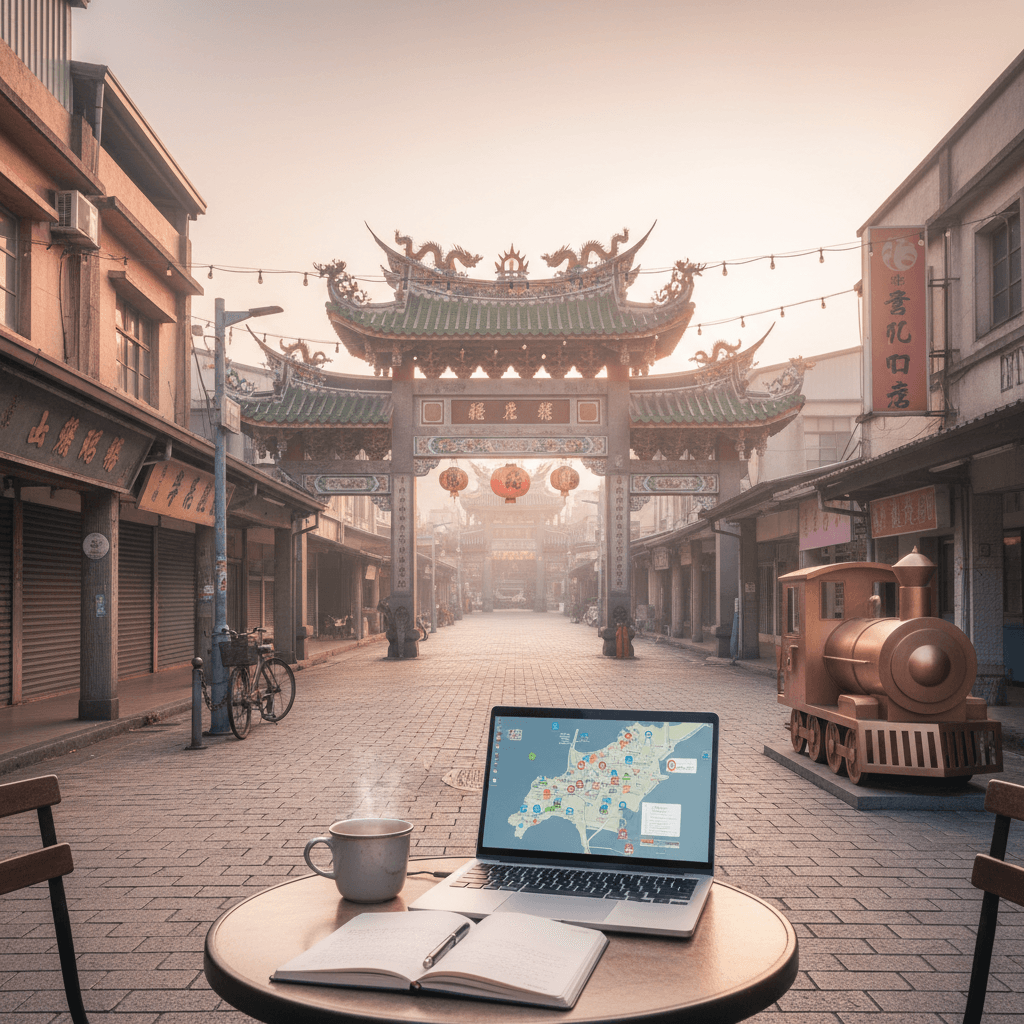
Chiayi City
🇹🇼 Taiwan
The Southern Slow-Burn
Chiayi City doesn't try too hard to impress you, and that's exactly why it wins people over. While Taipei feels like a high-speed chase and Taichung is a polished urban playground, Chiayi is the place where you finally take a breath. It’s a city of wide, sun-drenched streets, preserved wooden architecture from the Japanese era, and a pace of life that feels refreshingly human. For nomads, it’s less about a "scene" and more about finding a quiet corner of Taiwan that hasn't been scrubbed clean for tourists.
The vibe here is deeply nostalgic. You'll spend your mornings working from a renovated timber warehouse and your evenings sitting on a plastic stool at the Wenhua Road Night Market, eating turkey rice for NT$50. It’s the kind of place where shop owners remember your face by the third day. It isn't a tech hub, but with average internet speeds around 100-110 Mbps, it’s a functional sanctuary for those who value deep work over networking events.
What Nomads Love and Hate
The draw here is the balance of affordability and authenticity. You get the safety and infrastructure of Taiwan without the capital's price tag. Most travelers find the city’s proximity to nature a massive perk; you can be at the Taiping Suspension Bridge or deep in the Alishan foothills in under an hour. It’s a "base camp" city that feels like a real home.
On the flip side, the nomad community is tiny. If you’re looking for weekly meetups or dedicated coworking spaces with ergonomic chairs, you’ll be disappointed. Most remote work happens in independent cafes or spots like Starbucks. Public transport is also sparse compared to the north. If you don't rent a scooter for about NT$300 to NT$500 a day, your world becomes very small, very quickly.
The Cost of Living Breakdown
Your money goes significantly further here than in Taipei or Kaohsiung. A comfortable monthly budget usually sits around $2,713 USD, but you can live well on much less if you lean into the local lifestyle.
- The Budget Tier ($1,500 to $2,000 USD): This covers a modest room in a shared apartment, mostly street food meals, and getting around via the local bus or a bicycle.
- The Mid-Range Tier ($2,000 to $2,700 USD): This is the sweet spot. You can snag a decent studio for NT$10,000 to NT$15,000, eat at a mix of night markets and air-conditioned bistros, and keep a scooter for weekend trips.
- The Comfortable Tier ($2,713+ USD): This allows for a modern one-bedroom apartment in central areas like Bo’ai West Road, frequent High Speed Rail trips to other cities, and higher-end dining.
Settling Into the Neighborhoods
Chiayi is compact, but where you park your laptop matters for your daily flow. Most nomads gravitate toward the center to avoid feeling isolated.
Near Chiayi TRA Station
- The Vibe: Practical and connected. It’s the city’s heartbeat for transport and quick errands.
- Pros: Immediate access to trains, walking distance to the Carrefour Night Market, and plenty of cheap "quick fry" restaurants.
- Cons: It can be noisy and lacks the aesthetic charm of the older districts.
Wenhua Road & Central District
- The Vibe: The cultural core. This is where the energy is highest, especially after sunset.
- Pros: You’re seconds away from the best food in the city and beautiful historic pockets.
- Cons: Finding a quiet apartment here is a challenge, and the evening crowds can be draining if you value solitude.
The Emotional Experience
Living in Chiayi feels like being let in on a secret. There’s a specific kind of peace found in riding a scooter through the city at midnight, the air still warm and smelling of grilled seafood, knowing you’re in one of the safest places on earth. It’s a city for the self-reliant nomad who wants to trade the "hustle" for a bowl of noodles and a reliable Wi-Fi connection. You don't come here to be seen; you come here to get your work done and enjoy a slice of southern Taiwanese life that feels entirely earned.
Cost of Living in Chiayi
Chiayi is arguably one of the best value-for-money hubs in southern Taiwan. It provides that classic Taiwanese city experience without the "Taipei tax" on your monthly bank statement. Most nomads find they can live a high-quality life here for about $2,713 USD per month, though you can easily trim that down if you're comfortable eating like a local and skipping the high-end hotels.
The beauty of Chiayi is that your money goes toward authenticity rather than hype. You'll spend significantly less on housing and dining than you would in the north, leaving more in the budget for weekend trips to Alishan or exploring the surrounding countryside.
Monthly Budget Tiers
- The Budget Nomad ($1,500 to $2,000 USD): This is for those who lean into the local lifestyle. You'll likely be staying in shared housing or a basic studio, eating primarily at night markets or local "biandang" (lunch box) shops, and getting around via the bus system or a cheap scooter rental.
- The Mid-Range Resident ($2,000 to $2,700 USD): This is the sweet spot for most expats. You can afford a decent studio apartment for NT$10,000 to NT$15,000, mix your dining between street food and nice sit-down restaurants, and occasionally rely on Uber when you don't feel like driving.
- The Comfortable Life ($2,700+ USD): At this level, you’re looking at a modern one-bedroom apartment in central areas for NT$15,000 to NT$25,000. You'll have plenty of room for upscale meals, regular trips on the High Speed Rail, and all the convenience imports you might miss from home.
Housing and Accommodation
Rent is your biggest variable. If you want to be near the action, look for spots around Chiayi TRA Station or Bo’ai West Road. These areas are convenient for transport and quick snacks, though they can be a bit noisier during the day.
For something more permanent, local Facebook groups and platforms like Agoda are your best bets. While dedicated nomad housing hasn't quite hit Chiayi yet, you'll find that landlords are generally approachable. Just be aware that prices can spike slightly if you're looking for shorter-term, "digital nomad friendly" leases in hotel-style apartments like YesHotel or Chiayi Crown Hotel.
Dining and Groceries
Eating out is often cheaper than cooking in Chiayi. The food scene revolves around the Wenhua Road Night Market and Carrefour Night Market. You can grab a filling meal of local snacks for NT$50 to NT$100. If you prefer a proper restaurant setting, expect to pay between NT$200 and NT$400 for a mid-range meal. For those nights when you want to splurge on a high-end dinner, NT$800 and up will get you a fantastic experience.
- Street Food Snack: NT$50 to NT$100
- Mid-range Restaurant Meal: NT$200 to NT$400
- Upscale Dining: NT$800+
- Monthly Grocery Bill: NT$6,000 to NT$9,000 (depending on how many imports you buy)
Transport and Connectivity
Public transport isn't Chiayi's strongest suit, so most long-termers rent a scooter. It’s the ultimate way to see the city and costs between NT$300 and NT$500 per day, though monthly rates are much lower. If you prefer four wheels, Uber is reliable and relatively cheap for short hops across town.
For work, you won't find many dedicated coworking spaces, but the cafe culture is strong. Places like Starbucks are staples for nomads, and the internet speeds are surprisingly fast, averaging around 172 Mbps. A local SIM card from Chunghwa or Taiwan Mobile is a must for staying connected on the go, and you can easily set one up at the airport or any local convenience store.
Best for Solo Travelers and Nomads: West District (Near TRA Station)
If you're landing in Chiayi to work remotely, the area around the Chiayi TRA Station, specifically along Bo'ai West Road, is your best bet for convenience. It's the city's primary transport hub, making it easy to hop on a train to Minxiong for NT$15 or catch a bus to the outskirts. Most nomads gravitate here because it's walkable, and you'll find plenty of cheap local eats that won't blow your budget.
Living here puts you within striking distance of the Carrefour Night Market. It’s a local favorite for Mongolian BBQ and late-night snacks, staying open until 12:30 AM most nights. While the neighborhood can be a bit noisy and the apartment buildings are often older, the trade-off is the sheer ease of logistics. You'll find plenty of cafes with reliable fast internet (around 100 Mbps) where you can park with a laptop for the afternoon.
- Estimated Monthly Rent: NT$10,000 to NT$15,000 for a modest studio.
- Vibe: Practical, transit-oriented, and unpretentious.
- Top Tip: Rent a scooter for NT$300 to NT$500 per day if you want to explore beyond the immediate station blocks.
Best for Travelers and Social Seekers: Wenhua Road Corridor
For those who want to be in the thick of the action, the blocks surrounding Wenhua Road are the place to be. This is the heart of Chiayi's social life. Every evening, the street transforms into a massive night market stretching for 500 meters. It’s the best spot to try local xiaochi snacks and soak up the southern Taiwanese energy that makes this city special.
Expats and short-term visitors often prefer this area because it feels more "alive" after dark. You’re close to the major hotel zones like the Chiayi Crown Hotel and YesHotel, which means more English-speaking staff and easier access to tour pickups. It’s not the quietest place to work during the evening rush, but for a week or two of immersion, the convenience is hard to beat.
- Estimated Monthly Rent: NT$15,000 to NT$22,000 for modern short-term rentals.
- Vibe: Energetic, food-focused, and central.
- Top Tip: The market is packed on weekends; do your grocery shopping or focused work during the day when the streets are much calmer.
Best for Expats and Long-Term Stays: East District Residential Pockets
Expats who plan on staying for six months or more often drift toward the quieter residential pockets in the East District. This area feels less like a transit hub and more like a neighborhood. You’ll find slightly higher-end housing options and better access to green spaces. It’s a bit more "local" in the sense that you won't see many tourists, but you'll still be close enough to the center to grab a NT$200 mid-range dinner.
Since Chiayi doesn't have a massive coworking scene, expats here usually set up robust home offices or frequent independent coffee shops. The pace is slow, and you'll likely need an EasyCard and a scooter to get around comfortably. It’s the right choice if you're looking for a "slow life" experience while utilizing the new 2-year Digital Nomad Visa (up to 6 months initial + extensions).
- Estimated Monthly Rent: NT$15,000 to NT$25,000 for a 1-bedroom apartment.
- Vibe: Peaceful, authentic, and residential.
- Top Tip: Use local Facebook groups to find apartment listings, as many of the best spots aren't on English-language booking sites.
Best for Families: Northern Outskirts and Near Nature
Chiayi doesn't have a designated "family district," but the quieter areas heading north or toward the foothills are preferred by those with kids. These neighborhoods offer more space and easier access to outdoor attractions like the Taiping Suspension Bridge or local ecological farms. Entry to the bridge is about NT$300, and it's a popular weekend escape for families looking to beat the city heat.
Public transport is sparse out here, so a car or reliable scooter setup is mandatory. You'll trade the convenience of the night markets for cleaner air and less traffic. It’s a great home base if you want to use the High Speed Rail for day trips to Tainan or Taichung while keeping your daily cost of living significantly lower than in the bigger cities.
- Estimated Monthly Rent: NT$20,000+ for larger multi-room layouts.
- Vibe: Suburban, quiet, and family-friendly.
- Top Tip: Look for housing near the larger parks or the university areas for a balance of amenities and quiet nights.
Connectivity and Speed
Chiayi might feel like a sleepy southern town, but its infrastructure tells a different story. You'll find internet speeds averaging around 100-110 Mbps, which is more than enough for heavy video calls or uploading large files. Most nomads find that fiber optic connections are standard in mid range rentals and newer hotels near the TRA Station.
For mobile data, don't bother waiting until you get into the city center. Grab a local SIM at the airport from Chunghwa Telecom or Taiwan Mobile. If you've already arrived, head to any major convenience store like 7-Eleven or FamilyMart; they can often help with prepaid cards if you have your passport handy. Many expats now prefer Airalo for eSIMs to skip the physical paperwork entirely.
The Coworking Scene
If you're looking for a dedicated coworking space with networking events and ergonomic chairs, you're going to be disappointed. Chiayi doesn't have a formal coworking hub yet. The nomad community here is tiny, so the demand for dedicated offices hasn't quite hit the local market. Most remote workers here embrace the "cafe office" lifestyle instead.
The lack of formal spaces means you won't be paying a $200 USD monthly desk fee, which helps keep your overhead low. However, it also means you'll need to be self reliant when it comes to finding a quiet corner with a power outlet. Most people find that the social side of work happens in Facebook groups rather than at a water cooler.
Where to Work: Cafe Culture
Since there aren't any official offices, cafes are the heartbeat of the remote work scene. Taiwan has a very respectful cafe culture; it's generally safe to leave your laptop on the table while you grab a refill or use the restroom, though you should always use common sense.
- Starbucks (Near Chiayi Station): It's the reliable fallback. It has consistent Wi-Fi, plenty of outlets, and nobody will glare at you for staying three hours.
- Morikoce: A great choice if you need a bit more space. It's often quieter during weekday afternoons, making it ideal for deep work sessions.
Connectivity Pro-Tips
Public Wi-Fi is ubiquitous but can be patchy. The iTaiwan network is available in public areas and government buildings, but it's often slower than a private cafe connection. Most nomads recommend using a local SIM as a hotspot if you're working from a park or a smaller eatery.
One thing to keep in mind is the "power outlet hunt." While newer cafes are laptop friendly, older traditional tea houses might not have sockets available for customers. Always check the walls before you order your coffee. If you're planning to stay long term, look for apartments near Bo'ai West Road or Wenhua Road, as these central areas tend to have the most reliable service providers and the highest density of work friendly spots.
For those moving between cities, the High Speed Rail (HSR) stations and trains also offer free Wi-Fi, though the speeds drop significantly when the train is in a tunnel. If you have a deadline, stick to the 100-110 Mbps speeds you'll find in the city center.
A Safe Haven for Solo Explorers
Chiayi is the kind of place where you can wander into a quiet alley at 3 AM to find a snack and never feel a flicker of unease. Violent crime is practically unheard of here. Like most of Taiwan, the city operates on a high level of social trust. You'll often see locals leave their scooters running while they pop into a 7-Eleven, or nomads leaving a laptop on a cafe table while they grab a refill. While you should still use basic common sense, the risk of pickpocketing or petty theft is remarkably low.
The biggest safety concern isn't crime; it's the traffic. If you're renting a scooter for NT$300 to NT$500 a day to get around, be prepared for a bit of chaos. Local drivers can be unpredictable, and public transport is sparse, so you'll likely find yourself sharing the road with plenty of other bikes. If you aren't comfortable on two wheels, stick to Uber or the 7320 bus line. Pedestrians should stay alert, as sidewalks can be inconsistent or blocked by parked scooters.
Navigating the Healthcare System
If you get sick, you're in good hands. Taiwan’s healthcare system is world-class, and Chiayi has several reliable facilities. Most expats and long-term travelers head to Chiayi Christian Hospital or St. Martin De Porres Hospital. These larger institutions usually have English-speaking staff and high-tech equipment. For minor issues like a cold or a skin rash, look for local clinics marked with a blue and white "NHI" (National Health Insurance) sign. These are everywhere and much faster than a hospital visit.
For those on the 2-year Digital Nomad Visa, you might not be eligible for the national insurance immediately, but out-of-pocket costs are surprisingly affordable. A standard consultation often costs between NT$500 and NT$1,000. If you just need basic meds, pharmacies are abundant near the Wenhua Road Night Market and inside the Carrefour on Bo'ai West Road. Pharmacists are generally very knowledgeable, though a translation app helps if your Mandarin is rusty.
- Emergency Services: Dial 119 for an ambulance or fire, and 110 for police.
- Pharmacy Hours: Most are open until 10 PM, while convenience stores like FamilyMart carry basic first-aid supplies 24/7.
- Water Safety: Don't drink the tap water directly. Use the filtered dispensers found in most hotels and Airbnbs, or buy cheap bottled water at any corner store.
Staying Prepared
Since Chiayi is a gateway to the mountains, it's prone to the occasional earthquake. Most buildings are built to withstand them, but it’s smart to download a local alert app. During the summer months from May to October, keep an eye on typhoon reports. The city can get incredibly windy and wet, and shops often close down if a "typhoon day" is officially declared.
Expats living here long-term recommend keeping an EasyCard topped up. Beyond just paying for the occasional bus, it's a lifesaver for quick transactions at pharmacies and convenience stores if you forget your wallet. If you're heading out to the Taiping Suspension Bridge or other rural spots, let someone know your itinerary, as cell service can get spotty in the deep mountain passes.
The Scooter is King
In Chiayi, the internal transport system is a bit of a mixed bag. While the city is compact, the bus network isn't as frequent or intuitive as what you'll find in Taipei. Local buses like the 7320 or 7325 will get you to major spots like the Wenhua Road Night Market, but they often stop running earlier than you'd like. Most long-term expats and nomads find that relying solely on public transit feels restrictive.
The real local way to get around is by scooter. You can rent one for about NT$300 to NT$500 per day near the Chiayi TRA Station. It gives you the freedom to zip between cafes and late-night food stalls without checking a schedule. Just keep NT$20 in coins handy for parking fees at popular sites. If you aren't comfortable on two wheels, Uber is surprisingly affordable and reliable here, making it the go-to for rainy days or grocery runs.
Walking and Cycling
If you stay near the Chiayi TRA Station or the Wenhua Road area, you'll find the city quite walkable. The streets are flat, and many of the best coffee shops and "xiaochi" snack stalls are clustered together. For longer distances that don't quite warrant a taxi, look for YouBike stations. You'll need a local SIM card to register for the app, but once you're set up, it's the cheapest way to navigate the city. The first 30 minutes are often subsidized or extremely cheap, usually just a few Taiwan dollars.
Connecting to the Rest of Taiwan
Chiayi is a major transit hub, but there's a catch: the High Speed Rail (HSR) station and the regular TRA train station are in two different places. The Chiayi TRA Station is right in the city center and is your gateway to local trains, like the NT$15 ride to Minxiong. This is also where you'll find most of the budget-friendly accommodation and scooter rental shops.
The HSR Station is located on the outskirts of the city. To get there, you'll need to take a shuttle bus or a 20-minute taxi ride. Once you're at the HSR, you can be in Taipei or Kaohsiung in under 90 minutes. If you plan on doing a lot of regional travel, nomads often recommend grabbing an HSR Unlimited Pass to save on those high-speed fares.
Essential Navigation Tools
Don't expect much English on the bus signs or at smaller rental kiosks. You'll want to have a few things ready on your phone to make life easier:
- Google Maps: Still the gold standard for bus timings and walking routes in Chiayi.
- EasyCard: This is a non-negotiable. You can buy one at any 7-Eleven or FamilyMart. Tap it for buses, TRA trains, and even some convenience store purchases.
- Google Translate: Use the camera feature for reading bus stop names and menus at the night markets.
- YouBike 2.0 App: For finding the nearest bike dock and checking availability in real-time.
For those arriving from overseas, the most common route is taking the HSR from Taoyuan International Airport down to Chiayi. It's a smooth transition, but always remember to keep your paper tickets or digital QR codes ready for the exit gates, as the staff at the smaller Chiayi exits are strict about scanning out.
The Linguistic Landscape
In Chiayi, you're stepping into a world where Mandarin Chinese is the primary mode of communication, but the local flavor is heavily seasoned with Taiwanese Hokkien. Unlike the international bubbles of Taipei, Chiayi retains a traditional soul. You'll hear older generations chatting in Hokkien at the Wenhua Road Night Market, and while younger locals are fluent in Mandarin, English proficiency isn't a given once you step away from the train station or major hotel lobbies.
Most nomads find the language barrier manageable but present. You won't find many English menus at the smaller "xiaochi" stalls, so getting comfortable with pointing and smiling is part of the daily routine. Locals are incredibly patient and will often go out of their way to help, even if the conversation involves a lot of miming and laughter.
Digital Tools for Daily Life
Since English isn't widely spoken in local shops or traditional markets like Carrefour Night Market, your smartphone is your best friend. Expats recommend downloading specific apps to bridge the gap before you even land.
- Google Translate: The camera feature is a lifesaver for reading menus or signs at the Chiayi TRA Station.
- Waygo: This is particularly good for translating Chinese characters on food packaging and menus without needing a constant data connection.
- Line: This is the "everything app" in Taiwan. If you're renting a scooter or an apartment, your landlord or the shop owner will almost certainly want to communicate via Line.
Essential Phrases to Know
Learning a few basics goes a long way in building rapport with the locals. It shows respect for the culture and usually results in better service and warmer interactions. Here are the heavy hitters:
- Ni hao: Hello. Use this for everyone, from the 7-Eleven clerk to your Uber driver.
- Xie xie: Thank you. You'll use this dozens of times a day.
- Duoshao qian?: How much? Useful for those night market hauls.
- Bu yong: No thank you. Great for politely declining bags or extra receipts.
- Tai-ga-ho: This is "Hello" in Taiwanese Hokkien. Dropping this at a traditional breakfast stall will likely earn you a massive grin.
Communication Logistics
Staying connected is rarely an issue because Taiwan's infrastructure is world-class. Even in a smaller city like Chiayi, internet speeds average 172 Mbps. Most nomads skip the hunt for public Wi-Fi and just grab a local SIM card to stay tethered.
For a seamless experience, travelers often suggest picking up a SIM from Chunghwa Telecom or Taiwan Mobile right at the airport. If you prefer a digital-first approach, Airalo offers eSIMs that work perfectly, though they can be slightly pricier than local physical cards. Having a local number is particularly helpful if you need to use the YouBike system, as registration often requires a Taiwan-based SIM to receive a verification code.
Navigating Social Circles
The nomad scene in Chiayi is tiny, so you won't find many dedicated English-speaking meetups or coworking events. Communication in social settings usually happens through Facebook Groups or via apps like Room Abroad. If you're looking for English speakers, your best bet is to head to Western-style cafes or larger chains like Starbucks, where students and remote workers often congregate. For a more immersive experience, booking a local tour through platforms like Klook can connect you with English-speaking guides who can provide deeper context on the city's history and the Taiping Suspension Bridge area.
The Sweet Spot: When to Visit
Chiayi sits right on the Tropic of Cancer, meaning you're dealing with a humid subtropical climate that stays fairly warm year-round. Most nomads and expats agree that October through April is the prime window for a stay. During these months, the oppressive summer heat breaks, leaving you with crisp, manageable days and cool evenings perfect for wandering the Wenhua Road Night Market without melting.
The average temperature hovers around 23°C (73°F), but this number is a bit deceptive. In the winter months of January and February, it can dip into the low teens. While that sounds mild, the high humidity in southern Taiwan makes the cold feel like it's seeping into your bones, especially since many older apartments lack central heating. Pack a solid light jacket and some layers if you're planning a winter stint.
Avoiding the Summer Swelter
If you aren't a fan of torrential downpours or shirt-soaking humidity, try to avoid the peak summer months from June to September. This is typhoon season. While Chiayi is slightly more sheltered than the coastal cities, you'll still face heavy rains that can shut down local transport and make scooter travel, the primary way to get around Chiayi, pretty miserable.
Summer temperatures regularly climb above 32°C (90°F) with humidity levels that make outdoor laptop sessions at local cafes nearly impossible. If you do visit during this time, you'll spend most of your day hopping between air-conditioned spots like the Chiayi Art Museum or the larger Starbucks branches to stay productive.
Seasonal Highlights for Nomads
- Spring (March to May): This is arguably the most beautiful time in the region. The weather is mild, and it's the peak season for visiting the nearby Alishan mountain range. Many nomads use Chiayi as a base during these months to take mid-week trips to the tea plantations when the cherry blossoms are out and the crowds are thinner.
- Autumn (October to December): The rains taper off and the air clears up. It's the best time for hiking near the Taiping Suspension Bridge or taking your scooter out to explore the rural farms on the outskirts of the city.
- Lunar New Year (Late January or February): Be aware that the city transforms during this week. Many local shops close, and prices for short-term rentals can spike. However, the festive atmosphere and temple celebrations offer a deep look into local culture that you won't see any other time of year.
Practical Weather Survival
Regardless of when you arrive, download a reliable weather app like Windy or the Central Weather Administration (CWA) app. These are much more accurate for tracking local rain patterns and typhoon warnings than standard phone apps. Travelers often recommend keeping a lightweight poncho in your scooter trunk at all times; Chiayi's weather can shift from sunny to a sudden downpour in about ten minutes.
If you're planning on doing the "digital" part of digital nomadism, remember that May and June bring the "plum rains." These aren't typhoons, but persistent, gray drizzles that can last for days. It's a great time to hunker down in a quiet cafe near the TRA station and get some deep work done, but it’s not the best time for those looking to maximize their outdoor adventure time.
Connectivity and Tech Setup
Staying connected in Chiayi is straightforward, but you should handle your tech basics before leaving the airport. While you can find local providers in the city, grabbing a Chunghwa Telecom or Taiwan Mobile SIM at the airport saves you the hassle of language barriers later. If your phone supports it, an Airalo eSIM is the quickest way to get data immediately. You'll find the average internet speed clocks in around 172 Mbps, which is plenty for heavy video calls or uploading large files from your apartment.
There aren't any dedicated coworking spaces in Chiayi yet, so you'll be joining the local "cafe office" culture. Starbucks is the reliable fallback, but local independent cafes are generally welcoming to laptops as long as you keep the coffee flowing. It's perfectly safe to leave your laptop on the table while you grab a refill or use the restroom; Taiwan's low crime rate is a major perk for solo workers.
Money and Budgeting
Chiayi is significantly more affordable than Taipei or Taichung, but it's still a cash-heavy society. While Wise is great for transfers and bigger hotels take cards, you'll need plenty of NT$ for the night markets and smaller eateries. ATMs are everywhere, especially inside 7-Eleven and FamilyMart stores, which are open 24/7.
For a comfortable stay, expect the following monthly costs:
- Budget ($1,500 to $2,000 USD): Stick to shared housing or basic studios near the TRA station, eat primarily at night markets, and use the bus system.
- Mid-range ($2,000 to $2,700 USD): Rent a nicer studio for NT$10,000 to $15,000, mix in some mid-range restaurant meals, and rent your own scooter.
- Comfortable ($2,700+ USD): High-end apartments for NT$20,000+, frequent weekend trips via the High Speed Rail, and upscale dining.
Getting Around
The city center is walkable, but to see the best of Chiayi, you'll want wheels. Public buses like the 7320 or 7325 will get you to major spots like the Wenhua Road Night Market, but they aren't frequent enough for a daily commute. Most expats and long-term travelers rent a scooter for NT$300 to $500 per day. Just remember that parking at major sites usually costs about NT$20.
For longer distances, Uber is reliable and relatively cheap. If you're heading out of town, the TRA trains are your best friend; a trip to Minxiong costs as little as NT$15. Make sure to download Google Maps for navigation and YouBike if you prefer cycling, though you'll need a local SIM card to register for the bike-share program.
Culture and Etiquette
Chiayi is a traditional city, so a few local customs go a long way. Always remove your shoes before entering someone's home or certain traditional guesthouses. Tipping isn't expected and can actually cause confusion, so just pay the price on the bill. At the Wenhua Road or Carrefour Night Markets, respect the queues; they move fast, but cutting is a major faux pas.
English proficiency is lower here than in the north. Download the Google Translate app and make sure you have the offline Chinese pack. Learning "Ni hao" (hello) and "Xie xie" (thank you) will earn you plenty of smiles from the vendors. If you're looking to stay long-term, look into the Digital Nomad Visa (up to 2 years with extensions), which makes it much easier to settle into the southern lifestyle.
Need visa and immigration info for Taiwan?
🇹🇼 View Taiwan Country GuideOff the Radar
Pioneer territory