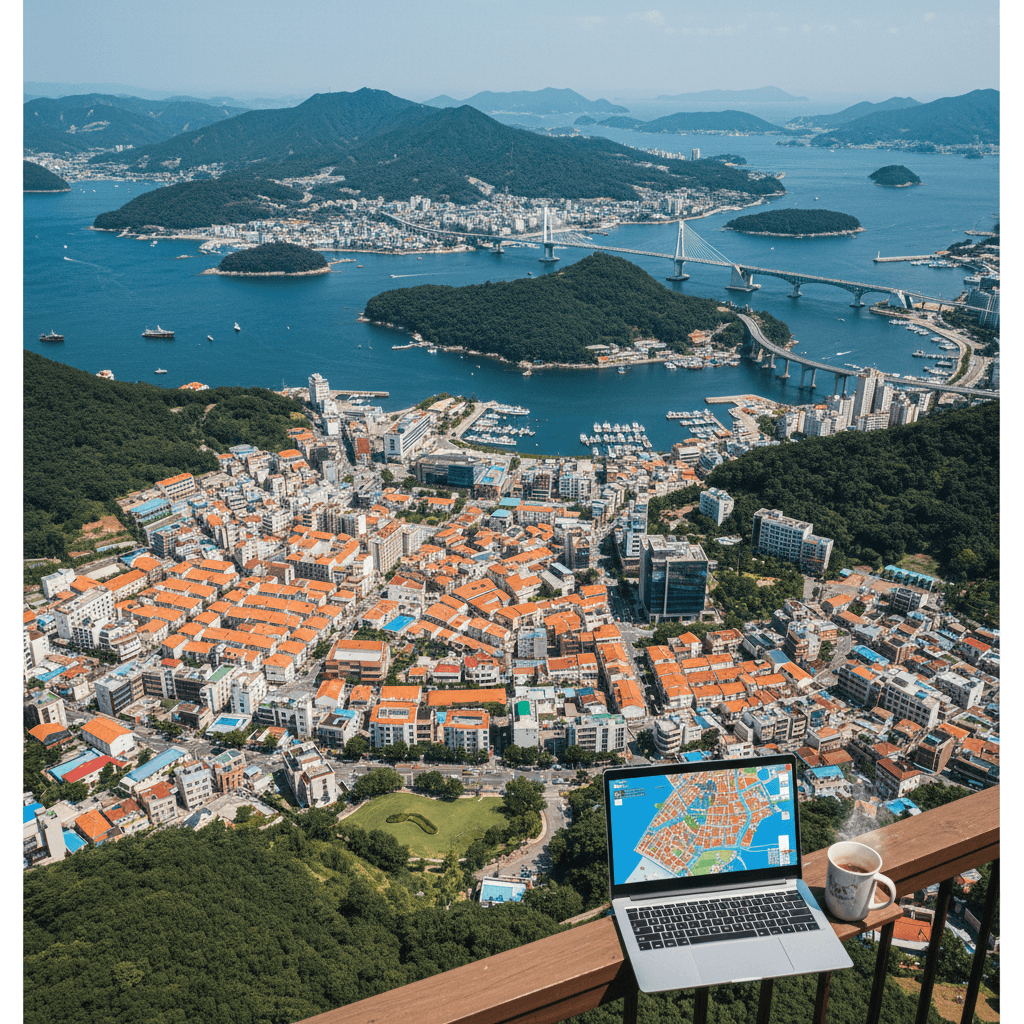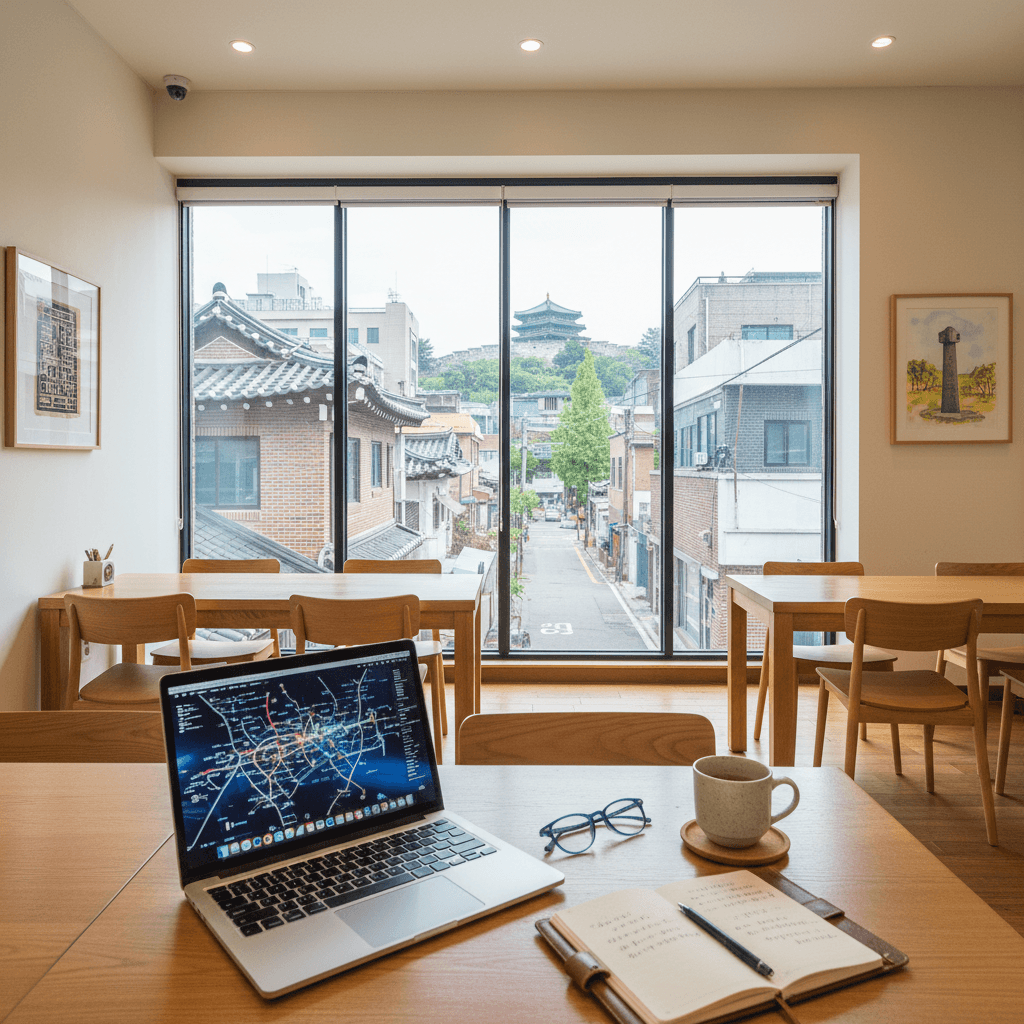
Cheongju
🇰🇷 South Korea
The Lowdown on Cheongju
If Seoul is the high energy older sibling and Busan is the beach loving cousin, Cheongju is the grounded, intellectual center of the country. It is the capital of North Chungcheong Province, but it feels more like a collection of cozy university towns than a sprawling metropolis. Most travelers overlook it because it lacks the flashy skyscrapers of the capital, but for a nomad, that is exactly why it works. You get the world class infrastructure of South Korea without the constant sensory overload.
The city has a distinct academic soul. It is home to several major universities, which keeps the population young and the prices significantly lower than what you will find up north. There is a quiet pride here too; this is the birthplace of Jikji, the oldest book printed with movable metal type. That history seeps into the vibe. It is a place where people actually stop to read in cafes rather than just posing with their lattes for social media.
The Daily Rhythm
Living here feels manageable. You won't spend half your day underground on a subway. Instead, you will find yourself walking through neighborhoods like Seonghwa-dong or Yulnyang-dong, where the streets are lined with independent coffee shops that actually care about their bean origin. The pace is slower, and the locals are generally more curious about foreigners than the jaded crowds in Seoul.
Expats often mention that the city feels like a "fifteen minute city" where everything you need is within a short bus ride or a brisk walk. It is the kind of place where the barista remembers your order by day three. For someone working remotely, this lack of friction is a massive productivity booster. You aren't fighting for a seat at a desk or dealing with "no laptop" policies that are becoming common in the more touristy parts of the country.
Neighborhood Personalities
- Shinchon and Chungbuk National University Area: This is the heartbeat of the city for anyone on a budget. It is packed with cheap eats, 24 hour study cafes, and a high energy nightlife that stays affordable.
- Seong-an-gil: The central shopping district. It feels like a miniature Myeongdong but with more breathing room. It is great for people watching and finding those niche stationery shops Korea is famous for.
- Ochang-eup: Further out and more industrial, but popular with tech professionals. It is quieter and offers more modern, spacious apartment options if you prefer a suburban feel.
The Nomad Reality
Don't come here expecting a massive, organized digital nomad meetup every Tuesday. The community is smaller and more organic, mostly consisting of English teachers, university researchers, and a handful of remote tech workers. You will likely find your tribe in places like Work and Co or the various "study cafes" like Momento or Focus, which are specifically designed for deep focus. These spots usually cost around $8 to $12 for a full day pass and include lightning fast internet and free flowing coffee.
The emotional experience of Cheongju is one of relief. There is a certain calmness in being in a city that isn't trying to sell you anything. You can find a spot by the Musimcheon Stream, watch the cherry blossoms or the autumn leaves, and actually hear your own thoughts. It is a functional, friendly, and deeply underrated base for anyone who wants to experience the "real" Korea while keeping their overhead low and their focus sharp.
Quick Look: The Cost of Living
- Monthly Studio Rent: $350 to $550 in student areas like Gaeshin-dong.
- Local Meal (Gukbap or Bibimbap): $6 to $9.
- Craft Beer or Cocktail: $5 to $8.
- Monthly Gym Membership: $40 to $70.
The Price of the "Middle Land"
Living in Cheongju is a breath of fresh air for your bank account, especially if you're coming from the high pressure environment of Seoul. While it's a major provincial capital, it doesn't carry the "capital city tax" that inflanges prices in the northwest. You get the same world class infrastructure and blazing fast internet for about 30% to 40% less than you'd pay in the Gyeonggi region.
Most digital nomads find that a monthly budget of $1,600 to $2,100 allows for a very comfortable lifestyle here. This includes a modern studio, dining out daily, and plenty of weekend trips. If you're tightening the belt, you can easily get by on $1,200, but you'll be cooking more at home and choosing older housing near the universities.
Housing and Neighborhoods
Your biggest variable is going to be the "key money" or deposit. In Korea, a higher deposit usually means lower monthly rent. For most short term stays, you'll look for "one-room" studios that come fully furnished. These are plentiful near the university districts.
Gwell City (Bokdae-dong)
- The Vibe: This is the modern, upscale heart of the city. It's surrounded by department stores, high end gyms, and sleek cafes.
- Modern Studio Rent: $550 to $850 per month.
- Deposit: Expect to put down $3,500 to $7,500.
- Best For: Nomads who want everything within walking distance and don't mind paying for the convenience.
Chungbuk National University Area (Sa-chang dong)
- The Vibe: Youthful, energetic, and significantly cheaper. The streets are packed with affordable bars and 24 hour study cafes.
- Budget Studio Rent: $300 to $450 per month.
- Deposit: Often as low as $1,500 to $3,000.
- Best For: Budget conscious travelers and those who want to be near the best nightlife.
Food and Daily Expenses
Cheongju is famous for its "Samsyeopsal Street," and eating out is a way of life here. You can find a solid meal at a local kimbap shop for $5 to $7. A mid range dinner for two with drinks usually lands around $35. Groceries are reasonable if you stick to local markets like Yukgeori Traditional Market, though imported goods at Emart will always command a premium.
- Local Meal (Bibimbap or Kimchi Jjigae): $7 to $9.
- Craft Beer or Cocktail: $6 to $10.
- Iced Americano: $3 to $5 (though many "mega coffee" chains sell them for $1.50).
- Monthly Gym Membership: $40 to $70.
Connectivity and Coworking
You don't necessarily need a dedicated coworking space in Cheongju because the cafe culture is elite. Places like Cafe Swith or any of the multi story spots near Uam-san are designed for people to sit with laptops for hours. If you need a professional setup, look for "Study Cafes" like Momento or Focus. These usually cost about $100 to $130 for a monthly pass and include high speed Wi-Fi, printers, and free coffee.
Home internet is rarely an extra cost as it's typically bundled into your building's management fee, which runs about $50 to $100 and covers hallway cleaning and water. A high end mobile plan with unlimited data from providers like KT or SKT will cost you roughly $45 to $60 per month.
Transport and Getting Around
Cheongju doesn't have a subway, but the bus system is dense and efficient. Most nomads use the KakaoBus app to timing their trips. Taxis are also incredibly affordable compared to Western standards. A 15 minute cross town trip rarely exceeds $10. If you're heading to Seoul for the weekend, the express bus from the Gagyeong-dong terminal costs about $9 and takes roughly 90 minutes.
For Digital Nomads: Seongan-gil and Central Cheongju
If you want to be where the action is, Seongan-gil is your best bet. It is the city's primary shopping and social artery, packed with enough cafes to keep your laptop charged for a year. Most nomads gravitate toward the area around Cheongju Central Park because it balances historical sights with modern infrastructure. You will find reliable 4G and 5G speeds here that rival Seoul, usually hovering around 400 to 500 Mbps in most establishments.
For a dedicated workspace, check out Work and Co or one of the many laptop-friendly cafes in the district. Monthly hot desk rates typically run between $150 and $220. When you need a break, the area is full of small eateries where a solid lunch like Gukbap or Bibimbap costs about $7 to $10. It is the most walkable part of the city, meaning you can skip the bus and save your $1.20 fare for an extra iced americano.
- Average Rent: $450 to $650 for a modern studio (Officetel).
- Vibe: Fast paced, social, and convenient.
- Best for: Short term stays and those who hate commuting.
For Long-term Expats: Gwell City (Bokdae-dong)
Gwell City is essentially a city within a city. Located in Bokdae-dong, this is the upscale, modern face of Cheongju. It is the preferred neighborhood for international teachers and corporate transfers because everything is high end and accessible. You have the Hyundai Department Store and Gwell City Mall right at your doorstep, which makes grocery shopping for familiar international brands much easier.
Expats often choose this area because the buildings are newer and the insulation is better, which matters during those biting -10°C Korean winters. While the rent is higher than in the old city, you get what you pay for in terms of security and amenities. The dining scene here is a bit more diverse, featuring decent Italian and Japanese spots alongside the standard Korean BBQ joints.
- Average Rent: $700 to $1,100 for a premium one or two bedroom apartment.
- Vibe: Polished, convenient, and slightly more westernized.
- Best for: Remote workers with a higher budget who want comfort.
For Families: Ochang-eup
Ochang is technically a "new town" located just north of the city center. It was designed with families in mind, featuring wide sidewalks, plenty of greenery, and the popular Ochang Lake Park. It is much quieter than Seongan-gil, making it ideal if you are traveling with kids or just need a silence for your Zoom calls. The local schools and academies are well-regarded, and the neighborhood feels very safe at any hour.
The cost of living here is surprisingly reasonable given the quality of life. You can find larger three bedroom apartments for what you would pay for a tiny box in Seoul. Most families find that owning a car is helpful here, though the bus system connects you to the rest of Cheongju in about 25 minutes.
- Average Rent: $600 to $900 for a family sized apartment.
- Vibe: Quiet, green, and community oriented.
- Best for: Slow travelers and those with children.
For Solo Travelers and Students: Chungbuk National University Area
The neighborhood surrounding Chungbuk National University (often called Chungdae) is the place for budget conscious solo travelers. Because of the student population, the prices for everything from coffee to dry cleaning are lower. You can find "One-room" apartments for as little as $300 a month if you are willing to sign a longer lease, or guesthouses for $25 a night.
The nightlife here is the most active in the city, centered around the Chungdae Jungmun (Middle Gate) area. It is full of neon lights, cheap bars, and 24-hour study cafes. If you are looking to meet locals or other young travelers, this is where it happens. It is energetic and a bit loud, but it captures the youthful side of Cheongju perfectly.
- Average Rent: $300 to $500 for basic studios.
- Vibe: High energy, affordable, and gritty.
- Best for: Social butterflies and budget travelers.
Connectivity and Speed
You won't have to worry about the internet in Cheongju. South Korea has some of the fastest broadband on the planet, and this city is no exception. Most apartments and Airbnbs in Cheongju typically offer 50-300 Mbps connections, with average speeds around 114.7 Mbps. If you're looking to set up your own home office, a monthly fiber plan typically starts around $20 to $30.
Mobile data is just as reliable. The 4G and 5G coverage across the city is nearly 100 percent. You can pick up a prepaid SIM card at Cheongju International Airport or at any major convenience store like GS25 or CU. Most nomads recommend using the KT (Korea Telecom) or SK Telecom networks for the best stability when traveling between the city center and the more rural parts of North Chungcheong.
Coworking Spaces and Hotspots
Cheongju doesn't have the massive coworking chains you'll find in Seoul, but it has a functional, local scene that's much more affordable. Most remote workers here gravitate toward the area around Chungbuk National University. It's the pulse of the city's student and startup life, meaning you'll find plenty of spots designed for long sessions with a laptop.
- Work and Play: A popular local spot where you can grab a desk for about $10 to $15 per day. It's quiet, has ergonomic chairs, and the Wi-Fi is rock solid.
- Cafe Swith: Located near the university, this is a hybrid space. It's technically a cafe, but they have dedicated "study zones" with power outlets at every seat.
- Cheongju Startup Hub: This is a government backed space. While it's aimed at local entrepreneurs, they often have open lounge areas where you can work for free or a very small fee if you register.
The Cafe Culture
If you prefer a more social atmosphere, Cheongju has a massive cafe culture. In the Seongan-gil shopping district, you'll find dozens of multi story cafes. South Korean cafe etiquette is very nomad friendly; it's perfectly normal to buy one coffee for $4 or $5 and stay for three or four hours. Just look for the places that have "Study Cafe" in the name if you need absolute silence.
Expats often recommend the Sujidong area for a quieter vibe. The cafes here overlook the river and tend to be less crowded during the work week. You'll find consistent speeds even in the smaller, independent shops.
Digital Nomad Logistics
While the infrastructure is great, you'll need to keep the legal requirements in mind if you're staying long term. The South Korean digital nomad visa (the F-1-D Workation visa) requires you to prove an annual income of roughly $66,000 (₩88,102,000). If you don't meet that, most travelers stick to the 90 day tourist visa, which is plenty of time to explore the region.
- Public Wi-Fi: Available almost everywhere, including city buses and parks. Look for the "Public WiFi Free" SSID.
- Useful Apps: Download KakaoMap or Naver Map. Google Maps doesn't work well for walking directions in Cheongju.
- Power Plugs: Korea uses Type F plugs (two round pins). You'll want a sturdy adapter if your gear is from the US or UK.
Most nomads find that the lack of a massive expat bubble in Cheongju is actually a plus. You get world class internet and modern amenities without the inflated prices of Seoul. It's a focused, productive environment where you can actually get work done while enjoying a much lower cost of living.
Safety in the Education City
Cheongju is widely known as a quiet, academic hub, and that reputation translates into one of the safest environments for nomads in East Asia. You can walk through the Seongan-gil shopping district or the university areas at 2:00 AM without a second thought. Street crime is statistically negligible, and locals are generally helpful, even if there's a slight language barrier compared to Seoul.
The biggest safety concern you'll face is the aggressive driving. Like many Korean cities, delivery scooters often zip onto sidewalks and cars might push through yellow lights. When you're walking around Chungbuk National University, keep your head up and don't assume a car will stop just because you're in a crosswalk. Most expats use the KakaoMap or Naver Map apps to track bus routes precisely, which helps avoid standing around in dark or isolated spots at night.
Solo female travelers consistently report feeling secure here. The city is blanketed in high definition CCTV and has a high density of 24 hour convenience stores like GS25 and CU. These shops are designated as safety shelters where you can go if you ever feel uncomfortable. If you need emergency help, dial 112 for police or 119 for fire and medical services; both lines have English translators available upon request.
World Class Healthcare Access
The healthcare in Cheongju is exceptional and significantly more affordable than in North America or Western Europe. For most minor issues, you won't go to a hospital. Instead, look for local clinics (Uiwon) which are everywhere. A standard consultation for a cold or a minor skin issue usually costs between $10 and $20 if you're paying out of pocket. If you have the National Health Insurance (NHI) after getting your residence card, that price drops to about $4.
For more serious matters or if you prefer a facility with an international department, head to Chungbuk National University Hospital in the Gaesin-dong neighborhood. They have specialists and diagnostic equipment that rival any major Western facility. Cheongju St. Mary's Hospital is another top tier choice known for being expat friendly. You don't usually need an appointment for general clinics, but for these large hospitals, it's better to call ahead or have a Korean speaking friend help you book.
Pharmacies and Prescriptions
Pharmacies, marked by a red or green Yak sign, are on almost every corner. Many pharmacists in the Gagyeong-dong area speak enough English to help with basic needs. You can get high quality over the counter meds for headaches or indigestion for under $5. Keep in mind that Korean doctors tend to prescribe a packet of multiple pills for even minor ailments, and you'll take your physical paper prescription to the pharmacy immediately next door to the clinic.
- Emergency Police: 112
- Medical Emergency: 119
- Medical Translation Service: 1339
- Standard Clinic Visit: $10 to $25
- ER Visit (Basic): $60 to $100
If you're staying long term on the new digital nomad visa, you'll eventually be required to join the national insurance system. Until then, ensure your private travel insurance covers "repatriation of remains" and "emergency evacuation," though the local facilities are more than capable of handling almost any surgery or treatment on site. Most nomads find the speed of service here mind blowing; you can often get an MRI or X-ray the same day you walk in for a fraction of the cost back home.
The Bus King of the Center
Unlike Seoul or Busan, Cheongju doesn't have a subway system. For a city of over 800,000 people, that might sound like a headache, but the bus network is surprisingly robust. It's the lifeblood of the city. You'll mostly be looking for the G-Bus (green) for local routes and the B-Bus (blue) for longer hops across town. A standard fare is 1,500 KRW, and if you use a transportation card, you get a small discount and free transfers within 45 minutes.
Most nomads find that the KakaoBus or Naver Maps apps are non-negotiable here. Google Maps is notoriously unreliable for transit timing in Korea. These apps show you exactly how many minutes until the next bus arrives at your stop, which is a lifesaver during the humid summer months or the biting winters of North Chungcheong.
T-Money and Cashbee
You can't just tap a foreign Visa or Mastercard on the bus reader yet. You'll need a physical T-Money or Cashbee card. You can pick these up at any CU, GS25, or 7-Eleven for about 3,000 KRW. Load them with cash at the same convenience stores. It's a bit old school, but these cards also work for taxis and even at some vending machines.
Taxis and KakaoT
Taxis are plentiful and relatively cheap compared to Western standards. The base fare starts around 4,000 KRW. If you're out late in Shinha-dong or Yulnyang-dong and miss the last bus around 11:00 PM, a taxi is your only real option. Download KakaoT. It works exactly like Uber. You don't need to speak Korean to use it; just set your destination in the app and the driver follows the GPS. Most expats recommend linking a local card if you have one, but you can also select "pay to driver" and use your physical card or cash at the end of the ride.
The Electric Scooter Craze
Cheongju is fairly flat in the central areas, which has led to an explosion of shared electric scooters like Beam and Swing. You'll see them parked on almost every street corner in Seonghwa-dong or near the Chungbuk National University gate. They usually cost about 1,200 KRW to unlock plus a few hundred won per minute. Just keep in mind that Korean law now requires a driver's license and a helmet to ride these. Police do occasionally hand out fines to foreigners who ignore this.
Intercity Travel: Cheongju's Secret Weapon
One of the best things about living here is how easy it is to leave. Since Cheongju is the geographic heart of the country, you can get almost anywhere fast. There are two main hubs:
- Cheongju Intercity Bus Terminal: Located in Gagyeong-dong, this place is massive. You can catch a bus to Seoul every 10 to 20 minutes, and the ride takes about 1.5 to 2 hours depending on traffic. A ticket costs roughly 9,000 to 13,000 KRW.
- Osong Station: This is the KTX (high-speed train) stop. It's about a 20-minute bus or taxi ride from the city center. From Osong, the bullet train gets you to Seoul Station in about 45 minutes or down to Busan in roughly 2 hours.
Walking the Neighborhoods
For your day-to-day, Cheongju is very walkable if you pick the right base. If you stay near Seong-an-gil, you'll have hundreds of shops, cafes, and the Yukgeori Traditional Market within a 15-minute radius. The sidewalks are generally well-maintained, though you'll need to watch out for delivery motorbikes that occasionally treat the pavement like a secondary lane. Most travelers suggest sticking to the pedestrianized zones in the city center for the most stress-free experience.
The Language Barrier in North Chungcheong
Cheongju isn't Seoul. While you'll find English menus and fluent speakers in the capital, Cheongju requires a bit more legwork. Most locals here speak limited English, especially once you step away from the university districts like Chungbuk National University. You'll find that younger residents and staff at trendy cafes in Seongan-gil can manage basic transactions, but don't expect deep philosophical conversations in English at the local gukbap spot.
Expats living in the city often say that learning the Korean alphabet, Hangul, is the single best time investment you can make. It takes about two hours to learn and suddenly those neon signs and bus routes make sense. Without it, you're flying blind. Most nomads find that a mix of Papago and polite gestures helps with daily interactions.
Digital Communication and Daily Apps
If you're planning to stay longer than a week, your first stop needs to be a local SIM card. While South Korea's public Wi-Fi is legendary, having a local number is the key to unlocking the city's digital infrastructure. You'll need it for food delivery, taxi apps, and even some public Wi-Fi logins. Most travelers recommend picking up a SIM from Woori Mobile or Chingu Mobile, which cater specifically to foreigners and offer better rates than the airport kiosks.
- KakaoTalk: This isn't just a messaging app; it's the center of the Korean universe. Everyone from your landlord to the local barista uses it. If you don't have a Kakao ID, you basically don't exist in Cheongju.
- Naver Maps: Forget Google Maps here. It doesn't work for walking directions or real-time bus tracking. Naver is the gold standard, though it can be a bit finicky with English searches. Pro tip: search for the phone number of a business instead of its name to find it instantly.
- Papago: This is the superior translation app for Korean. It handles honorifics and slang much better than its competitors. The image translation feature is a lifesaver when you're staring at a menu of 30 different types of stews.
- Kakao Taxi: Essential for getting home after a late night in the Ha-bok-dae nightlife district. It works just like Uber and lets you pay the driver directly with cash or card if you haven't linked a local bank account yet.
Connectivity and Coworking Culture
Cheongju's internet speeds are blistering. Even mid-range Airbnbs in the Gwell City area usually clock in at 500 Mbps or higher. You'll rarely face a connection drop during a Zoom call. If you prefer to work out of a cafe, the city is packed with "study cafes" like Cho-shim or Begin Mate, where you can get a quiet desk and high-speed fiber for about $8 to $12 per day.
For a more professional setup, nomads head to spaces like the Chungbuk Creative Economy Innovation Center. It's a bit more formal, but the networking with local startups is a nice perk. Most nomads find that the general cafe culture in Cheongju is very work-friendly. As long as you're buying a coffee every few hours, nobody's going to give you a side-eye for having your laptop out at a Twosome Place or a local roastery in Suam-gol.
Social Etiquette and Basic Phrases
Koreans in Cheongju are generally helpful but can be shy about their English. Starting a conversation with a simple "An-nyeong-ha-se-yo" (Hello) and ending with "Gam-sa-ham-ni-da" (Thank you) goes a long way. If you're paying for something, try to use both hands when handing over your card or cash; it's a small sign of respect that locals really appreciate from visitors.
If you're looking for an English-speaking community to bridge the gap, check out the "Cheongju Expats" groups on social media. They're active and great for finding out which clinics have English-speaking doctors or where the best language exchange meetups are happening. Most of these gatherings happen around the university areas on Friday nights, providing a much-needed break from the language barrier.
The Seasonal Rhythm
Cheongju follows the classic four season cycle of the Korean peninsula, but its inland location in the heart of North Chungcheong Province makes the temperature swings a bit more pronounced than what you'll find in coastal Busan. You'll experience crisp, dry winters and humid, intense summers. Most nomads find the sweet spots are the shoulder seasons when the air is clear and the city's parks become outdoor offices.
Spring usually kicks off in late March and runs through May. This is arguably the most picturesque time to be in town. The cherry blossoms along the Musimcheon Stream are a major draw, and the temperatures sit comfortably between 15°C and 22°C (59°F to 71°F). It’s perfect for working from a cafe terrace in the Shingbong-dong area without needing the AC on full blast.
Autumn is the other heavy hitter for timing your stay. From September to early November, the humidity drops off and the landscape turns a deep orange. The air is crisp, and daytime highs average around 19°C (66°F). This is when the local hiking trails around Uamsan Mountain are most active, and the city feels more energized after the summer slump.
Handling the Extremes
Summer in Cheongju, specifically July and August, can be a bit of a slog if you aren't a fan of the heat. Temperatures often climb above 30°C (86°F), and the "jangma" or monsoon season brings heavy rain and thick humidity. If you're visiting during this window, you'll want to prioritize housing with reliable air conditioning and scout out coworking spots like the local cafes near Chungbuk National University that stay icy cold.
Winter stays dry but gets genuinely cold. From December to February, temperatures frequently dip below -5°C (23°F). While the city doesn't get as much snow as the eastern mountains, the wind chill in the open plazas can be biting. On the plus side, it's the cheapest time for short term rentals, and the indoor "jjimjilbang" (bathhouse) culture provides a great escape from the frost.
Best Times for Work and Play
- Best for Outdoor Vibes: April to May. The Musimcheon Stream area is packed with locals, and the outdoor seating at cafes like Comfort Coffee is at its best.
- Best for Budget Travelers: January and February. You'll find lower rates on Airbnbs in neighborhoods like Gwell City, though you'll spend more on heating.
- Best for Festivals: September and October. The Cheongju Jikji International Festival usually happens around this time, celebrating the city's history as the birthplace of the world's oldest movable metal type book.
What to Pack
If you're arriving in the spring or fall, layers are your best friend. A light jacket is necessary for the evenings when the temperature drops quickly. For a summer stay, pack breathable fabrics and a solid umbrella for the sudden downpours. If you're brave enough for a Cheongju winter, you'll need a heavy "long padding" coat, which is the unofficial uniform for everyone in the city from December onwards.
Travelers often say that while Seoul feels like it never sleeps regardless of the weather, Cheongju has a more relaxed, seasonal pace. People actually get out and enjoy the parks when the weather is good, and the city feels noticeably quieter during the peak of the summer heat. Plan your deep work sessions for the rainy days in July, and save your exploring for the golden afternoons of October.
Getting Connected and Staying Productive
You won't have to worry about the internet here. South Korea's infrastructure is world class, and Cheongju is no exception. Most apartments and cafes offer speeds that make 4K video calls a breeze. If you're looking for a dedicated workspace, the city offers several modern coworking offices and shared spaces designed for productivity, featuring quiet atmospheres and ergonomic setups. Expect to pay around 15,000 KRW for a day pass or roughly 250,000 KRW for a monthly hot desk.
For a more casual vibe, the Seong-an-gil area is packed with "study cafes" and quiet coffee shops. These spots are designed for deep work, often featuring quiet zones where talking is discouraged. Most nomads find that a 5,000 KRW latte buys you a solid four hours of workspace and reliable Wi-Fi without anyone giving you the side-eye.
Visa Logistics and the Digital Nomad Life
If you're planning to stay long term, the South Korean F-1-D Workcation visa is the way to go. The F-1-D visa requires an annual income of approximately 84.96 million KRW (roughly $65,000 USD) or twice the GNI per capita, which is subject to change annually. This allows you to stay for a year with the option to extend for another. For shorter stays, many nomads simply use the K-ETA, which covers 90 days for many nationalities, though you aren't technically allowed to work for Korean companies on it.
Cost of Living Breakdown
Cheongju is significantly more affordable than Seoul. You can get a high quality of life here without the capital's price tag. Most expats recommend looking for "officetels" near the Gayer-dong or Bokdae-dong neighborhoods for the best balance of price and proximity to amenities.
- Studio Apartment Rent: 500,000 to 800,000 KRW per month
- Monthly Utilities: 100,000 to 150,000 KRW
- Local Meal: 8,000 to 12,000 KRW
- Monthly Gym Membership: 50,000 to 80,000 KRW
- Bus Fare: 1,500 KRW per trip
Navigation and Daily Essentials
Google Maps is notoriously unreliable for walking directions in Korea. Download Naver Maps or KakaoMap immediately. They are much more accurate for bus schedules and finding specific building entrances. For communication, KakaoTalk is the universal standard; you'll need it to talk to landlords, join local expat groups, or even order food.
Banking can be a hurdle for foreigners. Hana Bank is generally the most expat friendly and their mobile app has a decent English interface. You'll need your Alien Registration Card (ARC) for most long term contracts, including phone plans and high speed home internet. Until you get that, a prepaid SIM from Woori Mobile is a solid temporary fix.
Health and Safety
Cheongju is incredibly safe, even late at night. The main concern for most travelers is the air quality during the spring "yellow dust" season. Download the AirVisual app to track PM2.5 levels. For medical needs, Chungbuk National University Hospital has English speaking staff and modern facilities. A standard doctor's visit without insurance usually runs between 30,000 and 50,000 KRW, which is quite reasonable compared to Western prices.
When it comes to groceries, Homeplus and E-Mart in the Gayer-dong area are your best bets for international goods. If you're looking for fresh local produce at better prices, the Yukgeori Traditional Market is the spot. Travelers often say the vendors there are patient with non-Korean speakers, especially if you have a translation app ready on your phone.
Need visa and immigration info for South Korea?
🇰🇷 View South Korea Country GuideEasy Landing
Settle in, no stress