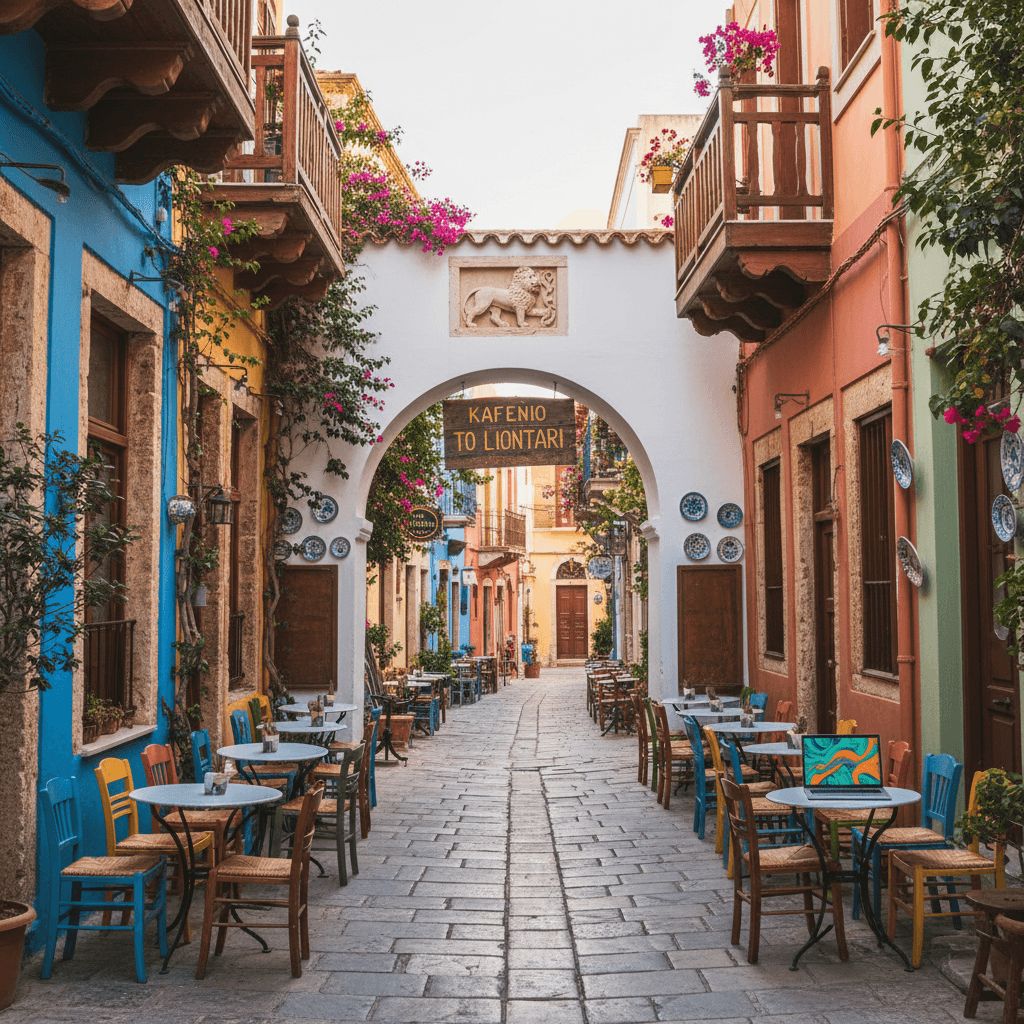
Chania
🇬🇷 Greece
The Venetian Dream with a Modern Edge
Chania isn't your typical tech hub, and that's exactly why people are flocking here. It feels like a living museum that somehow managed to install high speed fiber optics. You'll spend your mornings walking through the 14th century Venetian Harbor, where the scent of salt air mixes with roasting coffee, and your afternoons working from a stone walled cafe that has likely stood for hundreds of years. It is a place where the pace of life is dictated by the sun and the sea, not by a Slack notification.
Most nomads find that Chania offers a "soft landing" in Crete. It is smaller and more intimate than Heraklion, but far more cosmopolitan than the sleepy villages on the south coast. The city strikes a balance between old world charm and a growing infrastructure that actually supports remote work. You can grab a €3 Freddo Espresso, sit by the water, and feel like you've unlocked a cheat code for life. The emotional payoff here is huge; there is a specific kind of calm that comes from looking up from your laptop to see the White Mountains capped with snow while you sit in a t-shirt by the Mediterranean.
The Local Scene
The community here is tight knit but welcoming. While the summer months bring in the typical tourist crowds, the shoulder seasons are when the nomad scene really shines. Groups like "Digital Nomads & Remote Workers Chania" are active for everything from weekend hikes in Samaria Gorge to sunset drinks at the harbor. You'll find a mix of Northern Europeans, Americans, and Greeks who have moved back from Athens to find a better quality of life.
- The Vibe: Relaxed, historic, and outdoorsy. It is less about "grind culture" and more about "lifestyle design."
- The Crowd: A mix of creative freelancers, software engineers, and slow travelers who value nature over nightlife.
- The Layout: The Old Town is the heart of the city, while the modern areas like Halepa and Nea Chora offer a more local, residential feel.
Work and Play Balance
Productivity in Chania often happens in bursts. You'll likely find yourself working early in the morning so you can take a long "Cretan lunch" or head to the beach in the afternoon. Kumba Backyard has become the go-to spot for those who need a dedicated desk and a community atmosphere. It provides that reliable environment that can be hard to find when you're tempted by the many seaside cafes. Travelers often say that the biggest challenge isn't the internet speed, which is usually around 50 Mbps download but improving, but rather the sheer number of distractions right outside your door.
What Sets It Apart
What makes Chania different from places like Lisbon or Bali is the authenticity of the Cretan hospitality, or "philoxenia." You aren't just a tourist here; you're a neighbor. The local bakery will remember your order by day three. The cost of living is another major draw, with monthly budgets typically landing between $2,051 and $3,181 depending on how much you indulge in the local wine and cheese. It is a destination for the nomad who wants to slow down, eat the best food of their life, and actually feel connected to the place they're living.
For those looking to stay long term, the Greek Digital Nomad Visa is a game changer. If you can show a monthly salary of €3,500 and work for a company outside of Greece, you can trade your temporary stay for a residency permit. It is a path many are taking as they realize that a week in Chania is simply never enough.
The Price of the Cretan Lifestyle
Living in Chania is a game of two seasons. If you arrive during the peak summer months, you are competing with half of Northern Europe for space, which naturally drives prices up. However, most nomads who stick around for a few months find that Chania offers a high quality of life for a fraction of the cost of Athens or the more famous Cycladic islands. You can expect your monthly burn to land somewhere between $2,050 and $3,200, depending heavily on how much you prioritize a sea view.
The local economy still caters to residents, not just tourists, so if you shop where the locals shop, your money goes surprisingly far. It is a place where you can still get a massive, fresh Greek salad and a glass of wine for under $15, provided you walk a few blocks away from the Venetian Harbor.
Accommodation and Neighborhoods
Rent is your biggest variable. Long term rentals are getting harder to find because of the Airbnb boom, so savvy nomads often negotiate monthly rates with guest house owners during the shoulder season (October to May). Expect to pay a premium for anything inside the Old Town walls, while neighborhoods like Halepa or Nea Chora offer more space and better value.
- Old Town: Rent for a small studio usually starts around $1,100. It is beautiful but can be noisy and lacks parking.
- Nea Chora: A favorite for remote workers. You are right by the beach and a 10 minute walk to the center. Expect to pay $850 to $1,000 for a modern apartment.
- Halepa: The historical, more residential district. It is quieter and offers better value, with one bedroom flats often found for $700 to $850.
Food and Dining out
Groceries in Crete are a highlight because so much is grown right on the island. Local markets (Laiki) happen on different days of the week, with the Saturday market on Minoos Street being the big one. You can fill a bag with seasonal produce for about $20. If you prefer supermarkets, keep an eye out for Synka, which is a local Cretan chain.
- Quick lunch: A pita gyros or souvlaki will set you back about $4.50 to $5.50 and is a full meal.
- Dinner for two: A solid meal at a local taverna with house wine usually costs around $40 to $50.
- Coffee culture: A Freddo Espresso (the unofficial drink of Greek remote work) is usually $3.50 to $4.50.
Transport and Utilities
Chania is a very walkable city, so you might not need a car daily. However, to see the best beaches like Balos or Elafonisi, a rental is a must. If you are staying long term, look into a monthly scooter rental, which usually runs about $250 to $300.
- Utilities: If your rent does not include them, expect to pay around $150 to $200 for electricity, water, and heating. Keep in mind that electricity prices can spike in winter if you use AC for heating.
- Mobile Data: A prepaid SIM from Cosmote or Vodafone with plenty of data will cost you roughly $25 to $35 per month.
- Coworking: A hot desk at a spot like Kumba Backyard generally costs around $20 per day or $180 for a monthly pass.
The Bottom Line
While Greece has introduced a Digital Nomad Visa that requires a minimum monthly salary of €3,500, your actual cost of living in Chania will be much lower. Most expats find that a budget of $2,500 allows for a very comfortable lifestyle that includes eating out several times a week, weekend trips across the island, and a nice apartment near the water.
For the Social Nomads: Old Town and Venetian Harbor
If you want to step out of your front door and be greeted by history, the Old Town is where you'll land. It is the heart of Chania, characterized by narrow alleys and those iconic Venetian buildings. Most nomads choose this area for its proximity to Kumba Backyard, a reliable coworking hub where the coffee is strong and the WiFi actually holds up. You are paying for the atmosphere here, so expect to spend around $1,100 to $1,500 for a decent studio or one bedroom apartment during the peak season.
Living here means you are steps away from the harbor, which is perfect for sunset walks after a long day of meetings. The downside is the noise from tourists and local bars, especially during the summer months. It is the most walkable part of the city, so you can easily skip the car rental. You will find plenty of cafes like Pallas or Nama that are laptop friendly during the morning hours before the lunch rush hits.
For Long-Term Expats: Halepa
Halepa is the aristocratic neighborhood of Chania, located just east of the center. It is quieter, more residential, and offers a glimpse into how locals actually live. Expats often prefer this area because the apartments are larger, more modern, and generally offer better value for your money. You can find spacious two bedroom flats for roughly $800 to $1,000 per month if you look for long term leases rather than short term rentals.
The neighborhood is home to the new Archaeological Museum and several historic mansions. It is a bit of a hike to the harbor, so most residents here rely on a scooter or a bicycle. You will find a more authentic dining scene in Halepa, with local tavernas serving dakos and kalitsounia at prices that haven't been inflated for tourists. It is the best spot if you need a quiet environment to focus on deep work without the distraction of the crowds.
For Families: Nea Chora
Nea Chora is the sweet spot for families who want to be near the water without sacrificing city amenities. It sits just west of the Old Town and features a long, sandy beach with shallow water that is safe for kids. The neighborhood feels like a small village, with a daily fish market and a promenade lined with seafood restaurants. Rent here typically sits between $900 and $1,200 for family sized units.
The vibe is incredibly laid back. You can work from a beachside table at one of the many cafes while your kids play nearby. It is also close to several grocery stores and pharmacies, making the logistics of daily life much easier. Many families find that the community here is very welcoming, and it is common to see neighbors chatting on their porches late into the evening.
For Solo Travelers: Koum Kapi
Koum Kapi is located just outside the eastern walls of the Old Town. It used to be a bit overlooked, but it has become a favorite for solo travelers and younger remote workers. The area is famous for its coastal road lined with cafes and bars that overlook the sea. It is generally more affordable than the Old Town, with small apartments ranging from $700 to $950.
The social scene here is effortless. Since many of the cafes are frequented by university students and young professionals, it is easy to meet people. It feels less polished than the harbor but more energetic. You are within a ten minute walk of the city center, but you have the benefit of a rocky beach right across the street for a quick midday swim to clear your head between calls.
- Old Town: Best for history, nightlife, and networking.
- Halepa: Best for quiet, space, and long term stays.
- Nea Chora: Best for beach access and family living.
- Koum Kapi: Best for budget conscious solo travelers and social vibes.
Connectivity and Speed
Chania is a city where the infrastructure is still catching up to its popularity. If you are coming from a tech hub, the internet speeds might feel like a step back. Most digital nomads report average speeds around 50 Mbps download, which is plenty for Slack and emails but can get dicey during heavy video calls or large file uploads. It is a good idea to always ask for a speed test screenshot before booking an Airbnb, as older buildings in the Venetian Harbor often have thick stone walls that kill WiFi signals.
For a reliable backup, pick up a local SIM card from Cosmote. They have the best 5G coverage on the island, and you can often get unlimited data packages for around $25 to $30 per month. Most remote workers use their phone as a hotspot when the cafe WiFi starts to crawl during the afternoon rush.
Top Coworking Spots
The coworking scene in Chania is intimate rather than corporate. You won't find massive WeWork style complexes here, but you will find community focused spaces where everyone eventually knows your name.
- Kumba Backyard: This is the go to spot for the nomad crowd. It is part of a hostel but feels much more professional. They have fast, stable WiFi, great coffee, and a shaded outdoor area that is perfect for working when the weather is nice. It is a fantastic place to meet other people who are also working on PST or GMT time zones.
- Workhub Chania: Located slightly away from the tourist center, this space offers a more traditional office environment. It is quieter than the cafes and has ergonomic chairs, which your back will thank you for after a week of working from wooden bistro seats.
Laptop Friendly Cafes
Chania has a deep seated cafe culture, but not every spot wants you taking up a table for four hours with a laptop. The trick is to head slightly away from the harbor front where the cruise ship crowds gather. Look for places with large communal tables or quiet corners.
- Kross Coffee Works: A favorite for serious workers. The coffee is high quality, the atmosphere is minimalist, and the staff is generally cool with nomads staying for a few hours as long as you keep the caffeine orders coming.
- The Jar: Located in the Dikastiria neighborhood, this spot is popular with locals and expats. It is a bit more "real world" and less "vacation mode," making it easier to focus.
The Digital Nomad Visa
If you are looking to stay longer than the standard 90 day Schengen limit, Greece has a dedicated residency permit for remote workers. You will need to prove you work for a company outside of Greece and show a monthly income of at least €3,500. If you are bringing a partner, that requirement jumps by 20 percent. It is a bit of paperwork, but it is the best way to settle in without constantly watching your visa clock. Most expats recommend starting the application at a Greek consulate in your home country rather than trying to navigate the bureaucracy once you land.
Practical Remote Work Tips
Power outages aren't common, but they do happen during heavy winter storms or peak summer heatwaves. Always keep your devices charged. If you plan on working from the beach, the sun is often too bright for most laptop screens even under an umbrella, so save your deep work for the mornings and use the beach for light admin or reading. Most nomads find that the best balance is working early in the morning to beat the heat and the crowds, then taking a long "siesta" break when the sun is at its peak.
Staying Safe in the Venetian City
Chania is remarkably safe, even by laid-back Mediterranean standards. Most nomads find they can walk through the Old Town or along the Nea Chora beach late at night without a second thought. While you should keep an eye on your bag in crowded tourist spots like the Venetian Harbor during peak summer months, violent crime is almost unheard of here. The local culture is built on philotimo, a Greek concept of honor and hospitality, which means locals are more likely to help you find your lost wallet than take it.
The biggest risks you'll face are actually environmental. The sun in Crete is intense, especially from June through August, so hydration isn't just a suggestion. Also, keep your wits about you when walking on narrow sidewalks or crossing streets. Cretan driving can be aggressive, and scooters often treat pedestrian alleys as shortcuts. If you are renting a car to explore Balos or Elafonisi, never leave valuables in plain sight, as trailheads are the only places where opportunistic car break-ins occasionally happen.
- Emergency Number: Dial 112 for general emergencies or 100 for police.
- Walking Safety: Stick to well-lit paths in Splantzia at night, though it's generally very safe.
- Tap Water: The water in Chania is safe to drink and actually tastes quite good, coming from the White Mountains.
Healthcare and Medical Services
If you get sick, you are in good hands. Chania has a solid mix of public and private facilities. For anything serious, the General Hospital of Chania "Agios Georgios" is the main public hub located in the Mournies area, about a 10 minute drive from the city center. It's reliable, though like many public hospitals in Greece, it can be crowded and bureaucracy can move slowly.
Most expats and digital nomads prefer private clinics for faster service and more English-speaking staff. Gavrilakis Clinic (IASIS) is a popular private choice right in the city center on Markou Botsari Street. They handle everything from diagnostic tests to specialist consultations. You'll find that many doctors in Chania have studied abroad, so their English is usually excellent, making it easy to explain your symptoms without a translator.
Pharmacies and Everyday Care
Pharmacies, marked by a bright green cross, are everywhere. In Greece, pharmacists are highly trained and can often give medical advice or provide over-the-counter treatments for minor ailments like respiratory infections or skin rashes. If you need a pharmacy after hours, check the sign in the window of any closed pharmacy; it will list the farmakeio on duty for that night.
- Private Consultation Cost: Expect to pay between €40 and €60 for a visit to a private specialist.
- Insurance: Always carry a digital copy of your travel insurance or EHIC card if you're an EU citizen.
- Prescriptions: Bring your home prescriptions with you, though many medications that require a script in the US are available over-the-counter here.
Staying Healthy as a Nomad
Living here makes it easy to stay fit. Many nomads join local crossfit boxes or yoga studios near Koum Kapi. The Mediterranean diet isn't just a marketing buzzword here; it's the default. You'll find that eating fresh, local produce from the Agora (the main municipal market) keeps your energy levels high for those long deep-work sessions at Kumba Backyard. Just remember that the pace of life is slower, so don't let the relaxed "avrio" (tomorrow) attitude stress you out, as lower stress levels are the best healthcare Crete provides.
The Daily Commute
Chania is a city that begs you to slow down. Most nomads find that the city center and the Old Town are best explored on foot. The narrow, winding alleys of the Venetian Harbor weren't built for cars, and frankly, you'll see much more of the local character if you're walking. If you base yourself in central areas like Nea Chora or Koum Kapi, your daily commute to a seaside cafe or Kumba Backyard will likely be a pleasant ten to fifteen minute stroll.
For longer distances, the local blue buses are your best bet. These handle the urban routes and the immediate suburbs. You can buy tickets at kiosks or directly from the driver, though it's cheaper to buy them beforehand. A single trip usually costs around €1.10 to €1.50. If you are heading out to the famous beaches like Agia Marina or Platanias, you will use the green KTEL buses. These are regional coaches that are reliable, air conditioned, and depart from the main station on Kidonias Street.
Driving and Parking
If you plan to explore the rugged Cretan interior or reach remote spots like Balos, you'll need wheels. Car rentals are plentiful, especially near the airport and along the main road in Nea Chora. Expect to pay about €25 to €40 per day during the shoulder season, though prices spike in July and August. Expats recommend renting a small car; the mountain roads are tight and parking in Chania is notoriously difficult. Look for the large public parking lots near the Talos Square or the East Moat if you want to avoid the stress of parallel parking on tiny side streets.
Scooters and motorbikes are the local secret for bypassing traffic. They are easier to park and much cheaper on fuel. A 125cc scooter usually runs about €20 per day. Just be aware that Cretan drivers can be assertive, so you'll need to keep your wits about you and always wear a helmet, even if the locals don't.
Taxis and Apps
You won't find Uber or Lyft operating here in the way you might be used to in London or New York. Instead, the city relies on traditional taxis and the FreeNow app. Taxis are metered, but it is always smart to ask for an estimate before you hop in. A ride within the city limits typically costs between €5 and €10. For airport transfers, there is a flat rate which usually sits around €25 to €30.
Cycling and Alternative Transit
Chania is slowly becoming more bike friendly, particularly along the waterfront. The city has a bike sharing scheme, though many nomads prefer to rent a sturdy mountain bike or an e-bike from local shops if they plan on tackling the hills.
- Local Blue Bus: €1.10 per ticket (purchased at kiosks)
- Regional Green Bus: €2.00 to €8.00 depending on distance
- Daily Car Rental: €30 average
- Airport Taxi: €25 fixed rate
Most long term travelers eventually realize that a combination of walking for daily life and renting a car for weekend adventures is the sweet spot. It keeps your costs down while ensuring you aren't trapped in the city when the mountains call.
The Language Barrier
You won't have much trouble getting by in Chania with just English. Since the city relies heavily on tourism, most people working in shops, restaurants, and cafes speak it quite well. Younger locals are usually fluent, and you'll find that many digital nomads and expats live here for months without ever mastering the Greek alphabet.
That said, the vibe changes once you step away from the Venetian Harbor or the main tourist drags. If you're heading into the smaller villages in the White Mountains or dealing with older landlords and government officials, the language gap becomes more apparent. Greeks are incredibly hospitable, and even a tiny bit of effort goes a long way in building rapport.
Greek for Daily Life
Greek is famously difficult because of its unique alphabet and complex grammar. Most nomads find that learning the Greek script is the first big hurdle. Once you can read the signs, navigating the city and grocery shopping becomes much easier. If you're looking for formal lessons, the Center of Greek Language & Culture Alexander the Great offers courses [3] that can help you move beyond basic greetings.
For quick translations, everyone uses Google Translate, specifically the camera feature for reading menus or utility bills. Most expats also recommend downloading the Gboard Greek keyboard on your phone so you can type addresses into Beat or Google Maps when the English transliteration doesn't quite match up.
- Kalimera: Good morning (use this until 1:00 PM or 2:00 PM).
- Efcharisto: Thank you (hard to pronounce, but locals love it).
- Nai / Ochi: Yes / No (careful here, "Nai" sounds like "No" to English speakers).
- Yamas: Cheers (you will hear this constantly in the tavernas).
- Pame: Let's go.
Digital Nomad Social Circles
Because Chania is a smaller city compared to Athens or Thessaloniki, the nomad community is tight knit and communicative. Most of the "language" of the community happens online. You should join the Digital Nomads & Remote Workers Chania Facebook group as soon as you arrive. It is the primary hub for meetups, apartment leads, and general advice.
If you're looking for a physical space to meet other English speakers while working, Kumba Backyard is the go to spot. The staff speaks perfect English, and the crowd is almost entirely international remote workers.
Communication Etiquette
Communication in Crete is often loud, passionate, and involves a lot of hand gestures. Don't mistake a heated sounding conversation for an argument; it's usually just a friendly debate about football or politics. When you're dealing with local businesses, WhatsApp and Viber are the standard. Most Greeks prefer a quick message or a call over email, which can often go unanswered for days.
If you're staying for the long haul and applying for the Digital Nomad Visa, you'll likely need a translator or a Greek speaking lawyer. The paperwork is extensive and almost entirely in Greek. Expect to pay around €50 to €100 for professional translations of official documents like birth certificates or bank statements.
When to Touch Down
Chania follows the classic Mediterranean rhythm, but with a Cretan twist. The island stays warmer deeper into the autumn than the mainland, making it a favorite for nomads who want to stretch out their summer. If you are looking for that perfect balance of swimmable water and manageable crowds, aim for late May to June or September to early October.
July and August are the peak of the heat and the tourist rush. Temperatures regularly climb above 30°C (86°F), and the narrow alleys of the Old Town get packed with cruise ship crowds and vacationing families. During these months, most remote workers retreat to air conditioned apartments during the day and only emerge after sunset when the sea breeze kicks in.
Seasonal Breakdown
- Spring (March to May): This is the most beautiful time for hikers. The White Mountains are still capped with snow while the valleys are exploding with wildflowers. Temperatures hover between 17°C and 23°C. The water is still a bit brisk for long swims, but it is perfect for working from a sun drenched balcony.
- Summer (June to August): It is hot, dry, and lively. Expect constant sunshine and temperatures peaking around 32°C to 35°C. This is when the social scene is at its peak, with beach parties and outdoor cinemas in full swing.
- Autumn (September to November): Many expats consider this the "golden season." The Aegean Sea has been soaking up heat all summer, so it remains warm enough for swimming well into November. Daytime highs stay around 20°C to 26°C, and the city feels much more authentic once the summer crowds depart.
- Winter (December to February): Chania does not shut down like the smaller islands, but it definitely gets quiet. It is the rainy season, and temperatures sit between 10°C and 15°C. You will need a jacket, and more importantly, you will need to ensure your rental has proper heating, as many older Cretan homes are built only to keep heat out.
The Nomad Perspective on Weather
One thing travelers often overlook is the Meltemi wind. During the summer, these strong northern winds can blow for days. While they provide a welcome relief from the heat, they can make the famous northern beaches like Balos or Falassarna a bit choppy. On those days, local nomads head to the south coast where the waters remain calm.
If you are planning a stay longer than a month, try to arrive in September. You will find that apartment prices start to drop from their "holiday" peaks, but you still get two full months of t-shirt weather. Most digital nomad meetups and community events are most active from May through October, so if you arrive in the dead of winter, you will have to work a bit harder to find your social circle.
Packing Essentials
For the majority of the year, your "uniform" will be linen shirts, light trousers, and sturdy sandals. However, if you are visiting in the shoulder seasons, bring a light windbreaker. The humidity can make a 15°C evening feel much chillier than the number suggests. If you plan on working from the beachside cafes in Agia Marina or Platanias, high quality polarized sunglasses are a necessity to deal with the intense Cretan glare on your laptop screen.
Connectivity and SIM Cards
Getting online the moment you land is your first priority. While Chania has decent infrastructure, don't rely on your home roaming plan. Pick up a local SIM from Cosmote, Nova, or Vodafone. Cosmote generally has the best coverage if you plan on exploring the more remote beaches in the south or hiking the Samaria Gorge.
- Cosmote: Best overall coverage and speeds. Expect to pay around €15 to €20 for a prepaid "Gigamax" pack with plenty of data.
- Vodafone: Often has the best deals in the city center shops, though speeds can dip in old stone buildings.
- eSIMs: If your phone supports it, Airalo works well here, but you will pay a premium compared to a local physical SIM.
Banking and Cash
Greece is much more card friendly than it used to be, but Chania still runs on cash for small purchases. You will need coins for the local markets and small family run tavernas in the Old Town. Stick to bank affiliated ATMs like Alpha Bank, Piraeus Bank, or National Bank of Greece. Avoid the blue and yellow "Euronet" machines you see in tourist areas; they charge predatory fees and offer terrible exchange rates.
Most nomads use Revolut or Wise to avoid foreign transaction fees. It is common practice to carry at least €20 in cash for emergencies or when a shop's card terminal is "down," which happens more often than you might think.
Finding a Place to Stay
The rental market in Chania is split between short term tourist stays and long term local leases. If you are staying for a month or two, standard platforms are your best bet. For longer stays, you have to get creative.
- Spitogatos: The main Greek real estate site. It is great for seeing what is available, though many listings are for 12 month contracts.
- Facebook Groups: Join "Digital Nomads & Remote Workers Chania" or "I want to live in Crete." Locals often post apartments here before they hit the agencies.
- Airbnb: Useful for your first week, but message hosts directly to negotiate a monthly rate. You can often get 30% to 50% off during the shoulder season (October to April).
The Digital Nomad Visa
If you are from outside the EU and want to stay longer than 90 days, the Greek Digital Nomad Visa is a solid path. You will need to prove a monthly income of at least €3,500. If you bring a spouse, that requirement jumps by 20%. The application process is notoriously bureaucratic, so many expats recommend hiring a local lawyer in Chania to handle the paperwork at the Aliens Office. It saves you days of standing in lines and dealing with Greek language forms.
Essential Local Apps
To navigate the city like a local, download these before you arrive. Chania does not have Uber or Lyft, so you will need the local alternatives.
- Freenow: The go to app for booking taxis. It is reliable and prevents any haggling over prices.
- Wolt or Efood: These are the local versions of UberEats. They are incredibly efficient and cover everything from souvlaki to groceries.
- KTEL: The official bus app. It is vital for checking schedules for trips to places like Elafonisi or Balos.
Laundry and Life Admin
Most apartments in Chania have a washing machine but no dryer. Locals dry clothes on balconies, which works great in summer but can be a struggle during the humid winter months. Look for Easywash Self Service Laundry near the city center if you need a heavy duty dryer. For groceries, Sklavenitis and Synka are the main supermarkets where prices are most reasonable. Avoid the "Mini Markets" in the Venetian Harbor unless you want to pay double for a liter of milk.
Need visa and immigration info for Greece?
🇬🇷 View Greece Country GuideHidden Gem
Worth the effort